
There’s something quietly profound about the moment a dog settles beside an older adult, rests its head on their lap, and sighs contentedly. No words needed. No performance. Just presence. For many seniors, that daily ritual of connection with a dog becomes a genuine anchor, providing purpose, structure, and the kind of uncomplicated love that can be hard to find anywhere else.
In addition to providing friendship, raising a dog can help boost a senior’s physical and mental health. Spending time with a dog can help lower blood pressure and cholesterol levels while raising serotonin levels in the brain. Still, not every breed is suited to every lifestyle, and choosing the wrong match can make pet ownership feel exhausting rather than joyful. The ten breeds below were selected specifically because they tend to form deeply gentle, manageable, and emotionally rewarding bonds with older adults.
1. Cavalier King Charles Spaniel: The Ultimate Lap Companion
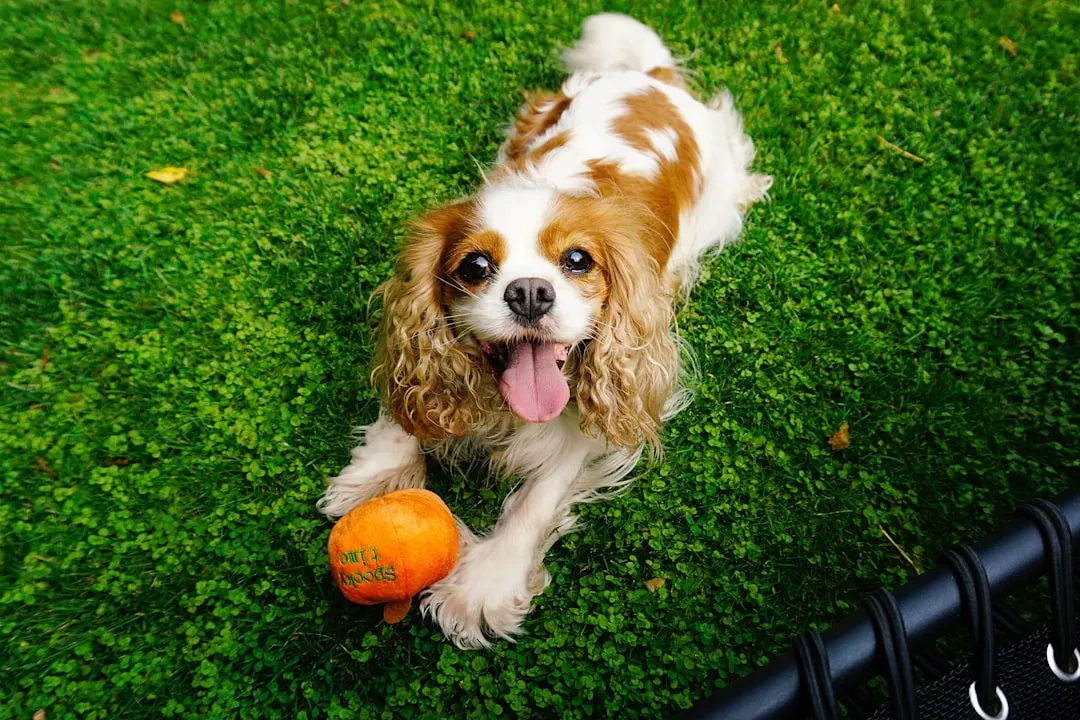
If there were a breed designed with seniors in mind, it might well be the Cavalier King Charles Spaniel. This breed consistently ranks among the best dogs for seniors due to its gentle, loving nature and adaptable personality, with small, elegant dogs typically weighing between 13 and 18 pounds. That modest size makes them easy to manage, lift, and travel with, which matters more than most people realize.
The Cavalier is a natural fit for seniors and calm households, thanks to its gentle demeanor and deeply affectionate nature. This breed thrives on human companionship, forming strong emotional bonds and showing a constant eagerness to please. Friendly with strangers, children, and other pets, the Cavalier brings a peaceful, welcoming energy into any home.
Cavaliers are particularly well suited for apartment living and adapt beautifully to their owner’s energy level. They’re happy with moderate walks but equally content spending quiet time indoors. One practical note: watch for signs of heart issues as they age, since the breed can be predisposed to cardiac conditions. Regular veterinary check-ups are a must.
2. Shih Tzu: Small Dog, Big Heart
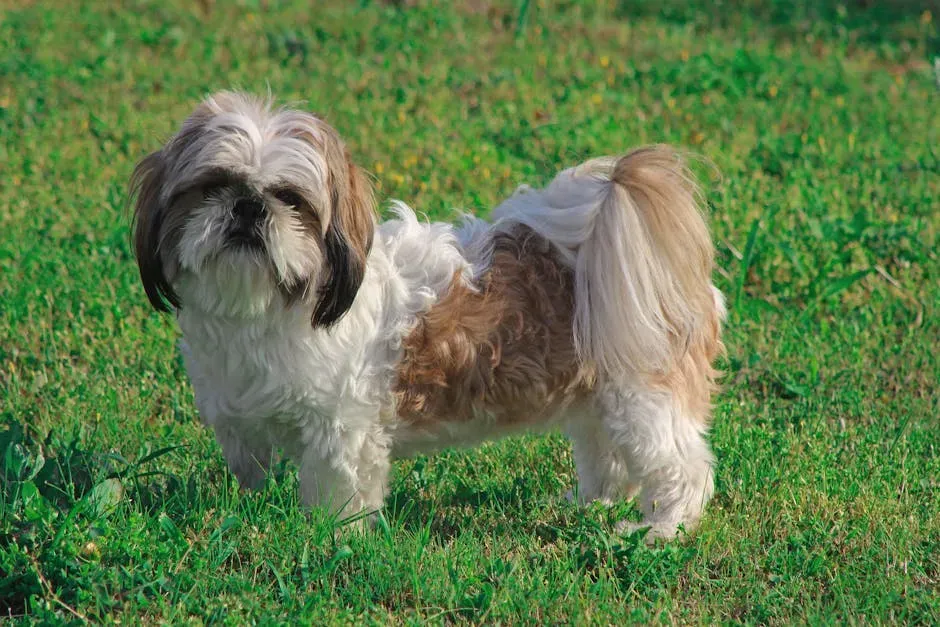
The Shih Tzu offers the perfect combination of small size and big personality. These affectionate, low-energy dogs typically weigh between 9 and 16 pounds and are known for their gentle nature. Originally bred as palace companions, they excel at providing comfort and companionship indoors. There’s a reason they’ve been favored by royalty for centuries.
Shih Tzus were bred to be companions, and that’s exactly what they excel at. These small, fluffy dogs are known for their calm, easy-going nature and don’t require much exercise. A leisurely stroll around the block or some indoor playtime is enough to keep them happy. Their lapdog instincts make them perfect for seniors who prefer a low-maintenance, affectionate pet that’s just as happy to cuddle as they are to take a nap.
Shih Tzus do have high-maintenance coats that need to be brushed frequently if kept long. Many senior owners opt for a shorter “puppy cut” trimmed professionally every few weeks, which makes upkeep much simpler. When the grooming routine clicks, it often becomes a soothing, bonding ritual in itself.
3. Maltese: Gentle, Devoted, and Elegantly Small
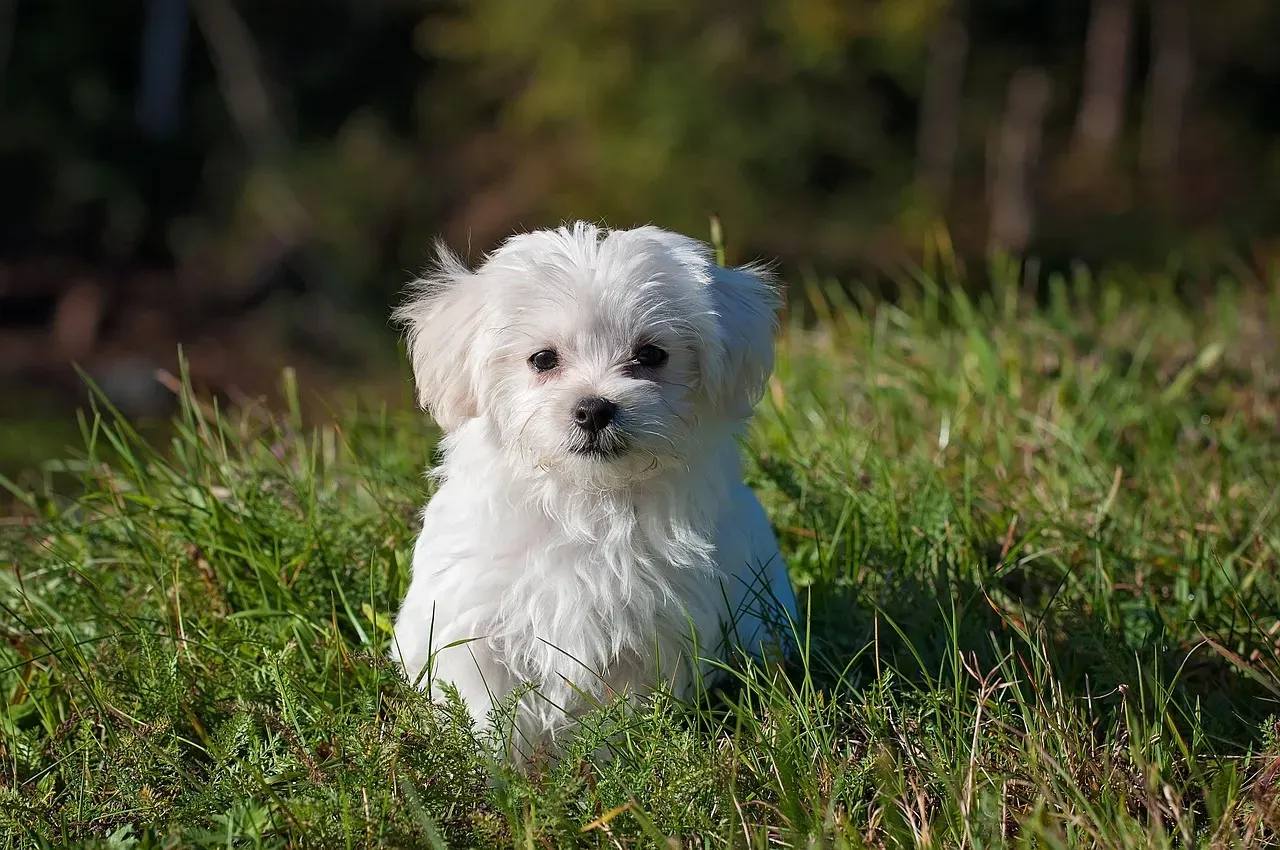
The gentle and affectionate Maltese is among the most loving small dog breeds for seniors. Weighing just 4 to 7 pounds, these tiny pups are easy to manage and transport. They’re naturally gentle and respond well to their owner’s moods, providing comfort and emotional support. That emotional attunement is something Maltese owners notice quickly.
Lively but gentle, the smart Maltese enjoys playtime and is more than happy to entertain. Often used as a therapy dog, this breed is attentive to the emotions of their owners. Despite their soft looks, Maltese dogs are fearless and alert pets.
Maltese dogs require minimal exercise given their small stature. While they do need regular brushing to maintain their beautiful white coats, they shed very little, making them a great choice for seniors who prefer a cleaner home environment. For those with mild allergies, the near-hypoallergenic coat is a genuine bonus.
4. Bichon Frise: Cheerful, Hypoallergenic, and Endlessly Adaptable
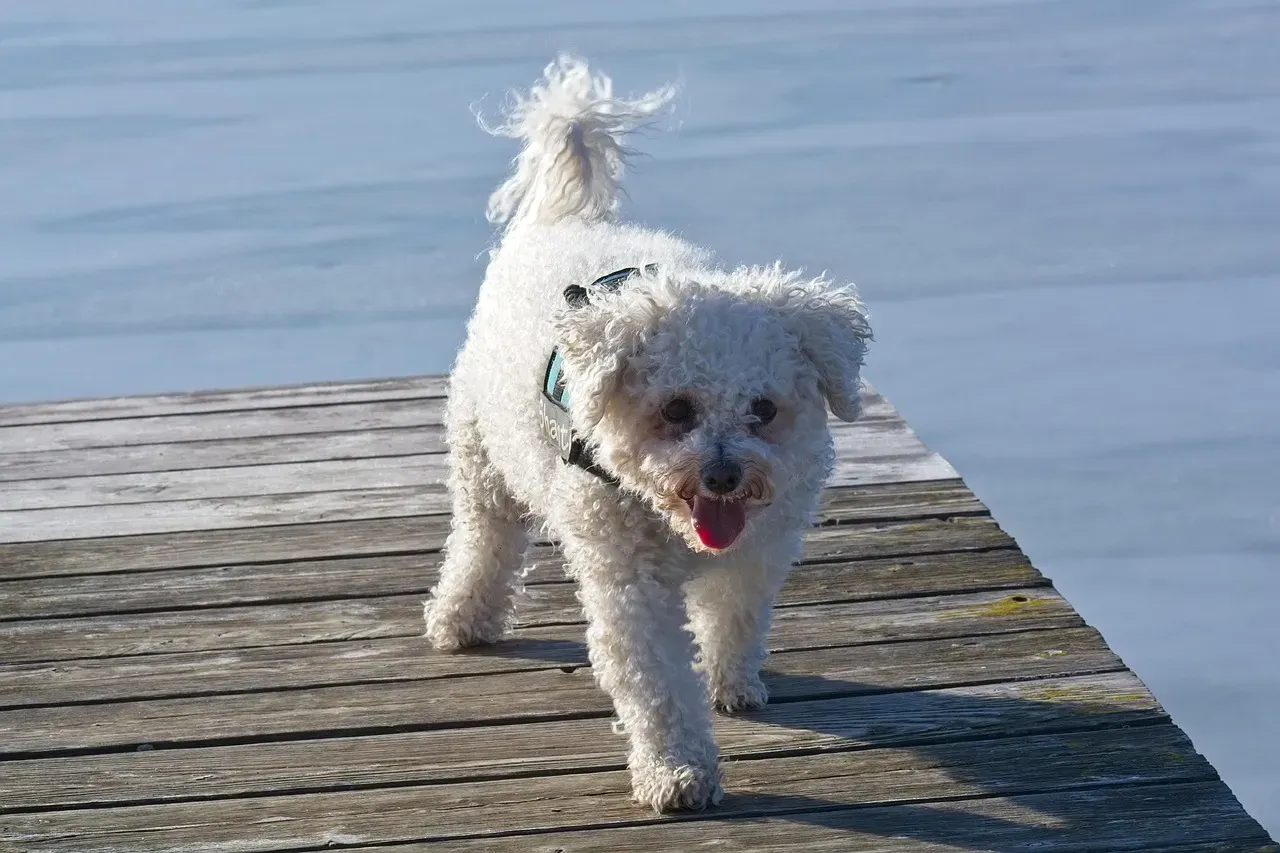
The Bichon Frise is cheerful, adaptable, and hypoallergenic. Their playful demeanor keeps spirits high, while their small size makes them easy to manage. For a senior living in a smaller apartment or retirement community, the Bichon’s light footprint and cheerful disposition are hard to beat.
The Bichon Frise is a friendly, playful breed that thrives on companionship. These dogs are small and easy to manage, making them a good choice for older individuals. While they enjoy playtime and light activity, they can adjust to the energy level of their owners. That adaptability is one of their most underrated qualities.
With a cheerful spirit and a fluffy white coat, the Bichon Frise is a fantastic breed for older adults. This breed is friendly and highly adaptable to its environment. Bichons are small dogs with a lower energy level, making them perfect for seniors who enjoy interactive play but don’t want a dog that demands long walks. Their coat does need regular professional grooming, so factor that into the care plan.
5. Pug: Low-Key, Loving, and Endlessly Entertaining
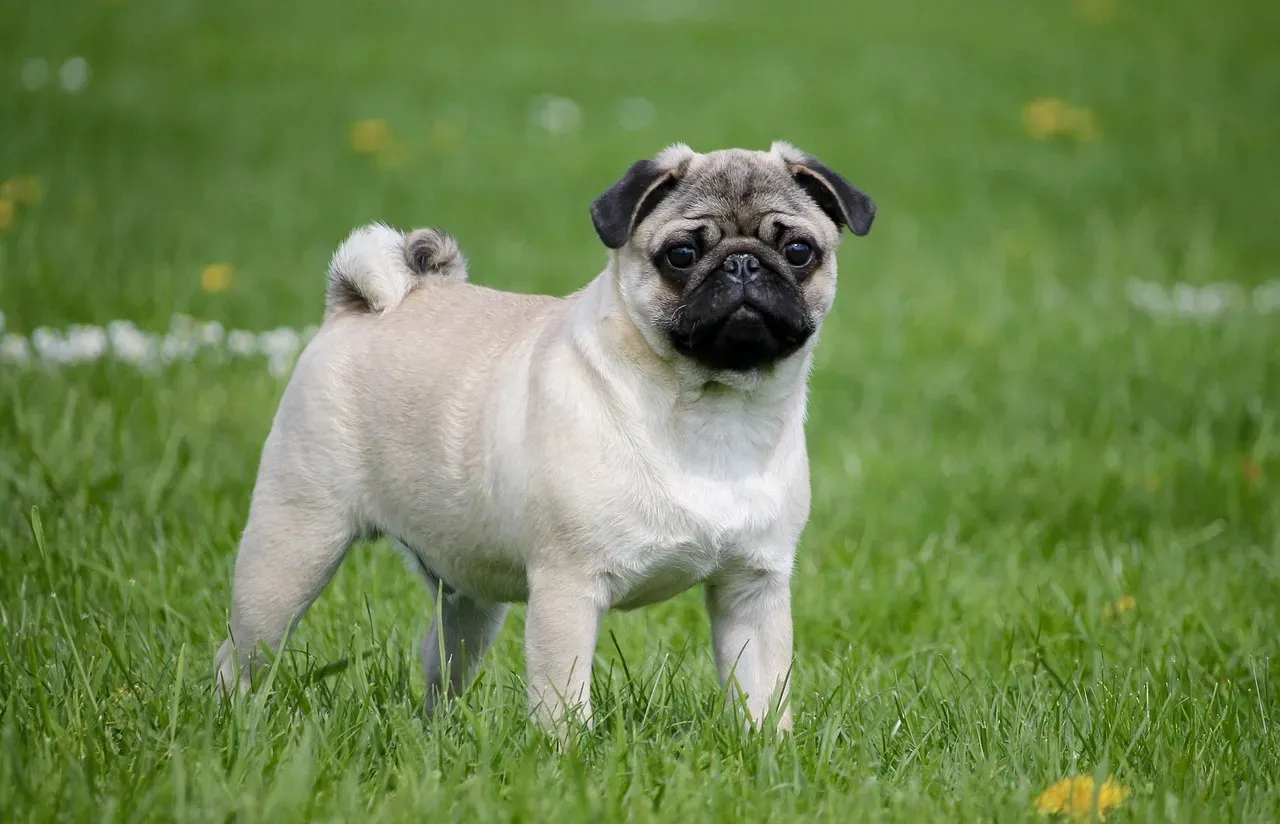
Pugs are one of the best companion dogs for seniors because they were originally bred to be lap dogs. This short-coated breed is a little heavier than Shih Tzus and Chihuahuas, but they weigh less than 20 pounds. Pugs are a low-energy breed that will love spending time snuggling with you on the couch. Their wrinkled expressions and dramatic sighs have a way of making people feel genuinely less alone.
At 14 to 18 pounds, Pugs are small but sturdy. They don’t need much exercise, which is important because their flat faces make them prone to breathing difficulties during strenuous activity. Short walks and indoor play are ideal. Keep an eye on their weight, as Pugs tend to love food a little too enthusiastically.
Pugs do require regular cleaning of their facial wrinkles to prevent infection, and they shed more than you’d expect for their size. The trade-off for their boundless personality and devotion is well worth the extra maintenance. A quick wipe of the facial folds a few times a week keeps skin issues at bay. Health-wise, always avoid exercising your Pug in extreme heat.
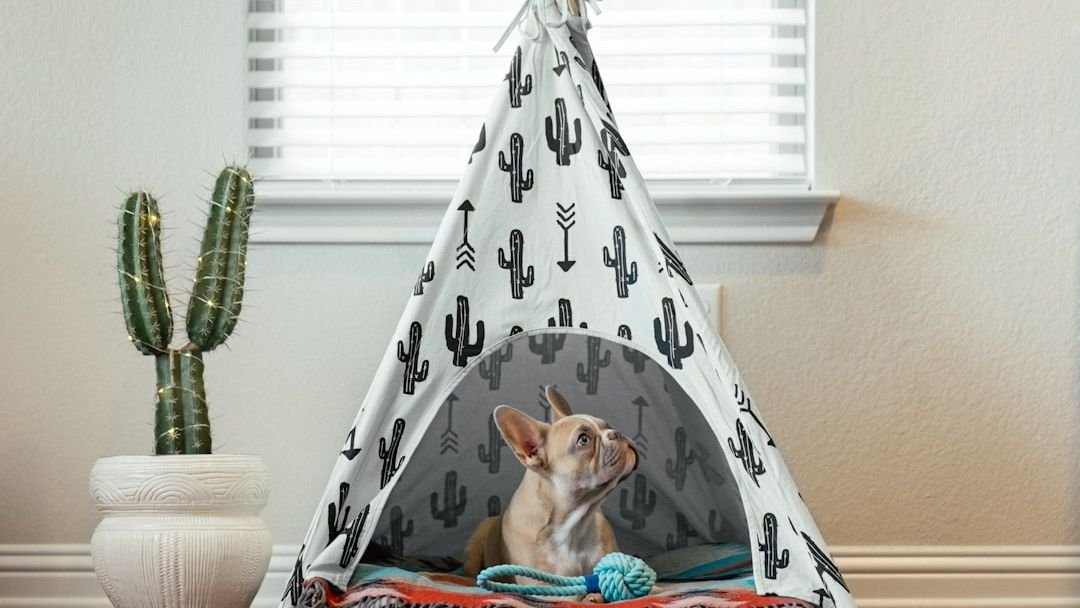
6. French Bulldog: Quiet, Loyal, and Built for Cozy Living
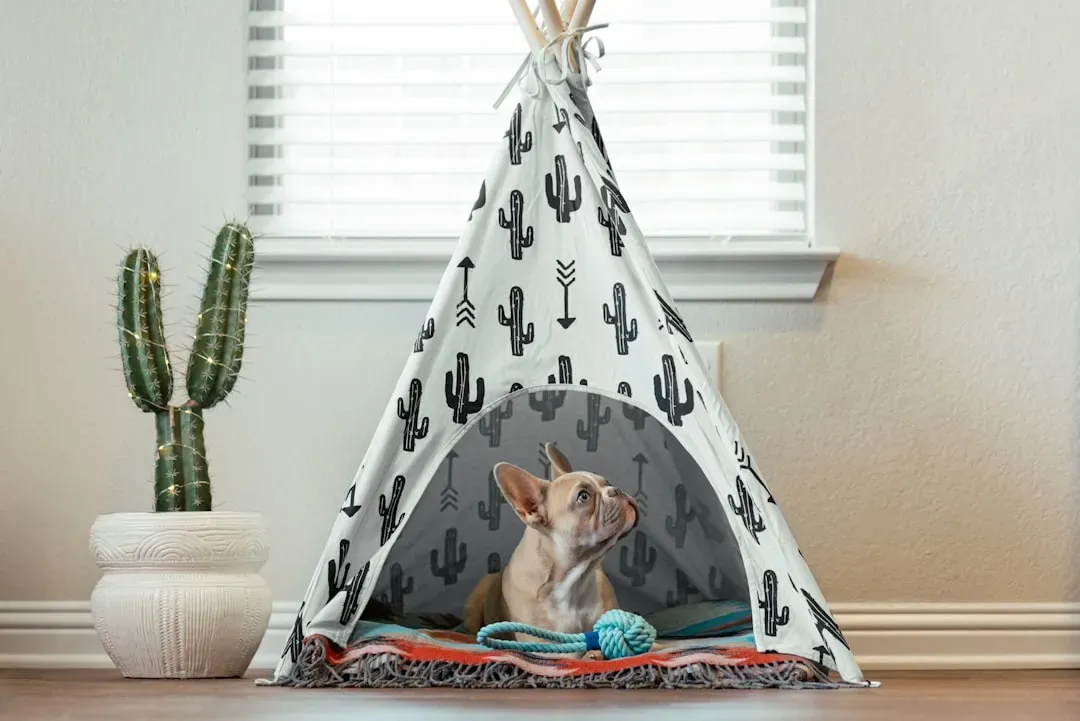
The French Bulldog is one of the best dog breeds for seniors and calm, relaxed households, thanks to its gentle, adaptable nature and love for companionship. Known for being tolerant and friendly, a well-socialized French Bulldog typically gets along well with other dogs and can live peacefully alongside familiar pets when introduced properly. Early socialization plays an important role in helping them feel confident and comfortable in different situations.
French Bulldogs are loyal and friendly, with a calm temperament that suits apartment living or smaller homes. They do not require extensive exercise. Additionally, they have minimal grooming needs, making them an easy breed to care for.
French Bulldogs can be prone to breathing problems due to their flat faces. Keeping them cool during hot weather and monitoring their weight can help prevent health issues. Regular vet check-ups are essential to manage potential joint and skin problems. If you’re in a warm climate, air conditioning isn’t optional for a Frenchie. It’s genuinely part of responsible care.
7. Poodle (Toy or Miniature): Brilliant, Gentle, and Hypoallergenic
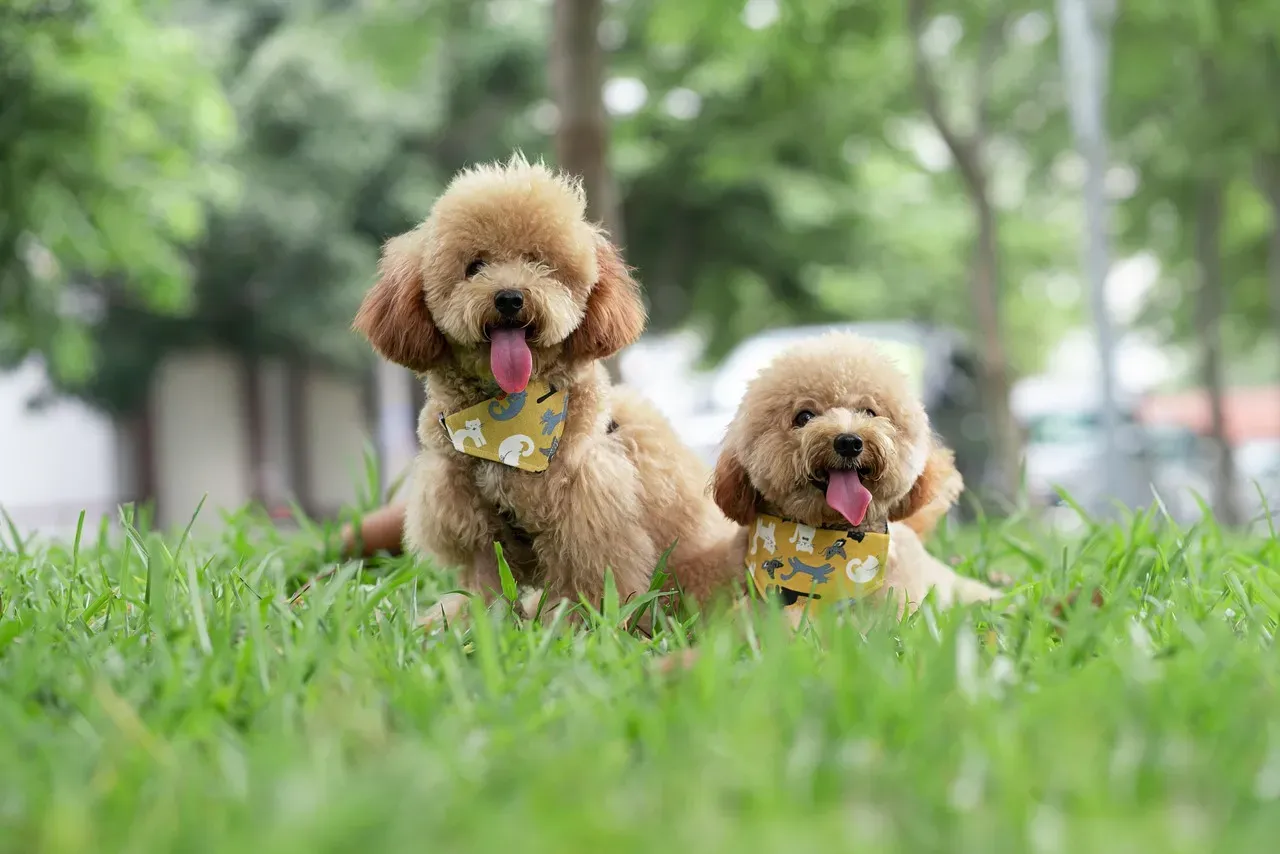
Poodles are an excellent option for older adults with allergies. Both the miniature and toy varieties are hypoallergenic, which means they are less likely to trigger allergic reactions. That’s a significant practical advantage for many seniors, especially those sharing smaller spaces with their dog.
Like the best sort of human companion, Poodles are known for both their beauty and their brains. Their high intelligence makes them easy to train, which is helpful for seniors, and their affectionate personality makes them easy to love. The smaller Toy Poodle is a top choice for seniors. A well-trained Toy Poodle will learn routines quickly and thrive with consistency.
Poodles love walks and interactive play, but their exercise needs can vary depending on size. Toy Poodles only need short daily walks, while Standard Poodles can be higher energy and more prone to pulling on their leashes. For most seniors, the Toy or Miniature sizes hit the sweet spot between mental engagement and manageable physical demands. Their curly coat does require regular professional grooming, typically every four to six weeks.
8. Greyhound: The Surprisingly Relaxed Giant
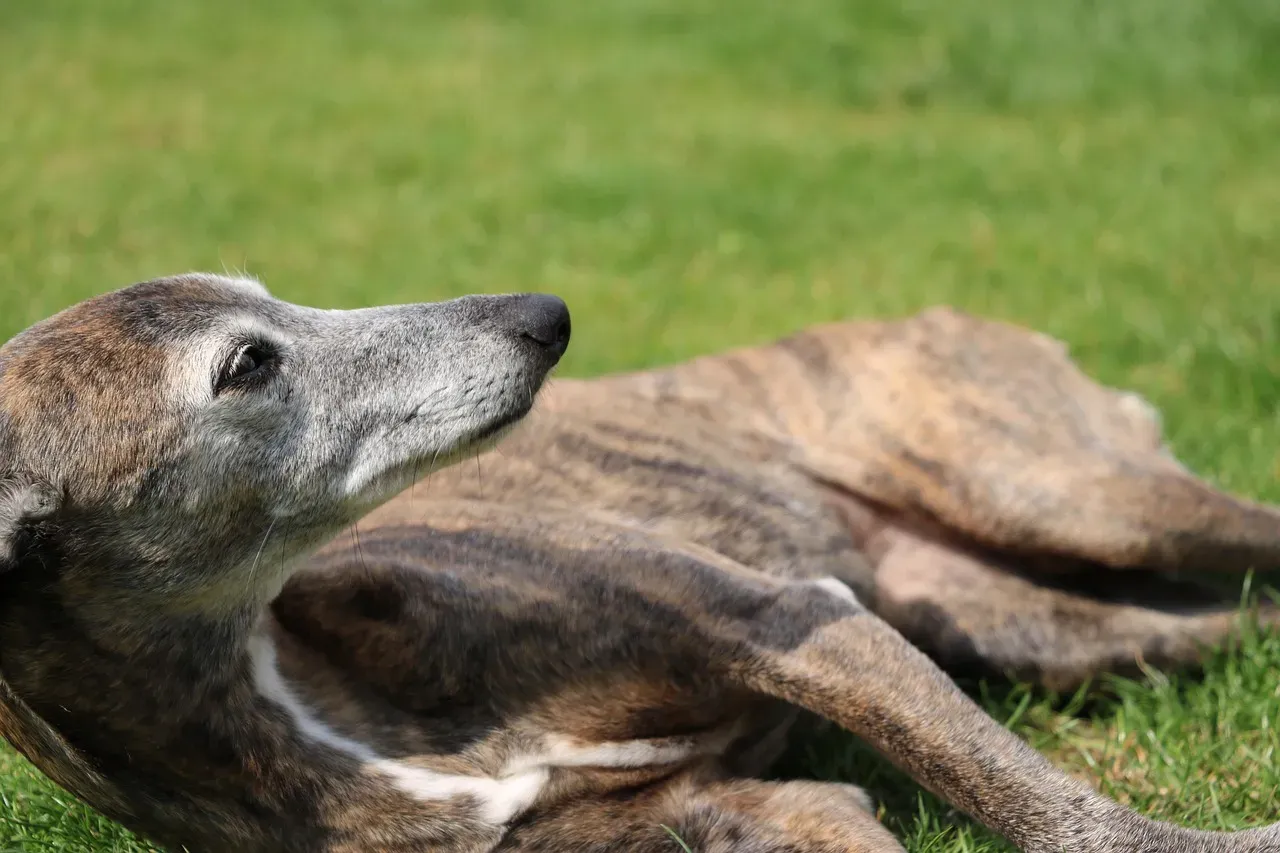
The Greyhound might be the biggest surprise on this list. Known as the fastest dog breed in the world, they look like they’d require hours of daily running. The reality is almost the opposite. This athletic dog is low-key, calm, and content with lounging around the home once it gets in its exercise. Greyhounds are ideal dogs for senior citizens who prefer larger but manageable furry friends.
The Greyhound is a gentle, quiet, and compassionate pet. This breed is independent and can be rather reserved around company, which is part of its appeal. For seniors who appreciate peace and quiet in the home, a Greyhound’s calm nature fits naturally into a slower daily rhythm.
The Greyhound’s short and smooth coat requires only occasional brushing, making grooming a low-effort task. One important care note: Greyhounds have a high drive for hunting prey, so they should always be kept on a leash and closely supervised while outdoors. Many wonderful retired racing Greyhounds are available for adoption, and these dogs often make exceptionally calm, grateful companions.
9. Havanese: The Warmhearted Social Butterfly
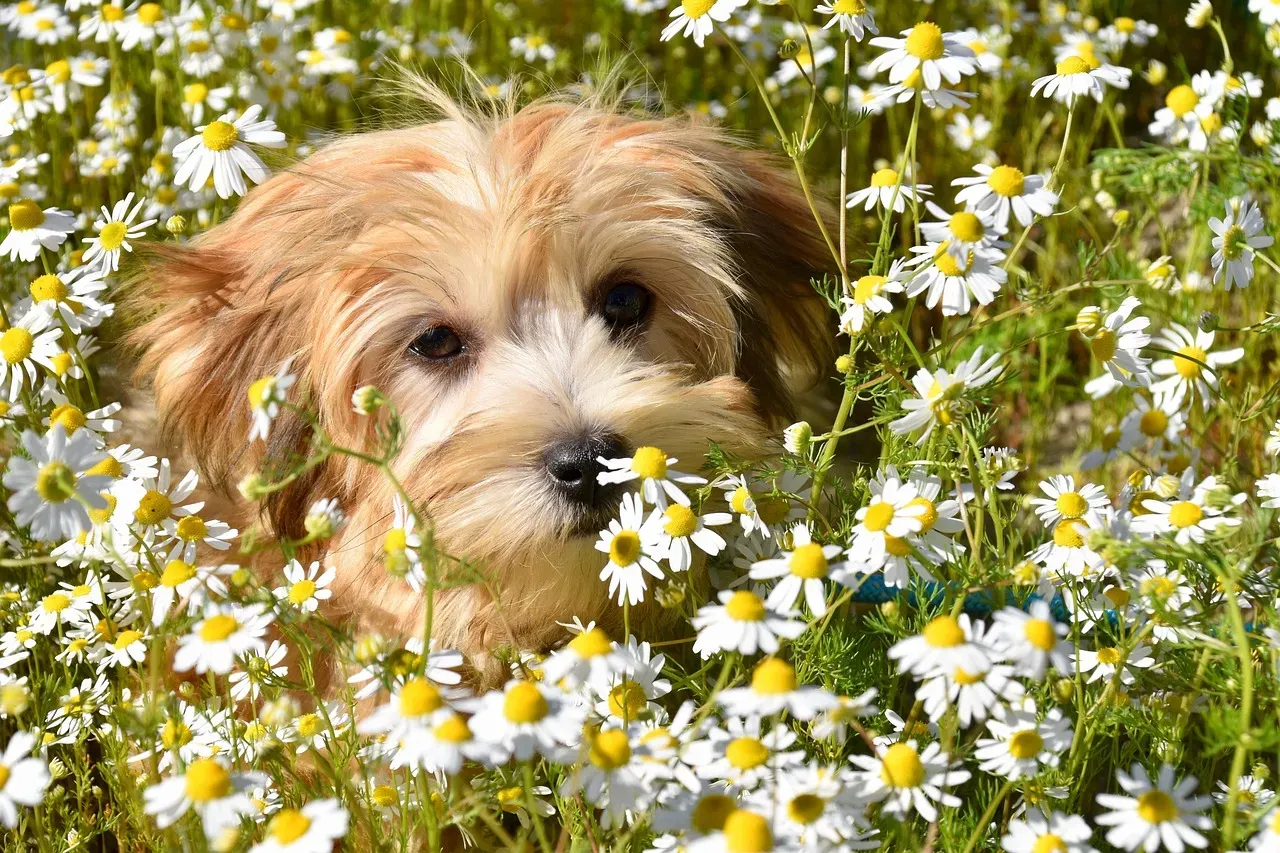
The Havanese is Cuba’s national dog. These 7 to 13 pound dogs are cheerful, outgoing, and absolutely charming. They were bred as companion dogs, and companionship is what they do best. For a senior who spends much of the day at home, a Havanese won’t just tolerate the closeness. It will thrive on it.
These super social dogs crave affection and get along well with other breeds and strangers. Their high intelligence makes them easier to train and potty train. At about 10 pounds, they are easy to carry. That combination of size, trainability, and social warmth is a particularly good match for seniors in retirement communities with neighbors and visitors.
Havanese are remarkably good at reading human emotions and will instinctively comfort you when you’re feeling low. One special trait is that Havanese tend to be less yappy than many small breeds. They’re alert but not noisy, which makes them particularly pleasant house companions. Worth knowing: they can be prone to separation anxiety and don’t like to be left alone for extended periods, so they suit seniors who are largely home-based.
10. Miniature Schnauzer: Spirited, Loyal, and Wonderfully Alert
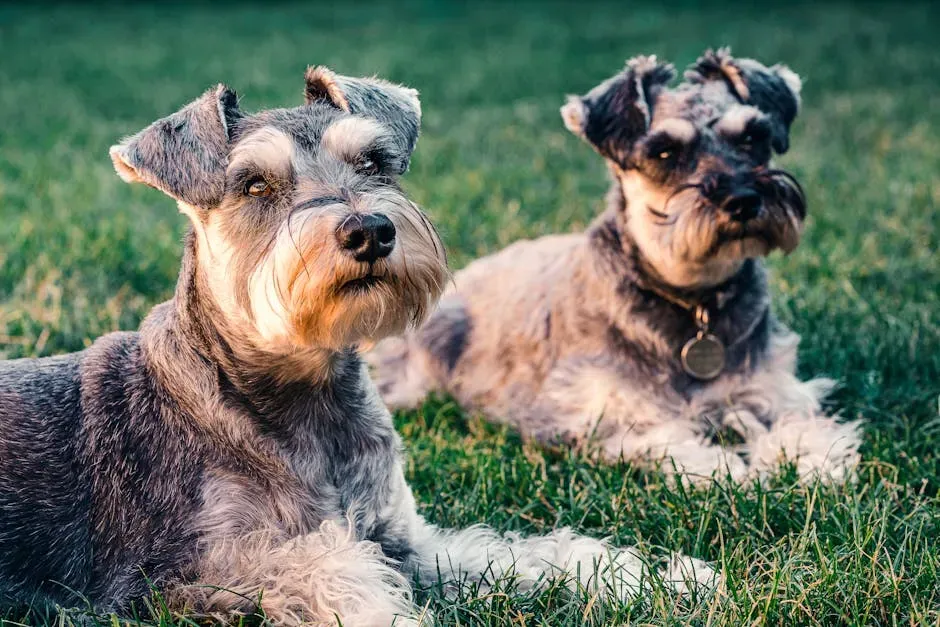
The Miniature Schnauzer provides ultimate companionship and commitment to their senior owner. With their distinctive beard and eyebrows, these dogs combine charm with practicality. Their compact stature makes them manageable, while their spirited personality keeps every day feeling fresh and engaging.
Miniature Schnauzers are a low-shedding, hypoallergenic dog breed. This makes them fantastic for seniors with allergies or those who simply prefer less fur covering their furniture. Professional grooming keeps them looking sharp, and regular brushing maintains that signature Schnauzer style.
Family-oriented and protective over the ones they love, Miniature Schnauzers are alert dogs who watch over the house. They’re smart, quick learners who respond well to training, making them ideal for seniors who appreciate an obedient companion. Miniature Schnauzers both play hard and relax hard. They need a moderate amount of daily exercise but are also good at simply lounging around while their owners watch TV or make dinner. That balance between engaged and restful makes them genuinely versatile partners in daily life.
Finding the Right Match: What to Keep in Mind
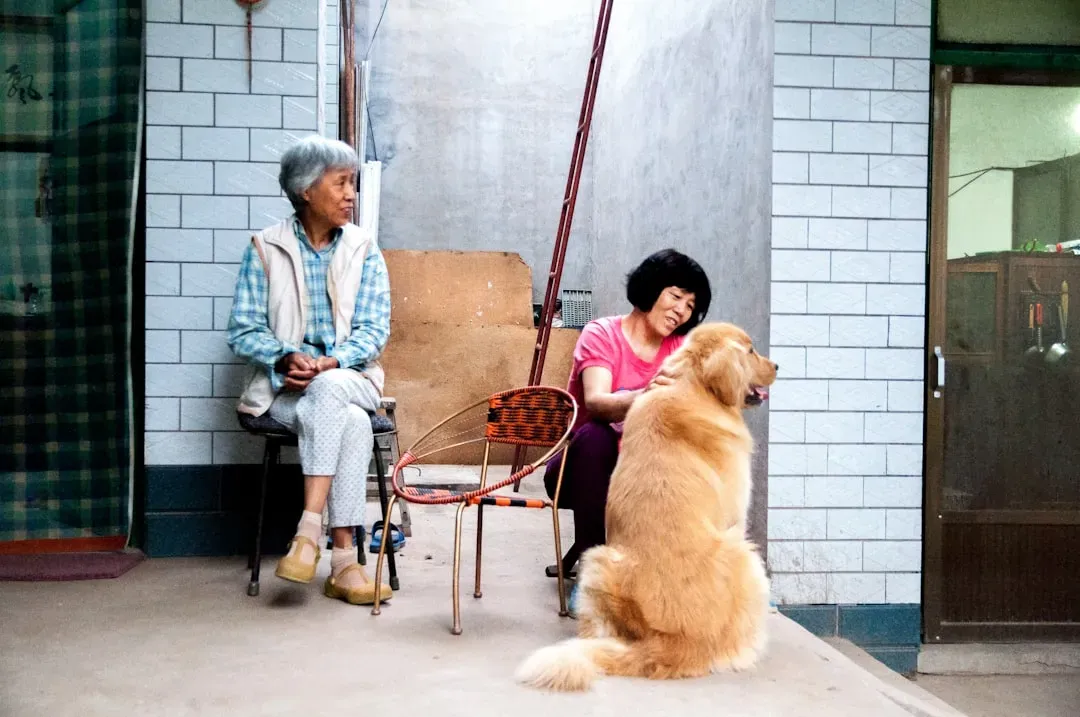
Choosing the right dog breed goes beyond looks and popularity. Seniors need a pet that is affectionate, easy to train, and relatively low-maintenance. Factors such as exercise needs, grooming requirements, and temperament all play an important role. Matching the dog to your actual lifestyle, not an idealized version of it, is what sets up both of you for success.
When considering dog ownership, older adults should look into adopting an adult dog rather than a puppy. Puppies require a lot of energy, training, and patience, which may not be ideal for older adults. Adult dogs are often calmer and already trained, making them easier to manage. A calm, house-trained adult dog from a rescue can be one of the best decisions a senior ever makes.
Senior dog owners walk an average of 22 more minutes per day compared to seniors who do not own dogs. Seniors who own pets are significantly less likely to report feeling lonely than their non-pet-owning peers. Those numbers speak for themselves. A dog doesn’t just fill the quiet hours; it actively reshapes them.
Conclusion: A Bond That Goes Both Ways
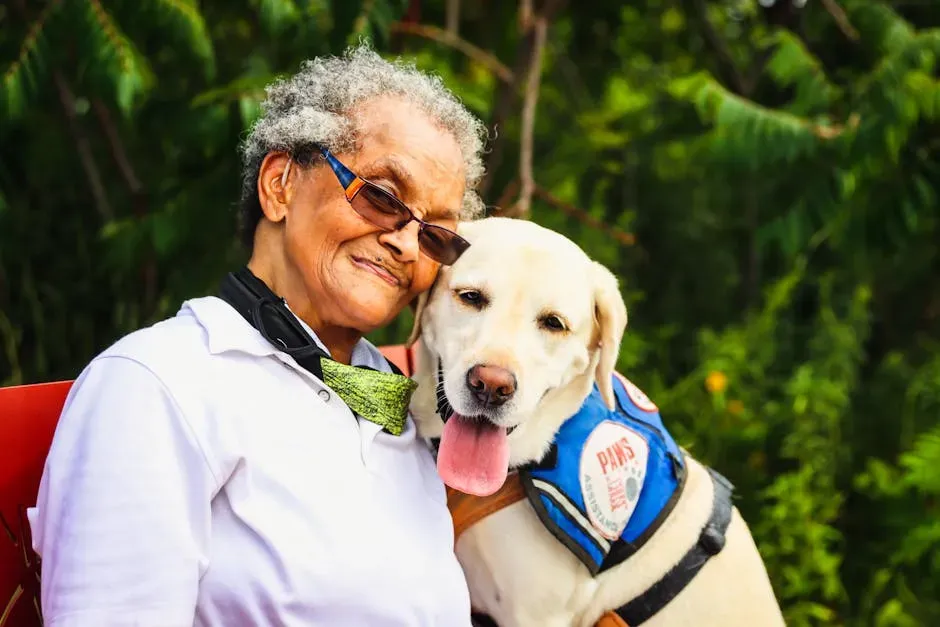
Every dog on this list brings something slightly different to the relationship. Some are pocket-sized and perfectly content to nap through the afternoon. Others are alert, playful, and eager to learn something new each day. What unites them is a shared capacity for genuine connection, for noticing when you’re having a hard day, for asking nothing more than your company in return.
Dogs are drawn to calm, gentle, and consistent people. Seniors often provide affection, patience, and predictable routines, which dogs naturally respond to with trust and love. That’s not a small thing. In many ways, the senior-dog relationship is one of the most reciprocal bonds in all of pet ownership.
The right breed won’t solve everything, but it will show up every morning, tail wagging, ready to start the day alongside you. For many people in their later years, that quiet, faithful presence turns out to be exactly what they didn’t know they needed.


