
You walk through the front door after a long day, your dog rushes over, and within minutes you’re back on your phone, answering emails, or watching TV. Your dog is physically in the same room. You fed them. You’re home. So everything’s fine, right? Not necessarily.
Being physically present and being emotionally available to your dog are two very different things. Despite our best efforts, dogs can sense when they’re getting only the leftovers of our attention. The tricky part is that dogs can’t tell you they feel overlooked. They show it, often in ways that are easy to misread or dismiss as bad behavior. Knowing what to look for can change everything.
They Won’t Stop Following You Around the House
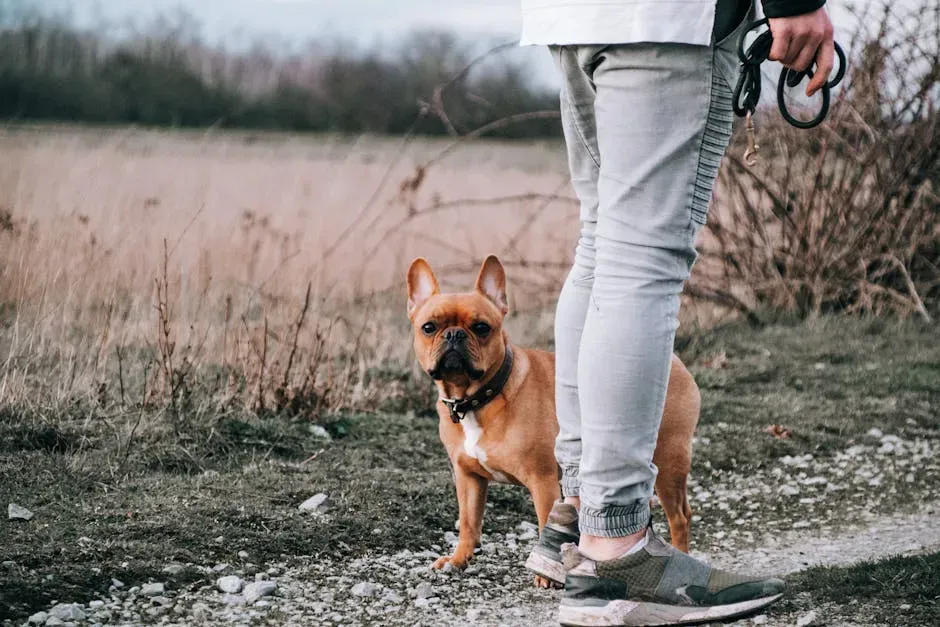
If your dog shadows your every move, from the kitchen to the bathroom to the couch, it might feel flattering at first. Over time, though, it’s worth taking a closer look. Some dogs become overly clingy when they feel neglected, following you everywhere and refusing to let you out of their sight. This behavior, known as Velcro Dog Syndrome, is often a sign of separation anxiety and can make it difficult to perform daily tasks without their constant presence.
Sometimes dogs that are left for long periods of time become far clingier when their owner is there, and what is perceived as attention seeking is actually a separation-related issue. This behavior will often increase if the dog is continually left. The fix isn’t to push them away. It’s to schedule intentional connection time so their emotional tank is full enough to let them relax on their own.
They Paw at You Repeatedly, Even During Quiet Moments
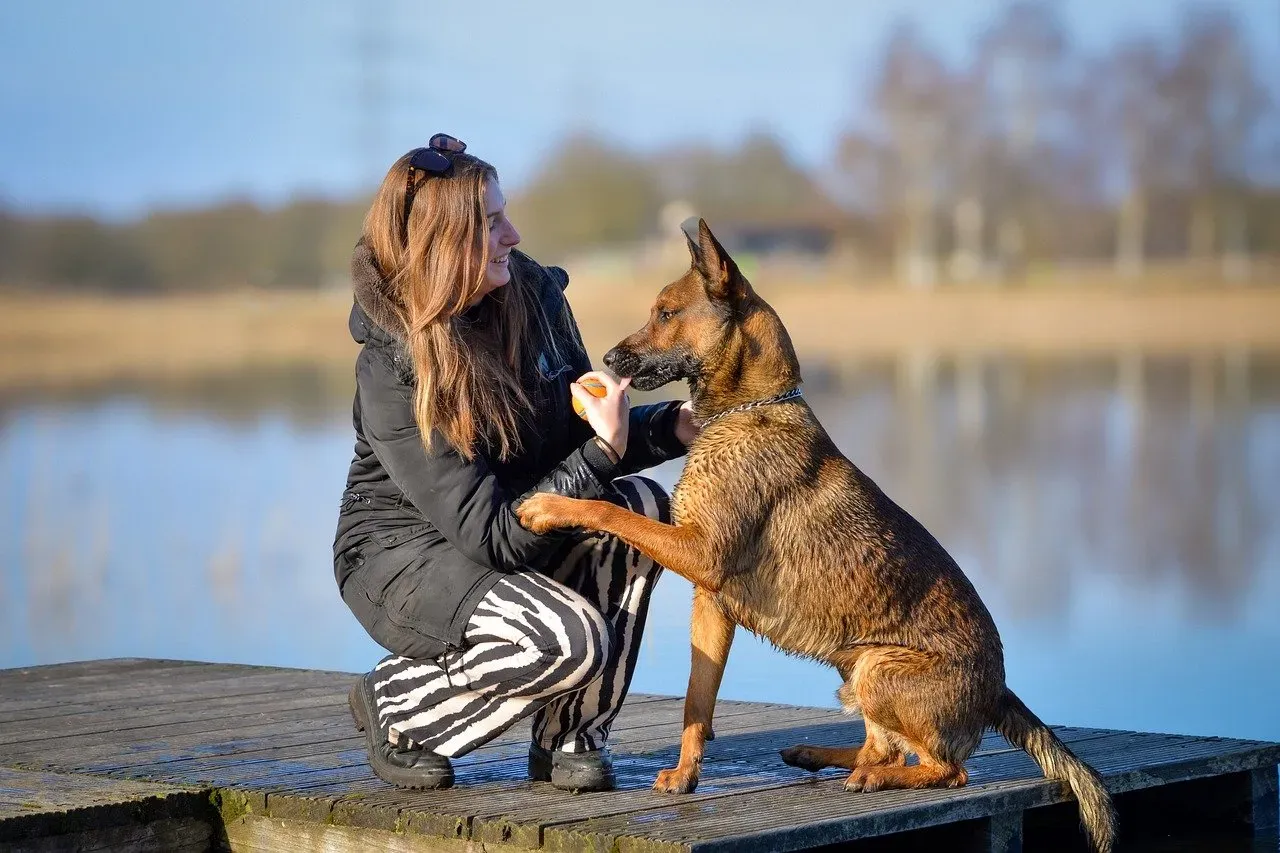
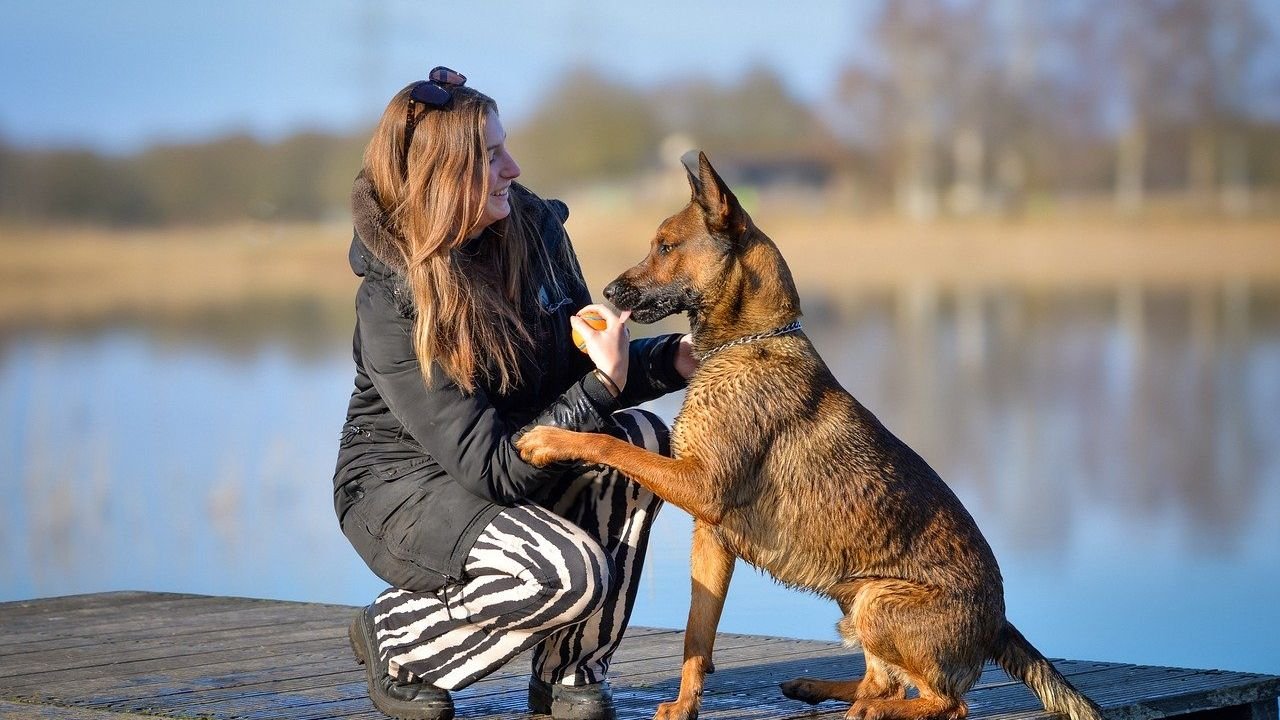
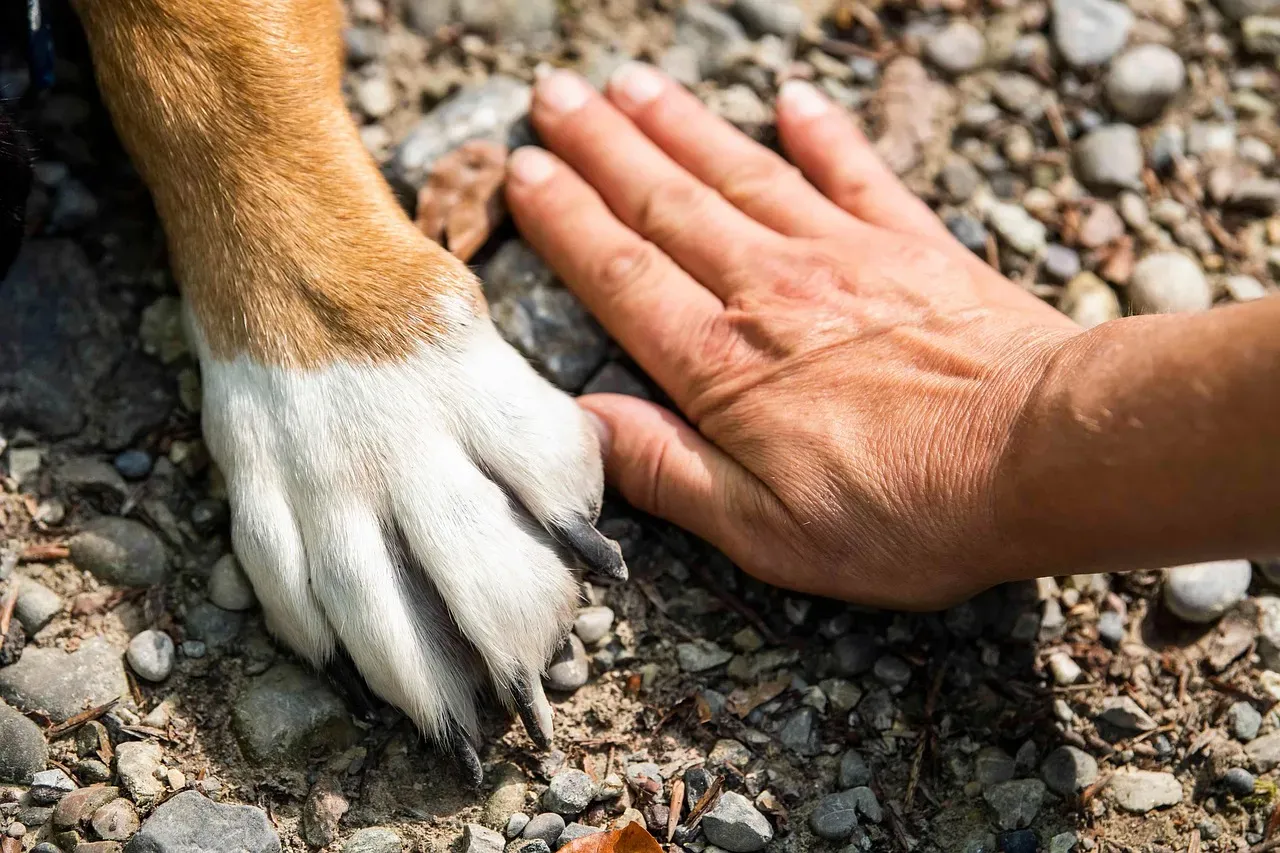
A gentle paw on your leg is one of the most recognizable ways a dog reaches out for connection. Dogs can ask for a moment of connection in lots of different ways, nudging their head under your hand, staring at you from across the room, lying at your feet, touching you with their paw, following you around, or bringing you something. These are bids for interaction, not just habit.
Pawing, licking, mouthing, or biting are often physical attempts to connect or play. Some dogs do this when excited or unsure how to interact. They may not yet have learned how to ask politely for attention. If the pawing is constant, it’s a reliable sign they feel their earlier, quieter bids were missed. Responding warmly to the small signals means the frantic ones become less necessary.
Excessive Barking or Whining Directed Right at You

Barking is a completely normal part of dog communication. The version worth paying attention to is the one aimed squarely at your face while you’re sitting three feet away. Barking is normal dog behavior and has several purposes, including expressing fear and asking for something. But if your dog is barking more than usual, and specifically at you rather than at something outside, it may feel neglected and is barking to get more of your attention.
Excessive whining or barking without an obvious cause can indicate that your dog feels lonely or neglected. Dogs that feel ignored may use vocalizations to express their need for affection or attention. If your dog is constantly trying to get your attention by barking or whining, it may be a sign they don’t feel loved or secure. One thing to be mindful of: if you consistently pay more attention to your dog when they whine or bark, they’ll learn that making a lot of noise is an effective way to draw your attention to them, so they will continue to do so. Responding to the calm moments, rather than the loud ones, builds a healthier pattern.
They Bring You Toys or Objects You Didn’t Ask For

Your dog drops a chewed-up tennis ball in your lap for the fourteenth time today. You move it aside without much thought. To you, it’s a minor interruption. To them, it’s a sincere invitation. Dogs can ask for a moment of connection by bringing you something, and they can also ask by grabbing something they’re not supposed to have, or destroying something you’d rather have kept intact.
Some dogs like to get their owner’s attention by stealing something and running off with it, and the more intense our reaction, the more attention your dog feels they’re getting, so the more valued the prize and the more they do it. What looks like mischief is often a creative escalation. When the polite invitations go unanswered, dogs get resourceful. Accepting the toy offer, even briefly, sends a clear and reassuring message.
Destructive Behavior When You’re Physically Present
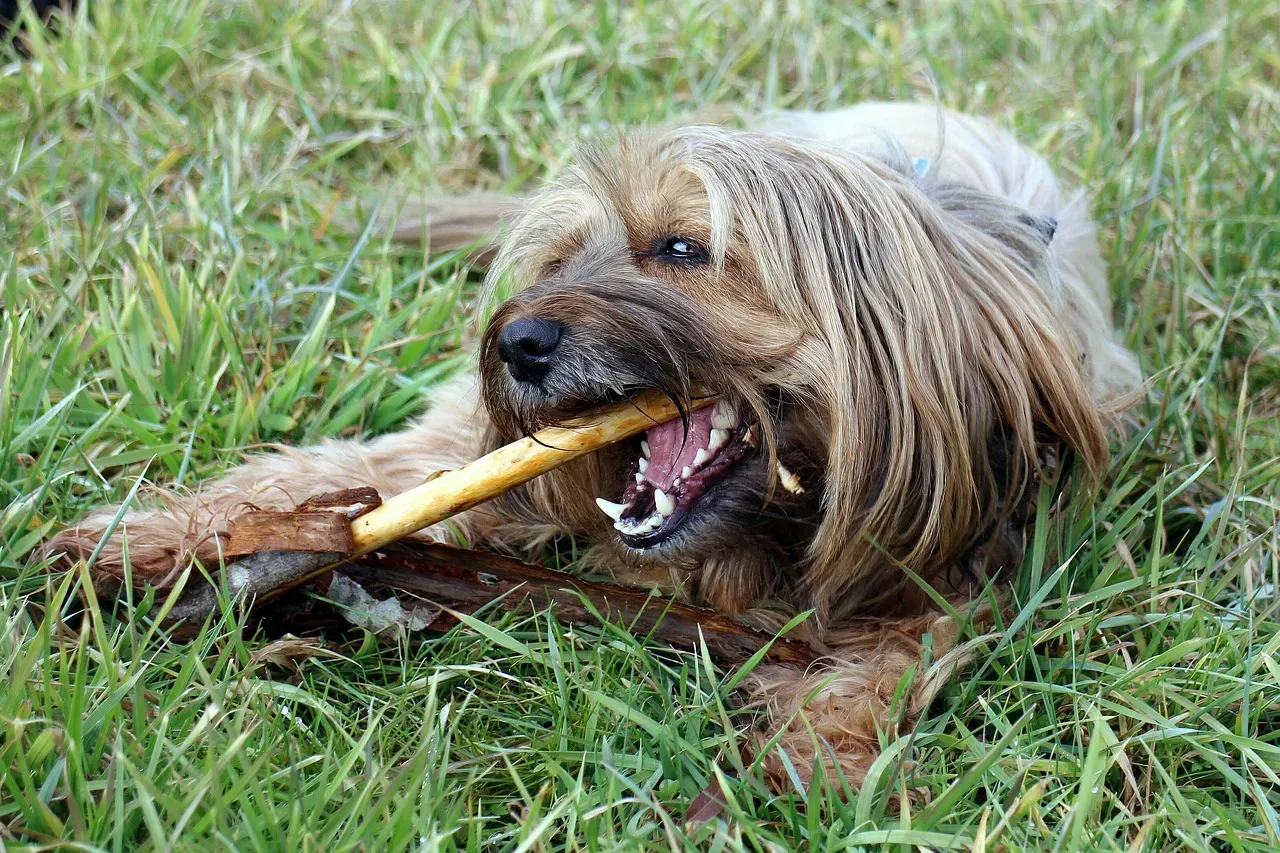
Coming home to chewed furniture is one thing. Finding it happening while you’re sitting in the same room is something else entirely. When a dog exhibits destructive behavior such as chewing furniture or tearing up items, it can often be a cry for help. Dogs who feel neglected may act out to get attention or out of frustration. This behavior is their way of coping with the emotional distress they are experiencing.
Certain dog breeds like Border Collies or German Shepherds are known for their intelligence and high energy. These breeds have historically been bred for specific tasks such as herding livestock or guarding property. Without proper mental and physical stimulation, they might channel their energy into destructive behaviors like tearing up furniture, digging into walls, or shredding household items. If your dog has been well-behaved in the past and is now causing chaos while you’re home, consider what changed in your daily routine rather than just their behavior.
Loss of Interest in Activities They Used to Love

A dog who used to sprint to the door at the mere sound of a leash, but now barely lifts their head, is communicating something real. A dog that used to eagerly participate in walks and playtime but suddenly shows little interest may be signaling emotional distress. If your dog has lost enthusiasm for activities they once enjoyed, it could be a sign that they feel unloved or neglected. This loss of interest can be especially heartbreaking because it’s a clear sign that their emotional needs aren’t being met.
It’s easy to assume a quiet, still dog is a content dog. Sometimes that’s true. Other times, when dogs feel neglected, they may express their discomfort or frustration in subtle or overt ways. If your dog seems more distant, anxious, or exhibiting unusual behavior, it might be their way of telling you they need more attention or love. Before assuming your dog has simply mellowed with age, rule out the emotional causes first.
They Nudge Your Hand Off Your Phone or Laptop
This one is almost universal among dog owners. You’re mid-scroll, and a cold nose wedges itself under your wrist, flipping your hand upward. Some dogs naturally think that being home all day means you are now always available. When you are not available, dogs’ frustration and anxiety can lead to barking, pawing and nosing, counter surfing, shoe stealing, and other unwanted behaviors that relieve anxiety and frustration.
Regardless of how great of a pet parent you are, sometimes your schedules won’t line up with your dogs’ schedules, and you miss the signs that they want to play. Most dogs can redirect themselves in these moments and entertain themselves. However, if most of the bids are missed or ignored, it’s likely the dog will engage in this cooperative behavior less. This can impact your bond, especially if play was their way of seeking connection. A few intentional minutes away from the screen can do more than you’d expect.
Hiding, Withdrawing, or Retreating to Another Room
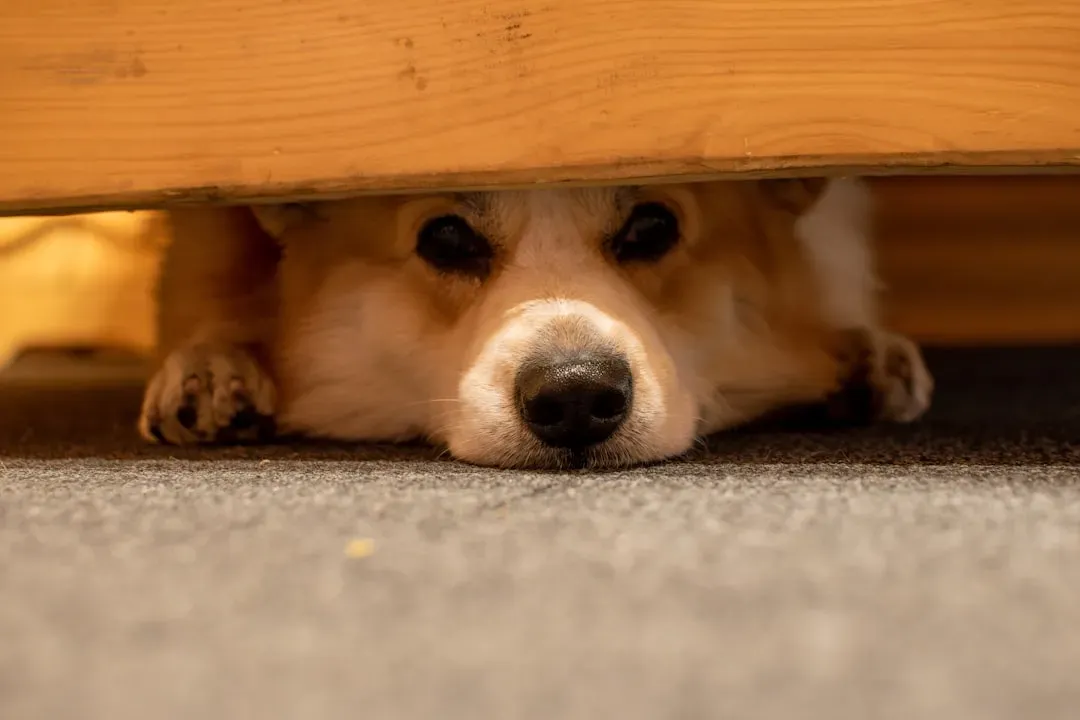
Most people recognize an overactive, demand-barking dog as a dog craving attention. The quiet withdrawal is harder to catch. When a dog begins to hide or retreat to a secluded area of your home, it may be a sign that they feel unsafe or unloved. This behavior often indicates that your dog is seeking comfort and solitude due to emotional stress. While dogs may occasionally retreat to rest, constant hiding is a cause for concern.
Dogs are social creatures, and when they feel unappreciated, they may withdraw or hide from their owners. If your dog starts avoiding you, retreating to a quiet corner, or seeking out a secluded space, it could be an indication of emotional distress. This behavior often stems from feelings of being ignored or neglected. Feelings of neglect must be taken seriously because they can be detrimental to your dog’s physical and emotional well-being. If you’ve noticed any behavioral changes in your dog, it’s best to first visit your veterinarian to rule out any medical causes.
Subtle Body Language Signals You Might Be Missing
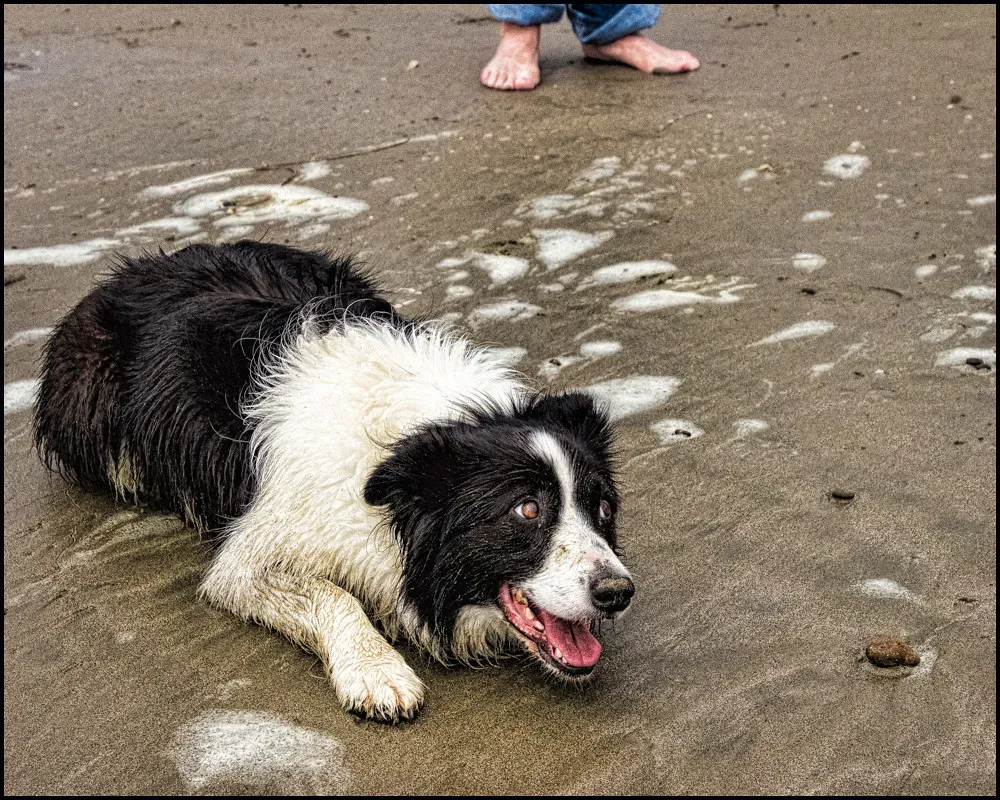
Not every sign of feeling ignored comes with sound or drama. Some of the most meaningful communication happens in the quieter corners of canine body language. Many of the signals humans overlook live at the lower end of canine communication, including whale eye (when you can see the white of the eye), yawning when not tired, panting out of context, lip licking, a suddenly closed mouth, or eyes that narrow or avert away.
Dogs may also try to make themselves look smaller, slowly turn their head, lift a paw, roll onto their back, or offer what looks like exaggerated affection. These behaviors are often bids for appeasement, not enjoyment. One particularly misunderstood signal is what some behaviorists call “grinning,” also known as a submissive grin, which can look like a smile but is actually a sign of discomfort. Learning to read these signals takes practice, but it’s one of the most valuable investments you can make in your relationship with your dog.
Changes in Eating or Sleeping Habits Without a Clear Medical Cause
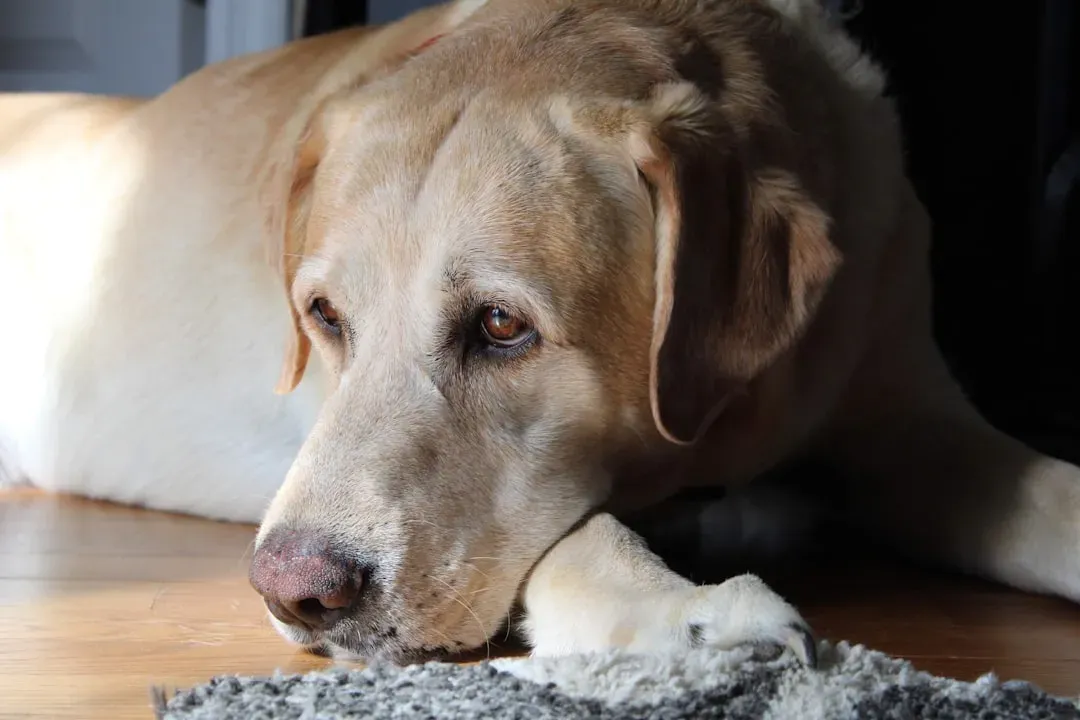
Behavioral changes at the food bowl or in sleeping patterns can carry more meaning than they appear to. A dog feeling unloved may experience changes in their eating or sleeping habits. They may eat less or, conversely, overeat due to emotional discomfort. Similarly, they may sleep excessively or stay awake due to anxiety. These changes are signals that your dog is emotionally unbalanced and in need of more attention and reassurance.
If a dog stops eating, it’s a red flag that no pet parent should ignore. While a visit to the vet is essential to rule out physical problems, dogs who stop eating may be exhibiting emotional distress as a signal that they’re looking for more love in their life. When medical causes have been ruled out, look honestly at the emotional environment your dog is living in. Consistency, routine, and genuine connection go a long way toward restoring their equilibrium.
What You Can Do Starting Today

On average, dogs need about three to four hours of our attention each day. Before you assume that’s impossible, remember that attention means any interaction you have with your dog. That can mean active pursuits like a game of fetch, going for a walk, and obedience training, but also lower-energy tasks like feeding and even cuddling together on the couch.
Creating a healthy routine that’s filled with exercise, enrichment activities, and quality time with people will significantly improve your dog’s quality of life and ensure that they feel safe and loved. Pets feel more secure and behave better when they have a routine. Predictable schedules help reduce anxiety and the need to demand attention. Small, consistent efforts, a five-minute training session, a ten-minute walk, a moment of real eye contact, stack up into something genuinely meaningful for your dog.
Remember, your dog isn’t trying to annoy you. They’re just trying to communicate their needs. Once you start seeing their behavior as information rather than inconvenience, the whole relationship shifts. You don’t have to be perfect. You just have to be present, in the truest sense of the word.
Final Thoughts
Being a caring dog owner isn’t about being home every hour of the day. It’s about the quality of the attention you offer when you are home. The signs in this article aren’t meant to make anyone feel like a bad pet parent. They’re meant to help you see what your dog is already trying to say.
Recognising these signs is the first step to making positive changes. Dogs are social animals that thrive on companionship and interaction. By dedicating regular time to their needs and providing both mental and physical stimulation, you can ensure your dog feels loved and valued. The good news is that dogs are remarkably forgiving. A little more attentiveness, offered consistently, can restore the connection more quickly than you’d expect. Your dog already thinks you’re worth showing up for, every single day. The question is whether you’re showing up for them in return.


