
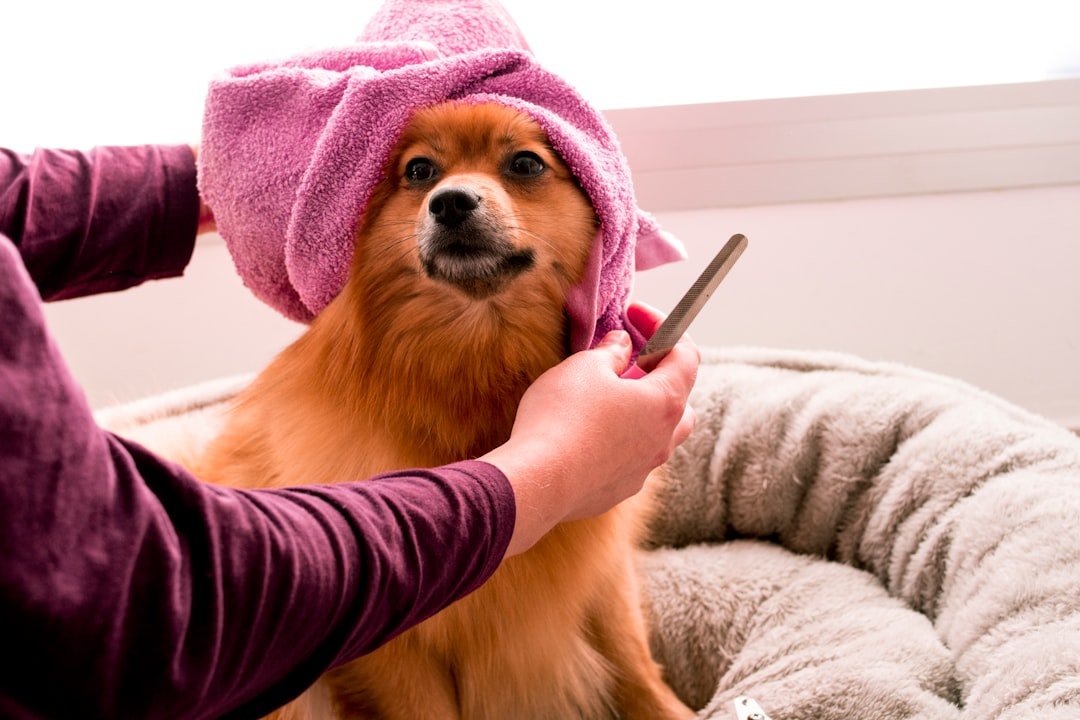
Dog owners frequently seek clarity on professional grooming to ensure their pets receive top care. These services maintain healthy coats, prevent painful matting, and allow early detection of issues like ear infections or skin problems. Addressing common concerns helps pet parents make informed choices for their companions’ well-being.[1][2]
Unpacking the Grooming Session
A standard grooming appointment begins with a thorough assessment of the dog’s coat, skin, and overall condition. Groomers then bathe the pet using breed-appropriate shampoos, followed by drying, brushing, nail trimming, ear cleaning, and a tailored haircut. This process not only refreshes appearance but also promotes hygiene and comfort.[3]
Appointment lengths vary based on factors like breed, coat type, and temperament. Sessions often last one to several hours, with experienced groomers prioritizing quality over speed to avoid stress. Rushed work increases risks, so owners appreciate transparent communication about timelines.[2]
Determining the Right Frequency
Grooming schedules depend on coat length, lifestyle, and breed characteristics. Long-haired dogs benefit from visits every four to eight weeks to manage matting, while short-coated breeds may go two to three months between professional sessions. Regular maintenance prevents buildup of dirt and debris, especially for active outdoor pets.
Owners often ask if home efforts suffice between visits. Brushing distributes natural oils and removes loose fur, extending time between salon trips. Professionals recommend line brushing – working through the coat in sections – to catch tangles early.[3]
Addressing Safety and Comfort Concerns
Many wonder if grooming causes pain or undue stress. Skilled groomers use gentle techniques and positive reinforcement to minimize discomfort, though initial visits may challenge anxious dogs. Starting young and scheduling consistent, low-pressure sessions builds familiarity and eases the process over time.[3]
Double-coated breeds require special care, as shaving offers no cooling benefit and risks sunburn. Instead, thorough brushing removes undercoat while preserving insulation. Owners report calmer pets at facilities emphasizing welfare over rapid turnover.[2]
Selecting and Preparing for Your Groomer
Choosing a groomer starts with verifying experience, especially with specific breeds. Facilities should feature clean, ventilated spaces with secure housing like individual crates. Liability insurance and first-aid readiness provide peace of mind during visits.[1]
Key inquiries include services offered, handling of anxious pets, and emergency protocols. Deposits secure appointments, while tips reward exceptional care. Discuss expectations upfront to align on pricing, which reflects expertise and overheads.
| Question to Ask | Why It Matters |
|---|---|
| What training do you have? | Ensures skill in breed-specific cuts and health checks. |
| Can I observe a session? | Builds trust and monitors your dog’s response. |
| How do you house waiting dogs? | Prevents stress from overcrowding. |
Key Takeaways
- Prioritize groomers focused on welfare and transparency for stress-free experiences.
- Combine professional visits with daily brushing to maintain coat health.
- Always tour facilities and ask about safety measures before committing.
Professional grooming supports long-term pet health when paired with informed owner choices. Regular care keeps dogs comfortable and owners confident. What grooming questions linger for you? Share in the comments below.


