
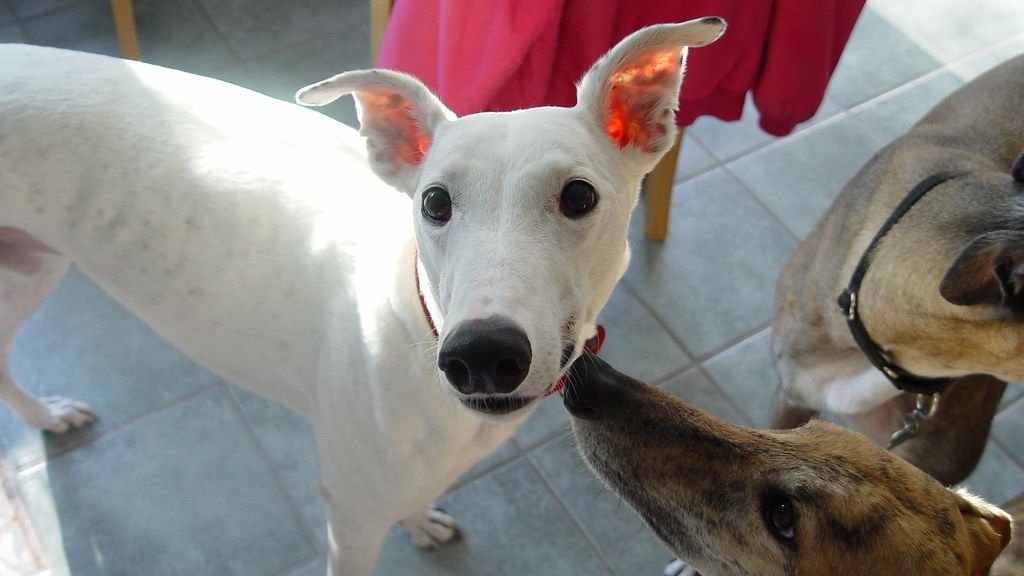
Your dog just walked past their water bowl for the third time, paused, and gave you a long steady look. You smiled, assumed they were being cute, and went back to your phone. But that wasn’t random. That was a request, delivered with quiet intention, and you almost missed it.
Subtler signs such as discreet bodily and facial movements, body odors, and physical gestures are actually the main sources of genuine canine communication. Barking gets all the attention, but it turns out it’s closer to noise than nuance. The real conversations your dog is having with you happen in near silence, through a layered system of body language, eye contact, physical posture, and behavioral signals that most of us walk right past every single day.
Unlike in people, canine body postures and olfactory cues are significant components of dog language, while vocal communications are less significant. People are listeners; dogs are watchers. That gap in perception costs dogs a lot. When their quiet signals go unnoticed, they have no choice but to escalate, and that’s when problems begin. Learning to listen without using your ears is one of the most valuable skills a dog owner can develop.
The Eyes Have It: What Your Dog’s Gaze Is Really Saying

Dogs often use eye contact to communicate, signaling trust or affection with a prolonged gaze. Not all eye contact is positive though: when a dog stares without blinking, it can indicate discomfort, aggression, or unease. So the same set of eyes that melts your heart during a snuggle can also be issuing a serious warning if the context shifts.
Dogs also use their eyes to convey their desires, such as when they glance toward their leash or food bowl. The way a dog looks at you can tell you a lot about their emotional state and what they need from you. This kind of referential gazing, where a dog shifts their eyes between you and a specific object, is a remarkably intentional form of communication that many owners overlook entirely.
Whale eye is when a dog shows the whites of its eyes in a “C” shape. This happens when the dog turns its head away from a trigger but keeps its eyes on it. It is a very clear sign of stress and anxiety, and you’ll often see it when a dog is guarding a toy or bone. If you ever notice this expression, take it seriously. It’s your dog’s way of saying they’re holding on by a thread, and they need you to step in or give them space.
Body Posture: The Whole Dog Is Talking
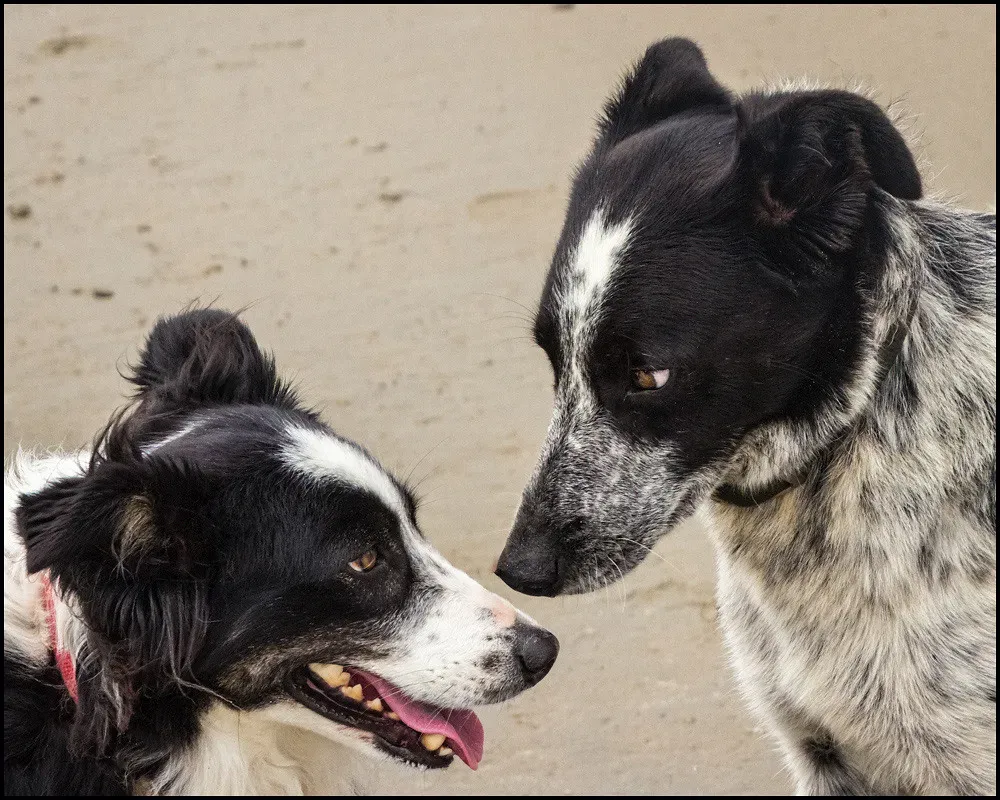
A dog’s body posture is one of the clearest ways they communicate without using words. A relaxed body posture typically signifies contentment, while a tense, stiff stance can indicate anxiety or a readiness to defend. A dog that crouches or lowers its body is showing submission or fear. Reading posture means looking at the whole picture, not just one part of the body at a time.
The play bow, where the front end goes down while the rear stays up, is a universal dog signal that means “I want to play” or “everything I do next is just for fun.” Learning to spot these postures quickly can help you recognize when your dog needs comfort, a break, or simply a playmate. Dogs who suddenly freeze or become very still are often processing something stressful or preparing to react. This stillness is different from relaxed resting and often precedes aggressive or fearful responses.
Along with postural and facial displays, dogs can exhibit other behaviors to signal their inner state; for example, they turn their head away from a stimulus when stressed, they lift their forefoot paw to indicate uncertainty, or they lick their lips to communicate their appeasement intentions. These are small, fast gestures that happen in everyday moments, and once you know what to look for, you’ll start seeing them constantly.
Stress Signals You’re Probably Misreading as Quirks
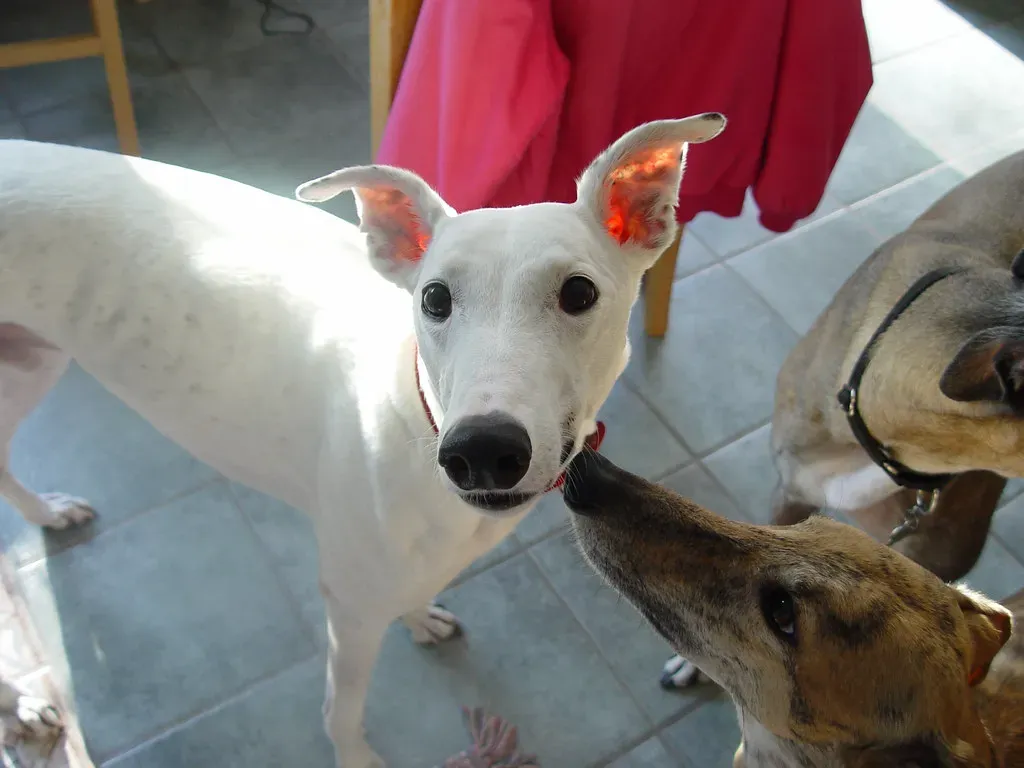
The most common subtle signs of stress include yawning when not tired, lip licking when no food is present, whale eye showing the whites of the eyes, and panting when not hot. The trouble is that these behaviors feel ordinary. A yawn seems like boredom. Lip licking looks like they just ate something. Without context, it’s easy to shrug these moments off entirely.
A dog panting heavily on a cold day, a dog yawning repeatedly during training, or a dog suddenly sniffing the ground when a new dog approaches are all out-of-context behaviors that signal internal stress. Your dog in a tense situation suddenly becoming fascinated with sniffing the ground is a displacement behavior, a way to avoid the stressful interaction. These displacement behaviors are your dog’s version of changing the subject because they’re overwhelmed.
A full-body shake after a stressful event like a vet visit or a tense encounter with another dog is them literally “shaking off” the stress and trying to reset. Physical signs of stress in dogs can also include increased panting, yawning, and trembling, and it’s also common for stressed dogs to shed more than usual or have dilated pupils. These signs indicate that a dog may be overwhelmed or anxious. The body keeps the score, even in dogs.
When Silence Signals Sickness: Silent Cues That Mean “I Need a Vet”
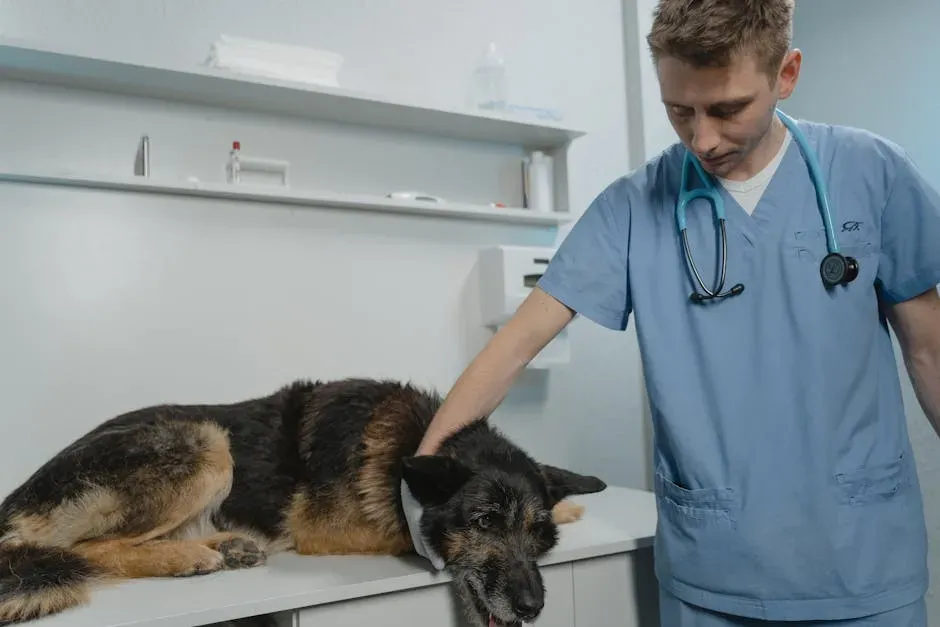
Many households assume that silence means comfort, yet this instinctive behavior can mask serious illness. Dogs have evolved to hide pain, and that reflex still shapes how they communicate today. That survival strategy may have worked in the wild, but in a modern home it can put their health at real risk. A dog that seems fine might simply be an expert at concealing how bad they feel.
A pause before jumping, lower energy, or a skipped meal may reflect early-stage disease. These signs are easy to overlook because companion animals rarely show obvious distress. What appears harmless can be a warning of arthritis, dental disease, or kidney problems that grow worse when untreated. These aren’t dramatic symptoms. They’re whispers, and they often come long before anything obvious shows up.
Dogs have a unique way of communicating their feelings and health conditions, primarily through their body language. If you notice that your dog is behaving differently than usual, perhaps showing a reluctance to engage in play activities they normally enjoy, having trouble walking, or adopting unusual postures, it could be a signal that something is wrong with their health. Such changes in behavior can indicate the presence of an underlying health issue that may require further attention. When in doubt, trust the behavior change over the absence of dramatic symptoms, and call your vet.
The Tail, the Ears, and the Whole-Body Read: Putting It All Together

Tail wagging is one of the most well-known signals of a dog’s emotional state, but it’s not just about happiness. The speed, direction, and position of a dog’s tail can convey a wide range of emotions, from excitement to anxiety. A slow wag typically indicates uncertainty, while a fast, broad wag is a sign of joy and enthusiasm. That nuance matters enormously, especially if you’re trying to understand how a dog is feeling in an unfamiliar situation.
A wagging tail simply signals arousal, and that can be good arousal, excited and happy, or bad arousal, alert or even aggressive. Dogs also wag their tails when they are nervous. A high stiff tail, even if it is wagging, can indicate that the dog feels angry. A tail that is low and wagging combined with a lowered body, lip licking, or any other signs of stress tells you that the dog is extremely nervous.
Ear position can indicate a dog’s emotional state. Forward ears often signify alertness or interest, while ears pulled back can indicate fear, submission, or aggression. Flattened ears can be a sign of anxiety, fear, or aggression, depending on the context and accompanying body signals. The most important skill you can build is learning to read the whole dog at once. No single signal tells the full story. Ears, tail, posture, and eyes all need to be considered together before you draw any conclusions.
Conclusion: The Conversation Was Always Happening

Your dog has never been silent. They’ve been speaking the entire time, in a language that asks you to slow down, pay attention, and look more carefully at the creature sharing your home. Proper interpretation of communication cues can significantly enhance a dog’s welfare by addressing their emotional and physical needs effectively.
Learning your dog’s silent language is one of the most powerful tools you can develop as an owner. By understanding their calming signals and stress cues, you can respond proactively, prevent negative experiences, and strengthen your bond based on mutual respect and understanding.
The relationship you build when you start truly listening, without waiting for a bark, is one of the quieter and more meaningful forms of connection available to us. Your dog already knows how to reach you. Now it’s your turn to meet them halfway.


