
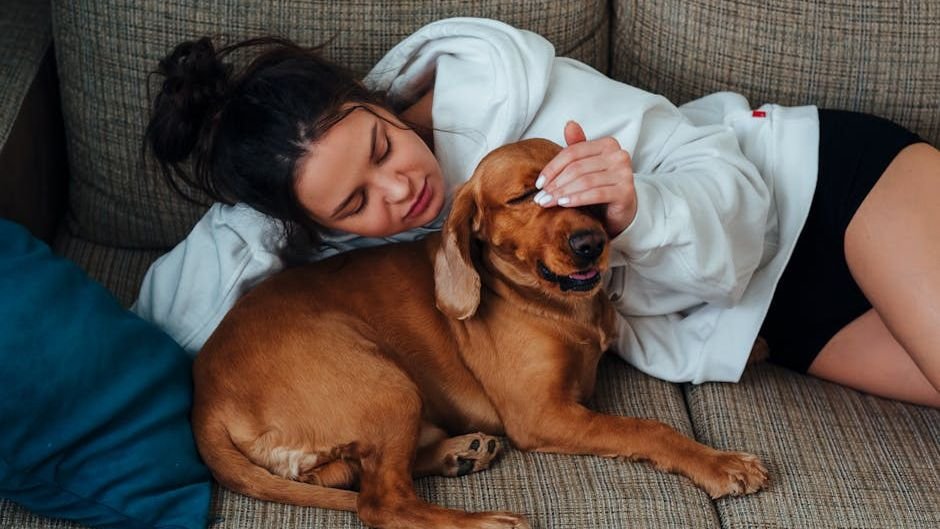
Your dog watches you more carefully than you probably realize. Every morning when you shuffle to the kitchen, every time you grab the leash, every calm evening you spend together on the couch – your dog is quietly reading all of it. They’re building a picture of who you are, how safe you make them feel, and whether you’re someone worth trusting with their whole heart.
More often than not, it’s the quiet, everyday moments that build something truly unbreakable between a person and their dog. The bond between dogs and humans is ancient, woven into thousands of years of shared history, yet every single pairing writes its own unique story. The good news is that the things deepening your dog’s admiration for you aren’t grand gestures. They’re the small, repeated habits you’re already doing – and understanding why they work can help you do them even more intentionally.
Keeping a Predictable Daily Routine
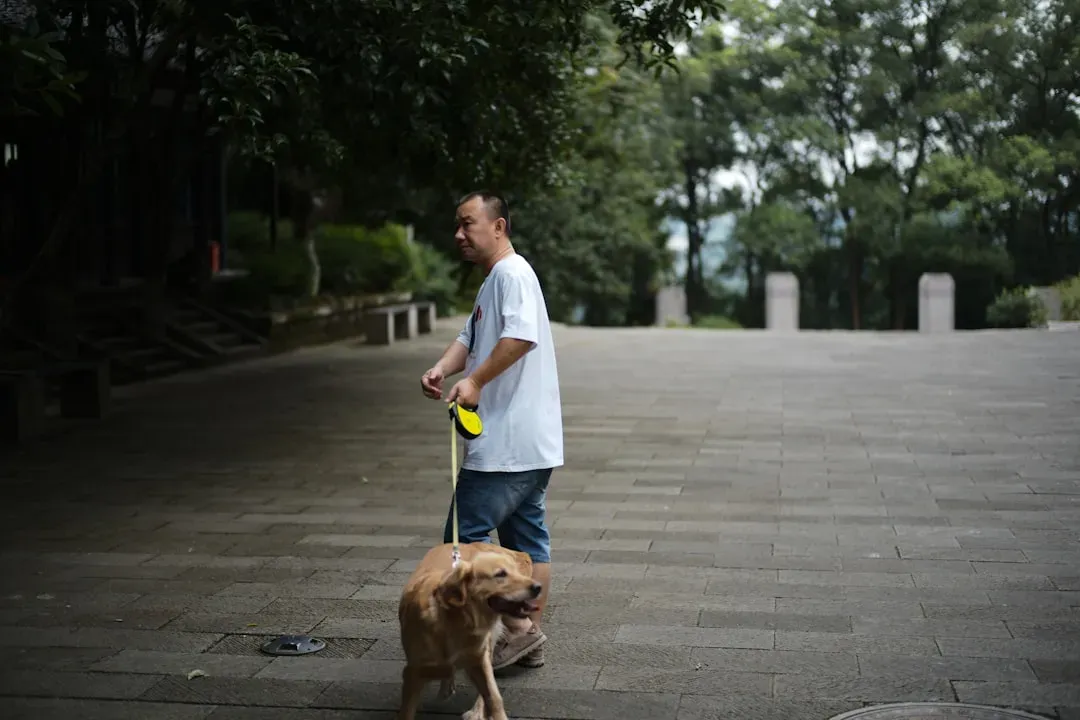
There’s a reason your dog starts pacing near the door about five minutes before your usual walk time. Dogs thrive on routine. Predictable mealtimes, walks, play, and rest help your dog feel safe and secure, especially if they’re new to your home. To a dog, consistency isn’t boring – it’s the language of reliability.
Predictable mealtimes, walks, play, and rest help your dog feel safe and secure. When your pup feels safe and like they can count on you to follow through with their routine, it’ll be easier for them to trust you. A consistent schedule also reduces anxiety and can make it easier to train your dog, including potty training. That trust is the foundation of admiration.
Think of it this way: when your schedule is steady, your dog stops spending mental energy anticipating the unknown and can simply enjoy being present with you. Dogs are creatures of habit, so creating routines they can depend on helps to reduce their stress and increases their trust in you. Whether it’s feeding time, bathroom breaks, or play sessions, having a routine helps your dog feel more secure. This predictability allows them to feel comfortable and more connected to you and their environment.
Reading Their Body Language and Actually Responding
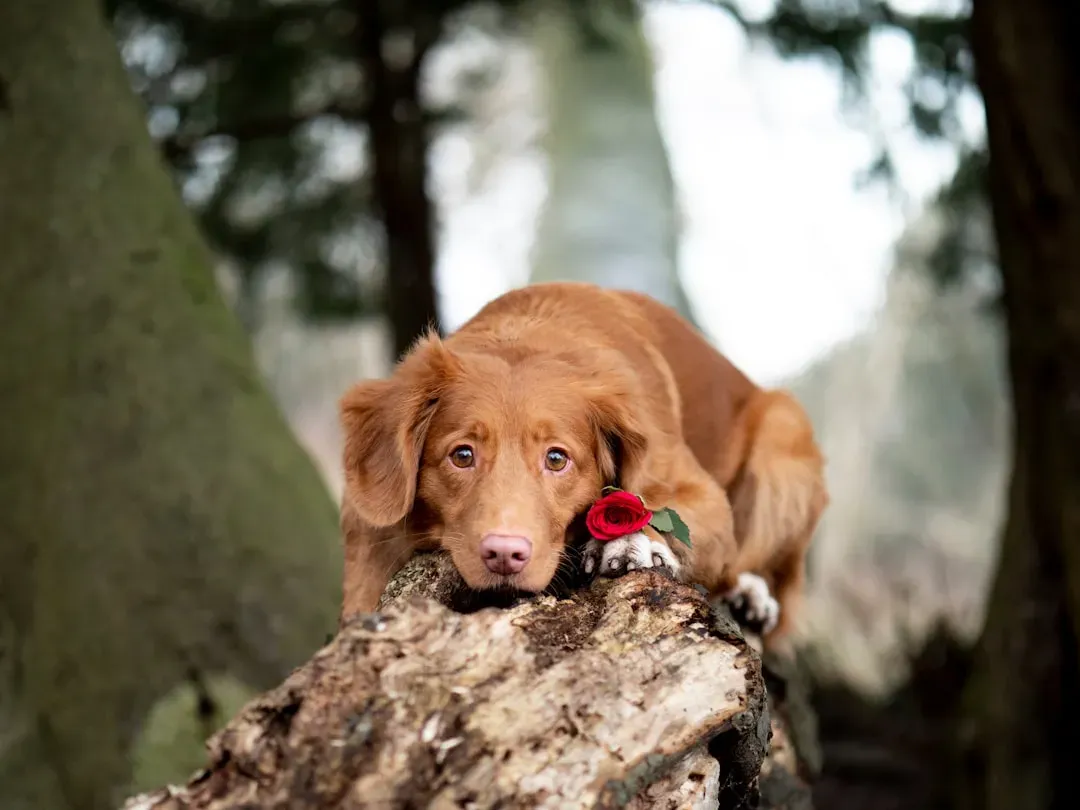
Most dog owners know when their pup looks excited or scared. Fewer take the next step: actually adjusting their behavior in response. Understanding your dog’s body language is one of the most powerful ways to strengthen your bond. Dogs communicate how they feel through their posture, tail movements, ears, eyes, and overall behavior. When you notice these signals and respond, your dog registers something important: you’re paying attention.
Learn the difference between a relaxed tail wag and a stiff, alert stance. By recognizing their signs of stress, fear, or excitement, you can respond more appropriately to their needs and better manage potentially stressful situations. A dog whose signals are respected consistently develops a quiet, deep confidence in their person.
Here’s a real-world example: if your dog stiffens up when a stranger reaches toward them on a walk, and you step in calmly to create space, your dog notices. Advocate for your dog in new or stressful situations, and don’t force them into uncomfortable interactions with people or other animals. Pay attention to what makes your dog uneasy, and step in to protect their emotional and physical wellbeing. That quiet act of protection means everything to them.
Giving Them Your Full, Undivided Attention During Play
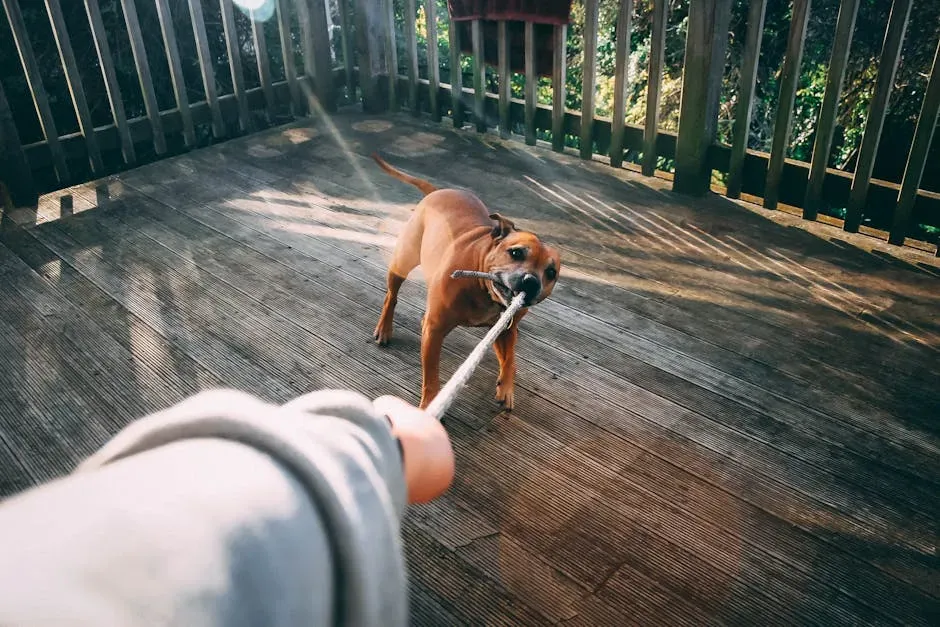
There’s a big difference between halfheartedly tossing a ball while scrolling your phone and actually being present during play. Dogs feel that difference acutely. Play is more than entertainment – it’s a powerful bonding tool that keeps your dog physically healthy and emotionally connected to you. Your presence during those moments signals that your dog matters enough to deserve your focus.
Figure out what your dog’s favorite activity is and engage with them fully. Actively participate in fetch or tug-of-war and your dog will feed off of your excitement. That shared energy is contagious. When you’re genuinely enthusiastic, your dog’s joy doubles.
Interactive toys like puzzle feeders and treat-dispensing toys challenge your dog’s mind while rewarding problem-solving skills. Physical games like fetch, tug-of-war, or agility exercises provide exercise while reinforcing teamwork. Letting your dog sniff during walks or hide treats in the yard stimulates instincts and builds trust. Each of these activities sends the same message: I chose to spend this time with you.
Training Them Consistently and Positively
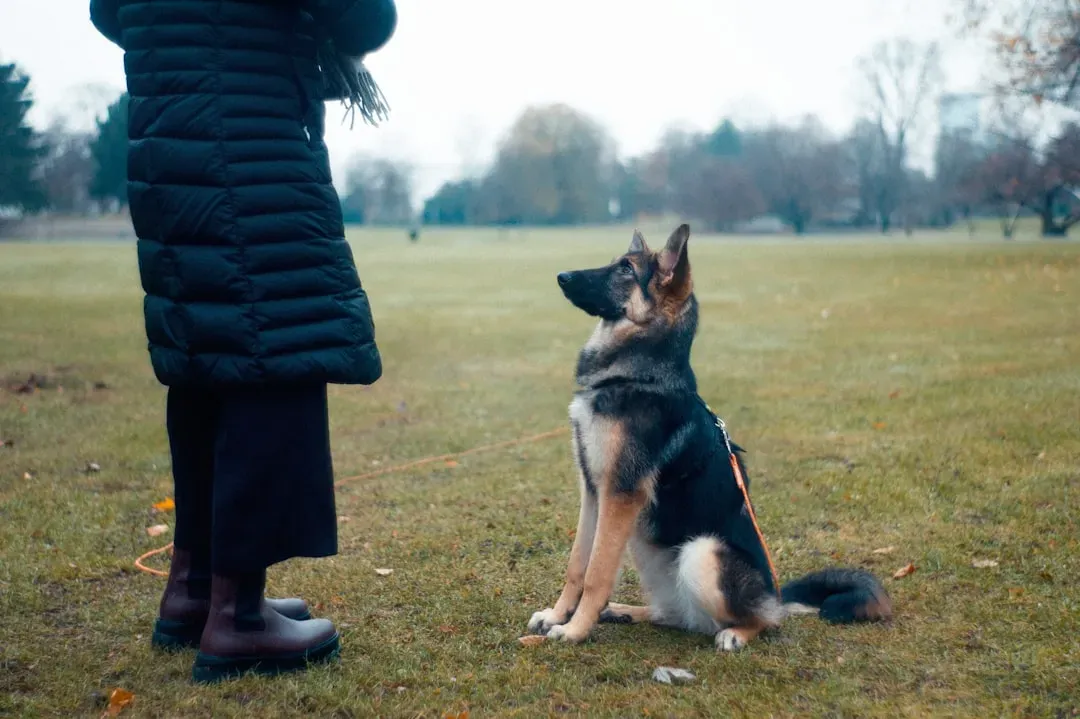
Some people think training is just about teaching commands. It’s actually about building a conversation. Teaching your dog new tricks not only helps them learn better manners and behavior but is a mentally enriching activity that deepens your connection. Training requires your dog to be tuned into you for guidance. They will master new commands and be rewarded with praise and treats from you, building their confidence.
Dogs thrive on structure and guidance. Daily training doesn’t have to be long; short, consistent sessions can greatly improve behavior and communication. Even five minutes of focused practice teaches your dog to look to you as a source of good things, not anxiety.
The method matters enormously. Many human interventions, such as use of positive reinforcement and affiliative interactions, are likely to produce a positive affective state in a dog, leading to more favorable behavioral responses, such as obedience during training. When training feels like a team effort rather than a test, your dog doesn’t just learn commands – they learn to admire the way you lead. Teaching a new trick or skill will exercise their brain and strengthen their cognitive abilities as they approach their grey muzzle years. There’s genuinely no age limit on how much this matters.
Making Meaningful Physical Contact a Daily Habit
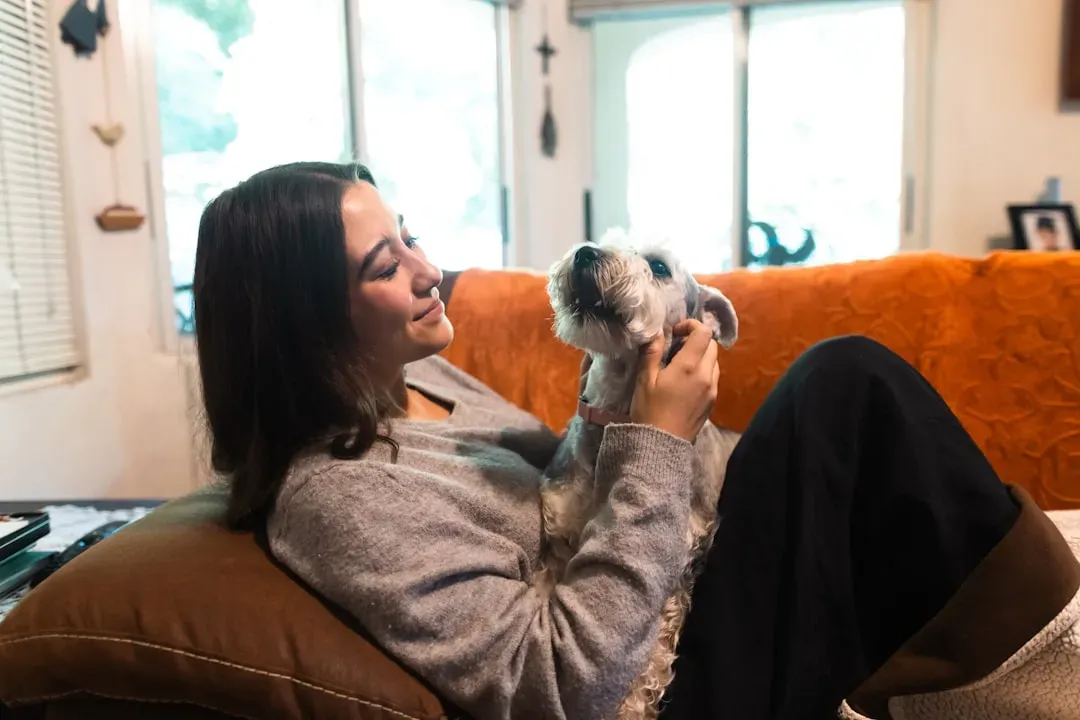
Not all touch is equal to your dog. There’s absent-minded head-patting, and then there’s intentional, gentle connection. Regular brushing, gentle petting, or massage not only keeps your dog healthy, but it also reinforces your bond. Touch builds trust and comfort, especially when it’s paired with positive experiences. Your dog can tell the difference between the two.
Dogs that are emotionally attached to their owners tend to maintain eye contact, looking at them with soft, relaxed eyes. Eye contact releases oxytocin, often referred to as the “love hormone,” in both dogs and humans, which helps to further foster a sense of connection and affection between pet and pet parent. So that long, soft gaze your dog gives you from across the room? It’s not just sweet. It’s chemistry.
Take time to learn how your dog likes to be handled. Some love belly rubs, while others prefer ear scratches or just being near you. Respecting those preferences, rather than always touching them the way you want to, shows a level of emotional attunement that dogs recognize and respond to with loyalty. Physical affection can be important for your relationship with your dog. Pets, cuddles, leans, and gentle hugs are strong signals that you and your dog are truly bonded.
Staying Calm and Emotionally Steady Around Them
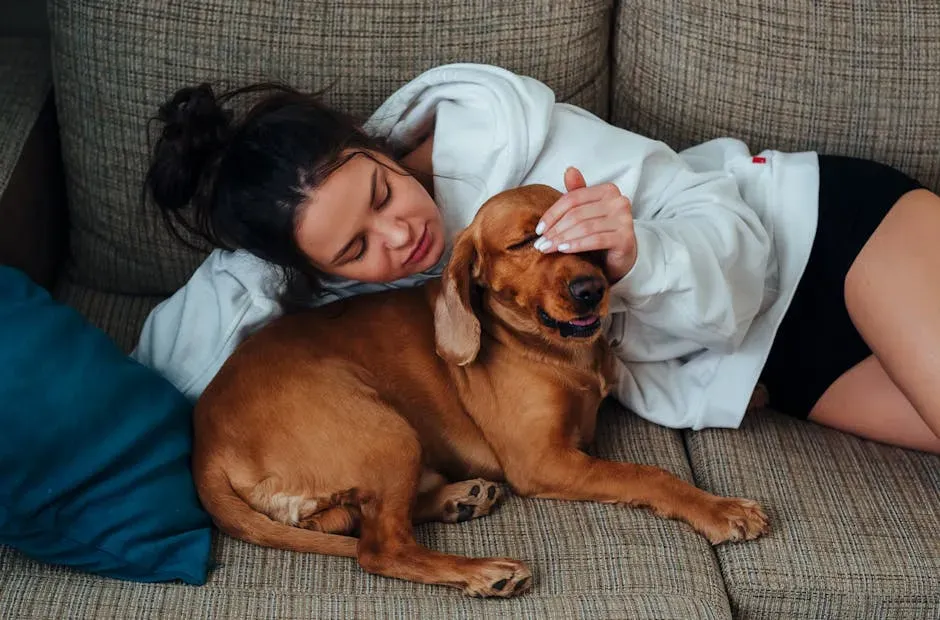
Your dog doesn’t just watch your face – they read your whole emotional state, sometimes before you’ve even processed it yourself. Research published in the journal Scientific Reports found that dogs can actually smell human stress. That’s not a metaphor. Their sense of smell is so precise that emotional states register as actual chemical changes they can detect.
Research published in Evolutionary Human Sciences shows that dogs can functionally read and respond to human expressions. When you move through your day with calm, grounded energy, your dog settles. They feel safe. They don’t need to stay on alert, and that relaxation becomes associated with being around you specifically.
This plays out in simple, everyday scenarios. Staying composed at the vet, speaking in a low, steady voice during a thunderstorm, moving slowly when your dog seems nervous – all of these tell your dog that you are a reliable source of safety. The dog-owner relationship is reflected in the dog’s emotional reactions. A close emotional bond with the owner appeared to decrease the arousal of the dogs. In other words, your calm doesn’t just comfort them in the moment – it shapes how emotionally regulated they become over time.
Conclusion: Admiration Is Built in the Ordinary Moments
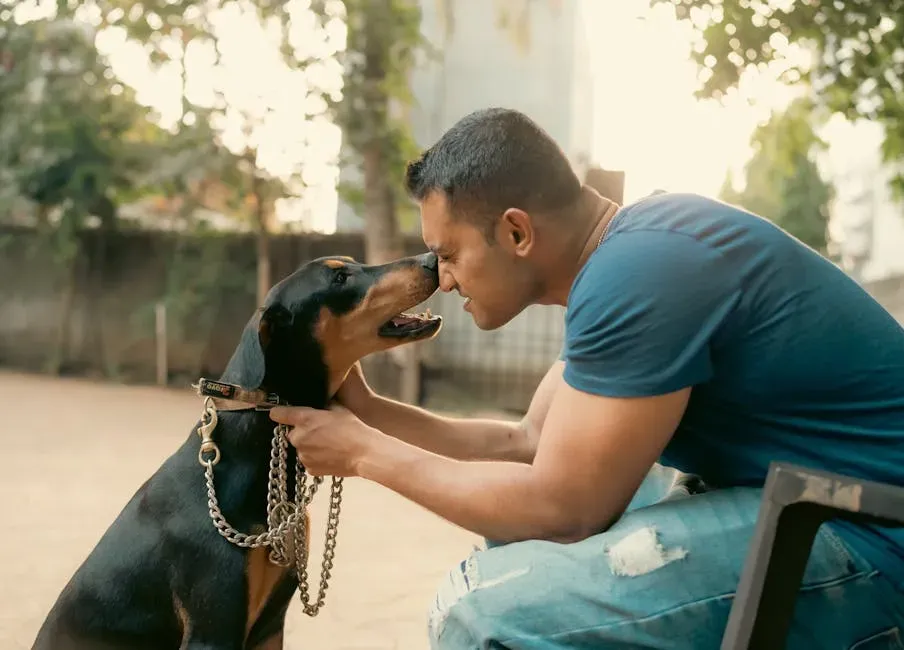
Your dog’s admiration for you isn’t earned through the occasional big day out or an expensive new toy. It’s built quietly, steadily, through the patterns of care you repeat every single day. The human-canine bond is strengthened, or diminished, depending on the quantity and quality of the time spent with the canine and through activities such as routine walking, feeding, grooming, and play.
Dogs with strong human bonds live longer, healthier lives while they display fewer behavioral problems, and these relationships reduce stress for both species and create partnerships built on mutual understanding and respect. That’s not a small thing. That’s a life genuinely improved for both of you.
The six things covered here don’t require a complete lifestyle overhaul. They require attention, repetition, and a willingness to see your dog as the complex, feeling creature they actually are. Keep showing up with consistency, presence, and a little patience – and your dog’s loyalty, that quiet, unwavering kind, will reflect it back to you every single day.


