

Picture this: it’s 7 AM, you’ve just poured your coffee, and your dog is already pacing the kitchen, nudging your leg, staring at the door, and circling back to nudge you again. You took them for a walk yesterday. They have toys. So what’s going on?
The answer might be simpler than you think. Dogs are deeply sensitive to the rhythm of their days, and a routine that feels “fine” to you could be leaving your dog quietly frustrated, under-stimulated, or just plain bored. The good news? Small, intentional changes can make an enormous difference. Here’s what the science and dog behavior experts have to say about building a daily routine your dog can genuinely thrive on.
Why Dogs Crave Predictability More Than You Might Realize

Dogs are creatures of habit. They feel more secure when they know what to expect throughout the day, and a routine that includes regular sleep cycles, feeding times, and opportunities for play helps reduce stress, prevent behavioral issues, and promote healthy habits. This isn’t just a nice idea. It’s deeply rooted in how dogs experience the world.
Dogs, much like humans, thrive on routine and predictability. Establishing a consistent daily schedule is not just a matter of convenience for pet owners; it’s the foundation of a dog’s mental and physical health. A well-planned routine provides structure, reduces anxiety, and ensures your dog gets the necessary exercise, nutrition, and mental stimulation they need to lead a happy, healthy life.
Whether it’s feeding time, training sessions, or daily walks, a structured routine provides your dog with a sense of security and stability. Much like humans, dogs feel more comfortable when they know what to expect, and a consistent routine helps reduce anxiety, improve behavior, and build trust between you and your pet. Think of it this way: every time you follow through on a predictable schedule, you’re essentially telling your dog, “I’ve got you.”
How to Spot the Signs Your Dog’s Routine Isn’t Working

Before you can improve your dog’s day, you need to understand what they’re trying to tell you. Dogs can’t speak, but they communicate through behavior constantly. Signs of boredom include excessive barking, destructive behavior, restlessness, and attention-seeking. Boredom in dogs can cause health problems, such as obesity, anxiety, compulsive behaviors, a weakened immune system, and cognitive decline.
Common behaviors include destructive behavior: chewing shoes and furniture, tearing up pillows or stuffed toys, getting into the trash, or digging at the floor or yard. Over-excitement like jumping, barking, and practically bouncing off the walls whenever anyone comes through the door could be a sign that your pup is under-stimulated and craving more consistent interaction. Clinginess, sticking to you like glue and shadowing your every move, may be their way of telling you they’re bored, anxious, or in need of more stimulation.
Dogs who aren’t mentally or socially engaged may become anxious, withdrawn, or depressed. What starts as one small behavior, chewing on a shoe from boredom, can turn into a more serious condition, like compulsive licking or chewing, that requires medical or behavioral help. If your well-behaved dog is suddenly acting out, resist the urge to label it as defiance. It’s most likely a signal that something in their daily routine is missing.
The Power of Feeding Schedules and Mealtime Enrichment
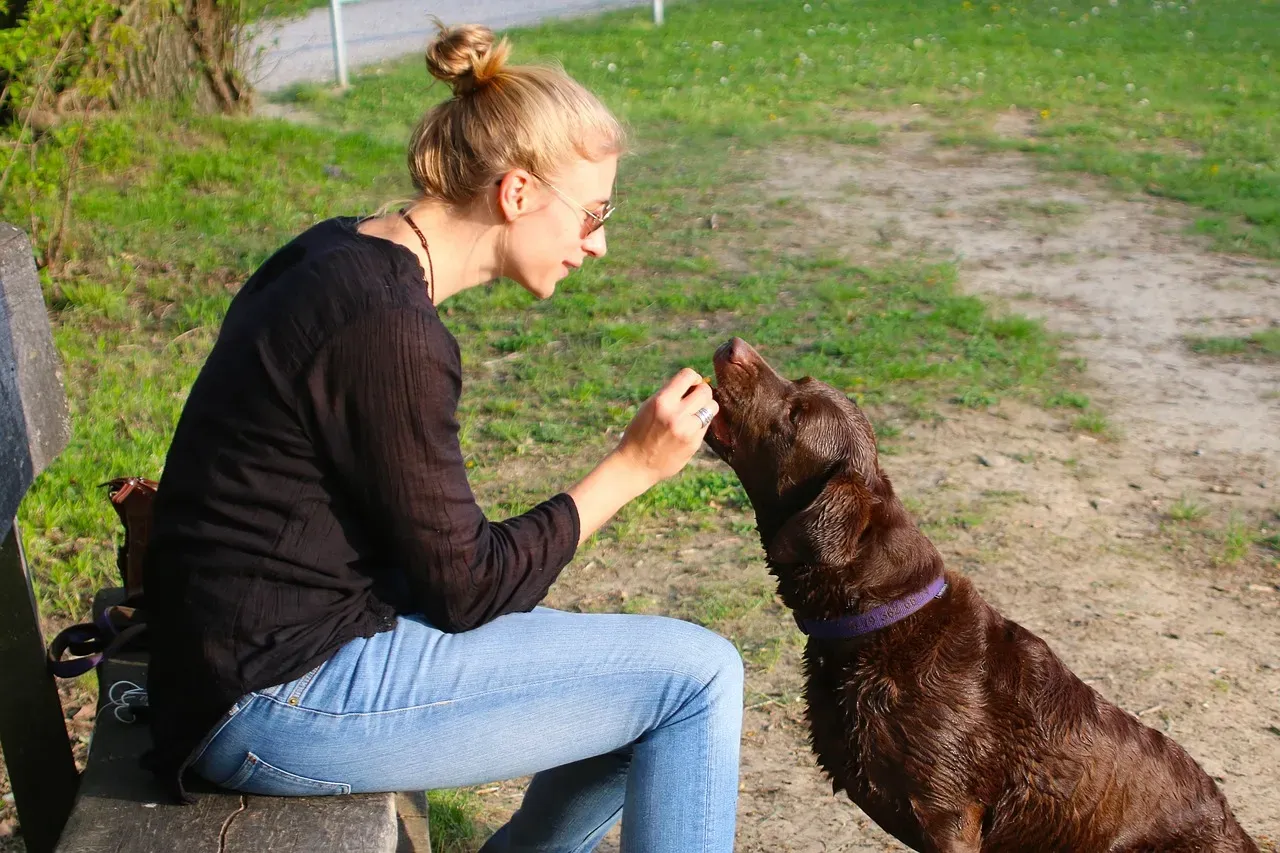
Feeding your dog at the same time each day supports digestion, regulates bowel movements, and reduces begging behavior. Most adult dogs do well with two meals per day, spaced eight to twelve hours apart. Consistent meal timing gives your dog a reliable anchor in their day, something they can count on no matter what else is happening around the house.
Beyond timing, how you deliver those meals matters too. You can use your dog’s portioned meals for the day to make mealtime more interesting. Research has shown that dogs prefer food rewards that they earn as an achievement from problem-solving more than freely accessible food. Swapping out the regular bowl for a puzzle feeder or scatter feeding your dog’s kibble across the yard takes about thirty seconds and keeps their brain working for far longer.
Most dogs benefit from twenty to forty minutes of dedicated enrichment activities per day, broken into multiple sessions. This does not need to be a big production. A ten-minute food puzzle at breakfast, a five-minute training session in the afternoon, and a sniff-focused walk in the evening can be enough to make a significant difference. Mealtime is simply one of the easiest places to start building that enrichment in.
Walks Are Not Created Equal: The Case for Sniff Time and New Routes

Many dog owners walk their dogs on the same loop every morning. The dog gets physical exercise, which is great. But if your dog is still restless or bouncy after a solid walk, there’s a good chance the walk isn’t giving them what they actually need mentally. Sniffing during walks is more than just physical exercise, it’s a vital form of mental stimulation. Allowing your dog to sniff engages their brain and satisfies their natural instincts, making walks more enriching and fulfilling. Dogs primarily experience the world through their sense of smell, gathering vast information from their environment. Sniffing activates their brain, reduces boredom and anxiety, and helps them stay engaged, making even short walks more satisfying.
Sniffing lowers heart rate, reduces stress, and mentally exhausts your dog in the best way possible. A ten-minute sniff-focused walk through a new patch of grass can leave your dog more satisfied than a thirty-minute march around the same block. You can increase the enjoyment your dog gets out of each walk by allowing them to sniff uninterrupted without rushing them along, allowing them, when safe, to choose which way to go, and walking in new or varied locations.
Dogs who walk the same loop at the same time every day get physical exercise but very little sensory enrichment. Varying your route, your pace, and the environments you expose your dog to makes every walk more enriching without adding a single minute. It’s one of the simplest upgrades you can make, and it costs nothing.
Mental Stimulation: The Missing Piece in Most Dog Routines

Physical exercise gets all the attention, but mental stimulation is equally important and far too often overlooked. Giving your dog’s brain a workout is as important as exercising their body. Plus, it’s equally exhausting. A dog that has solved problems, sniffed out hidden treats, and engaged in a short training session will settle more quickly and rest more deeply than a dog that only ran around the yard.
Training is not just about teaching your dog to sit and stay. It is one of the most powerful enrichment activities available, because it engages your dog’s problem-solving ability, builds communication between you, and provides the kind of focused mental effort that tires a dog out faster than physical exercise alone. Even five minutes of teaching a new trick or practicing known commands counts as meaningful mental work.
Mental stimulation prevents boredom and can even delay cognitive decline in older pets. Just fifteen minutes a day can make a huge difference. For aging dogs, providing routine enrichment can help keep their brain stimulated and slow the progression of conditions like Cognitive Dysfunction Syndrome, also known as doggy dementia. Whether your dog is two or twelve, their brain needs a job just as much as their body does.
Rest, Wind-Down, and the Bedtime Routine Your Dog Deserves

It’s tempting to keep dogs busy every hour, but rest is genuinely part of a healthy routine, not just a gap between activities. Many dog owners unintentionally keep their dogs overstimulated all day. A calm daily routine for dogs includes intentional rest periods. Dogs benefit from having a quiet, comfortable place to relax. This may be a crate, dog bed, or low-traffic room. When rest time is built into the daily routine for dogs, they learn that relaxation is expected, not optional.
Just as mornings matter, evenings play a major role in helping dogs wind down. A gentle walk or low-intensity play session in the evening helps release remaining energy without overstimulation. Avoid intense play, loud environments, or excessive excitement close to bedtime. Dim lights, quiet voices, and calm activities signal to your dog that the day is ending.
A set bedtime is a critical part of a daily routine for dogs. Consistent sleep schedules improve emotional regulation and reduce nighttime restlessness. Remember it’s always a balance. Your dog does not need to be occupied every hour of the day, nor do they need the same level of activity every single day. Most dogs are surprisingly satisfied with quiet rest days, as long as this isn’t happening all the time. Giving your dog permission to simply be calm is one of the most underrated gifts you can offer them.
Conclusion: Small Shifts, Big Tail Wags

Rebuilding your dog’s daily routine doesn’t require a dramatic overhaul or hours of extra time. You do not need to overhaul your entire routine overnight. Adding one enrichment activity per day, whether it is a food puzzle at breakfast, a five-minute training session after lunch, or a new walking route in the evening, will produce noticeable changes in your dog’s behavior within a week or two.
Consistency in timing, cues, and rewards is more important than perfection; aim for routines that are sustainable over months and years, and make incremental changes so the dog can adapt without stress or regression. Start with what’s manageable for your schedule, and build from there. Your dog doesn’t need a perfect day. They need a predictable, engaging one.
At the end of the day, the question isn’t whether your dog loves you. They almost certainly do. The better question is whether the life you’ve structured for them gives them enough to feel truly fulfilled. A few thoughtful shifts to their daily rhythm might be exactly what transforms a dog who is merely getting by into one that is genuinely, tail-waggingly thriving.


