
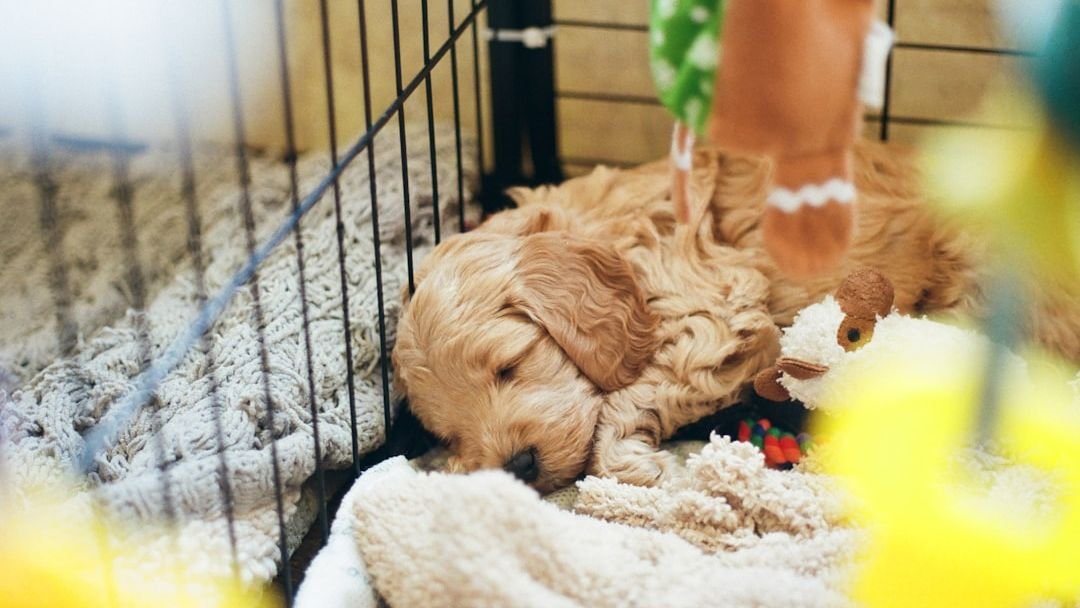
In a breeding facility in Poplar Bluff, Missouri, a dog weakened by diarrhea lay dying without veterinary attention. The owner called a boyfriend to remove the animal, later claiming ignorance of its fate. This incident forms part of the latest ‘Horrible Hundred’ report, released today by Humane World for Animals, which catalogs persistent cruelty at commercial dog breeding operations nationwide.[1]
The Scope of the Crisis
Humane World for Animals documented violations at 100 problem puppy mills and sellers, drawing from recent USDA and state inspection records. More than half of these operations hold USDA licenses, underscoring failures even under federal oversight. About half qualify as repeat offenders, appearing in prior editions of the report.[2]
Facilities churn out puppies for pet stores, online platforms, and brokers, often prioritizing volume over welfare. Inspectors repeatedly found dogs in cramped wire cages stacked high, fur matted with feces, and enclosures overrun by insects or rodents. Over 20 percent of the listed dealers supplied puppies to chains like Petland, masking the origins from buyers.[1][3]
Missouri Dominates the List Once More
Missouri claimed the top spot for the 14th consecutive year, with 31 operations flagged in the report. This southeastern state has long harbored the nation’s largest concentration of large-scale breeders. Wisconsin followed with 14, while New York, Pennsylvania, Kansas, and Ohio each recorded eight or nine.[2]
At First Light Farms LLC, run by Rhonda Kelly Boyers, regulators issued a critical violation after two dogs perished from neglect. The USDA temporarily suspended the license there. Other Missouri sites revealed similar patterns: limping animals ignored, enclosures caked in waste, and thin dogs huddled without adequate shelter.[1][2]
Deadly Neglect and Improvised Care
Preventable deaths punctuate the findings. In Nebraska, a dachshund succumbed to hypothermia at Sandhills Dachshunds during subfreezing temperatures, lacking bedding or windbreaks. Inspectors noted dogs shivering in outdoor runs exposed to harsh winds.[1]
DIY veterinary practices compounded the risks. At Bluebird Hill Farm in Pomona, Missouri, a coughing Pomeranian puppy received an injection of livestock penicillin and a homemade electrolyte slurry instead of professional treatment. In Indiana, a breeder botched a tail docking on a puppy using a rubber band, necessitating surgery. John Goodwin, senior managing director for puppy mills at Humane World for Animals, described the broader picture: “The ‘Horrible Hundred’ report shows the public the abhorrent reality for dogs at puppy mills – including those that are licensed and inspected.”[1]
Filth permeated many sites. Enclosures brimmed with feces buildup, stagnant water harbored larvae, and rodent droppings contaminated food areas. Strong ammonia odors forced inspectors to retreat, while cockroaches scurried across floors.[2]
Connections to Pet Trade and Repeat Violations
Sales channels extend the reach of these operations. Breeders advertised on sites like Puppies.com, GreenfieldPuppies.com, and GoodDog.com, alongside social media. Links to the American Kennel Club appeared frequently, with some holding ‘Breeder of Merit’ status despite citations.[2]
Progress emerged in isolated cases. Since the prior report, authorities shut down facilities like Add Love Pets in Oklahoma after seizing 405 dogs and revoked licenses at others, including Green Meadow Farm in Ohio. These actions rescued over 3,330 animals from listed breeders since 2013. Yet systemic issues persist, as an internal USDA audit revealed 80 percent of cited breeders failed to fully correct problems.[2]
A Call to End the Cycle
The report urges consumers to bypass pet stores and unverified online sellers. Adoption from shelters offers a direct counter to demand fueling mills. Humane World for Animals backs federal measures like the Puppy Protection Act and Better CARE for Animals Act to enforce stricter standards on exercise, socialization, and health screenings.[1]
Nine states and over 520 localities already ban pet store puppy sales, curbing the pipeline. Goodwin emphasized consumer power: “Puppy mills put profit over the welfare of the animals and will continue to operate until people stop buying puppies from them and stores like Petland that shield the suffering.” As inspections continue, the onus falls on buyers to demand transparency and prioritize welfare.


