
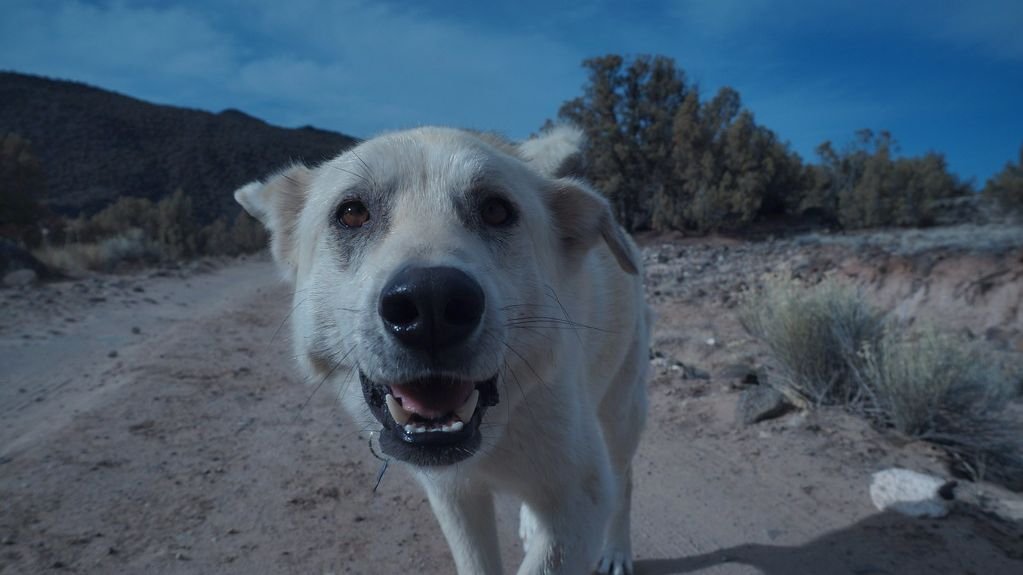
Atlanta – Metro area residents contend with relentless pollen levels and drifting wildfire smoke from South Georgia, creating challenges not only for humans but for pets as well. Veterinarians emphasize that dogs and cats inhale these irritants just like people, potentially leading to respiratory issues and skin reactions. Recent consultations highlight practical steps pet owners can take to minimize exposure during these seasonal hazards.[1][2]
Spotting the Hidden Dangers
Pets often show subtler signs of distress from environmental irritants than their owners might expect. For pollen, irritation frequently starts at the paws where grass transfers allergens to the skin, prompting excessive licking and potential hot spots. Smoke particles pose similar respiratory threats, exacerbating conditions in animals with preexisting heart or lung problems.[1][3]
Owners should watch for coughing, watery eyes, nasal discharge, rapid breathing, fatigue, or reluctance to eat. Older pets and short-nosed breeds like bulldogs remain especially vulnerable during poor air quality events. Early recognition allows for timely intervention before symptoms worsen.[3]
Effective Defenses Against Pollen Irritation
Pollen clings to fur and paws during walks, embedding deeply enough that simple wiping fails to remove it fully. Veterinarians recommend thorough baths using a mild detergent shampoo to wash away allergens effectively. This approach targets the root of reactions, particularly on paws where dogs often lick persistently.[1]
Additional measures include limiting outdoor time to early mornings or late evenings when counts dip lower. Regular cleaning of bedding and home surfaces reduces indoor buildup. Air purifiers and fresh HVAC filters further cut circulating pollen, benefiting both pets and people in allergy-prone areas like Atlanta.[4]
- Bathe pets weekly or after outings with hypoallergenic shampoo.
- Wash paws immediately upon returning indoors, supplementing full baths.
- Vacuum frequently and launder fabrics to eliminate trapped pollen.
- Consult vets for antihistamines if symptoms persist.
Strategies to Counter Wildfire Smoke
When smoke blankets the region, the priority shifts to containment. Keep pets indoors with all windows and doors sealed to block particulate matter. Brief potty breaks suffice during alerts, avoiding vigorous play or long strolls that heighten inhalation risks.[1][3]
Run air conditioning equipped with high-efficiency filters, or deploy portable HEPA units in pet areas. Avoid indoor activities that stir particles, such as frying foods or vacuuming. Plenty of fresh water encourages hydration, aiding natural clearance of irritants from the body.[3]
- Close windows; use AC or fans with clean filters.
- Limit exercise; monitor breathing closely.
- Prepare evacuation kits with pet essentials.
- Relocate outdoor animals to ventilated indoor spaces.
When to Call the Vet and Long-Term Preparedness
Mild symptoms often resolve with reduced exposure, but persistent issues demand professional evaluation. Vets can prescribe medications or tests to rule out infections mimicking allergies. In Atlanta’s variable climate, combining prevention with vigilance proves most effective.[3]
Owners benefit from checking daily air quality indexes and pollen forecasts to plan accordingly. Stocking supplies like extra filters and shampoos ahead of peaks ensures readiness. These habits not only protect current pets but set a standard for future seasons.[5]
Pet safety hinges on proactive steps amid environmental shifts. Atlanta’s dual threats remind owners that small adjustments yield big safeguards for beloved companions.


