
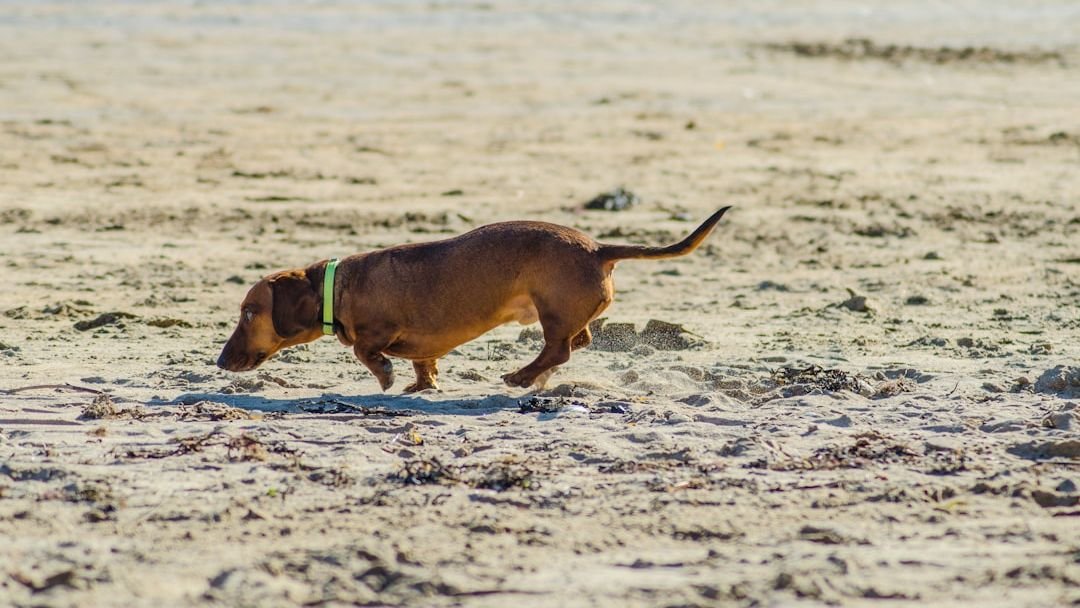
High-energy breeds like Border Collies demand up to 90 minutes or more of vigorous daily activity, while low-energy companions such as Pugs thrive on shorter 30-minute sessions.[1][2] These stark differences highlight why a one-size-fits-all approach fails for canine health. Tailoring exercise to a dog’s breed, age, and lifestyle prevents obesity, boredom, and joint issues while boosting vitality and mental sharpness. Veterinary experts emphasize matching activity to individual needs for long-term well-being.
Core Factors Driving Your Dog’s Exercise Demands
Age tops the list of influences on exercise capacity. Puppies build stamina gradually to protect growing joints, adults peak in endurance, and seniors prioritize gentle movement. Breed energy levels follow closely, with herding dogs wired for endless motion compared to laid-back lap breeds.[3]
Health status rounds out the trio. Conditions like hip dysplasia or brachycephalic breathing challenges demand modifications, such as low-impact swims over runs. Size matters too – giant breeds favor controlled walks to spare joints, while toys handle quick indoor bursts. Owners benefit from observing their dog’s enthusiasm and fatigue to fine-tune routines.
Environmental factors, including weather and access to safe spaces, shape feasibility. Hot pavement risks paw burns, so early mornings or grass suit many schedules. Mental stimulation weaves through all, as puzzle toys or scent games complement physical efforts.
Life Stage Breakdown: From Puppy Play to Senior Strolls
Puppies burst with energy yet require caution. Short, frequent sessions – several 10-minute walks or play bouts daily – support development without strain. Large breeds especially avoid high-impact until nearing one year old, focusing instead on socialization and basic training.[2][4]
Adult dogs hit prime fitness stride. Less active types manage 30 to 60 minutes of walks and play, while high-drive individuals push toward 90 minutes of hikes or fetch. Variety keeps engagement high, blending cardio with skill-building.
Seniors shift toward maintenance. At least 30 minutes of low-impact activity, split into brief outings, preserves mobility and combats weight gain. Swimming emerges as ideal for arthritic joints, paired with therapy options like massage if needed.[2]
High, Medium, and Low Energy Breeds: A Clear Comparison
Herding breeds like Border Collies and Australian Shepherds top the energy charts, needing 60 minutes minimum plus mental challenges such as agility or herding balls. Sporting groups, including Labrador Retrievers and Golden Retrievers, crave 90 minutes of running, swimming, or dock diving.[1][5]
Medium-energy terriers and guards, such as Jack Russells or Rottweilers, sustain on 45 to 60 minutes of fetch, walks, or obedience drills. Low-energy toys and brachycephalics like Pugs or French Bulldogs settle for 30 to 60 minutes in short bursts, emphasizing cool conditions to ease breathing.
| Breed Group | Daily Minimum | Example Breeds | Ideal Activities |
|---|---|---|---|
| High Energy (Herding/Sporting) | 60-90+ minutes | Border Collie, Labrador | Agility, hiking, frisbee |
| Medium Energy (Terriers/Guards) | 45-60 minutes | Jack Russell, Rottweiler | Fetch, walks, training |
| Low Energy (Toys/Brachycephalic) | 30-60 minutes (short) | Pug, Shih Tzu | Indoor play, slow strolls |
| Giant Breeds | 45+ minutes (low-impact) | Great Dane, Mastiff | Swimming, controlled walks |
This framework, drawn from breed traits, guides owners toward sustainable habits.[6]
Proven Activities for Body and Brain
Walks form the foundation, scalable from block loops for couch potatoes to trail treks for athletes. Fetch variations – uphill tosses or water retrieves – ramp up intensity safely.
- Swimming suits joint-prone seniors and large breeds, minimizing impact while building endurance.
- Dog sports like AKC Agility, Flyball, or Scent Work channel instincts for high-energy types.
- Mental boosters include hide-and-seek, puzzle feeders, or tug games, vital for preventing destructive boredom.[5]
- Indoor staples: Stair climbs (moderately), treadmill trots, or household agility with chairs and tunnels.
Trainers stress mixing routines to sustain interest, always warming up and cooling down.
Safety First: Vet-Backed Guidelines to Avoid Pitfalls
Consult veterinarians before major changes, especially with pre-existing conditions. Watch for overexertion signs like excessive panting, limping, or reluctance – scale back immediately.
Hot weather poses heatstroke risks for brachycephalics; opt for dawn or dusk outings with ample water. Harnesses beat collars for traction, and life jackets enable confident swims. Puppies and giants build gradually to sidestep growth plate injuries or arthritis.
Under-exercise breeds boredom into chewing or digging; balance prevents this while fostering stronger bonds.
Custom exercise transforms restless pups into content companions, extending joyful years. Owners who align activity with their dog’s profile report calmer homes and vibrant health. Start small, stay consistent, and let your dog’s tail guide the pace.


