
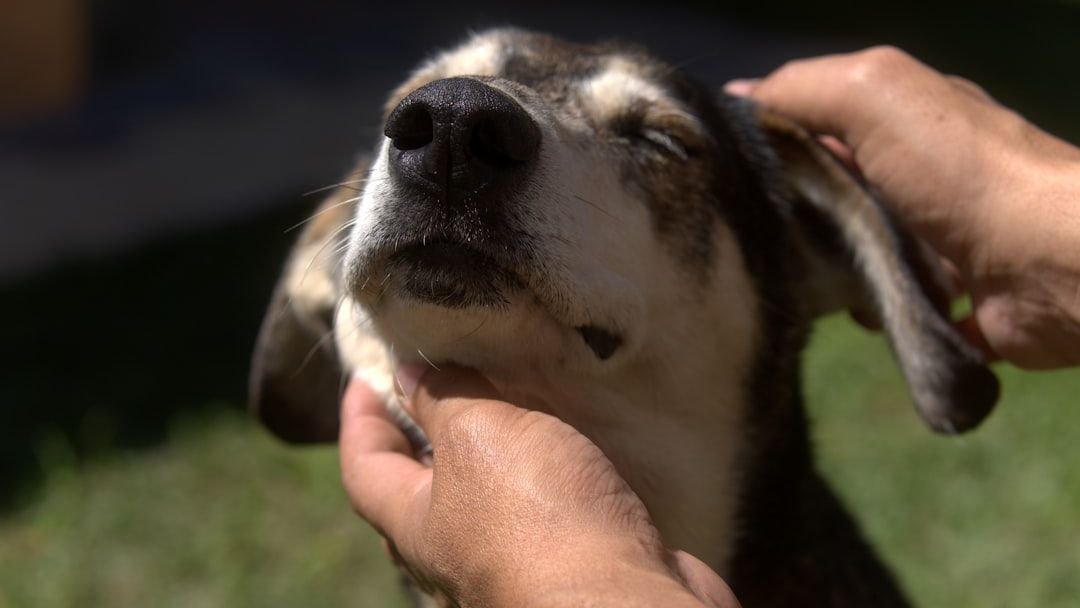
Dogs don’t have words for what they’re feeling. They use their bodies. A tucked tail, persistent pacing, or a sudden refusal to eat can all be the quiet vocabulary of a dog living under the weight of chronic stress. Dog anxiety is a heightened state of fear or nervous anticipation in response to perceived threats, and it’s more common than many owners realize.
Dog anxiety can affect all breeds, but may affect each individual dog differently. Although it’s something all dogs experience from time to time, if disproportionate levels of anxiety are left unchecked, a dog can develop an anxiety disorder. Touch therapy is emerging as one of the gentler, more accessible tools available to help bring a dog back into balance, without a pill and without force.
Recognizing Anxiety in Your Dog
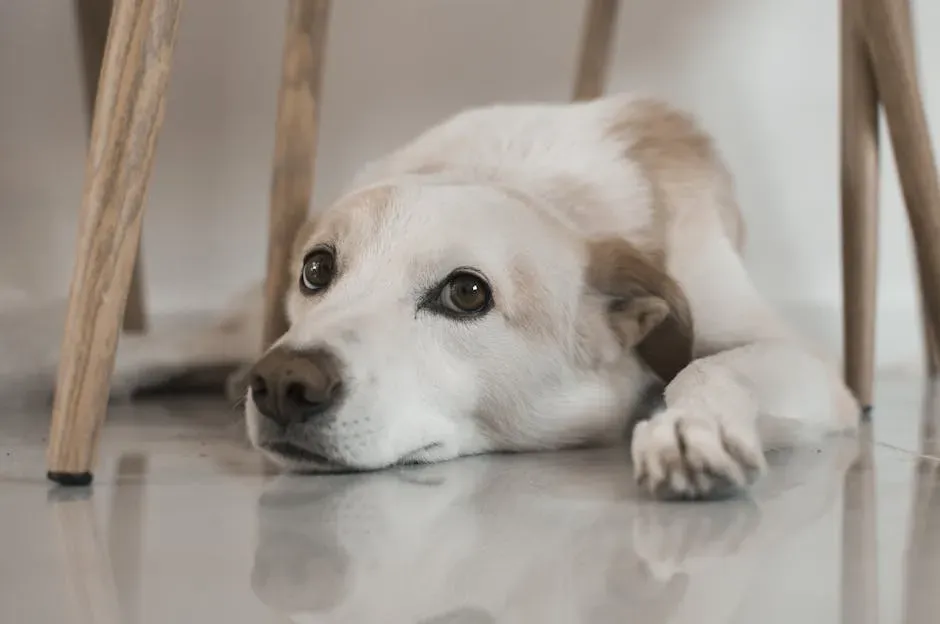
Before touch therapy can help, you need to know what you’re actually looking at. The signs of anxiety in dogs are often subtle and can easily be misinterpreted unless the full context is understood. What might look like stubbornness or misbehavior is frequently something else entirely.
An anxious dog may pant, pace, tremble, drool, withdraw from its owner, or hide. Alternatively, they may appear irritable or aggressive, barking or growling at someone. Some dogs go the other direction entirely, shutting down rather than acting out.
Dogs that are anxious all the time may become depressed or irritable, sleep more, and may lose interest in food, training, play, and social interaction. Catching these patterns early is the first real step toward helping your dog find relief.
What Dog Anxiety Actually Does to the Body
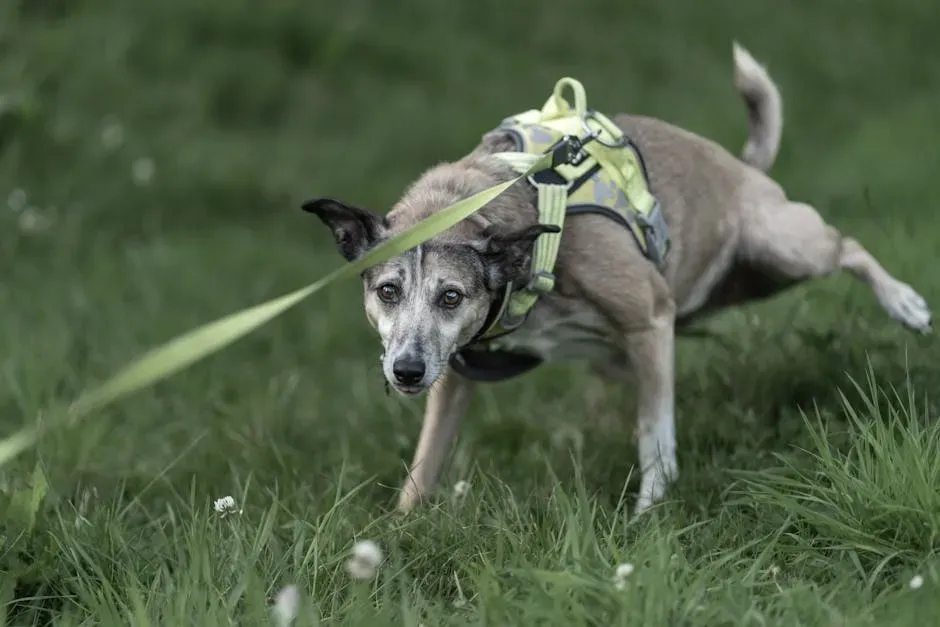
Anxiety isn’t just a behavioral issue. It has a clear physical signature, and understanding the body’s role helps explain why touch can be so effective. The autonomic nervous system is comprised of the sympathetic nervous system, the “fight or flight” mode, and the parasympathetic nervous system, the “rest and digest” mode.
The hypothalamus is responsible for the physical manifestations of fear: accelerated heart rate, decreased digestion, dilation of the blood vessels in the muscles, widening of the bronchial passages, increased perspiration, rigid muscles, dilated pupils, and raised hackles. In a genuinely threatening situation, this is useful. For a dog trapped in a cycle of chronic anxiety, it’s exhausting.
If left unresolved, repeated or prolonged exposure to stressors can lead to chronic stress. Physiologically, hormone levels become or remain unbalanced, which affects virtually every system in the body. Touch therapy works precisely by engaging that other branch of the nervous system and coaxing the body back toward calm.
The Science Behind Touch and the Nervous System

The connection between physical touch and emotional calm isn’t abstract. There’s measurable biology at work. Research has suggested that massage activates mechanoreceptors and A-beta fibres which convey information to the central nervous system, including the pituitary gland. This then controls the release of ACTH and cortisol from the adrenal gland, causing relaxation.
The rhythmic nature of massage activates the parasympathetic nervous system, lowering cortisol levels and promoting relaxation. Dogs with separation anxiety or noise phobias often show reduced stress behaviors after regular massage sessions.
Research indicates that deep pressure can stimulate the release of oxytocin, often called the “love hormone” or “bonding hormone.” Similar to the effects of a good massage, pressure therapy can encourage the release of endorphins, natural mood elevators that help alleviate pain and create a sense of euphoria. These aren’t small or incidental changes. They’re physiological shifts that alter how a dog feels from the inside out.
Cortisol, Oxytocin, and the Hormonal Reset
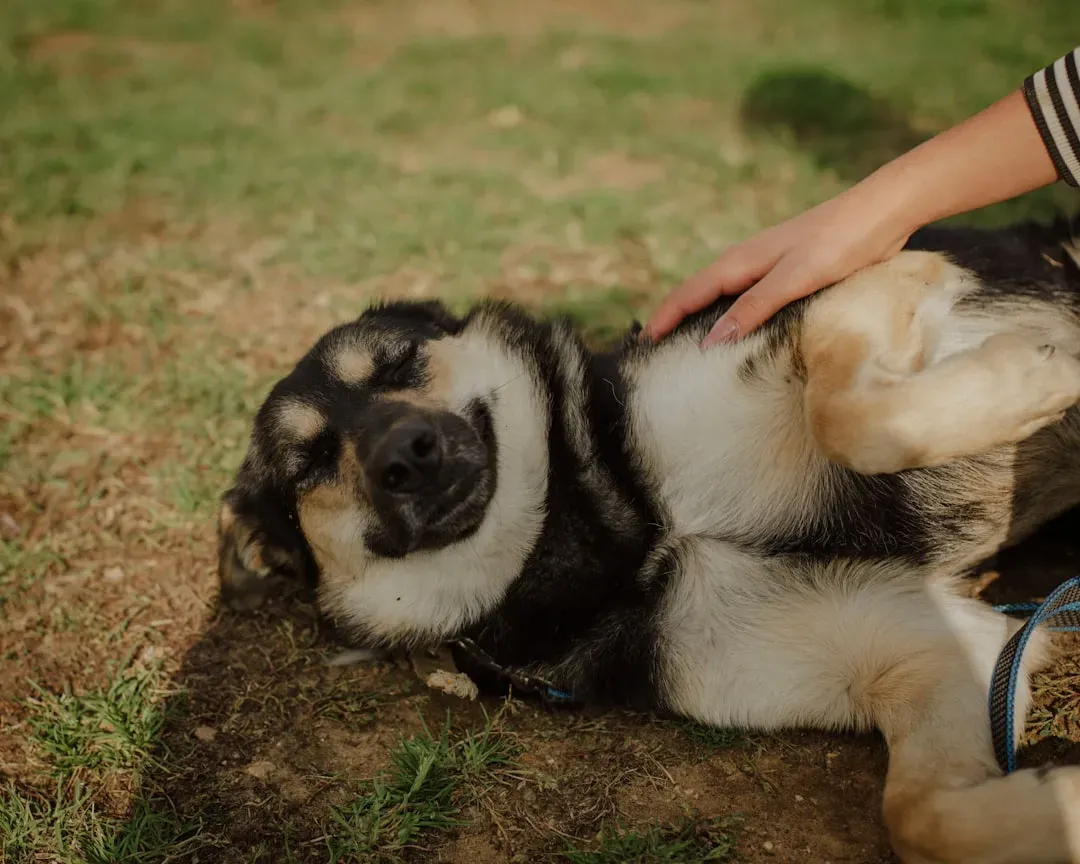
Two hormones sit at the center of the anxiety equation: cortisol and oxytocin. One drives the stress response, the other helps dissolve it. Canine massage can reduce levels of cortisol, a stress hormone that can worsen a dog’s health over time, and increase levels of serotonin, often called a “feel-good” hormone, while slowing breathing and heart rate to have a calming effect.
A 2018 study found that dogs receiving just 15 minutes of massage showed significantly lower cortisol levels compared to the control group. That’s a measurable biological change from a relatively brief session of intentional touch.
Research shows touch therapy can reduce stress physiologically through cortisol levels and increase attachment responses that trigger oxytocin, a hormone that increases trust. Dogs also react positively to animal-assisted activities. In response to the human-animal bond, dogs produce oxytocin and decrease their cortisol levels when connecting with their owner. The relationship itself becomes part of the medicine.
Tellington TTouch: A Structured Approach
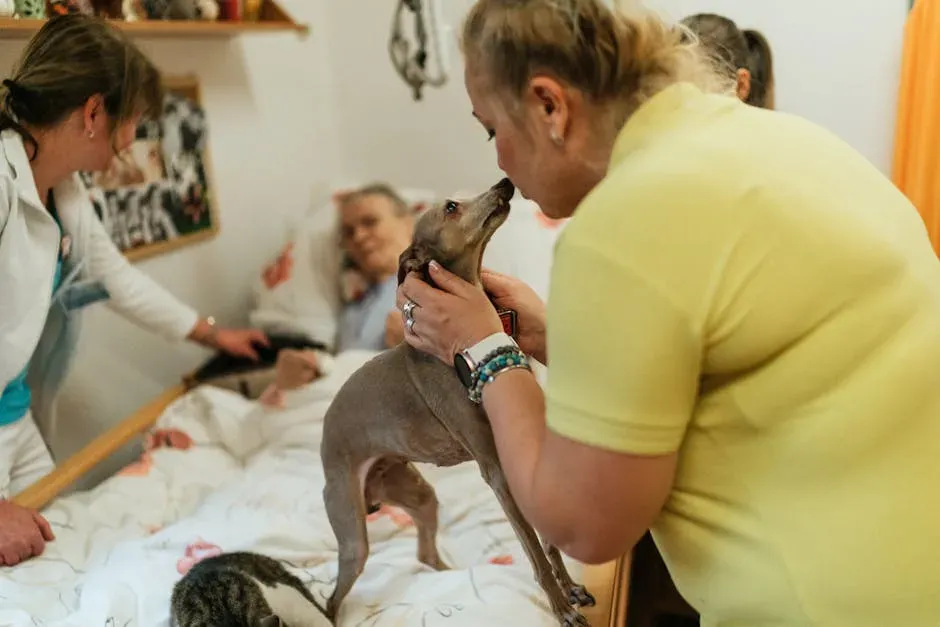
Not all touch therapy is the same. One of the most studied and widely used methods is the Tellington TTouch, a structured system developed by animal expert Linda Tellington-Jones. Pronounced TEE-touch, the Tellington TTouch Method is a training system that uses bodywork and non-habitual movement to influence behavior and health.
The basis of TTouch lies in its calming effect on the nervous system through activation of the parasympathetic nervous system. The technique also encourages the release of endorphins, helping to ease tension and anxiety. It’s a precise, intentional practice rather than ordinary stroking.
TTouch offers positive solutions to common behavioral and health-related issues, including inappropriate aggression, car sickness, separation anxiety, excessive barking, chewing, jumping up, leash-pulling, resistance to grooming, nervousness, shyness, and thunder phobia. There are no known side effects of TTouch. It can be combined with any other alternative veterinary therapy used to help manage anxiety-related disorders in animals.
Effleurage and the Calming Stroke
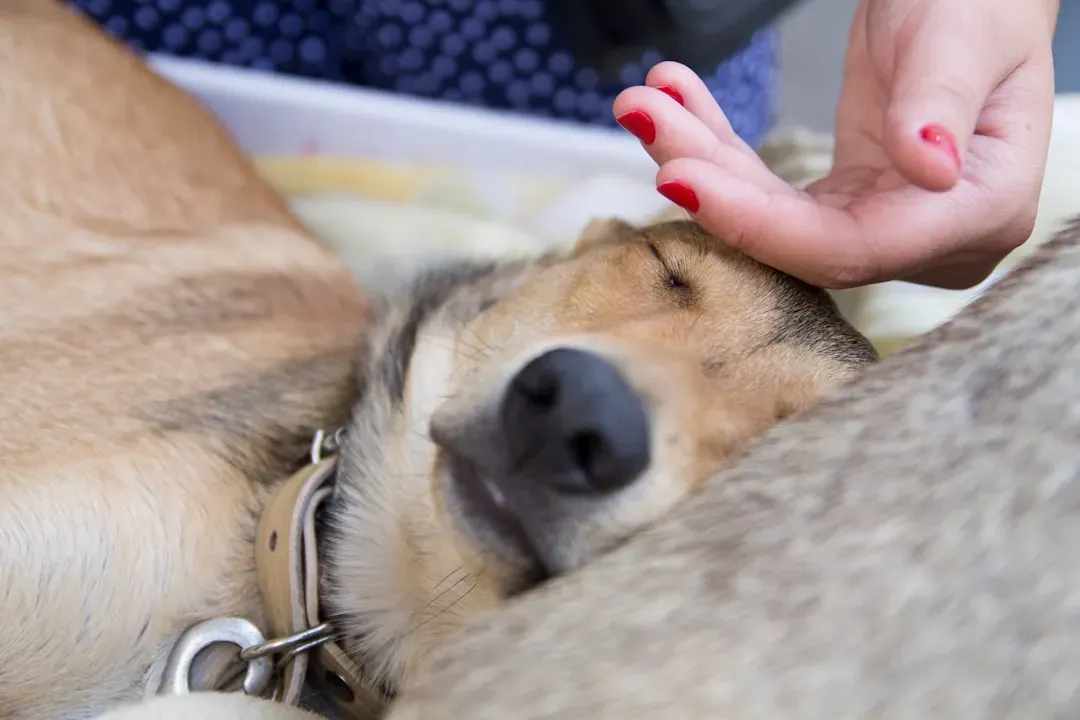
Among the specific touch techniques used in canine massage, effleurage is one of the most accessible and effective starting points for dog owners. Effleurage is derived from the French word meaning “to skim” or “to touch lightly,” reflecting its gentle and flowing nature. This massage technique involves slow, smooth, continuous strokes that glide over the dog’s skin, typically performed using the palms of the hands with light to moderate pressure.
Effleurage effectively activates the parasympathetic nervous system, the body’s “rest and digest” mode. This gentle stimulation helps reduce stress hormones, notably cortisol, encouraging the dog to relax deeply and experience relief from anxiety.
Effleurage involves long, sweeping strokes that warm up the muscles and promote relaxation. Regular sessions help maintain emotional balance, reduce anxiety, and support overall physical health, enhancing the dog’s quality of life. It’s a technique almost anyone can learn with a little guidance and patience.
Deep Pressure Therapy and Body Wraps

For dogs dealing with acute anxiety triggers like thunderstorms or fireworks, deep pressure techniques offer another layer of support. For anxious dogs who might feel overwhelmed by sensory input, consistent pressure provides a grounding sensation. It helps to refocus their awareness on their body, diminishing their focus on external stressors. This is akin to how weighted blankets are used in humans to provide comfort and reduce anxiety.
Body wraps, used in the TTouch method, work on a similar principle. An elasticised bandage in the half-wrap method can provide proprioceptive calming input to the dog’s nervous system. This method mimics a hug, providing comfort and security, which is especially helpful when a dog may feel overwhelmed.
Pressure therapy can be beneficial in a wide range of anxiety-inducing situations, including thunderstorms and fireworks, separation anxiety when helping dogs feel more secure when left alone, and travel and car rides to reduce motion sickness and general travel stress. It’s one of the more practical touch interventions a pet owner can apply at home.
How Touch Helps Dogs with Separation Anxiety
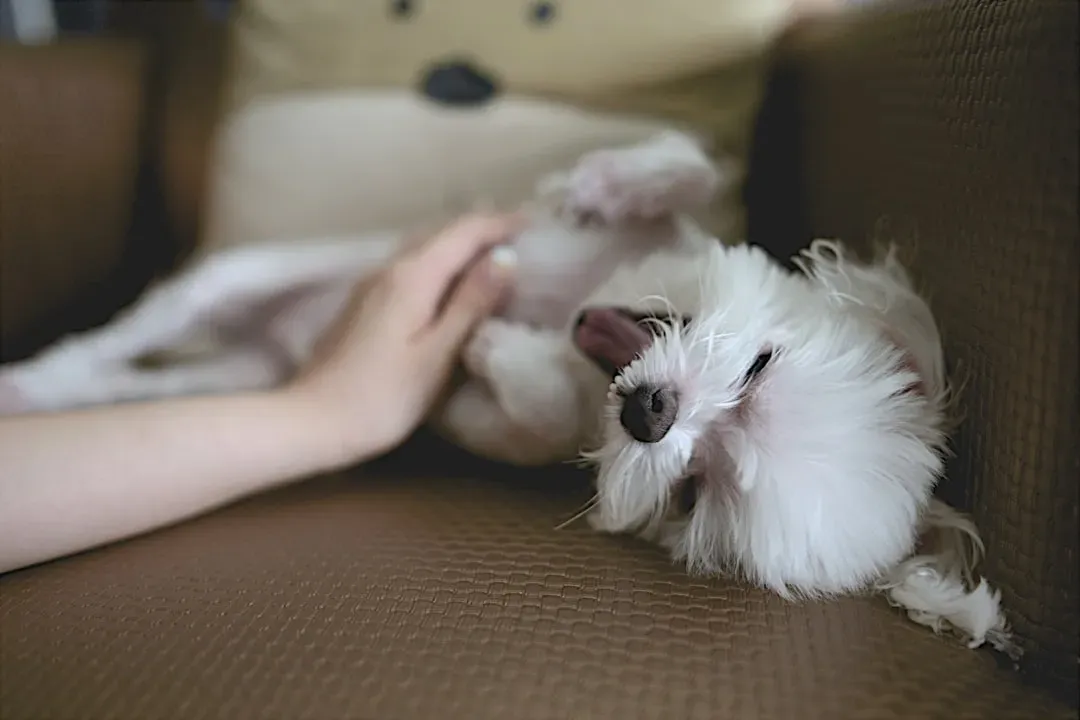
Separation anxiety is one of the most distressing conditions for both dogs and their owners. Dogs who experience separation anxiety are often distressed when left alone or separated from their family members. Estimated to affect around 14% of dogs, separation anxiety often manifests itself in undesirable behaviors.
Much like in humans, massage therapy in dogs can lower cortisol levels, the hormone linked to stress, slow heart rate, and trigger the release of endorphins, the body’s natural mood enhancers. Used consistently, this kind of touch can help a dog feel grounded even when their person isn’t present.
Therapeutic massage is not a magic cure, but it can be a powerful part of a holistic approach to reducing separation anxiety in dogs. When combined with behavioral training, enrichment toys, and consistent routines, massage therapy offers a nurturing and non-invasive way to ease a dog’s mind. The key is consistency. Regular sessions build a foundation of calm that carries over into other moments of the dog’s day.
Rescue Dogs and Touch Therapy
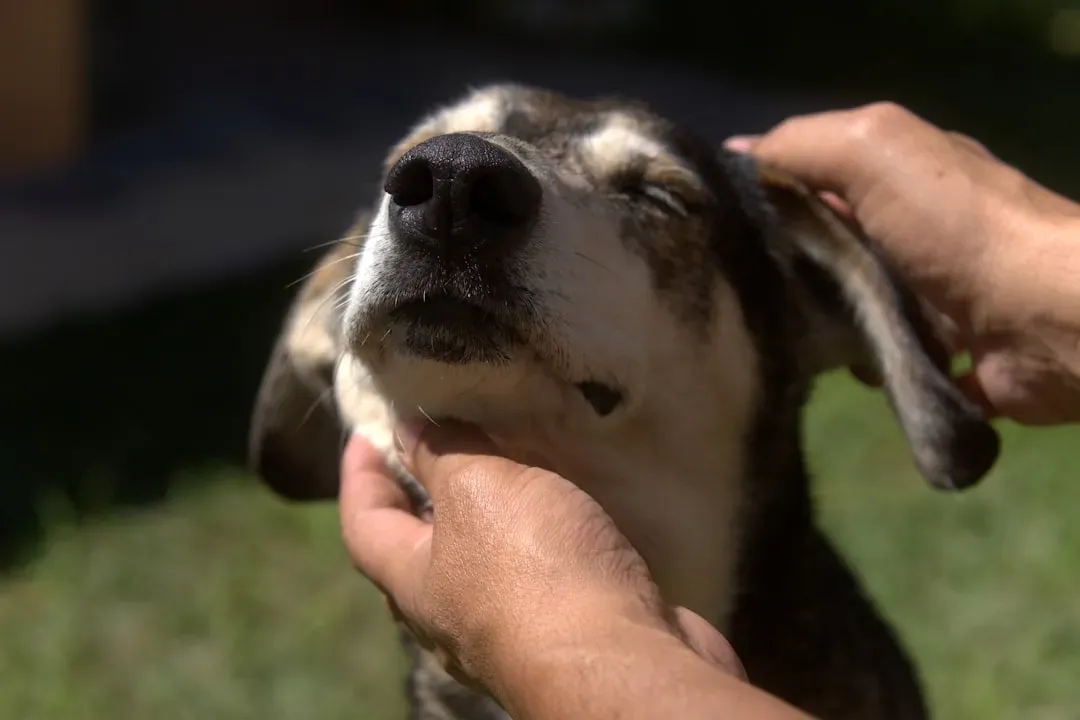
Dogs with difficult histories present particular challenges. Rescue dogs often arrive with deep-seated anxiety from past trauma. Gaining their trust through gentle, voluntary physical contact is often the starting point for any meaningful therapeutic work.
If a dog exhibits signs of anxiety, stress, or behavioral changes, massage can be an effective non-pharmaceutical intervention. Dogs in shelter environments have shown reduced stress behaviors after receiving massage therapy. This is a meaningful finding for anyone working with rehomed or formerly abused animals.
Initial research has suggested that social and physical contact with an animal was associated with lower anxiety than social contact without physical touch with a human friend, suggesting that physical touch may be an important additive factor for reducing anxiety. For a rescue dog still learning to trust, touch done right can speak louder than almost anything else.
Reading Your Dog’s Response to Touch
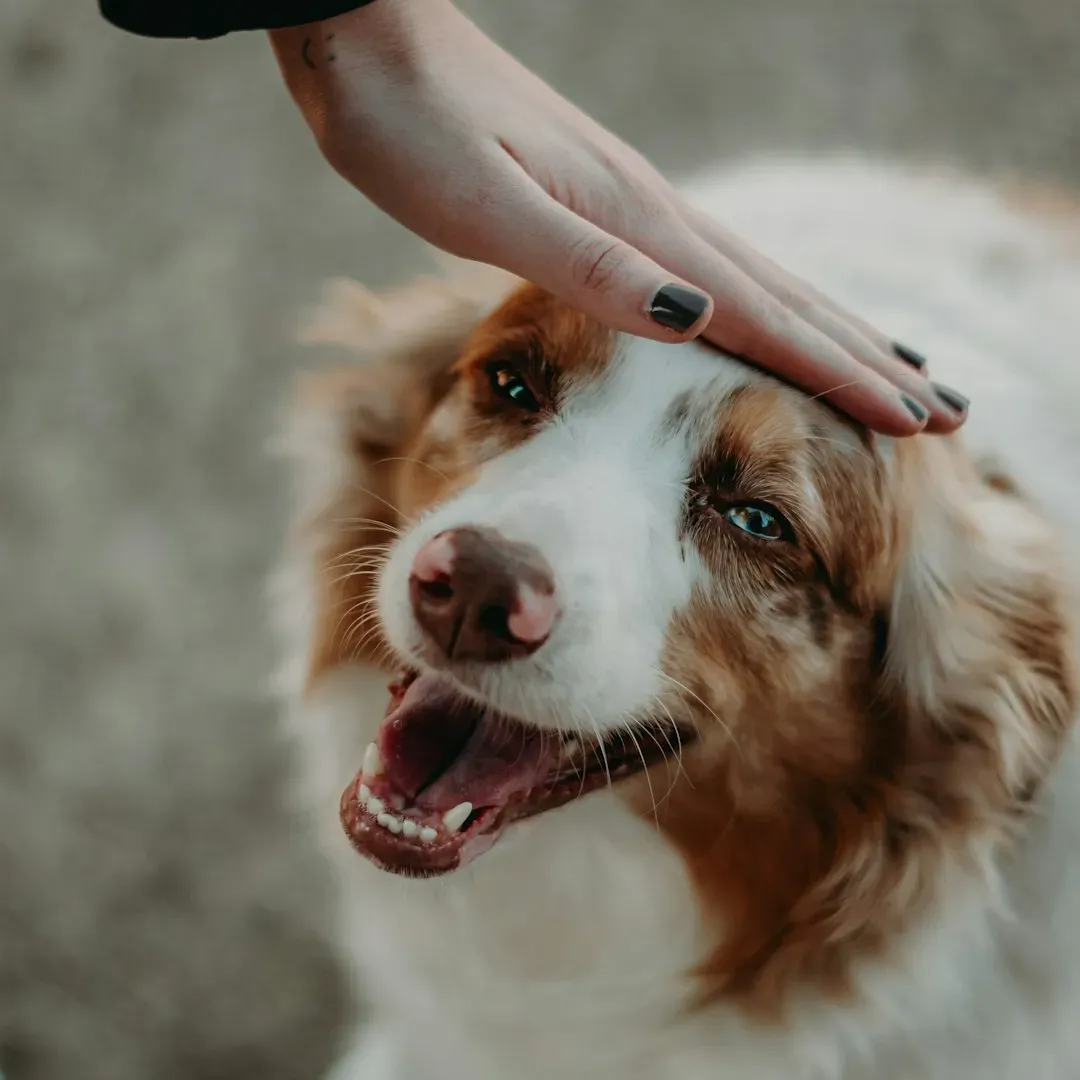
Touch therapy only works when the dog is a willing participant. Therapy dogs experience less stress when they can choose how and when to interact. Respecting canine consent is essential for their well-being in therapeutic settings. The same principle applies directly to the anxious pet at home.
While dogs are often praised for their calm demeanor and tolerance, research suggests that such traits may mask more nuanced emotional states. A dog may appear relaxed while signaling stress in subtle, easily overlooked ways. Learning the difference is worth the time it takes.
If your dog shows signs of discomfort or distress, stop the massage immediately. Some dogs may not enjoy being touched in certain ways. Respect your dog’s boundaries and never force them to endure a massage if they’re uncomfortable. Forced touch defeats the entire purpose and can deepen rather than ease anxiety.
Practical Techniques You Can Use at Home
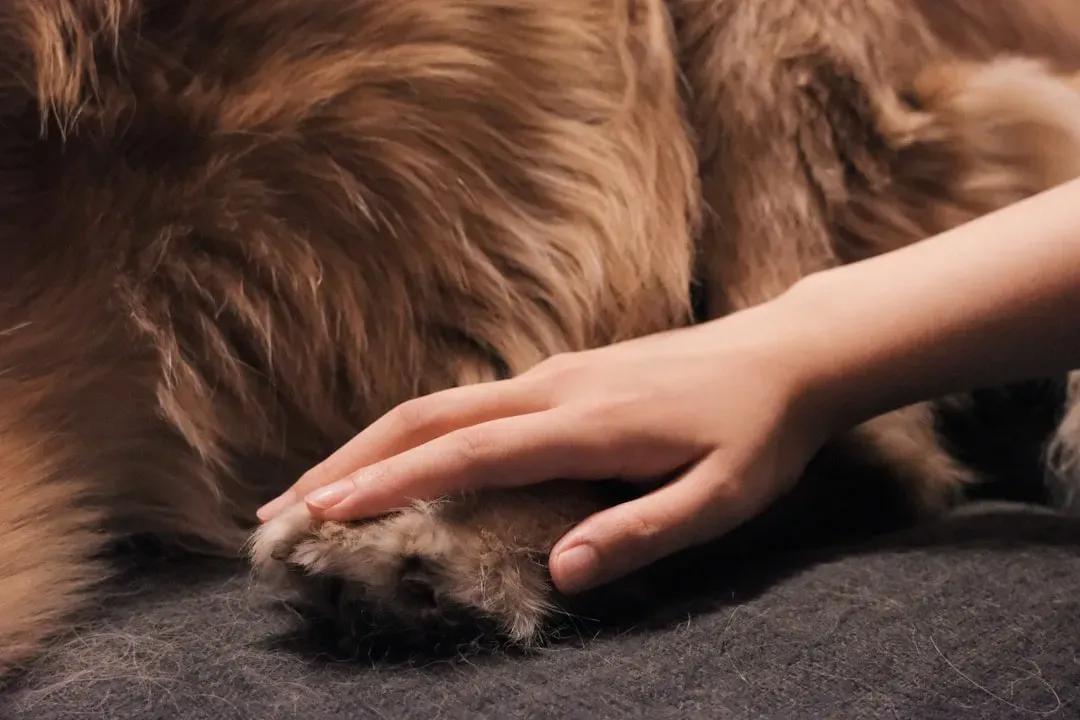
You don’t need a professional certification to start using touch therapy with your dog. For a dog to benefit from a massage, they must find it enjoyable. Most dogs can learn to appreciate a good massage if they are introduced to it gently and gradually.
Gentle petting, massage, or relaxing touch can help calm an anxious dog. A basic technique uses gentle, slow strokes with your hands, starting from the head and moving towards the tail. Using TTouch on the ears is an important technique that can help calm a stressed or hyperactive dog. The ear slide is done by stroking the ears horizontally from base to tip, or by making small circles starting at the base and working toward the tip.
Regular sessions, even short ones, provide ongoing benefits. Massage works well alongside exercise, proper nutrition, and veterinary care. Even five to ten minutes of deliberate, calm touch a day can shift a dog’s baseline stress level over time.
When to Combine Touch Therapy with Professional Care
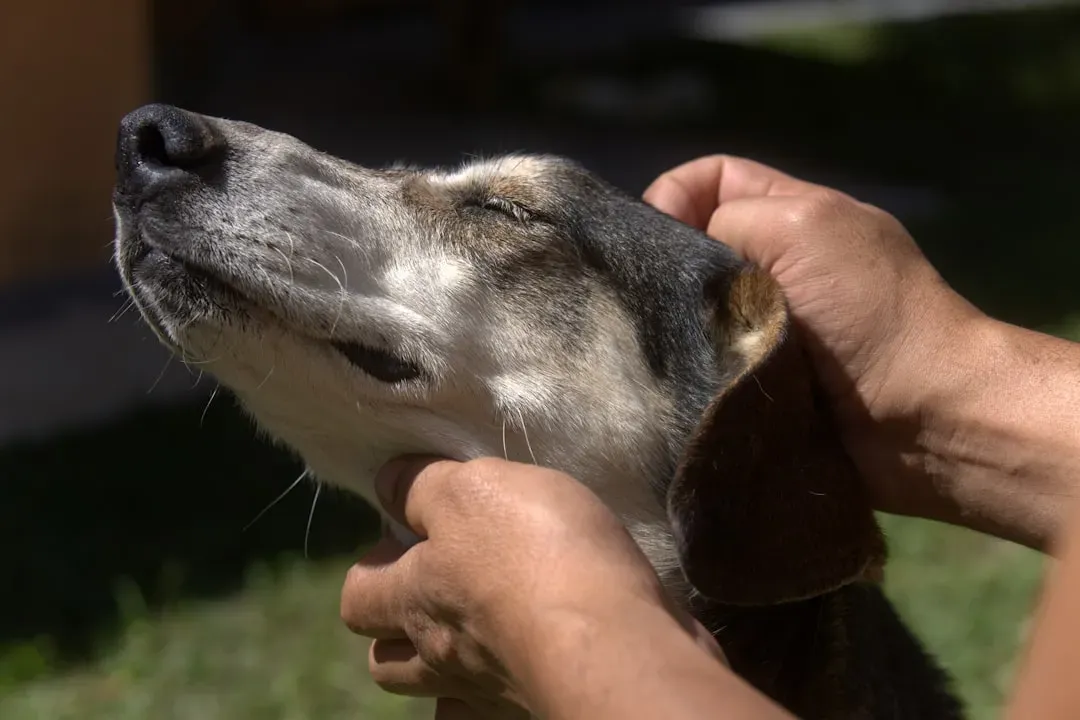
Touch therapy is a genuinely valuable tool, but it works best as part of a broader picture of care rather than a standalone fix. A veterinarian can determine whether massage therapy for your dog is appropriate, and if it is, come up with an appropriate plan or refer you to a professional dog massage therapist.
Canine massage doesn’t have to stand alone in a pet’s wellness routine. It can complement other forms of veterinary care and alternative therapies. For instance, massage can enhance the benefits of physical therapy for dogs recovering from injuries. The same integrative logic applies to anxiety management.
Dogs exhibiting frequent anxious behavior should see their veterinarian as soon as possible. Pain, itching, illness, and discomfort can all lower a dog’s threshold for anxiety and should be ruled out. Touch therapy works best when the underlying cause of anxiety is clearly understood and addressed.
Conclusion: The Language of a Steady Hand
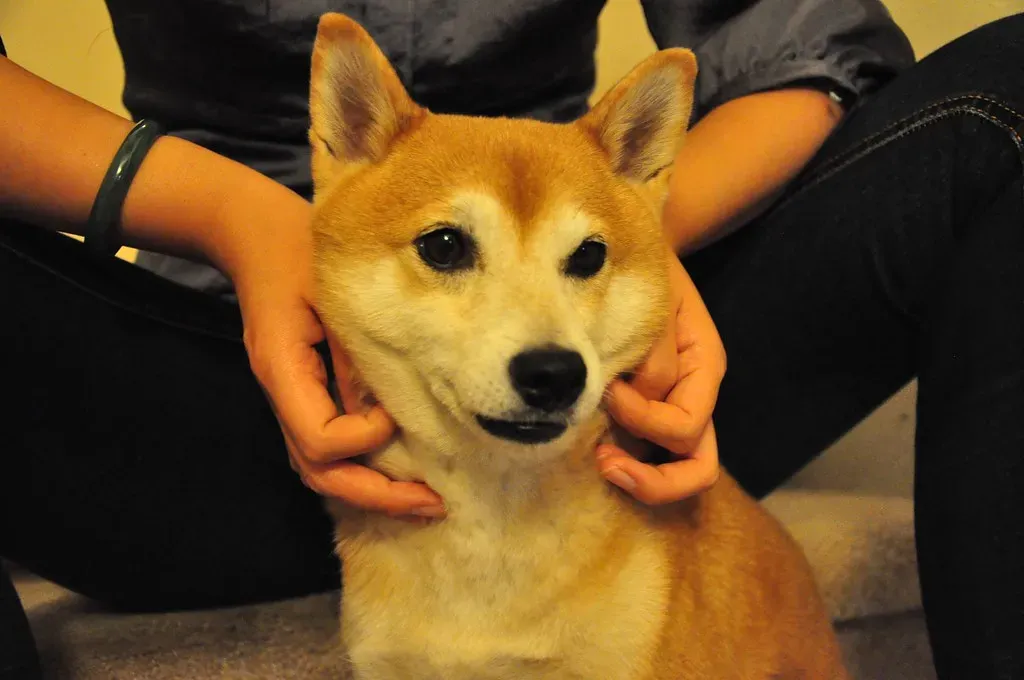
Touch is one of the oldest forms of communication between humans and dogs. Long before training methods and behavioral science existed, people were calming animals with their hands. What’s changing now is our understanding of exactly why it works, and how to do it more intentionally.
The research isn’t complete, and no single approach works for every dog. But the evidence that deliberate, respectful physical contact can lower cortisol, activate the parasympathetic nervous system, and genuinely reduce anxiety is both credible and growing. The focused, caring attention during massage builds trust and communication. This strengthened bond often translates to better cooperation during grooming, veterinary visits, and training sessions.
A calm dog isn’t just easier to live with. It’s a happier animal with a better quality of life. Sometimes the most powerful thing you can offer your dog isn’t a command or a correction. It’s simply the steady reassurance of your hands.


