

Dogs feel things deeply. Anyone who has shared their home with one knows the look: the steady gaze, the leaning warmth, the tail that reads your mood almost before you do. What’s less well understood is that dogs can also become emotionally depleted, worn down not by a single hard day but by the slow accumulation of stress, change, or overstimulation that gradually erodes their inner balance.
Just like humans, dogs can experience emotional burnout from stress, overstimulation, or major life changes. Whether it’s a new home, too much social interaction, loud environments, or even shifts in your routine, your dog feels the emotional weight of it all. The challenge is that their signals are quiet, easy to dismiss as “just being lazy” or “getting older.” Knowing what to look for could make a real difference to your dog’s wellbeing.
1. Loss of Enthusiasm for Activities They Once Loved

One of the clearest early signs that something is emotionally wrong is when a dog loses interest in the things that once made them light up. Your dog may seem less enthusiastic about walks, playtime, or usual daily activities. They may be disinterested in their toys and sleep more than usual or show reluctance to move. This shift from an eager, tail-wagging companion to one who barely lifts their head when you reach for the leash represents one of the clearest indicators of emotional fatigue.
This isn’t stubbornness, and it isn’t simply boredom. A dog’s mental well-being plays a significant role in their energy levels. Stress and anxiety can lead to sudden fatigue, especially in dogs that are sensitive to changes in their environment. If the activities your dog used to rush toward now barely earn a glance, that shift deserves your attention.
2. Sleeping Far More Than Usual

While dogs naturally sleep 12 to 14 hours daily, emotional exhaustion pushes this number significantly higher. Your dog might appear almost impossible to rouse or seem groggy even after sleeping. There’s a difference between a dog who’s physically tired after a long run and one who retreats to sleep as a way of shutting the world out.
Pay special attention if this change happens suddenly or coincides with stressful events like moving homes, new family members, or holiday chaos. Their body is essentially forcing a shutdown to recover from emotional overload. Consistent, unexplained oversleeping is the body and mind asking for a kind of reset.
3. Withdrawal and Hiding from the People They Love

Your sociable companion may transform into a recluse, seeking out dark corners, closets, or under furniture. They’re actively avoiding interaction, even with their favorite people. This kind of retreat is not rejection. It’s a dog trying to manage what feels like too much.
Look for patterns in their hiding behavior. Does it happen after loud gatherings, trips to busy places, or when certain visitors arrive? These retreats aren’t random but strategic escapes from overwhelming situations. Some dogs that aren’t very social will hide if they are getting too overstimulated and exhausted. Hiding behavior is particularly visible in tired dogs with an excess of emotional stimuli.
4. Extreme Clinginess or Sudden Complete Withdrawal

Some dogs become extra attached to their humans when feeling low. Your independent dog might suddenly become your shadow, following you from room to room with an almost desperate need for constant reassurance. They may whimper when you leave their sight for even a moment or demand continuous physical contact.
Conversely, some dogs retreat completely. If your dog suddenly becomes withdrawn or avoids interaction with people or other pets, it could be a sign of discomfort or depression related to an underlying condition. Both extremes, the shadow and the recluse, are a dog trying to cope with an emotional load they can’t articulate.
5. Changes in Appetite: Refusing Food or Eating Compulsively

The kibble that disappeared in seconds now sits untouched for hours. Alternatively, your normally polite eater might frantically devour food like it’s their last meal. Both extremes signal emotional turbulence. The gut is surprisingly responsive to emotional state, even in dogs.
Stress hormones directly impact appetite regulation. When emotionally exhausted, some dogs lose interest in food entirely as survival mechanisms redirect energy away from digestion. Others stress-eat to self-soothe, much like humans reaching for comfort food during difficult times. Monitor not just if they’re eating but how they’re eating. Nervous glancing while eating, taking food to hidden locations, or guarding food more intensely all indicate your dog doesn’t feel emotionally secure.
6. Struggling to Respond to Familiar Commands

Just like humans, when a dog’s brain is overworked, their cognitive function slows down, leading to a sort of “brain lag.” Your perfectly trained dog might suddenly act as if they’ve never heard the word “sit” before, staring at you blankly when given familiar commands. Tasks they normally perform with ease suddenly seem confusing or overwhelming. This cognitive decline isn’t permanent damage but rather their brain’s way of conserving energy when emotionally overwhelmed.
House-trained dogs might have accidents indoors, not from defiance but because their usual mental processes are compromised by emotional exhaustion. It’s easy to mistake this for willfulness. A calmer read of the situation is usually closer to the truth.
7. Compulsive and Repetitive Self-Soothing Behaviors
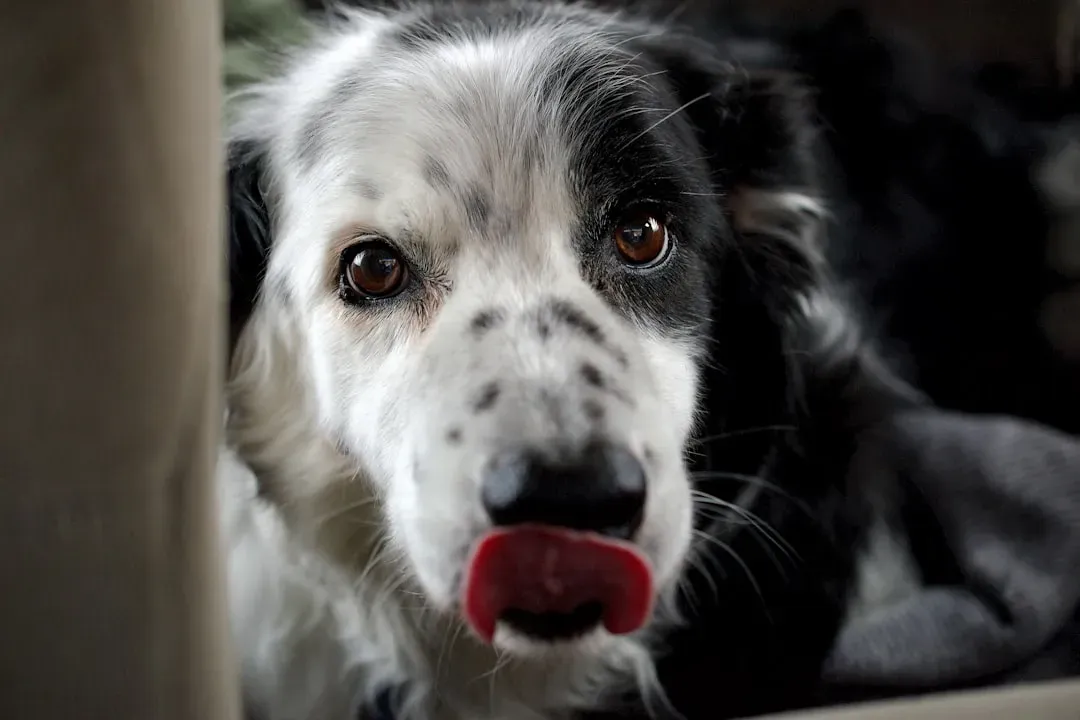
Your kitchen floor may have a visible path worn by your dog’s constant circuits. Perhaps they’ve developed a bald spot from incessant licking of their paw or flank. These repetitive behaviors aren’t just quirky habits. They’re stress-relief mechanisms, and compulsive behaviors serve as self-soothing techniques when a dog’s emotional regulation system is overwhelmed.
A low posture and increased auto-grooming, paw lifting, vocalizing, repetitive behavior, and coprophagy may indicate chronic stress in dogs, and as such, can help to identify poor welfare. The concerning aspect isn’t just the behavior itself but its intensity and inability to be interrupted. When gentle redirection fails to break the cycle, it signals your dog has moved beyond momentary stress into a state of emotional exhaustion requiring intervention.
8. Heightened Sensitivity to Sounds and Surroundings

Emotional fatigue destroys a dog’s filtering system. Normally, their brain distinguishes between relevant and irrelevant stimuli, but when emotionally drained, everything registers as potentially threatening. This heightened state creates a cycle: overreactions drain more energy, leading to greater sensitivity.
They might startle at sounds they previously ignored or seem unable to relax even in familiar, safe spaces. This constant state of alertness is exhausting and perpetuates their emotional fatigue. Loud noises, such as fireworks or thunderstorms, may leave a dog feeling drained after prolonged stress. A dog on emotional empty has very little buffer left between them and the world.
9. Displacement Behaviors and Out-of-Context Actions

When faced with an unwelcome situation, dogs may “escape” by focusing on something else. They may sniff or dig the ground, lick their genitals, or simply turn away. These actions seem random, even strange. In reality, they’re coping strategies from a dog who doesn’t know how else to manage what they’re feeling.
Displacement behaviors are “out of context” behaviors that may happen when dogs are confused or mentally fatigued. When a dog’s brain is overloaded, they may engage in self-soothing behaviors to cope. Behavioral markers such as lip-licking, whining, yawning, and paw lifting or trembling are recognized stress-related behaviors that researchers use to map canine welfare.
10. Unexplained Panting, Yawning, or Persistent Low Posture

Dogs pant when hot, excited, or stressed. If your dog is panting even though they have not exercised, they may be experiencing stress. Similarly, yawning that keeps appearing throughout a calm, quiet day is often misread as simple tiredness when it may point to something deeper.
Dogs yawn when they are tired or bored, but they also yawn when stressed. A stressful yawn is more prolonged and intense than a sleepy yawn. Combined with a consistently low posture, tucked tail, or flattened ears in everyday settings, these physical cues are a dog’s quietest way of saying they’ve been running on empty for a while.
What Causes ?

Recent changes in routine, such as moving to a new home or a new pet in the household, can cause emotional exhaustion. Separation anxiety can lead to disrupted sleep patterns, making a dog seem more tired during the day. Loss, conflict in the home, chronic noise, and even the sustained stress of their human owners can all take a toll.
In 2019, a group of researchers determined an “interspecific synchronization in long-term stress levels” between humans and their dogs. The results show chronic stress levels between dog and human mirror each other over time. That’s a remarkable and sobering finding. Your dog is not just responding to their environment. In many ways, they’re responding to you.
When to Seek Veterinary Support

Pain and illness are some of the most significant stressors. If you notice a sudden and significant change in behavior, the first step is to rule out any medical conditions that may require attention. Since dogs can’t verbalize their needs, stress signals are often the only methods for communicating pain or disease.
If your dog becomes stressed often or in response to many triggers, see your veterinarian. After ensuring that your dog’s behavior does not have a physical basis, your veterinarian may refer you to a trainer or veterinary behaviorist for further assessment. A treatment plan may include behavior modification, a change in the daily routine, and medications to reduce the emotional response to triggers.
Conclusion: Listening to What Your Dog Can’t Say

Dogs are extraordinarily good at absorbing whatever life hands them quietly, without complaint, and without a single word. That patience can make it easy to miss the signs that they’re struggling. Emotional fatigue can manifest in subtle ways that are easy to miss if you’re not looking closely. What might seem like simple laziness, moodiness, or “bad behavior” could actually be your dog’s way of crying out for a break.
Chronic stress puts your dog’s nervous system in constant fight or flight mode, changing their behavior and ability to cope. The good news is that with rest, routine, reduced triggers, and the right professional support, most dogs recover their emotional balance well. Breaking patterns of emotional exhaustion requires creating a predictable, quiet environment where your dog can rebuild their emotional capacity.
Ultimately, recognizing these signs is an act of attention, the same quality of attention your dog has quietly given you all along.


