
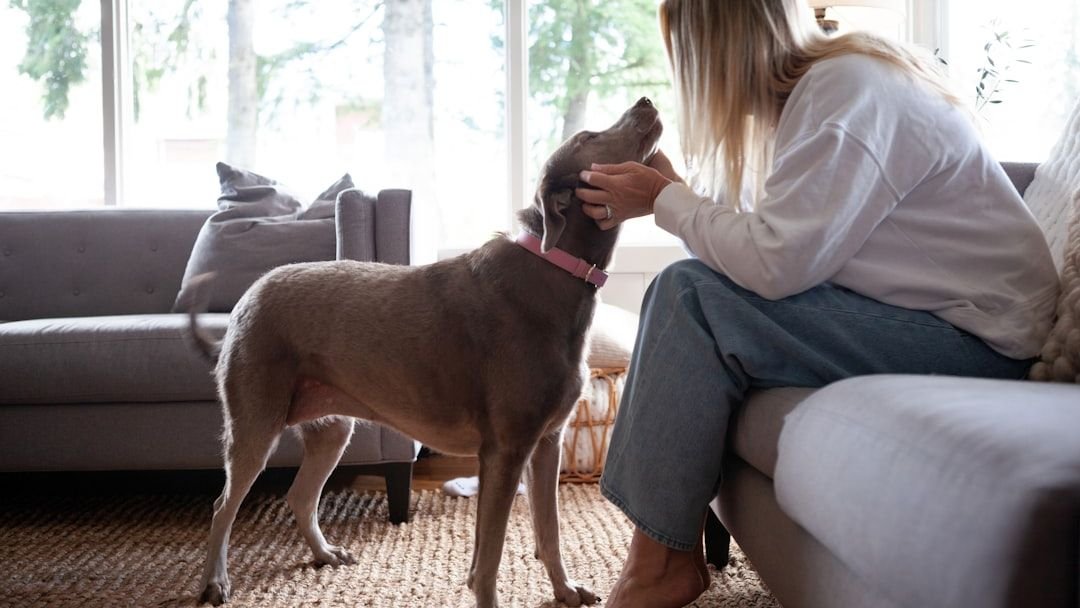
There’s a moment most dog owners know intuitively. You come home after a rough day, the door opens, and before a single thought forms, something in your body softens. The dog is there. Tail going. Eyes on you. And some invisible dial in your nervous system quietly turns down.
It doesn’t feel like chemistry. It feels like coming home. The truth is, it’s both.
Science has spent the last few decades quietly catching up to what dog owners have always sensed: the bond between a human and a dog does something measurable and meaningful inside the brain. The changes are real, they’re documented, and in some cases they’re genuinely striking.
The Oxytocin Loop That Starts With a Look

Dogs have specifically evolved so that our oxytocin levels increase just by making eye contact with them. That’s not a small thing. It means the neurochemical response doesn’t even require touch.
Oxytocin, often called the “love hormone” or “bonding hormone,” is released during positive social interactions. When you pet your dog, play with them, or make eye contact, both your brain and your dog’s brain release it. The exchange is genuinely mutual, which makes it unlike most other calming experiences a person can have.
Cortisol: The Stress Hormone a Dog Can Quiet Down
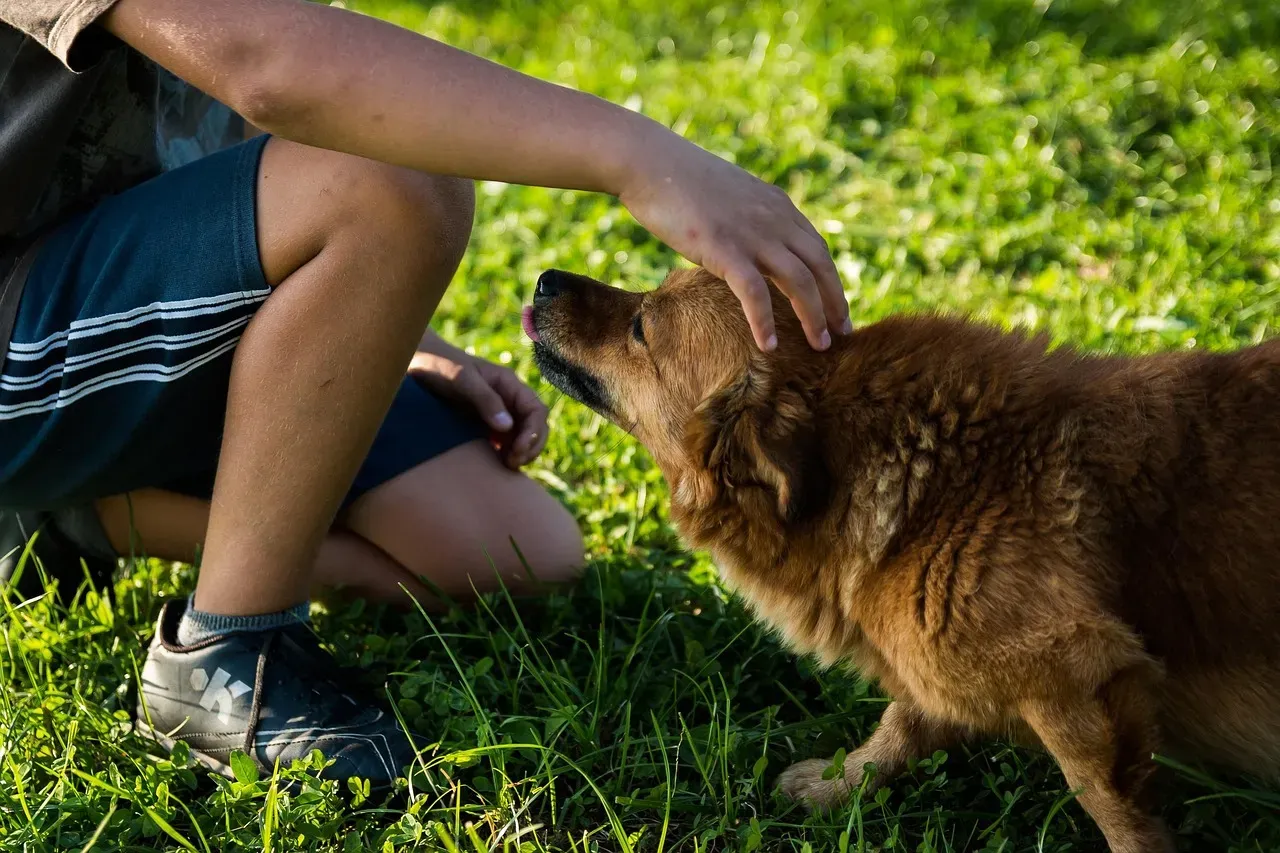
Oxytocin helps to lower cortisol levels, the stress hormone, in both the dog and the human, promoting feelings of relaxation and well-being. This isn’t a vague sense of feeling better. It’s a measurable hormonal shift happening in real time.
Researchers at Washington State University recruited 249 college students and had them pet and play with cats or dogs for ten minutes. Students’ cortisol levels were measured three times. They showed the most significant decrease in stress hormones after spending ten minutes petting a furry friend. The result held up across different students, different animals, and different settings.
A Chemical Cocktail That Genuinely Lifts Mood

Research suggests interacting with dogs increases the production of chemicals in our brain that make us feel happy and boost multiple aspects of our overall health. The most common of these are oxytocin, serotonin, dopamine, and endorphins. That’s quite a recipe.
The beauty of dopamine, oxytocin, serotonin, and endorphins is their relationship with each other. Endorphins indirectly boost dopamine synthesis. So when cuddling with your dog, multiple cascades of beneficial neuro-signaling often overlap and boost each other. It’s less a single switch and more a whole cascade that gets triggered at once.
What Happens Inside the Brain During Contact
The prefrontal cortex is known to be involved not only in executive functions such as attention control, working memory, and problem-solving, but also in social and emotional processes. It has reciprocal connections with brain regions involved in emotional processing such as the amygdala and higher-order sensory regions within the temporal cortex.
Researchers investigated changes in frontal brain activity in the presence of and during contact with a dog. Twenty-one healthy individuals each participated in six sessions. In three sessions participants had contact with a dog, and in three control sessions they interacted with a plush animal. The difference in brain activity between the real dog and the toy was notable, suggesting the living bond itself matters to the brain.
The Amygdala and the Fear Response
In humans, functional imaging found that after oxytocin was present, amygdala activation to angry and fearful faces was reduced. Oxytocin administration also reduced functional connectivity between the amygdala and the midbrain, providing further evidence of an amygdala-mediated process by which oxytocin reduces fear responses.
The amygdala functions essentially as the brain’s alarm system. When oxytocin flows, that alarm becomes less hair-trigger. Oxytocin’s release is associated with various physiological and psychological effects including reduced stress reactivity via inhibition of the hypothalamic-pituitary-adrenal axis and reduced fear. A dog, in other words, can indirectly help quiet one of the brain’s most primitive threat responses.
Long-Term Stress Synchrony Between Dogs and Their Owners
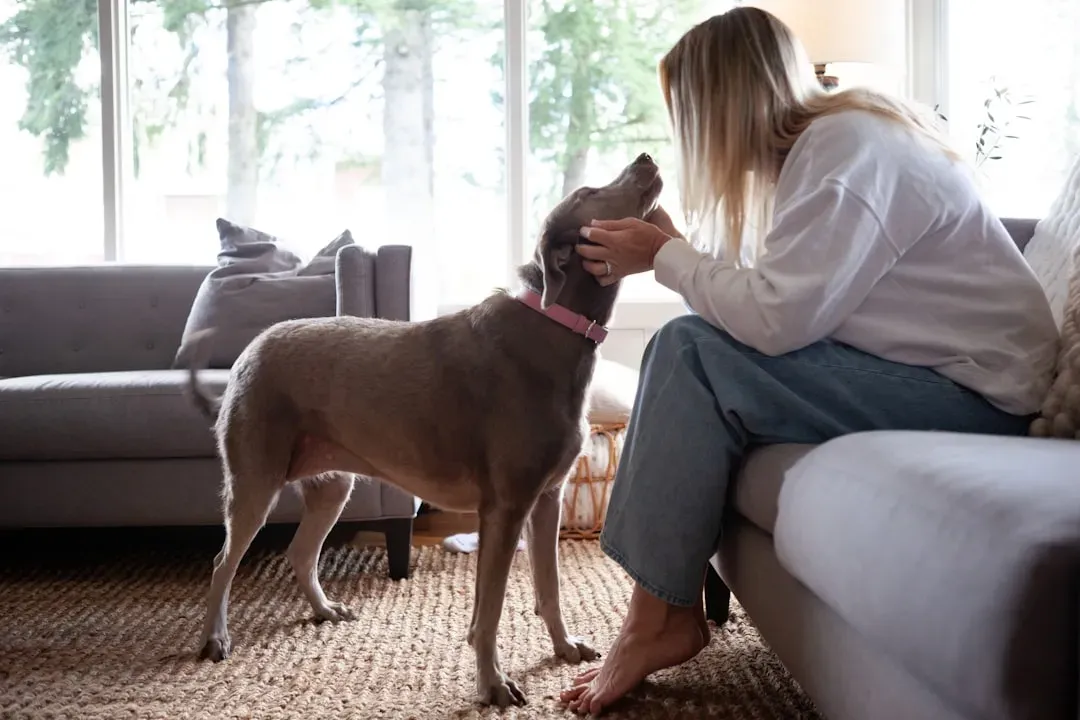
Research has revealed, for the first time, an interspecific synchronization in long-term stress levels. Previously, acute stress had been shown to be highly contagious both among humans and between individuals of other species. The same contagion, it turns out, applies across species too.
Dogs’ personalities had little effect on their long-term cortisol levels, but the human personality traits of neuroticism, conscientiousness, and openness significantly affected the dog’s cortisol levels. Researchers suggest that dogs, to a great extent, mirror the stress level of their owners. The relationship flows both ways. A calmer owner tends toward a calmer dog, and a calmer dog nudges the owner toward calm in return.
The Power of Touch: Petting as a Neurological Event
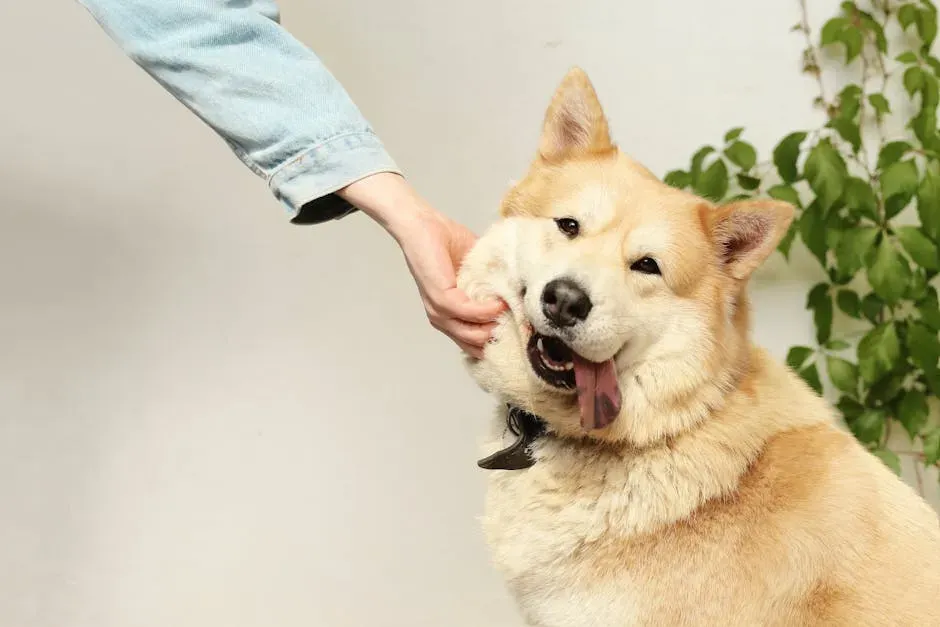
Petting a dog isn’t just a pleasant experience. It’s a biochemical cascade in action. Oxytocin, often called the “love hormone,” is released in both humans and dogs during affectionate interactions. It promotes bonding, reduces stress, and fosters feelings of trust and empathy.
While proximity to a dog can offer some benefits, petting provides direct tactile stimulation which is crucial for triggering the release of oxytocin and other neurochemicals. Being near a dog can be calming, but petting amplifies the positive effects. The physical act of touch isn’t incidental. It’s a key part of the mechanism.
Walking a Dog: Movement, Nature, and Mood

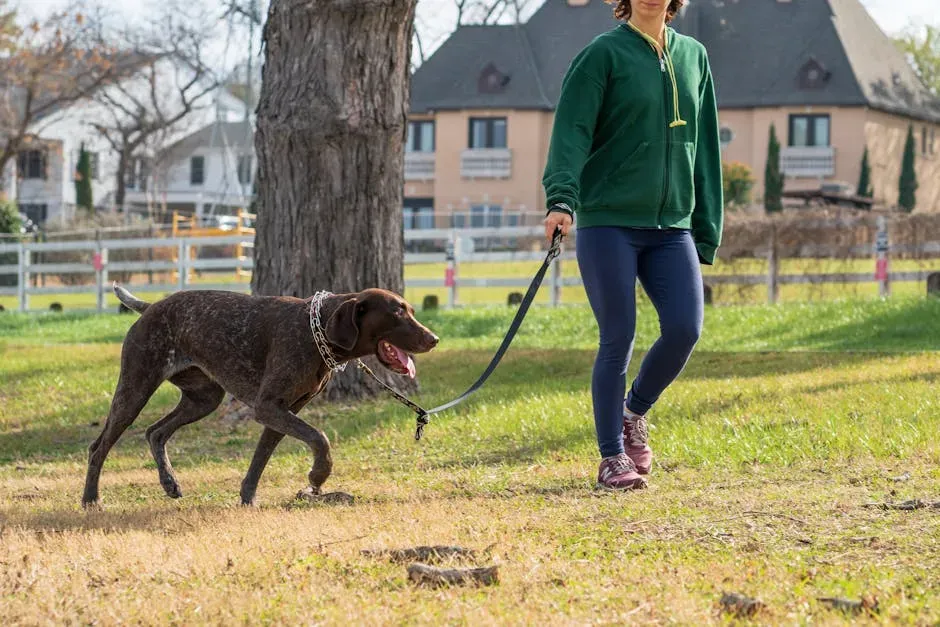
Walking your dog might seem like a simple daily routine, but it is a powerful tool for improving mental health. Beyond keeping your pup healthy, those regular walks help you release endorphins, the body’s natural mood boosters. These “feel-good” chemicals play a major role in reducing stress, lifting your mood, and increasing overall happiness.
A consistent walking routine doesn’t just make you happier. It also helps regulate sleep patterns. Moderate exercise during the day promotes deeper, more restful sleep at night. With better rest, your body and mind feel recharged, allowing you to handle stress more effectively. The dog, essentially, creates a daily habit that the brain genuinely benefits from.
Routine and Structure as a Quiet Anchor
Because dogs live in the moment and don’t worry about what happened yesterday or what might happen tomorrow, they can help you become more mindful and appreciate the joy of the present. Dogs require a regular feeding and exercise schedule. Having a consistent routine keeps a dog balanced and calm, and it can work for their owner too.
Mental health professionals often emphasize the importance of routine in maintaining emotional well-being. Having a consistent daily routine can help regulate sleep patterns, improve productivity, and reduce anxiety. Walking a dog creates a structured schedule that promotes regular activity, getting you outside and moving even on days when you might not feel like it. Structure, it turns out, is its own form of neurological medicine.
Dogs, Children, and the Developing Brain

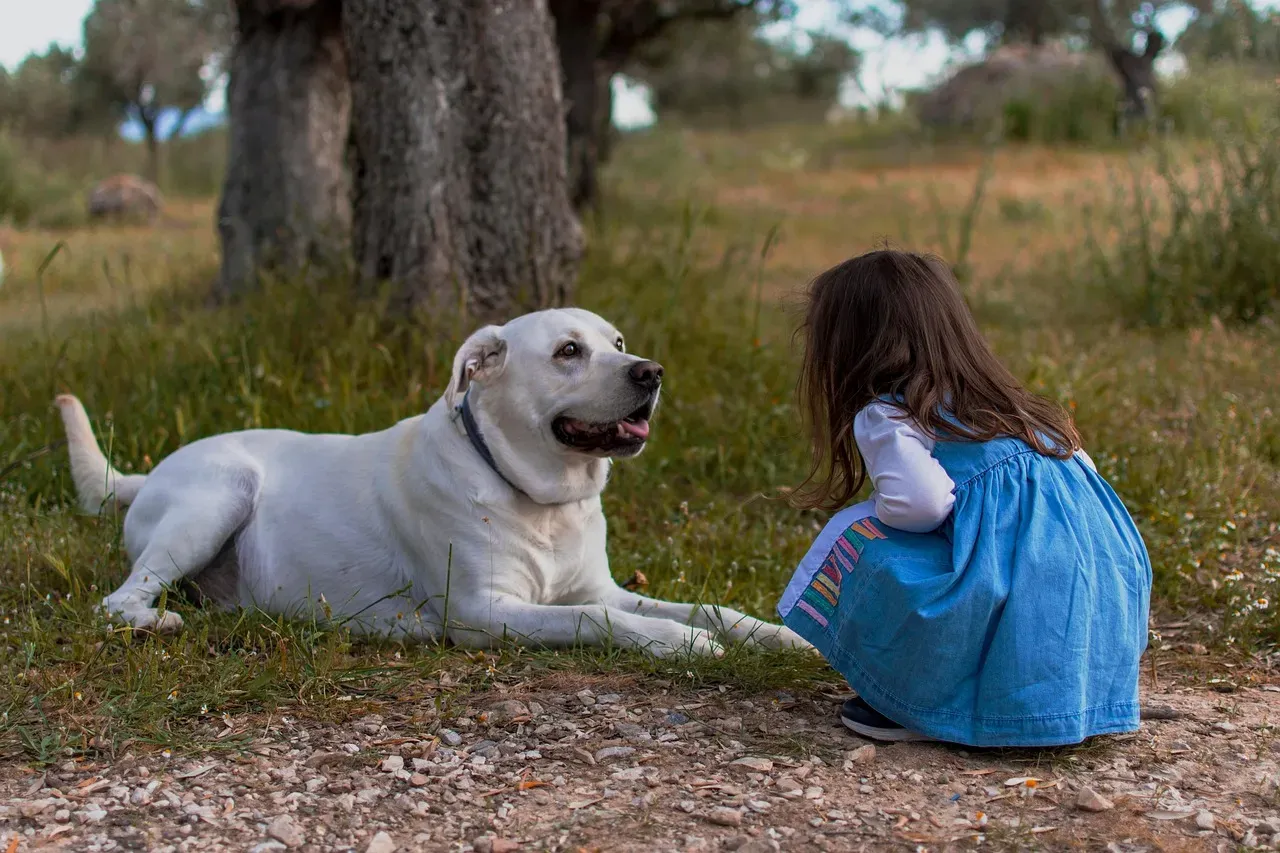
Pets have a positive impact on children by strengthening their immune system. Children with pets in the home have demonstrated experiencing less anxiety and are able to cope with stressful situations easier than children without pets. The effects appear to extend well into brain development.
Pets have been shown to benefit children with behavioral issues as well. Children with ADHD, autism, ADD, and other challenges exhibit lower stress levels, sharpened focus, and improved emotional and social development as a result of regular interaction with animals. Even a few minutes per day spent with an animal can boost oxytocin and dopamine levels, as well as decrease a child’s anxiety.
Therapy Dogs and the Clinical Evidence
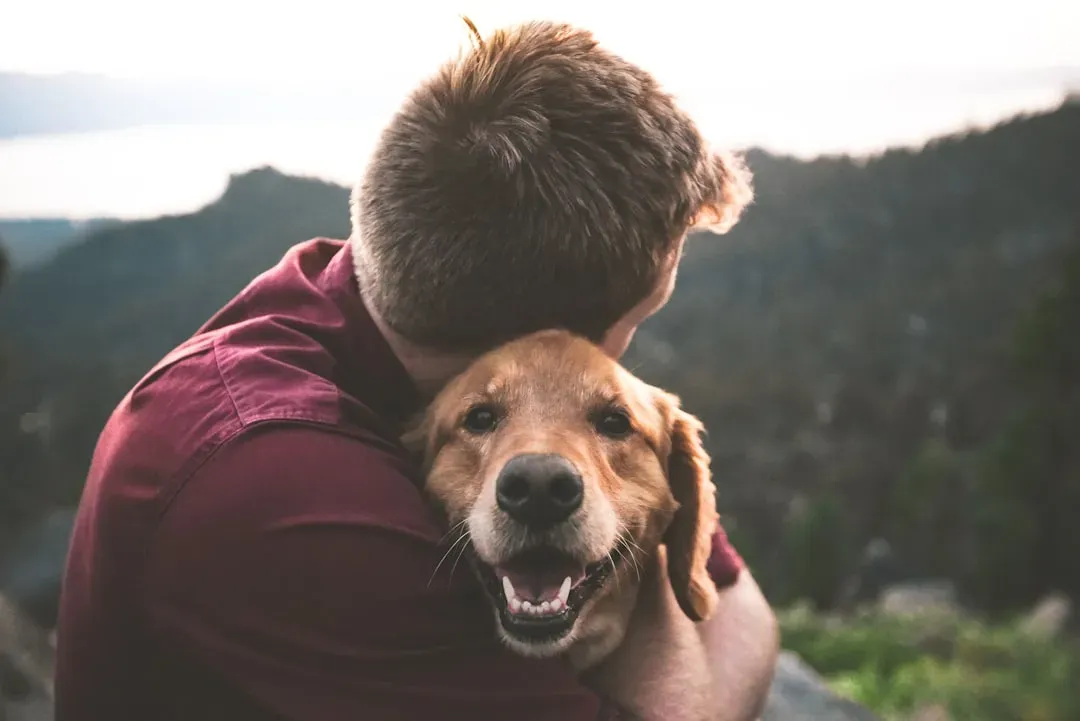
Emotional support dogs and therapy animals are commonly used in hospitals to comfort patients. Dogs help keep people focused on the present moment rather than on the future, which can assist with stress and anxiety. When patients start to feel overwhelmed, support animals are helpful because they provide an infectious sense of calm, allowing patients to take a deep breath and relax.
Surveys reveal that the vast majority of patients with PTSD report significant symptom reduction when paired with service dogs. This correlation underscores the therapeutic benefits that animals provide, especially under stressful conditions. For people carrying the heaviest mental loads, the dog’s presence can amount to something genuinely therapeutic.
What This Means for Everyday Life

Oxytocin is linked with trust, attachment, and social connection. Pets, by constantly triggering this system, gently train your brain to feel less alone and more anchored. This isn’t a one-time spike. Over time, regular interaction builds a kind of neurological baseline that tilts toward calm.
Our nervous system isn’t the only thing that benefits from this deep bond with dogs. Several studies suggest this relationship benefits us by lowering blood pressure, decreasing susceptibility to allergies and infections, improving blood vessel health, blood sugar homeostasis, and so much more. The ripple effects reach far beyond the brain itself.
Conclusion

The science doesn’t make the bond less emotional. If anything, it makes it more remarkable. A dog offers something genuinely rare: a consistent, nonjudgmental presence that the human nervous system has been shaped, over thousands of years of co-evolution, to respond to with calm.
The neurochemistry is real. The stress reduction is measurable. The prefrontal engagement, the quieted amygdala, the falling cortisol, the rising oxytocin. All of it happens, again and again, in the ordinary moments of daily life with a dog.
Perhaps the most honest thing science has confirmed is something dog owners already suspected: that the calm a dog brings isn’t imagined. It’s written, quite literally, in the chemistry of the brain. And it deepens the longer the bond lasts.


