
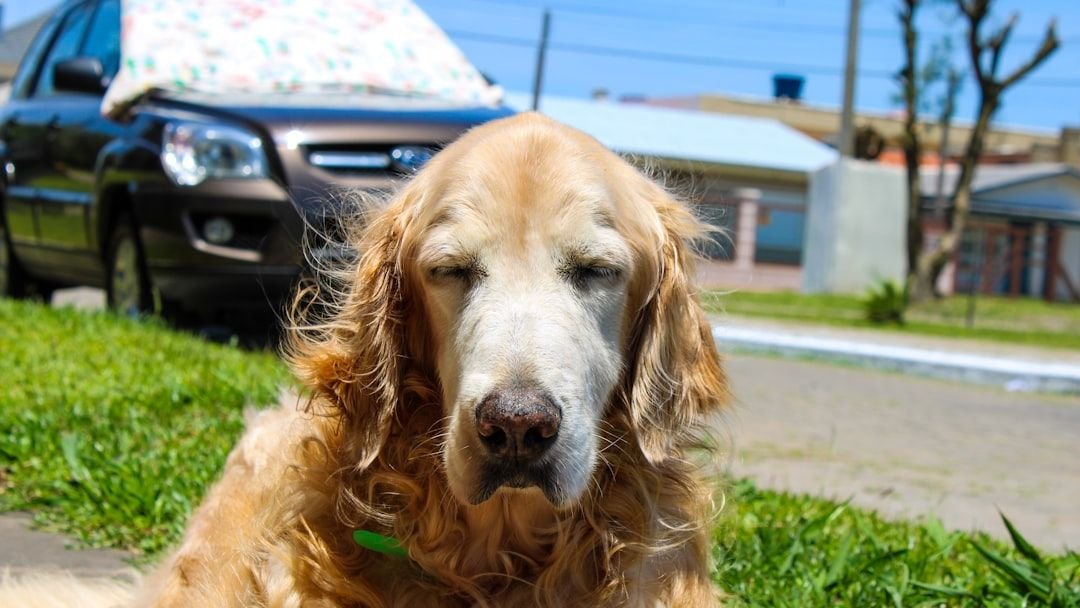
There’s a particular moment most longtime dog owners recognize. Your dog, once a whirlwind of energy and chaos, starts doing things that puzzle you. Maybe they’re pacing at midnight. Maybe they snapped at you when you tried to give them a hug. Maybe they stood in a corner of the kitchen, staring at the wall, looking completely lost. Your first instinct might be to worry, and sometimes that’s exactly right. Other times, what you’re seeing is simply your dog growing older, and once you understand what’s actually driving these behaviors, everything starts to make a different kind of sense.
Dogs don’t become seniors overnight. Aging is a slow and gradual process, and changes can be subtle, which is why it pays to keep a close eye on your dog’s health and discuss what you notice with your vet. The dog you’ve known for years is still in there. They just need you to see them a little differently now.
Sleeping Way More Than Usual

One of the first things people notice about their aging dog is just how much they sleep. The dog who used to drag you out of bed at 6 a.m. now barely lifts an eyelid before noon. This is normal, but it’s also worth watching closely.
In general, senior dogs may prefer more relaxed activities than they did as rambunctious adults, and will likely spend more time resting and sleeping. That shift is a natural part of slowing down, much the same way older humans tend to conserve energy more consciously.
Hormonal changes and heart disease can also cause a dog to slow down and rest more. So while extra sleep is often benign, a sudden dramatic increase in lethargy, especially paired with appetite changes or labored breathing, deserves a vet visit sooner rather than later.
Confusion in Familiar Places

Picture this: your dog walks into a room they’ve navigated a thousand times, then stops and seems completely lost. They might stand facing a wall, or circle the furniture as if they’ve never seen it before. It looks strange, but it has a name.
Canine Cognitive Dysfunction (CCD) is a progressive brain condition that affects senior dogs. Much like Alzheimer’s disease in humans, it causes physical and chemical changes in the brain that impact memory, awareness, and learning.
Research shows that over 60% of dogs older than 11 years show at least one sign of cognitive decline. Yet many families assume these symptoms are just “old age,” when recognizing them early can help the dog stay comfortable longer. Don’t dismiss what you see. Early conversations with your vet can open up real options for support.
Sudden Grumpiness or Snapping

A gentle, patient dog who suddenly snaps when you reach for them is alarming. It feels personal. It isn’t. In most cases, a dog who has turned irritable is a dog who is hurting in some way.
Medical conditions that affect your dog’s appetite, mobility, cognition, senses, or hormones can lead to increased aggression, as can conditions that cause pain or irritability. The snap is often communication, the only way they know how to say “that hurts.”
Pain may not be obvious in senior dogs because many hide discomfort well. A dog with arthritis may not yelp or limp, but subtle signs such as reduced willingness to climb stairs or jump into the car suggest discomfort. Always rule out pain first before labeling a behavior as a personality problem.
Accidents Inside the House
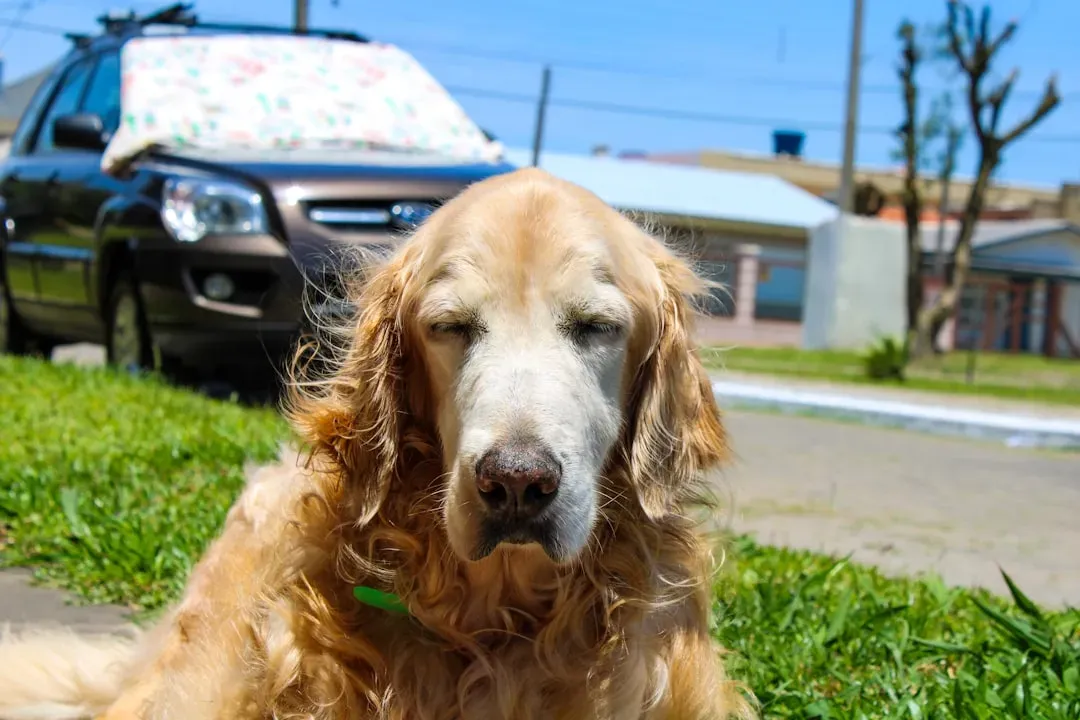
It can feel like a step backward, especially with a dog who was reliably housetrained for years. Indoor accidents in senior dogs are more common than most people realize, and almost always signal something physical or neurological rather than stubbornness.
This could be due to difficulty finding the door or trouble remembering potty training from cognitive dysfunction, trouble with physically getting up or walking outside from arthritis, age-related incontinence especially in females, or a health problem such as a UTI or kidney disease.
If your dog has taken their elimination habits indoors, they are not being willfully disobedient. Inappropriate elimination has many causes, such as a decrease in mobility, a more frequent urge to eliminate, less control over bowels or bladder, and serious organ issues. Patience, a vet consultation, and practical home adjustments like more frequent outings go a long way here.
Restlessness and Pacing at Night
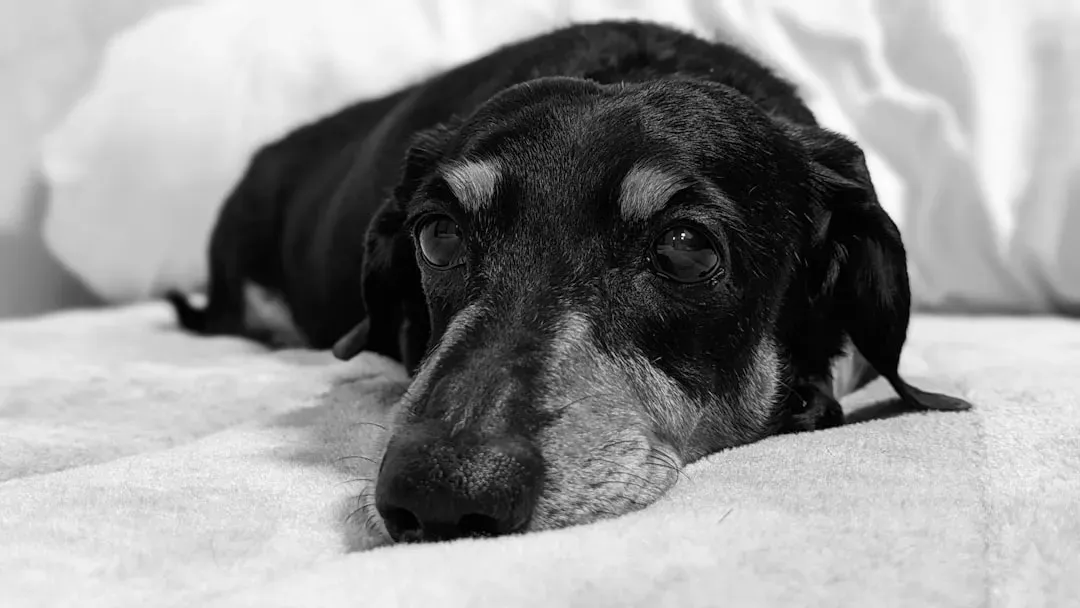
Few things are more exhausting for a dog owner than a senior dog who cannot settle at night. They pace, they circle, they whine. You try everything. Nothing works. What you’re likely witnessing is one of the clearest signs of cognitive or sensory decline.
With their days and nights mixed up, dogs will tend to be active and awake at night while sleeping most of the day. Signs such as anxiety, whining, crying, barking, or pacing in the middle of the night can be an indication of confusion, a feeling of not knowing where they are.
Sleep-wake cycle changes in senior dogs often mean they sleep more during the day and become restless or vocal at night. Keeping a consistent daily routine, maintaining predictable lighting, and speaking with your vet about melatonin or other supportive options can help reset their internal rhythm over time.
Increased Clinginess and Separation Anxiety

Your independent dog who used to nap contentedly in another room now follows you everywhere. To the bathroom, the kitchen, the backyard. They seem almost velcro-like. This isn’t just sweet. It can be a genuine sign of growing anxiety.
Dogs show they’re anxious by becoming irritable and sensitive, getting spooked by unfamiliar people and pets, becoming less tolerant of being touched or restrained, following you around more, and wanting increased physical contact.
Increased anxiety is common in seniors, often secondary to mental or physical changes that leave them feeling less than their best selves. Some older dogs even develop separation anxiety at night, when you’re asleep and not responsive to them. Reassurance matters, but so does a vet check to identify any underlying cause driving the anxiety.
Barking or Howling at Nothing
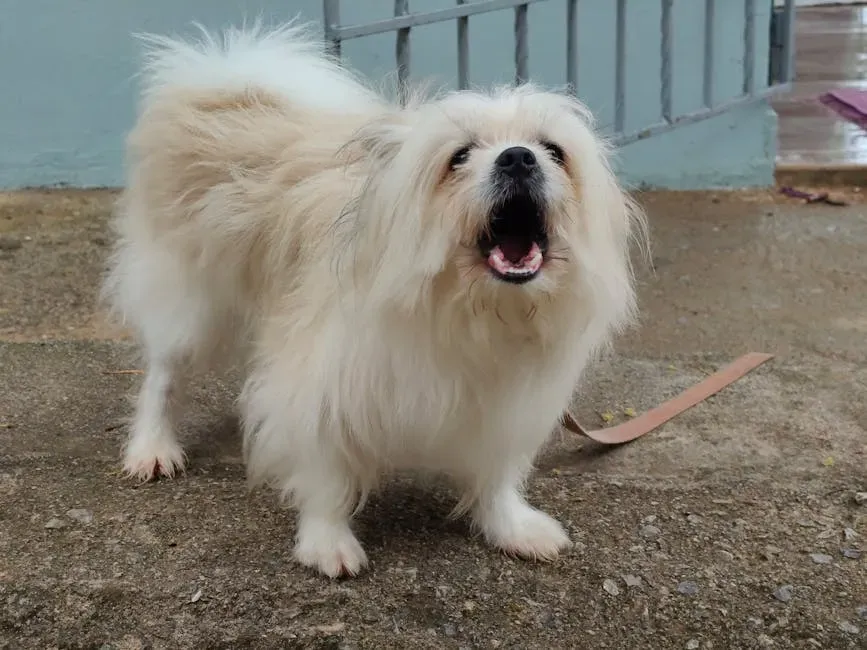
Your dog suddenly barks at an empty corner. Or howls at 2 a.m. for no obvious reason. It sounds eerie, and it can rattle anyone who hasn’t encountered it before. The truth is more physiological than mysterious.
Increased whining, crying, or barking could be a sign of cognitive dysfunction, loss of hearing (they can’t hear how much noise they’re making), pain, or anxiety. Each of those possibilities points to something that deserves attention, not dismissal.
A senior dog’s vocalizing can become a problem if they do it too often or at inappropriate times, like when you’re sleeping. Anxious vocalizing is usually a plaintive howl or excessive whining. Document when the vocalizing occurs, what precedes it, and how long it lasts. That information can be remarkably useful for your vet.
Ignoring Commands They Once Knew Perfectly
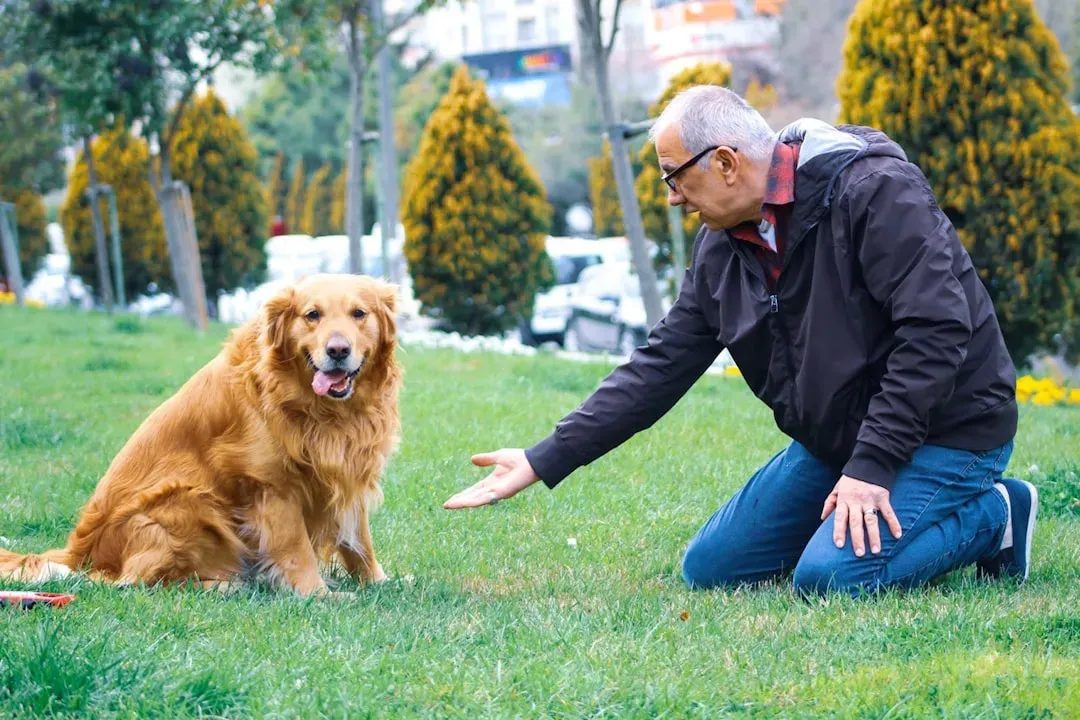
You ask your dog to sit. They stare at you blankly. You’ve given this command hundreds of times. Now it lands like a foreign word. Before you assume stubbornness or selective hearing, consider what might actually be happening.
If your dog is less responsive or stops responding to commands altogether, they are either experiencing a gradual loss of hearing or vision, or they’re experiencing cognitive changes and don’t understand anymore.
Memory, the ability to learn, awareness, and senses of sight and hearing can all deteriorate with age. If hearing loss is the culprit, a certified trainer can help you transition to hand signals so communication stays open. The key is adapting to where your dog is now, not where they were at two years old.
Becoming Easily Startled or Fearful

Your normally confident dog now flinches at sudden sounds, hesitates near strangers, or gets anxious in situations they used to handle easily. This shift in confidence can look like a personality change, but it reflects real sensory and neurological changes taking place.
Some degree of hearing and vision loss is normal in senior dogs, but this deterioration can have a marked impact on your dog. Dogs suffering from increasing deafness or loss of sight may become startled more easily and may snap. Extra care around young children is warranted in these cases.
As your dog ages, the world can become a scary place that they have trouble navigating due to deteriorating vision. Keeping their environment consistent so they’re not tripping over moved objects, and playing background music to mask noises, can help. Small, thoughtful adjustments to their environment can reduce fear significantly.
Losing Interest in Play and Activities They Loved
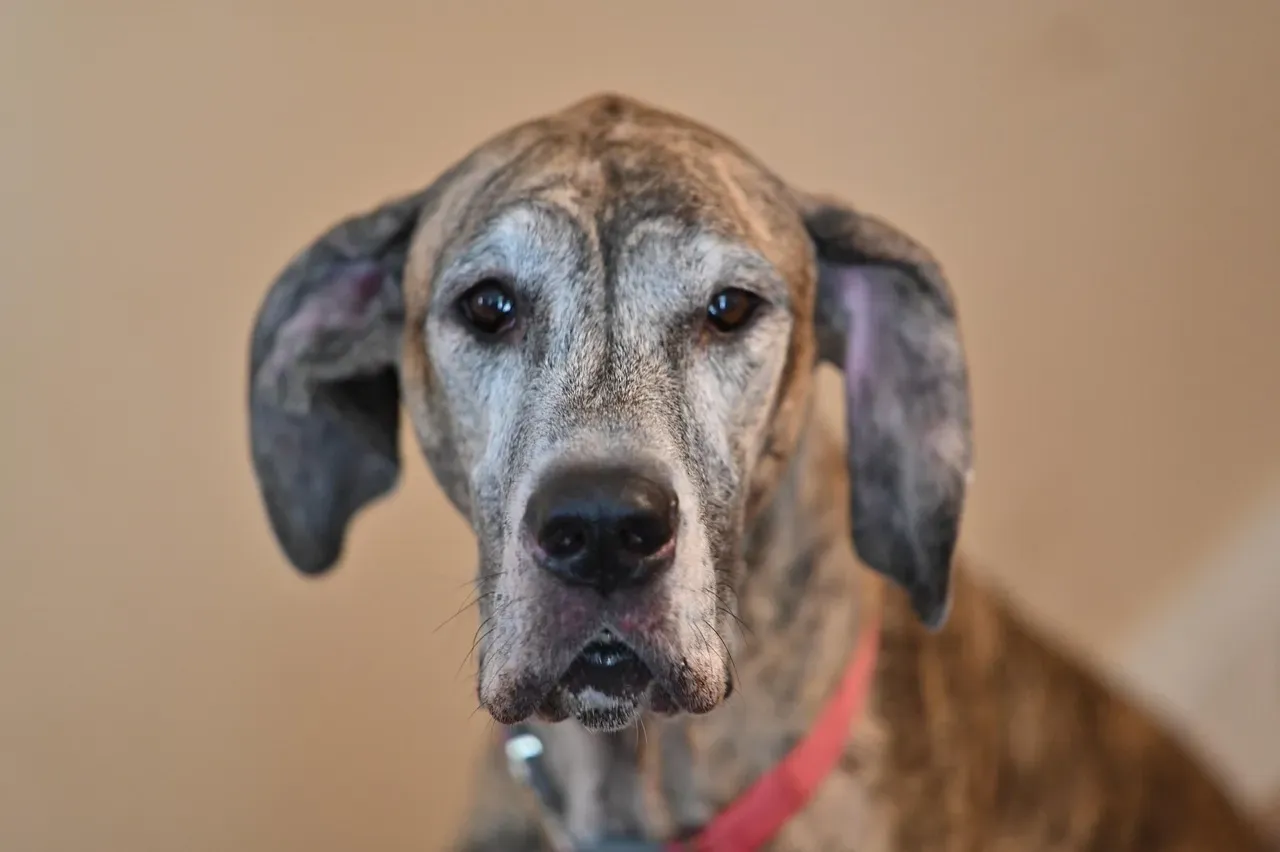
The dog who used to sprint after a ball until you physically had to stop the game now barely glances at the toy. They turn away from the leash. They skip the evening walk. This withdrawal can feel heartbreaking if you don’t understand what’s behind it.
Behavioral changes may be one of the first signs of aging you notice. Dogs may become more irritable or reluctant to engage in their old favorite activities if they’re struggling with pain or discomfort due to arthritis or another condition.
Aging affects a dog’s physical and metabolic health, brain function, and senses. These changes ultimately influence how they feel, move, and respond to their environment. As dogs age, you might notice they seem stiff when getting up from a nap or hesitate before jumping onto the couch. Shorter, gentler play sessions that don’t strain sore joints can keep some joy alive. It’s about finding what still works, not mourning what no longer does.
Conclusion: Knowing the Difference Changes Everything
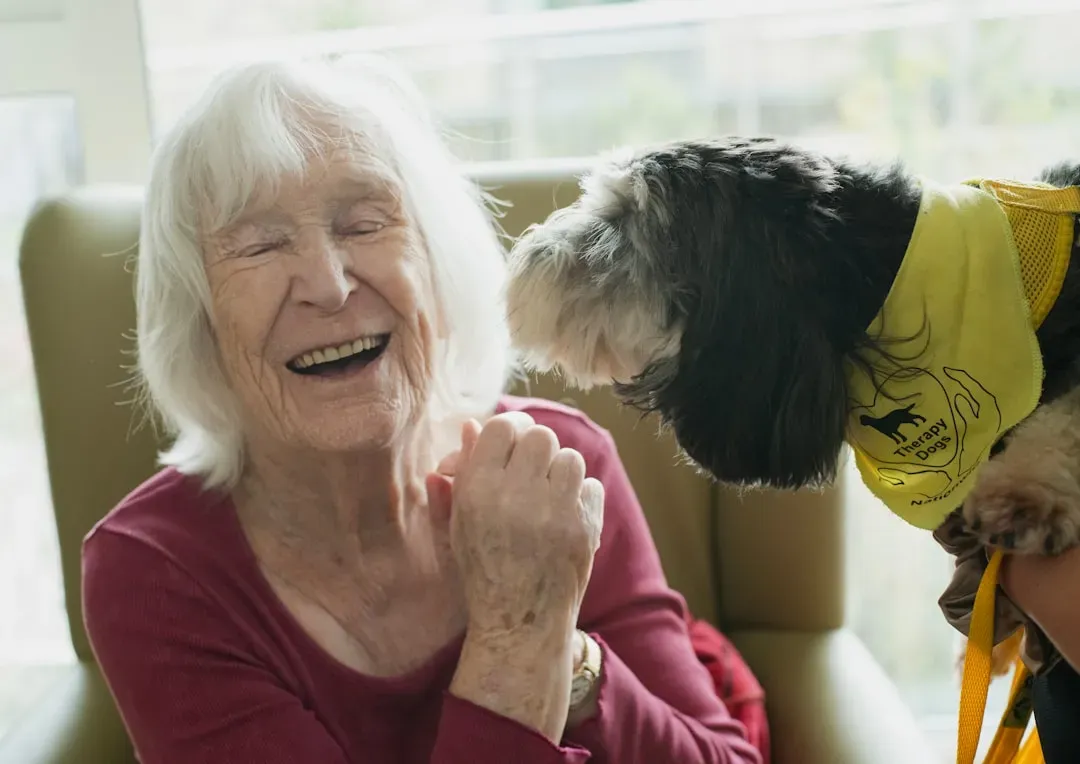
There’s a certain kind of grief that comes with watching a dog age, but there’s also a deeper level of connection available to you in this season if you’re willing to look for it. Most of the behaviors described here aren’t your dog giving up. They’re your dog communicating, in the only language they have, that something has changed.
Senior dog behavior changes are often caused by aging-related physical, metabolic, cognitive, or sensory decline, not simply “old age.” Pain, arthritis, and chronic medical conditions commonly drive behavior changes and may be subtle or hidden. The earlier you catch these signals, the more you can do to help.
Behavior changes should never be ignored and always warrant a veterinary exam to rule out treatable medical causes. Medical care, environmental adjustments, and consistent routines can greatly improve a senior dog’s comfort and quality of life. Your senior dog doesn’t need you to be perfect. They need you to be present, paying attention, and willing to advocate for them. That has always been enough.


