
You’re sitting quietly on a Sunday morning, coffee in hand, and then it happens. A leaf tumbles past the front window and your dog erupts into a full-on vocal emergency. Sound familiar? If you live with one of the world’s more opinionated breeds, you already know that silence is rarely on the menu.
Here’s the thing about dogs that bark at everything: they’re not being difficult. Most of the time, they’re doing exactly what generations of selective breeding trained them to do. Vocalization in dogs isn’t random. Its foundation is the result of evolution and selective breeding, with environment and lived experiences playing a role for individual dogs. Understanding the “why” behind all that noise is the first step to managing it, and loving your dog better for it. These 12 breeds are proof that some dogs genuinely can’t handle silence – and each one has a fascinating reason for it.
1. Beagle: The Nose Knows, and So Does Everyone Else
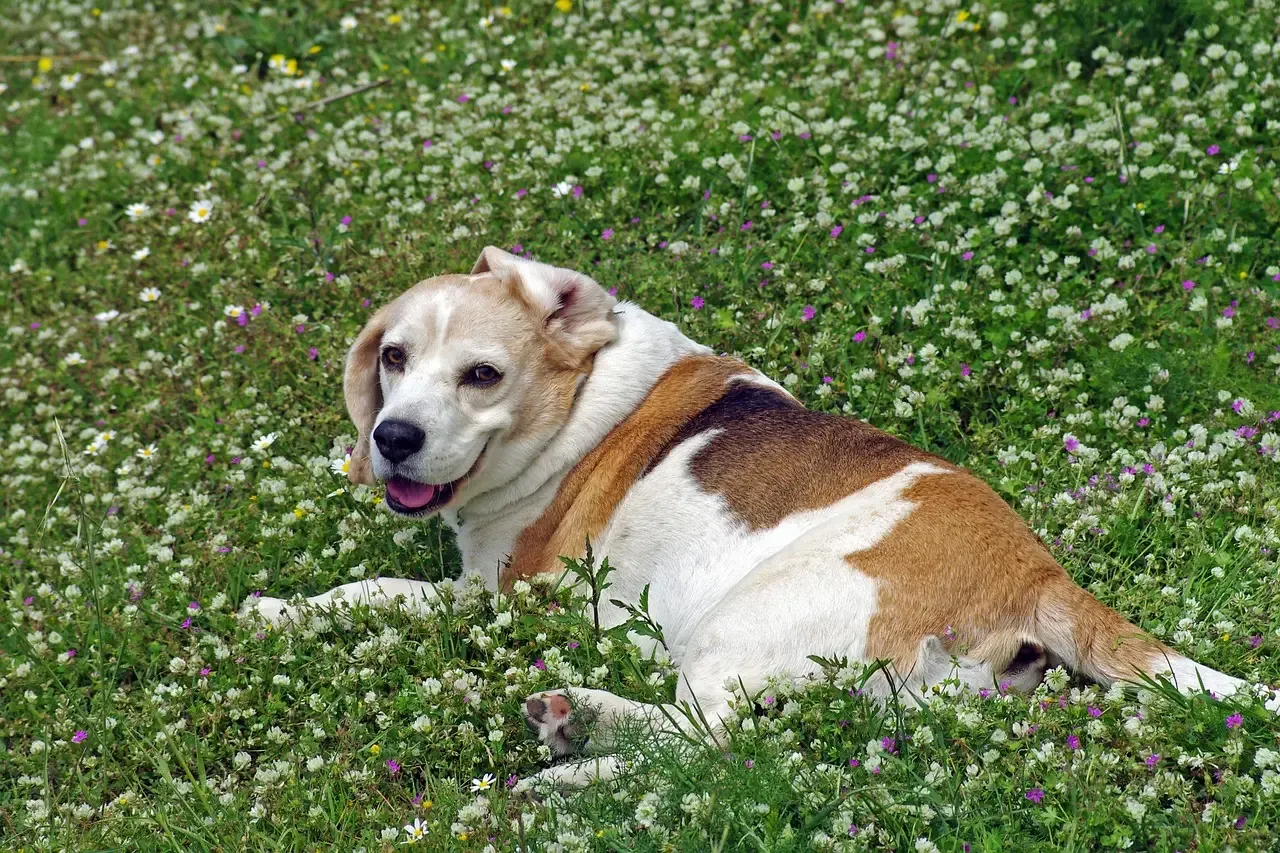
Beagles are considered very loud and persistent barkers who have been bred for hunting, utilizing their voice to alert hunters or follow any scent trail. Their vocal nature stems from centuries of selective breeding that encouraged them to bay and howl when they picked up interesting scents. This instinct remains strong in modern Beagles, making them prone to vocalizing whenever they encounter new smells or exciting situations.
Beagles are known for their distinctive baying sound, which is both loud and persistent. Originally bred for hunting, they use their voice to communicate over long distances. This instinct carries into home life, where they may bark or howl frequently. Their vocal nature is tied to their strong sense of smell and curiosity, making them highly expressive companions. Prevention tip: keep Beagles mentally stimulated with scent-based games and puzzle feeders. A busy nose means a quieter mouth.
2. Chihuahua: Small Body, Stadium-Level Volume

Chihuahuas may be small dogs, but they carry themselves with the confidence of larger animals. Weighing just 3 to 6 pounds, they are perfect for apartment dwellers and can fit comfortably in almost any living space. Despite their size, Chihuahuas are big barkers with a high-pitched sound that can startle. They bark due to their strong sense of alertness in unfamiliar situations or as a way to assert their dominance.
The Chihuahua breed is often known for its excessive barking. These small dogs can be highly vocal, barking at unfamiliar sights, sounds, or even the slightest change in the environment. The irony is that Chihuahuas are also deeply devoted to their person. Chihuahuas are known for being needy dogs that thrive on the companionship of their owners. Channel that devotion into early training and consistent socialization – it genuinely helps.
3. Yorkshire Terrier: Sass Wrapped in Silk

The Yorkshire Terrier may be small, but he is mighty. These pups have a lot of attitude, which comes through in barking vocalizations. These little dogs bark, bark, bark to alert the home of every little thing. Yorkshire Terriers are small dogs with strong personalities and a tendency to bark. They are alert and often vocal about changes in their environment. Their watchdog instincts make them quick to sound the alarm. Despite their size, they have a surprisingly loud voice.
They are bold and aggressive, with a tendency to bark at unfamiliar sounds or perceived threats. Early socialization and positive reinforcement training can help curb their barking tendencies and channel their energy into more constructive behaviors. Yorkies thrive when they feel secure, so building their confidence through gentle, consistent routines goes a long way toward turning down the volume.
4. Miniature Schnauzer: The Mouthy Little Watchman

The Miniature Schnauzer enjoys talking trash to bigger dogs despite looking like a harmless goofball with bushy eyebrows and a walrus-like mustache, and they are known for having a sassy attitude and a tendency to bark at anything and everything. These compact dogs possess an outsized personality that often surprises people with their vocal confidence.
Miniature Schnauzers are lively dogs that are always aware of their surroundings. They are quick to bark at anything unusual, making them excellent watchdogs. Their vocal nature is paired with high energy and curiosity. They enjoy interacting with their environment, often using their voice to do so. Their intelligence makes them excellent candidates for training, but it also means they can quickly learn to use their voice to manipulate situations to their advantage. Consistent boundaries and positive reinforcement help these clever dogs understand when their vocal input is welcome and when quiet behavior is preferred.
5. German Shepherd: The One Who Takes the Job Very Seriously
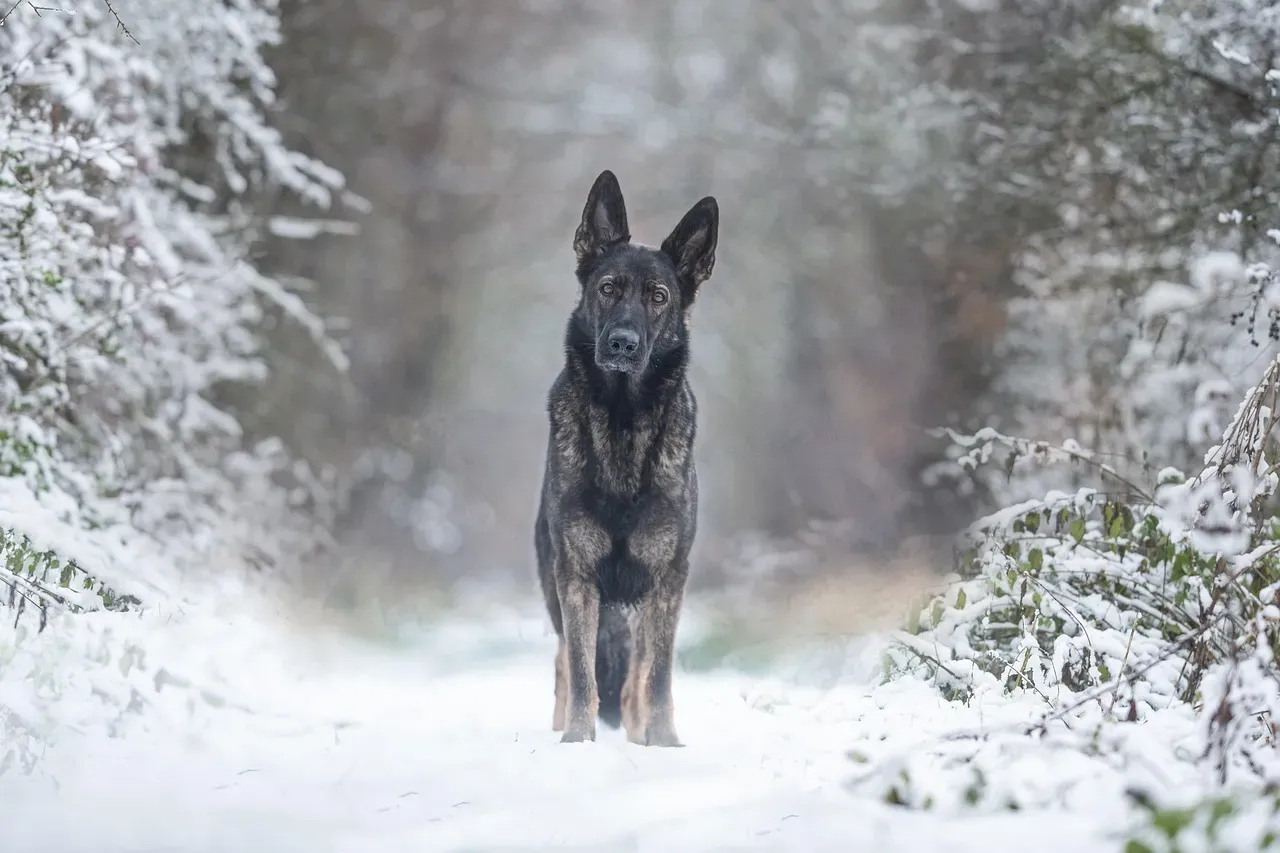
As one of the best guard dogs, German Shepherds are bred to guard and let you know when something isn’t right, but not quietly. These intelligent and loyal dogs have served alongside humans in various capacities, from herding livestock to working in law enforcement, which has ingrained their protective barking instincts deeply into their nature.
German Shepherds are known to bark more than some other breeds due to their protective instincts. They are naturally suspicious of strangers and will bark to alert their family to the presence of an unknown person or animal. However, with proper training and socialization, this barking can be managed and controlled. As a pastoral breed, German Shepherds were bred as guardians of the flock and expected to use this intimidating bark to raise the alarm and scare away intruders or predators. The key is teaching them what actually warrants the alarm.
6. Siberian Husky: Less Bark, More Opera
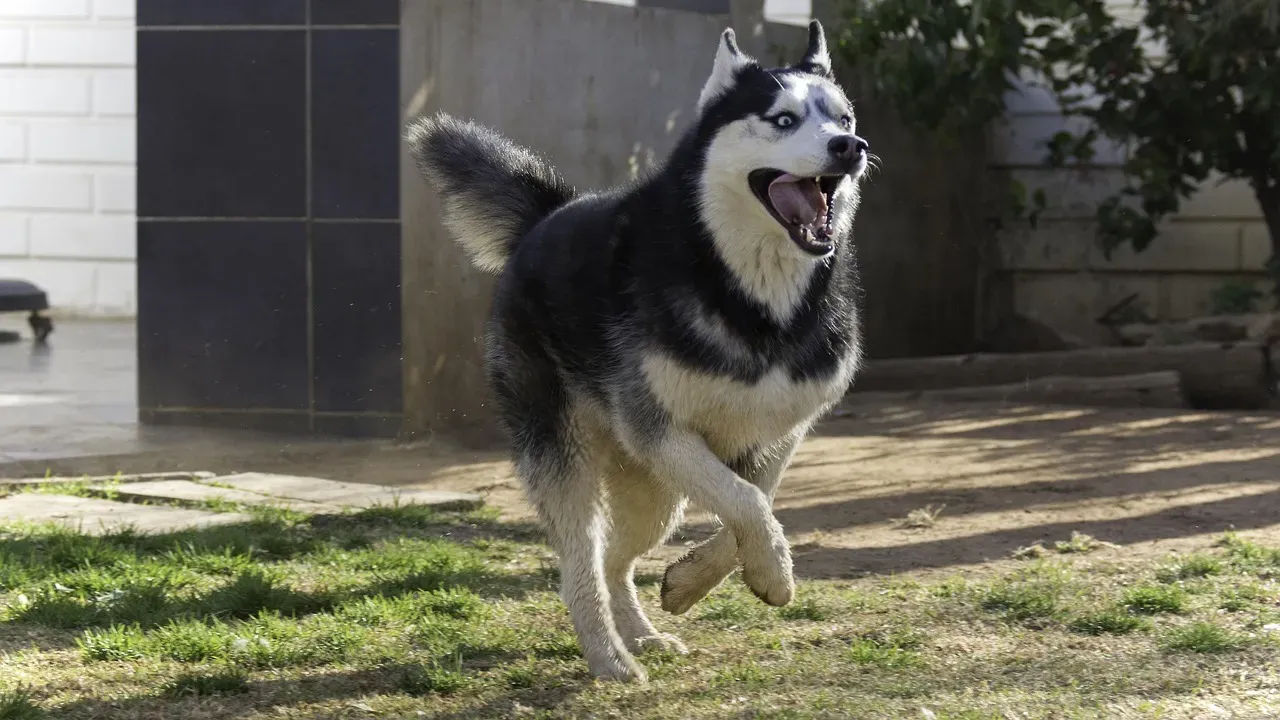
Siberian Huskies don’t necessarily bark a lot, but they’re described as a talkative breed that will whine, howl, groan, and “talk” for hours, with their ancient working heritage making their vocalization more similar to that of their sled dog ancestors. As sled dogs who travelled over large distances, communication was important since a whine or howl travels further than a bark. Their unique vocal style developed from their working history in harsh Arctic conditions where clear communication between team members was essential for survival.
Huskies were originally bred in Northeast Asia by the Chukchi people, who used these dogs for sled pulling, guarding, and companionship. This background has led to a breed that is very social and communicative, leading to a higher-than-average tendency to bark. If you’ve ever lived with a Husky, you know their howling sessions can feel like a full theatrical performance. The behavior cue to watch: extended vocalizations paired with restlessness often signal boredom or under-stimulation.
7. Dachshund: Underground Alarm System on Short Legs

Dachshunds were bred to hunt burrowing animals, which required them to bark loudly to signal their location. This trait remains strong today, leading them to bark often. These elongated hounds were originally developed to hunt badgers in their underground dens, requiring them to be brave enough to confront dangerous prey and vocal enough to alert hunters to their location below ground.
Modern Dachshunds retain their hunting instincts and vocal tendencies, often barking at unfamiliar sounds, movements, or visitors. Their surprisingly deep bark for their size can be quite impressive, and they’re not shy about using it to express their opinions about household activities. Training helps these intelligent dogs learn appropriate times to use their voice while still allowing them to fulfill their natural role as alert watchdogs. Don’t be fooled by the short legs: this breed has opinions and the vocal range to back them up.
8. Pomeranian: Fluffy, Fierce, and Very Loud
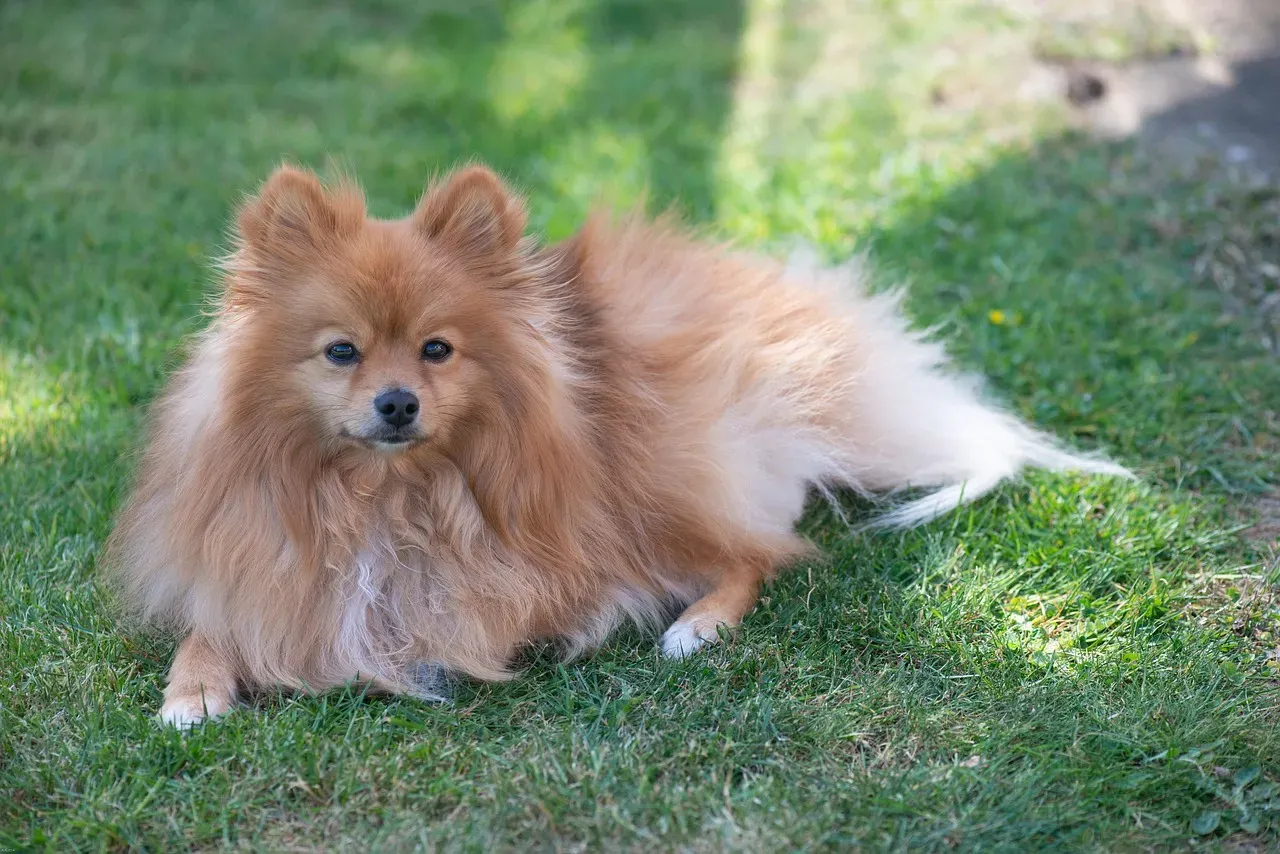
Pomeranians are lively and expressive dogs that enjoy using their voice. They are highly alert and often bark at new sights or sounds. Their vocal nature is tied to their energetic personality. They tend to stay engaged with their surroundings, often expressing themselves through barking.
Although their compact size may lead adopters to think they will make a good lap dog, they are a high-energy toy breed that needs lots of exercise, training, and enrichment to be a happy house pet. They are somewhat defensive of their territory and may bark when they hear any outside noises, so making an effort to calm them down and reassure them when they are alarm barking is necessary if pet parents don’t want them to become nuisance barkers. The good news is that Pomeranians are quick learners when training starts early and stays positive.
9. Basset Hound: Slow Mover, Loud Mouth
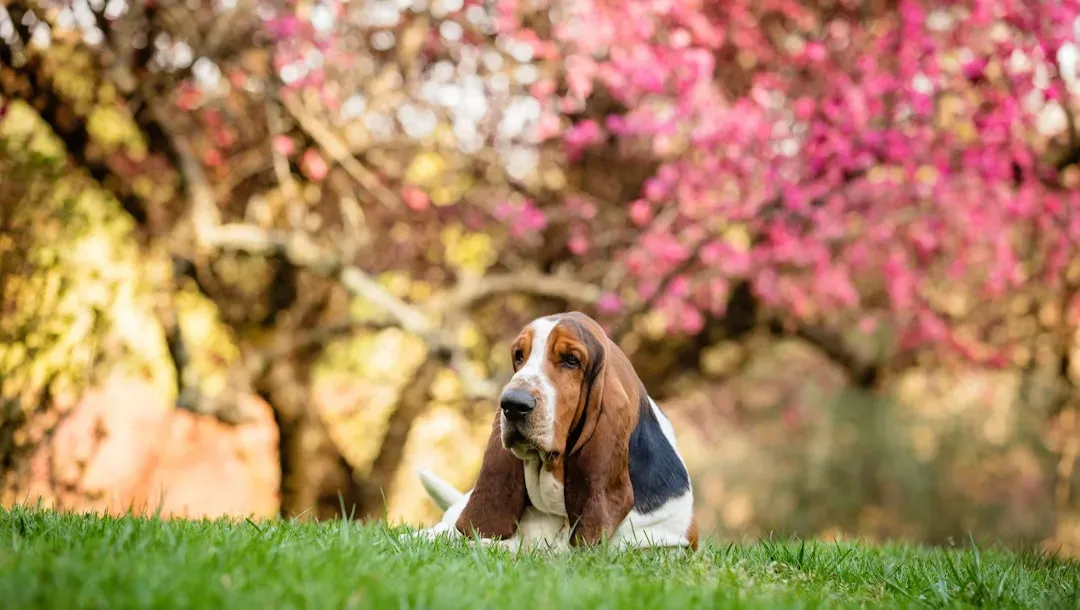
Basset Hounds are used for tracking and hunting, becoming distracted by different scents and sounds and letting you know when they have found what they are looking for with a howling bark, and as a hound, they often have lots of things to say, from baying and howling to whining and yelping. Their droopy, low-key appearance is genuinely misleading: when a Basset hound picks up a scent or hears something outside, the neighborhood will know about it.
Basset Hounds are used for tracking and hunting; they become distracted by different scents and sounds, but they will let you know when they have found what they are looking for with a howling bark. While their barking and howling are natural and helpful for hunting, they can become overwhelming in a quiet home or apartment. The best approach with Bassets is managing the environment: limiting their exposure to highly stimulating outdoor scent trails when indoors can reduce the frequency of those full-on howling episodes.
10. Bloodhound: Born to Announce Every Discovery

Many hound dogs are known for their distinctive howls and loud barks, which they use to communicate over long distances when tracking prey or alerting their owners. These breeds have a strong instinct to vocalize, making them some of the most talkative dogs in the canine world. The Bloodhound takes this to another level entirely. Bloodhounds bark and howl excessively and do not care. If there is a rabbit in the backyard or a suspicious shadow around the corner, they will let you know.
Living with a Bloodhound means accepting that their nose is essentially in charge of the household noise level. Hound breeds, especially those bred for scenting and hunting, often produce loud barks, baying, or howling. These vocalizations are essential for their work in the field but can be disruptive in a home setting. Consistent exercise and controlled outdoor time help burn the physical and mental energy that fuels their most enthusiastic announcements.
11. West Highland White Terrier (Westie): Vigilant to a Fault
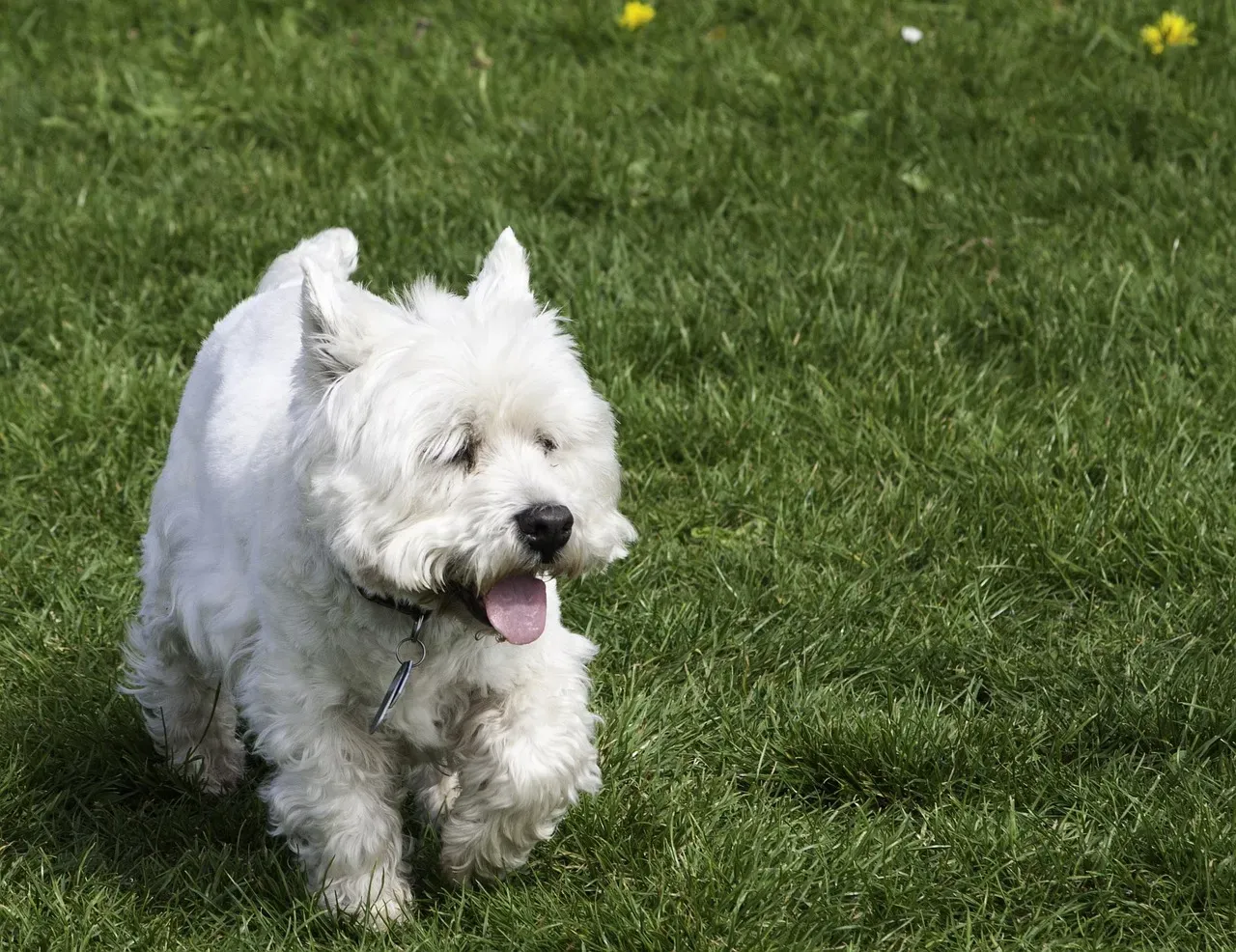
Cairn terriers and Westies were bred for hunting, so barking typically comes with the territory. The Westie is a very happy breed that is both active and alert much of the time. This is due to their being bred for hunting, which is why they’re prone to very vocal behavior. A Westie will bark and alert you about everything. Squirrels, shadows, the postman, a crisp packet blowing down the street – all of it gets the full announcement.
Westies are genuinely joyful dogs, and their barking often comes from enthusiasm rather than anxiety. That distinction matters when you’re working on managing the behavior. Training and socialization should begin during puppyhood to instill confidence and good behavior in your dog. Unfortunately, you can’t always accomplish this, especially if you adopt an adult dog with an unknown history. Dogs who haven’t been adequately socialized may bark excessively out of fear or anxiety when encountering unfamiliar people, animals, or environments. The earlier you start, the better your results will be.
12. Cairn Terrier: Compact, Curious, Constantly Commenting
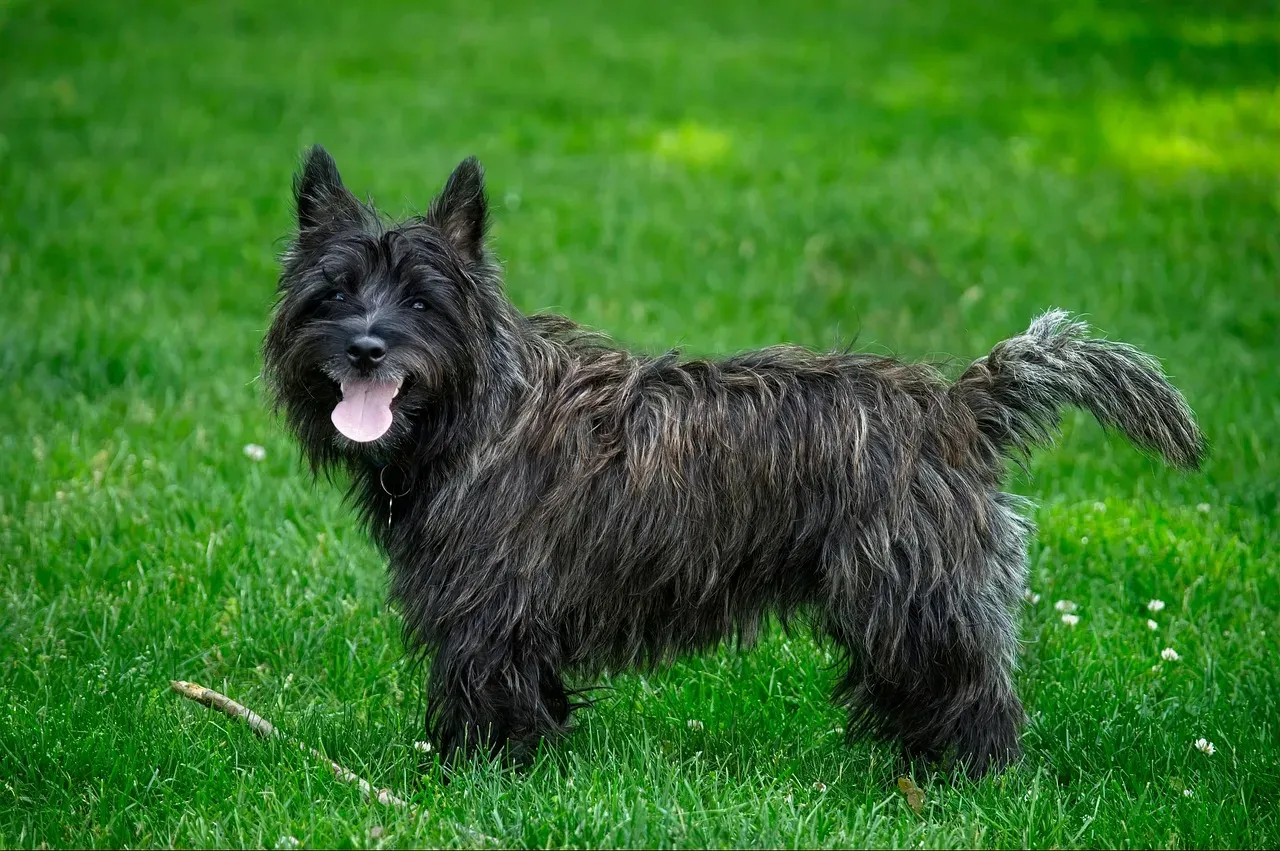
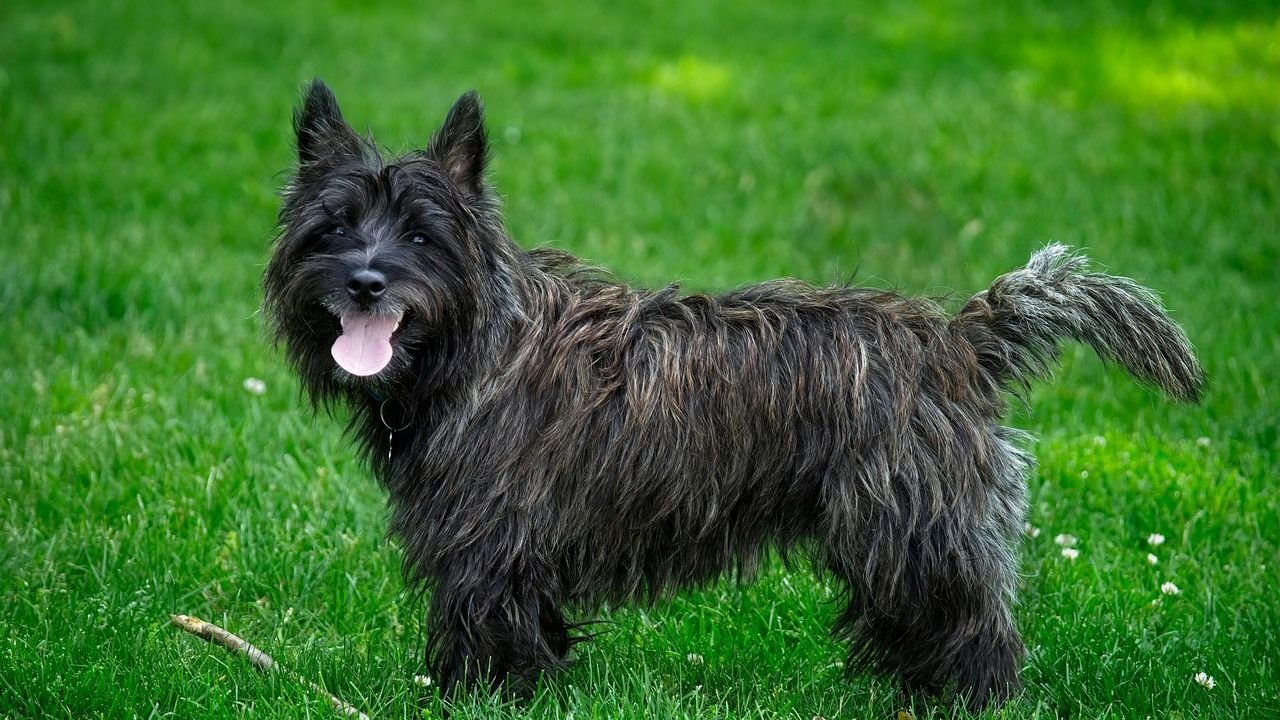
Cairn terriers were bred for hunting, so barking typically comes with the breed’s territory. These small but sturdy Scottish terriers were originally used to flush foxes and other prey from rocky dens, which meant being bold, quick, and very vocal. That same spirited alertness translates directly into a dog that notices everything and sees no reason to keep that information to itself.
As dogs were developed for specific jobs, barking or not barking became preferred traits for certain breeds. Many hound breeds were bred to assist hunters by tracking prey and alerting with distinctive bays. Cairn Terriers carry that heritage in full. If your dog is understimulated or under-exercised, barking can become something they do to release tension, even if they’re not anxious or worried. Once you determine the cause, you’ll need to both treat the underlying issue and create a training plan that ensures your dog is comfortable in their surroundings, teach your dog what to do instead of barking, and reinforce calm behavior.
When Barking Becomes a Health or Behavior Signal

Underlying medical conditions that cause pain or discomfort can also manifest as excessive barking in dogs. Ruling out medical issues is essential. There are some medical and cognitive conditions that can increase vocalization, and some dogs bark when they get injured. Physical discomfort, not just emotional discomfort, can lead to barking.
Signs that your dog’s barking might have crossed the line from normal communication to a behavioral issue include duration: is your dog barking for extended periods, even when the initial trigger is gone? This could indicate anxiety, boredom, or compulsive behavior. If your dog barks incessantly while you’re away, they may be experiencing separation anxiety. It’s always good to check with your veterinarian if a previously vocal dog suddenly changes their barking patterns, as these could be signs of an underlying health condition.
Training Tips That Actually Work for Vocal Breeds
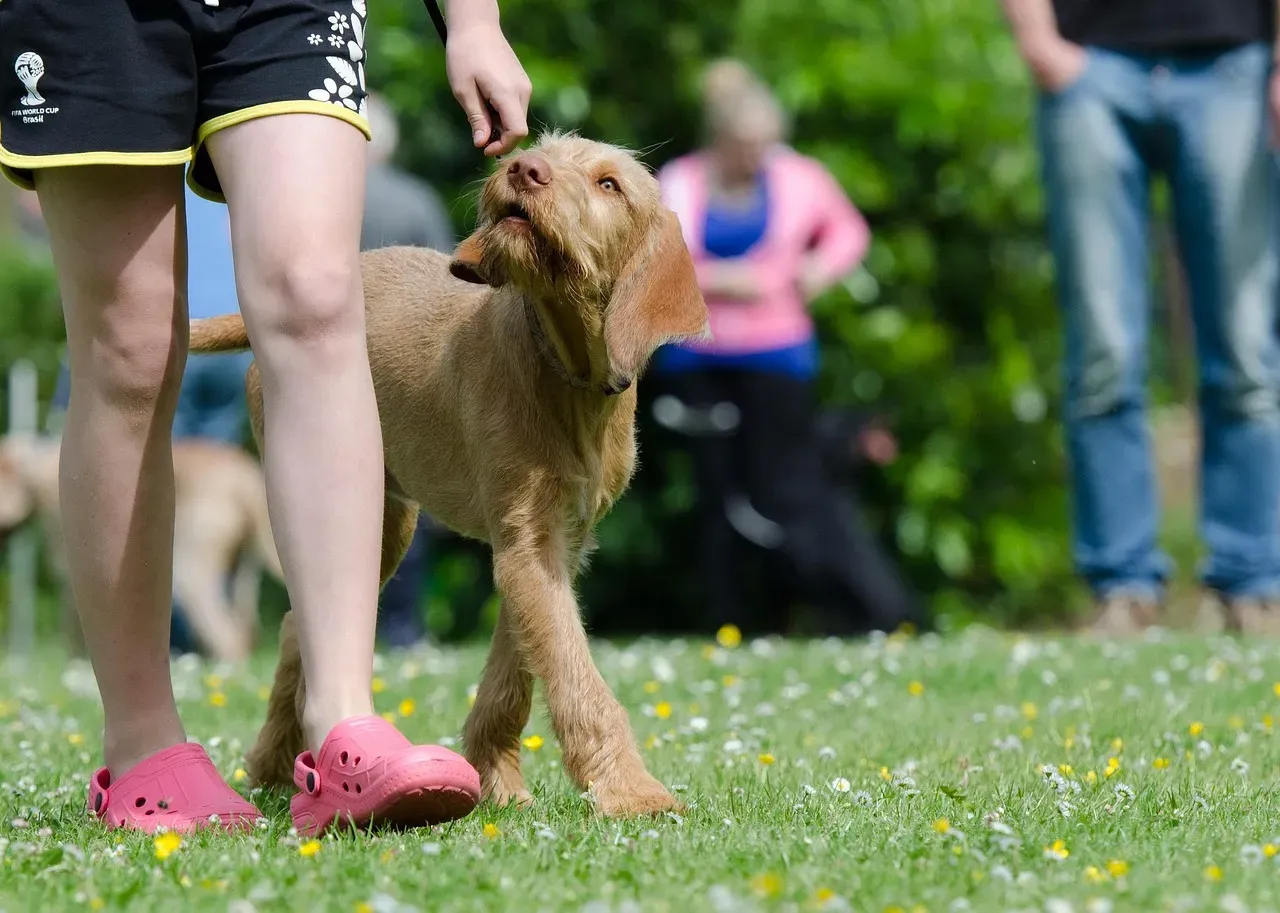
Trying to stop a dog from ever barking is like asking a human to never speak. The goal is not to eliminate barking entirely, but to manage it so it doesn’t become a disruptive or chronic problem. Understanding the root cause of the behavior is the first critical step toward finding an effective solution.
Adequate exercise, training, enrichment, and socialization can help prevent issues that can lead to excessive barking. One thing you don’t want to do is resort to punishment or aversive training. While quick fixes like citronella collars or shock collars might suppress your dog’s barking in the moment, these devices can increase a dog’s stress and anxiety, leading to more barking in the future. Positive, consistent training is the only sustainable path forward, no matter the breed.
Conclusion: Loud Dogs Are Loved Dogs
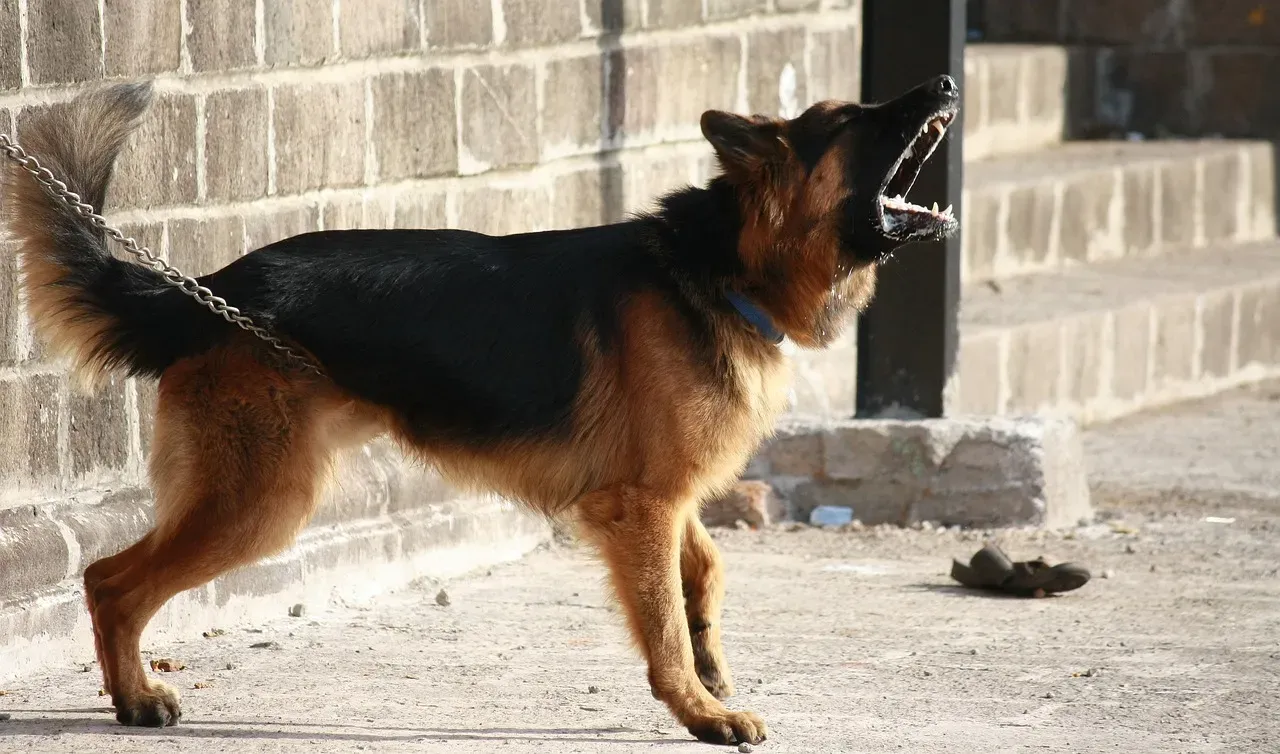
Every dog on this list barks for a reason. They’re not trying to make your life harder. They’re doing what their instincts, their history, and their deeply social nature tells them to do. Barking is one of many forms of vocal communication for dogs. People are often pleased that their dog barks, because it alerts them to the approach of people to their home or it tells them there’s something that the dog wants or needs.
A dog that barks when someone rings the doorbell has a different motivation than a dog who barks while left alone all day. Once you identify the “why” behind the noise, you can choose the right training technique to address the specific need your dog is trying to communicate. The more fluent you become in your dog’s language, the quieter, calmer, and more connected your relationship with them will be.
Living with a vocal breed is a two-way conversation. Some days that’s a little exhausting. Most days, it’s one of the best things about having a dog at all.


