
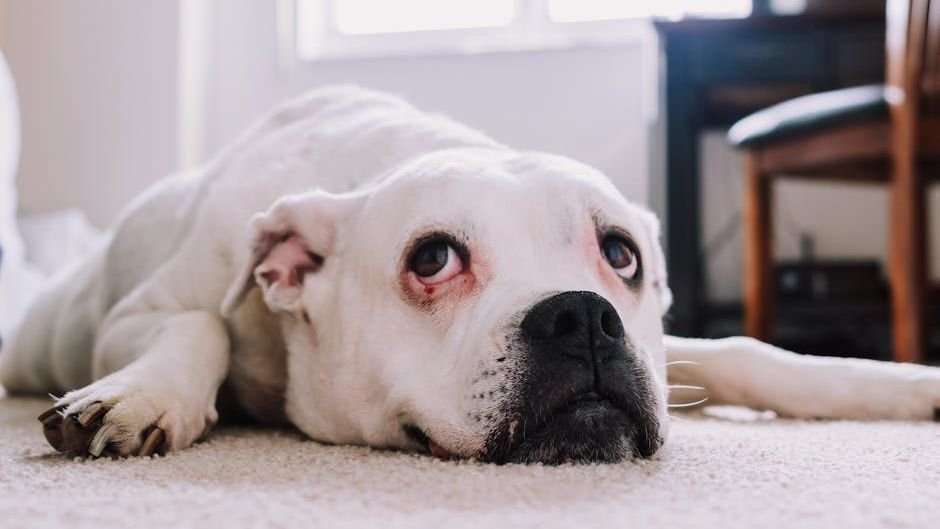
Picture this: you grab your keys, slip on your shoes, and head out the door. Your dog watches you go. The door clicks shut. And then – silence. What happens inside that furry head for the next several hours is something dog owners have wondered about for as long as we’ve shared our homes with canines. The answer is both simpler and more emotionally complex than most people expect.
Dogs aren’t thinking about tomorrow’s walk or last Tuesday’s trip to the park. They’re living in a world shaped by scent, routine, and an incredibly deep attachment to you. When you leave, that world shifts in ways that science is only beginning to fully understand. What we do know, though, is well worth paying attention to if you care about your dog’s wellbeing.
Your Dog’s Brain Notices You’re Gone Before You’ve Even Left the Driveway
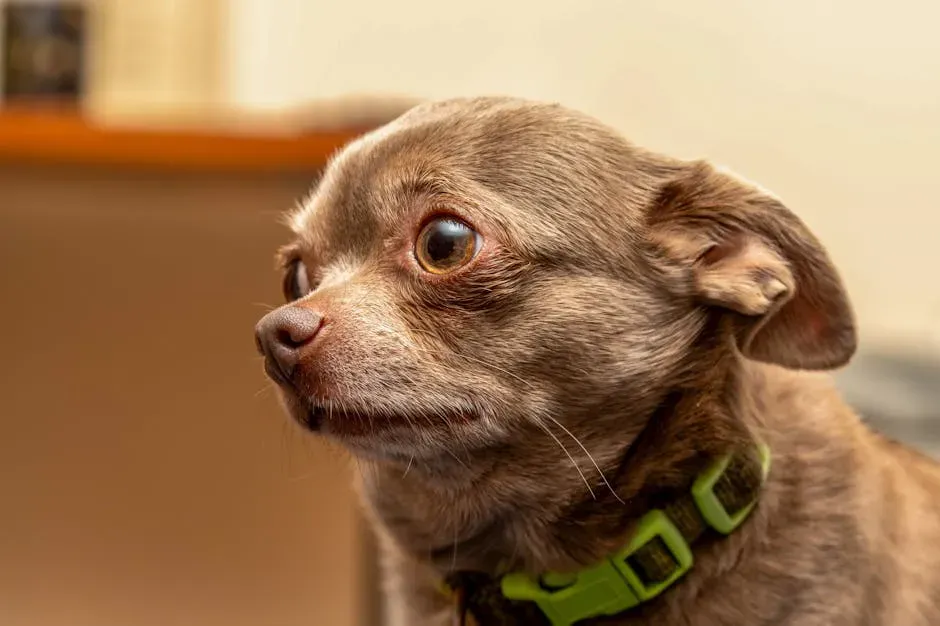
The moment you start your departure routine, your dog’s brain is already working. A dog might start to pace, pant, and whine when he notices his guardian applying makeup, putting on shoes and a coat, and picking up a bag or car keys. These aren’t random behaviors. They’re your dog connecting the dots between familiar cues and the experience of being left behind.
Your dog may see telltale cues that you’re leaving and get so anxious about being left alone that he can’t control himself and forgets that you’ll come back. That’s a striking thing to sit with. It’s not disobedience. It’s closer to a short-circuit in the brain’s ability to self-regulate.
The peak intensity of separation-related behaviors occurs shortly after the owner’s departure. This timing matters. It tells us that the hardest moment for most dogs isn’t the middle of the wait – it’s the transition. The first few minutes after you leave are often the most distressing, and understanding that changes how we should think about goodbyes.
It’s Not Just Sadness – The Emotional Landscape Is Surprisingly Layered
Separation related disorder in dogs is a multi-faceted phenomenon. Dogs can react to the absence of their owner due to different inner states such as fear, panic, or frustration. Many people assume their dog is simply sad or lonely, but the reality is more nuanced than that. Some dogs are genuinely frightened. Others are frustrated. Some experience something closer to panic.
Anxiety is a reaction to an upcoming threat or uncertainty that causes behavioral and physiological signs of stress. Besides anxiety, fear can also elicit stress during separation, as it is an emotional reaction to a direct threat or stimuli generating defensive behaviors or avoidance. These are meaningfully different states, and they can look similar from the outside.
Although we can’t know for sure what’s in a dog’s mind, we can think of separation anxiety as the equivalent of a panic attack. That framing, from animal behaviorist Patricia McConnell, is useful because it reminds us that a dog in distress isn’t making choices the way a calm dog does. Asking a dog to “just calm down” is like telling someone in the middle of a panic attack to relax – it doesn’t change their biology.
How Dogs Actually Experience Time While You’re Away
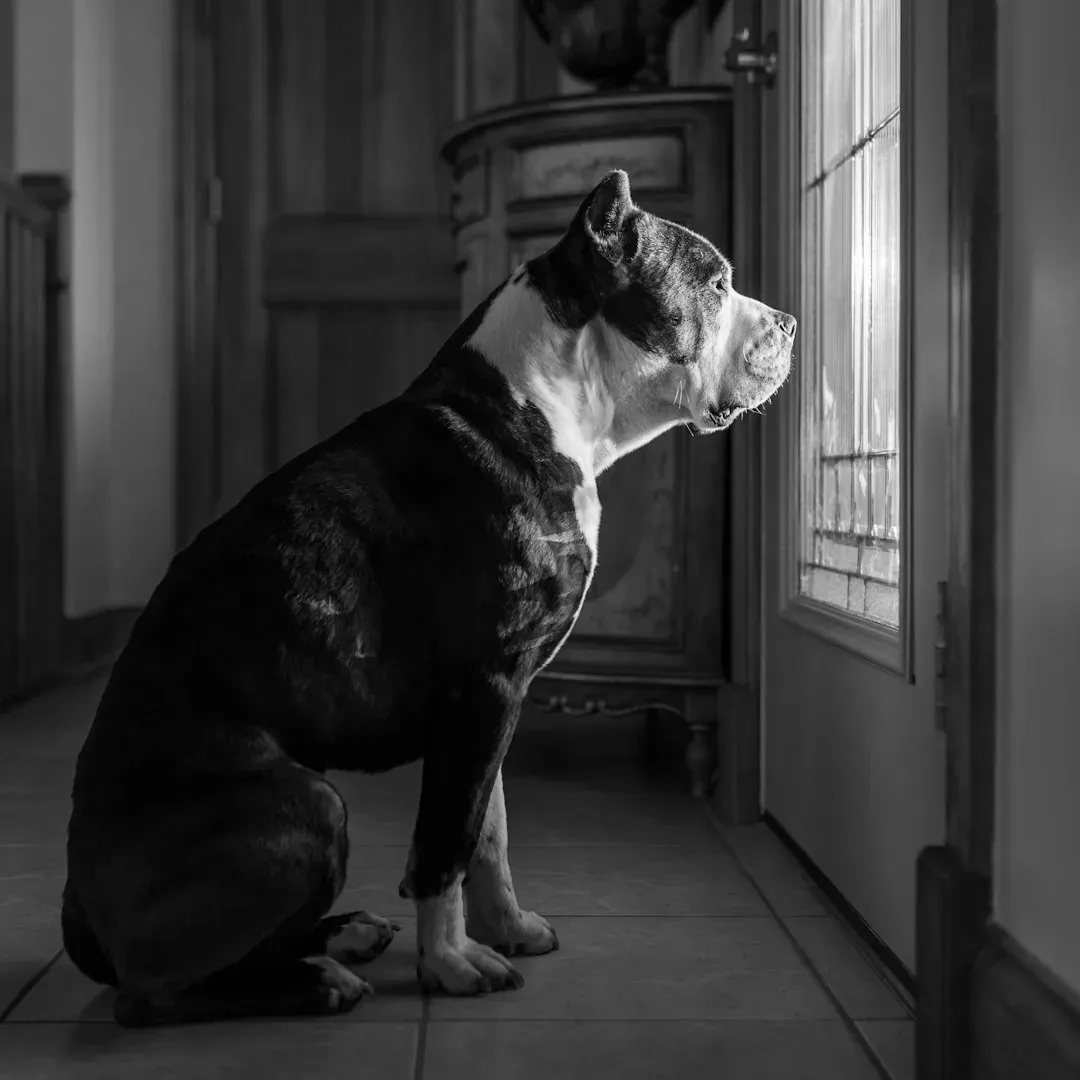
Dogs, unlike humans, don’t measure time in hours, minutes, or seconds. Instead, they rely on a combination of environmental cues, routines, and internal rhythms to gauge the passage of time. This is a crucial distinction. Your dog isn’t watching the clock. They’re reading the world around them – shifts in light, fading scents, ambient sounds – to construct a rough sense of how much time has passed.
Dogs have a highly developed sense of smell and rely on it to judge how long ago something happened. When their owner leaves, the scent in the house begins to fade. Dogs use this fading scent to gauge when their owner might return. It’s a completely different relationship with time than ours, and honestly, it’s rather elegant in its own way.
Dogs behaved differently when their owners had been gone for longer. After two hours, dogs showed increased excitement – more tail wagging, vocalization, and face-licking – compared to just 30 minutes apart. However, after about two hours, the results leveled out. Research suggests that dogs do notice longer absences, but there may be a ceiling to how much further that perception extends.
What Stress Is Actually Doing to Your Dog’s Body
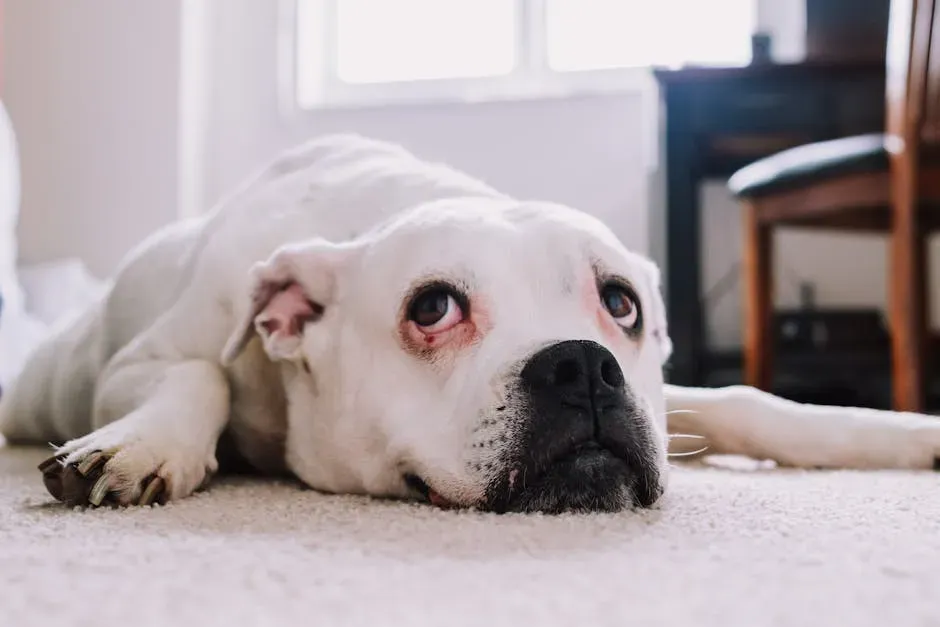
Cortisol is essential to a dog’s ability to cope with stress, regulate metabolism, and modulate immune system responses. When a dog experiences prolonged separation distress, cortisol doesn’t just cause anxious behavior in the moment – it has downstream effects that ripple through their health. Prolonged stress and excessive cortisol not only results in less than ideal behavior, but it puts health at risk.
Stress hormones can accumulate and take some time to dissipate – it can take up to 72 hours for cortisol levels to return to normal, which means it can trickle down into behavior for days. This is why a dog who seems “fine” on Monday might still be reacting to a particularly stressful weekend. The body keeps a kind of biological log that outlasts the original event.
Separation anxiety is associated with a higher incidence of, and more severe, skin problems for dogs. Dogs with separation-related problems are also likely to exhibit anxious behavior in response to loud noises such as fireworks and thunderstorms. These aren’t unrelated issues. Chronic stress changes a dog’s nervous system over time, making them more reactive across the board. It’s a reminder that emotional welfare and physical health are tightly connected.
What You Can Do to Help: Practical Steps That Actually Work
Protective factors include ensuring a wide range of experiences outside the home and with other people, between the ages of 5 to 10 months, stable household routines and absences from the dog, and the avoidance of punishment. Stability and positive early experiences form a kind of emotional buffer that serves dogs well throughout their lives. The earlier you build those foundations, the better.
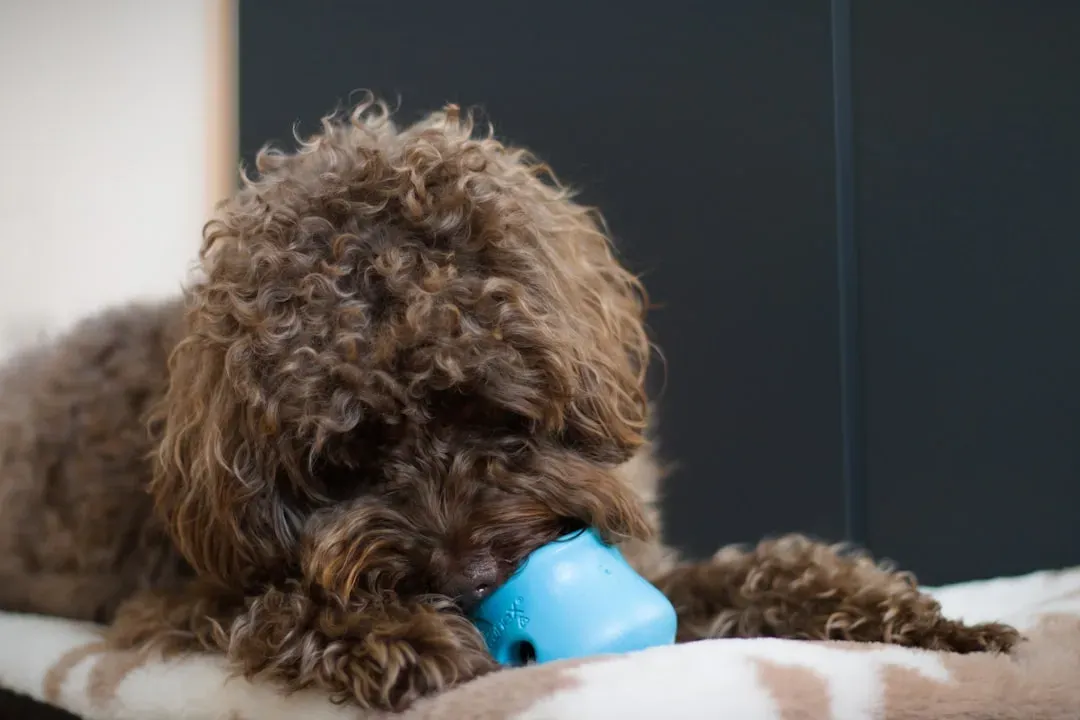
Dogs find sniffing, chewing, shredding, and licking all soothing and stress reducing, and these activities lower canine cortisol levels. This is why enrichment tools like snuffle mats, frozen Kongs, and long-lasting chews are more than just distractions. They’re actively calming to a dog’s nervous system. The key to a happy and healthy dog is regular enrichment and allowing them to engage in their innate behaviors, such as playing, chasing, smelling, chewing, and scavenging.
Consistent cues provide a sense of security and predictability, making them less anxious. Lack of these cues or sudden changes can confuse them, emphasizing the importance of maintaining a stable environment. Something as simple as leaving at the same time each day, keeping a consistent feeding schedule, and returning with the same low-key energy can meaningfully reduce how much stress your dog accumulates over time. Using a dog sitter or dog walking service means that someone can keep your dog company and take them for a walk, which is a good way of easing the stress they may feel when you’re not there.
Conclusion: Your Dog’s Wait Is a Window Into Their Love for You
Every long wait your dog endures is, in its own complicated way, a testament to how deeply bonded they are to you. Though it is a relationship between two adult individuals, the human-dog social bond is thought to be analogous to filial attachment. As humans provide resources to the dog – same as parents provide it to their offspring – the dog is dependent on humans and motivated to stay close to its owner. This motivation manifests itself as a stress response in the absence of the owner.
That stress isn’t a character flaw or a behavior problem to be annoyed by. It’s the cost of connection. The good news is that with the right tools, routines, and a little empathy, we can make that waiting time significantly easier on our dogs. Your dog probably remembers you in context: your voice, your scent, your home, your car, and your daily routine. This is why dogs can quickly recognize returning owners after a long absence – they remember your place in their world.
Understanding what goes on inside your dog’s mind during those quiet hours apart doesn’t just make you a better owner. It deepens the relationship in a way that goes both directions. Your dog has been waiting for you – not just today, but in the most fundamental sense. Meeting that loyalty with knowledge and intention is one of the best things we can do for them.


