
You’ve cleaned the same corner of the rug for the fourth time this week. Your adorable pup looks up at you with those eyes – completely innocent, totally unbothered – and trots away. Sound familiar? You’re not imagining it. Housebreaking is genuinely one of the hardest parts of dog ownership, and for some small breeds, it can feel like a never-ending battle.
Small dog breeds have earned quite the reputation when it comes to housebreaking challenges. It’s not that they’re less intelligent than their larger cousins. The reality is far more complicated, involving biology, behavior, and honestly, a bit of human error mixed in. The good news? No dog is truly untrainable. Even the most independent or strong-willed pups can learn with time, consistency, and lots of positive reinforcement.
This guide breaks down 8 small breeds notorious for giving owners a hard time – and 8 that tend to make the whole process surprisingly smooth. Wherever your dog falls on this list, there’s real, practical help here.
—
1. Dachshund: The Stubborn Sausage Dog
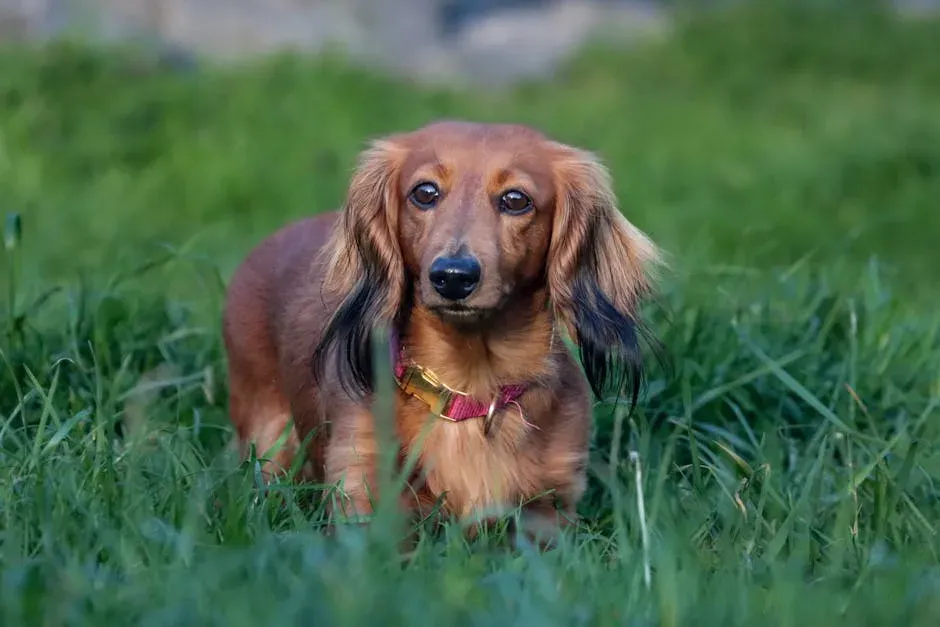
If there were a “Most Stubborn Pup” award, the Dachshund might take the gold medal. These adorable sausage dogs have a mind of their own, and that’s part of their charm. Originally bred to hunt badgers alone, Dachshunds developed strong independence and persistence. Combine that with their dislike for rain and a teeny-tiny bladder, and you’ve got a recipe for potty-training challenges.
Dachshunds can take up to a year to be fully potty trained – and some owners report that accidents never fully disappear. Dachshunds can sense your tone and will shut down if training feels negative or stressful. The most effective approach is keeping a strict outdoor schedule, rewarding immediately after success, and never skipping a trip outside just because the weather looks miserable. Their strong nose and independent spirit mean they need a patient, consistent leader – not a reactive one.
2. Shih Tzu: The Charming Little Rebel
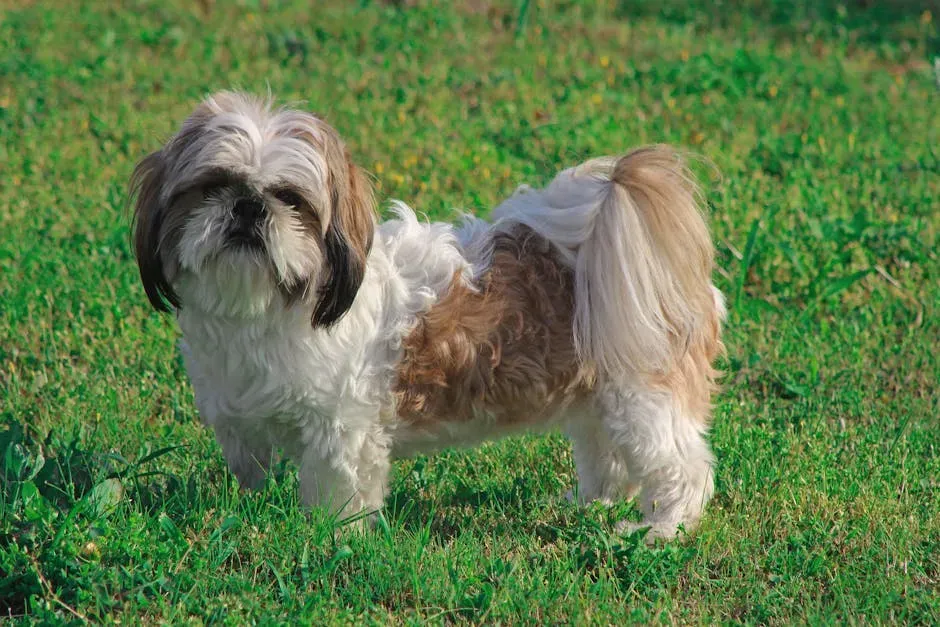
The Shih Tzu takes the number one spot on many lists of difficult dogs to potty train. These fluffy little aristocrats have mastered the art of looking innocent while completely ignoring your best training efforts. The breed tends to charm their owner into letting them have their own way, which creates a perfect storm for housebreaking disasters.
Taking the number one spot on many veterinarians’ lists of difficult dogs to potty train is the beloved toy breed, the Shih Tzu. Their independent temperament means they’ll often learn the rules perfectly well – and then simply choose not to follow them. The key with a Shih Tzu is to never allow the charm offensive to derail your consistency. Keep bathroom trips short, structured, and heavily rewarded with praise and treats the moment they perform outside.
3. Pomeranian: Cute, Clever, and Conveniently Deaf to Your Commands
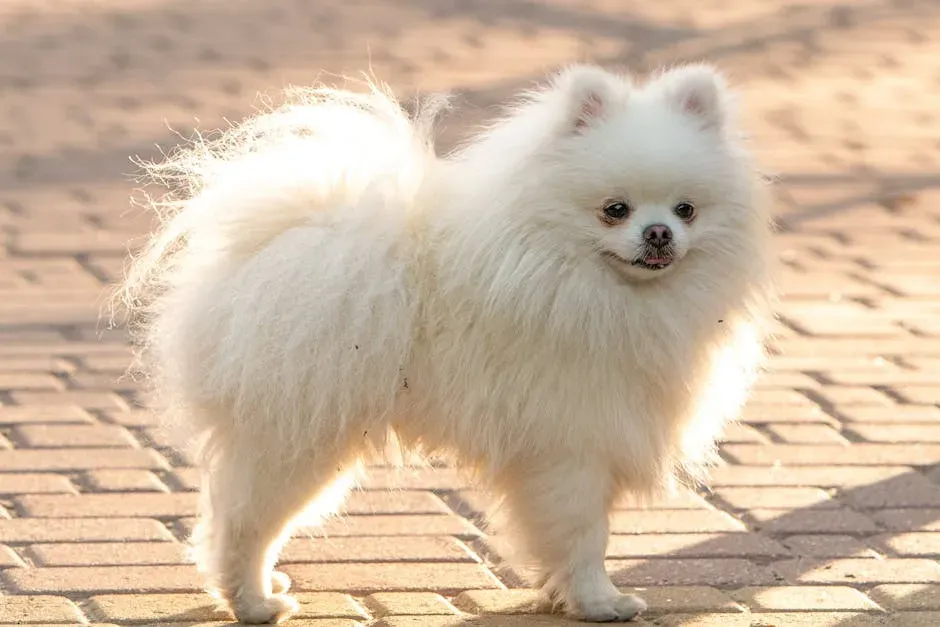
The AKC describes Pomeranians as “alert” and “highly intelligent,” but warns that housebreaking can be a challenge. The challenge with Pomeranians lies in their intelligence working against you. They’re smart enough to know what you want but clever enough to decide whether they feel like complying.
Their personalities can make them hard to train, and when you combine that with extra small bladders that can’t hold it for long, it makes training even harder. Watch for behavioral cues like sniffing in circles, sudden squatting, or abruptly stopping play – these are your signals to move fast. Pomeranians respond best when the reward comes within seconds of the correct behavior. Delay the treat even slightly, and they’ve already moved on mentally.
4. Chihuahua: The Tiny Dog With a Very Big Opinion
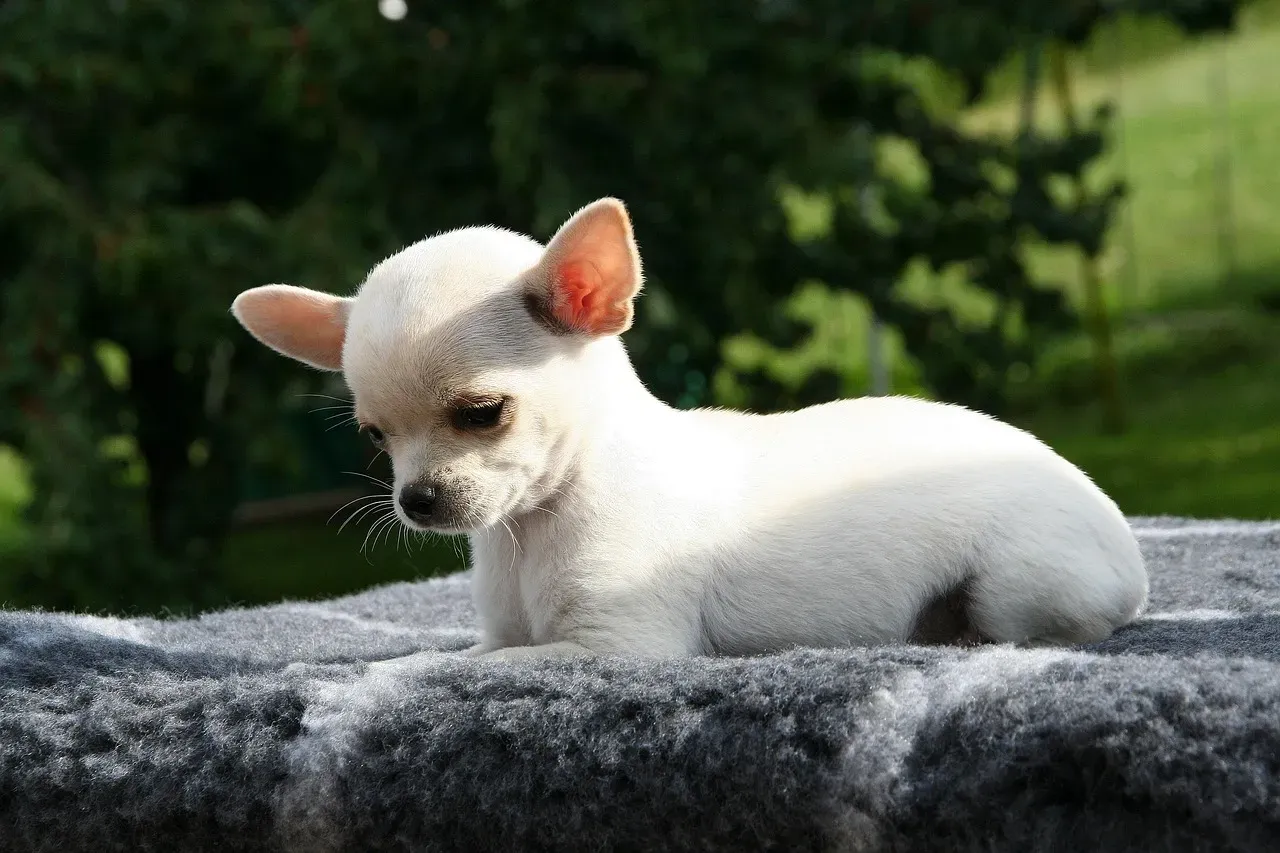
Chihuahuas are feisty, fiercely loyal, and blessed with an abundance of personality. Small dogs are harder to house train because they have smaller bladders, higher relative metabolisms, less bowel control, and they tend to be more difficult to monitor. For a Chihuahua, that combination hits particularly hard. They can also develop deep attachments to indoor comfort, making cold or wet trips outside feel like punishment to them.
Accidents often point to a gap in the routine rather than a lack of intelligence. With Chihuahuas, that gap is almost always supervision. The challenge multiplies when you realize how easily these tiny dogs can sneak behind furniture to do their business undetected. A tethering method – keeping your Chihuahua clipped to a short leash near you during training – dramatically reduces unsupervised accidents and speeds up the learning process.
5. Yorkshire Terrier: Stubborn Spirit in a Silky Coat
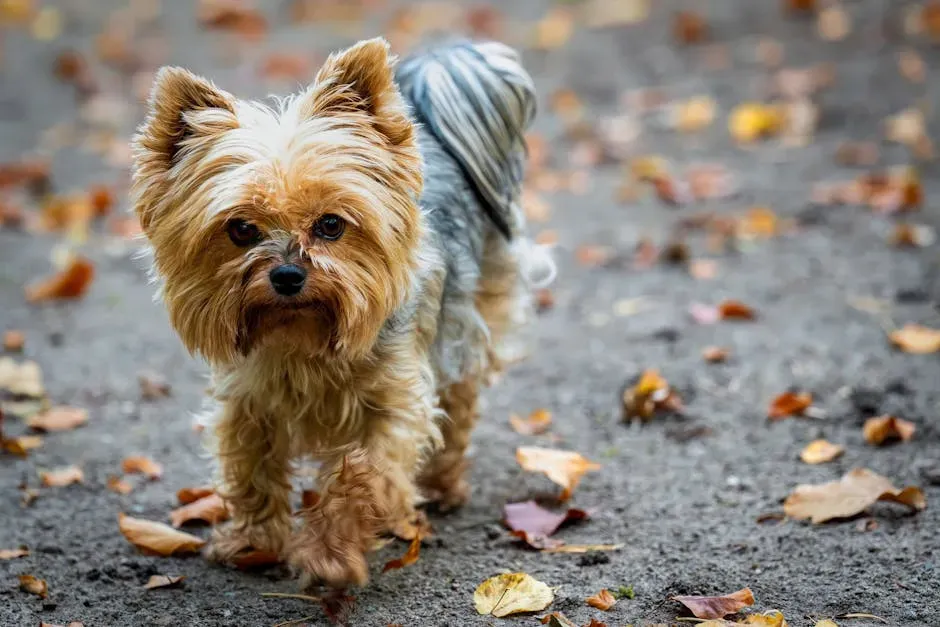
Yorkshire Terriers have a reputation of being hard to potty train, but that’s because they’re stubborn, not a lack of ability or intelligence. With such small bladders, they won’t last long. Yorkies may have a stubborn streak when it comes to housebreaking, but with the right setup and a breed-smart approach, you can achieve success faster than you might think.
Yorkies may have a stubborn streak when it comes to housebreaking, requiring owners to maintain unwavering consistency. One common pitfall is allowing a Yorkie to be carried everywhere outdoors, which prevents them from associating going outside with elimination. If your Yorkie is suffering from urinary or bowel incontinence or is having a major setback after becoming housebroken, you should consult with your vet. It may not be an issue of training. Always rule out a medical cause before assuming the behavior is purely stubborn.
6. Bichon Frise: The Weather-Sensitive Perfectionist
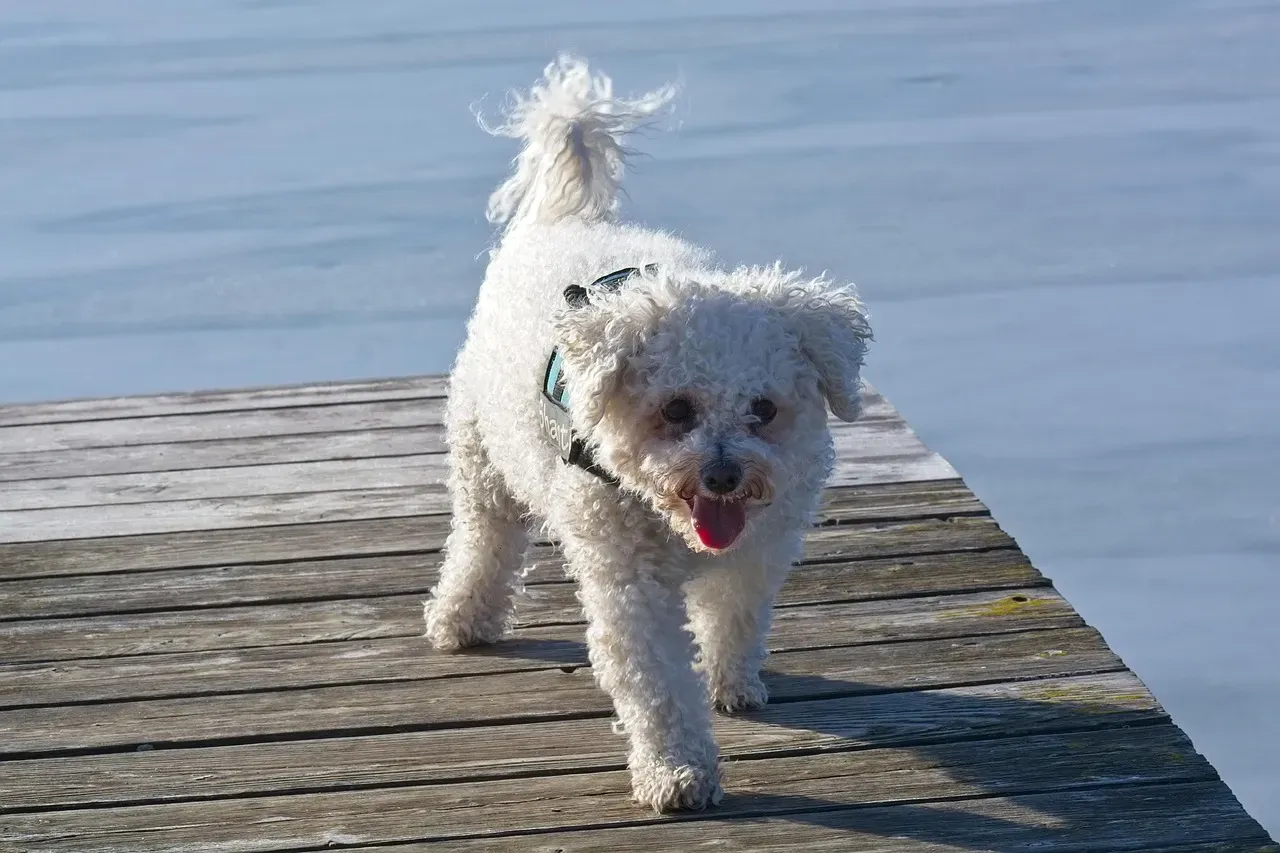
Bichons have a reputation for being difficult to housebreak, though in every other respect they are very easy to train. This paradox confuses many owners who watch their Bichons master complex tricks while still having accidents in the house. The breed is fiercely independent and tends to be picky about going outside when it’s rainy or cold.
These dogs genuinely dislike unpleasant weather conditions, viewing rain as a personal affront. Patience and positive reinforcement are essential, though even then, some Bichons maintain a lifelong selective approach to where they do their business. Crate training is particularly effective with the Bichon Frise – creating a safe space for your pup that it will want to keep dry and clean. If you live somewhere with frequent rain, investing in a covered outdoor potty area can genuinely change the equation.
7. Jack Russell Terrier: High Energy, Short Attention Span
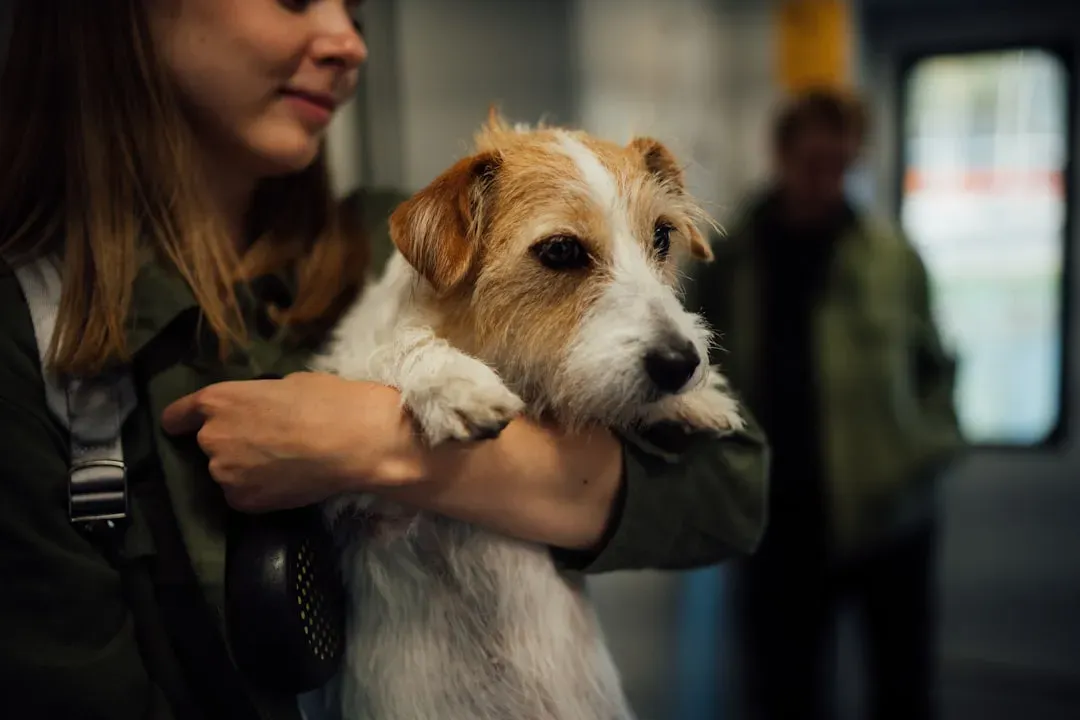
The Jack Russell Terrier is a small dog breed that struggles to potty train on a timeline, with high energy levels and short attention span most likely to blame. Jack Russell Terriers make the list of difficult dogs because, in the words of veterinarians, they have “the attention span of a toddler.” Every outdoor potty break becomes an exploration mission, and by the time they’ve chased a leaf and sniffed three fence posts, they’ve forgotten why they were outside in the first place.
The strategy with Jack Russells is short, focused training sessions with a very specific potty spot. Keep the area boring – no toys, no distractions, just the business at hand. Punishment can create fear or anxiety, which makes training harder. Instead, clean up thoroughly with an enzymatic cleaner and focus on reinforcing the desired behavior with praise and treats when they go in the right place. Celebrate every outdoor success loudly and immediately – Jack Russells love an enthusiastic reaction.
8. Pekingese: The Imperial Lap Dog With Regal Resistance
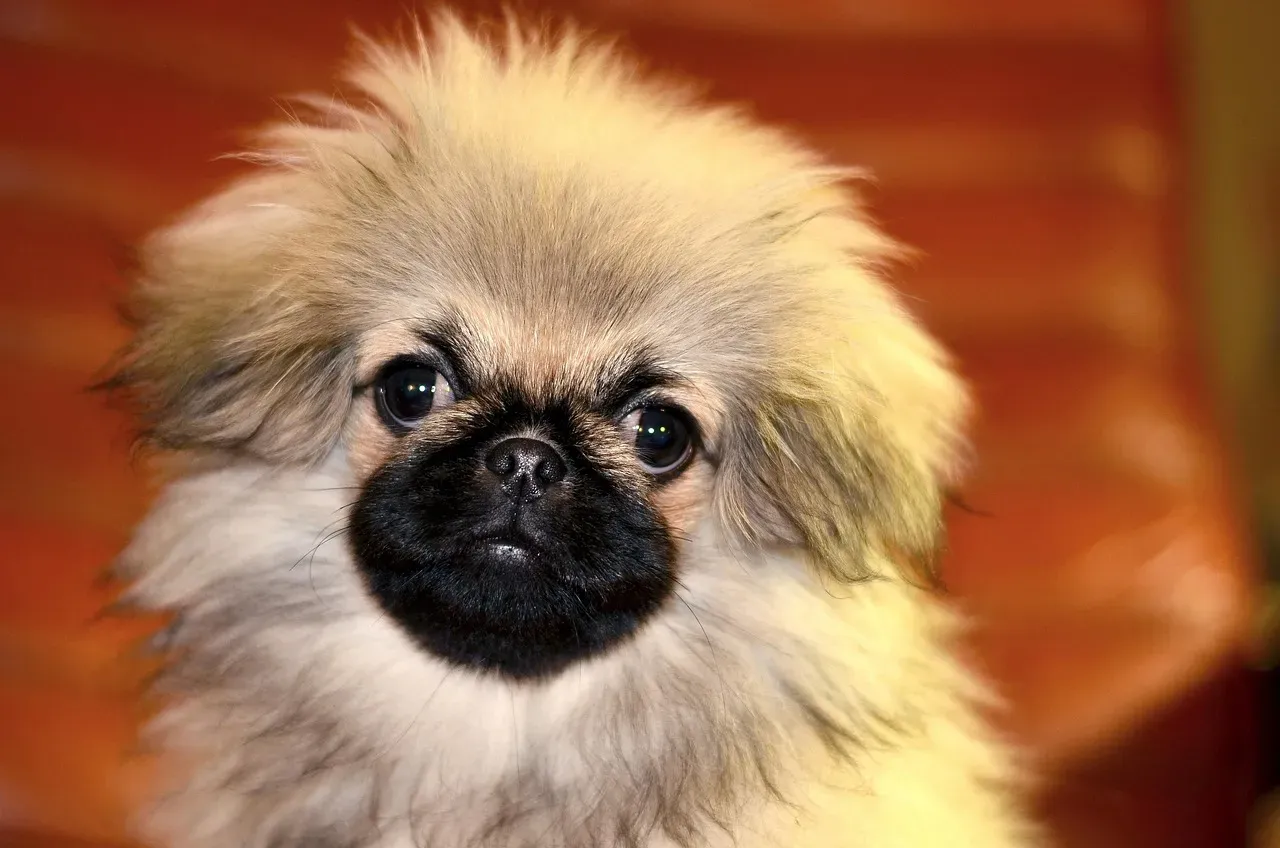
Once kept as Chinese royalty, Pekingeses have the self-important attitude to match. Although very intelligent, they also have an independent attitude and tend to adopt “selective hearing” when it comes to potty training. These imperial lap dogs carry themselves with the dignity of former palace residents, and this petite breed needs to go potty more often than larger dogs, requiring plenty of reinforcement and frequent outdoor opportunities.
When you’re basically royalty, it can be a bit difficult to be told that you absolutely must do something. They’re still getting used to their cues. To help them, lay it on thick with positive reinforcement – praise and rewards like treats and toys. With the right blend of consistency and encouragement, you can meet their headstrong minds halfway. Watch for signs like restlessness, circling, or sudden sniffing of the floor. These are your windows of opportunity – act on them immediately rather than waiting for the Pekingese to volunteer the information.
—
9. Toy Poodle: The Brainy Beauty That Learns Fast
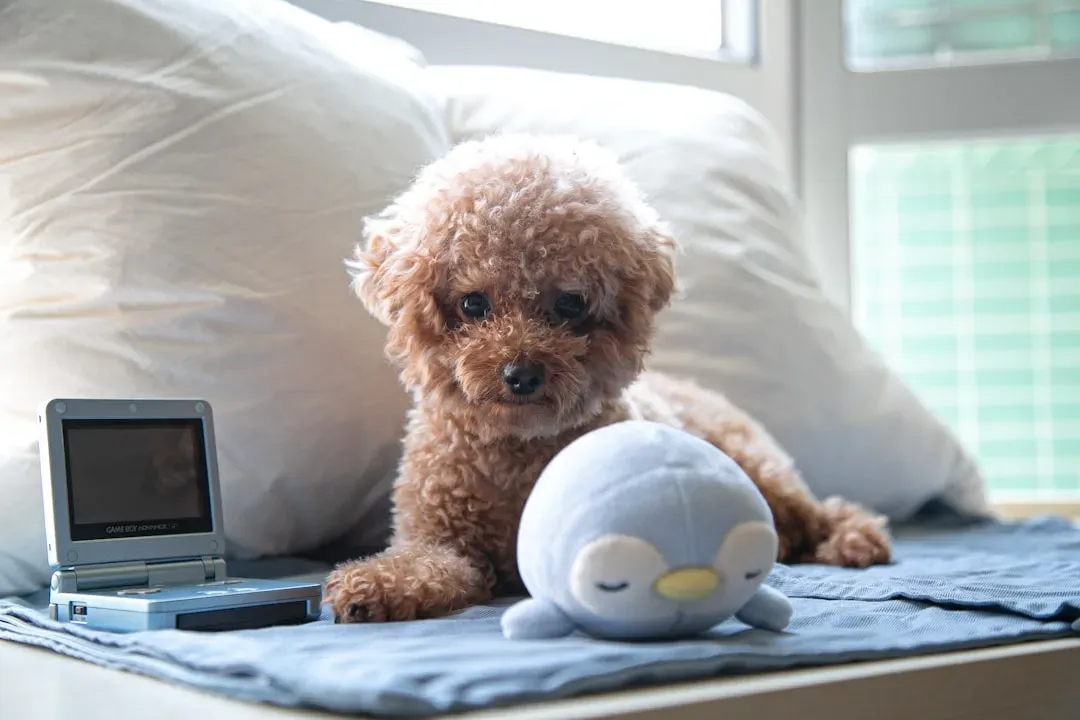
Poodles are considered to be among the most intelligent dogs, making them easy to train. Vets agree, calling this breed “highly trainable.” Poodles are also very tuned in to their people and, as a result, pick up on patterns and routines easily. Given their history as working dogs bred to cooperate closely with humans, they are usually strong learners in a house-training context.
Despite a small bladder that means you will need to let your Toy Poodle out for more potty breaks than other small dogs, the Toy Poodle is a breeze to train. Poodles are intelligent dogs – quick to learn and eager to please. This means they generally excel in puppy training classes and are easy to housebreak. Toy Poodles like to notice and adapt to patterns, so once you’ve shown your pup where their toilet is, you shouldn’t have any problems as long as you let them out frequently enough.
10. Papillon: Butterfly Ears and a Brilliant Mind
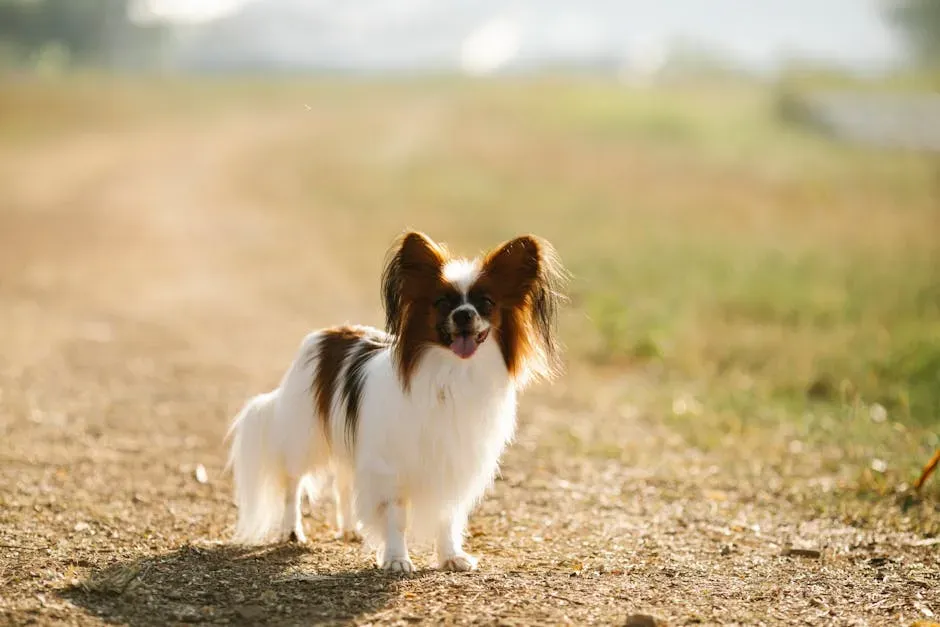
Papillons might be tiny, but they’re mighty when it comes to intelligence. Their name comes from their butterfly-shaped ears, and they’re one of the smartest toy breeds. Papillons excel in obedience and agility competitions, often outperforming much larger dogs. Their tiny size is great for apartment dwelling, and their eagerness to please and obedient natures make training this dog a breeze.
The Papillon has a small bladder, but this breed is high on intelligence. They learn quickly and respond well to positive and consistent training. Papillons are very smart and pick up commands and routines easily. Papillons make great pets because they closely bond with their humans and always want to please them. They learn commands in no time, as long as you use positive reinforcement. If they know potty training will make you happy, they’ll do their best to learn it for you.
11. Miniature Schnauzer: The Eager-to-Please Overachiever
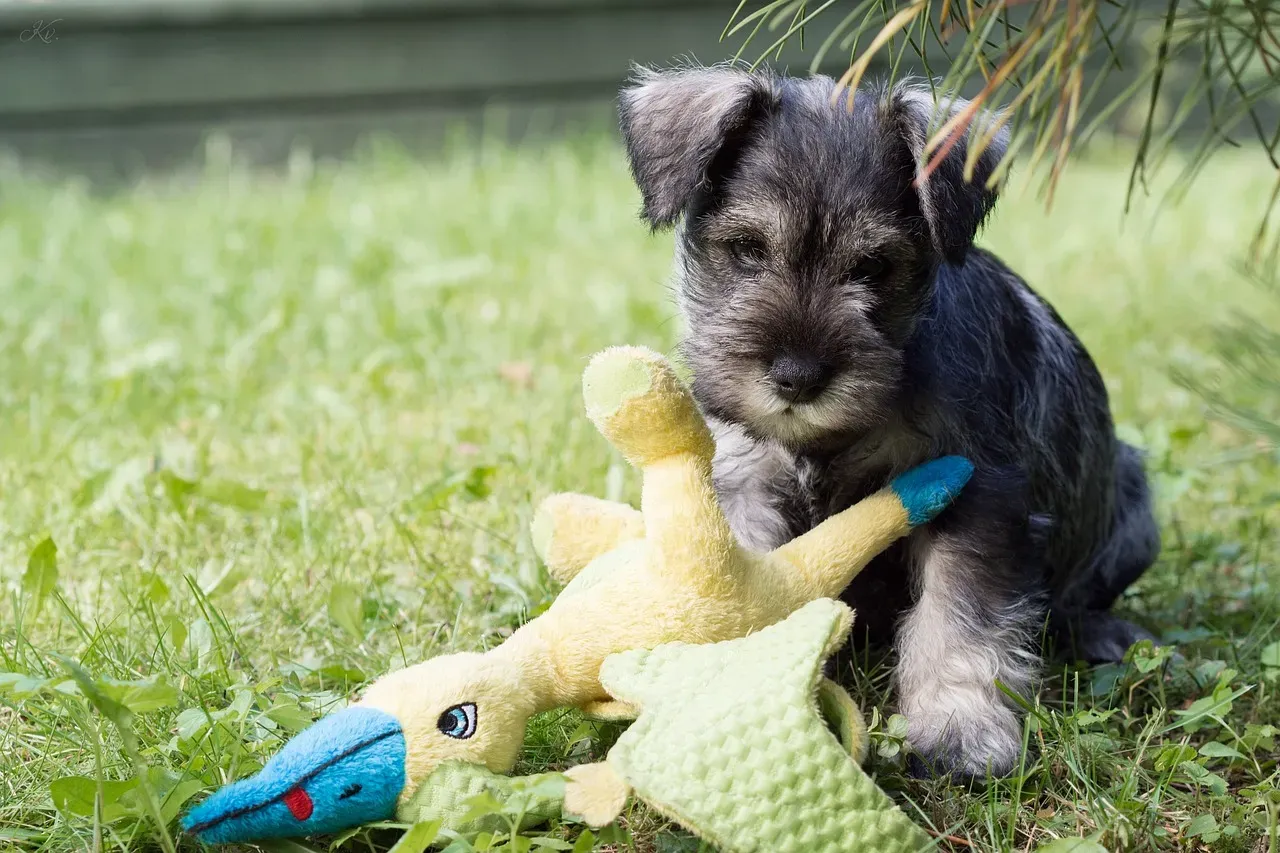
Miniature Schnauzers are one of the easiest small dog breeds to housetrain. Some puppies will even be housetrained by the time they leave the breeder’s home. They are also easy to obedience train and are one of the breeds seen frequently around agility competitions. Known for being reliable and attentive, Miniature Schnauzers are quick learners. With positive reinforcement, consistency, and patience, Schnauzers can be potty trained in as little as a few days.
Dog breeds like the Miniature Schnauzer naturally avoid soiling beside their sleeping area. This instinctive behavior enhances learning potty habits faster. Miniature Schnauzers are eager to please their human companions, so they’re happy to pick up new tricks. These dogs have sensitive hearts, so you must be as positive as possible during potty training. By giving them love, Miniature Schnauzer puppies can be house-trained in less than one week. That’s a timeline most dog parents can only dream of with other breeds.
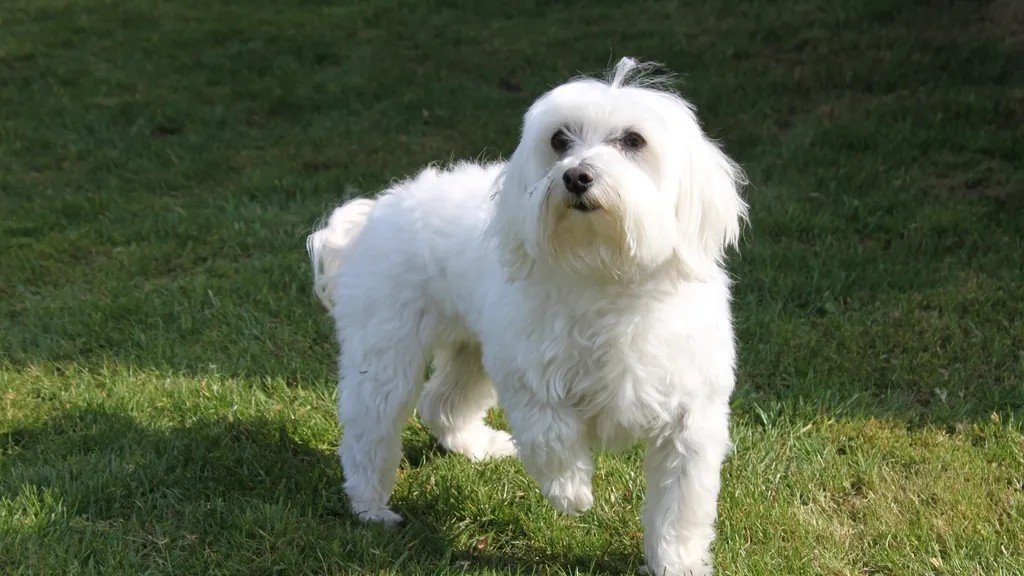
12. Maltese: Clean, Focused, and Surprisingly Reliable
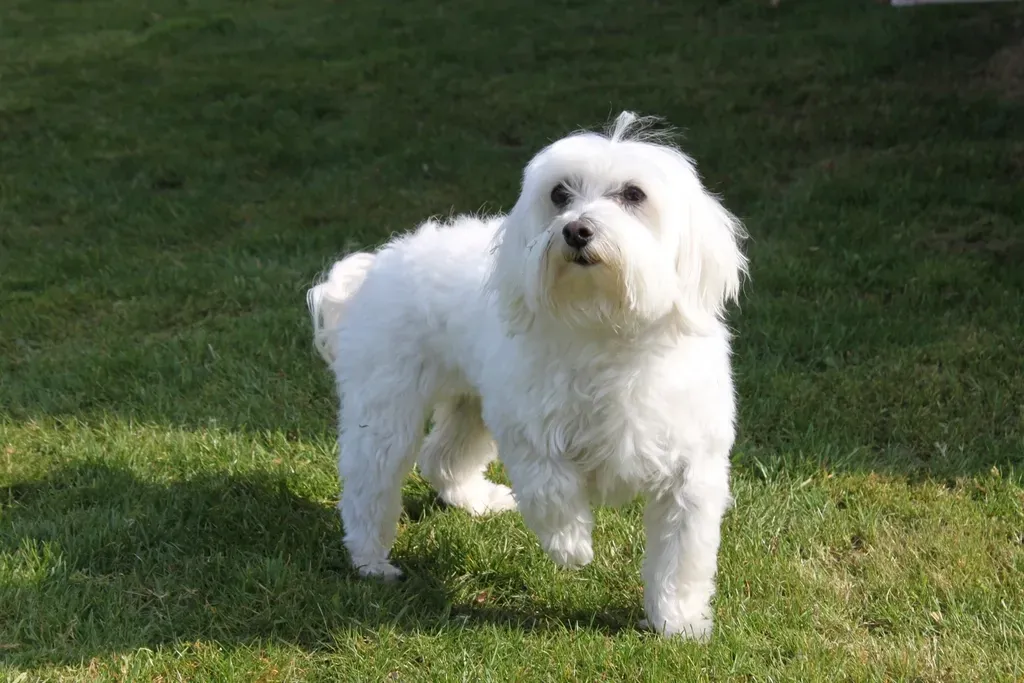
The key factor that makes the Maltese such an easy pup to housebreak is their cleanliness. Because these dogs are so clean, they’ll be far happier eliminating in the same location every day and hate to mess in the house. They’re also obedient and easy to train and are notably more focused than other toy breeds.
Malteses are intelligent, small dogs, which makes them easy to potty train. They usually learn bladder control fast, provided their owners are consistent with routine. The Maltese is clean and is great in apartments because it is one of the small breeds that does not stink. Their deep dislike of soiling their own environment is a natural training ally. Just be mindful that even a Maltese needs a consistent schedule – their self-discipline is no substitute for yours.
13. Boston Terrier: Cheerful, Structured, and Ready to Learn
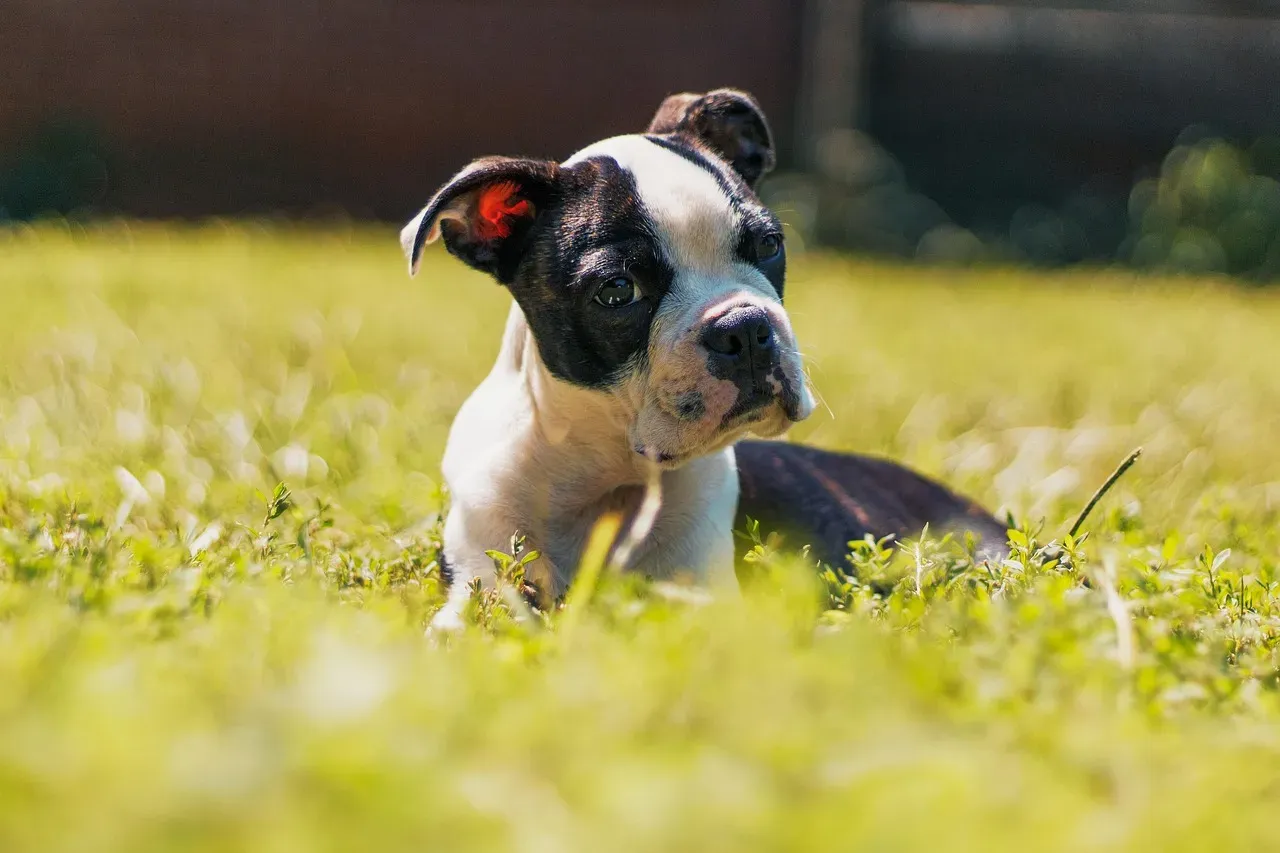
Boston Terriers may have tiny bladders, but they’re very smart and eager to please, which is why vets say they are one of the easiest small dogs to potty train. “Boston Terriers are quite easy to train because they are known to make their owners happy and they thrive in structured environments with routines.” Good-natured and playful, Boston Terriers tend to be less excitable than other terrier breeds.
A Boston Terrier has a lot of energy but with consistent training they thrive at obedience and housebreaking. With patience, positive reinforcement and consistency, the cheerful little dogs thrive. Boston Terriers have a lot of energy and short attention spans, thus training can be a more tedious process for them. With an assertive human, they can be potty trained in no time. Boston Terriers learn best from patience, consistency, and of course, positive reinforcement.
14. Havanese: The People-Pleaser Who Wants to Get It Right
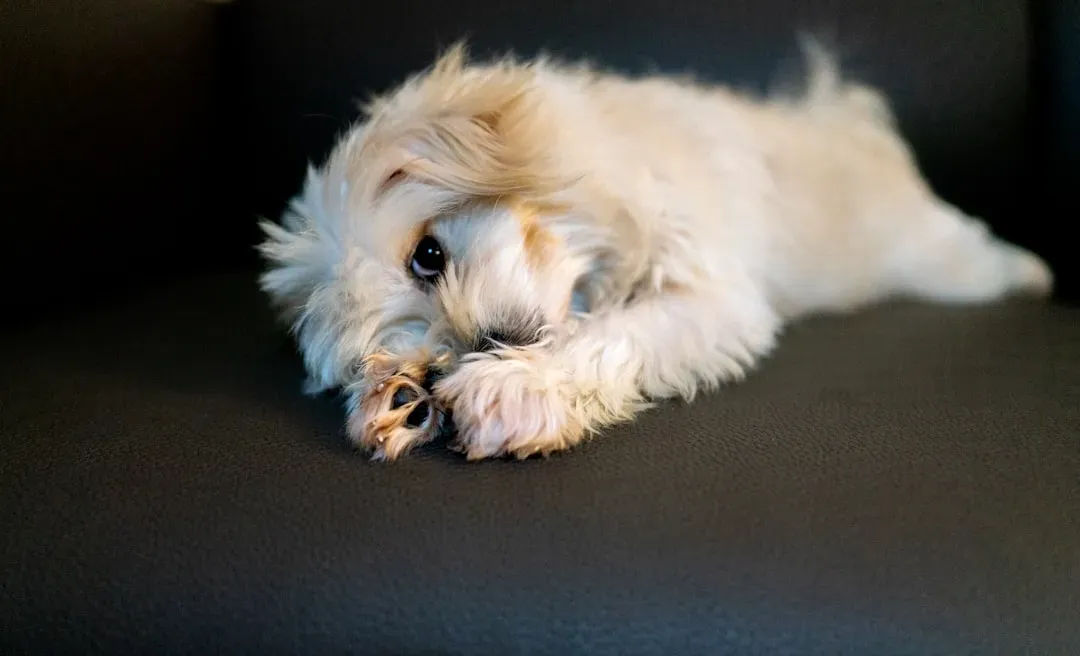
Havanese are playful, child-like dogs. They love to joke around and have fun, but they’re also eager to please their loved ones as much as they can. These little dogs love learning new tricks and they easily adapt to new environments. Since they love to learn, they’ll often pick up potty training much faster than other small breeds.
Havanese dogs are playful and eager to please, making them quick learners. These little dogs love learning new tricks and easily adapt to new environments. Their desire to please their humans makes them excellent candidates for potty training, and they often pick up on the process faster than other breeds. Because Havanese thrive on human connection, any kind of praise during training carries enormous weight. A cheerful “good boy!” from you means the world to them – and they’ll work hard to hear it again.
15. Shiba Inu: The Naturally Housebroken Dog
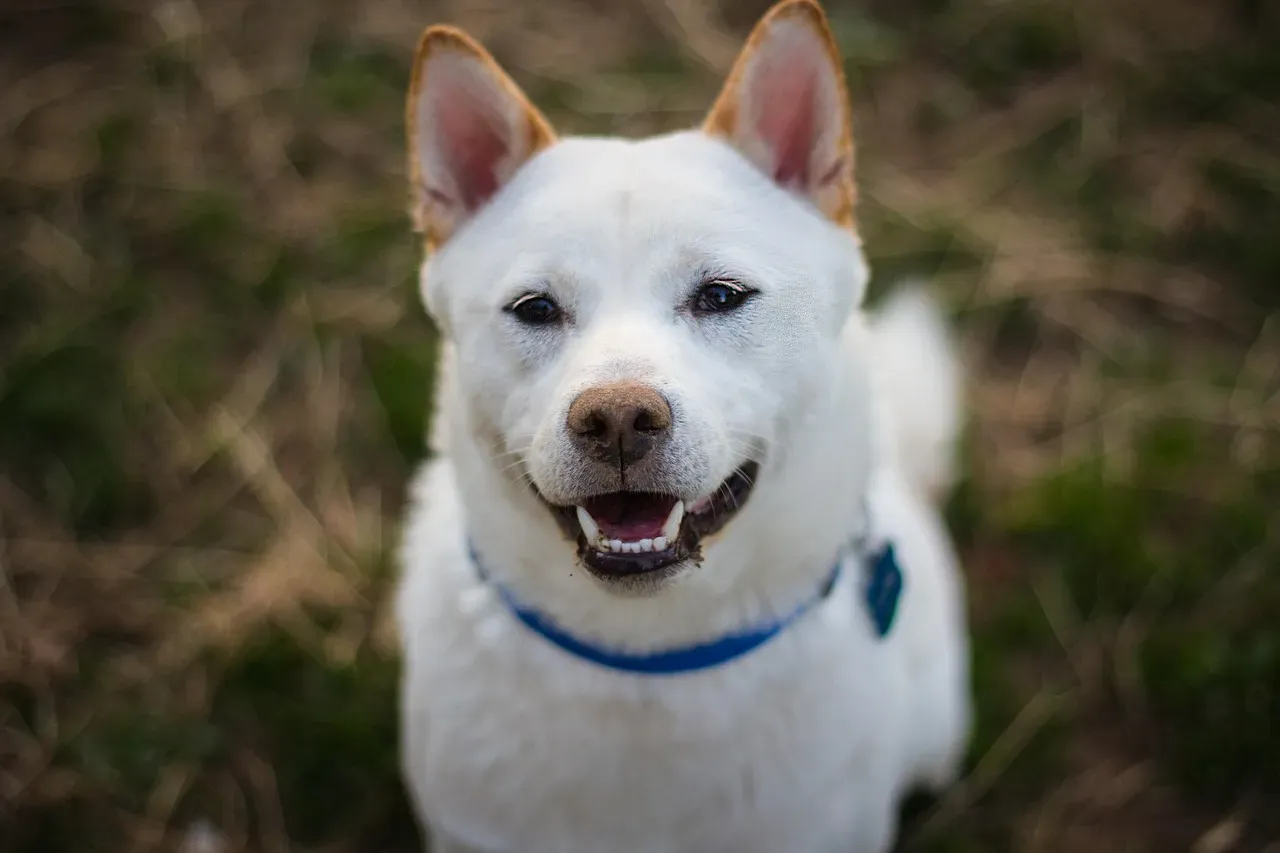
The American Kennel Club says that Shiba Inus are “practically born housebroken.” Shiba puppies like to make sure they do their business as far away from where they sleep as possible. Thus, even at a young age, they’ll try to hold their bladder overnight. Cleanliness comes naturally to these little dogs, which is why they’re often potty trained in record times.
The Shiba Inu is a highly intelligent dog breed that does typically housetrain easily because they do not like to soil their living space. They can be harder to train outside of bathroom breaks and are known to be more challenging for overall training, needing a lot of consistency and positive reinforcement. In other words, the potty training part comes naturally – but don’t assume that means everything else will too. Shiba Inus are intelligent and highly trainable, but because of their independent nature, training requires time, patience, and a positive approach.
16. Miniature Poodle: Intelligence That Works In Your Favor
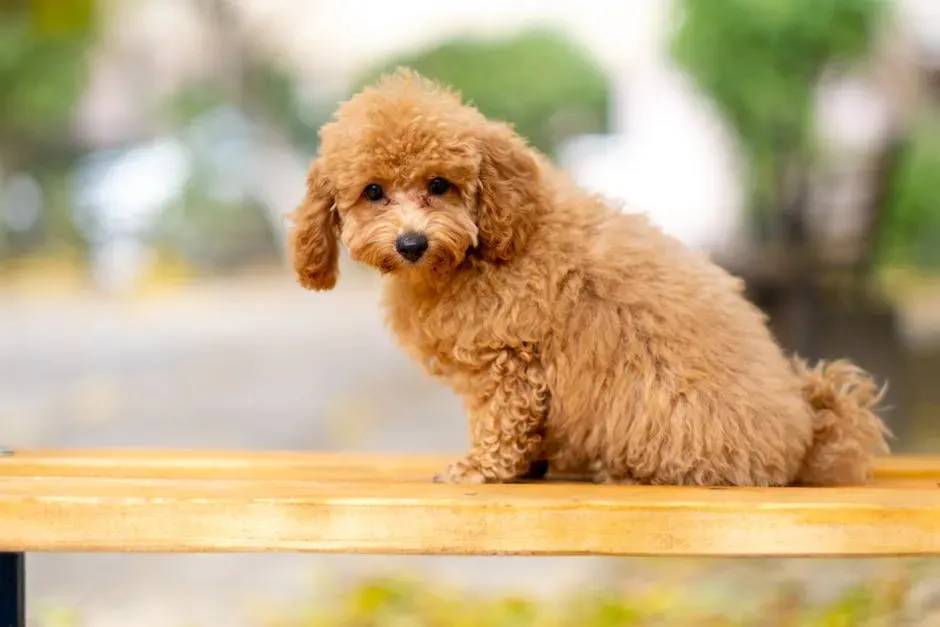
Both Toy and Miniature varieties of poodles are extremely intelligent and versatile dogs. They love to please their owners and respond quickly to commands, making them some of the easiest dogs to potty train. Poodles pick up on household routines quickly and adapt well to different training methods. They’re sensitive dogs who respond best to positive reinforcement rather than harsh corrections.
While Poodles learn quickly, they also tend to embrace new habits. Once they grasp that going outside means toilet time, they stick to it. The Miniature Poodle is an especially good fit for apartment living where schedules must be precise. Small dogs tend to have smaller bladders and faster metabolisms than larger breeds, so they have to go outside more often. As a result, it’s essential to take them out for bathroom breaks frequently – especially in the early stages of potty training. With a Miniature Poodle, that frequency is a small price to pay for a dog that genuinely wants to get it right.
—
A Few Things Every Dog Owner Should Know
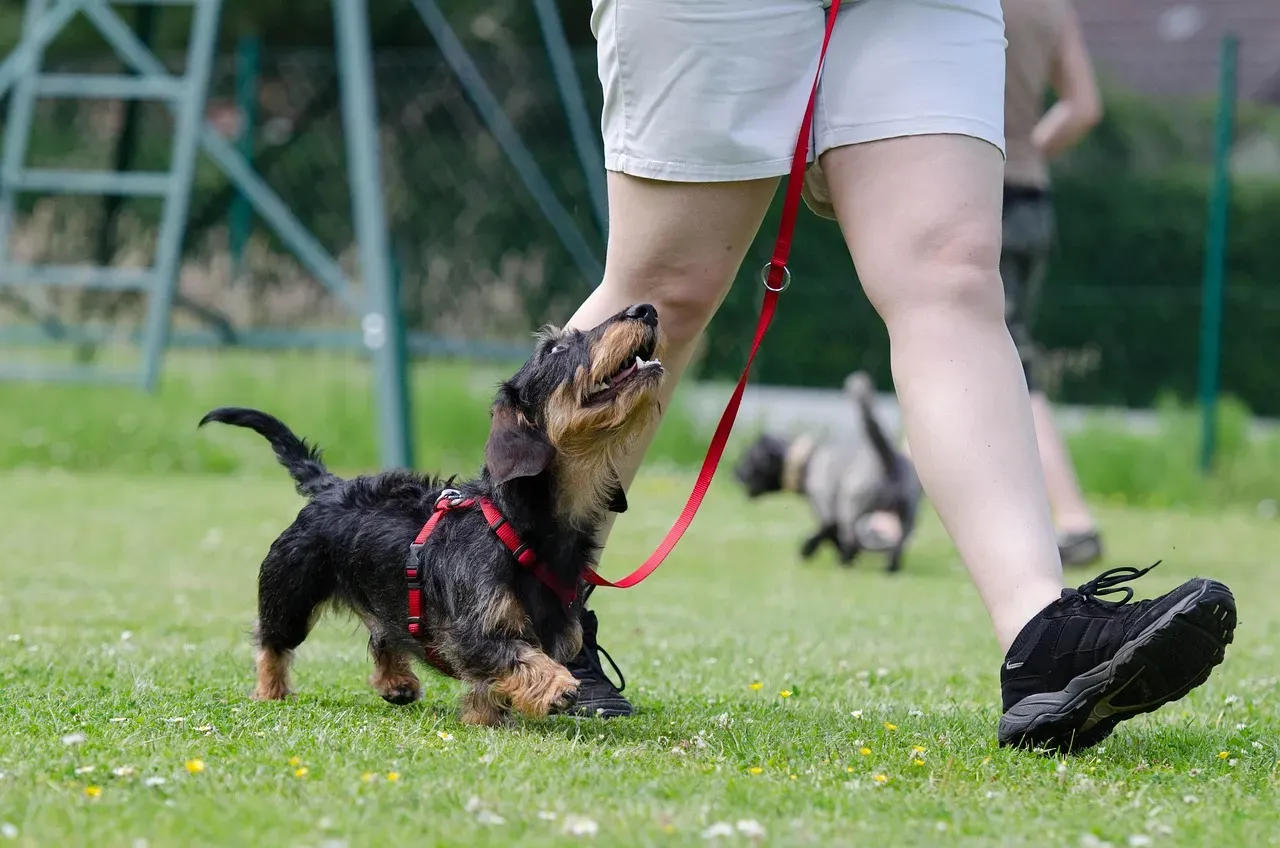
No matter which breed you have, a few truths apply universally. If you’ve been working consistently with your pup and still seeing accidents after several months, vet visits should be your first step to rule out medical problems. Persistent accidents in an otherwise well-trained dog can sometimes point to a urinary tract infection, bladder stones, or another treatable condition.
It depends on the dog and your consistency, but most small breed puppies can be reliably housebroken in 4 to 6 months. Some may need more time, especially if there are setbacks or inconsistent routines. Potty training has to do with the humans more than the dog. You need to be willing to put in the effort and consistency that training requires, especially if you have a puppy. Blame and frustration rarely move the needle – structure and patience almost always do.
Conclusion: The Breed Is a Starting Point, Not the Whole Story
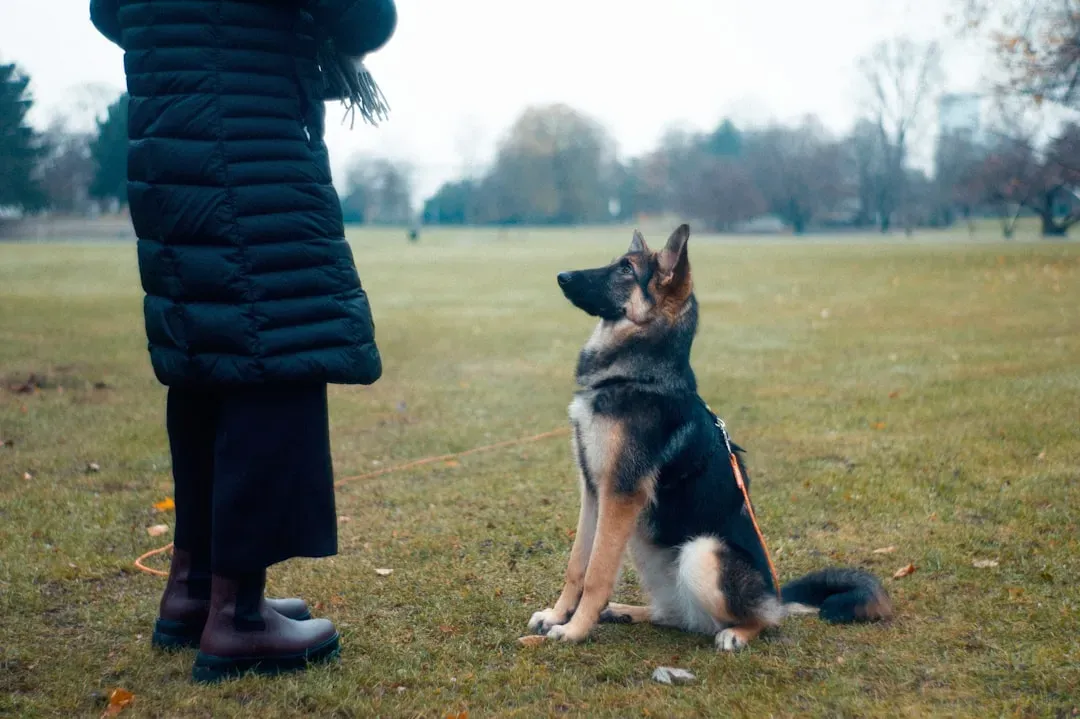
Whether you share your home with a Dachshund who seems genuinely offended by the concept of going outside, or a Miniature Schnauzer who practically trained themselves, the most important variable is always you. Two dogs of the same litter could have different attitudes when it comes to training. Sure, some breeds are known for their willingness to potty train, but it’s never a guarantee. Choose your dog based on their personality, not their breed stereotypes.
Whether you choose a schedule-based strategy or incorporate a rewards-based system, consistency is key. That means being diligent about taking your pup outside on a regular schedule and reinforcing good behavior through positive reinforcements like treats and praise. Regardless of which approach you opt for, it’s best to start training early and be prepared for some setbacks along the way.
Every dog, even the most headstrong among them, is doing the best they can with the information they have. Your job is simply to make the right choice the obvious one – and then celebrate every single time they get it right. The puddles won’t last forever. The bond you build along the way will.


