
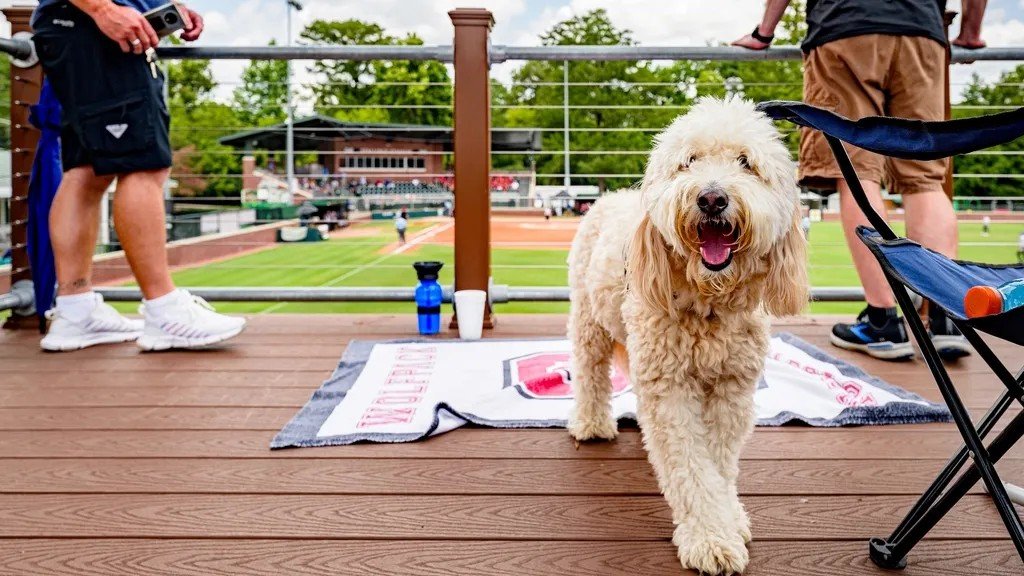
Walk through almost any neighborhood in New York City and you’ll notice something: dogs are everywhere. They ride the subway in bags, trot through Central Park, wait patiently outside bodegas, and sit in strollers in SoHo. One estimate puts the number of companion animals in New York City at over 1.1 million, including roughly 600,000 dogs. That’s a lot of paws for a city famous for tiny apartments and relentless noise.
What makes this city’s dog culture so fascinating is how deliberate it is. New Yorkers spend more on their furry companions than pet owners in almost any other state, and the breeds they choose tend to reflect both their living situations and their lifestyles. The city’s large number of apartments means that small dog breeds are more popular than large and extra-large breeds. So which dogs actually reign supreme on these city blocks? Here’s the definitive breakdown, with real care tips for each one.
1. French Bulldog: The Undisputed King of NYC
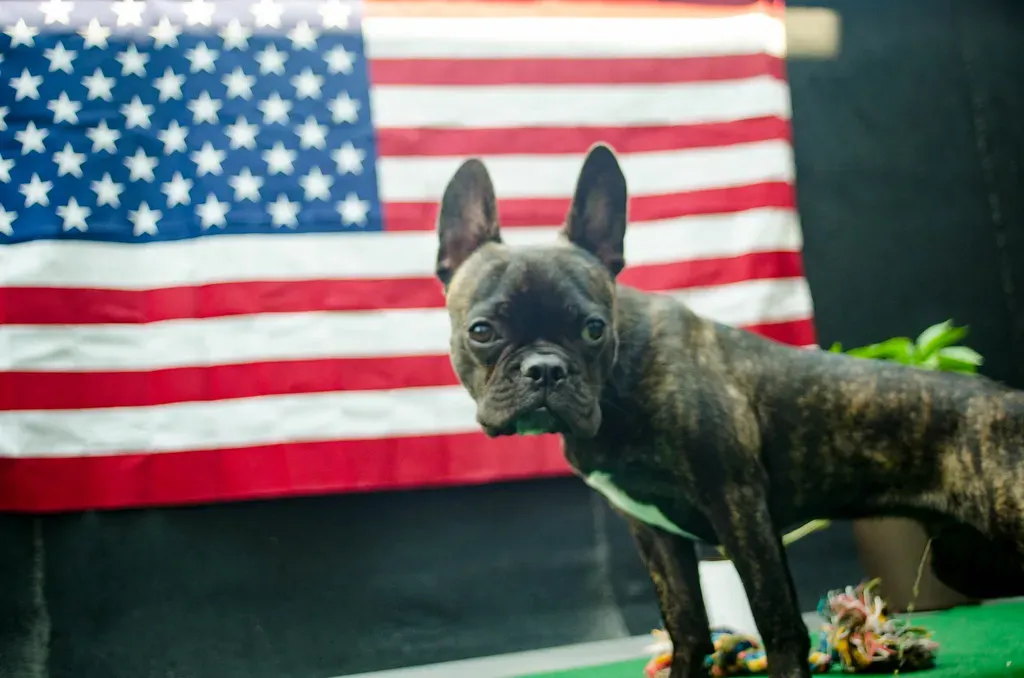
If there’s one breed that’s become synonymous with New York City dog ownership, it’s the French Bulldog. New Yorkers love the French Bulldog, and the American Kennel Club has recognized it as New York City’s most favorite breed for ten consecutive years. That kind of loyalty is rare, and it’s not hard to understand why.
Frenchies are considered especially suitable for city life because of their small stature, which explains why they have become so popular in New York City, where apartment living is common. They don’t need a backyard, they’re affectionate, and they’re generally quiet enough to keep neighbors happy.
The health side of owning a Frenchie is where things get serious, though. One study found that French Bulldogs are more likely to develop over 20 common health disorders compared with other dog breeds, and many of these health issues require surgery or chronic lifelong management. The most urgent concern is breathing. One of the most well-known French Bulldog health problems is Brachycephalic Obstructive Airway Syndrome (BOAS), a condition resulting from the breed’s short, flat skull shape that can cause significant difficulty breathing.
Prevention starts with awareness. French Bulldogs are predisposed to heatstroke, so it’s important to keep them inside on very hot and humid days. During NYC summers, this matters enormously. French Bulldogs should not be taken for excessively long walks; short walks of around 15 minutes at a time are ideal to keep their mind and body fit without exhausting them. Also keep their facial skin folds clean and dry regularly to prevent skin infections. Pet insurance is strongly worth considering for this breed given the potential for significant vet costs.
2. Yorkshire Terrier: The City’s Original Small Dog
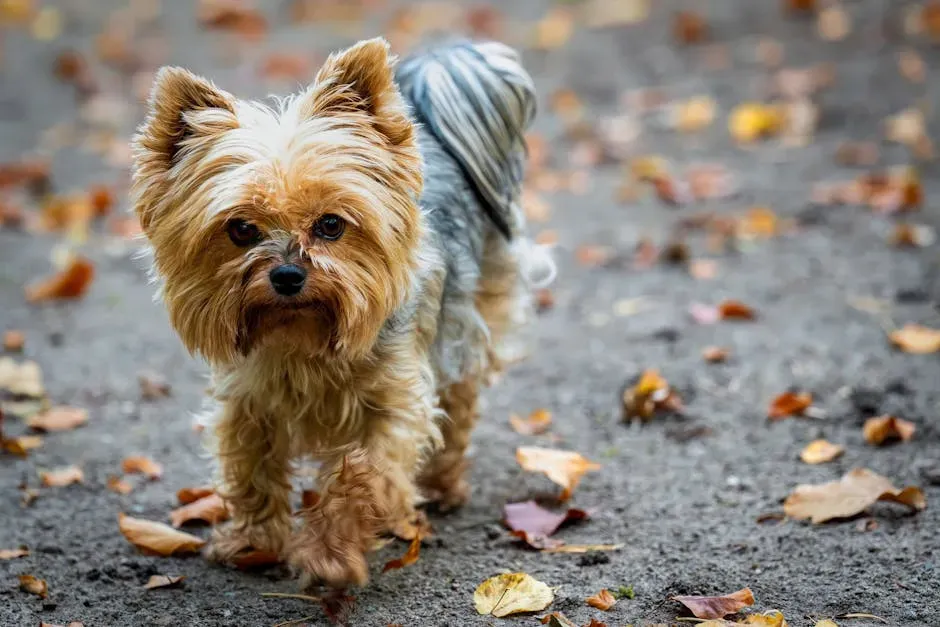
Long before Frenchies took over the AKC popularity charts, the Yorkie was already ruling NYC. There have been more than 40,000 Yorkshire Terriers licensed with New York City over the years, making Yorkies, after mixed breed, the most common type of dog registered with New York. These tiny dogs have a long, proud history in the boroughs.
Yorkshire Terriers are an often-recommended apartment breed due to their petite size, tipping the scales at just seven pounds. They’re alert, curious, and deeply devoted to their people. While Yorkshire Terriers are small in size, they have big personalities and enjoy spending quality time with their owners, and are naturally brave and inquisitive.
One thing to prepare for: Yorkies can be vocal. Like Dachshunds, Yorkies can be prone to barking, though their bark is a much more tolerable yap and therefore less likely to get you a noise complaint. Consistent training from puppyhood helps manage this. Potty training is the biggest issue with this breed, especially if you live in a high-floor walk-up; you might need to invest in pee pads for these petite pups and their even more petite bladders. Regular dental care is also critical, as all 42 dog teeth fitting into such a small mouth can cause crowding and plaque buildup. Schedule professional cleanings with your vet annually.
3. Poodle: The Brainy Beauty of the Boroughs
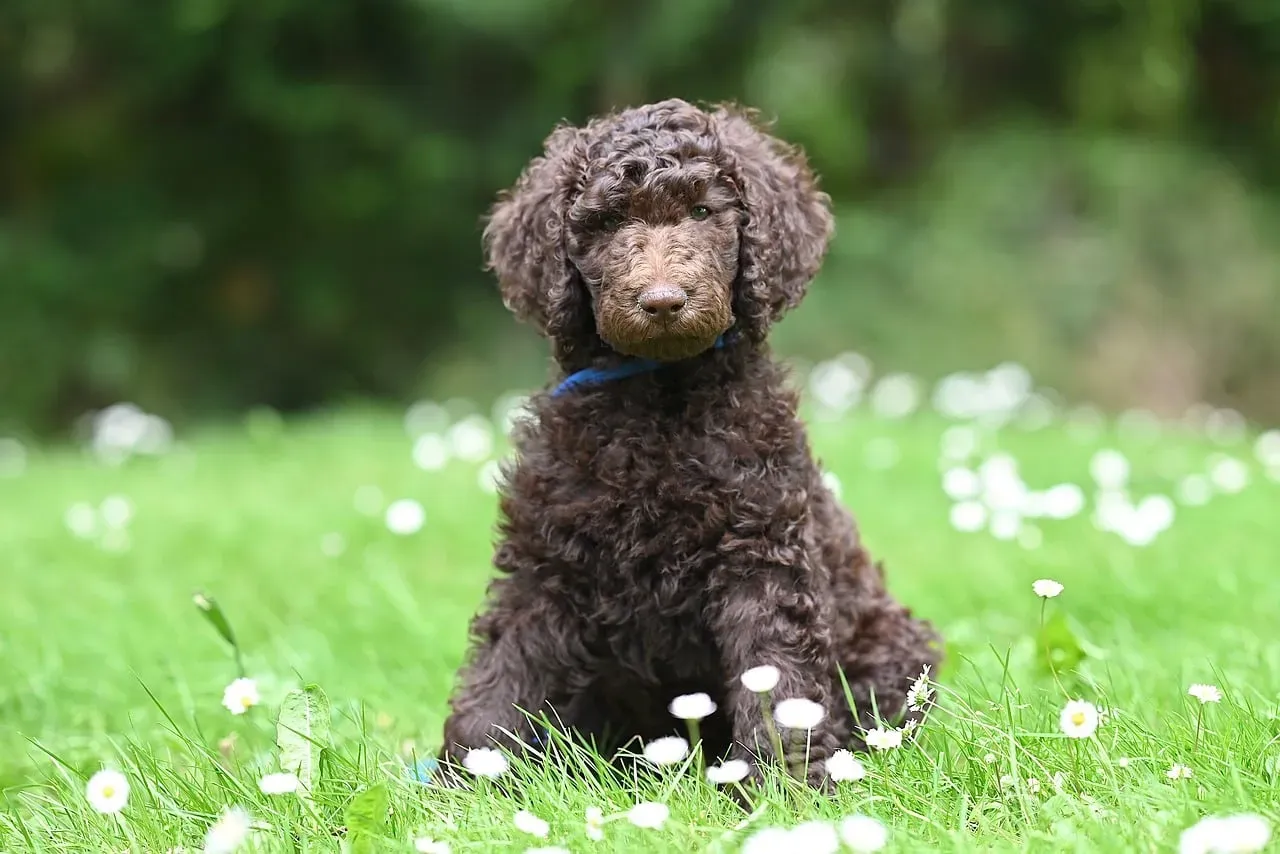
The Poodle earns a devoted following in NYC for several practical reasons. They’re smart, funny, and tend to be highly trainable, even when learning to pee on cement, and their low-shed coat also keeps your apartment cleaner. For allergy-sensitive New Yorkers living in close quarters, that second point alone is a game changer.
Poodles come in three sizes: Toy, Miniature, and Standard. The Toy and Miniature are small dogs that likely do very well in New York City apartments while the Standard is a large breed. All sizes share the same sharp mind. They are highly intelligent and are usually keen to please their owners, which means that training is easy, but it also means that owners need to provide a lot of physical activity and mental stimulation to prevent boredom and potentially unwanted behavior.
A bored Poodle will let you know about it, often through mischief. Puzzle toys, obedience training, and regular social time at a dog park are your best tools. With proper exercise and socialization, Poodles don’t need much living space to thrive; aim for 30 to 60 minutes of daily exercise. One of the biggest advantages of owning a Poodle is their hypoallergenic coat, which sheds very little and is less likely to cause allergic reactions. Their coats do require regular professional grooming though, typically every four to six weeks, so factor that into your budget.
4. Golden Retriever: The Big-Hearted Crowd Pleaser
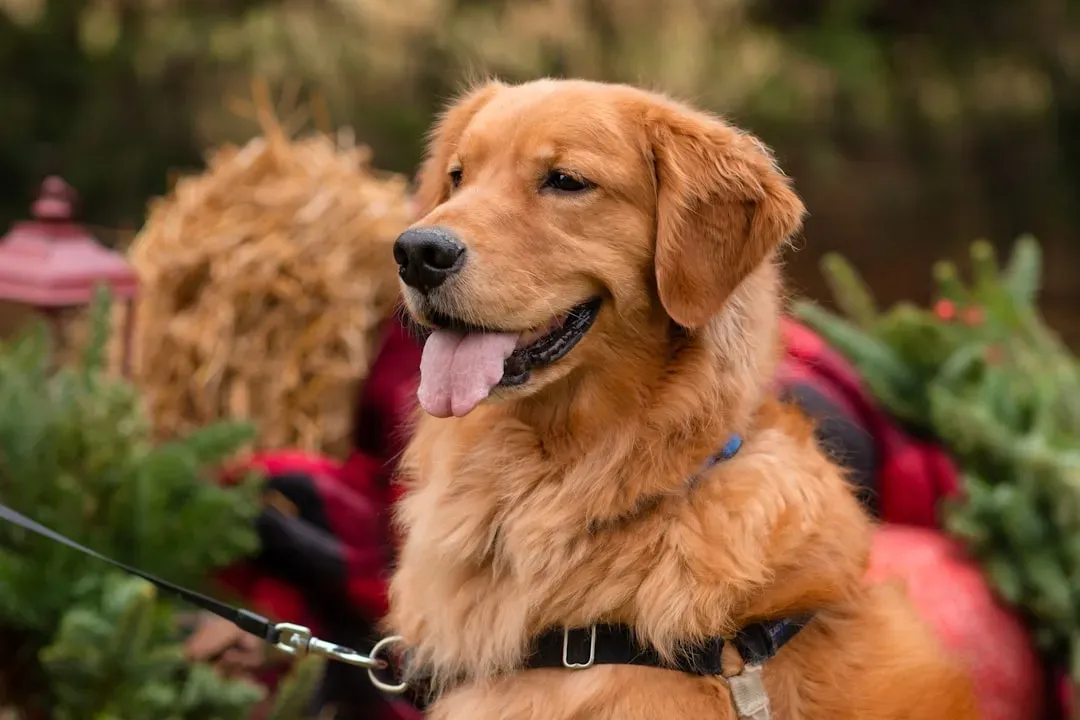
Golden Retrievers in New York City are a little like people who move here from the Midwest: warm, optimistic, and somehow perfectly at ease with the chaos. According to US News and World Report, which checked pet insurance industry data, the Golden Retriever is among the most popular breeds in New York. People love them fiercely, and for good reason.
Goldens are gentle, patient with strangers, excellent with kids, and genuinely joyful. They’re the dog who makes friends at every crosswalk. The trade-off in city living is space and exercise. They are energetic dogs that need plenty of exercise and do better in houses than in apartments. That means committed daily walks, regular trips to off-leash parks, and real enrichment at home.
Golden Retrievers have a thick, double-layered coat that sheds heavily, especially during shedding season, and require regular grooming to keep their coat clean and healthy. If you live in a studio, prepare for fur on everything. Health-wise, Goldens are prone to joint problems and certain cancers as they age, making annual vet checkups non-negotiable. Larger green spaces, such as Central Park and Prospect Park, even offer specific off-leash hours, and Prospect Park features a popular dog beach – those spaces are essential outlets for a Golden living in the city.
5. Goldendoodle: The Designer Dog Taking Over Dog Parks
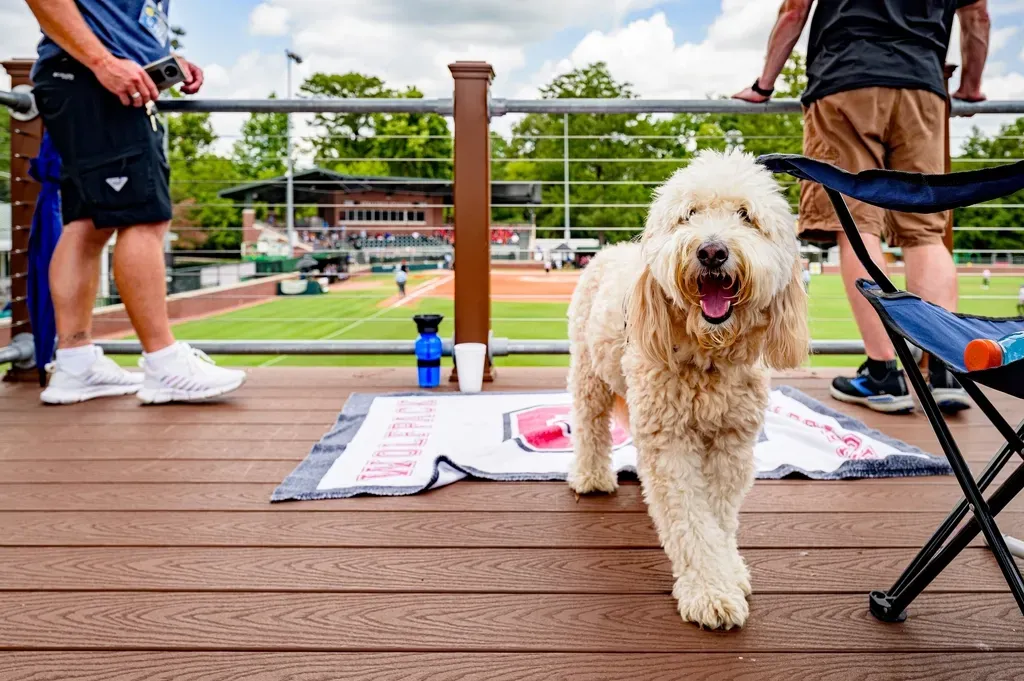
The Goldendoodle has become one of the most visible dogs in NYC neighborhoods, from the West Village to Williamsburg. According to pet insurance industry data cited by US News and World Report, the Goldendoodle is among the top popular breeds in New York. It’s a crossbreed that blends the Golden Retriever’s warmth with the Poodle’s intelligence and low-shedding coat, and the combination hits a sweet spot for city families.
The Goldendoodle first gained popularity in the 1990s, following in the Labradoodle’s pawsteps, and this designer dog breed mix has been extremely popular because of the desired traits of athleticism, intelligence, and obedience of both the Golden Retriever and the Poodle. Sizes vary widely, from petite mini Doodles to larger standard versions, so prospective owners should choose a size suited to their living space.
One important caution: the Goldendoodle’s popularity has led to a wide variation in quality among breeders. Always research your breeder carefully and ask about health testing for both parent breeds. Goldendoodles can inherit health tendencies from either parent line, including hip issues and ear infections. Their wavy coats require consistent brushing and professional grooming every six to eight weeks to prevent painful matting. Socialization early in puppyhood is also key, as these dogs are social creatures and do not do well with isolation.
6. Shih Tzu: The Royal Lap Dog Who Owns the Sidewalk
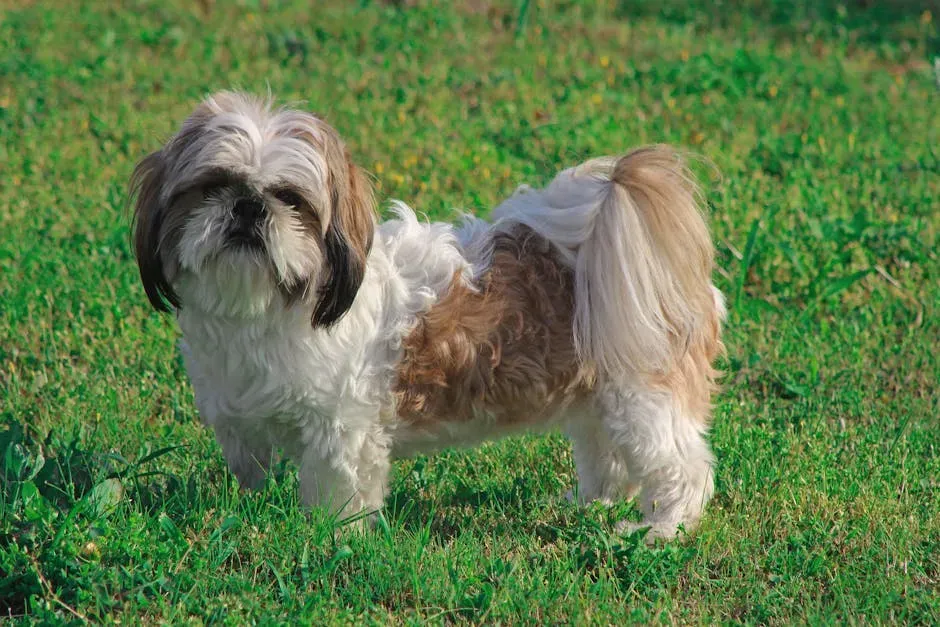
Few dogs wear the city’s energy with more effortless style than the Shih Tzu. With flowing hair and a regal strut, the Shih Tzu looks like they just stepped off a New York City runway, which is fitting for a pup originally bred to be a royal lap dog. Small dogs are popular across New York City, and the Shih Tzu consistently ranks in the top breeds across all boroughs.
Cuddly and affectionate, Shih Tzus are relatively low-energy, preferring to snuggle on the couch with their favorite person, but don’t take their low-key behavior for introversion – Shih Tzus love to explore and meet new people. As a small breed typically weighing between 9 and 16 pounds, Shih Tzus are easy to handle, with a size that makes them suitable for apartments, and they’re known for their friendly, affectionate, and outgoing nature.
Health-wise, their adorable flat face comes with some real responsibility. Because of their short muzzles, Shih Tzus are more susceptible to breathing problems including snoring, wheezing, and panting. Keep them cool in summer and avoid strenuous exercise in extreme heat. Their coat is actually low-shedding, making them ideal for owners who may be sensitive to dog hair or who prefer to keep their homes clean, but that silky coat still demands regular brushing and professional trims. Barking can be an issue if they’re left alone frequently, so mental stimulation and a structured routine go a long way.
7. Cavalier King Charles Spaniel: The Uptown Sweetheart
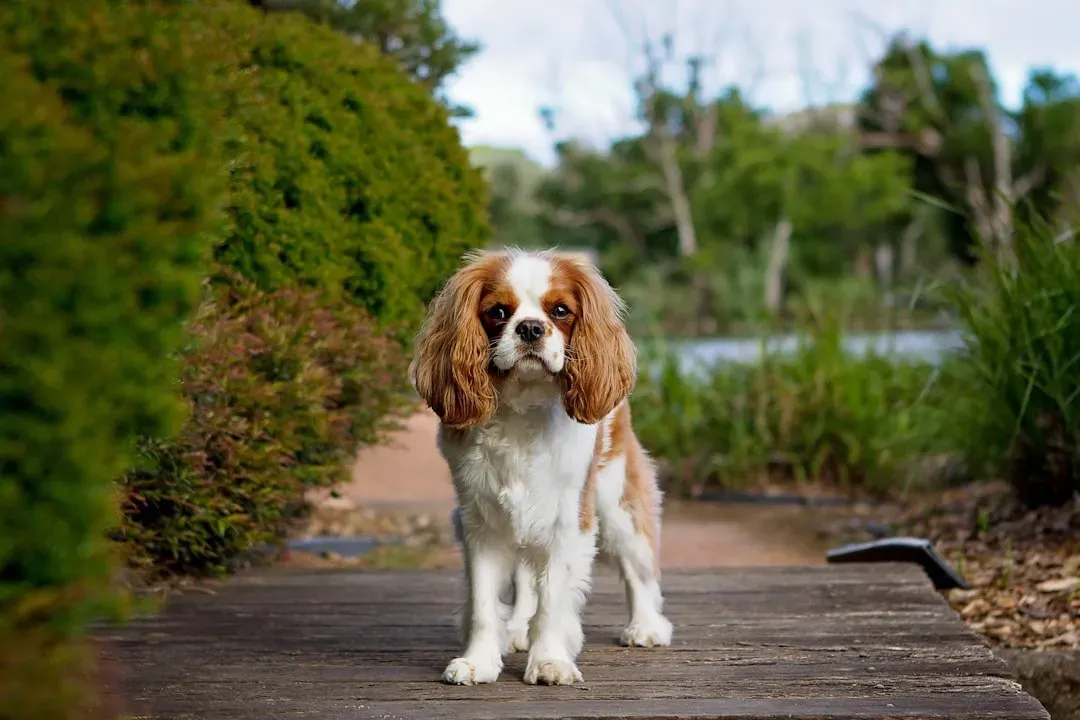
If the Frenchie rules the city broadly, the Cavalier King Charles Spaniel has carved out a devoted niche in its more upscale corridors. The Cavalier King Charles Spaniel is the most popular breed in neighborhoods like Tribeca and the Upper East Side. It’s a breed that radiates warmth and gentle confidence, and it fits beautifully into the rhythm of city living.
The Cavalier King Charles Spaniel is a loving and affectionate companion dog that got its name from British royalty in the 17th century. King Charles I and his son Charles II were so fond of this breed that they took their dogs with them everywhere, including Parliament. That history of close human companionship is baked into the breed’s DNA. Cavalier King Charles Spaniels need human interaction and companionship to thrive and should not be left alone for long periods of time.
If you work long hours in an office, plan ahead with a dog walker or doggy daycare. They have moderate exercise needs, so two 20 to 30-minute walks every day is enough for them, which fits naturally into a New York routine. Their silky ears and coat require consistent grooming to prevent tangling. Cavalier King Charles Spaniels have long, silky coats that require regular grooming to prevent matting, and they can also be prone to certain health issues like heart problems, so regular vet visits are important. Mitral valve disease is the most well-documented concern in the breed, and early cardiac screening with a veterinary cardiologist is genuinely worthwhile.
8. Chihuahua: Small Package, Big New York Energy
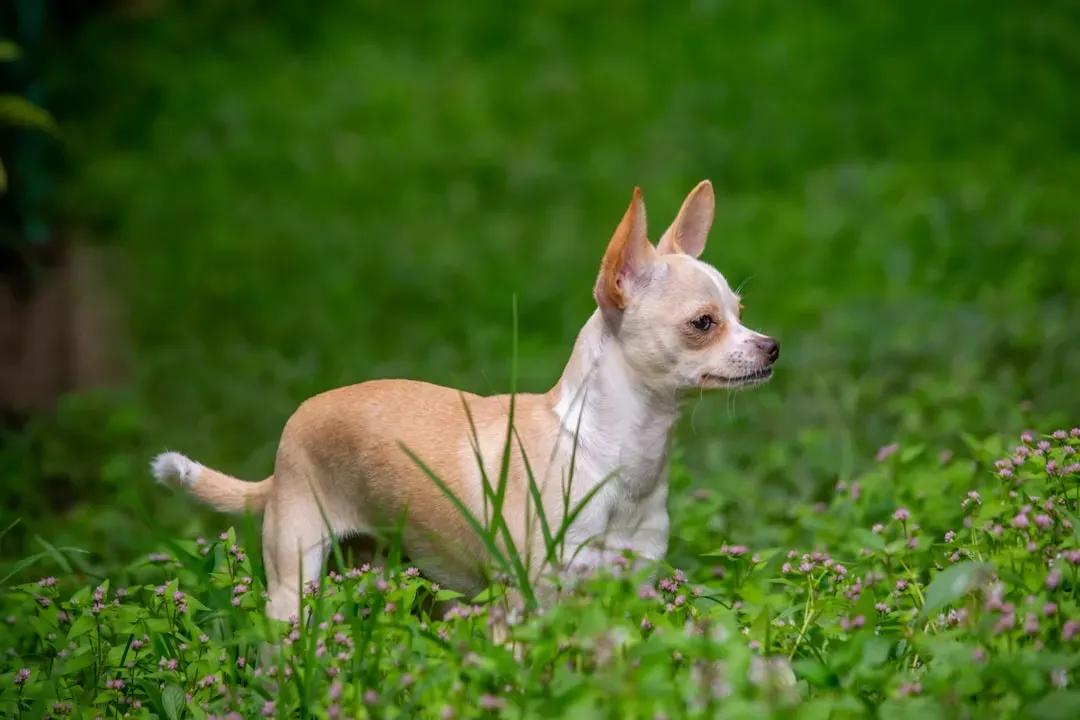
Chihuahuas have been part of NYC’s street-level fabric for decades, tucked into tote bags and trotting along sidewalks with the kind of bold confidence usually reserved for much larger animals. Small dogs are popular across New York City, and Chihuahuas consistently rank in the top breeds across all boroughs. They are the ultimate urban companion in terms of pure practicality.
Even though they’re small, Chihuahuas still need plenty of exercise time to get out their energy and are great companions to take with you on the go, and they crave attention and tend to form close bonds with their human parents. That bond is fierce and loyal in a way that surprises many first-time owners. They will follow you room to room and demand full involvement in your daily life.
Their small size does carry some vulnerability. Cold New York winters genuinely affect them, so investing in a well-fitted dog coat for the colder months is a practical necessity, not a fashion statement. To avoid conflicts with other pets, consider adopting a Chihuahua as your only pet and prepare yourself for plenty of barking, their favorite way to express themselves. Early socialization and consistent positive reinforcement training can soften that vocal edge significantly. Dental disease is also extremely common in small breeds with crowded mouths, so establish a brushing routine early and schedule professional cleanings annually with your vet.
9. Dachshund: The Curious Long Dog Who Navigates Everything
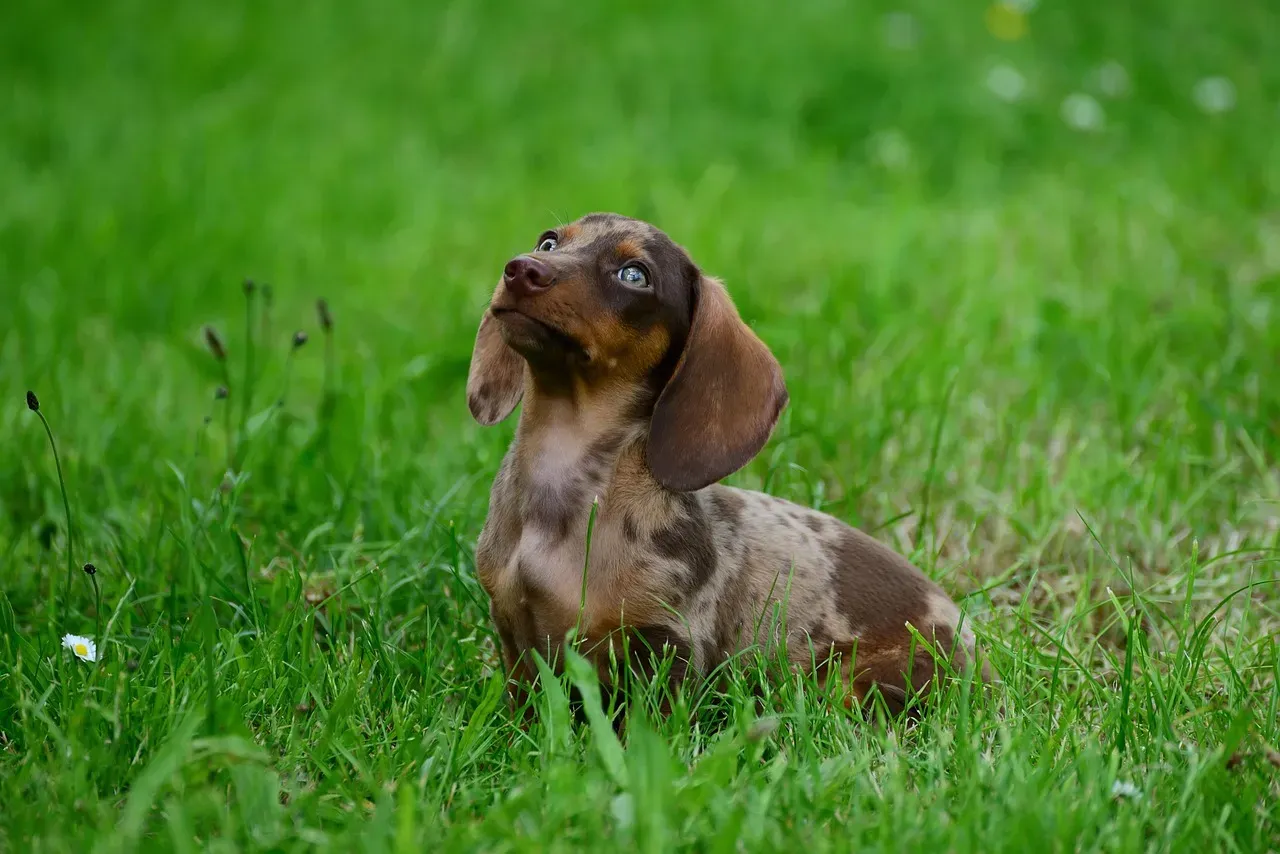
Dachshunds bring something genuinely distinctive to the NYC dog scene: a low-to-the-ground perspective, relentless curiosity, and a personality that punches well above its weight class. The Dachshund is among the most popular dog breeds for living in New York City, and longtime New Yorkers will recognize their long silhouette everywhere from the East Village to Park Slope.
Dachshunds, also known as “wiener dogs,” are small, adaptable dogs that do well in apartments. They are playful, curious, and don’t need a lot of exercise, although they do enjoy short daily walks, and they are also excellent watchdogs, often alerting their owners to any unusual activity. Their alert nature makes them wonderful companions for people who live alone.
Their most serious health vulnerability is the one their body shape creates. Dachshunds have long backs and are prone to back problems, especially if they jump from high surfaces, and care should be taken to avoid injury by limiting their jumping and providing proper support when lifting them. In a city full of staircases and high furniture, this is not a small consideration. Use ramps instead of stairs when possible, keep them at a healthy weight, and teach household members the correct way to hold and carry them. If your Dachshund ever shows signs of hind leg weakness or reluctance to move, get to a vet immediately, as spinal issues can escalate quickly.
10. Labrador Retriever: The Reliable Family Dog Making It Work Uptown

The Labrador Retriever may not be the trendiest choice for city living, but New Yorkers who love them are devoted in a way that goes beyond trend. The Labrador Retriever is among the most popular dog breeds for living in New York City, particularly in neighborhoods where families have access to outdoor space and parks. The Labrador Retriever is an intelligent breed that has found utility in a variety of service roles, used in search and rescue, as guide dogs, and originally bred as retrievers to fetch downed game birds for hunters.
Labs are genuinely good-natured dogs, patient with kids, easy to train, and reliable in social situations. They are energetic dogs that need plenty of exercise and do better in houses than in apartments, but they do well in events like agility and are considered a good breed even for novice owners, although Labrador Retrievers can suffer separation anxiety. A Lab in a tiny studio without adequate daily exercise will find ways to express its frustration, usually through your furniture.
For NYC Lab owners, a daily routine of at least two substantial walks plus regular off-leash time is really the minimum. Larger green spaces such as Central Park and Prospect Park offer specific off-leash hours, and Prospect Park even features a popular dog beach, which Labs absolutely adore. Watch for joint health as they age, particularly hip dysplasia, which is common in larger breeds. Keep them at a lean weight throughout their life, as extra weight accelerates joint wear significantly. Annual vet visits that include joint assessments will help you stay ahead of any issues.
What NYC Dog Ownership Really Teaches You

Owning a dog in New York City is, in some ways, more demanding than owning one anywhere else. The space is tighter, the costs are higher, and the logistical challenges are real. According to the NYC Economic Development Corporation, pet ownership generates more than $1.5 billion annually in economic activity, and the average NYC dog owner spends between $1,200 and $2,000 per year on their pet.
Still, what the dogs on this list prove is that it works. With the right breed match, a thoughtful routine, and genuine commitment to their health and happiness, dogs thrive here just as their owners do. New York may lag in overall pet ownership rates, but it leads the nation in how much care and attention owners provide. That says something.
Whatever breed you share your life with or are considering bringing home, the most important thing isn’t the breed ranking or the neighborhood trend. It’s knowing your dog’s specific needs and meeting them consistently, whether that means navigating a heat wave with a Frenchie, finding a dog walker for a Cavalier, or carving out off-leash time for a Lab who deserves to run. The city is loud and relentless, but so is the love between New Yorkers and their dogs. That part never changes.


