
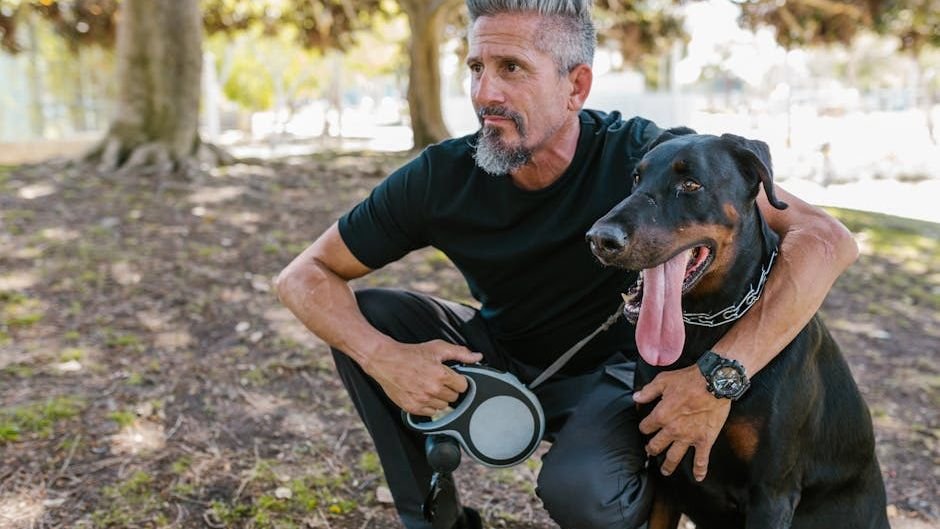
There’s a certain kind of person who looks at a sleek, alert, 70-pound Doberman and thinks, “Yes. That’s my dog.” Not out of bravado, not because they want to intimidate anyone, but because something about the breed speaks to who they genuinely are. People who don’t know Dobermans see the sharp gaze and the muscular frame and assume the worst. People who do know them see something else entirely: a deeply sensitive, fiercely loyal companion that mirrors the personality of whoever earns its trust.
The decision to bring a Doberman into your family isn’t made lightly. These aren’t dogs for the casual owner or weekend warrior. So if you’ve chosen this breed, or you’re seriously considering it, there’s a lot more going on beneath the surface than just a preference for a striking-looking dog. Your choice says something real and specific . Here’s what that looks like up close.
You Have a Quiet, Unshakeable Confidence
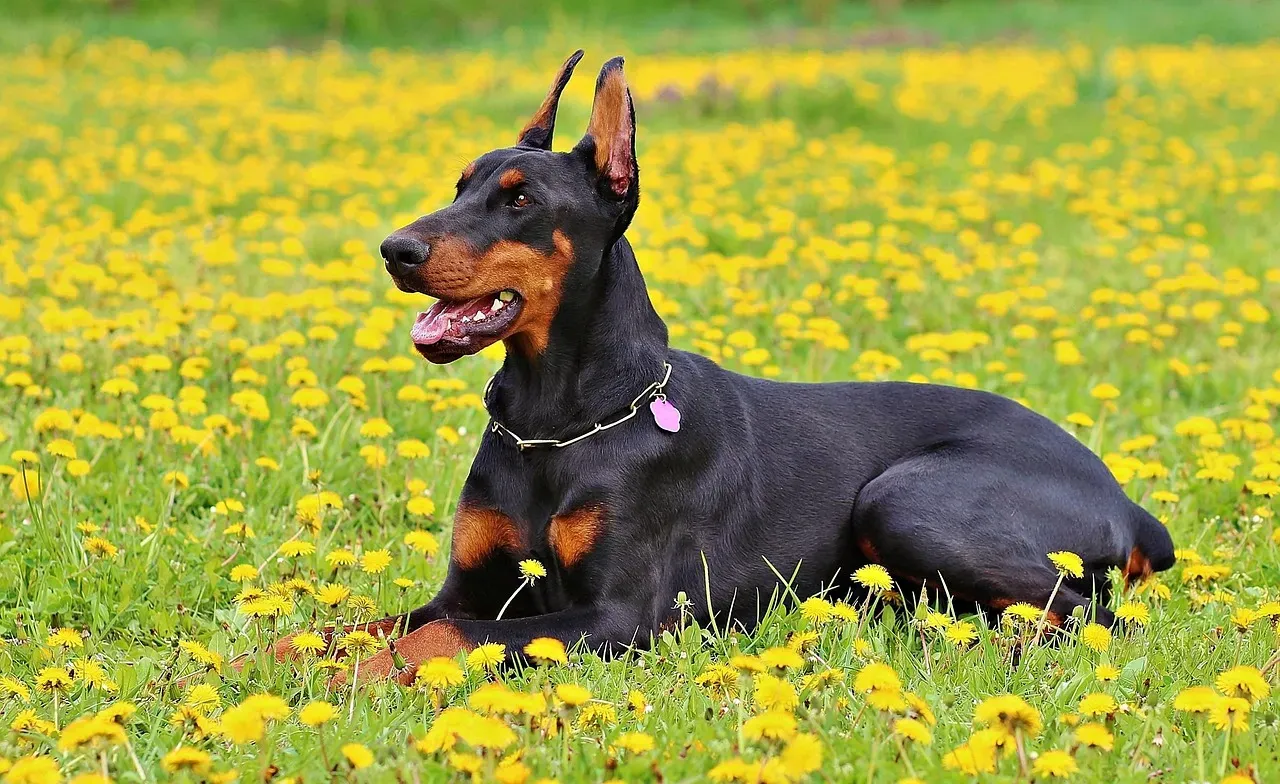
Dobermans are not dogs that respect hesitation. Doberman owners need to have fairly well developed leadership and training skills, because these are incredibly intelligent, sensitive animals who will pick up on fear or uncertainty in the blink of an eye and run with it as far as they can. If you waver, they notice. If you project calm authority, they settle right into their role beside you.
This doesn’t mean you need to be loud or domineering. It means you carry yourself with a kind of steady groundedness that your dog can actually feel. The Doberman personality is emotionally sensitive, and these dogs respond best to calm, confident leadership and positive reinforcement. Yelling or harsh corrections can damage trust and may worsen fear-based behaviors. People who own Dobermans long-term tend to understand this intuitively. They lead with consistency, not control, and there’s a meaningful difference between the two.
You Crave Deep, All-In Loyalty Over Casual Connection
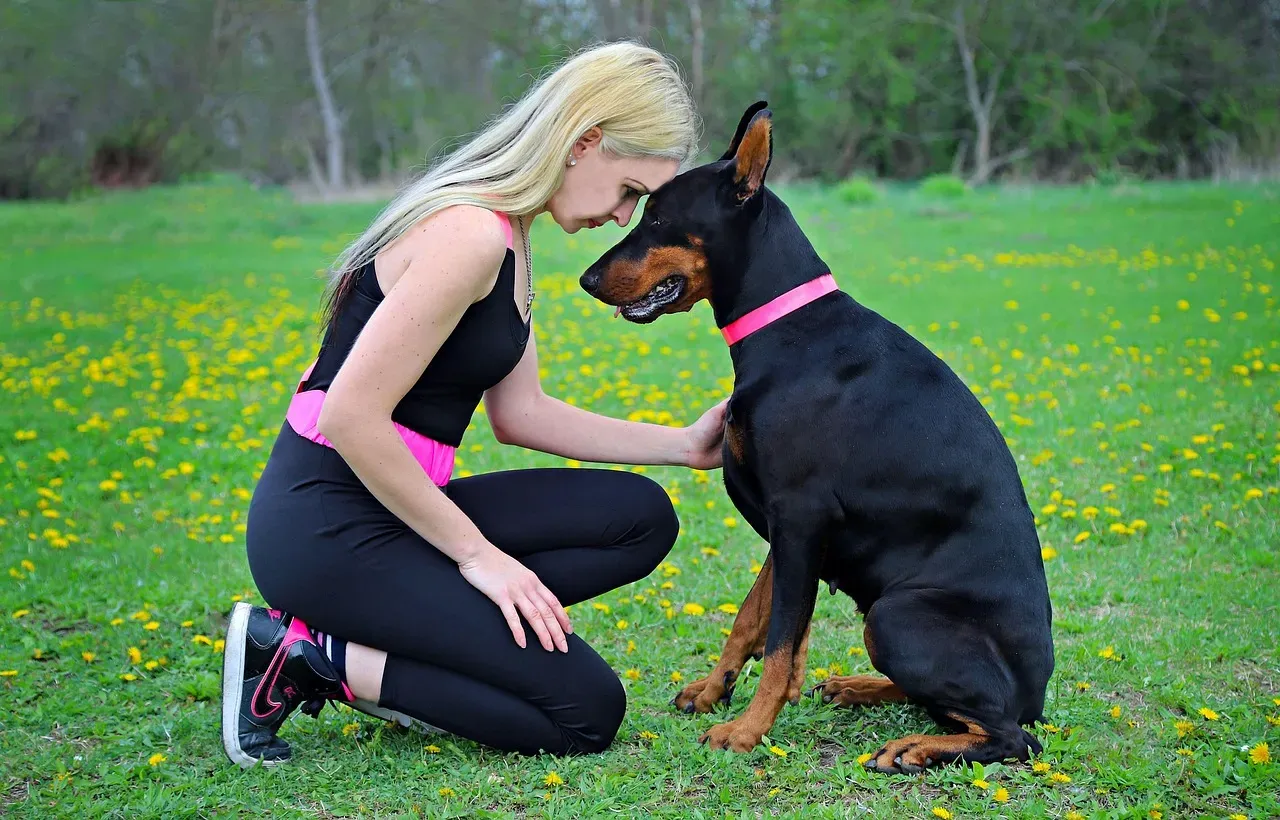
Dobermans can form particularly strong bonds with one person in the family, and your choice reveals someone who isn’t satisfied with surface-level relationships. You crave that intense, almost telepathic bond that Dobermans are famous for creating with their chosen person. This is not a breed that greets everyone with the same tail-wagging enthusiasm. A Doberman’s loyalty is earned, given fully, and rarely transferred lightly.
This loyalty can manifest as stunningly emotional connections, making Dobermans excellent emotional companions. Their sensitivity to human emotions means they often respond empathetically, acting as both protectors and comforting friends. If you’ve ever felt that most relationships in your life stay at the surface, the Doberman’s singular devotion can feel like a genuine relief. Dobes are often “velcro dogs” who love to be close to their owners and will follow them from room to room. Privacy in the bathroom is, by all accounts, officially a thing of the past.
You Value Genuine Intelligence and You Don’t Shy Away From Being Challenged
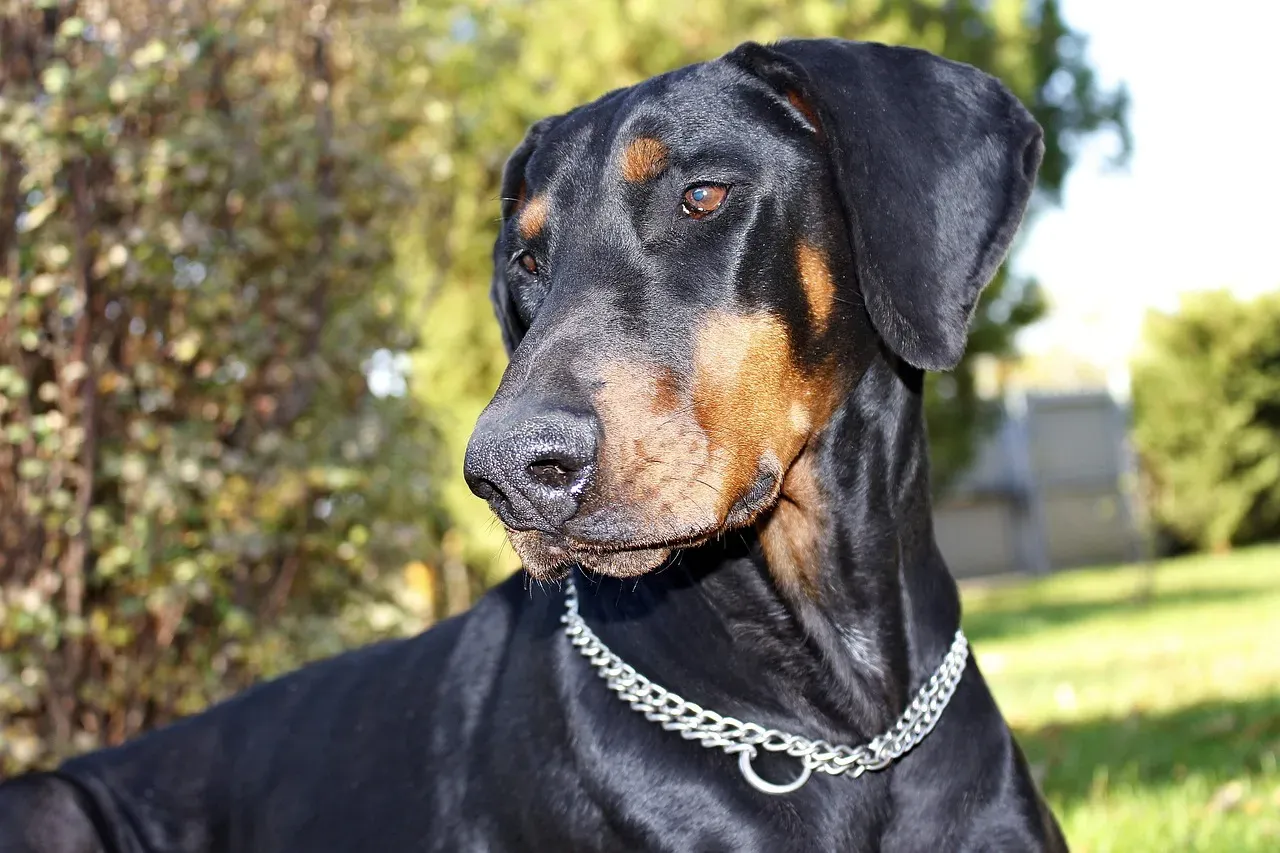
The Doberman Pinscher has been ranked among the most intelligent dog breeds in experimental studies and expert evaluations. Psychologist Stanley Coren ranks the Dobermann as the 5th most intelligent dog in the category of obedience command training. Living with a dog that smart is genuinely entertaining, sometimes humbling, and occasionally maddening in the best possible way. They don’t just obey, they think.
It’s very easy to teach them something but more difficult to perfect it. They like to add their own signature or touch to things, just to see how far they can push the envelope. If that dynamic appeals to you rather than frustrating you, it says a great deal. You’re someone who enjoys mental engagement, who finds a clever partner more interesting than a compliant one. Training sessions, puzzle toys, and varied activities help prevent boredom in a Doberman, and owners who genuinely enjoy that challenge tend to be curious, adaptable people who don’t want life to be too simple.
You Take Protection Seriously Without Being Paranoid About It
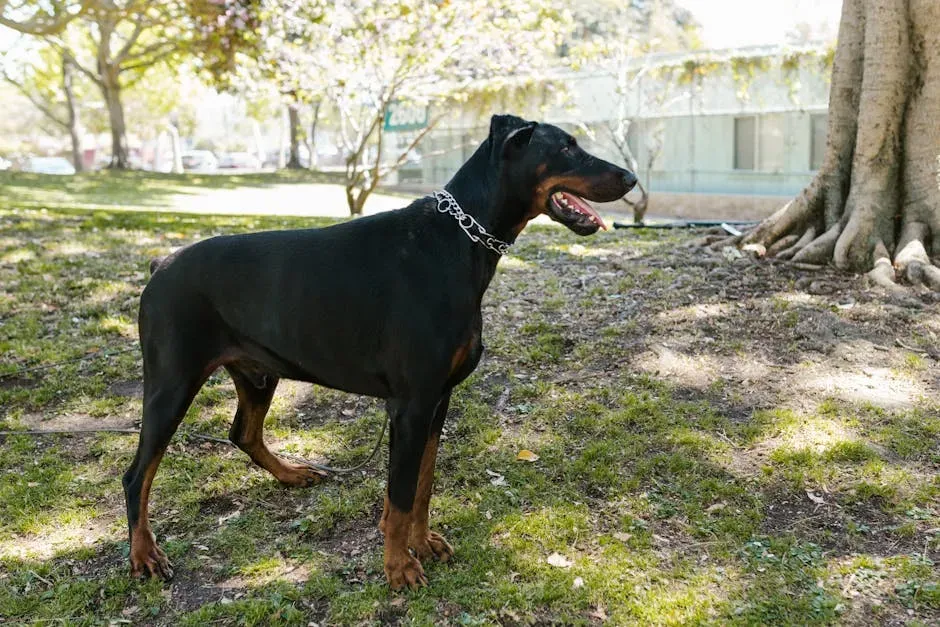
Dobermans are primarily companion and house dogs that are hardwired to be protective of their people, more like a personal bodyguard than a property watchdog. This distinction matters. Doberman owners aren’t typically people who live in fear. They’re people who believe in being prepared, aware, and present. There’s a practical, grounded quality to that worldview. This doesn’t mean you’re paranoid or fearful. It means you’re practical and prepared.
No special guard training is needed for anyone who wants a good family protector. In fact, Doberman Pinscher experts often advise against special guard training, which could result in over-guarding and aggression. Responsible Doberman owners understand this clearly. They want a dog that can read a room, assess a real threat, and make smart decisions, not one that’s been pushed into a state of constant vigilance. Research has found that the Doberman Pinscher ranks relatively high on stranger-directed caution but extremely low on owner-directed aggression, which tells you a lot about the kind of focused loyalty the breed is actually built around.
You’re Committed for the Long Haul and You Mean It
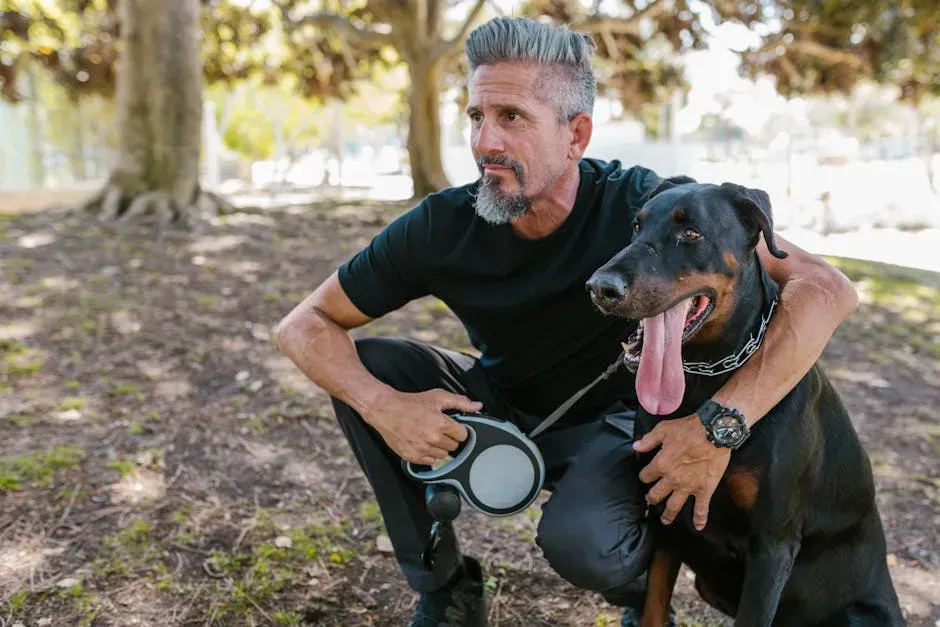
Dobermans require a higher level of owner commitment than many other breeds. There has to be a commitment to training, to exercising, to being a leader, and a strong commitment to the idea of never going to the bathroom by yourself ever again. That’s not a burden for the right kind of owner. It’s just the reality of the relationship, and people who choose Dobermans tend to be honest enough with themselves to recognize it upfront.
Dobermans need a lot of physical and mental exercise to be content. If you’re going to get a working breed, don’t expect it to be a couch potato, because it isn’t. Dobermans are happiest when they have a job to do and excel in police work, military service, search and rescue, and competitive canine sports. Owning one long-term requires consistency across years, not just enthusiasm in the first few months. People who make that commitment without flinching tend to be the same people who show up, keep their word, and finish what they start in every other area of life too.
Conclusion
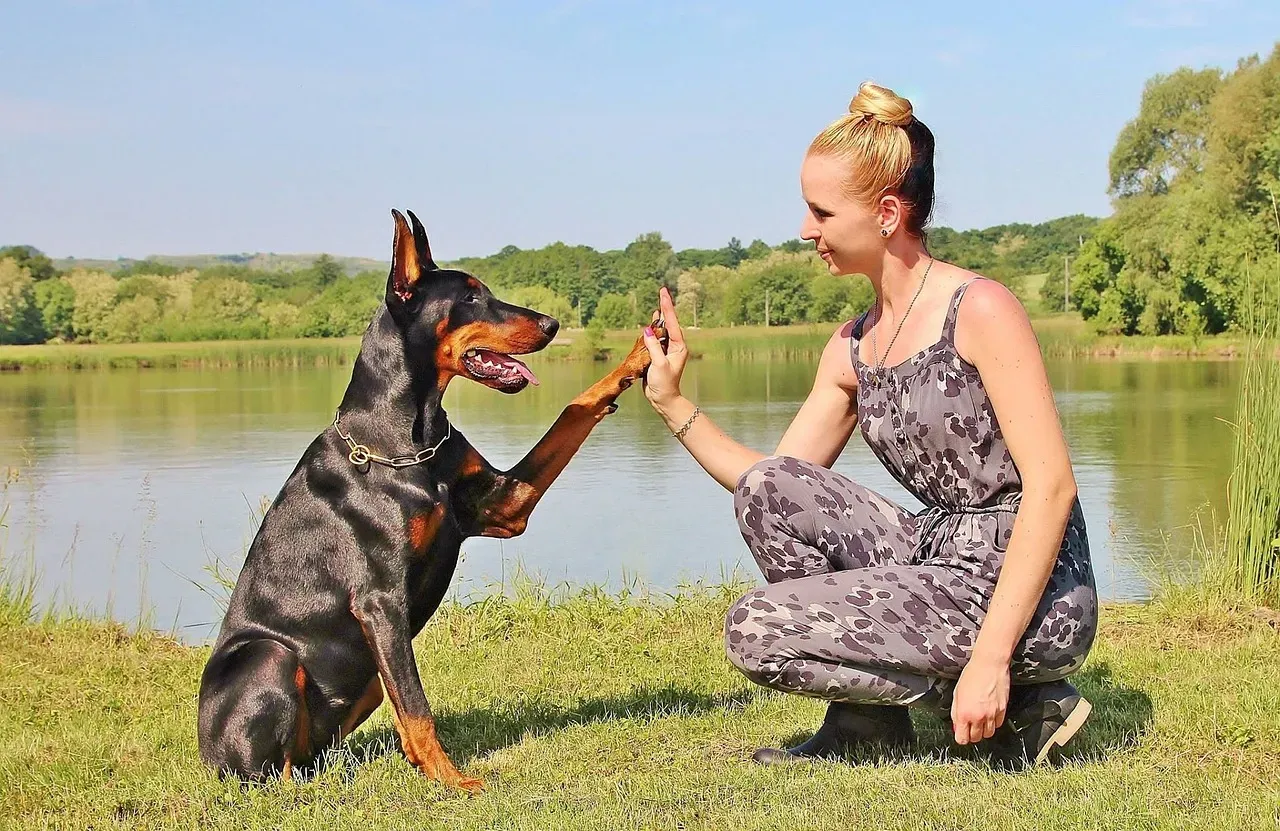
Owning a Doberman is, in its own quiet way, a character test. The uneducated public still harbors a pronounced fear of the Doberman, and yet they are an excellent choice for a companion in the home. They are not naturally aggressive. They are highly sensitive, social creatures who enjoy the company of people and other animals. The owners who understand that tend to share those same qualities: often misread, far softer than they look, and deeply loyal to the people they care about.
A Dobe is hard to forget. They are like a member of the family who is suddenly gone. They gave you everything, asked for very little, and loved you at all times, even when you scolded them. That kind of relationship doesn’t just happen. It’s built, day by day, through patience, presence, and genuine respect. The fact that you’re willing to do that work doesn’t just say something about the kind of dog owner you are. It says something about the kind of person you are.


