
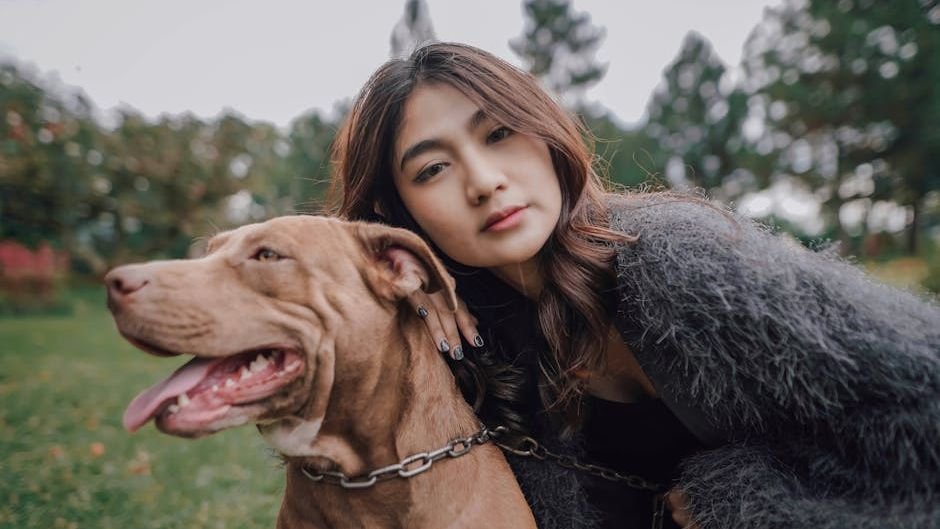
There’s a moment every pit bull owner eventually experiences. You’re sitting quietly on the couch, or maybe you’re cooking dinner, and you feel it: a warm, solid weight pressing against your leg. You look down and there’s your pit bull, leaning into you with that undeniable calm, completely at ease. No drama, no performance. Just a dog choosing to be close to you.
Pit bulls are among the most misunderstood breeds in the world. They’re often misjudged due to myths and misconceptions about their behavior, primarily focusing on their strength and physical appearance. The reality is quite different. Many pit bulls were specifically bred for work and companionship, and these dogs have long been popular family pets, noted for their gentleness, affection, and loyalty. When a pit bull bonds with you, they go all in. Understanding how they communicate that bond is one of the most rewarding things you can do as an owner.
They Give You the Soft Gaze
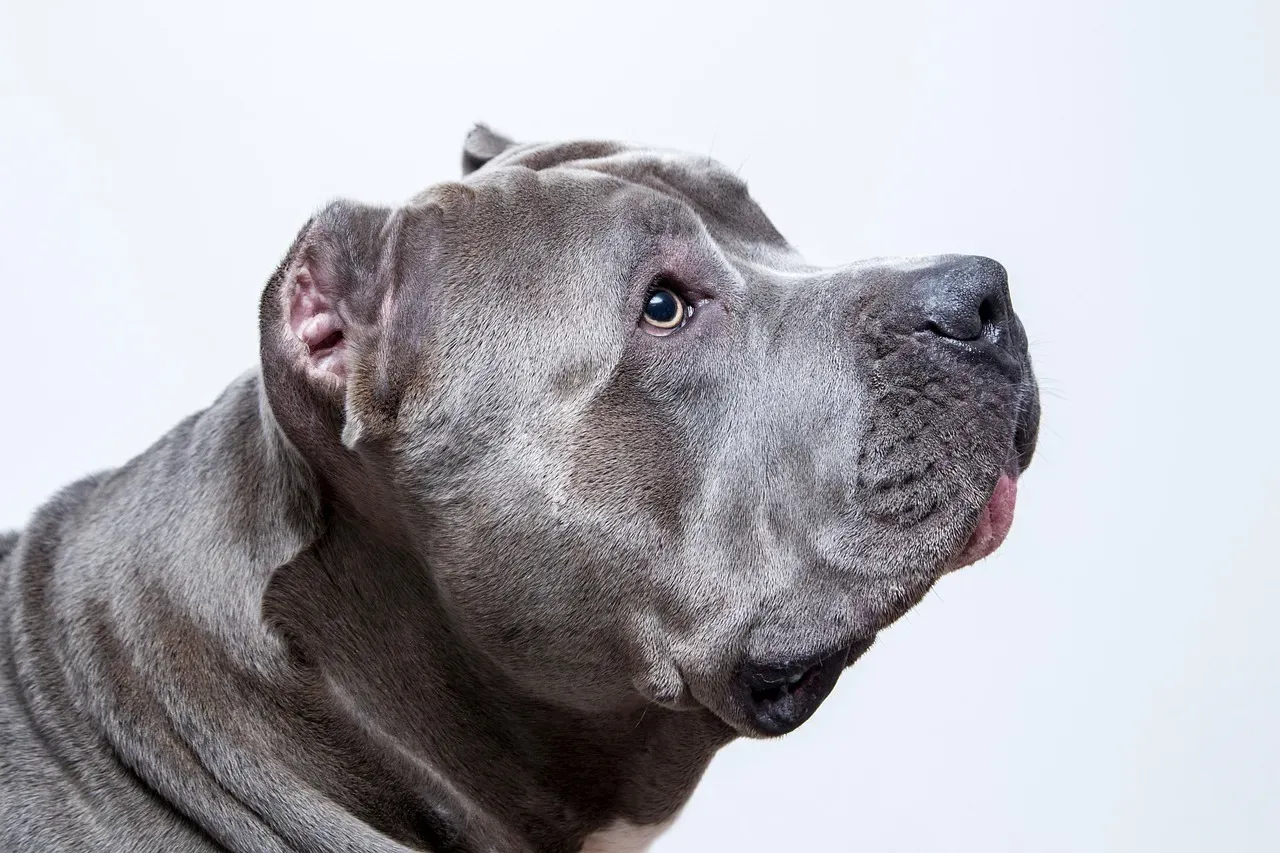
If your pit bull looks at you with relaxed, blinking eyes and a calm body, that’s not just a stare. That’s love made visible. When your pit bull looks into your eyes with an intense and soft gaze, it’s a sure sign of affection. It’s not just a casual glance. Research has shown that mutual gazing between humans and their dogs releases oxytocin, a hormone associated with bonding and affection, in both parties.
At the heart of the dog-human bond lies oxytocin, often called the “love hormone.” Research published in the journal Science revealed that when dogs and their owners gaze into each other’s eyes, both experience a surge in oxytocin levels. This is the same hormone released when a mother looks at her baby, creating feelings of trust, attachment, and love.
Not every stare is loving. In certain contexts, eye contact can be a challenge or a warning. This doesn’t mean your pit bull is “mean” or “dangerous,” but rather that they’re communicating discomfort. A prolonged, unblinking stare with wide eyes is often a warning sign. It can signal that your dog is guarding a resource or feeling threatened. Always read the whole body. A bonded gaze is soft, relaxed, and usually comes with a loose, wiggly body.
They Follow You From Room to Room
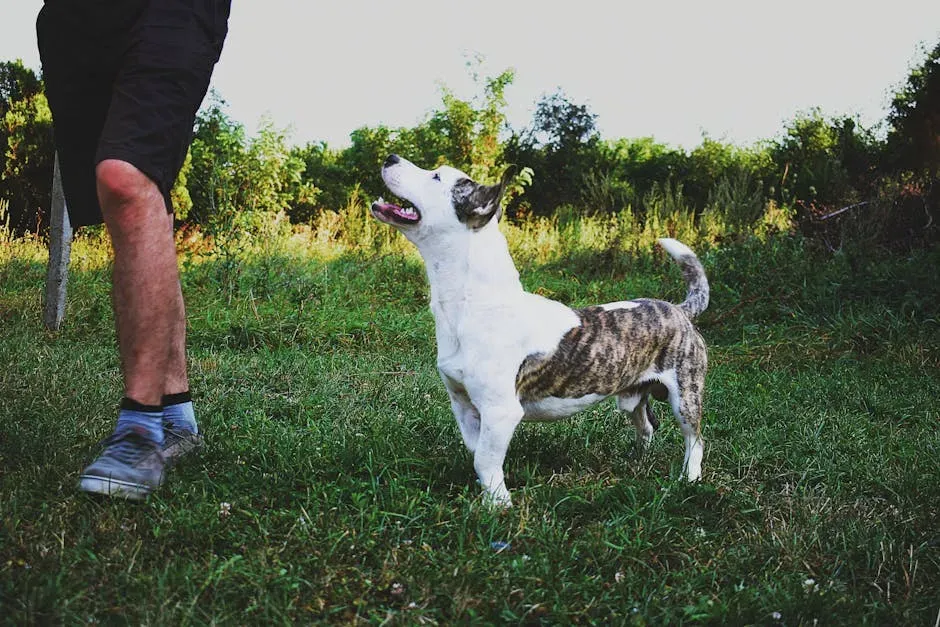
Pit bulls frequently follow their owners around the house, even without being asked, signaling that your pup loves you and wants to be near you at all times. This shadowing behavior is rooted in their pack mentality and strong desire for companionship.
Pit bulls often follow their owners around the house, even when they’re not being asked to do so. This is a sign that your pup loves you and wants to be near you at all times. If your pup follows you from room to room, it means they want to stay close and feel secure in your presence.
Still, there’s a healthy version of this and a not-so-healthy one. While having a clingy pit bull can be cute and endearing, it can also become problematic if it develops into separation anxiety. Separation anxiety is a common issue that affects many dogs, and it occurs when dogs become overly attached and cannot tolerate being alone. This can cause them to become destructive or anxious when their owners are not around. Balanced exercise, mental enrichment, and teaching your dog to settle independently can prevent this from becoming a stressor for both of you.
They Lean Their Body Weight Into You
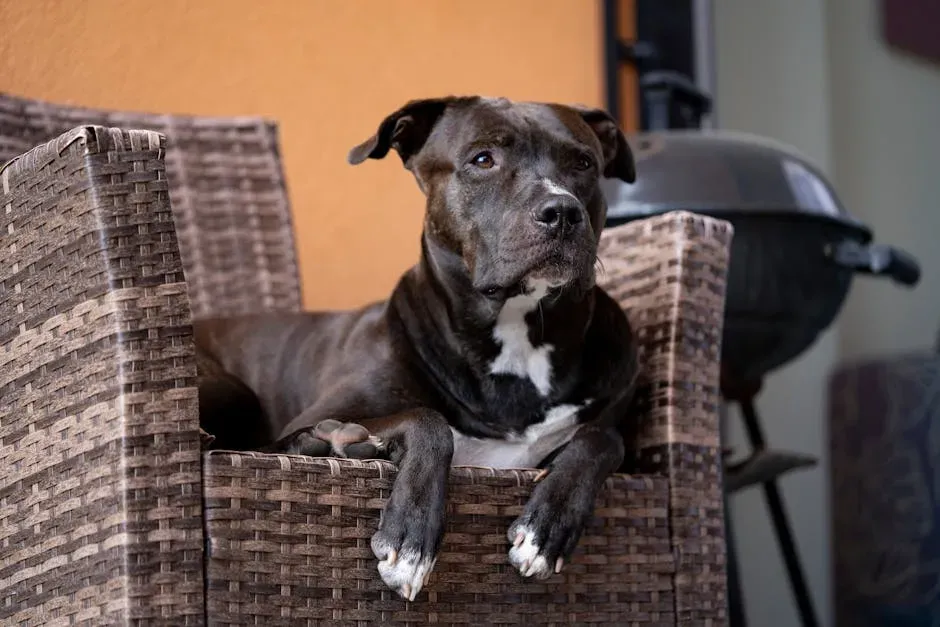
That solid lean isn’t accidental. Leaning against people is a way that dogs express their feelings of comfort and security when around those they care about. Your pit bull may lean into you while sitting or lying down next to you, or even put its head on your lap as a sign of trust. This behavior indicates how much your pup values having physical contact with its owner.
If your pit bull often leans against you or rests their head on your lap, it’s a sign that they feel safe and comfortable around you. This behavior shows that they seek comfort and reassurance, viewing you as their haven.
Physical closeness is a significant indicator of affection in dogs, and pit bulls are no exception. If your pit bull often leans against you or rests their head on your lap, it’s a sign that they feel safe and comfortable around you. This behavior shows that they seek comfort and reassurance, viewing you as their haven. The physical touch reinforces the bond between you and your dog, making them feel secure and loved. Leaning is actually one of the clearest, most grounded signals of trust a dog can offer.
They Expose Their Belly to You
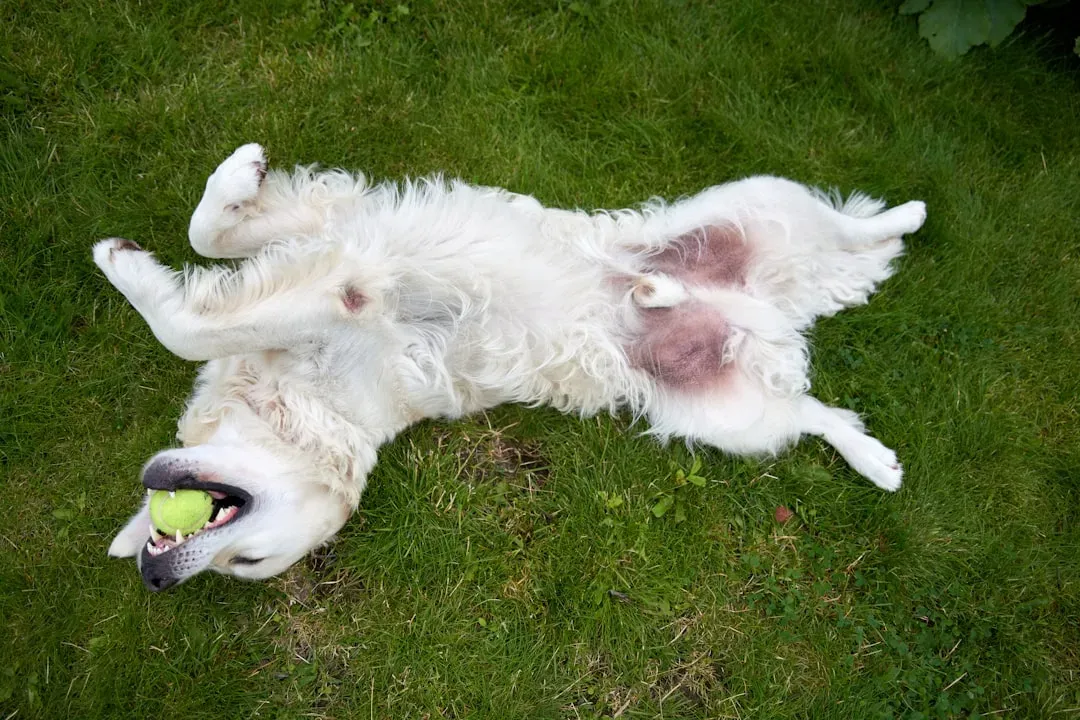
A dog’s belly is one of its most vulnerable areas. When a pit bull frequently lies down in front of you and exposes its belly, even allowing you to rub it, it signifies trust and affection. This action demonstrates a profound level of confidence in you.
Think about what it takes for a dog to feel comfortable going completely belly-up. They’re exposing organs they’d normally protect. When a bonded pit bull rolls over and looks at you expectantly, they’re essentially handing you their full trust. It’s one of the most unambiguous gestures in canine communication.
Enjoy those belly rub requests. Respond warmly and consistently, and you’re reinforcing exactly the kind of trust and emotional safety your dog needs. A dog who feels safe enough to be vulnerable with you is a dog who has genuinely bonded.
They Greet You Like You’ve Been Gone a Year
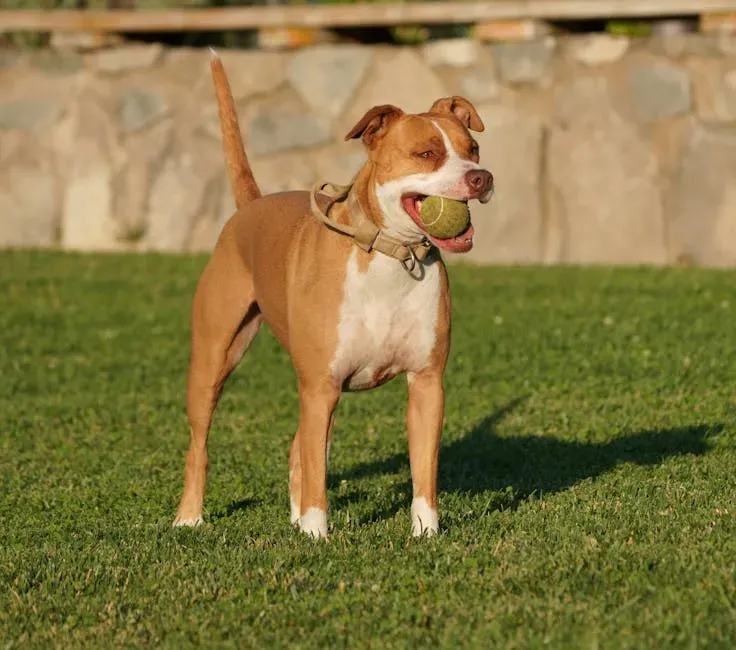
When you come home, your pit bull’s reaction can tell much about their feelings for you. If they greet you with wagging tails, excited barks, and perhaps even a few jumps, it’s a clear sign that they’ve missed you and are thrilled to see you. This enthusiastic greeting shows they’ve been anticipating your return and are eager to spend time with you. Their happiness at your arrival strongly indicates that you are their favorite person.
A tail wag is a classic sign of a happy dog. If your pit bull’s tail starts wagging uncontrollably when they see you, it’s a definite sign of love and affection. This is their way of showing friendliness and wanting to get closer to you, showing they are happy to be with you.
If you’ve ever had a long day and walked through the door to a pit bull losing their mind with joy, you know there’s nothing quite like it. That reaction doesn’t lie. It’s consistent, it’s enthusiastic, and it’s entirely about you. Worth noting: if your dog is jumping excessively, gentle training can redirect the energy without dimming the warmth behind it.
They Climb Into Your Lap (Despite Being Enormous)
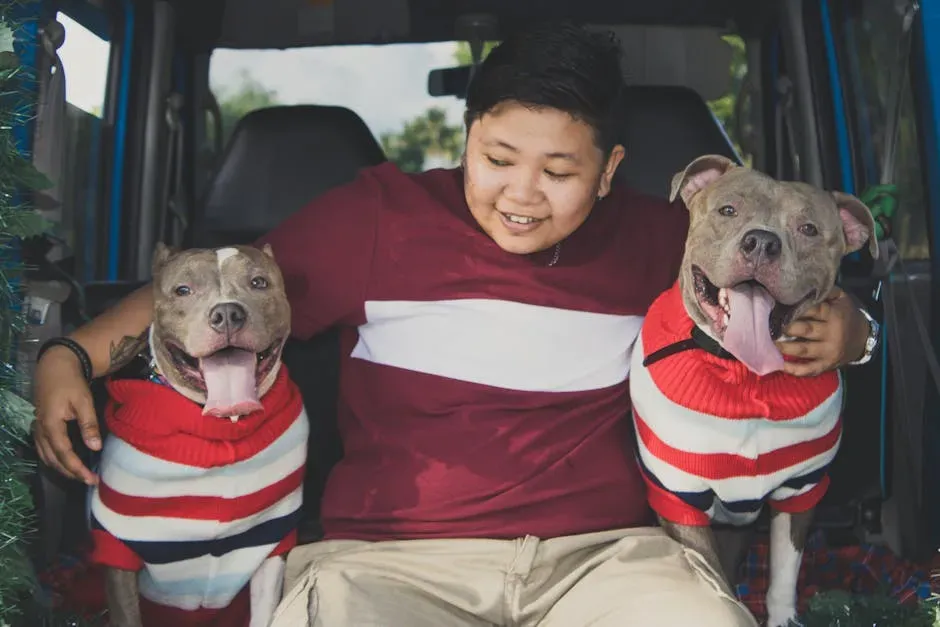
Pit bulls typically show affection by being as close as possible, loving to lean, cuddle, and climb into your lap. It’s pretty hilarious, actually. These dogs seem genuinely convinced they’re lap-sized, regardless of what the scale says. You’ll settle onto the sofa and within minutes find yourself with a full-grown pit bull attempting to curl up on your legs like a tiny Chihuahua.
These dogs are people lovers that will climb into just about any lap that will have them. The fact that your pit bull treats you like their personal furniture is actually a huge compliment.
It might get cramped, and circulation in your legs may occasionally suffer. But a pit bull who wants to be in your lap is communicating something simple and profound: you are their safe place. They’re often referred to as “velcro dogs” because they like to be close to their owners at all times. Whether it’s curling up on the couch or following you around the house, pit bulls thrive on human companionship and will form a strong bond with their families.
They Lick Your Face or Hands
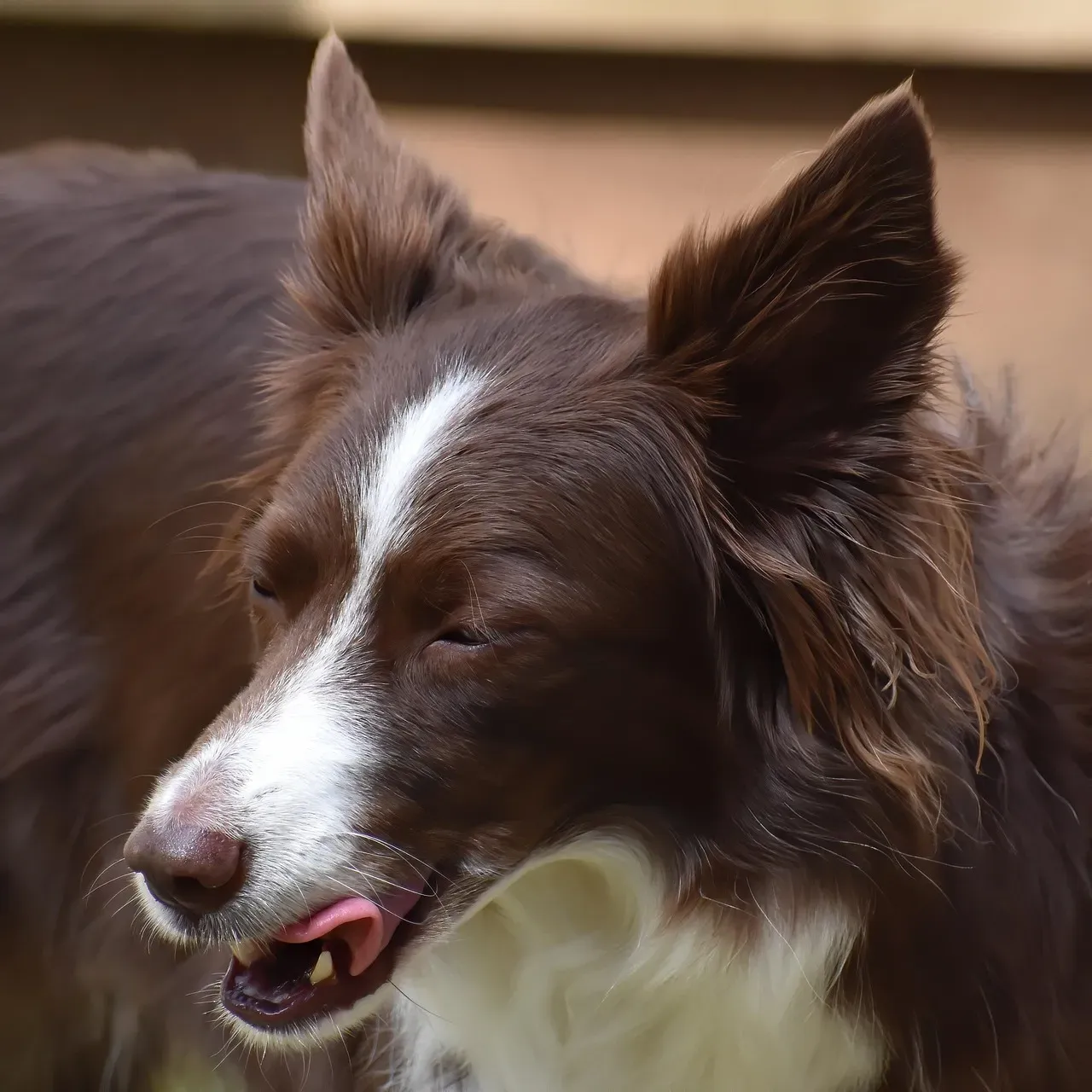
Licking is one of the most common ways that dogs express love, and if your pup licks your face or hands when you come home, it’s a sign that he loves spending time with you. Some people find the constant licking a bit overwhelming, but it’s actually a deeply ingrained social behavior.
You might find your furry friend nudging your hand with its nose or giving gentle kisses, which are all ways they communicate affection. Many pit bulls may express affection through gentle nibbling along your skin or hair, and while those big teeth can be intimidating, this is an expression of love and a desire to groom you. Think of it as their version of showing care and maintaining social bonds.
Grooming behavior in dogs is rooted in their social nature. When a pit bull licks you, they’re treating you like family, quite literally. If you’d prefer less licking, you can teach an alternative behavior like “sit” or redirect with a toy, but know the impulse behind it is entirely loving.
They Bring You Gifts
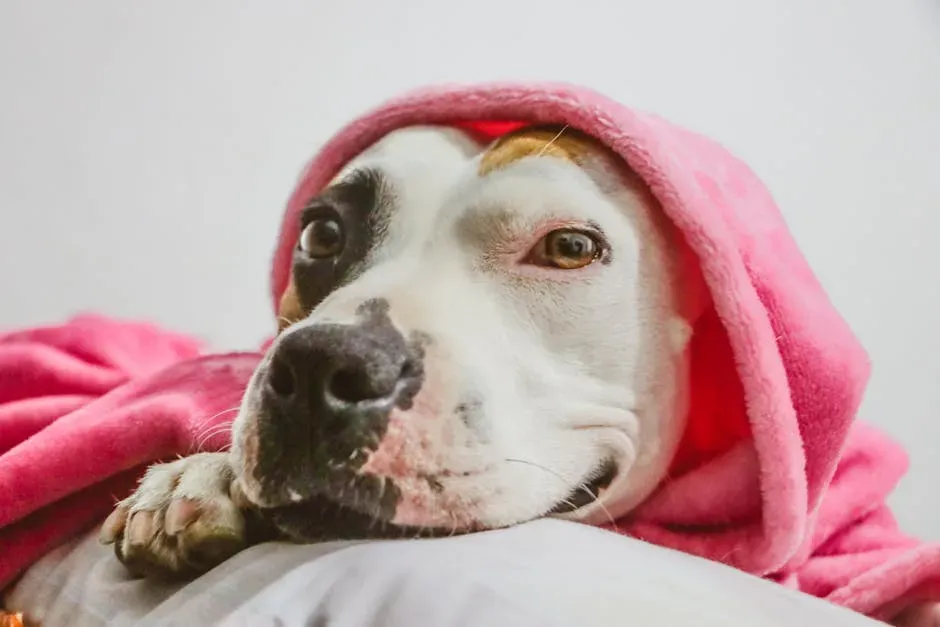
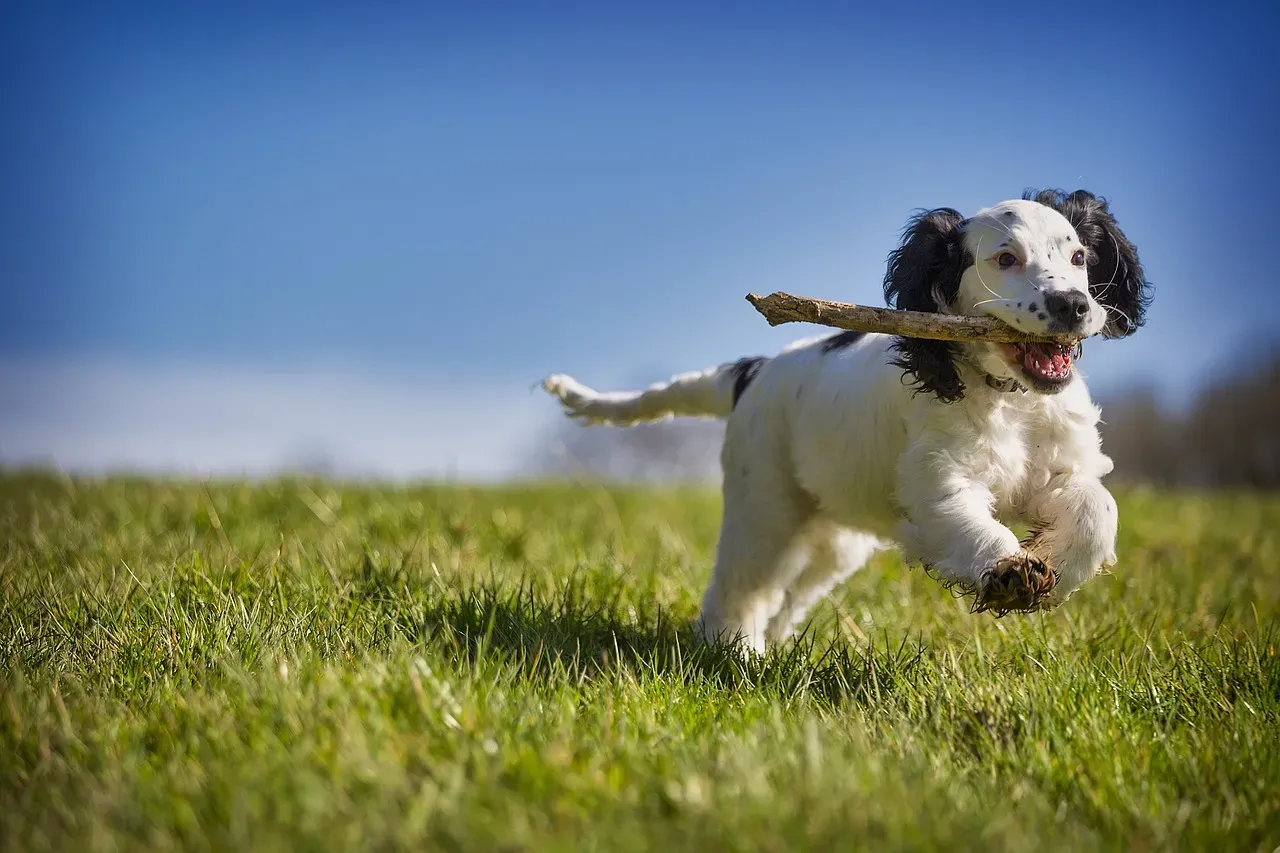
When a pit bull brings toys or other items as gifts, it’s usually an indication that they love you and want to make sure you know it. It can also mean that they just enjoy playing with things and want to share them with someone special – you.
It doesn’t matter if the gift is a soggy tennis ball, a chewed sock, or their favorite rope toy. The act of bringing it to you is intentional. Your dog is sharing something they value with the person they value most. That’s a bonding gesture that crosses species lines pretty clearly.
When your pit bull arrives with their delivery, accept it graciously. A brief game or at minimum a warm verbal response signals to your dog that their gesture landed. Spending quality time together through activities such as playing fetch, walking, or training sessions helps strengthen bonds between owners and pups alike. Responding to their gifting with play deepens exactly that connection.
They Rub Against You and Seek Your Scent
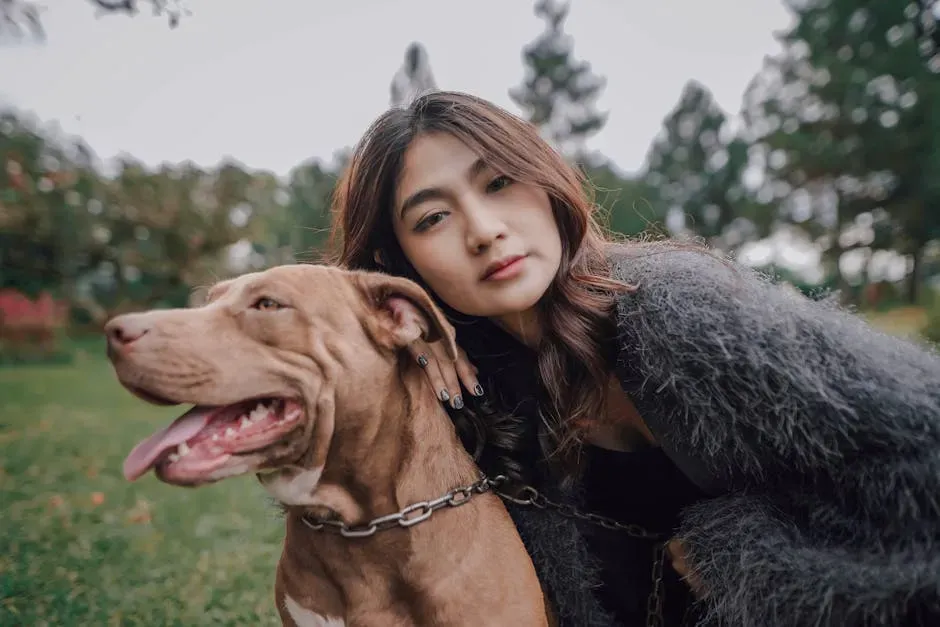
Dogs use scent to mark their territory and show ownership. If your pit bull frequently rubs against you, it’s a sign of affection. This behavior, typically reserved for familiar people, is their way of leaving their scent on you, signaling to other dogs that you are their owner.
Your shoes and socks carry your strong scent, which is comforting for your dog. This is why they enjoy nibbling on them. While this behavior can be troublesome, it’s also a display of affection. To avoid damaged footwear, make sure to keep them out of your dog’s reach. The scent is a source of comfort for them, a little piece of their human.
Scent is the primary language of dogs, so when your pit bull seeks yours out, it’s genuine comfort-seeking. Rubbing, pressing, and nuzzling are all scent-based bonding behaviors. If the shoe-nibbling becomes a habit, redirecting them to a scent-infused toy (an old t-shirt works) satisfies the instinct without the wardrobe casualties.
They Respond to Your Training With Eagerness to Please
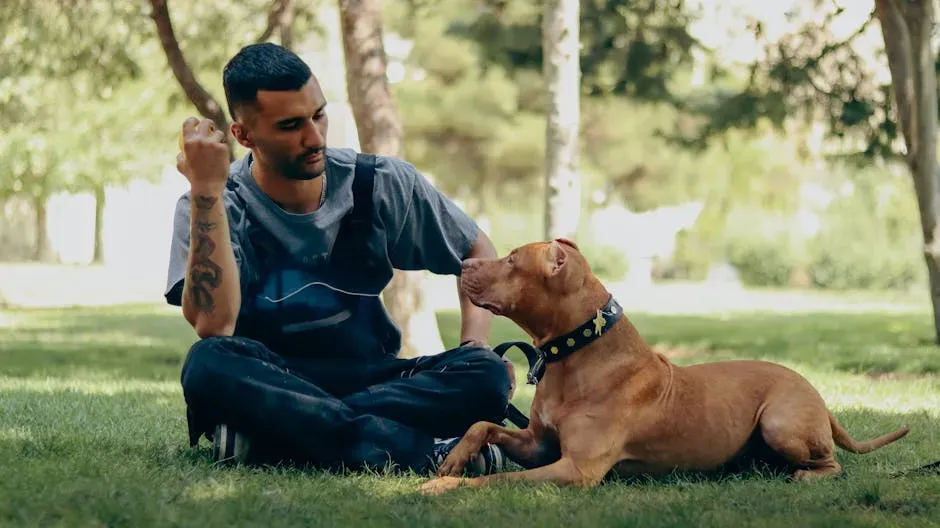
Typically, puppies begin to recognize their owners around the age of three months. Once a dog has bonded with their owner, they’ll exhibit high levels of obedience, responding immediately to their name and following commands.
Pit bulls are highly intelligent and responsive to training, making them easier to manage when given proper direction and consistent care. Their eagerness to please their owners also contributes to their ability to learn commands and social behavior. When a pit bull has genuinely bonded with you, training sessions start to feel collaborative rather than corrective. They watch your face, they tune into your cues, and they work to understand what you want.
By rewarding good behavior with treats, praise, or other rewards, the dog learns to associate good behavior with positive outcomes. This not only strengthens the dog’s obedience but also increases its motivation to please its owner. Additionally, positive reinforcement can help build trust and confidence in the pit bull, leading to a more loyal and affectionate relationship. That willingness to engage isn’t just about discipline – it’s your pit bull communicating that they trust you enough to follow your lead.
Conclusion: A Bond Worth Recognizing
Pit bulls don’t bond halfway. Their emotional attunement makes them particularly adept at reading human emotions and responding to them, often with a desire to offer comfort or companionship. This sensitivity allows them to form deep bonds but also makes them more prone to anxiety and stress when separated from their loved ones. Knowing that gives you real responsibility as an owner.
Studies show that well-socialized pit bulls are affectionate, loyal, and people-oriented. Pit bulls rank high in temperament tests conducted by the American Temperament Test Society (ATTS), with many scoring better than common family breeds like Golden Retrievers and Beagles. The data backs up what pit bull owners have always known on a personal level.
Every belly exposure, every lap invasion, every exuberant homecoming greeting – these aren’t random behaviors. They’re a language. When you learn to read it, you realize your pit bull has been telling you they love you all along, in every way they know how. That bond, once built, tends to be one of the most loyal and lasting you’ll ever experience with a dog.


