
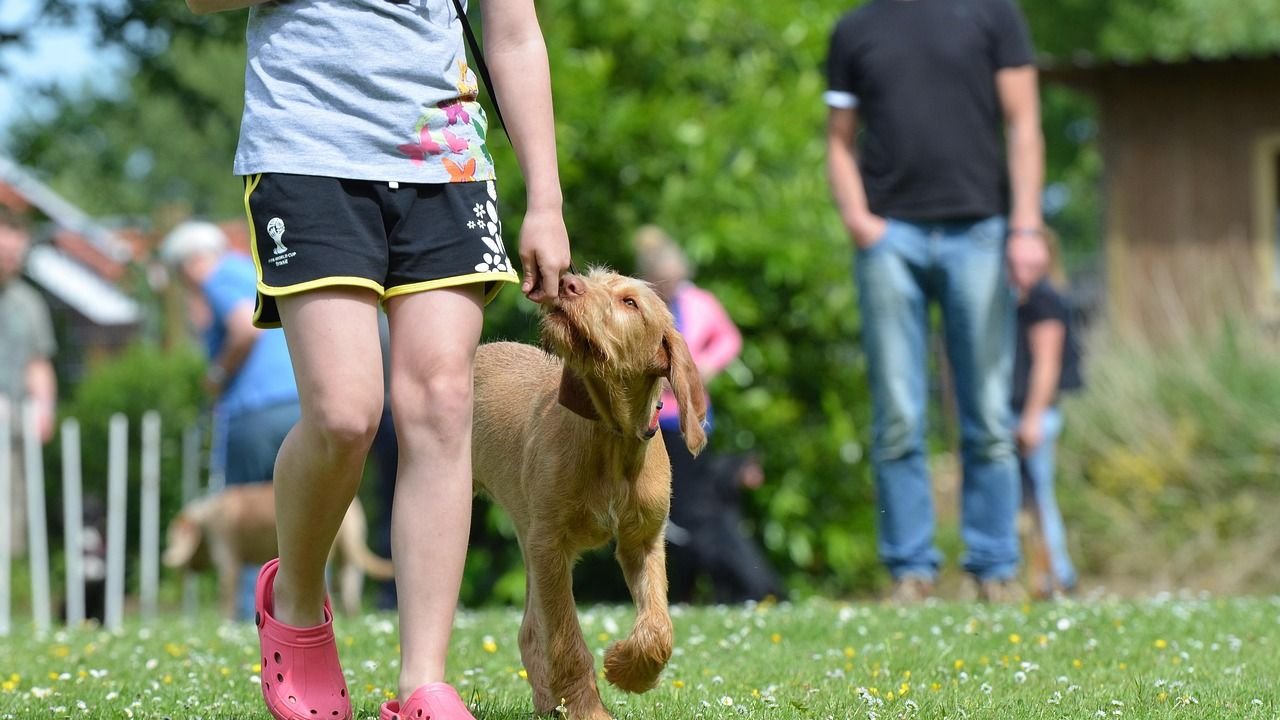
Picture this. Your dog greets everyone else in the house with tail wags and happy circles, yet the moment one particular family member walks in, the fur stands up and a low growl starts. That selective reaction can feel personal and confusing, but it almost always points to something specific in the dog’s experience rather than a blanket dislike.
Understanding the root cause helps turn frustration into a clear plan. Many dogs show this pattern because of a single trigger tied to that one person, and with patience most families see real improvement once they identify it.
Lingering Effects from Past Trauma
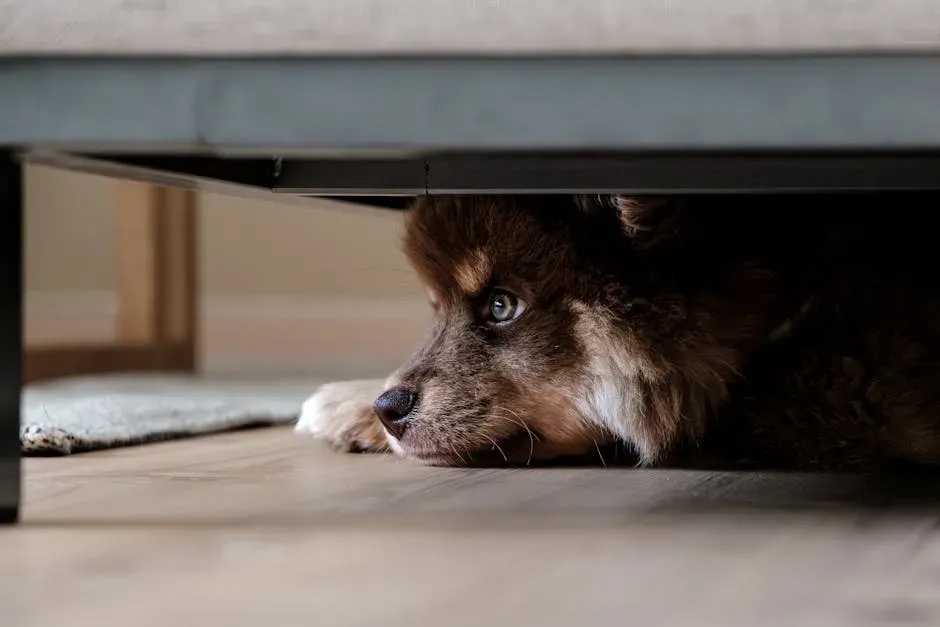
Dogs carry memories of scary moments longer than we often realize. If the targeted family member once raised their voice during a thunderstorm or accidentally stepped on a paw during play, the dog may now link that person with discomfort. Over time the association grows stronger even if the original incident happened months ago.
Watch for subtle signs like the dog avoiding eye contact or tucking its tail only around that individual. Early intervention matters here. A calm, consistent approach that pairs the person’s presence with treats and gentle praise can slowly rewrite the memory. Many owners notice progress within a few weeks when they keep sessions short and positive.
Specific Fear Triggers That Only Appear with One Person
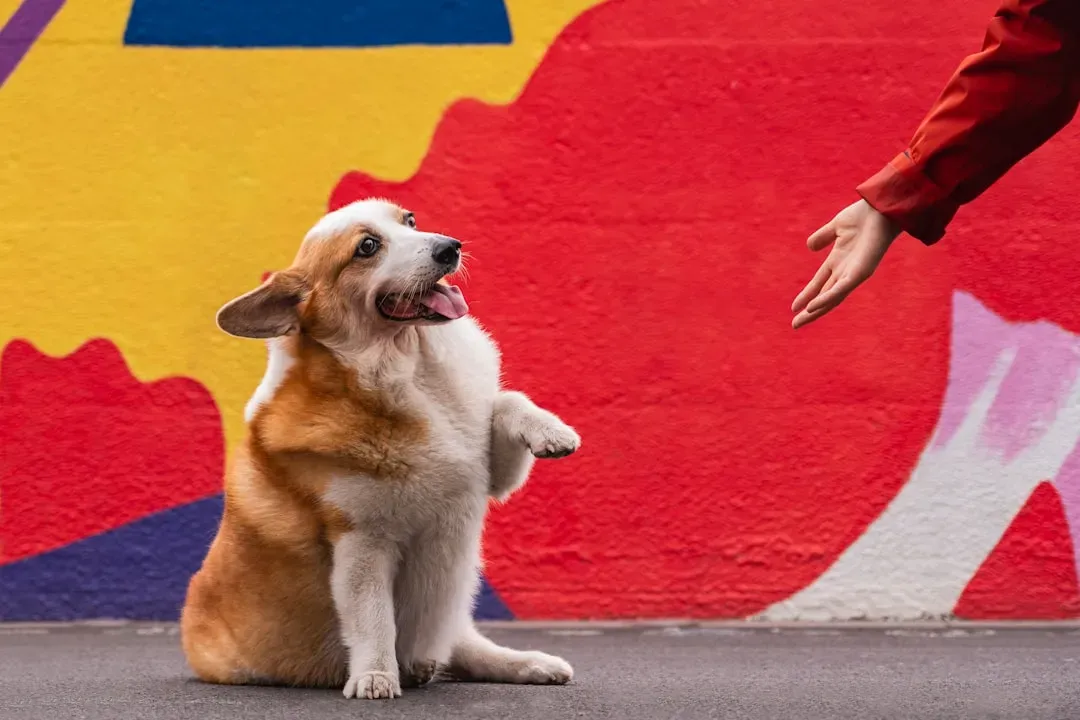
Sometimes the issue comes down to a detail only that family member brings into the room. Maybe they wear a certain cologne, move with quick gestures, or carry a bag that reminds the dog of a past vet visit. The dog reads these cues as warnings and reacts to protect itself.
Pay attention to what happens right before the growl starts. Does the person reach over the dog’s head or lean in close? Small changes in body language from that individual often reduce the tension. Families who film short interactions and review them together usually spot the exact trigger faster than they expect.
Hidden Pain That Surfaces During Certain Interactions
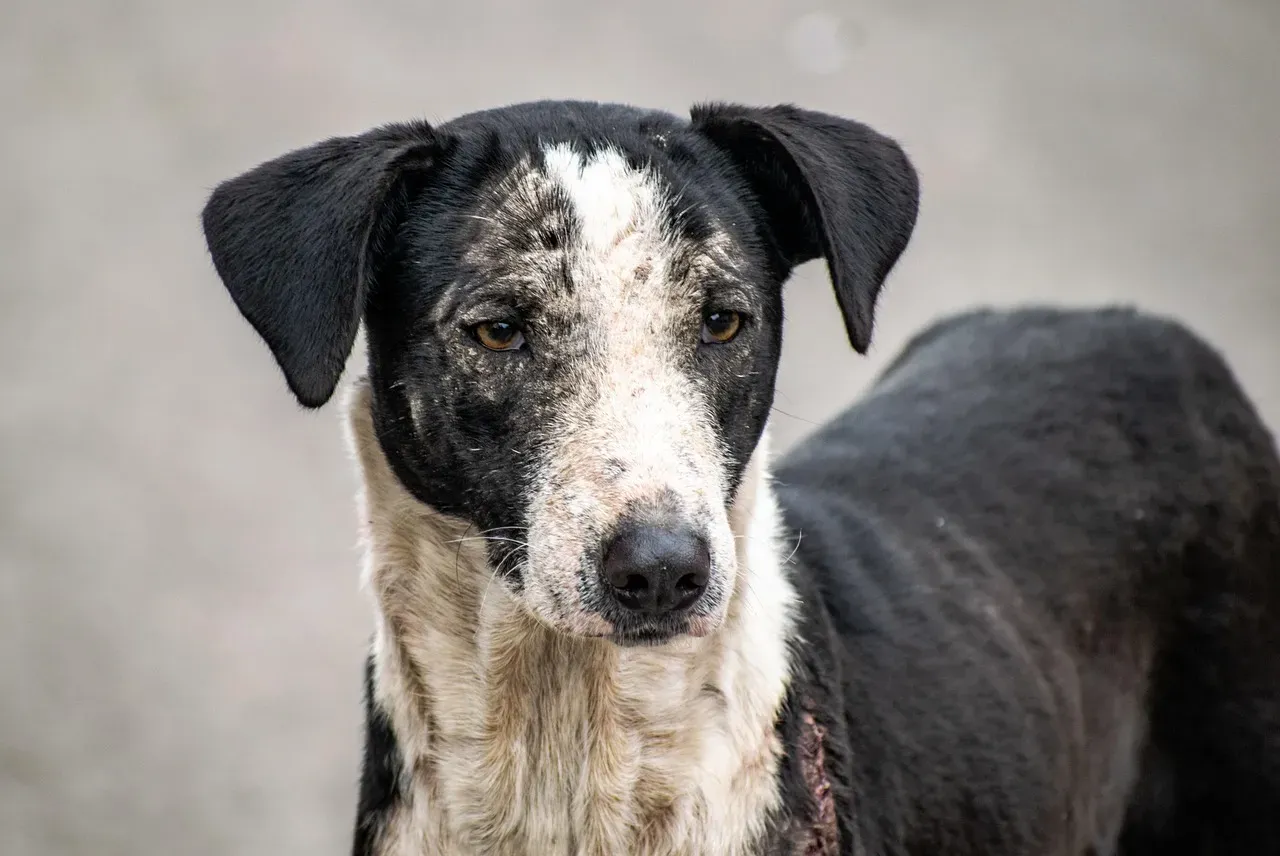
A dog in discomfort may lash out only when touched in a sensitive spot by one person. Arthritis in the hips or an old injury can make grooming or petting painful, and the dog learns to associate that family member with the ache. The aggression serves as a warning rather than true hostility.
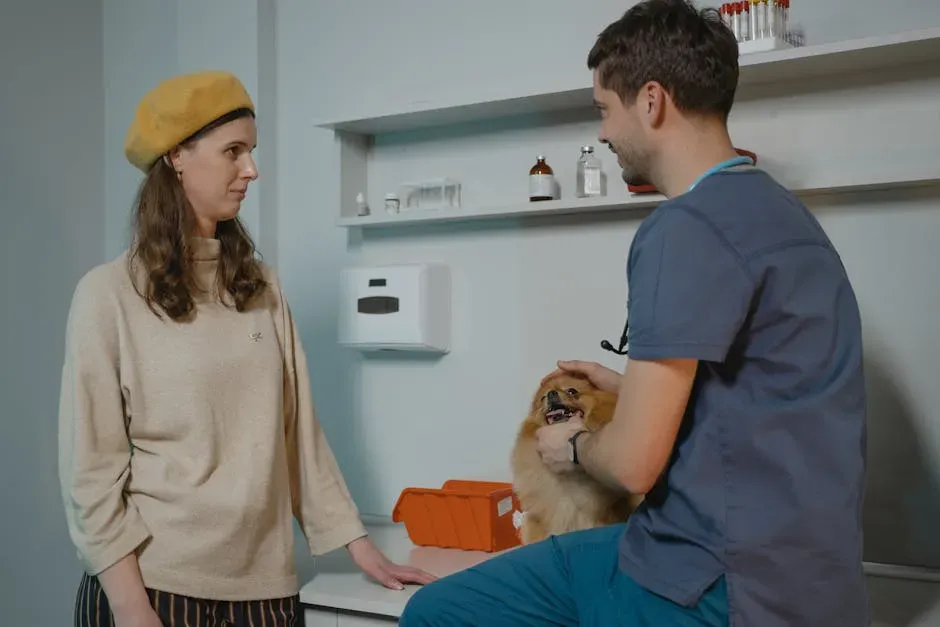
A quick vet check rules out medical causes first. Once pain is managed with medication or joint supplements, the same interactions often become neutral or even enjoyable again. Owners who schedule regular wellness exams catch these issues early and prevent the behavior from becoming a habit.
Guarding Behaviors Aimed at Protecting What Matters Most

Resource guarding can focus on one person when that individual controls something the dog values highly. It might be the person who feeds meals, holds the favorite toy, or sits in the dog’s preferred spot on the couch. The growl says “this is mine” rather than “I dislike you.”
Teaching the dog that good things happen when the person approaches helps shift the mindset. Start by having that family member toss treats from a distance, then gradually move closer while the dog eats. Consistency across the whole household prevents mixed signals and keeps the guarding from spreading to other situations.
Subtle Shifts in How Family Members Interact with the Dog
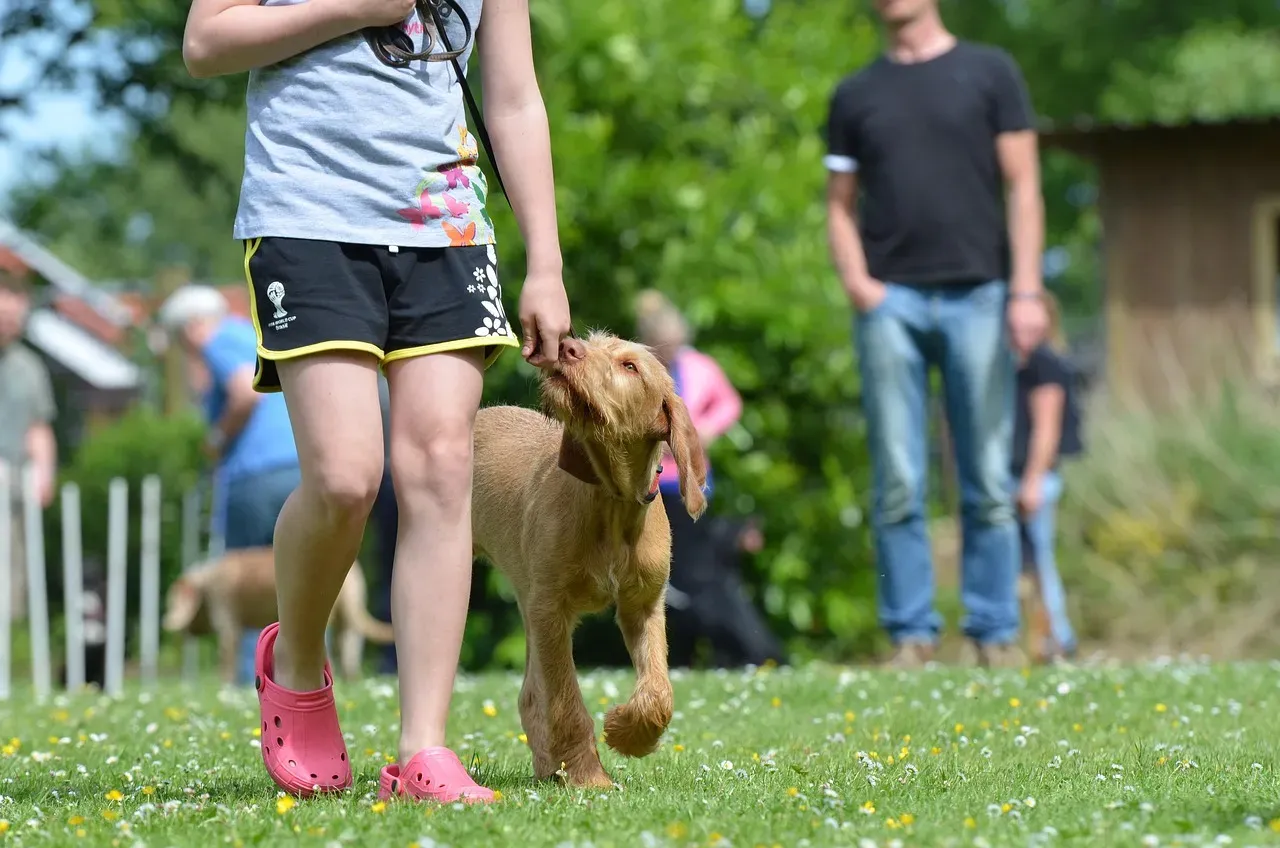
Dogs notice tiny differences in how each person handles them. One family member might give firmer corrections or expect more obedience, while others stay relaxed. The dog may interpret the stricter style as a threat and respond defensively only around that individual.
Aligning everyone on the same calm voice tone and reward-based approach removes the contrast. Simple daily routines like joint walks or group training sessions help the dog see the stricter person as part of the safe team. Most families find that a few shared positive experiences rebuild trust quickly.
Conclusion
Selective aggression rarely means your dog has suddenly turned against one person for no reason. It usually signals an unmet need, a remembered fear, or a physical discomfort that only shows up in that specific relationship. With a calm veterinary visit, careful observation of triggers, and steady positive practice, most dogs regain their friendly balance with everyone in the home. Your patience and willingness to look deeper give your dog the best chance to feel safe again.


