
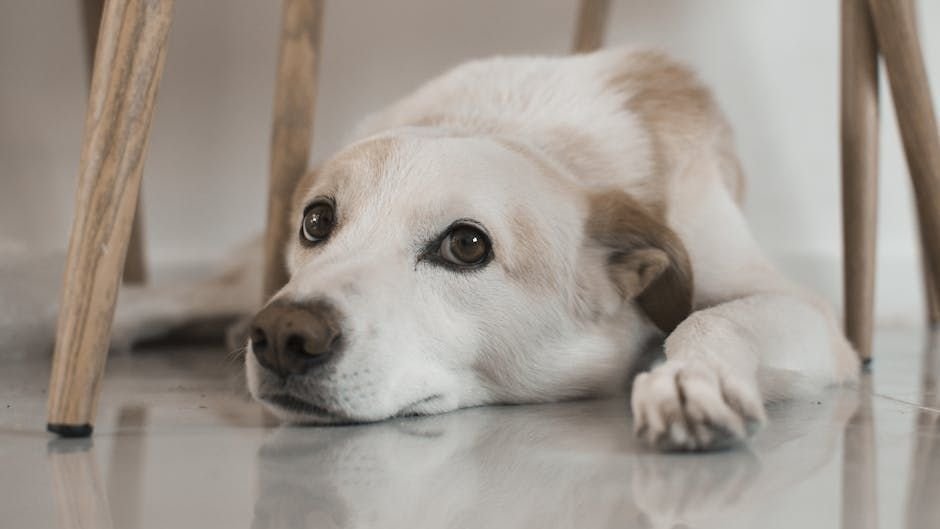
Most dog owners genuinely love their pets. The scratches behind the ears, the lazy weekend cuddles, the belly rubs after a long walk. It feels natural, intuitive, even effortless. Yet the surprising truth is that some of the most common ways we reach out to our dogs are actually working against us, quietly creating stress, confusion, or even distrust in the very relationship we’re trying to nurture.
This isn’t about guilt. It’s about getting better. Understanding a few key your dog can transform every single interaction you have with them. It’s one of the most direct paths to a calmer, happier, and more trusting companion.
Ignoring What Your Dog’s Body Is Telling You
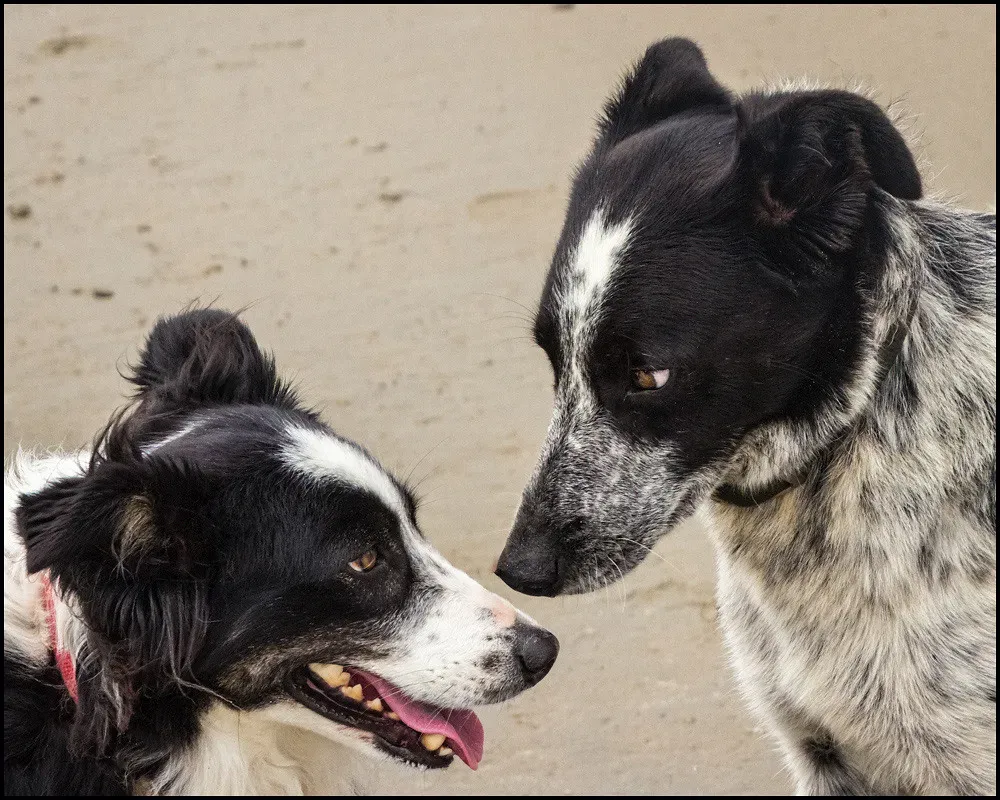
Your canine companion communicates constantly through subtle body movements and facial expressions. Before reaching out to pet your dog, take a moment to observe their current state of mind. A relaxed dog will display soft eyes and a loose body posture, while a stressed or unwilling dog shows distinct warning signs.
If a dog stiffens, turns away, squints, or freezes in place, that’s your cue to stop. These can be warning signs that are often mistaken for calm behavior. It happens more than most owners realize. A dog sitting quietly next to you isn’t always an open invitation for contact.
Lip-licking is another bit of dog body language that people often misinterpret. Just like people, dogs will lick their lips after a delicious meal, but they’ll also do it when they feel anxious. Sometimes the tongue flick is so quick it’s tricky to notice. Your dog isn’t signaling a desire to lick your face. Rather, it’s a sign of discomfort with a given situation.
The whites of the eyes are another key indicator. Known as “whale eye,” when a dog shows the whites of the eyes, it’s a signal that they’re feeling anxious or stressed in a situation. You might see them when you make your dog uncomfortable, like when you pat your dog on the head, or when they’re afraid someone will steal a bone or toy. Learning to catch these signals early is one of the most valuable skills any dog owner can develop.
Reaching Over or Patting the Top of the Head
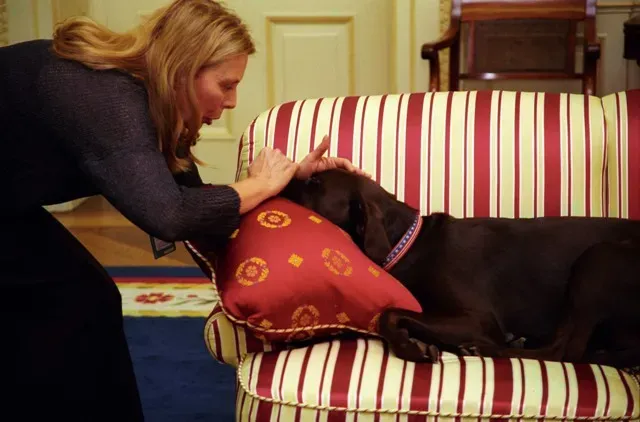
Many people like to pet dogs on the head, but many four-legged friends find this intrusive. It seems like the most natural greeting in the world, doesn’t it? A quick pat on the head, the way you’d tousle a kid’s hair. Dogs experience it very differently.
Many dogs do not like to be pet on top of the head by strangers, because a hand reaching toward their head can be perceived as a threatening gesture. By reaching under the dog’s head, you’re sending a message that you’re not a threat. That simple adjustment in how you position your hand can completely change how a dog receives you.
Certain types of petting are uncomfortable for most dogs. Patting, a common way many small children pet dogs, is generally disliked. Slapping a dog’s side in excitement can be agitating or frightening to some canines. Vigorous, fast, or hard petting is also more likely to overstimulate a dog.
Most dogs are comfortable being petted on the chest, the shoulders, and the base of the neck. When petting these areas, reach in from the side, rather than moving your hand over the top of the dog’s head. It’s a small shift in approach that communicates respect on a level your dog instinctively understands.
Petting Your Dog During Fear or Excitement
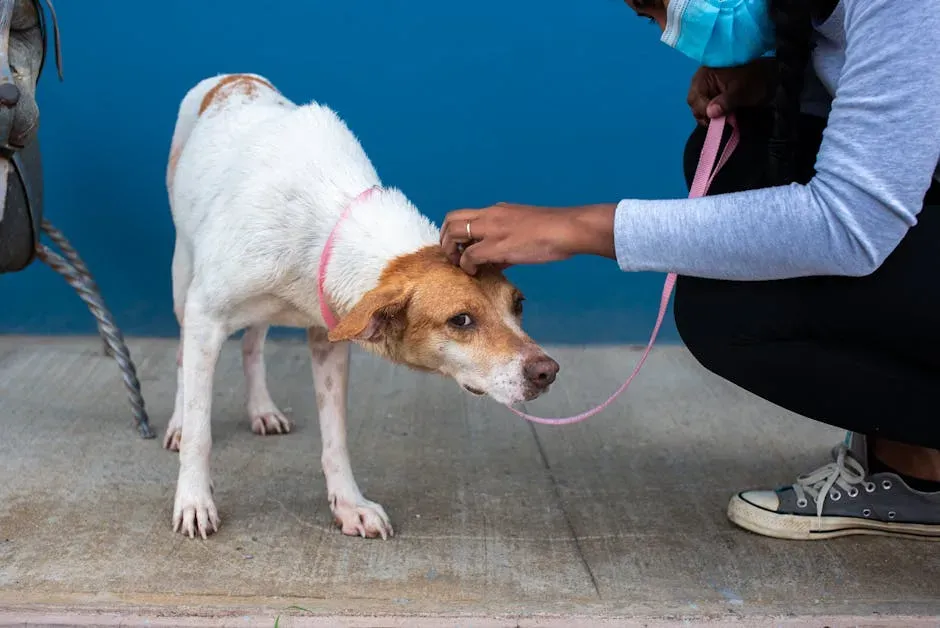
When your dog displays fearful behavior around new objects, people, or situations, resist the urge to comfort them with gentle touches. This response can inadvertently reinforce their fearful state and create lasting phobias. It sounds counterintuitive, especially when everything in you wants to soothe them.
When you offer affection during an anxious state, you’re actually reinforcing that state. This is one of the most common mistakes seen by dog trainers, especially with well-meaning owners who adore their pups. Love without leadership leads to chaos. When we pet our dogs during fear or excitement, we’re validating an emotional state that we actually want to help them out of.
Another frequent mistake occurs when dogs show excitement through jumping or overly energetic greetings. Petting during these moments rewards the behavior you’re trying to discourage. Instead, wait for calm behavior before offering physical affection as a reward for appropriate conduct.
The key takeaway here is timing. Wait for them to come out of that anxious state. When they’re calm, then you pet. Then you praise. It’s not about being cold or withholding love. It’s about giving affection in a way that truly supports your dog’s growth.
Forcing Contact on Sensitive or Unwilling Dogs
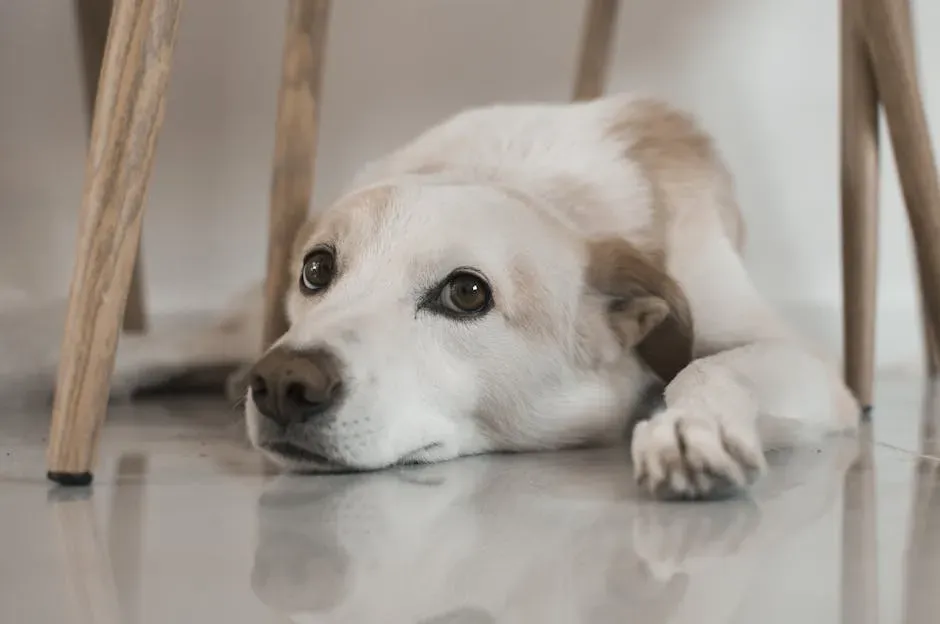
The truth is simple: not every dog enjoys being touched, and unfamiliar hands can cause real stress. Animal-behavior experts agree that learning how to approach and interact with dogs is essential for everyone’s safety and comfort. That applies to strangers on the street, but it also applies at home, particularly with shy or anxious dogs.
If your dog hates petting, the first step is to stop trying to pet them. Instead, back off, and let them initiate. This won’t feel natural at first. Most of us instinctively reach out. Restraint, though, is often the fastest route to building genuine trust with a sensitive dog.
Hugs can be threatening to a dog because they hinder their ability to move away. Children, even those who spend time with a pet who tolerates hugs, should be taught never to hug a dog; this type of interaction makes most dogs anxious and can result in injury to the child.
If the early signals are not being listened to, your dog might start to escalate to try and get the situation to stop. If it doesn’t, then they feel like they need to use more and more obvious body language, right up to what we see as aggression. Sometimes, if a dog has learned over time that their more mild signals aren’t listened to, they might skip steps and jump straight to higher levels. This is why it’s always better to pay attention to what dogs are trying to tell you.
Touching Sensitive Zones Without Checking First
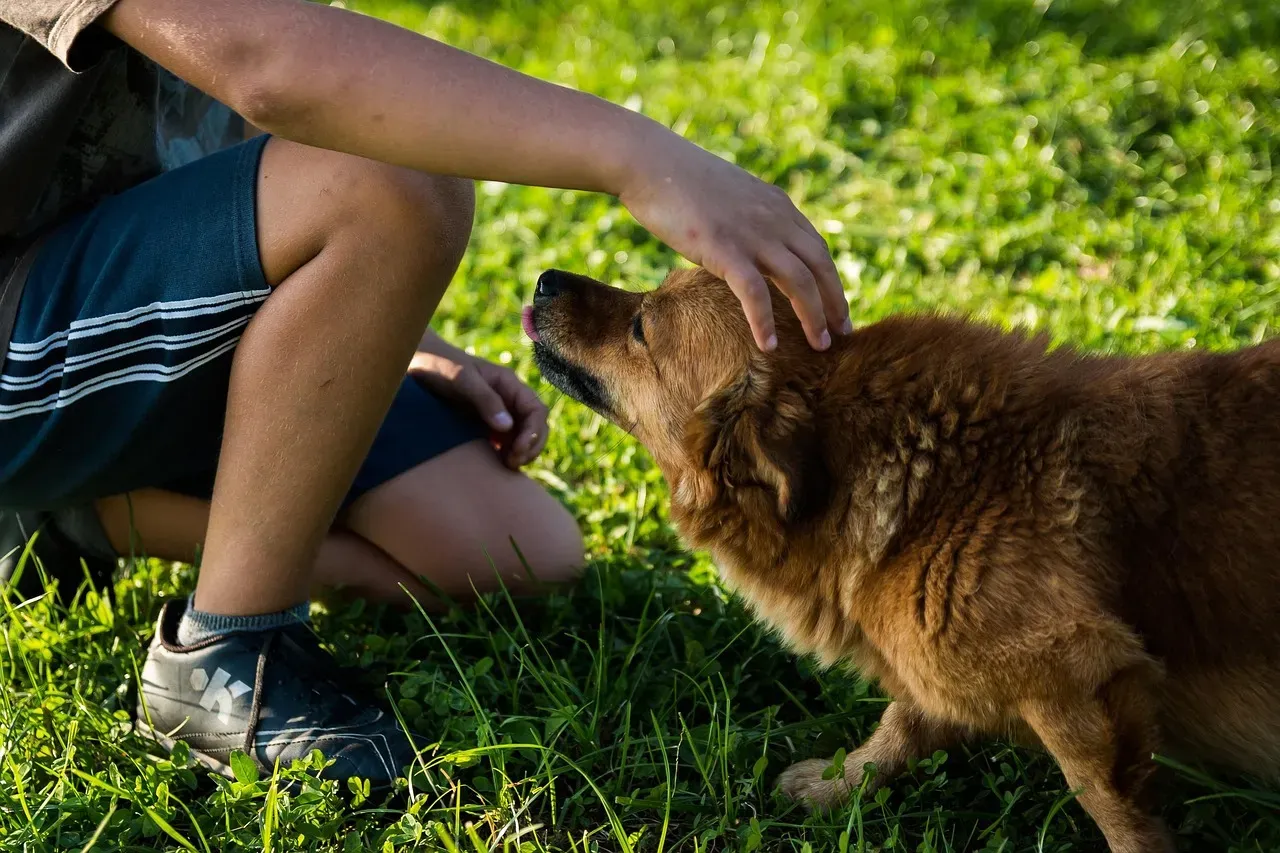
Many dogs have specific body areas they prefer to avoid during petting sessions. The nose, paws, tail, and ears are typically sensitive zones that most dogs find uncomfortable to touch. Focus your attention on areas like the chest, sides, and the space between their shoulder blades where most dogs enjoy gentle contact.
Avoid reaching for the dog’s paws, tail, ears, lips, or stomach, even if the dog rolls over on their back. A common misconception is that the dog is asking for a belly rub when they roll over, but this is not always true. When a dog rolls over on their back, stop giving them attention and take a few steps back to give them space. While some dogs like belly rubs from their family, they might not like a stranger touching this vulnerable part of their body.
Don’t pet the dog while it’s eating: this can cause the dog to gulp down its food or even bite because it wants to protect its food. The same logic applies to sleeping dogs. Always avoid waking a sleeping dog with touch or during misbehavior, as both can create negative associations.
Every dog has unique preferences when it comes to being petted. Just because one dog loves belly rubs doesn’t mean all dogs do. Take time to learn the specific likes and dislikes of the dog you’re interacting with. That personalized awareness is what separates a good dog owner from a great one.
Conclusion: Better Petting Starts With Better Listening
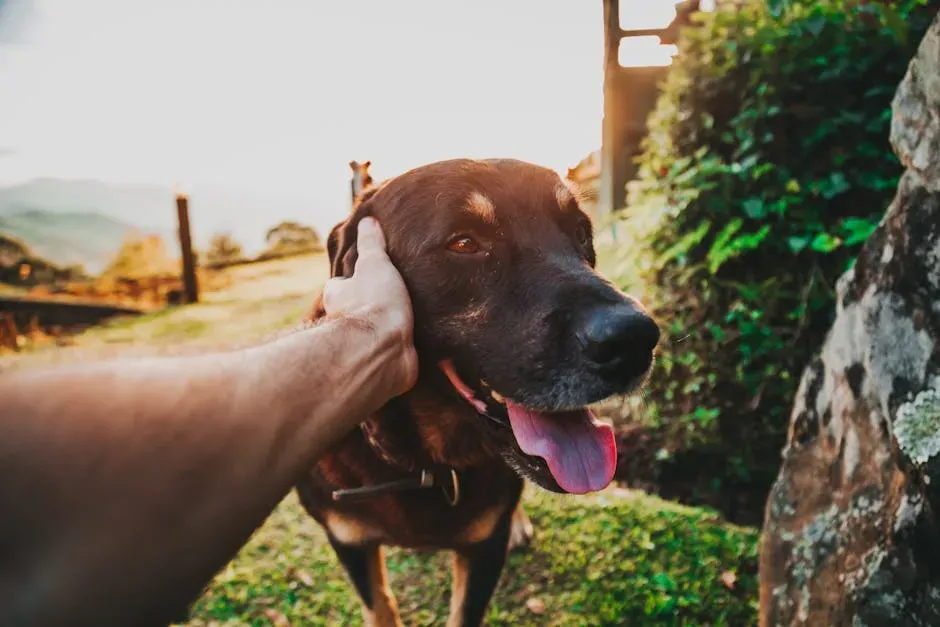
When done right, petting is pleasant for dogs and people, and promotes bonding. When done wrong, it can be uncomfortable, even scary, for your dog. Positive petting experiences for your dog boil down to a few simple dos and don’ts, along with an understanding of dog body language and the unique preferences of individual dogs.
Petting your dog isn’t just enjoyable for them. It has tangible benefits for their mental and physical health. Physical touch lowers cortisol levels and promotes relaxation, and petting releases oxytocin, a hormone that strengthens the bond between you and your dog. The potential here is real, but only if you do it in a way that your dog actually welcomes.
The good news is that none of this requires perfection. It just requires a little more attention. Watch the tail. Notice the eyes. Pay attention to what your dog does right after you touch them. Understanding a dog’s body language and personal boundaries is one of the best ways to build trust, and to make sure every interaction is positive, comfortable, and stress-free for both of you.
When you start reading your dog rather than just touching them, something shifts. The bond gets quieter, deeper, and more honest. That’s the kind of connection every dog lover is really after.


