
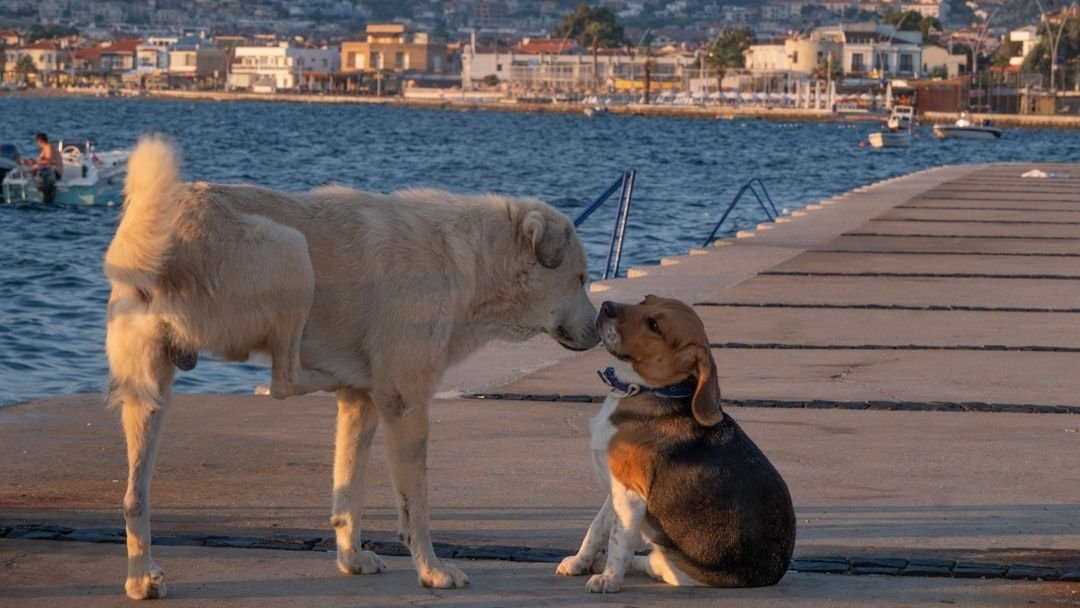
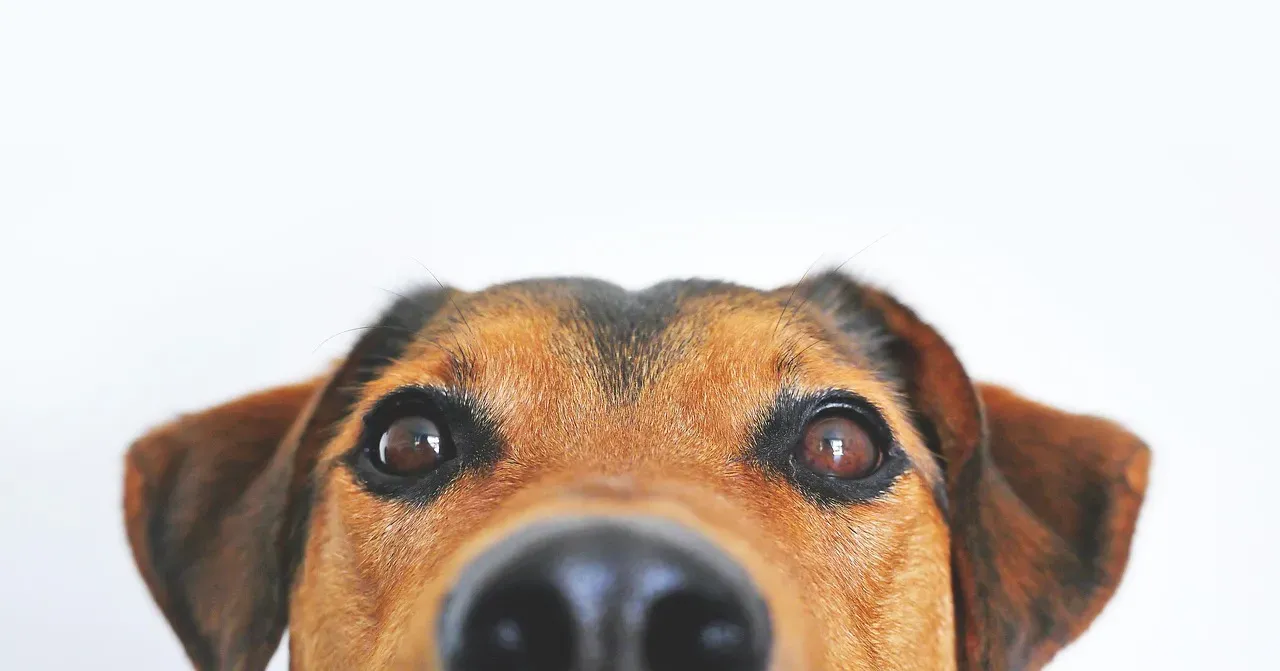
You’re deep in a work call, completely focused, and then it happens. A cold, wet nose presses firmly into your hand, or against your knee, and suddenly you have a very determined dog staring up at you with those unmistakably hopeful eyes. It’s hard to stay annoyed, partly because it’s adorable, but mostly because your dog is doing something genuinely impressive – communicating with you in the only language they have.
That small nudge carries more meaning than most dog owners realize. It’s not random, it’s not manipulation (well, not entirely), and it’s definitely not something to dismiss. Understanding what’s behind that little nose boop can change how you see your dog and deepen how you respond to them.
The Science Behind the Snout: Why Dogs Use Their Noses to Communicate
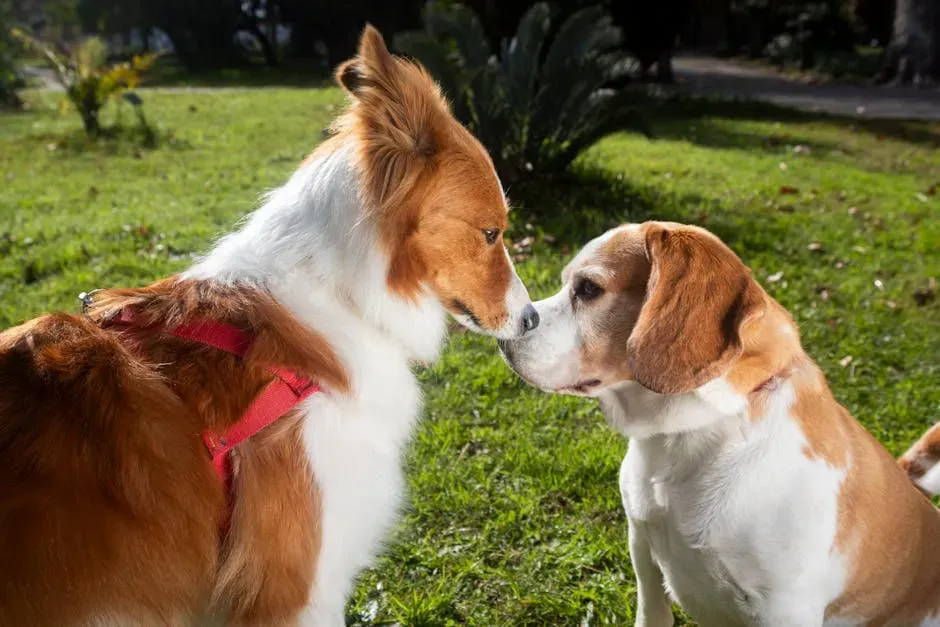
Nuzzling behavior originates from instinctual survival habits learned from mother dogs during puppyhood. From the very first days of life, a puppy’s nose is its primary tool for navigating the world. A mother dog uses her nose and tongue to move puppies around, help them defecate and pee, and keep them clean. She also sniffs her pups frequently and identifies them by their individual smell.
While humans are more inclined to assess the world visually, canines use an extraordinary combination of both sight and smell to process information. Their olfactory command center has a complex maze of nasal tissues that are 30 times larger than what humans have. They also have a powerful vomeronasal organ positioned just inside the nasal cavity and on the roof of their mouth, which is responsible for their amazing scent detection abilities. It makes sense, then, that the nose becomes their go-to communication tool with humans too.
When dogs nuzzle, they use their nostrils in specific ways, puffing some air out of their noses onto skin, while at the same time drawing air in through the round part of the nostril. This is a very efficient way for them to stir up and cycle scents through their olfactory system. So when your dog nudges you, they’re not just making contact – they’re actively reading you at a level far beyond what any human can sense.
It’s an Attention Request, Plain and Simple
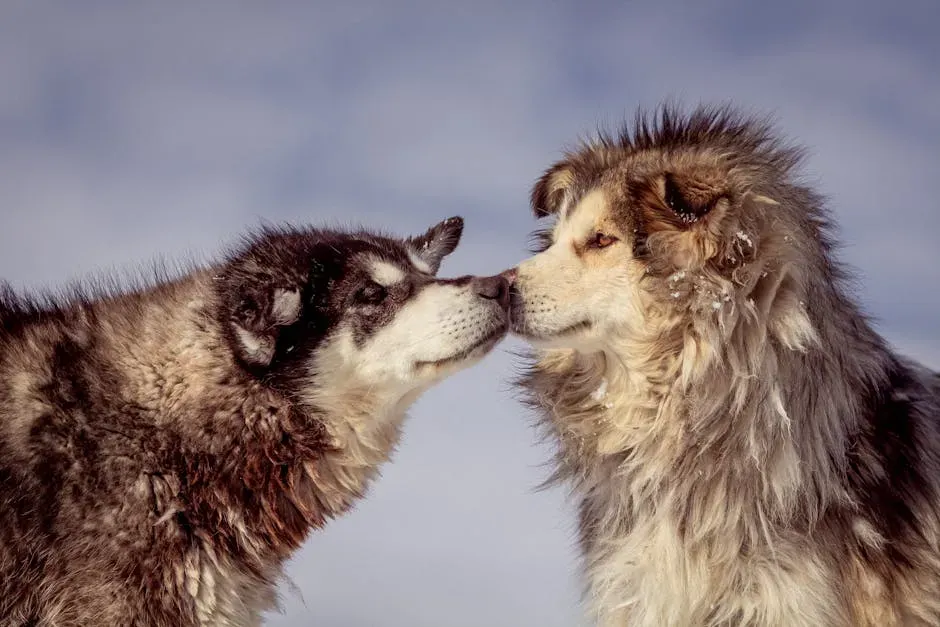
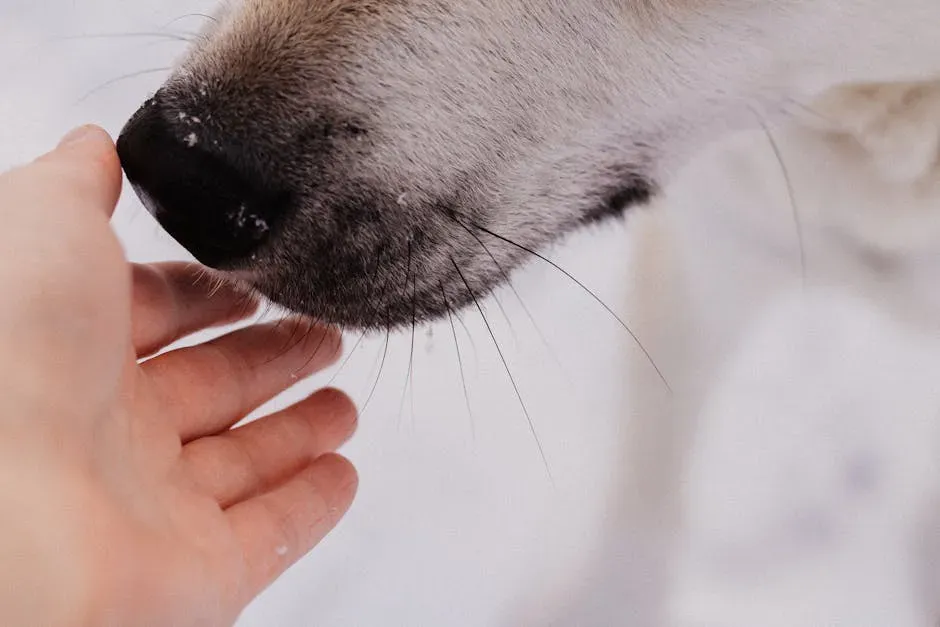
The main reason a dog will push its nose into a person’s arm or leg is to get their attention, several canine behavior experts say. Think of it like a child tugging at a parent’s sleeve – gentle at first, and then a little more insistent if you keep ignoring it. Whether it’s to signal hunger, playtime, or simply to be petted, a dog’s nudge is a nonverbal way of asking for interaction.
Dogs touching you with their noses when they are looking for attention typically originates as a learned behavior. They do it because it works. If a dog comes up and touches you with their nose and you pet them so they will stop, they will quickly learn that petting is your response. The behavior becomes cyclical and constantly reinforces itself each time you respond that way.
One reason why your dog nuzzles is to send a clue as to how they’re feeling, what they want, or what they need. Many dogs use their noses to push at hands or arms, asking for a range of things from affection to dinner to play or a walk. Sometimes it takes some trial and error on the part of humans to figure out what the dog wants. Pay attention to context: a nudge near the door usually means one thing, and a nudge near an empty food bowl means another.
When a Nudge Means “I Love You”: Affection and Scent Bonding
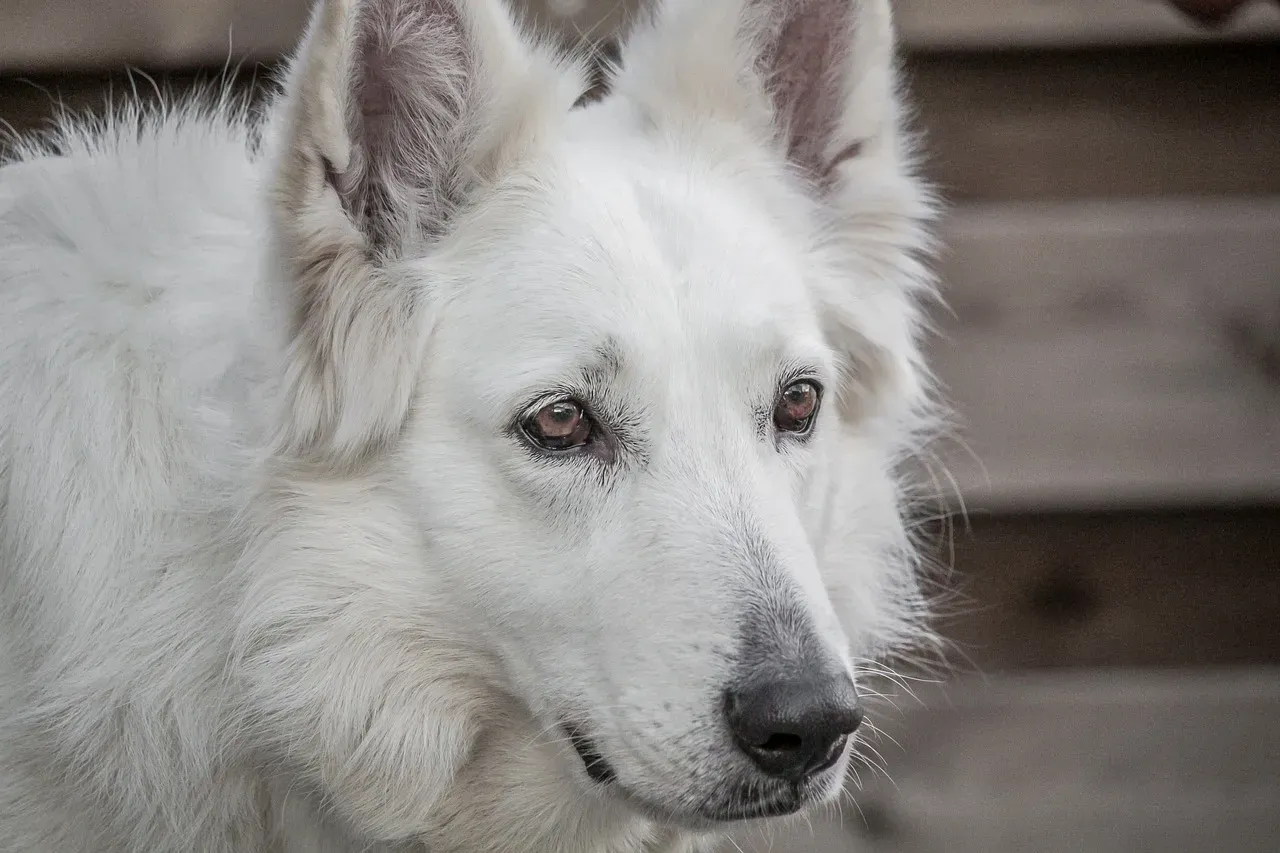
A dog isn’t just asking for attention when they nudge their owner with their nose – experts say this gesture can also be a sign of affection. Studies have shown that pleasure centers in a dog’s brain are activated by familiar smells, including the smell of their owner. Pushing their nose against you just might be your dog trying to inhale your scent. That little boop on your hand is, in its own way, a hug.
Dogs have scent glands around their faces, and nuzzling can also be a way of marking you as “theirs,” in a gentle, non-aggressive manner. This behavior, in essence, solidifies their bond with their human companions. It’s a subtle territorial claim that’s less about possessiveness and more about belonging. Your dog is essentially saying you’re their person.
Research found that when a dog smelled the familiar aroma of their owner, the reward center of the brain was activated – and the caudate nucleus, which contains many dopamine receptors, lights up when exposed to pleasurable experiences. In other words, getting close to you and catching your scent genuinely makes your dog feel good. The nudge is part of that joy.
Reading the Room: What the Type of Nudge Is Actually Telling You

Not all nuzzling is the same, and context plays a crucial role in interpreting this behavior. Some dogs may nudge you as a sign of greeting when you come home. If a dog bumps you with their nose right when you walk in the door, it’s likely just saying hello. On the other hand, if your dog nudges you while you’re sitting still, it could be a way to get you to engage in some activity, like play or a walk.
Intensity matters too. A light touch suggests affection or a simple request, while a more forceful nudge might indicate urgency. A playful nudge, often accompanied by a wagging tail and a bouncy demeanor, indicates they want to play. Meanwhile, a forceful nose touch can indicate urgency or frustration, and your dog may be trying to communicate something very important, such as needing to go outside immediately.
Dogs are very in tune with their owner’s feelings and have a great capacity for empathy. Research has shown that domestic dogs know the difference between happy noise and sad noise and often respond to signs of emotional distress with submissive behaviors. A dog may nuzzle when it senses that something is amiss, offering comfort in times of stress or emotional turmoil. If a dog notices its owner feeling down or anxious, the pup may nudge them to offer reassurance. That moment when your dog finds you on a hard day and presses their nose gently into your hand? That’s not coincidence.
When Nudging Becomes Too Much: Managing the Behavior Thoughtfully
While most nuzzles are signs of affection or a simple request for attention, excessive nuzzling can sometimes indicate a problem, such as anxiety or discomfort. If a dog’s nuzzling becomes persistent and is accompanied by signs of distress, it may be worth consulting a vet or animal behaviorist to address any underlying issues. In rare cases, excessive nose touching could be a sign of a neurological problem, so consult your veterinarian if you are concerned.
While some dog owners find nose nudges adorable, others may prefer to discourage this behavior in certain settings. Behavior experts say the best way to discourage nose nudges is to simply ignore them, rather than petting the dog or even reprimanding them for the gesture. This avoids reinforcing the dog’s behavior. Equally important: don’t punish the nudge. Punishing your dog for nudging can damage your bond and make them afraid to communicate with you.
According to the American Kennel Club, one popular training strategy known as “touch,” or “nose targeting,” involves encouraging a dog to nudge their owner’s hand with their nose. This gives you a way to redirect the behavior into something structured and rewarding. Boredom and attention-seeking behavior are relatively easy to fix – just make sure your dog is getting adequate exercise and playtime so they’re ready to relax when you need them to.
Conclusion: A Small Gesture With a Big Message
That little nudge from your dog isn’t just cute. It’s one of the clearest windows you have into how they experience the world and how they feel about you. Dogs, being non-verbal creatures in the human sense, have developed a rich tapestry of communication methods. The nose nudge is one of the most common and endearing. Understanding the nuances behind this behavior can strengthen your bond and improve communication with your dog.
The more you learn to read the nudge – its timing, its intensity, what came just before it – the more responsive and connected a dog owner you become. Understanding what your dog is trying to communicate and having the appropriate reaction will help curb annoying and demanding behaviors while still encouraging your dog to communicate with you freely.
Dogs don’t have words. They have noses, eyes, tails, and a loyalty that runs deeper than most humans deserve. When yours presses that cold, damp nose against your hand, the least you can do is look up and listen. Sometimes the most important conversations happen without a single word spoken.


