

You’re chopping vegetables for dinner, and your dog is right there giving you that look. You know the one. Those big eyes that say, “Surely some of that is for me?” The good news is, it very well could be. Many vegetables are not only safe for dogs but genuinely good for them. The not-so-good news? Some familiar kitchen staples can seriously harm your pup, even in small amounts.
While many people foods are perfectly safe for dogs, some are very unhealthy and downright dangerous. Dogs digest foods differently than humans do, and eating the wrong foods can lead to long-term health problems and, in extreme cases, even death. Knowing the difference isn’t just handy trivia. It’s one of the most practical things you can do as a dog owner.
Carrots: The Crunch Your Dog Didn’t Know They Needed

Carrots are an excellent low-calorie snack that is high in fiber and beta-carotene, which produces vitamin A. Crunching on this orange root vegetable is also great for your dog’s teeth. Think of a raw carrot as a natural toothbrush that your dog actually wants in their mouth.
Like pumpkins and sweet potatoes, carrots contain beta-carotene, a nutrient found in orange-hued fruits and vegetables. Beta-carotene can help boost immune health, support eye health, and improve your dog’s skin and coat. Carrots also have plenty of fiber, which is good for your pup’s digestive tract. If your dog is a chewer, a large raw carrot keeps them busy without piling on the calories.
Raw carrots make a healthy, low-calorie snack, and chewing on them is beneficial for your dog’s teeth and gums. As with any vegetable for dogs, be sure to cut carrots into bite-sized pieces before feeding them to your pup, making them easier to digest and less of a choking hazard.
Green Beans: The Underrated Everyday Snack
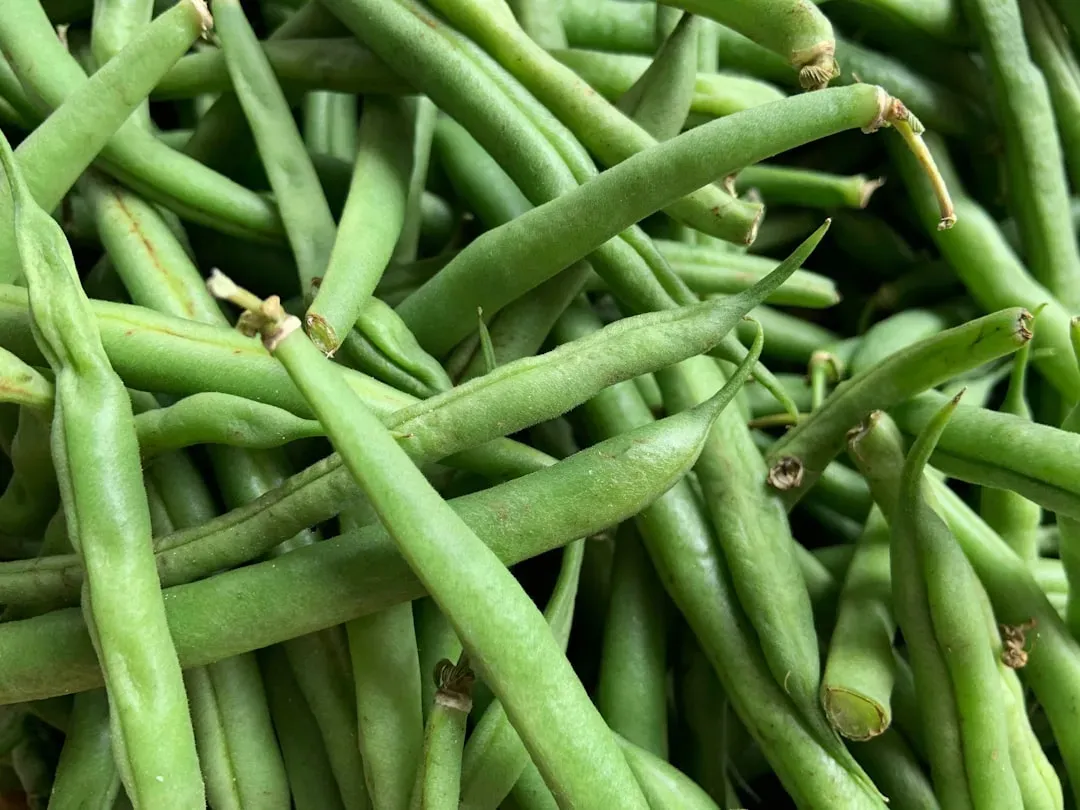
Chopped, steamed, raw, or canned, all types of green beans , as long as they’re plain. Green beans are full of important vitamins and minerals and are also full of fiber and low in calories. That versatility makes them one of the easiest veggies to work into your dog’s routine.
Green beans are high in vitamins and minerals like iron, calcium, and vitamins B6, A, C, and K. They are also low in calories and high in fiber, which can make dogs feel satisfied. Dogs who are carrying a little extra weight benefit especially well from green beans as a treat swap. Opt for no-salt canned green beans when adding them to food. Frozen green beans can also be fun enrichment snacks.
Green beans are safe to feed to your dog, but because they are high in fiber, they can cause flatulence to build up in your dog’s tummy. Green beans are more digestible if they are fed cooked. Start with small amounts and see how your dog’s stomach handles it before making it a daily habit.
Pumpkin and Sweet Potato: Powerhouses for Digestion

Pumpkin is high in fiber and can help regulate digestion and prevent constipation in dogs. It’s also rich in antioxidants and a good source of vitamins A, C, and E, potassium, and iron. If your dog ever has an upset stomach, a spoonful of plain, unseasoned canned pumpkin is one of the first things many vets recommend.
Senior dogs can especially benefit from pumpkin, because it’s high in fiber and can help combat stool problems. If your dog has diarrhea, the fiber will help thicken the stool by absorbing water. Conversely, if your canine companion is constipated, the extra fiber will help move things along. It works both ways, which makes it a remarkably useful staple to keep in the pantry.
Sweet potatoes are another vegetable recommended by veterinarians. They are loaded with vitamins, minerals, calcium, and fiber. Sweet potatoes are a great food for many dogs with allergies. Pumpkin supplements and pre-made treats are widely available. You can also purchase dog-specific canned pumpkin with no additives to add to your dog’s meals.
Bell Peppers, Peas, and Zucchini: The Colorful Additions
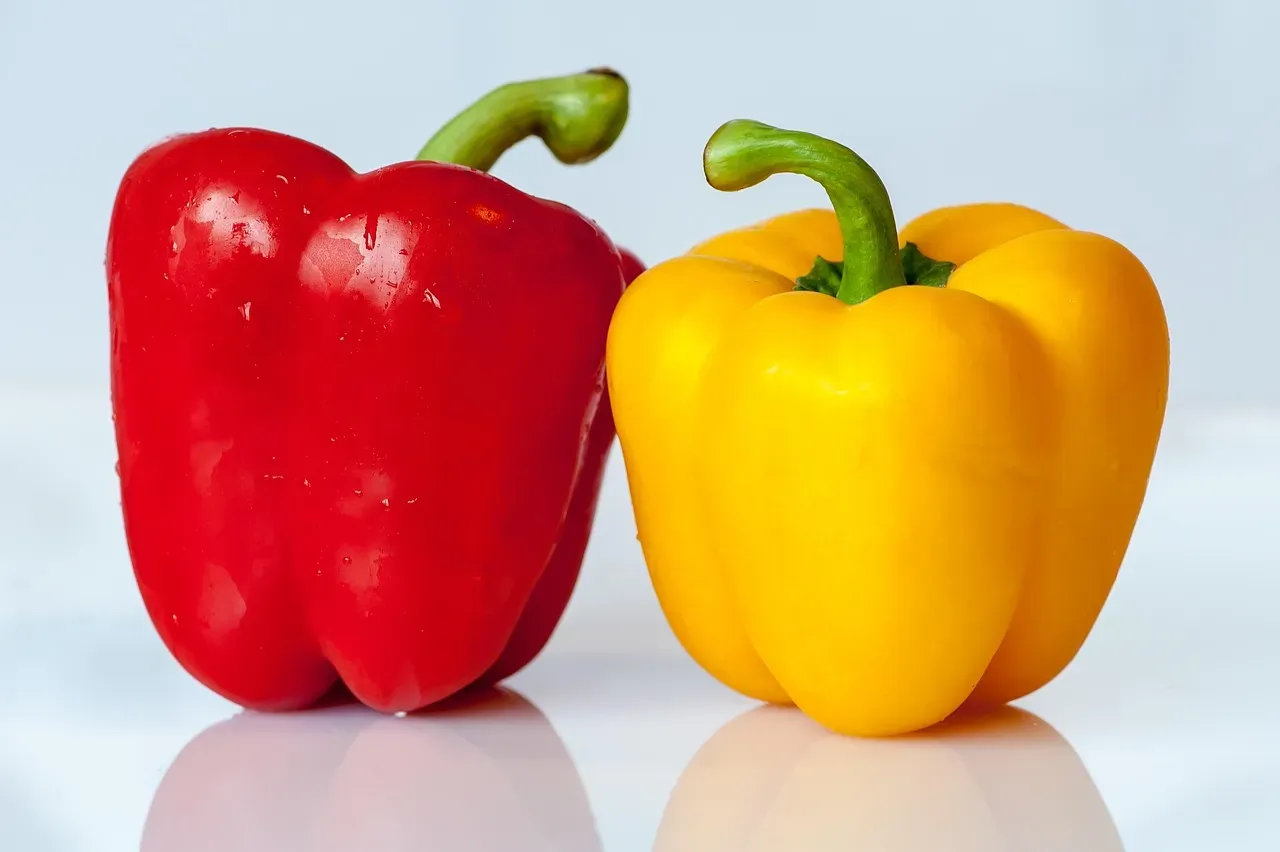
Any color of bell pepper is safe and healthy for your dog. Bell peppers are filled with vitamins A, B6, and E, lutein, and antioxidants like vitamin C and beta-carotene. They can help promote skin, coat, and eye health for your dog. Red bell peppers tend to have the highest concentration of nutrients, though all colors are a fine choice.
Peas are a good source of vitamins A, C, and K as well as iron and potassium. They’re also high in fiber and contain antioxidants that can reduce inflammation. Toss a few into your dog’s bowl as a topper and watch how fast they disappear. Green peas, snow peas, sugar snap peas, and garden or English peas are all fine for dogs on occasion. You can feed your dog fresh or frozen peas, but avoid canned peas with added sodium.
Raw or steamed zucchini is a safe and nutritious vegetable for dogs, as long as it’s served plain and in bite-sized pieces to prevent choking. Zucchini is low in calories, fat, and cholesterol and full of fiber, antioxidants, minerals, and vitamins A, C, B6, and K. It’s mild enough that even picky eaters tend to accept it, especially when mixed into food.
Vegetables to Avoid: Where the Real Danger Lies
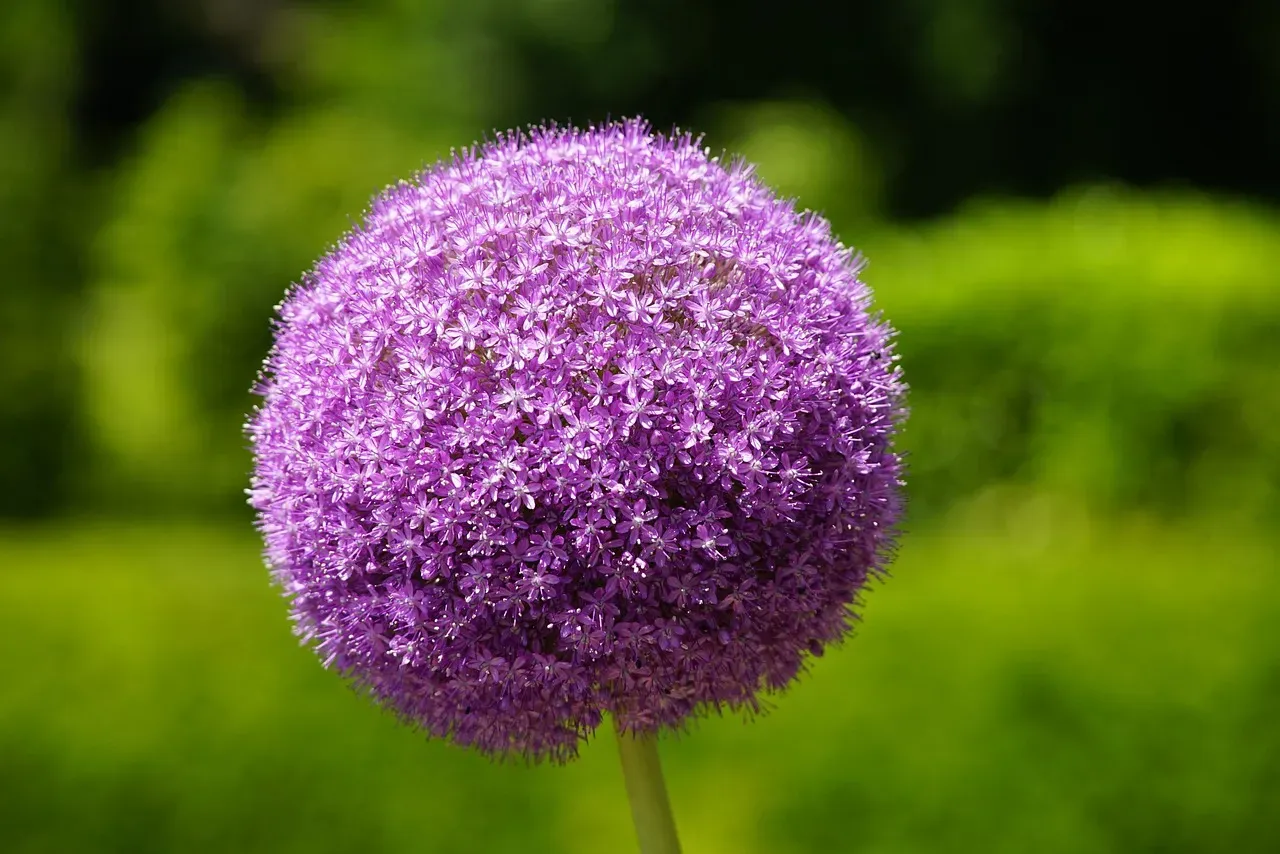
Onions, leeks, garlic, and chives are all part of the allium plant family and are toxic to dogs and cats alike. Eating onions can cause vomiting, diarrhea, stomach pain, and nausea. It can also make your dog’s red blood cells rupture. The tricky thing is that symptoms from allium toxicity don’t always show up immediately.
Garlic, onions, shallots, and chives are toxic to dogs whether raw or cooked. They have substances that may cause anemia and damage red blood cells. Signs of illness may take several days to manifest. That delay makes it easy to miss the connection, which is exactly why these ingredients, including powdered forms hidden in table scraps, need to stay firmly off-limits.
Raw potatoes should never be fed to dogs. Raw potatoes contain solanine, which is toxic to dogs. Cooking reduces these amounts to safe levels. Any wild mushroom should always be avoided. There are thousands of different wild mushroom species, and around 100 toxic wild mushroom species exist in North America. Because it can be difficult to identify the toxic varieties, try to make sure your dog doesn’t eat any wild mushrooms.
How to Introduce Vegetables Safely: Practical Tips for Every Dog Owner
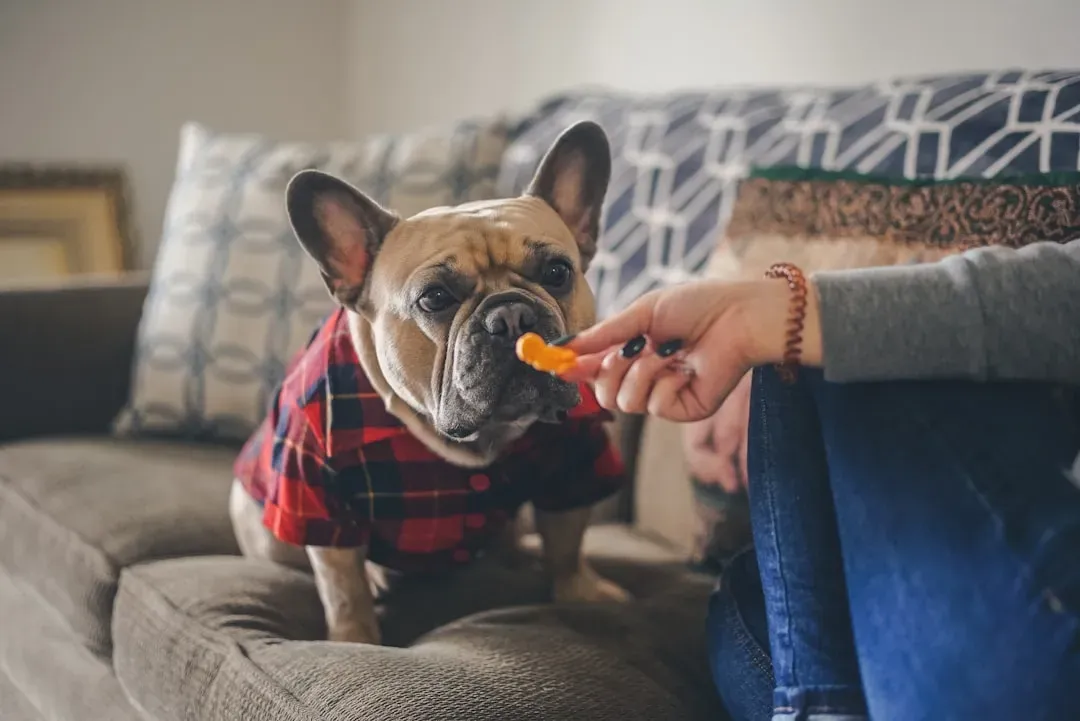
Dogs are omnivores, which means their bodies can benefit from both animal and plant-based nutrients. While commercial dog foods are designed to meet nutritional needs, adding vegetables can provide extra fiber, hydration, and antioxidants. That said, more is not always better. Treats should complement a balanced diet, not compete with it.
A good rule of thumb is the 10% rule: treats, including fruits and vegetables, should make up no more than 10% of your dog’s daily calories. Overfeeding can lead to stomach upset or weight gain. When introducing new foods to your dog, take it slowly to ensure that they tolerate them well and do not have tummy issues or allergies. Begin by giving a small portion of one vegetable at a time to see how they react.
You should always wash veggies thoroughly before feeding them to your dog. Remove any stems, leaves, seeds, cores, or pits, and cut the vegetables into bite-sized pieces. Taking these steps helps prevent choking or an intestinal blockage, and keeps your veggie-loving pup safe. The key is moderation and preparation: avoid seasoning, oils, and butter, and make sure vegetables are cut into small, bite-sized pieces.
Conclusion: Small Bites, Big Care

Sharing a carrot with your dog while you cook, or sneaking a few plain green beans into their bowl, these are quiet little acts of care that add up. Incorporating vegetables also offers mental enrichment. Dogs enjoy new textures and flavors, and the simple act of chewing a crunchy carrot or green bean can keep them entertained while promoting good dental health.
Always check with your veterinarian before giving your dog any new foods, especially people foods. What might be okay for one dog might not be good for your dog, depending on multiple factors such as their age, health history, health conditions, and diet. Every dog is different, and that context matters.
The joy of feeding your dog well isn’t complicated. It’s mostly about knowing what’s safe, preparing it properly, and watching your pup discover that vegetables can actually be pretty great. That tail wag when you pull a carrot out of the fridge? That’s all the confirmation you need.


