
12 Things That Happen to a Dog’s Behaviour When They Sense Their Owner Has Given Up Hope
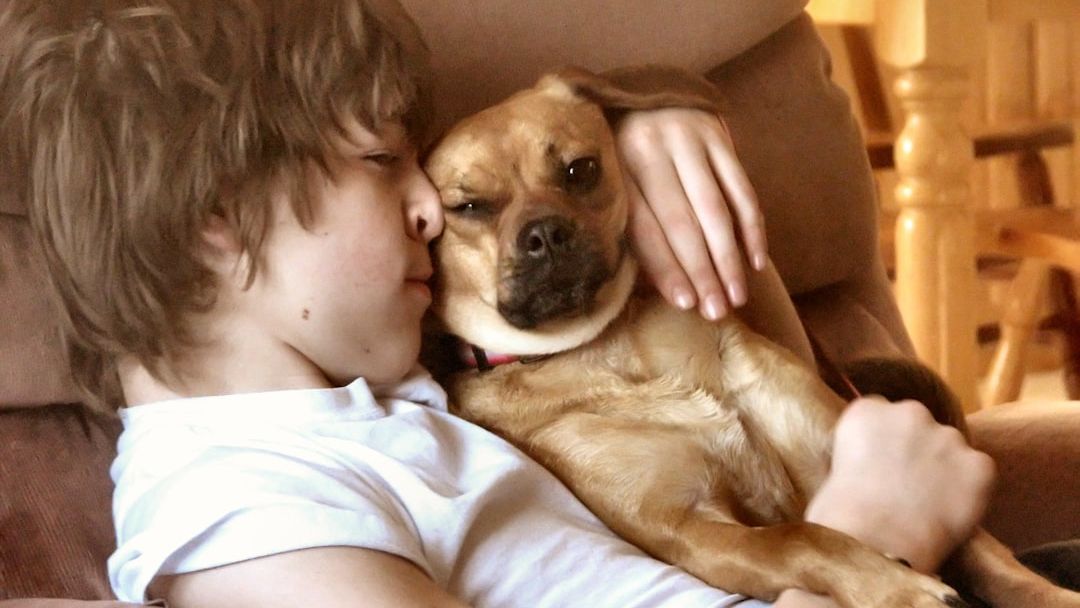
There’s a reason we call them our most loyal companions. Dogs don’t just live beside us – they tune into us in ways that still quietly astonish scientists and pet owners alike. They read our body language. They track our routines. They register shifts in our voice, our scent, and even the way we carry ourselves through a room.
What happens, then, when an owner stops carrying themselves with hope at all? When the walks get shorter, the laughter goes quiet, and the energy in a home drops low and stays there? What does a dog actually do with that information? The answer is more complex, more tender, and more sobering than most people expect.
#1. They Become Almost Impossibly Still

When an owner’s emotional energy drops, many dogs stop buzzing around the house and grow unusually calm and subdued. The energy level in the nervous system is much lower for someone feeling depressed, and as a result, a dog sensing this will most likely appear calmer and lethargic too. It’s a kind of co-regulation happening in real time, almost like the dog adjusts its own internal temperature to match the room.
This stillness isn’t laziness or indifference. It’s the dog reading the emotional atmosphere and falling into sync with it. Dogs and humans co-regulate, with nervous systems that tend to sync. If a human is feeling anxious or low, a dog will sense that and match the energy level of activation. A once bouncy, playful dog that suddenly seems rooted to the spot could be quietly telling you something important about the emotional climate at home.
#2. They Start Following Their Owner From Room to Room

One of the most recognizable changes is a dog that suddenly turns into a shadow. Where they once played independently or napped in their own corner, they now track their owner’s every movement around the house. Dogs often stay close to their owners when they sense sadness, showing a protective instinct. It’s instinctive, steady, and very deliberate on their part.
This proximity-seeking behaviour goes deeper than simple companionship. When dogs sense sadness or distress, many naturally offer comfort by sitting extra close, nudging their owner’s hand, or resting their head in a lap. Some might become extra gentle and quiet, while others bring toys or follow their person from room to room. The dog isn’t being clingy without cause. It is, in its own wordless way, refusing to leave its person alone.
#3. Their Appetite Drops Noticeably

Dogs absorb emotional distress and often express it through their bodies first. One of the clearest signs is a sudden disinterest in food. A sudden drop in food intake, or skipping meals entirely, can signal emotional distress or changes in mental health. When an owner has stopped engaging with life, that absence of vitality tends to ripple outward directly into the dog’s routine.
Depression causes various physical symptoms in dogs, such as lethargy and altered sleep patterns, which in turn influence their eating habits. A depressed dog may not have the energy to eat, or they might sleep through regular mealtimes. If your dog was always enthusiastic at the bowl and suddenly isn’t, that’s worth paying attention to – for both of your sakes.
#4. They Begin Sleeping Far More Than Usual

A dog that’s emotionally absorbing its owner’s hopelessness may start sleeping at unusual hours or for much longer stretches than normal. Excessive sleep is a noted sign of emotional distress in dogs, and some breeds are more prone to depressive behaviours based on their environments. The emotional weight of a sad home is a genuinely heavy thing for a dog to carry, and sleep becomes an outlet.
When dogs feel down or blue, they tend to sleep all day. It’s their way of coping or trying to escape from all the negative feelings. This kind of behavioural shift isn’t random. It mirrors what we see in humans struggling through periods of deep sadness, and it’s the dog’s honest, unfiltered reflection of the emotional world it lives inside.
#5. They Offer Unexpected Physical Contact
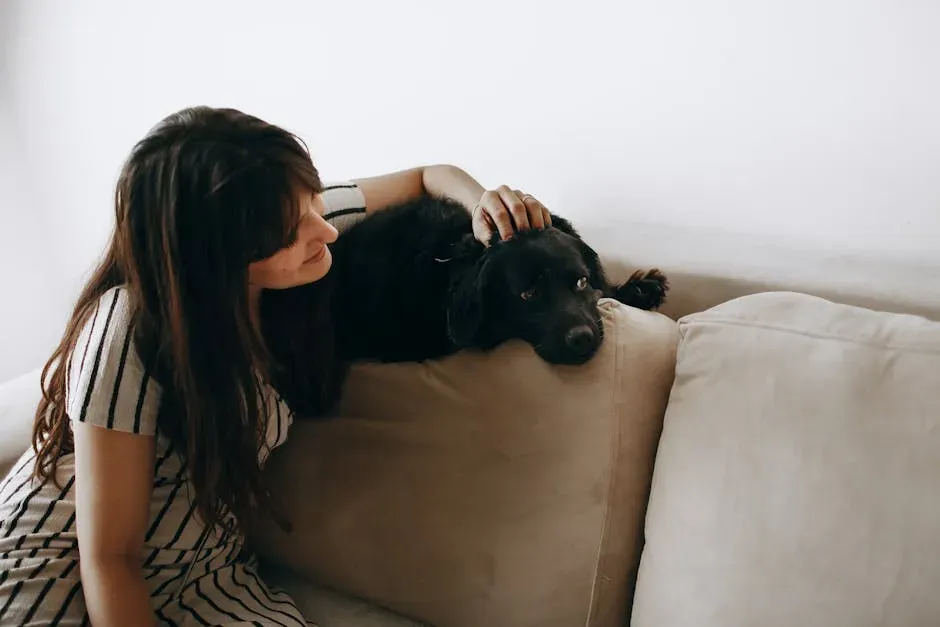
Dogs have a remarkable way of reaching out when words simply don’t exist. When they sense something is deeply wrong with their person, many will make deliberate physical contact in ways that feel almost intentional. They might put their paw or head on their owner’s hand to show support. Some dogs will try to cuddle and learn from their owners’ ways to show comfort. If they know their owner likes kisses, they might start licking their face or hands and putting their nose close to them.
This isn’t accidental affection. Nuzzling, licking hands or face, resting a head on a lap, or presenting a toy are considered active comfort-seeking and comfort-offering actions. There’s something quietly profound about a dog pressing its warm body against a person who has stopped asking for help. It’s as close to “I see you” as a dog can possibly get.
#6. They Show Signs of Emotional Contagion
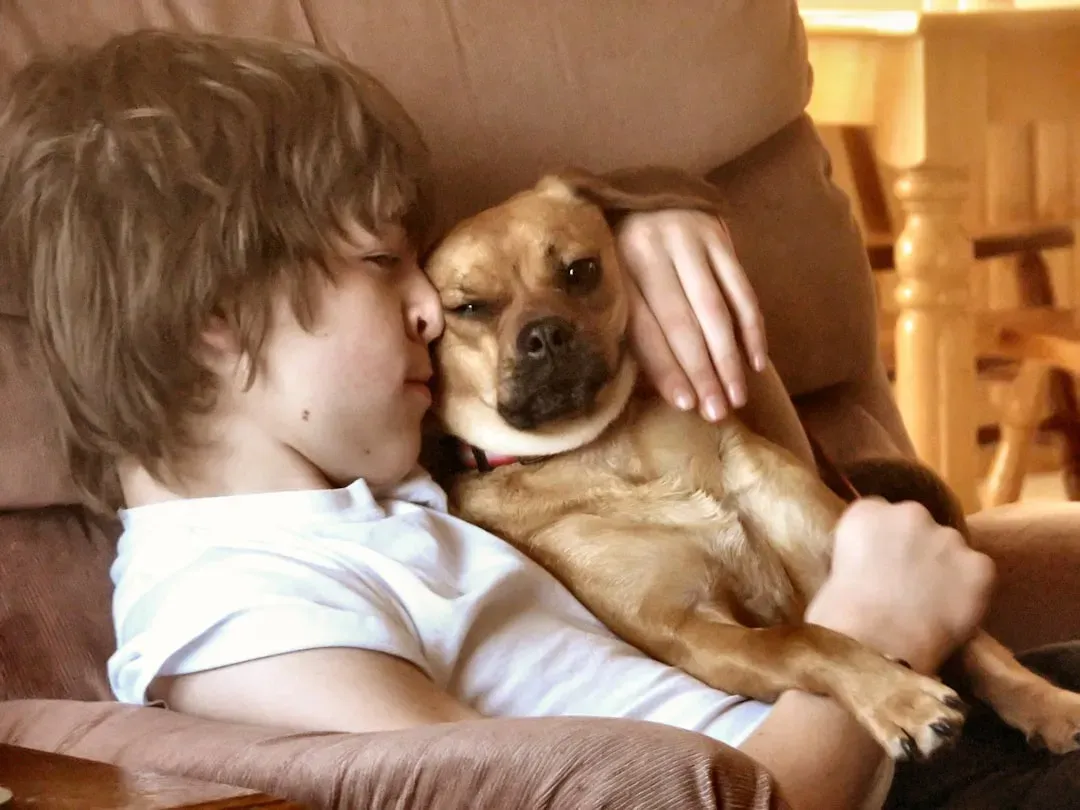
What scientists call “emotional contagion” is something dog owners often experience without having a name for it. Essentially, a dog doesn’t just observe sadness – it starts to feel something resembling it. Dogs are capable of experiencing emotional contagion, or “catching” their owner’s emotions. The emotional state passes between species almost like a shared frequency.
A dog may begin to mirror its owner’s distress through a phenomenon known as emotional contagion. Whimpering, whining, or anxious pacing may follow. This suggests the dog is not just observing the owner’s state but is actually affected by it themselves. It’s a sobering reminder that your emotional world doesn’t stay contained to you – your dog lives inside it too.
#7. They Lose Interest in Play
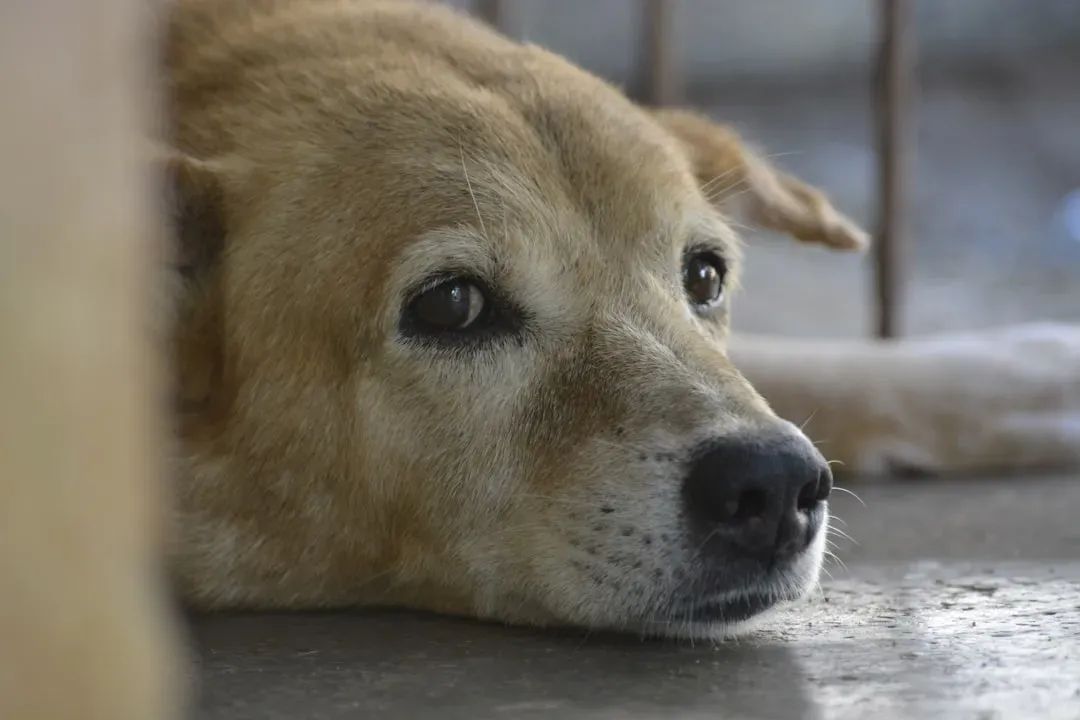
A dog that once bounced at the sight of a lead or went wild at the sound of a favourite toy being picked up may gradually stop reacting with the same joy. One clear sign of distress in dogs is losing interest in activities they once enjoyed. Imagine a dog’s joy and excitement when going for walks or playing fetch – but when emotionally burdened, their enthusiasm wanes and they may no longer show interest in these cherished pastimes. The play impulse doesn’t disappear, but something weighs it down.
When a dog is affected by the emotional weight in their environment, they may display ongoing changes in behaviour such as low energy, disinterest in play, or withdrawal from their loved ones. The dog isn’t broken or ill – at least not always. Sometimes it is simply living in lockstep with an owner who has also lost their enthusiasm for the things that once made life feel good.
#8. Their Body Language Changes Visibly
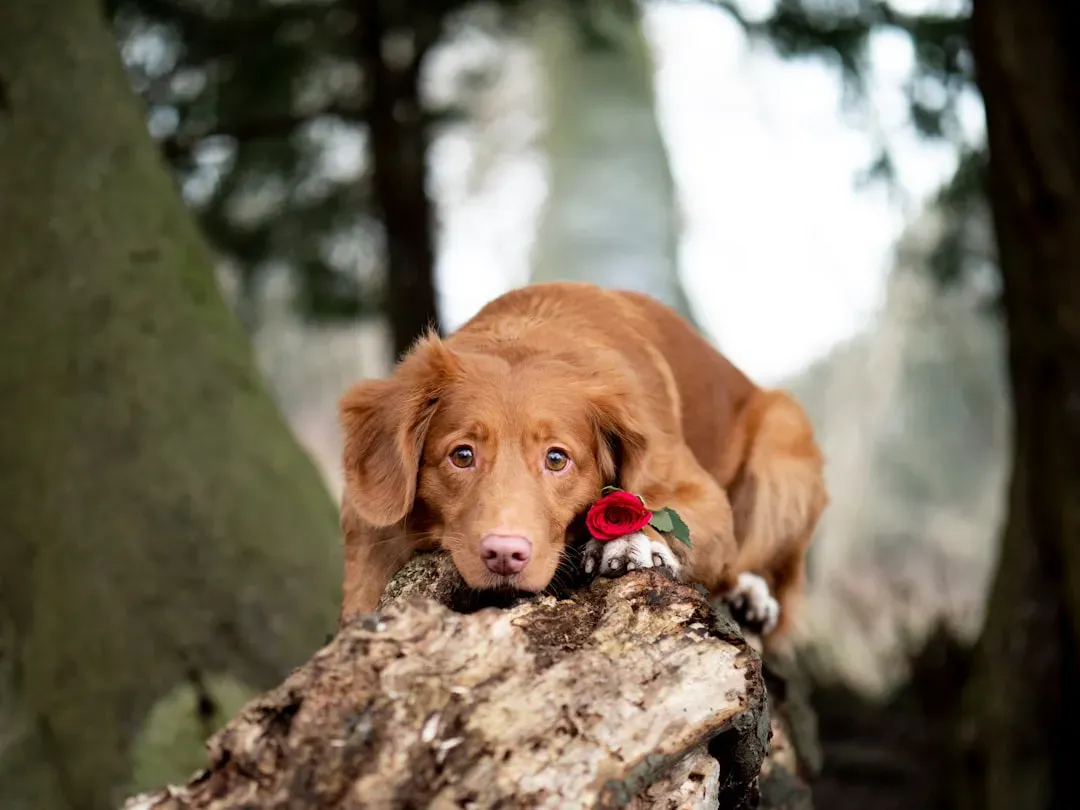
Dogs communicate volumes without making a sound, and when they’re picking up on hopelessness from an owner, that communication shifts. It’s worth paying close attention to a dog’s body language, as they may show signs of stress or anxiety through tucking their tail, licking their lips, yawning, or avoiding eye contact. These are subtle cues, but for anyone who knows their dog well, they stand out clearly.
Dogs are observant animals that tend to know much more about their owners than we often think. They can read body language cues, distinguish various tones of voice, and even read facial expressions and connect them to the appropriate emotion. They often become masters of nonverbal communication and can quickly pick up on their owner’s emotional state by solely relying on their observational skills. When a dog’s posture becomes smaller and more subdued, it’s worth asking what they might be mirroring.
#9. They Become Restless or Pace Anxiously
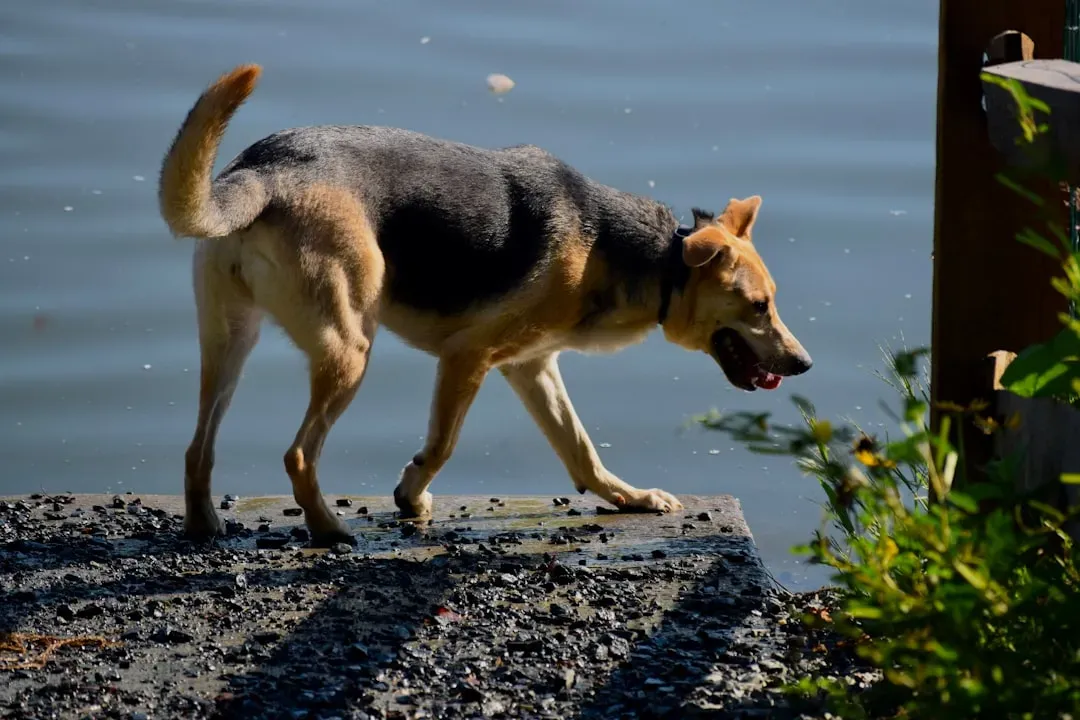
Not every dog grows still and quiet in response to an owner’s distress. For some, it tips in the opposite direction. Some dogs may begin to mirror their owner’s distress through emotional contagion, whimpering, whining, or pacing anxiously. The nervous energy has to go somewhere, and pacing becomes the outlet for an anxiety the dog can’t articulate or resolve.
Like humans, dogs can exhibit restless behaviour when they’re anxious. If a dog seems more restless than usual, constantly pacing or unable to settle down, it might be a sign of anxiety that needs to be looked into. It’s the dog equivalent of circling the same worried thought over and over. The owner’s inability to hope becomes the dog’s unsolvable problem, and some dogs pace out the frustration of not being able to fix it.
#10. They Withdraw or Seek Isolation
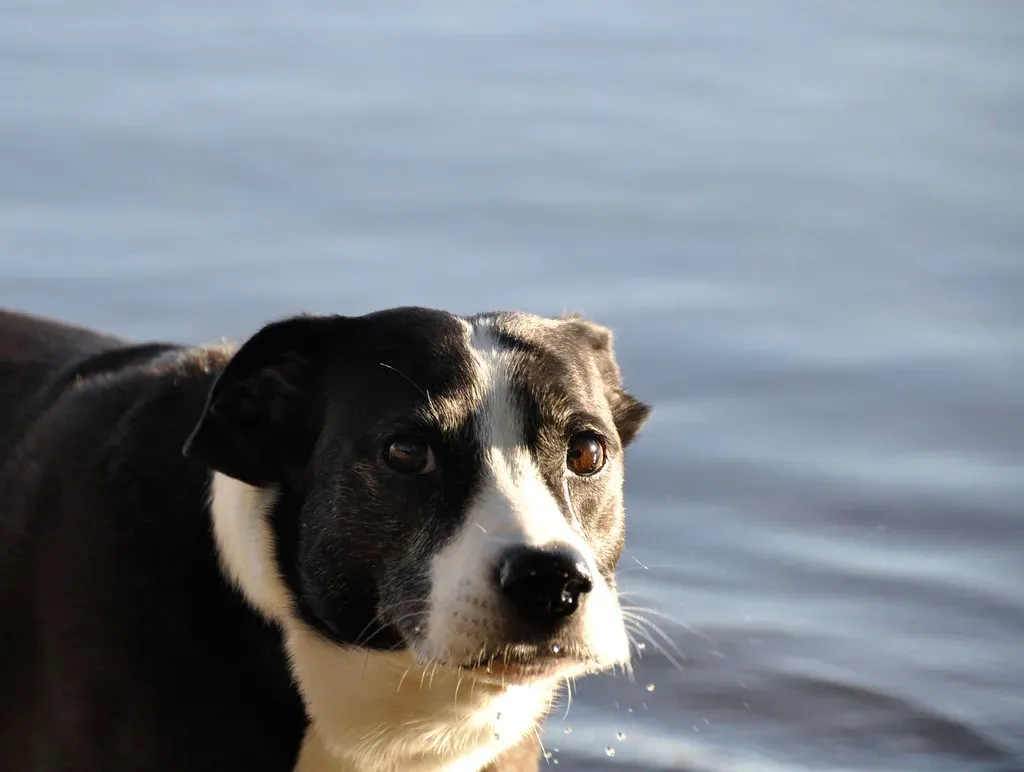
While many dogs press closer during hard times, others do something that surprises their owners – they pull away. While some dogs lick their owners to provide comfort when they’re sad, others might react differently. Some dogs will sense their owner’s sadness and choose to give them space, picking up on the fact that the person is feeling vulnerable or upset. In these cases, a dog might avoid their owner because they’re unsure of how to help or don’t want to make things worse.
A withdrawn dog may be hiding away under a bed or in a corner instead of playing or wanting to be with the family. They can seem lost in their own world, indifferent to what usually brings them joy. This kind of isolation is the dog absorbing more emotional stress than it can outwardly manage. It’s not rejection – it’s overwhelm expressed in the only way a dog knows how.
#11. They Begin Vocalising More, or Go Strangely Quiet

A dog’s vocal patterns are one of the clearest windows into its inner state, and emotional disruption tends to push those patterns toward an extreme. Increased whining or howling can be a sign of emotional distress or loneliness. A dog may whine because it is seeking comfort or expressing sadness, or due to stress or physical discomfort. These sounds are directed at the owner – an audible request for things to be okay again.
On the other side of the spectrum, dogs that are normally vocal and communicative may go unusually quiet when something feels deeply wrong in the home. Research has found that when dogs hear expressions of distress like crying, or even simply detect shifts in emotional tone, they respond differently than they do to other vocalizations. Whether the change is more noise or an eerie silence, it’s rarely without meaning. The dog is reading the room, and it’s reacting honestly to what it finds.
#12. They Make Persistent Attempts to Initiate Connection

Perhaps the most quietly heartbreaking response is the one where a dog refuses to stop trying. Even when an owner has emotionally shut down – barely leaving the bedroom, skipping routines, going through the motions – some dogs will keep bringing their favourite toy to the door, nudging a hand, or resting their chin on a knee. If a dog usually plays fetch with its owner, it might bring its toy over and over, hoping to start the game again. It’s hope, offered on four legs, without any expectation of reward.
A study published in the journal Learning and Behavior suggests that many dogs genuinely want to comfort their humans. Unfortunately, dogs that don’t outwardly show concern are often so deeply affected by their owners’ distress that they become unable to offer help. The ones that keep trying, though – keep nudging, keep showing up, keep dropping that toy at your feet – are doing something that goes far beyond instinct. They are choosing, in the only language available to them, not to give up on you.
A Closing Reflection

There’s something uncomfortable and deeply moving about understanding how much our dogs absorb from us. They don’t experience hope or hopelessness the way we do, but they live inside our emotional world as fully as any member of the household. When we stop engaging with life, they notice. When we stop showing up for ourselves, many of them quietly decide to show up even harder.
Research shows dogs are naturally attuned to human emotions, sensing changes in mood and stress through body language, scent, and tone of voice. That’s not a trick. That’s thousands of years of co-evolution between two species that learned, over a very long time, to genuinely need each other.
If your dog’s behaviour has shifted in ways that mirror some of what’s described here, it may be worth pausing – not just to ask what’s wrong with your dog, but to honestly consider what your dog might be seeing in you. They rarely get it wrong. And sometimes the most honest emotional assessment you’ll receive in a day comes not from a person, but from a set of quiet eyes watching you from across the room, still waiting for you to be okay.