
There’s something remarkable happening every time you and your dog simply exist in the same room together. It’s not loud or dramatic. It’s a gaze that lasts a beat too long, a tail that picks up pace the moment you move, a dog that somehow always ends up right where you are. That pull isn’t accidental, and it isn’t just instinct on their part alone.
Research supports the existence of a self-perpetuating, oxytocin-mediated positive loop in human-dog relationships that mirrors what we see between human mothers and their infants. Human-dog interactions driven by gazing, touch, and positive exchanges all bring on social rewarding effects due to oxytocin release in both humans and dogs, deepening mutual relationships and interspecies bonding. In other words, the connection you feel is real, measurable, and – most importantly – something you can actively grow. These twelve habits won’t overhaul your life, but they will quietly transform your relationship with your dog in ways you’ll start noticing almost immediately.
#1: Make Eye Contact With Intention
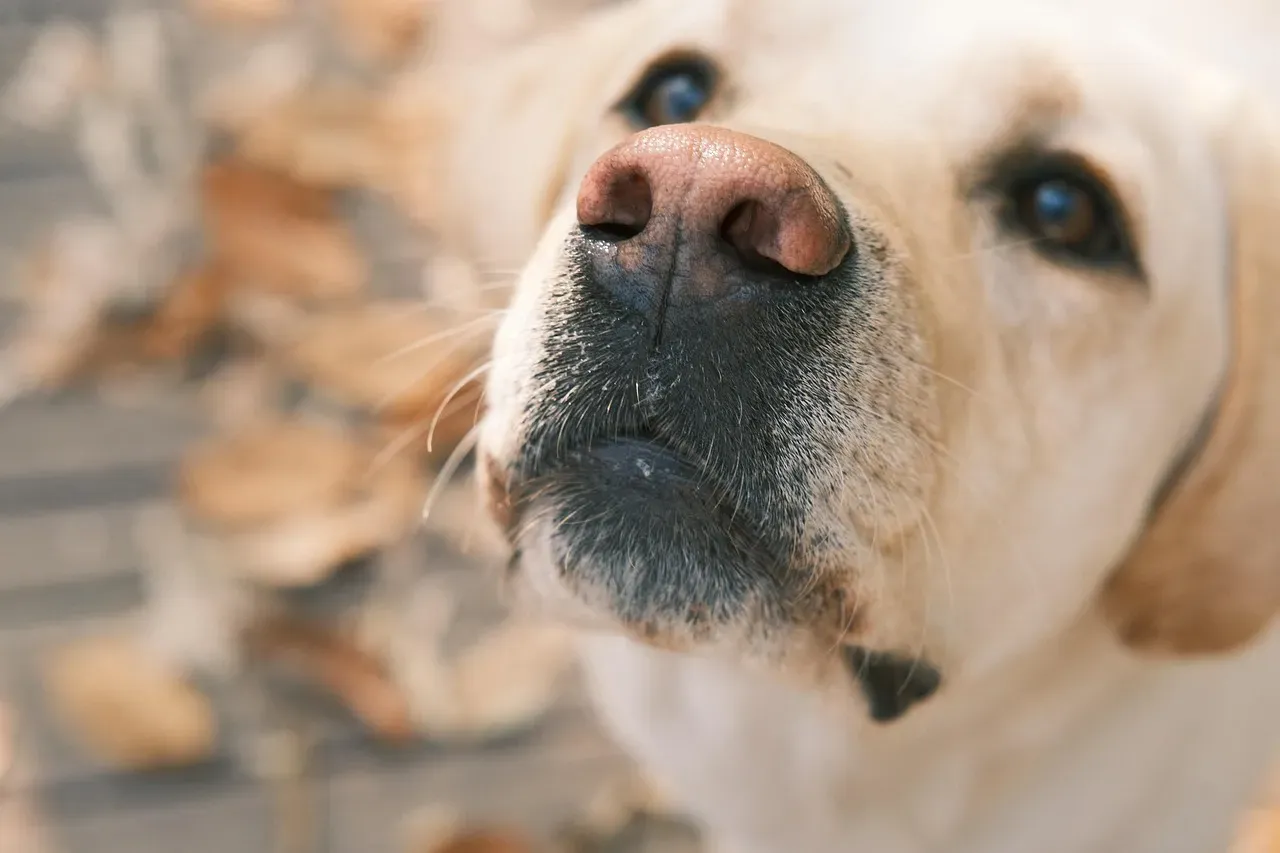
Most people look at their dog constantly, but there’s a difference between a passing glance and a genuine, soft moment of eye contact. That distinction matters more than most owners realize.
Research found that mutual gazing increases oxytocin levels, and that this effect transfers between dogs and their owners. This is the same feedback loop that bonds parents to newborns – and your dog is wired for it.
Dogs that are emotionally attached to their owners tend to maintain eye contact, looking at them with soft, relaxed eyes. That eye contact releases oxytocin in both dogs and humans, helping to further foster a sense of connection and affection.
You don’t need a formal exercise for this. Just pause during the day, look at your dog calmly and warmly, and hold it for a few quiet seconds. That small act is doing something real inside both of your brains.
#2: Build a Daily Routine and Stick to It
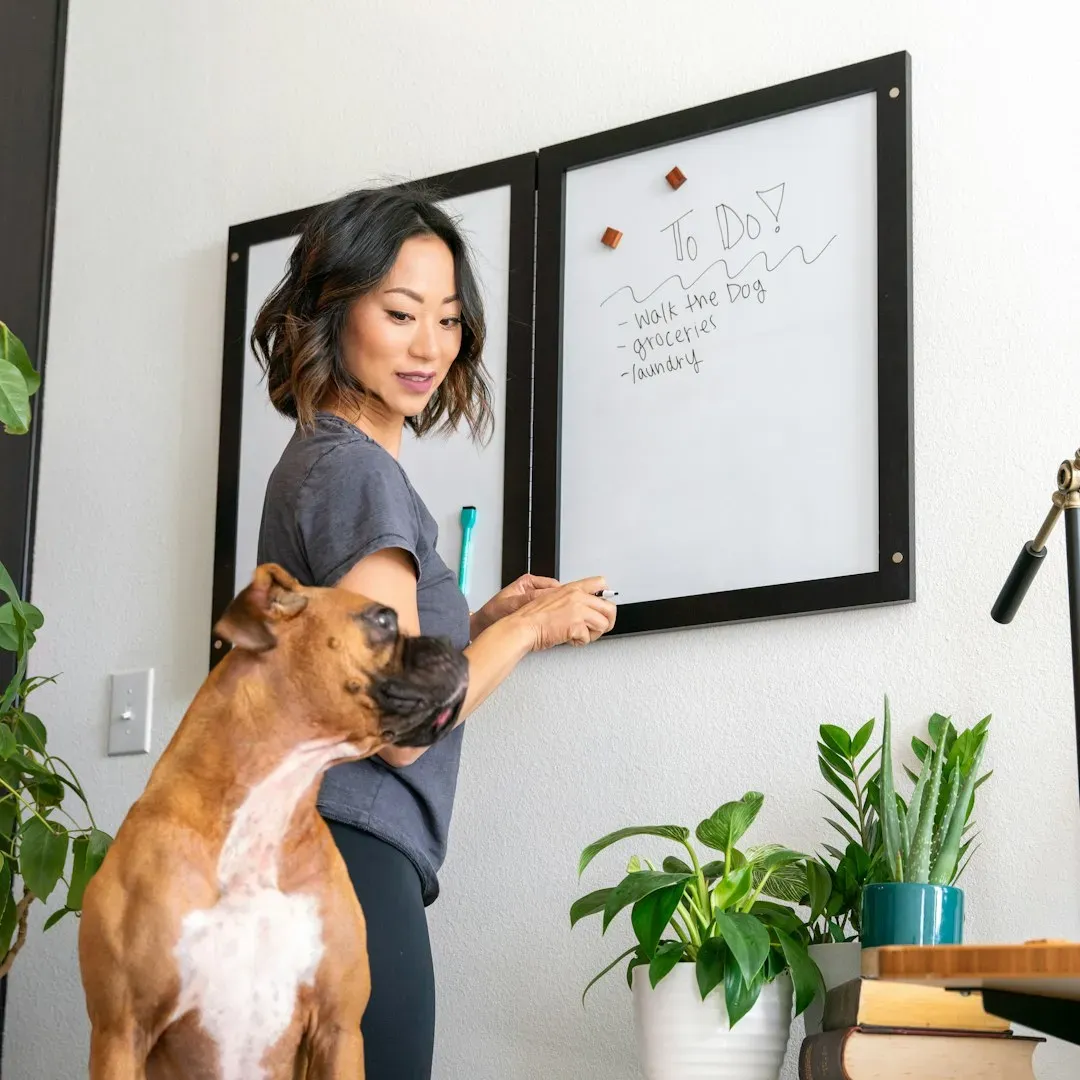
Dogs thrive on consistency. Whether it’s feeding time, training sessions, or daily walks, a structured routine provides them with a sense of security and stability. Much like humans, dogs feel more comfortable when they know what to expect, and a consistent routine helps to reduce anxiety, improve behavior, and build trust between you and your pet.
Unlike us, dogs don’t understand future events or sudden changes. Routine gives them predictability, which in turn reduces cortisol levels – the stress hormone. When stress goes down, openness and connection go up. It’s that direct.
Spending time together regularly through walks, play, training, or meals cements trust and boosts your relationship. Engaging in frequent, positive interactions as part of your routine deepens bonds and creates emotional safety for your dog. Think of routine not as something you do for your dog, but as something you build with them.
#3: Go on Sniff Walks – and Actually Let Them Sniff
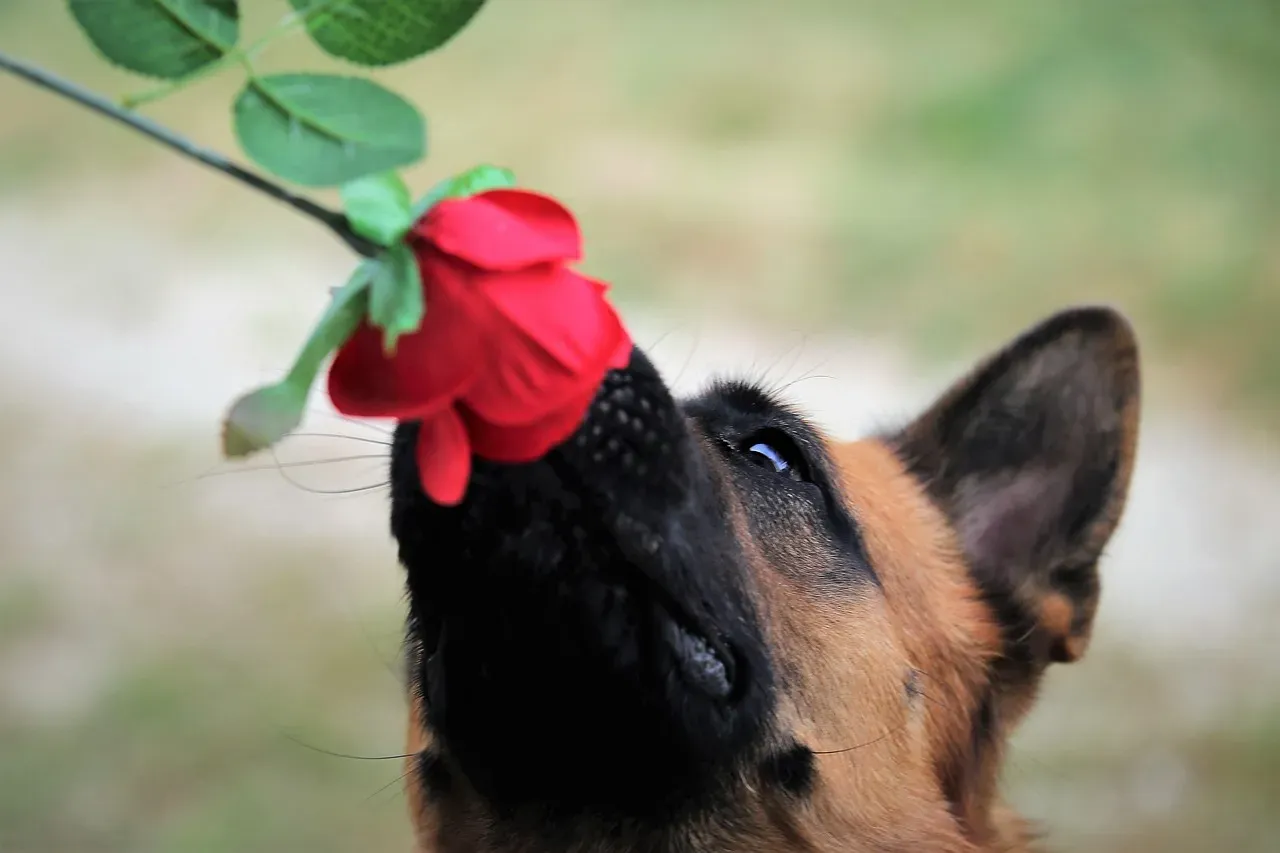
Most walks are built around the human’s pace and destination. Slowing down and handing the agenda to your dog is one of the quietest and most effective gifts you can give them.
Dogs have up to 300 million scent receptors, depending on the breed, which makes sniffing an essential activity. By encouraging sniffing walks, you’re providing them with mental enrichment that helps them process the world. It’s genuinely their version of reading the morning news.
Sniffing activates many parts of a dog’s brain, releasing the pleasure hormone dopamine and promoting rest, thereby helping to reduce stress. A dog that finishes a sniff walk is often calmer, more settled, and more attentive to you for the rest of the day.
Quality time spent with your pet, no matter the activity, builds comfort and trust. Tuning in to their unique needs, like sniffing, ultimately establishes an even stronger bond with your pet. Letting them lead for twenty minutes costs you nothing but a little patience.
#4: Train Together – Even Just for Ten Minutes a Day
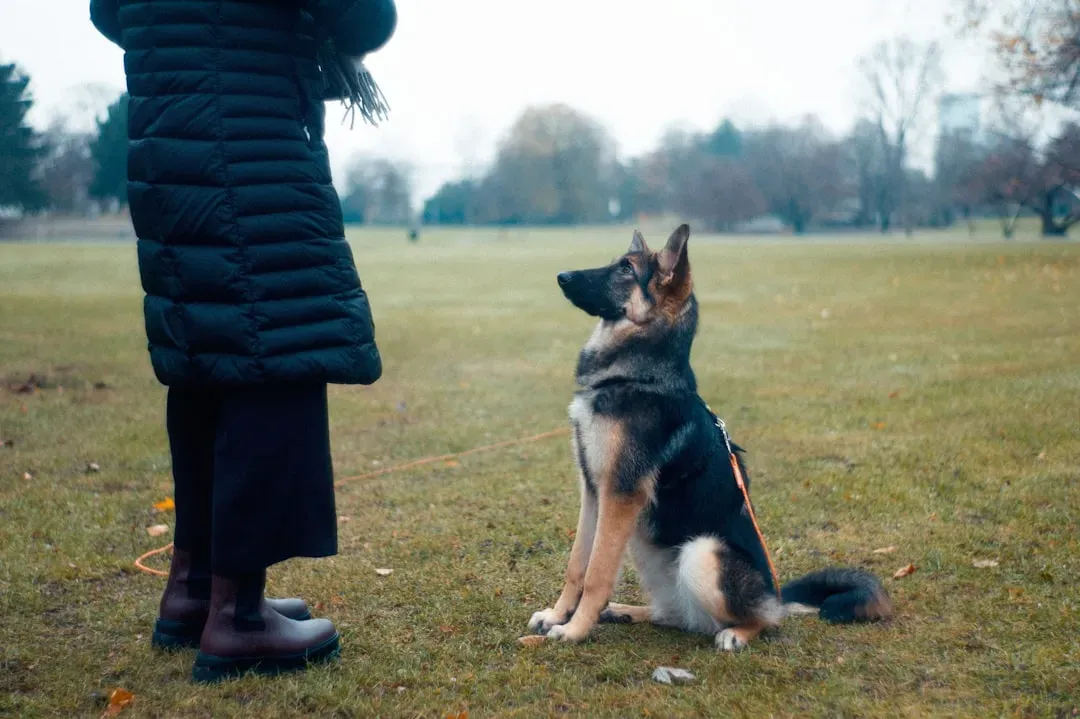
Training is not a one-time event but a daily habit. Great owners use everyday interactions to reinforce good manners and obedience. This keeps the dog’s mind sharp and reinforces the partnership between humans and dogs.
Research published in Applied Animal Behaviour Science found that dogs trained with positive reinforcement learn faster and form stronger bonds with their owners than those trained with aversives. The method matters just as much as the consistency.
Training is most effective when practiced consistently. Dedicating time each day to training your dog, focusing on basic commands, with sessions kept short – ten to fifteen minutes at a time – maintains your dog’s attention and prevents frustration. Consistency in training also means using the same commands and rewarding positive behavior promptly.
#5: Give Them Daily Physical Touch That They Actually Enjoy
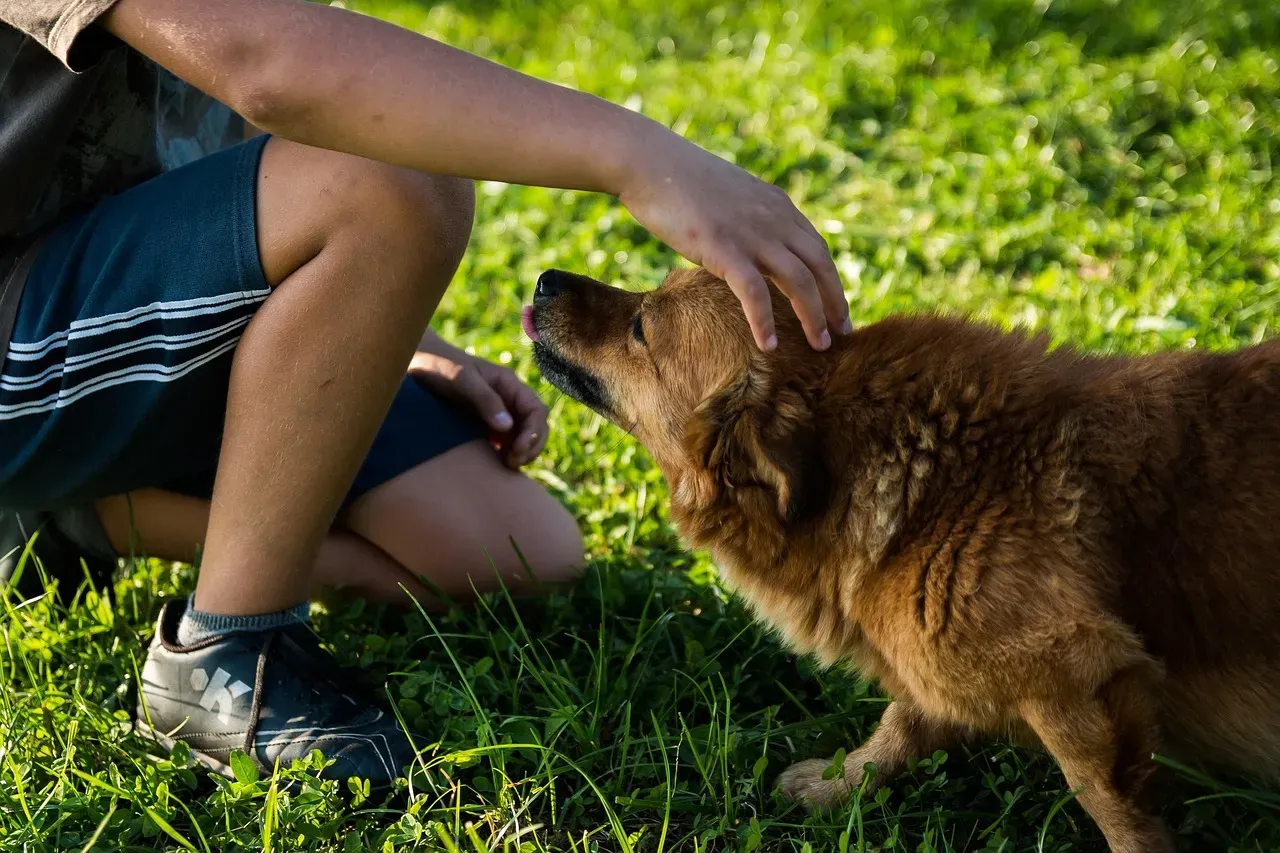
Touch is a primary language between dogs and the people they trust. The key word, though, is “they actually enjoy.” Not all dogs love the same kind of contact, and learning what yours prefers is itself an act of attentiveness that deepens trust.
When you pet a dog, both of your brains release calming hormones that build trust, reduce stress, and reinforce attachment. From lowering blood pressure to improving emotional resilience, the benefits are real and measurable.
Spending a few minutes each day massaging your dog helps build the bond between you and your puppy or dog. Massage also helps your pup be more comfortable with body handling for things such as nail clipping and vet exams. Figuring out what kind of physical praise your dog likes is just as important as providing it consistently.
#6: Use Mealtimes as a Bonding Ritual
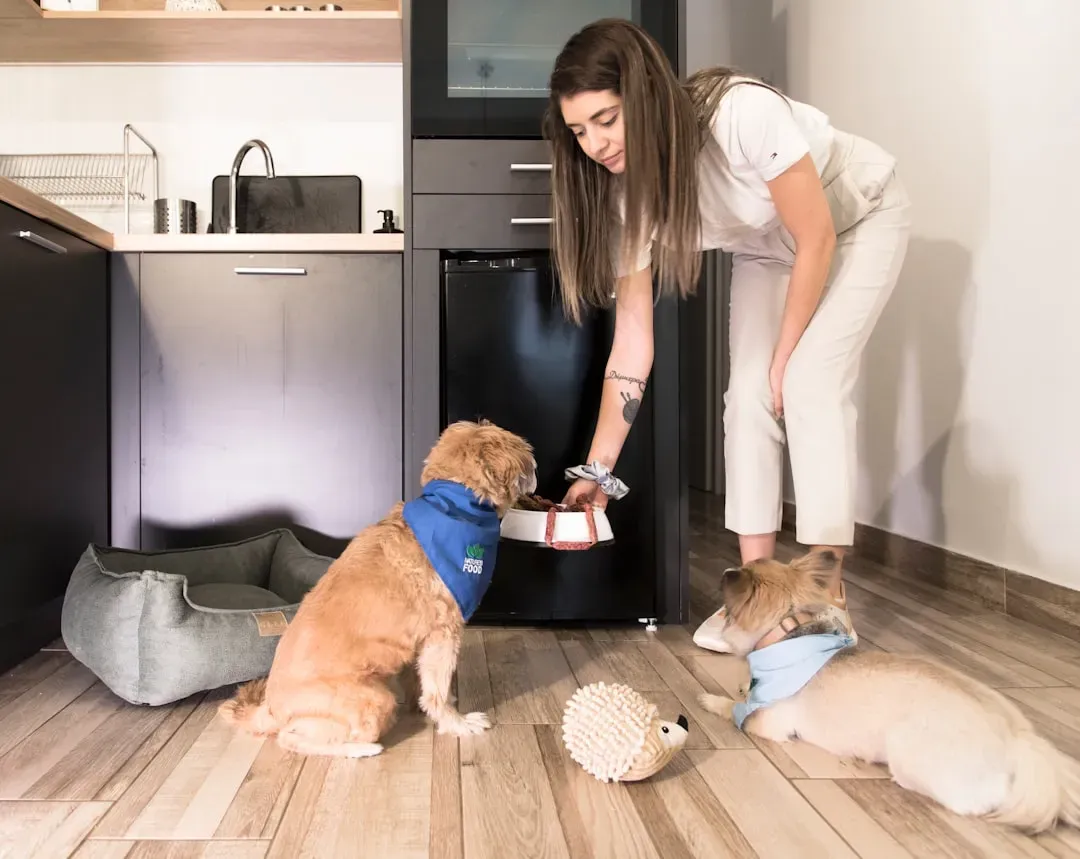
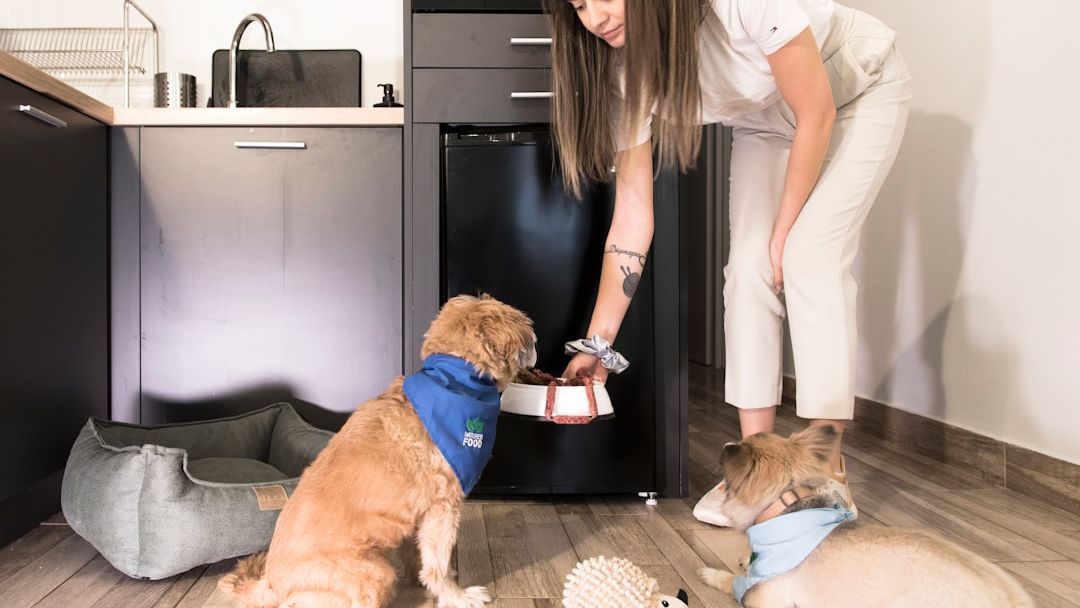
Feeding your dog doesn’t have to be a thirty-second transaction. Done thoughtfully, mealtimes can become one of the most reliable daily moments of connection between the two of you.
Feeding time should be more than just filling a bowl. Use it as an opportunity to bond and build trust. Serving meals at the same time each day supports digestive health and gives your dog something to look forward to with confidence.
Creating a routine for mealtime that involves your dog – such as practicing a few commands before their meal is served – can make mealtime feel like a shared experience for the two of you. A simple “sit” before the bowl goes down takes five seconds and communicates a world of calm leadership and structure.
#7: Play – With Genuine Enthusiasm
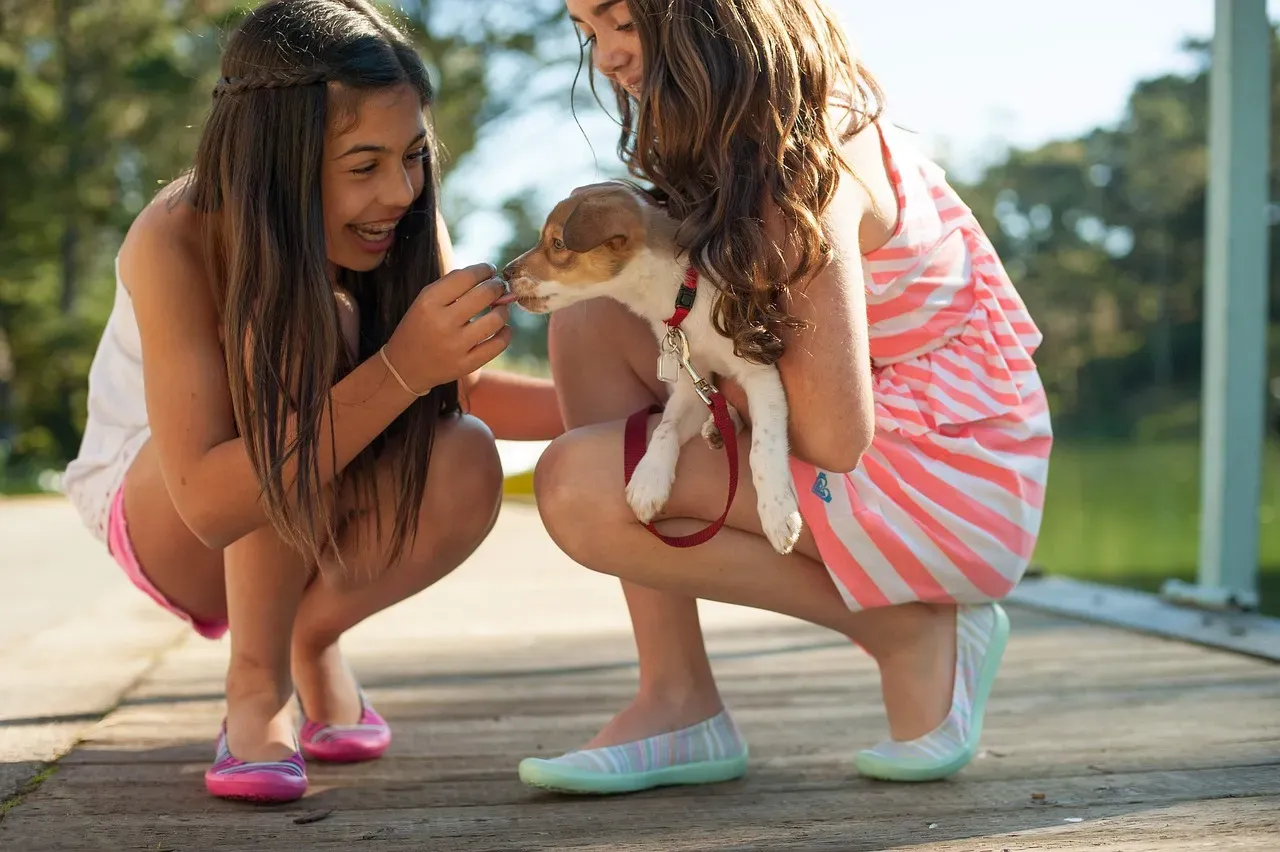
Dogs read your energy during play, and they can absolutely tell when you’re half-present. Full engagement, even just for ten minutes, signals to your dog that you’re choosing them over everything else in that moment. That matters to them deeply.
Games like hide-and-seek or supervised play with interactive toys give mental and physical exercise combined, and these activities also strengthen the dog’s bond with you through play. Variety in the type of play keeps things interesting and prevents your dog from tuning out.
Puzzle toys, agility courses, or even simple games of hide-and-seek can make your dog’s day. Searching requires your dog to think, adapt, and solve problems. Successful searches can boost your dog’s confidence. Playing games together can strengthen the bond between you and your dog. A more confident dog is also a more trusting one.
#8: Learn to Read Their Body Language
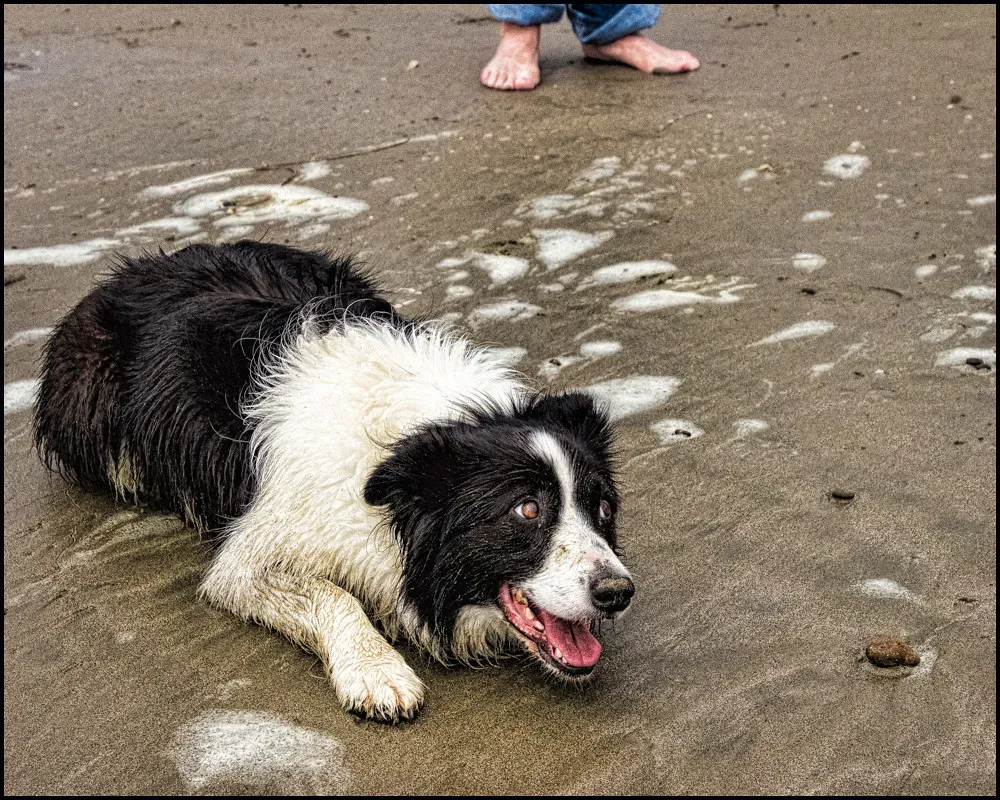
The more fluently you understand what your dog is communicating, the more safe they feel around you. When a dog realizes that you actually notice them – that you respond to their signals – the relationship shifts into something noticeably warmer.
One of the best emotional attachment indicators is your dog’s body language. Dogs who have a strong emotional attachment to their humans display it in a variety of subtle and not-so-subtle ways. Learning to recognize those cues is a form of respect.
Dogs with strong emotional attachments will be very in tune with their owner’s emotions. They can pick up on feelings of anxiety or sadness and will try to provide comfort by nuzzling or licking your face. That attunement works both ways – the more you observe them, the more in sync you’ll both become.
#9: Create a Predictable Sleep and Winding-Down Routine

The end of the day is an underestimated opportunity. Dogs are acutely sensitive to the rhythms of household life, and a calm, consistent wind-down signals safety and belonging.
Just like humans, dogs need quality sleep to function at their best. Establishing a consistent bedtime helps regulate your dog’s internal clock, which improves both sleep quality and overall mood. Creating a bedtime routine that includes a wind-down period with minimal noise and stimulation – perhaps dimming lights, calming music, or offering a favorite toy – makes a real difference.
Consistency in sleep routines is especially important for puppies and senior dogs, who require more rest and are more sensitive to disruption. Even for adult dogs in their prime, knowing the day has a reliable, peaceful ending reduces low-level anxiety they may carry throughout the evening.
#10: Practice Calm, Distraction-Free Time Together
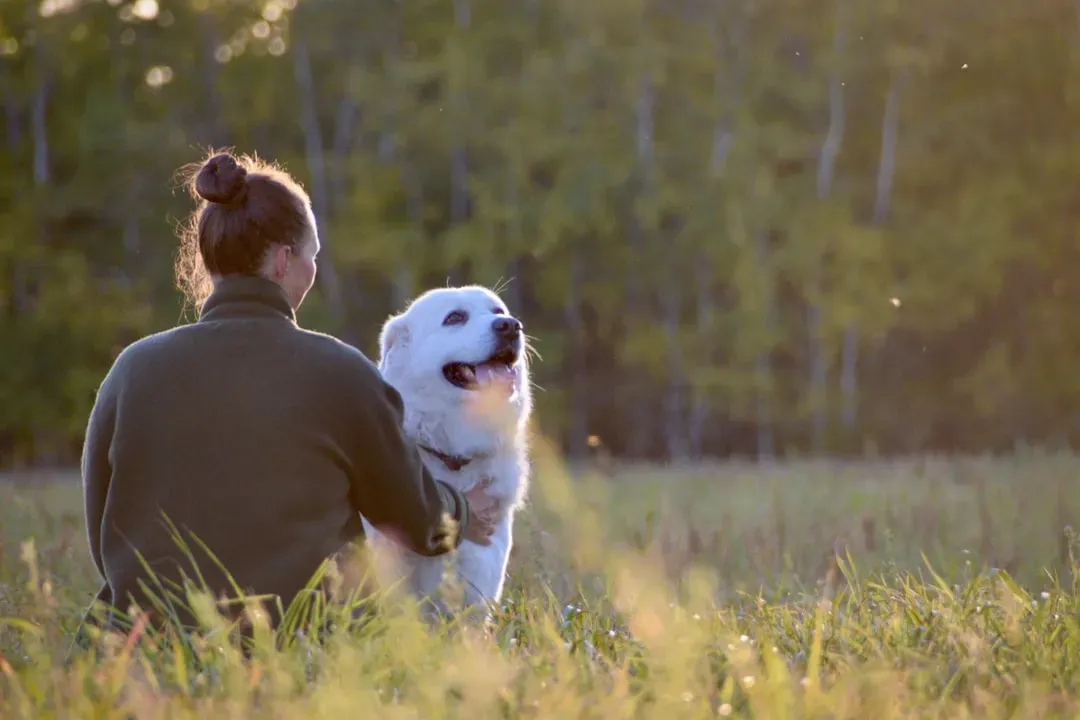
Shared stillness is its own kind of bonding. You don’t always have to be doing something with your dog to be connecting with them. Quiet co-existence – reading while they nap beside you, watching something with a hand resting on their back – communicates a simple but powerful message: I want to be near you.
Spending ten distraction-free minutes petting your dog daily, and learning your dog’s preferred touch zones, builds the dog-human bond in ways that accumulate over time. It’s the consistency, not the duration, that makes the real difference.
The bond grows in consistent, small, daily moments. The dog-human bond is backed by science, strengthened by touch, and nurtured through everyday interactions. Putting your phone down for those ten minutes is a small act with an outsized return.
#11: Talk to Your Dog Throughout the Day
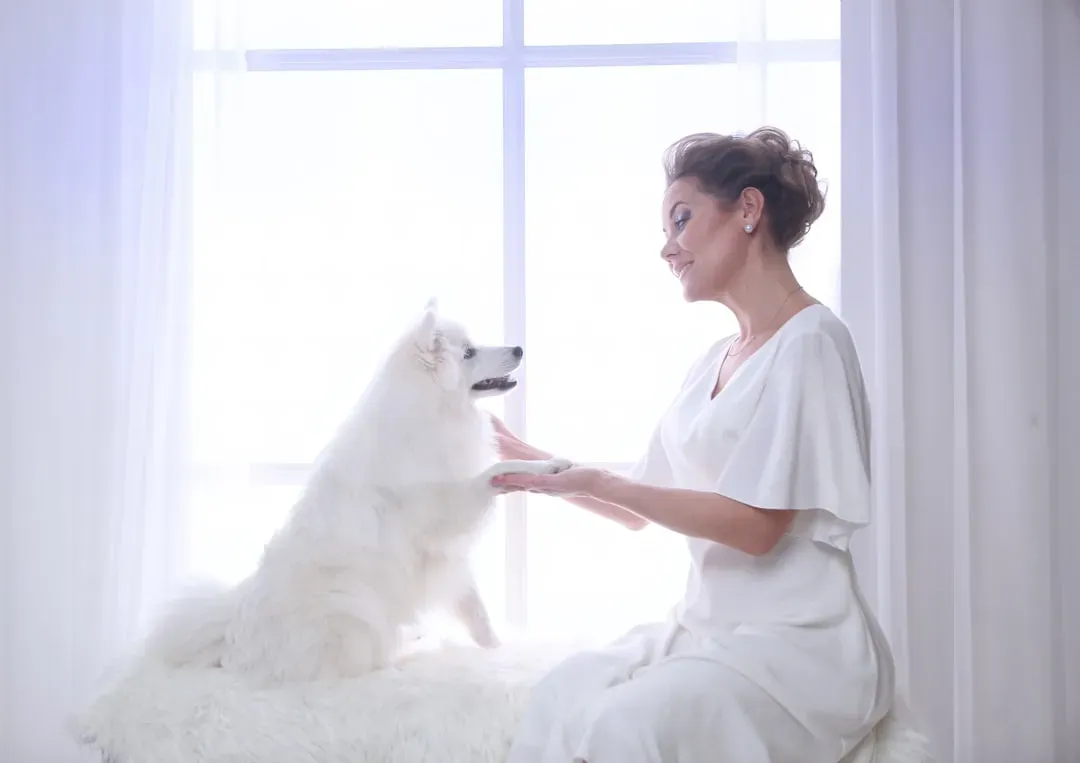
It can feel a little silly at first, narrating your morning while your dog watches from the kitchen floor. Stick with it anyway. Dogs are remarkably attuned to human vocal tone, and your voice is one of the main ways they stay connected to you when movement and touch aren’t possible.
Every interaction is part of your dog’s learning and well-being. A casual comment as you walk past, your tone during a greeting, the way you speak to them when they bring you a toy – all of it is data your dog is processing and cataloguing about who you are to them.
Dogs learn to recognize dozens of words and the emotional context behind them. Using a consistent, warm tone during daily interactions creates a throughline of security across your dog’s day, especially in moments when the environment around them might feel uncertain or unfamiliar.
#12: Be Consistent Across Every Member of the Household
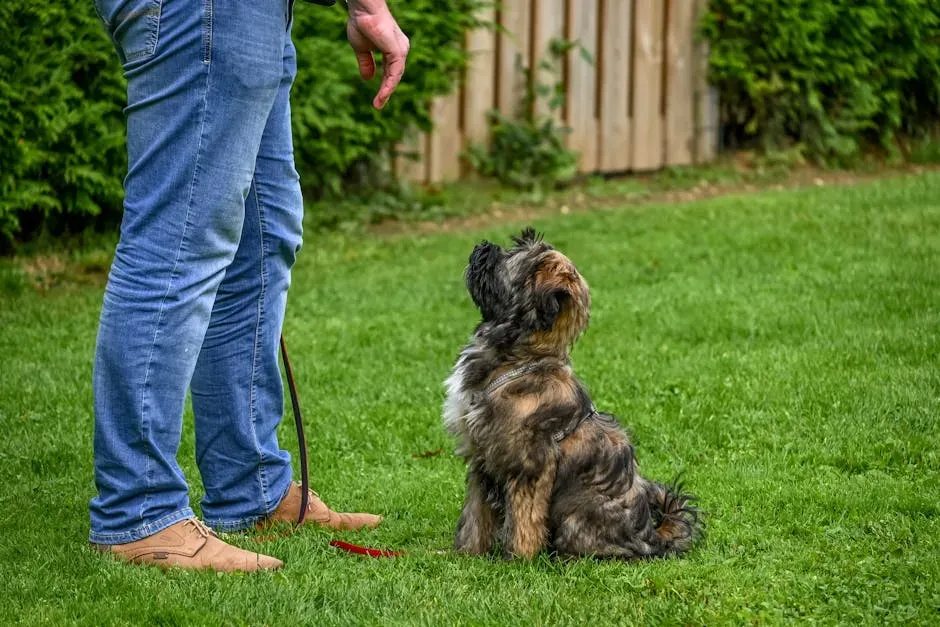
One of the most overlooked habits in dog bonding is household alignment. A dog that receives mixed signals from different people in the home experiences a kind of low-grade confusion that quietly erodes trust over time.
A core part of having a routine for your dog is creating clear expectations and avoiding contradicting rules. If you do not want your dog on the furniture, always enforce that. Pets will get confused if one member of the household lets the dog sleep on the bed and then someone else gets frustrated with the dog for being on furniture. When creating a routine for your dog, make sure it is consistent with all members of the family.
Building the right system, staying consistent, and you’ll not only train your dog successfully but also strengthen a lifelong bond built on trust and understanding. Consistency isn’t rigid control – it’s a form of care. When a dog knows what to expect from every person in their life, they can finally relax into the relationship rather than constantly trying to decode it.
The Quiet Power of Showing Up Every Day

None of these habits require a major investment of time or money. What they require is something slightly harder: intention. The willingness to be present, consistent, and genuinely attentive to another creature’s needs.
What’s worth noting is that the relationship you build with your dog doesn’t live in the grand gestures – the holidays, the camping trips, the Instagram-worthy moments. It lives in the morning routines, the ten-minute training sessions, the slow walks where you let them follow their nose wherever it leads. Those quiet repetitions are where trust actually forms.
If you take one thing from this, let it be that your dog isn’t asking for perfection. They’re asking for your attention, your consistency, and the reassurance that you’ll show up tomorrow the same way you did today. That, more than anything else, is what makes a bond worth having – for both of you.


