
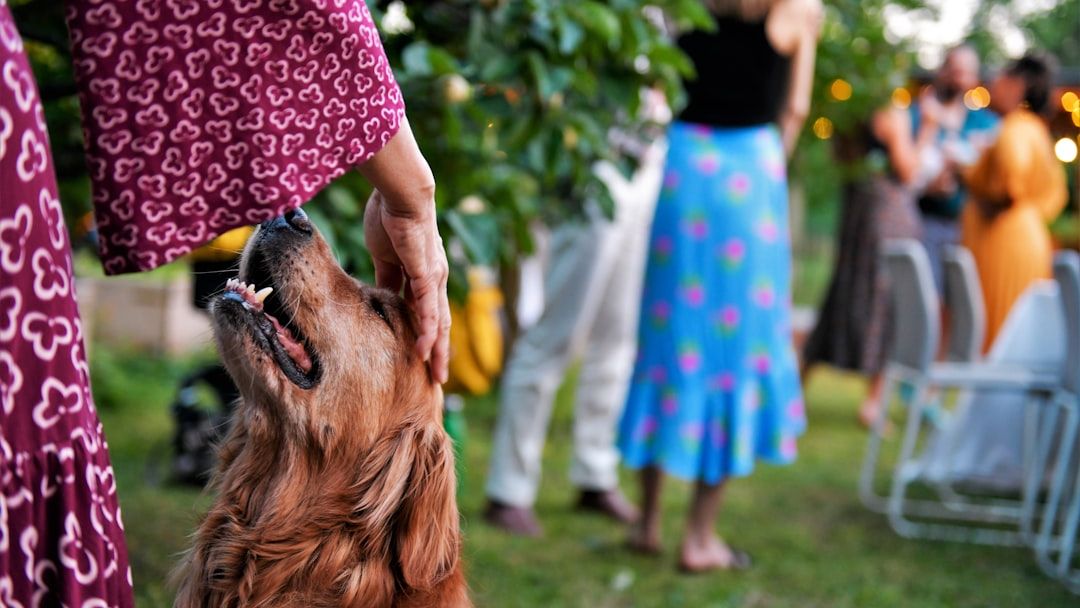
Most dog owners have seen it. You grab your keys, pull on your jacket, and suddenly your dog is shadowing your every step, eyes wide, tail low. You leave. And somewhere between that closed door and your return, something falls apart for them.
Separation anxiety is triggered when dogs become upset because of separation from their guardians, the people they’re attached to. It’s one of the most misunderstood conditions in pet ownership – often written off as “bad behavior” when it’s actually much closer to genuine emotional distress. It goes beyond the occasional mournful whimper when you leave the house. It’s not the same as boredom, and unlike a little mischief when your dog is left alone, separation anxiety is the result of legitimate stress.
The encouraging part? Separation anxiety is preventable and treatable. If your dog’s case is mild, there’s quite a bit you can do at home, with patience and the right approach, before it ever escalates into something harder to manage.
#1. Use Counterconditioning To Change How Your Dog Feels About Being Alone
If your dog has a mild case of separation anxiety, counterconditioning might reduce or resolve the problem. Counterconditioning is a treatment process that changes an animal’s fearful, anxious or aggressive reaction to a pleasant, relaxed one instead. It sounds clinical, but the principle is refreshingly simple: pair the thing that scares your dog with something they genuinely love.
It’s done by associating the sight or presence of a feared or disliked situation with something really good, something the dog loves. Over time, the dog learns that whatever they fear actually predicts good things for them. In practice, this means your departures stop feeling like abandonment and start feeling like the beginning of something enjoyable.
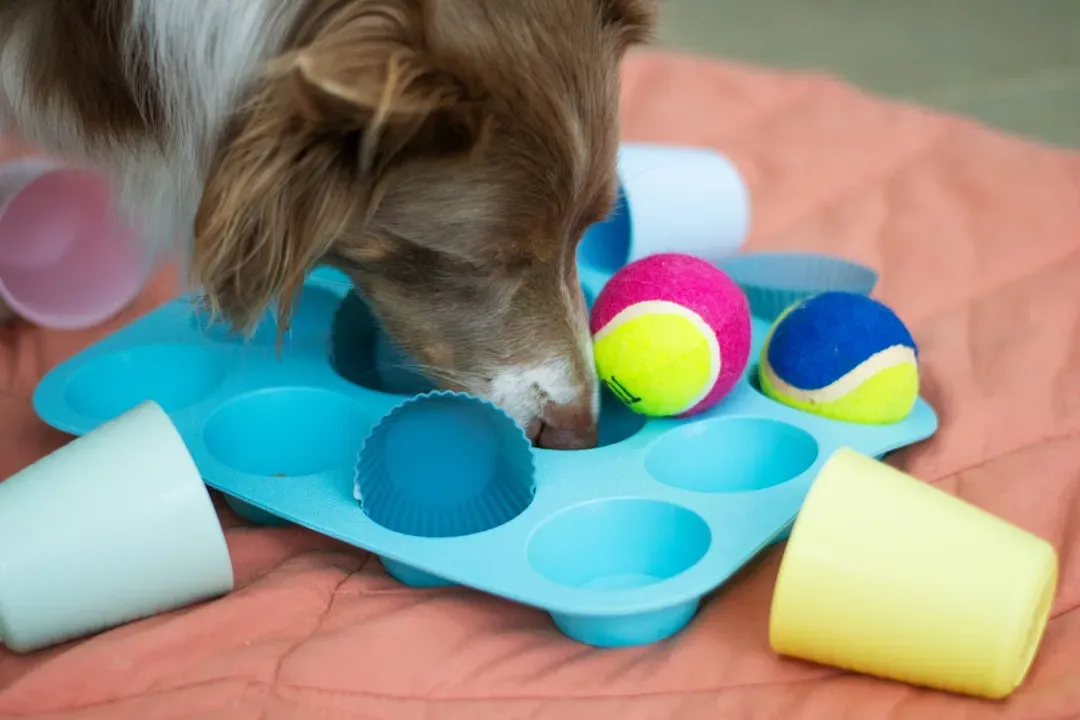
Every time you leave the house, you can offer your dog a puzzle toy stuffed with food that will take them at least 20 to 30 minutes to finish. For example, try giving your dog a stuffed toy with something really tasty, like low-fat cream cheese, spray cheese or low-fat peanut butter, frozen banana and cottage cheese, or canned dog food and kibble. The key detail is timing: remove these special toys as soon as you return home so that your dog only has access to them when they’re by themselves.
#2. Practice Gradual Departures and Desensitization
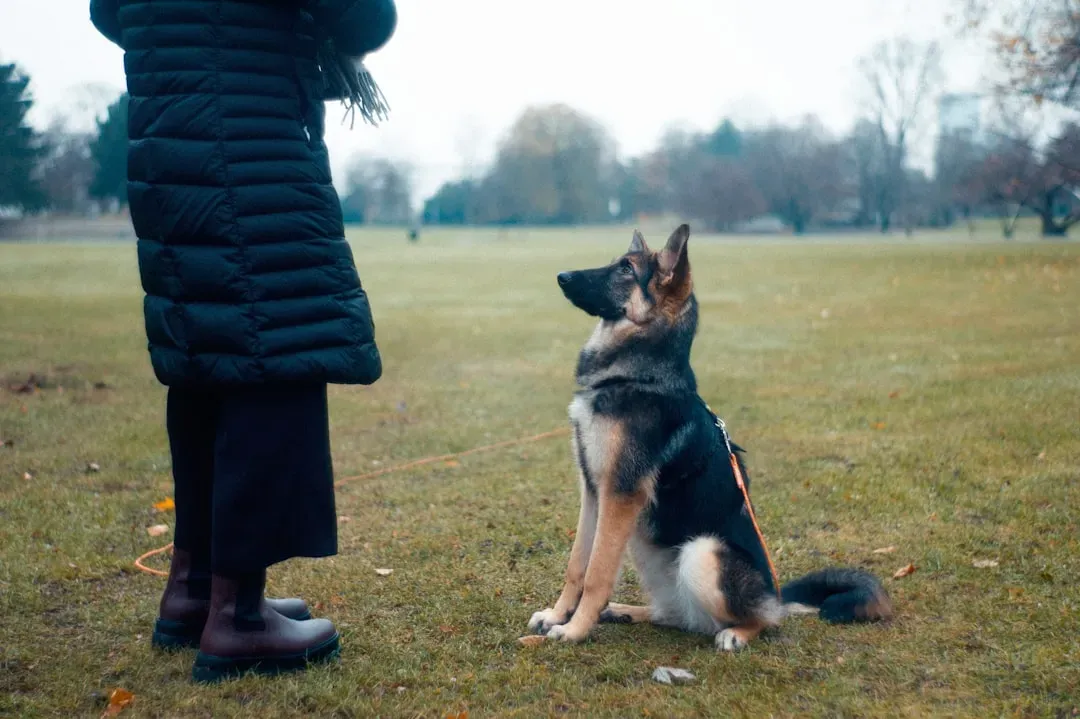
Systematic desensitization is a behavioral technique that has been found to be successful in reducing or eliminating the separation-related behavior problems of dogs. It involves exposure to mild versions of the feared stimulus that will not elicit anxiety, with subsequent gradual increases in the intensity of the feared stimulus. Think of it as easing your dog into the deep end, one inch at a time.
Initially, the dog is exposed to very short periods of owner absence. Because the separation-related problem behaviors begin shortly after the departure of the owner, the initial separation period must be short to ensure that the owner’s absence is not associated with problem behaviors and, presumably, anxiety. This means starting with absences of just seconds, not minutes.
One suggested technique is to first move five feet away while your dog stays on their bed, then try ten feet, then walk toward the door, turn the doorknob, and then step out and come right back in. It feels almost comically small as a step, but that’s exactly the point. Progress built on tiny successes is far more durable than anything rushed.
#3. Neutralize Departure Cues That Trigger Anxiety Before You Even Leave
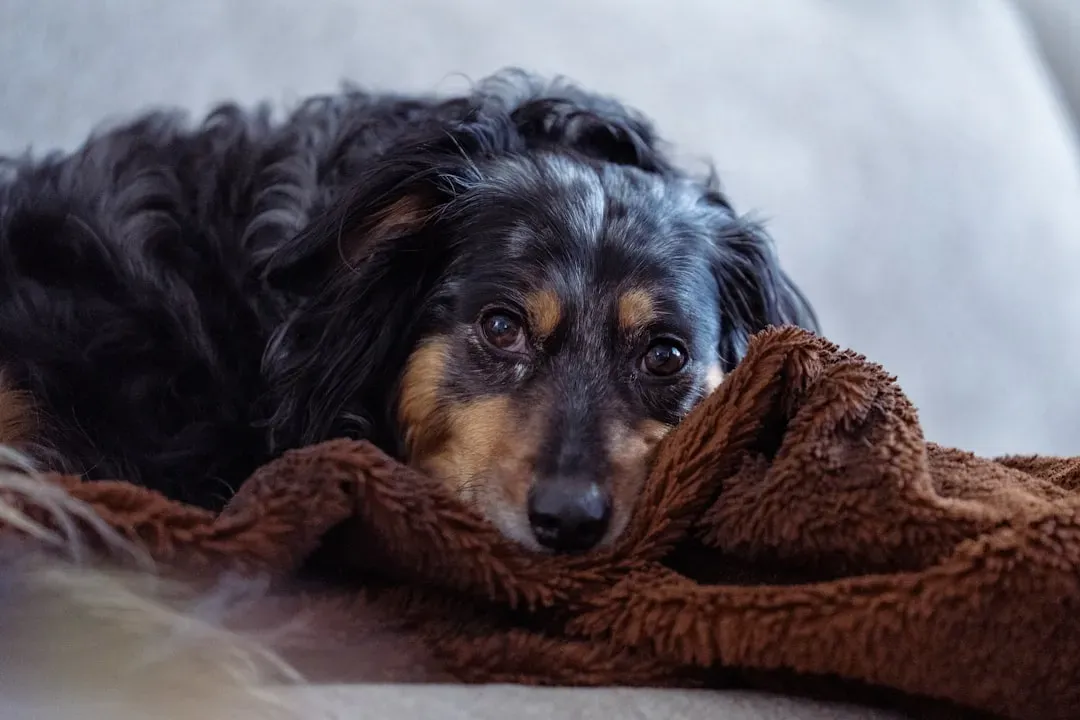
Some dogs begin to feel anxious while their guardians get ready to leave. A dog might start to pace, pant and whine when they notice their guardian applying makeup, putting on shoes and a coat, and then picking up a bag or car keys. These everyday rituals become warning signals, and over time, even reaching for your keys can send your dog into a tailspin.
One treatment approach is to teach your dog that when you pick up your keys or put on your coat, it doesn’t always mean that you’re leaving. For example, put on your boots and coat and then just watch TV instead of leaving. Or pick up your keys and then sit down at the kitchen table for a while. This will reduce your dog’s anxiety because these cues won’t always lead to your departure.
Train your dog to associate these cues with enjoyable, relaxing situations rather than the anxiety of impending departure. By exposing your dog to these cues while you remain at home and your dog is relaxed or otherwise occupied, they should no longer predict departure. Repetition is everything here. The more times your dog sees you grab the keys and then simply sit down and do nothing, the faster that association breaks.
#4. Exercise Your Dog Well Before You Leave
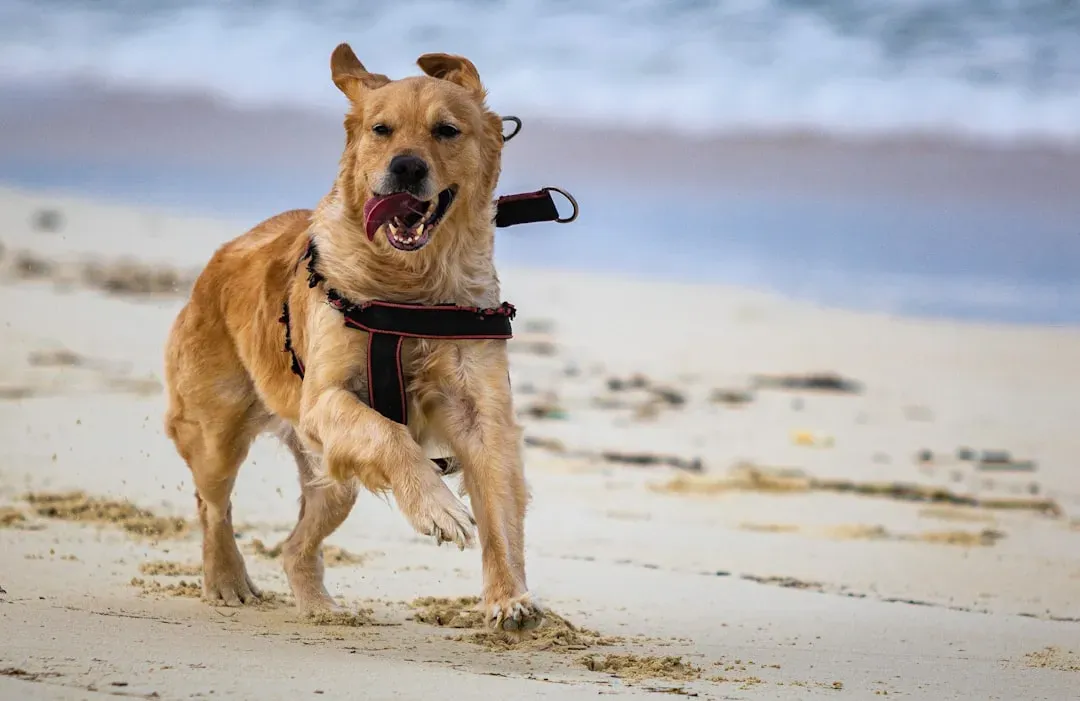
Most dogs can benefit from increased exercise, particularly dogs suffering from a milder form of separation anxiety. A dog that’s physically satisfied and mentally spent is simply in a better position to settle when you walk out the door. It won’t cure anxiety on its own, but it lowers the baseline tension considerably.
Tiring out your dog physically and mentally is one of the best tools available for treating separation anxiety. Taking your dog on a long walk, trying out new routes and allowing lots of sniffing, and then bringing out puzzle toys or long-lasting treats before you leave can make a meaningful difference. Sniffing, in particular, is mentally exhausting for dogs in the best way possible.
Some research has even pointed to a lack of daily exercise as a possible cause of separation anxiety. It’s worth treating exercise less as optional enrichment and more as a foundational part of your dog’s daily mental health. A genuinely tired dog is a calmer dog – and a calmer dog copes better with being alone.
#5. Create a Calm, Safe Space Your Dog Genuinely Enjoys
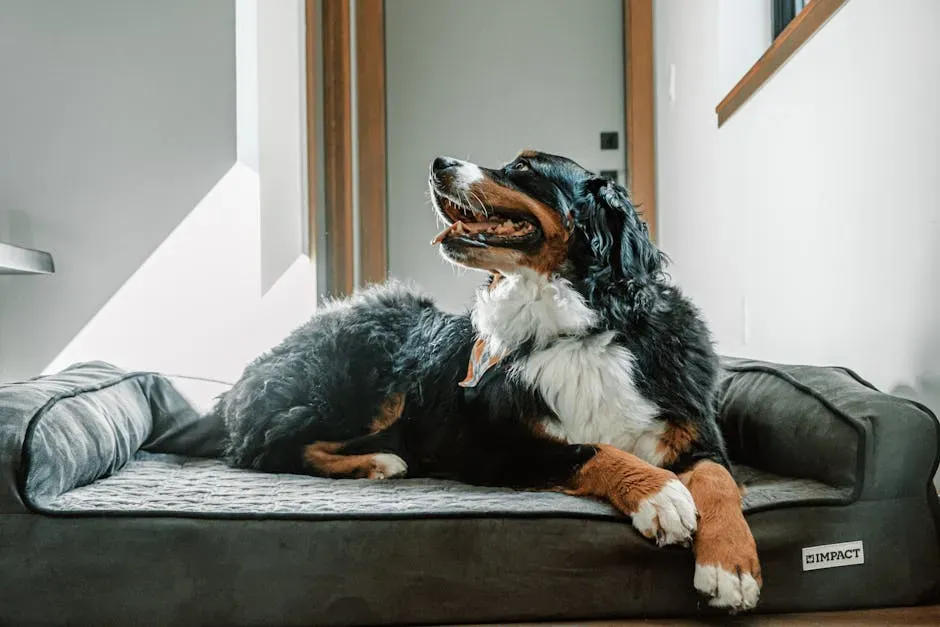
Designating a cozy, safe space for your pup to retreat to when you’re not around can make a real difference in how they experience your absence. The goal is a spot that feels secure and familiar, not a place associated with restriction or punishment. This might be a specific room, a comfy bed in a low-traffic corner, or a favorite spot near a window.
Confining your dog to a safe room with windows, toys, and objects with your scent on them, such as dirty laundry, can provide comfort during your absence. Your scent is reassuring to your dog in a way that’s easy to underestimate. A worn t-shirt left in their space can genuinely help soothe a mildly anxious dog.
For dogs with separation anxiety, crates should be used with caution because they can promote intense escape attempts and may result in fairly serious injuries. It is important to choose a room or area that does not further increase your dog’s anxiety. More open space often works better than confinement. Sometimes, more space equals less anxiety.
#6. Keep Your Arrivals and Departures Low-Key
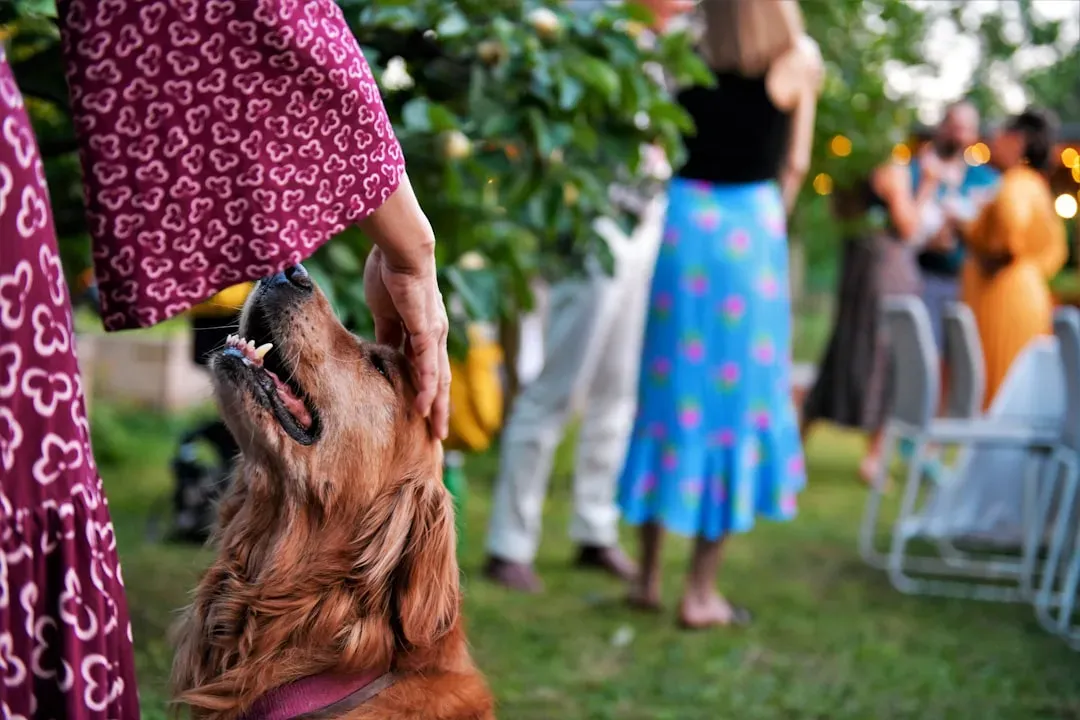
Making your comings and goings low-key, without a lot of greeting, and ignoring your pup for the first few minutes after you get home is one of those tips that feels counterintuitive but genuinely works. The more emotionally charged your hellos and goodbyes are, the more significance your dog attaches to your presence and absence.
Training should focus on reinforcing your dog for settling down, relaxing and showing some independence, while attention-seeking and following behaviors should not be reinforced. Training should focus on extended and relaxed down stays and going to a bed or mat on command. Teaching your dog that calm behavior earns your attention, rather than frantic excitement, shifts the whole dynamic over time.
Never punish your dog for separation anxiety behaviors. Punishment isn’t effective for treating separation anxiety and can instead increase anxiety. Separation anxiety isn’t the result of disobedience or lack of training. Coming home to a chewed cushion or an indoor accident can be genuinely frustrating. If you do come home to damage, it’s important not to show signs of disapproval. Raising your voice or showing disappointment might scare your dog and make the situation worse, causing your dog to become even more anxious about your return the next time you go out.
A Final Thought Worth Holding On To
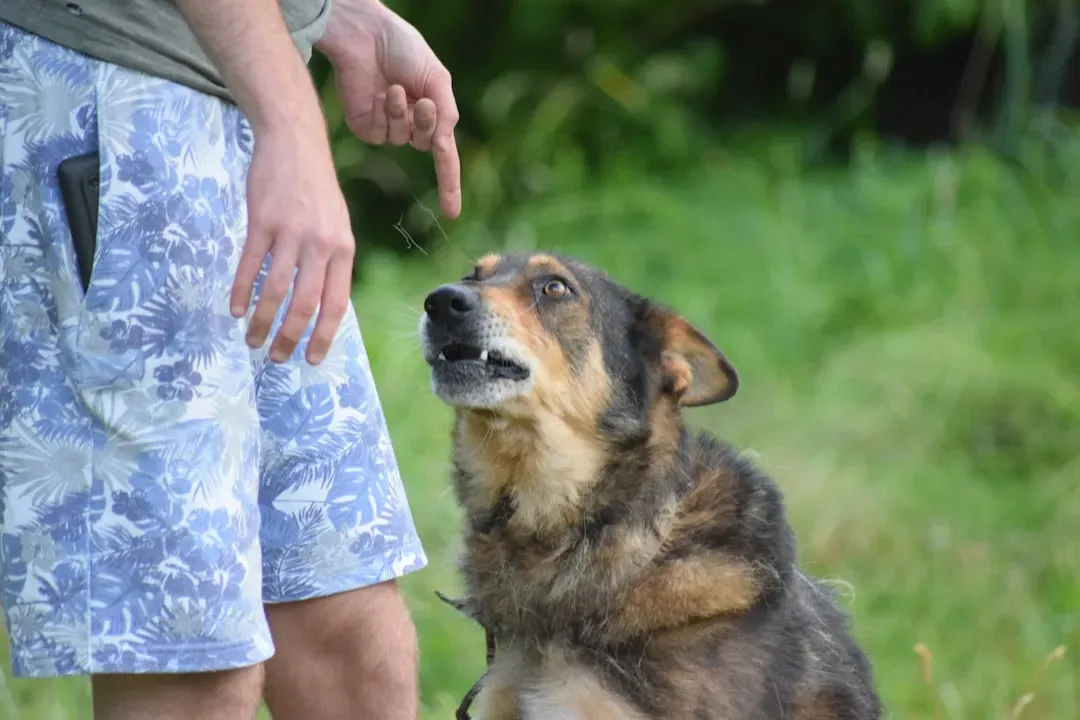
Mild separation anxiety is one of those things that genuinely responds to consistency and care. It doesn’t resolve overnight, and there will likely be a step forward followed by a step back before things truly stabilize. That’s normal. The goal in treating separation anxiety in dogs is twofold: to help your dog feel less reliant on you, and to encourage your dog’s ability to relax when you are away from home. Helping a dog get past separation anxiety takes time and patience, and unfortunately, there’s no such thing as a quick fix for stress-based behaviors.
What matters most is that your dog knows, in the slow and steady language of repetition and reward, that you always come back. That trust, once built, is remarkably resilient. If you try the steps above and still find your dog is struggling, don’t hesitate to loop in a veterinarian or certified animal behaviorist. Separation anxiety has a high rate of treatment success. With patience and a positive attitude, you may be able to reduce your dog’s suffering and put separation anxiety stress behind you.
Your dog isn’t being dramatic. They’re just waiting for you to show them that being alone is safe. And that’s something you absolutely have the power to teach them.


