
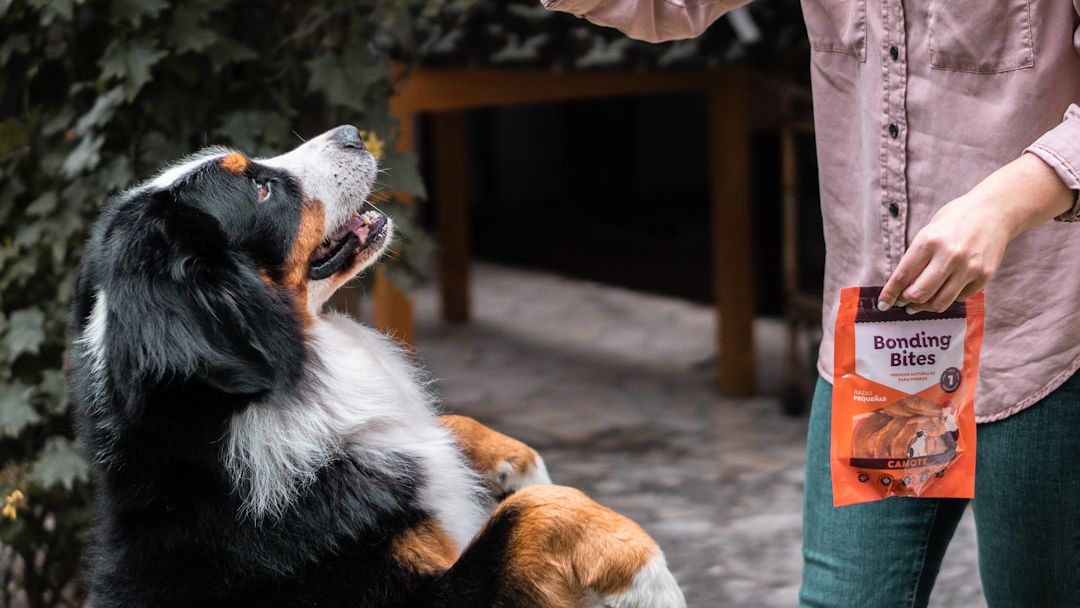
There’s a moment every dog owner knows well: your pup looks up at you with those impossible eyes, tail going like a helicopter, waiting for something good. Most of us reach for the store-bought bag without a second thought. What’s actually inside it, though, is another story entirely.
Making treats at home isn’t just a hobby for overachieving pet parents. It’s one of the most practical things you can do for your dog’s health, your peace of mind, and honestly, your budget too. Homemade dog treats have benefits beyond being budget-friendly – with DIY treats, you know exactly what foods your dog is eating. What follows are nine genuinely great recipes, each one built around ingredients that are as real as they come.
#1: Peanut Butter and Banana Oat Biscuits
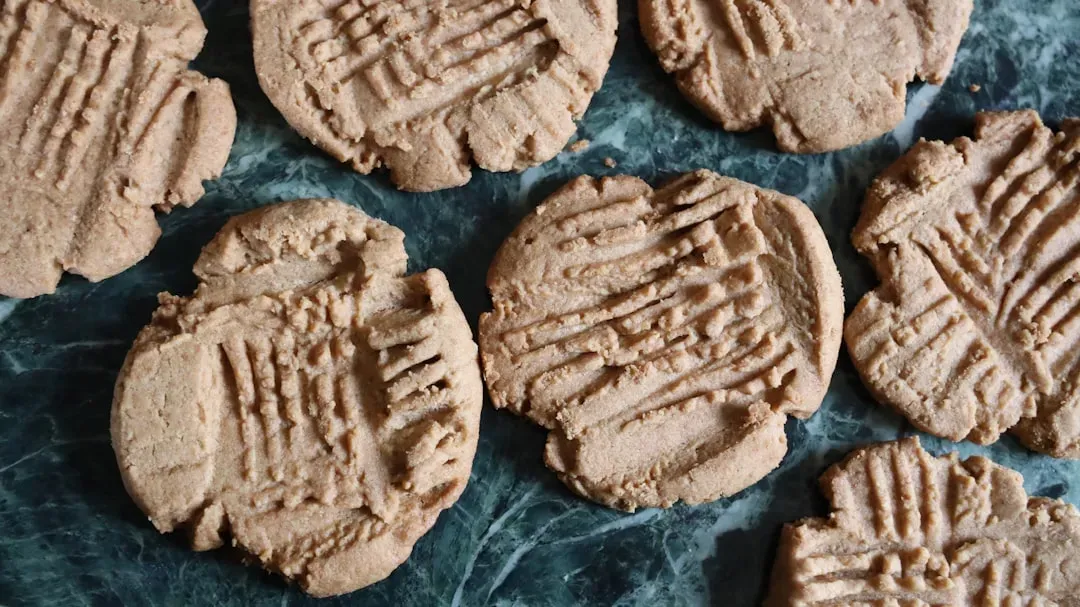
This is the recipe that converts people. All it takes is banana, peanut butter, and oats to make these treats for your pup. Three ingredients, a baking sheet, and about thirty minutes is genuinely all it takes. The banana adds natural sweetness, the oats give the biscuit its body, and peanut butter brings that irresistible, nutty aroma that has dogs bouncing off the walls.
One critical note before you start: be sure to use natural peanut butter made with 100% peanuts. It’s especially important not to use peanut butter that contains xylitol, which can be poisonous for dogs. Check the label every single time, not just once. Xylitol is increasingly found in “natural,” “no added sugar,” and “reduced calorie” peanut butters – brands that used to be safe have reformulated with xylitol without widely publicizing the change.
#2: Pumpkin and Peanut Butter Soft Bites
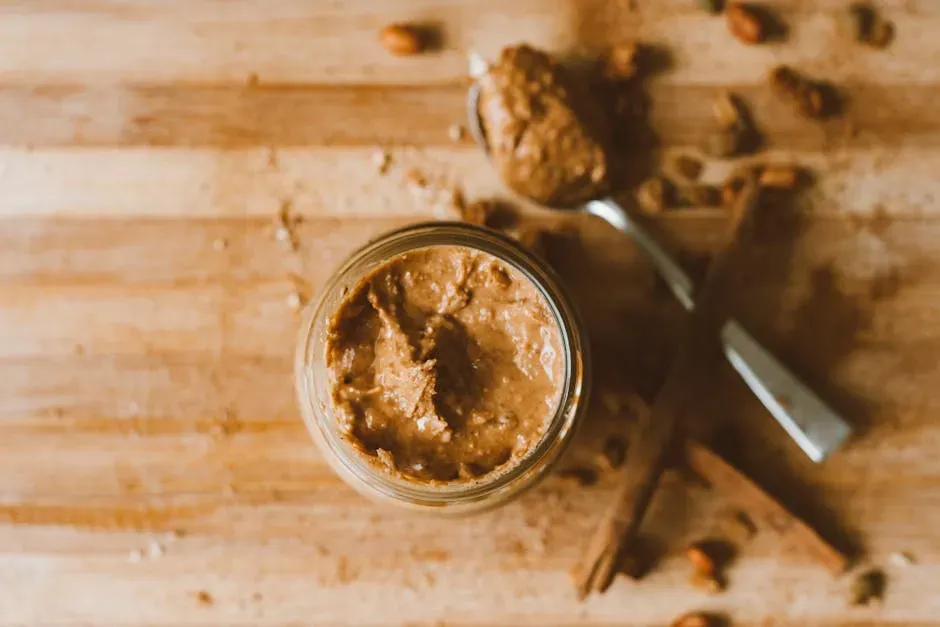
Plain canned pumpkin is genuinely one of the best things you can feed a dog. Pumpkin, plain canned and not pie filling, provides soluble fiber that supports GI health in both constipated and loose-stool dogs. Combined with natural peanut butter, the result is a soft, moist treat that works especially well for older dogs or pups who aren’t fans of hard crunchy biscuits.
This type of recipe uses just six ingredients: peanut butter, pumpkin, almond flour, egg, cinnamon, and turmeric. Mix them together, shape into small rounds, and bake at 350°F for fifteen to twenty minutes. Dogs love pumpkin and it’s very healthy for them, as long as the pumpkin you’re using is not sweetened. Make sure you’re not using pumpkin pie filling, which often has sweeteners and additives. Your can of pumpkin puree should have pumpkin as the only ingredient listed.
#3: Sweet Potato Chews
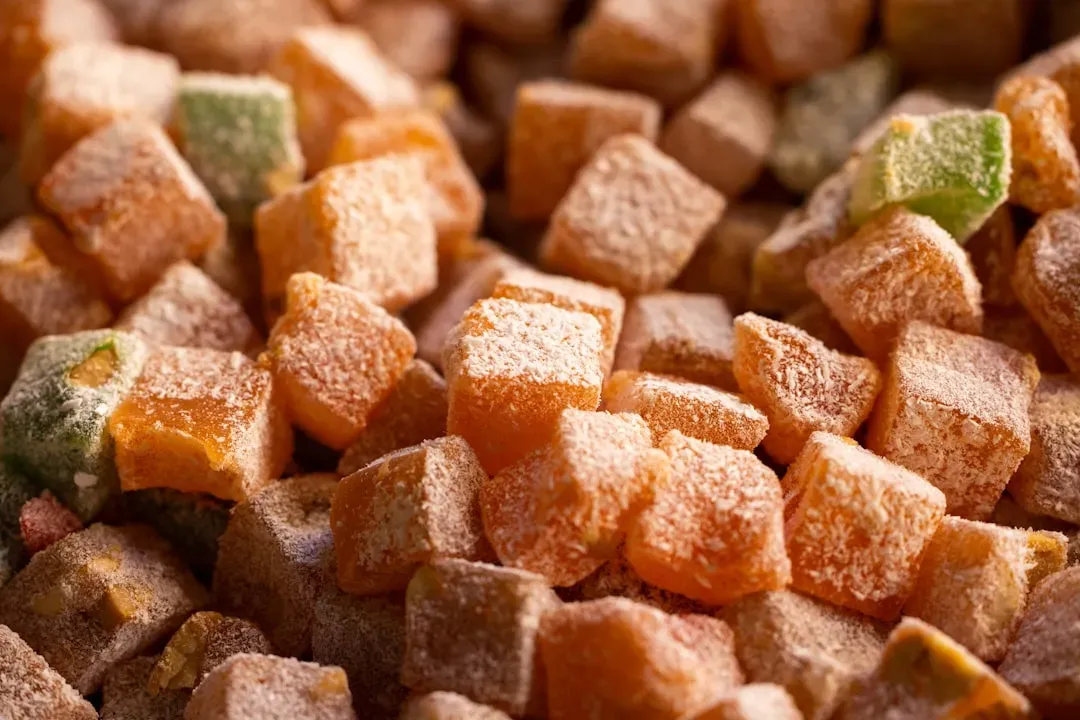
Sweet potato chews are one of those rare treats that are almost absurdly simple to make, yet dogs respond to them like they’re something exotic. Sweet potato is one of the most nutrient-dense whole foods available for dogs. Slice them thin, spread them on a baking sheet, and slow-bake at a very low temperature – around 250°F – for two to three hours. The result is a chewy, slightly leathery strip that satisfies a dog’s urge to really gnaw on something.
Sweet potato provides beta-carotene, vitamin B6, vitamin C, and dietary fiber. That’s a pretty impressive nutritional resume for something that costs next to nothing. For dogs who tend to bolt their food, the chewier texture of a sweet potato strip also slows them down, which is a quiet bonus in itself.
#4: Baked Chicken Treats

Chicken is a lean, high-quality protein that most dogs adore. For an easy, no-fuss recipe, baked chicken dog treats come together simply and, once baked, you can refrigerate or freeze them. The basic approach involves blending cooked, skinless, boneless chicken with eggs and a little flour, then spreading the batter into a mold or onto a baking sheet before baking at 350°F.
Cooked chicken or turkey breast offers pure lean protein, which makes it a great option for active dogs or those on a lower-fat diet. These treats also work brilliantly as training rewards when cut into very small pieces. Keep them in the fridge for up to a week, or freeze batches so you always have something on hand.
#5: Frozen Yogurt and Blueberry Pops
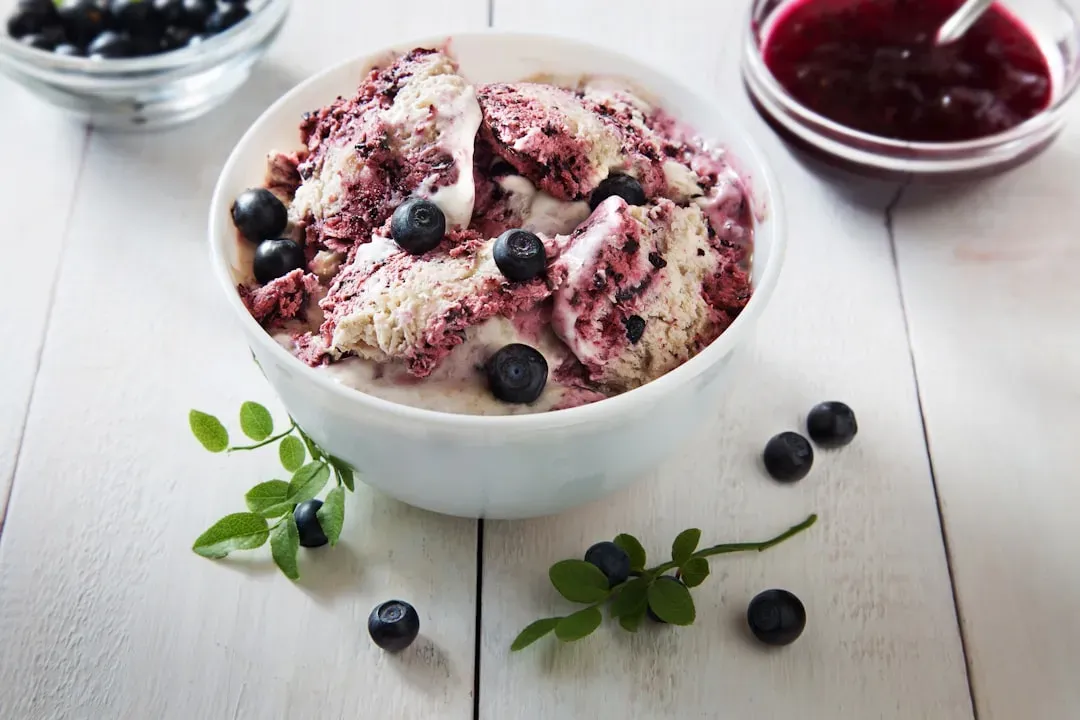
On a warm afternoon, there are few things more satisfying for a dog than a cold, creamy treat. Blueberries have the highest antioxidant density of any common dog treat ingredient. Blended with plain, unsweetened Greek yogurt and poured into silicone molds or ice cube trays, they create little frozen pops that dogs tend to absolutely lose their minds over.
Plain Greek yogurt provides natural probiotics that can support healthy digestion, making this treat as functional as it is fun. The key is to use yogurt with no added sweeteners. Don’t use yogurt with xylitol, which is poisonous to dogs. Freeze for at least four hours, pop out of the mold, and serve one at a time. Simple, refreshing, and genuinely good for them.
#6: Oatmeal and Applesauce Cookies
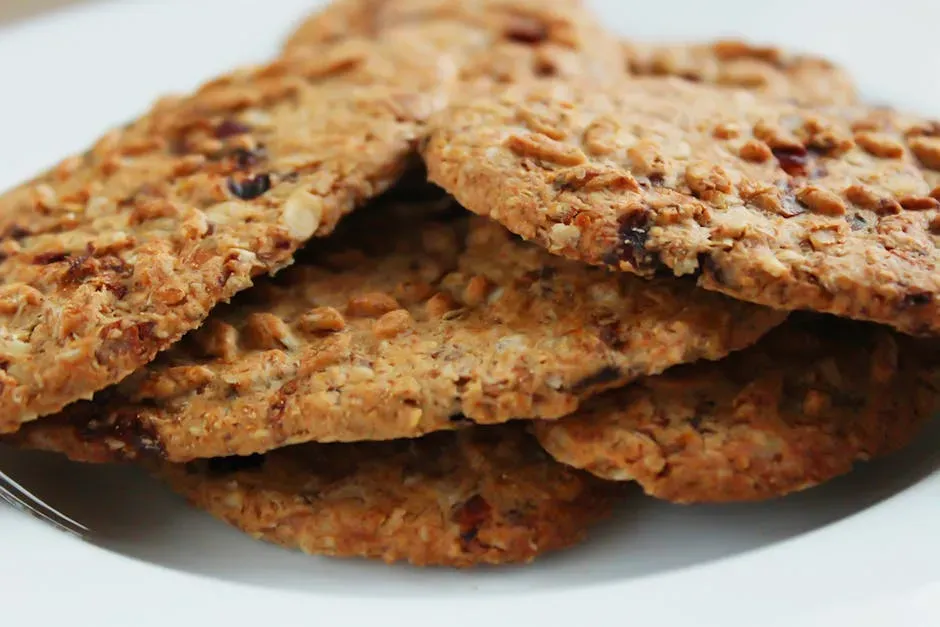
This one is particularly good for dogs with wheat sensitivity. Oats are a recommended ingredient for dogs with wheat or grain sensitivities and provide vitamin B, which supports coat health and luster. Combined with unsweetened applesauce, which adds moisture and a gentle sweetness, these soft cookies have a homey quality that feels almost like something you’d bake for yourself on a Sunday afternoon.
Applesauce offers a great dose of fiber and vitamin C, and also adds a ton of moisture to the treat, which keeps them from turning rock-hard after baking. Mix the oats and applesauce with a little cinnamon, drop spoonfuls onto a lined baking sheet, and bake at 325°F for ten to twelve minutes. Another great thing about making homemade dog treats is that you probably already have most of the key ingredients in your house – many recipes require things such as oatmeal, eggs, flour, water, or broth.
#7: Salmon and Oat Biscuits
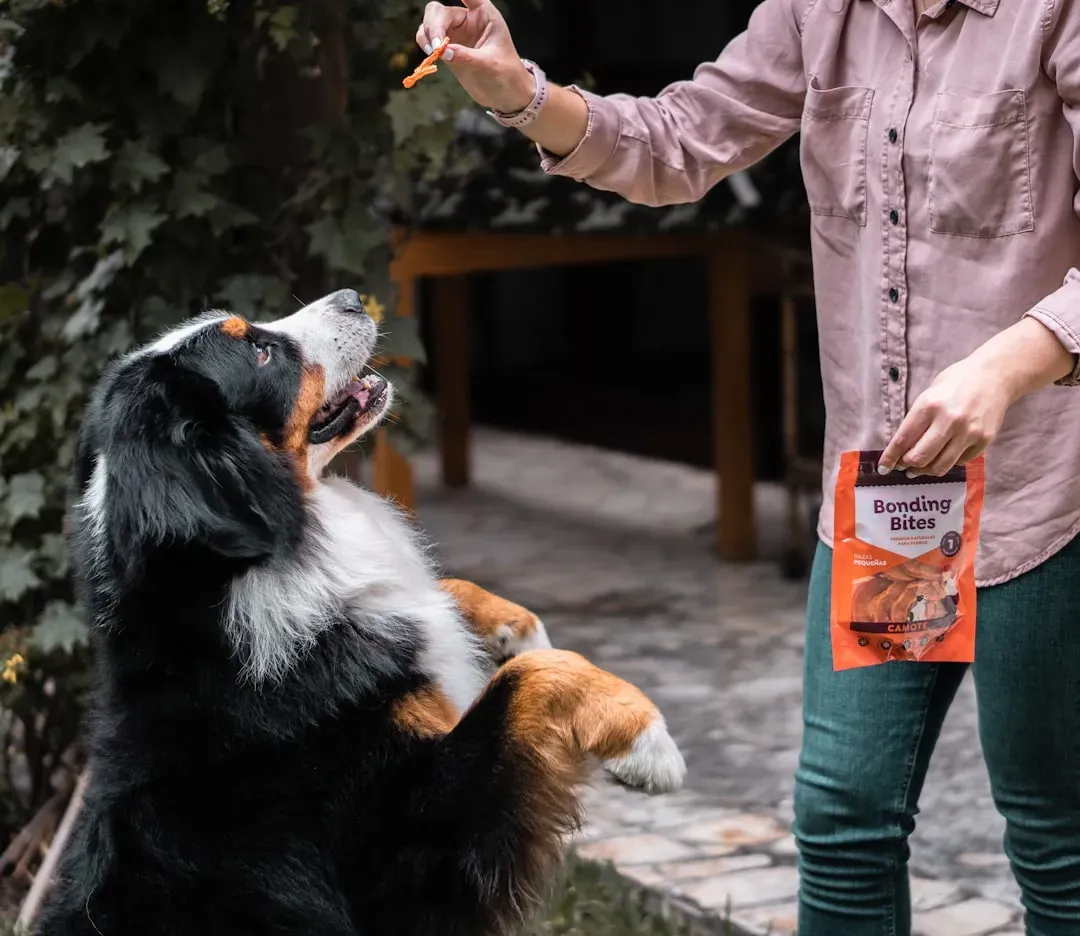
Fish-based treats often get overlooked in favor of the more obvious flavors, but dogs are genuinely crazy about salmon. It also happens to be one of the better things you can offer them. Ground flax seed is a great source of omega-3s, which help keep your dog’s coat and skin healthy, and salmon brings those same healthy fats in abundance. Mash cooked or canned salmon with oat flour, a beaten egg, and a small splash of water to form a firm dough.
Roll the dough out, cut into small shapes, and bake at 350°F for around twenty minutes until firm. Along with being free from harmful ingredients, homemade dog snacks can make great training treats, especially when made in smaller sizes. Salmon biscuits cut into tiny bite-sized pieces are particularly effective as high-value training rewards, something dogs will work hard for and remember.
#8: Carrot and Ginger Bites
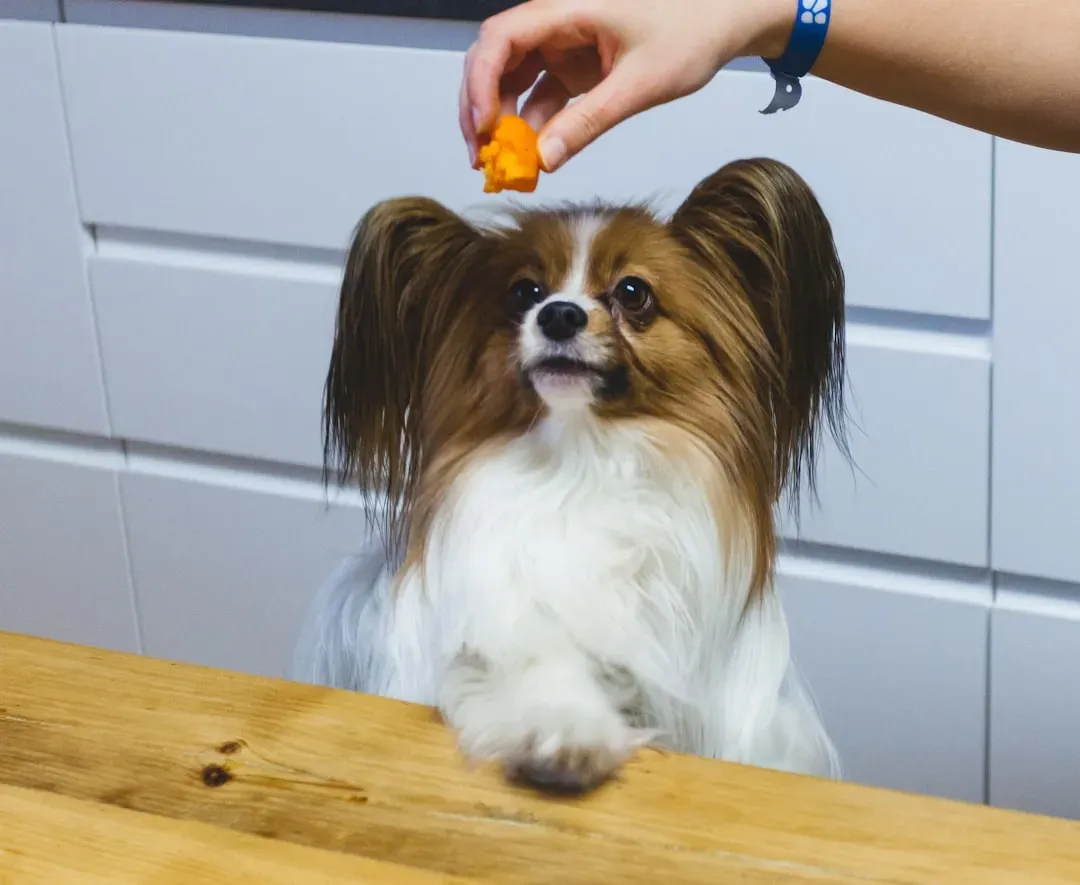
Carrots are one of those underrated dog-friendly ingredients that deserve far more attention than they get. Carrots are low in calories, crunchy, and offer dental benefits – which means they do double duty as both a treat and something that helps keep teeth cleaner. Grated carrot blended into a simple dough with oat flour, egg, and a tiny amount of fresh ginger creates a biscuit with a slightly spicy-sweet profile that dogs find very appealing.
Add flavor as well as vitamins, protein, and fiber with pureed pumpkin, apples, carrots, and sweet potato to create delicious cookies any dog would love. Carrots fit naturally into this category. Bake the biscuits at 350°F until golden and firm, let them cool completely, and store in an airtight container. They keep well at room temperature for several days, or much longer in the freezer.
#9: No-Bake Peanut Butter and Oat Energy Balls
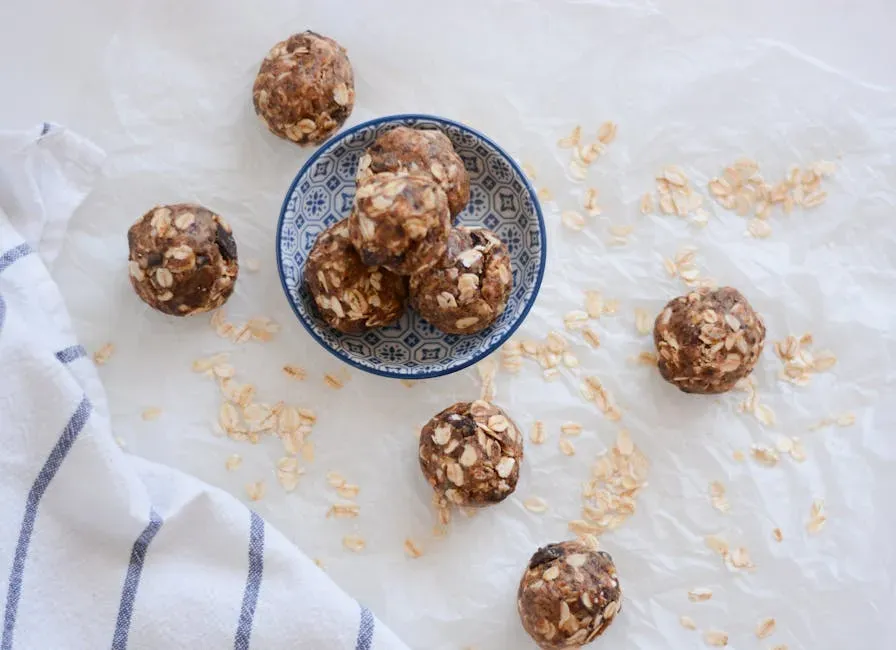
Not every treat needs an oven. No-bake treats made with rolled oats, pumpkin, peanut butter, or mashed fruit retain their nutrients fully without heat. These little energy balls come together in about ten minutes and require nothing more than a bowl and a baking tray. Mix natural peanut butter with rolled oats and a ripe mashed banana, roll into small balls, and refrigerate until firm. That’s the whole recipe.
The key difference between baked and no-bake treats is texture preference – baked treats are typically crunchier, preferred by some dogs, while no-bake treats are softer, which is better for senior dogs with dental issues or missing teeth. These are also perfect for dogs who tend to be picky about hard textures. No-bake treats require refrigeration and last about one week in the fridge, so make a fresh batch each week and you’ll always have something ready when your dog gives you that look.
A Few Things Worth Knowing Before You Start
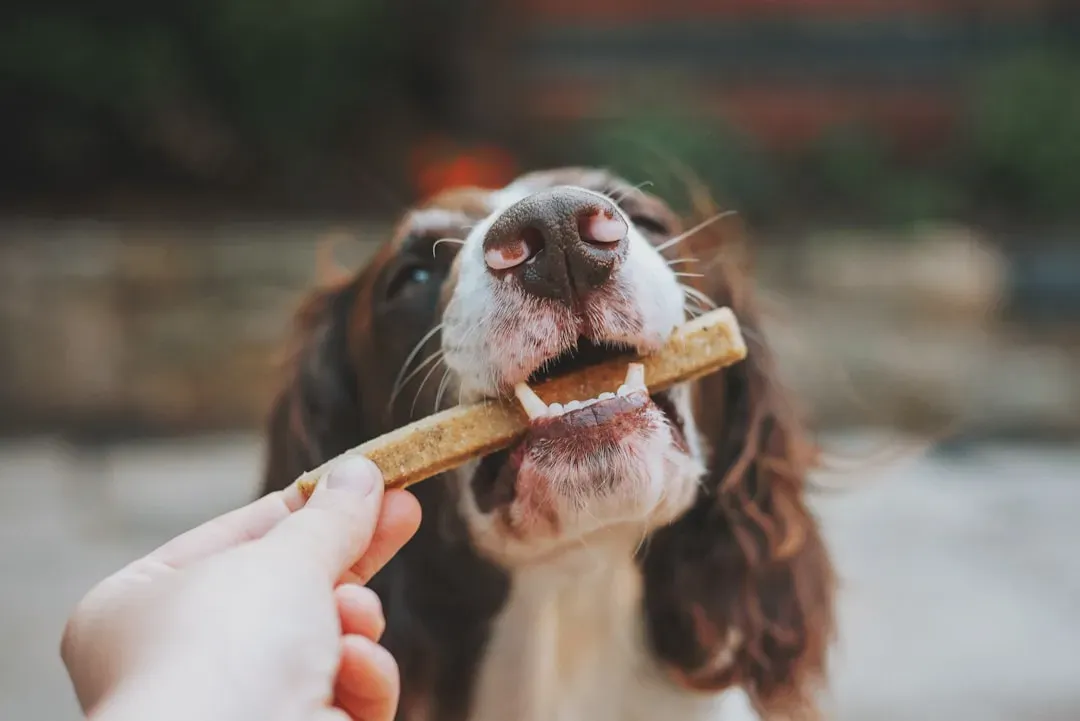
The key rules are simpler than most people think: use dog-safe whole ingredients, keep treats to no more than 10% of your dog’s daily calories, always check peanut butter for xylitol before using it, and cook meat to the right internal temperature. These aren’t complicated rules, but they matter. Nine absolute no-go ingredients include xylitol, which can be lethal in tiny amounts; chocolate due to theobromine toxicity; grapes and raisins, which cause kidney failure with no safe dose; and onions, garlic, and shallots, which cause hemolytic anemia whether cooked, raw, or powdered.
Before whipping out your cookie sheet and mixer, be sure to check with your veterinarian to make sure your dog has no allergies to any ingredients. This is especially important if your dog has a sensitive stomach or known food intolerances. Dogs can have allergies just like people, so while these ingredients are all safe for dogs in general, make sure you know what your furry friend can and cannot eat. Give them a small bite to test these treats out before you start using them regularly.
The Bottom Line
Making homemade dog treats is one of those things that sounds more complicated than it actually is. Once you’ve done it once – once you’ve watched your dog sniff the air while the oven does its thing and then literally sprint to the kitchen when they hear the tray come out – you’ll wonder why you ever relied exclusively on a bag with a cartoon dog on the front.
Homemade dog treats have benefits beyond being budget-friendly. With DIY treats, you know exactly what foods your dog is eating, and along with being free from harmful ingredients, homemade dog snacks can make great training treats, especially when made in smaller sizes. These nine recipes cover every mood, every season, and practically every dog. The only real question is which one you’re starting with this weekend.
Your dog has been loyal to you every single day without exception. A batch of homemade treats is a small thing, but small things have a way of meaning a lot.


