
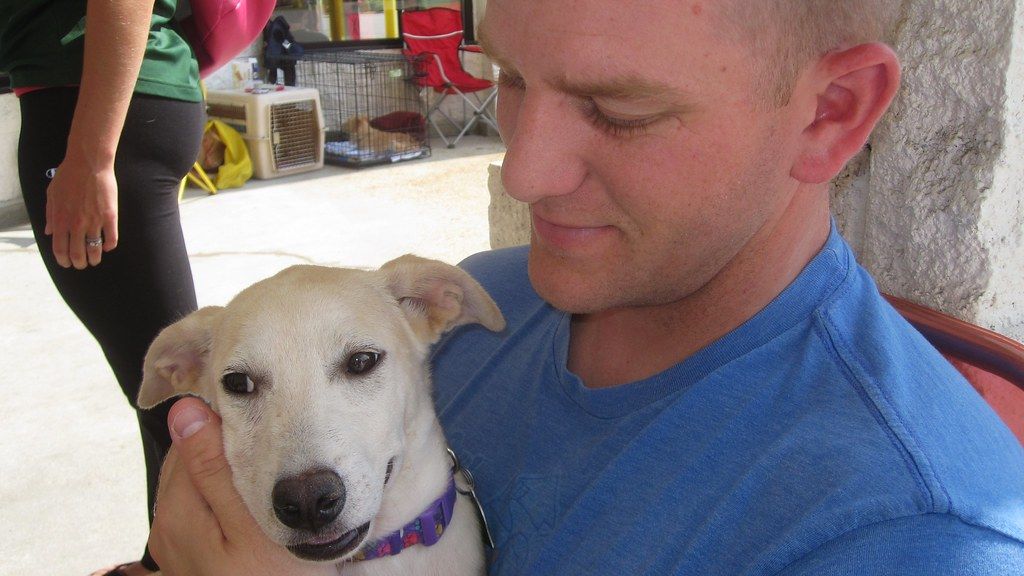
There’s a moment that almost every rescue dog adopter knows. You’re standing in front of a kennel, looking into a pair of eyes that seem to hold an entire world of history you’ll never fully know, and something in you just says: this one. It’s a powerful feeling. Genuinely one of the best decisions a person can make.
Adopting a shelter dog is one of the most rewarding decisions a person can make. It’s not just about gaining a pet – it’s about giving a dog a second chance at life. While adoption stories often look picture-perfect on social media or in heartwarming commercials, the reality is that welcoming a shelter dog into your home can involve real challenges alongside the joy. The trick is knowing what those challenges look like before you sign the paperwork. Because the more prepared you are, the better things go for everyone, especially the dog.
#1. Your Lifestyle Has to Match the Dog, Not Just Your Preferences

Most people choose a dog the way they choose a piece of furniture: by how it looks. But a rescue dog isn’t a decorative item, and a mismatch between temperament and lifestyle is one of the most common reasons adoptions struggle.
Your personality and lifestyle, along with factors such as the amount of time spent at home and the amount of time you have to spend training your dog, are among the most critical things to consider before getting a dog. Someone who works long hours, travels often, or prefers a quiet home life will have a very different experience with a high-energy herding breed than with a calm, lower-drive adult dog.
You should make sure the dog’s breed or mix of breeds comes with the right temperament for your lifestyle. A sedentary person likely wouldn’t be happy with a high-energy cattle dog. An apartment dweller wouldn’t be happy with a Mastiff and might prefer a smaller dog like a Chihuahua mix. Be brutally honest with yourself here. The shelter staff can only work with the information you give them.
Shelters and rescue organizations across the country work hard to match owners with animals that best fit their lifestyle, considering the personality of both the dog and the potential adopter. Lean on them. They know these dogs far better than a ten-minute visit will show you.
#2. Understand That the Dog You See in the Shelter May Not Be the Dog You Bring Home
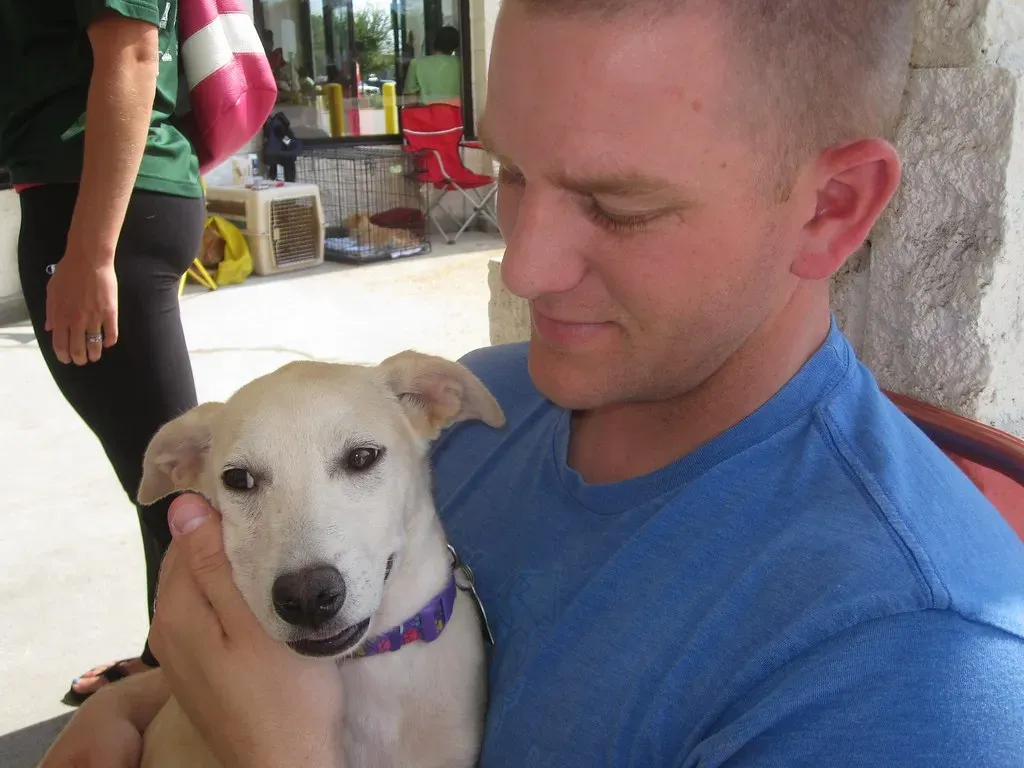
This one surprises a lot of first-time adopters. The dog that seemed calm and sweet at the shelter might become a completely different animal once it feels safe enough to show its true personality. That’s not a problem. That’s actually a good sign.
Many dogs arrive at the shelter feeling stressed or unsure, so their behavior there may not fully reflect who they are. A calm, quiet dog in the kennel might turn into a playful ball of energy once they feel safe at home, and vice versa. This adjustment time is called the “decompression period,” and it’s an important stage. Dogs may seem shy or subdued at first, but as they relax, their true personalities begin to shine.
For many pups, a shelter can be a stressful environment that causes their behaviors to change. Kennel reactivity in shelter dogs is not uncommon. A normally happy-go-lucky pup could turn timid, or a typically shy dog could become reactive or defensive. Neither version of the dog is dishonest. They’re both real, just showing up at different times.
The widely used 3-3-3 rule for dogs helps new pet parents understand what rescue dogs experience after adoption. The first three days focus on decompression, the first three weeks establish routine, and the first three months build trust. Knowing this framework going in makes the bumpy early weeks a whole lot more manageable.
#3. Be Ready for an Unknown History, and What It Can Mean
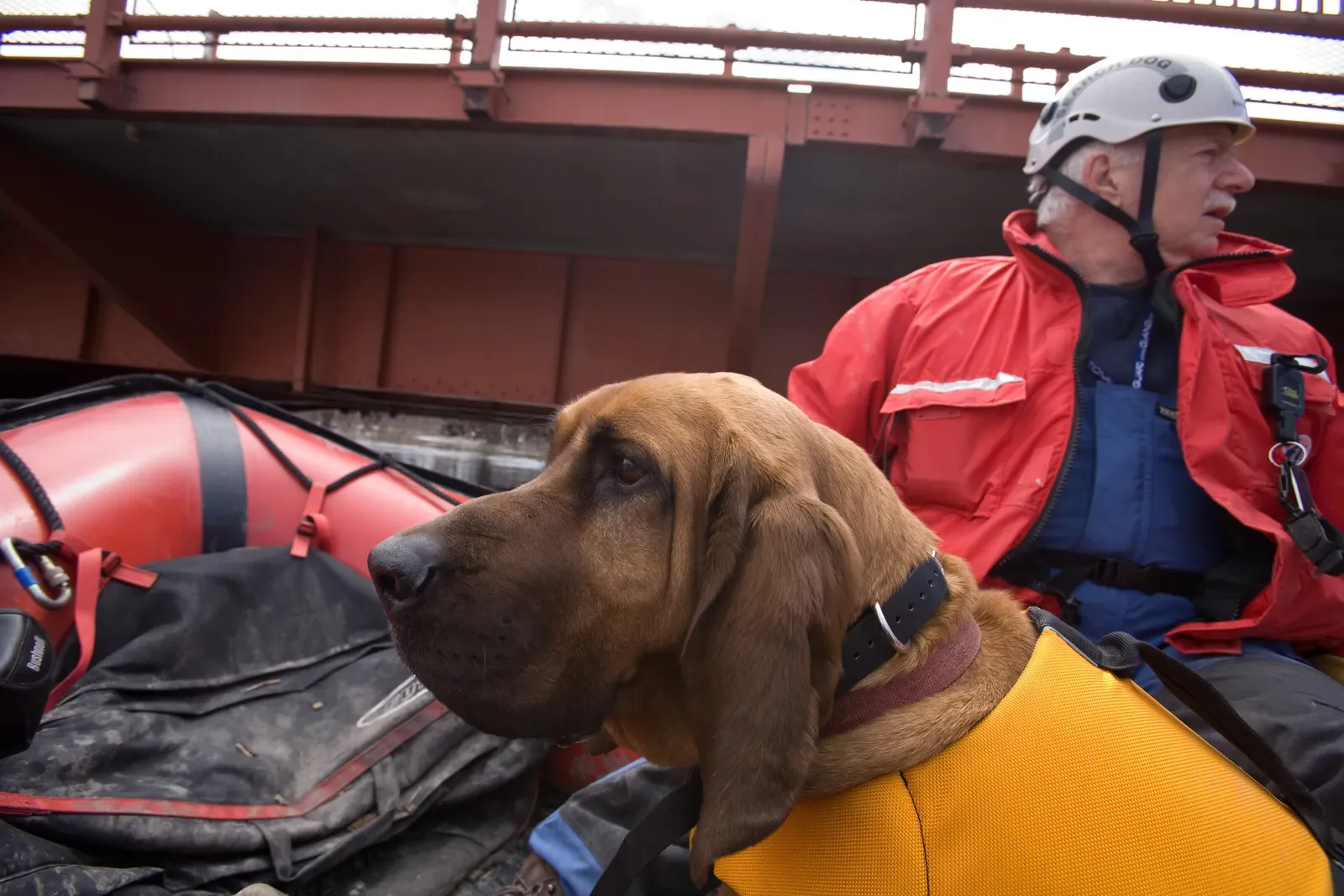
One of the most honest things a shelter can tell you is “we don’t know.” In many cases, shelters don’t know much about a dog’s history, whether they’ve lived in a home before, been around children, or had any training at all. That uncertainty is part of the package, and it’s important to make peace with it before you adopt.
A rescue dog’s history is often unknown. Without information about their early life, genetics, and past experiences, owners frequently encounter unexpected challenges. This doesn’t mean the dog is a bad fit. It just means you’ll need patience and a willingness to learn as you go, rather than expecting the dog to arrive as a finished product.
Not every rescue dog has endured abuse, but many have suffered neglect, which can have long-lasting effects. A dog that spent most of its life in a backyard with little human interaction may not know how to behave inside a home. A dog that was passed between multiple owners may struggle with trust. Others may have received little to no training, making even basic commands unfamiliar to them.
Your new dog may arrive with fears, reactive tendencies, or separation anxiety rooted in experiences you’ll never fully know. There may be a health issue to address, a training gap to fill, or a longer adjustment period than expected. None of that should be a dealbreaker. It’s just something to walk in knowing.
#4. The Financial Commitment Is Bigger Than Most People Expect

The adoption fee itself is usually quite reasonable. It’s everything that comes after that can catch people off guard. Dogs aren’t just fun projects. They’re major responsibilities, financially, emotionally and physically. It’s worth thinking through the full picture before you fall in love at the shelter.
In addition to dog food, a dog bed, treats and squeaky toys, veterinarian visits, routine vaccinations and, if necessary, professional dog training are all expenses you’ll need to consider. And that’s under normal circumstances. Rescue dogs, depending on their background, can sometimes come with health needs that require more immediate or ongoing investment.
Shelter dogs may arrive with health problems that require immediate attention. These can include untreated injuries, dental issues, or diseases like heartworm. Senior dogs may need extra care for age-related conditions. A vet visit shortly after adoption isn’t optional. It’s one of the smartest things you can do for both the dog and your own peace of mind.
Pet insurance is worth exploring before the first vet bill arrives. Many adopters only discover this option after an expensive surprise. Getting ahead of that conversation early is one of the few practical steps that genuinely reduces financial stress down the line.
#5. Behavioral Challenges Are Common and Usually Workable

Here’s something that doesn’t get said clearly enough: behavioral issues in rescue dogs are extremely common, and the vast majority of them are manageable with the right approach. They’re not a sign that you picked the wrong dog or that something is permanently broken.
Adopting a rescue dog can be an incredibly rewarding experience, but it often comes with its own set of challenges. Many rescue dogs arrive with behavioral issues, such as anxiety, fear, or aggression, that can make adjusting to a new home more difficult. The key word there is “adjusting.” These behaviors are often responses to uncertainty, not permanent personality flaws.
Your dog may have experienced traumatic events, like neglect or abuse, before being rescued. This can cause them to struggle with anxiety, which can manifest in several ways such as excessive barking, trembling, or destructive behavior. Recognizing anxiety as the root cause of a behavior, rather than labeling the dog as “bad,” changes how you respond to it entirely.
Behavioral training is essential for overcoming aggression, excessive barking, or fear. If issues persist, consider professional training to help your dog build confidence and learn good behavior. Training also strengthens the bond between you and your dog, making them feel more like a family member. Positive reinforcement is the best way to teach new skills, and punishment-based methods should be avoided, as they can increase fear in a dog who has experienced previous trauma.
#6. Your Home Environment Needs Careful Thought Before the Dog Arrives

A lot of people prepare for a rescue dog the way they’d prepare for a house guest: they clean up, maybe buy a dog bed, and figure the rest will sort itself out. In reality, a little more deliberate preparation goes a long way.
It’s important to get ready to care for your new dog’s needs and purchase things like dog food, a bed or kennel, and toys. It’s important to think about how the pet will fit into your space: do you need to pet-proof your home or yard? This is especially true for rescue dogs, who may explore their environment in unpredictable ways during the first few weeks.
Newly adopted dogs are more likely to show fear-based behaviors or attempt escape. Doorways require attention: always leash your dog before opening exterior doors, even briefly. Don’t assume they’ll stay by your side, as they may bolt out of panic or curiosity. Yards require supervision at all times, even in fenced areas. Many dogs can dig under or leap over fences, especially when newly adopted.
There are a variety of things to consider when setting up your home, such as how much space you have, whether you have other pets, and if you live in a city or suburb. A rescue dog needs a calm, safe landing zone, not a chaotic introduction to a full house. Starting small and giving them space to decompress is almost always the better call.
#7. Patience Isn’t Just Helpful, It’s the Most Important Thing You’ll Bring
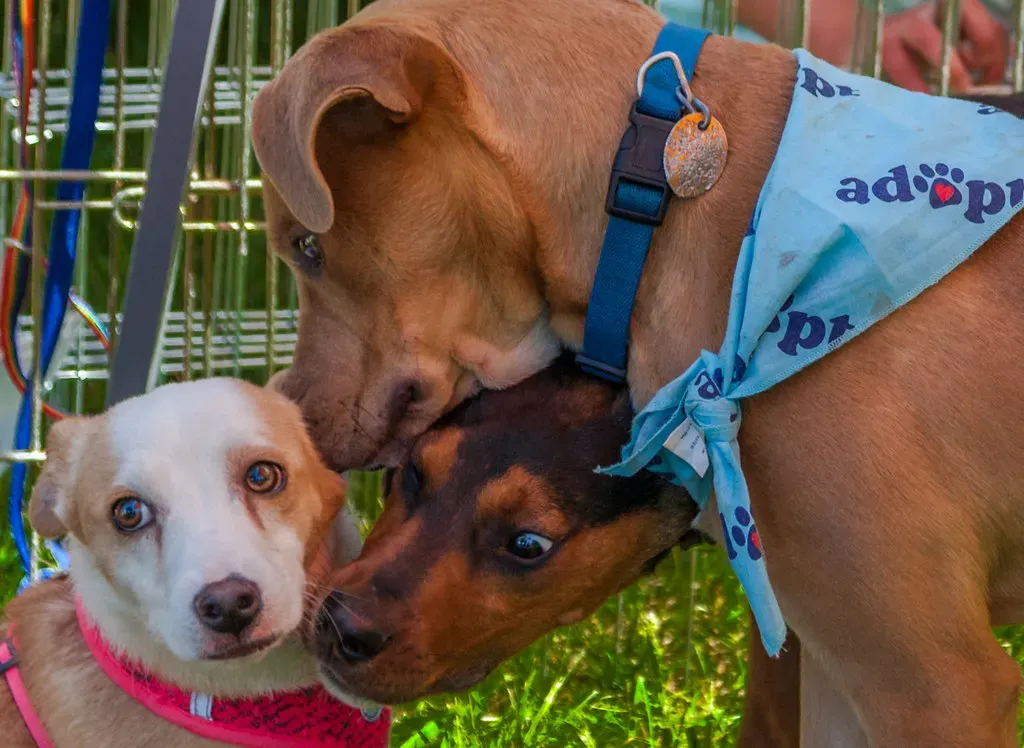
If there’s one thread that runs through every piece of genuine advice about rescue dog adoption, it’s this: the timeline you imagine is almost never the timeline you get. And that’s okay.
The first few weeks after adoption are a critical time to set your new dog up for long-term success. The best gift you can give your new dog is time to decompress – a calm, safe space to learn the rhythms of your household and begin trusting their new family. Rushing that process, even with the best intentions, can slow things down significantly.
Rescue dogs don’t need perfect behavior right away. They need a foundation of trust, and training is one of the best ways to build it. Keep sessions short, around five to ten minutes, and always end on a win. Positive reinforcement is the only approach worth using with a dog whose history you don’t fully know. Corrections and punishment can undo weeks of progress with an already-anxious animal.
Rescue dogs often take two steps forward and one step back, especially during stressful periods or big changes in routine. That’s not failure. That’s just the process. The adopters who navigate it best are the ones who stopped expecting a straight line and started celebrating small wins instead.
Final Thoughts
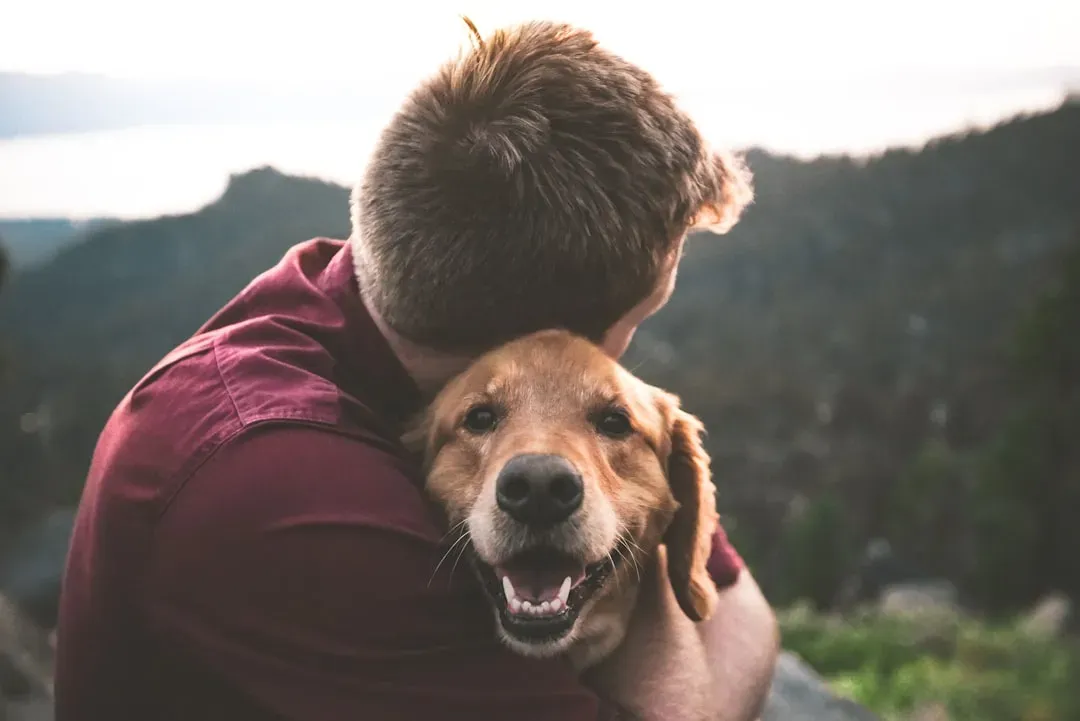
Rescue dog adoption, done thoughtfully, is one of the most genuinely fulfilling things a person can choose to do. When you adopt a dog from an animal shelter, you are saving a life. By adopting, you are not only providing a loving home for a deserving animal, but you are freeing up space and resources for another animal in need. That matters in a very real way.
The honest opinion here is this: most of the people who struggle with rescue dog adoption struggle not because they chose the wrong dog, but because they weren’t prepared for what the first few months actually look like. The messy parts aren’t a sign something went wrong. They’re usually just the beginning of something that gets better.
Adopting a shelter dog is a rewarding journey that requires patience and understanding. These dogs often carry past trauma, but with love, proper training, and a consistent routine, they can overcome obstacles and thrive in a new home. Go in with your eyes open, your expectations grounded, and your patience fully charged. The dog on the other side of that effort will be worth every single bit of it.


