
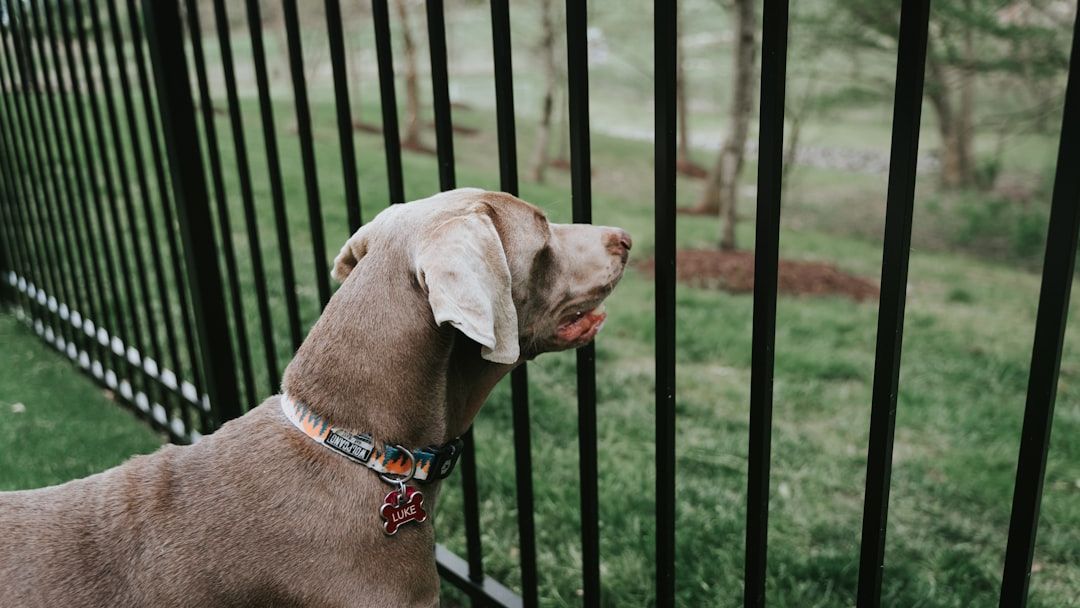
Most dog owners think of their home as a safe haven. Four walls, familiar smells, the couch your dog has already claimed as their own. It feels secure. But the truth is, the average household contains more hazards for a curious dog than most people ever realize, and many of them are hiding in plain sight.
The good news is that you don’t need to overhaul your entire home or spend a weekend in a panic spiral to fix this. A few focused safety checks, done properly and revisited regularly, can dramatically reduce the risks. Here’s where to start.
#1: Lock Down Your Cabinets and Secure Household Chemicals
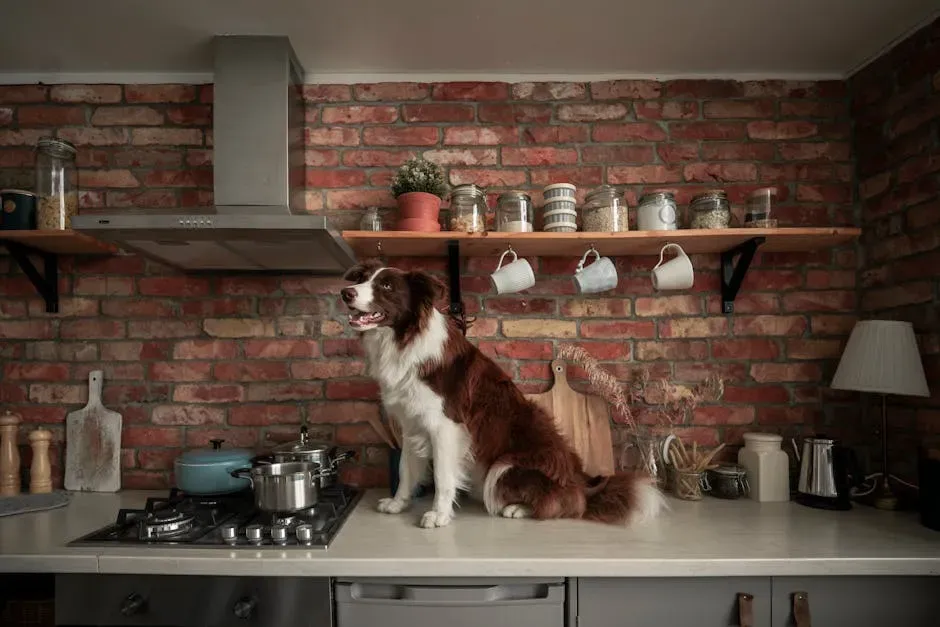
Dogs are naturally curious creatures who explore their surroundings using their senses, which means they can easily encounter dangerous situations without proper precautions. That nose of theirs is impressive, and it leads them directly toward anything that smells remotely interesting, including under-sink cabinets packed with cleaning products, detergents, and disinfectants.
Cleaning products can be seriously poisonous to dogs. Lock all cleaners and chemicals behind childproof cabinet latches. The same logic applies to laundry rooms and bathrooms, where products are often stored low and left accessible out of habit. Medications, cleaners, chemicals, and laundry supplies should be placed on high shelves, and childproof latches used to keep paws from prying open cabinets.
Many household products, such as paint, glue, and cleaning products, contain dangerous chemicals that can poison a pet. Some pets investigate and consume these items because they smell or feel interesting, despite a less-than-ideal taste, so keep these products in pet-proof containers or behind latched cabinet doors. Think of it the same way you’d approach a home with a toddler. If a child could open it, your dog probably can too.
Personal items like purses, backpacks, and gym bags should also be kept out of reach, as they often contain medications, chocolate, or sugar-free gum made with xylitol, which is extremely toxic to dogs. It’s the kind of hazard that’s easy to overlook because the danger is hidden inside something completely ordinary.
#2: Address Electrical Cords and Outlet Risks Throughout the Home
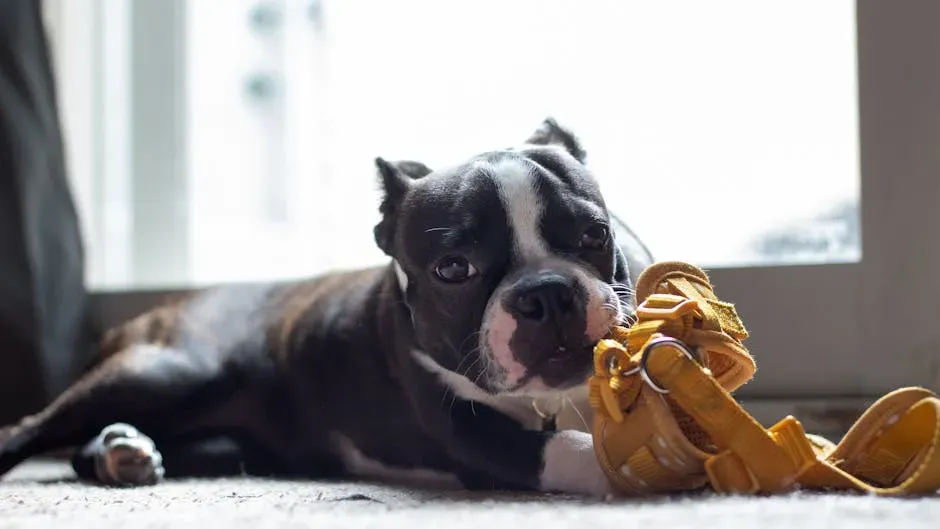
Electrical cords and outlets pose a significant risk to dogs, who may chew on them out of curiosity or teething discomfort. It’s not a matter of bad behavior. It’s simply what dogs do when something dangling catches their attention, and an exposed cord is basically an invitation.
Concealing or wrapping cords behind furniture or using plastic tubing protects dogs from electrical shocks. Installing outlet covers can also prevent licking or pawing dangers. This is one of the fastest and most affordable fixes you can make, and the relief it buys is well worth the effort. Cord covers or cable management boxes are effective tools for protecting your dog from chewing on electrical wires.
Cord covers, outlet protectors, and blind cord wind-ups are all worth addressing as part of a thorough safety check. Blind cords are particularly sneaky, since they hang low and can pose a strangulation risk for smaller or younger dogs. Lifting curtains off the floor and winding up blind cords removes the risk of dogs getting tangled or chewing through them.
Once you’ve handled the obvious cords, do a slow walkthrough of each room at your dog’s eye level. You’ll be surprised what becomes visible from down there. If a dog chews a cord and receives an electrical shock, the immediate steps are to unplug the source, check the pet carefully, and call a vet without delay. Prevention is obviously the better outcome.
#3: Eliminate Toxic Plants Both Inside and Outside Your Home

When people think of what’s poisonous to dogs, the usual suspects come to mind: chocolate, grapes, antifreeze. However, it’s easy to overlook commonplace items like the plants used to spruce up a room or cultivate a vibrant yard. This is one of the most underestimated hazards in any dog-friendly home, and it genuinely catches people off guard.
Many of the most beautiful plants contain toxic compounds that can cause a range of symptoms, from mild drooling or stomach upset to seizures, kidney failure, or death. Checking the ASPCA list of toxic and non-toxic plants is recommended to ensure your home and garden don’t contain dangerous varieties such as lilies, daffodils, tulips, azaleas, or sago palm. These aren’t rare exotic plants. They’re common household favorites sitting in living rooms all over the country.
The sago palm is extremely toxic, and ingestion can lead to liver failure and death. Oleander is so potent that a single leaf can be fatal due to its effects on the heart. On a somewhat less severe but still serious note, tulips and daffodil bulbs contain toxins that cause stomach upset and cardiac irregularities.
If you have these plants in your yard or home, consider replacing them with pet-safe alternatives like roses, marigolds, or sunflowers. For plants you’re unwilling to part with, using hanging baskets, tall plant stands, or closed rooms to limit access is a practical middle ground. The key is honest assessment: a beautiful plant isn’t worth a vet emergency.
#4: Secure the Kitchen and Keep Food Hazards Out of Reach
The kitchen is often a particularly dangerous area for dogs. If you’re accustomed to leaving food out on tables and countertops, it’s time to rethink things. Dogs can be surprisingly agile and determined when they want to get at something, and they only become more capable as they grow bigger. Counter surfing is a real and practiced skill for many breeds, and it only needs to work once for the consequences to be severe.
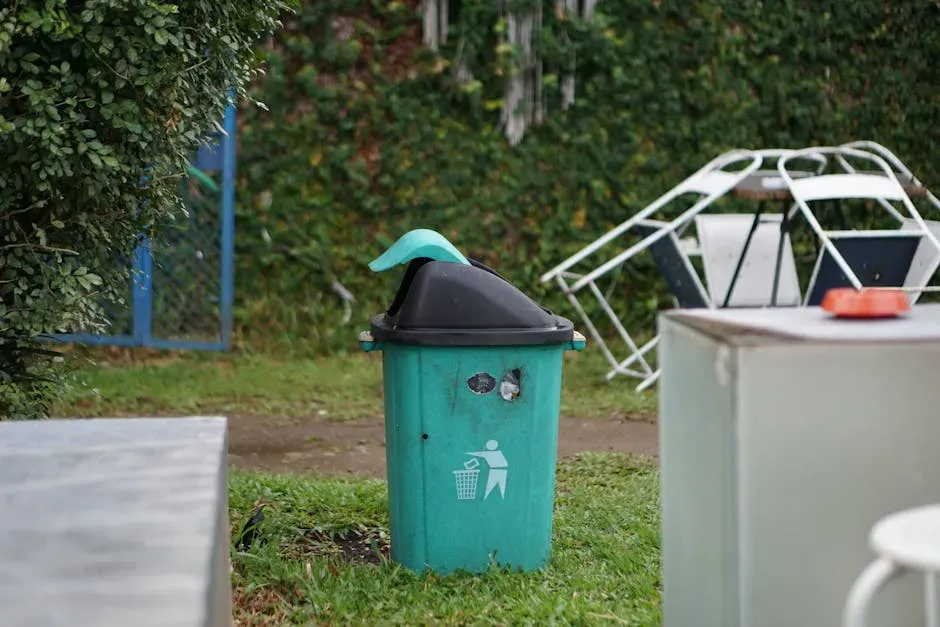
Securing trash cans with locking lids or storing them in closed cabinets prevents ingestion of toxins like chocolate, grapes, onions, and foil cuttings. Keeping countertops clear and cupboards locked is equally critical, since many human snacks can harm dogs. It’s worth noting that xylitol, the sugar substitute found in many sugar-free products like gum, candy, peanut butter, and baked goods, is extremely dangerous for dogs. It triggers a massive insulin release, leading to a life-threatening drop in blood sugar and potential liver failure.
Food bags, especially the mylar-type potato chip bags, cereal bags, and snack bags, can be a danger for pets. Dogs are typically more likely to sniff out food bags, and if a dog puts their head far enough into one and breathes in, the bag can wrap around their nose and mouth, causing suffocation. That’s a hazard most people have never thought about, and it takes less than a minute to cut up or flatten any empty snack bags before disposing of them.
Trash cans are best hidden inside cabinets. If that isn’t an option, invest in cans with locking lids. Never underestimate your dog’s ability to break into the trash. Even in small kitchens, a little reorganization goes a long way.
#5: Create Safe Zones, Block Off Danger Areas, and Do Regular Reassessments
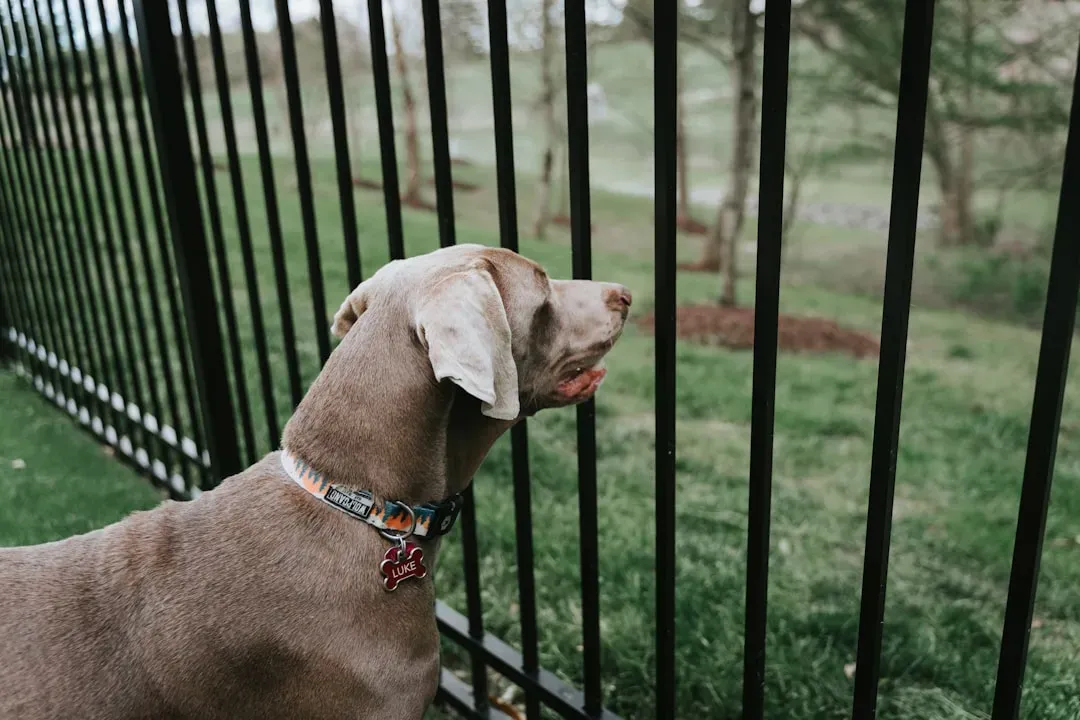
Creating specific areas and designating off-limits rooms helps to manage your dog’s environment and reduces the risk of accidents. Using baby gates to confine your dog to safe zones and setting up a playpen area for unsupervised moments also aids in potty training and helps prevent unwanted behavior problems. Think of it as working with your dog’s nature rather than against it.
Anchoring shelves, TVs, bookshelves, and other heavy furniture to nearby walls prevents them from tipping over onto a curious dog. This is especially relevant for larger, more boisterous breeds who think everything in the house is a potential plaything. A fall can cause major injuries for dogs, especially puppies whose bones are still growing. Blocking access to balconies, decks, and stairs helps prevent these accidents.
Reassessing your dog-proofing efforts regularly is important, especially as your dog grows and becomes more mobile. Adjusting your strategies to address new challenges ensures ongoing safety. A setup that worked perfectly for a ten-week-old puppy will likely fall short for a six-month-old who can now reach the kitchen counter. Dogs evolve fast, and your safety checks should keep pace.
Veterinary experts suggest conducting monthly safety inspections of your home environment. When pet-proofing a home, getting down on your pet’s level and thinking like a dog is one of the most effective starting points. That floor-level perspective reveals hazards that are completely invisible when you’re standing upright, from tangled cords and forgotten pill fragments to small objects that look entirely harmless from above.
Conclusion: Safety Is an Ongoing Act of Love
Dog-proofing your home isn’t a one-day project you complete and cross off a list. It’s a living process that shifts as your dog grows, as seasons change, as new products come into the house, and as your dog’s curiosity finds new outlets. The five checks above aren’t meant to trigger anxiety. They’re meant to give you a clear, actionable framework.
The reality is that most household accidents involving dogs are preventable. A locked cabinet, a cord cover, a plant swap, a latch on the trash can. None of these fixes are complicated or expensive. What they require is attention, and that’s something every dog owner already has in abundance.
Your home doesn’t need to be sterile or stripped of everything fun. It just needs to be thoughtfully arranged around the animal that trusts you completely. That’s the deal, and honestly, it’s a pretty good one.


