
What’s The Safest Way To Introduce Your Dog To New People?
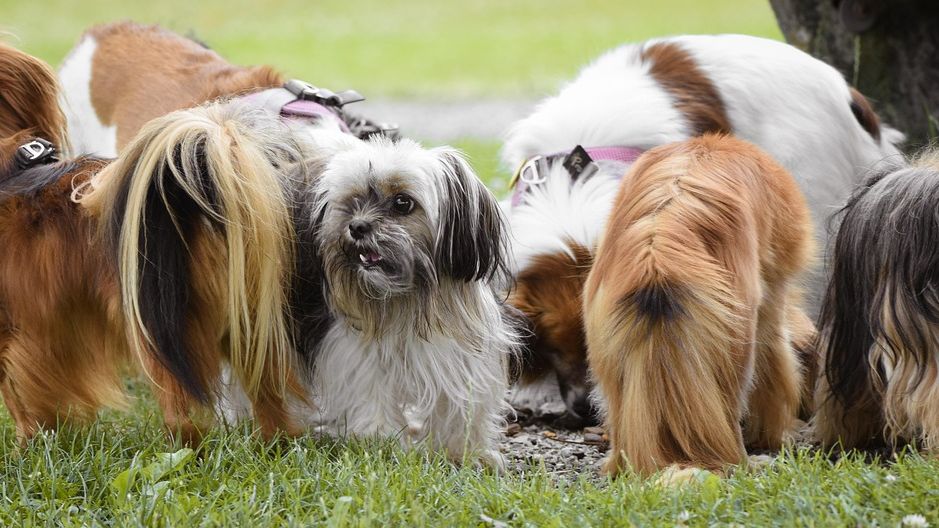
Most dog owners have been there. A friend walks through the door, reaches straight for the dog’s face, and suddenly the whole room goes tense. Your pup backs away, growls under their breath, or worse, snaps before anyone saw it coming. It’s awkward, a little frightening, and entirely preventable.
Meeting new people may be fun and exciting for you, but it can be extremely uncomfortable or even frightening for your dog. That gap in perspective is where most introductions go wrong. What feels like a warm welcome to us can feel like an invasion to them. The good news is that with a bit of planning and the right approach, you can make almost every introduction a positive one.
#1: Learn to Read Your Dog’s Body Language First
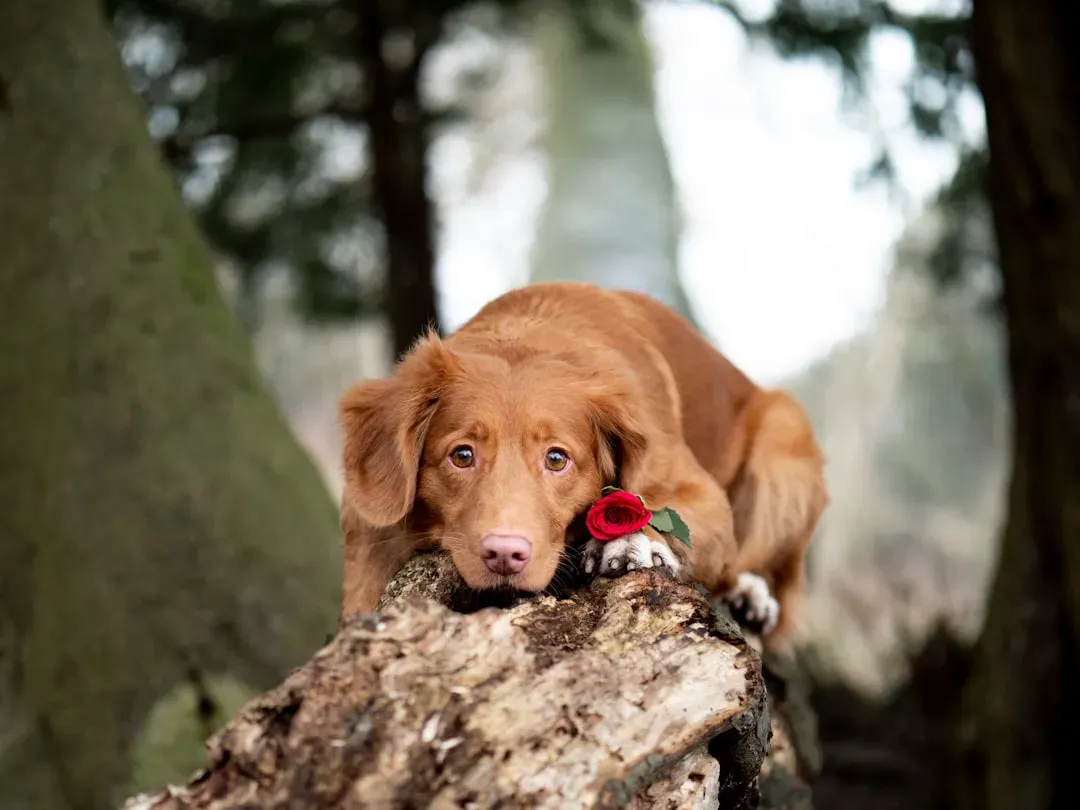
Before you even think about arranging introductions, you need to understand what your dog is actually telling you. Dogs communicate how they feel through body language, including their ears, eyes, mouth, posture, and tail, and understanding these signals helps prevent fear, stress, and bites while strengthening your bond.
Dogs are constantly communicating through body language, facial expressions, and energy, but most humans miss the vast majority of these signals. Learning to read dog body language isn’t just interesting – it’s essential for preventing problems, building better relationships with dogs, and keeping everyone safe in social situations.
Mild stress usually appears through simple actions like yawning, lip licking, or panting even when your dog is not tired. Your dog may also look away or avoid eye contact. These quiet signals are your dog’s way of asking for space and comfort. Recognizing these early signals is everything. Once you know them, you stop guessing and start responding.
No dog body language signals act alone. They’re all part of a package. So when you read a dog’s communication, look at every signal the dog is using from the tail height to the eye shape. A wagging tail paired with a stiff body is not the same as a wagging tail paired with loose, relaxed posture – and that difference matters enormously during introductions.
#2: Prepare Your Guest Before They Meet Your Dog
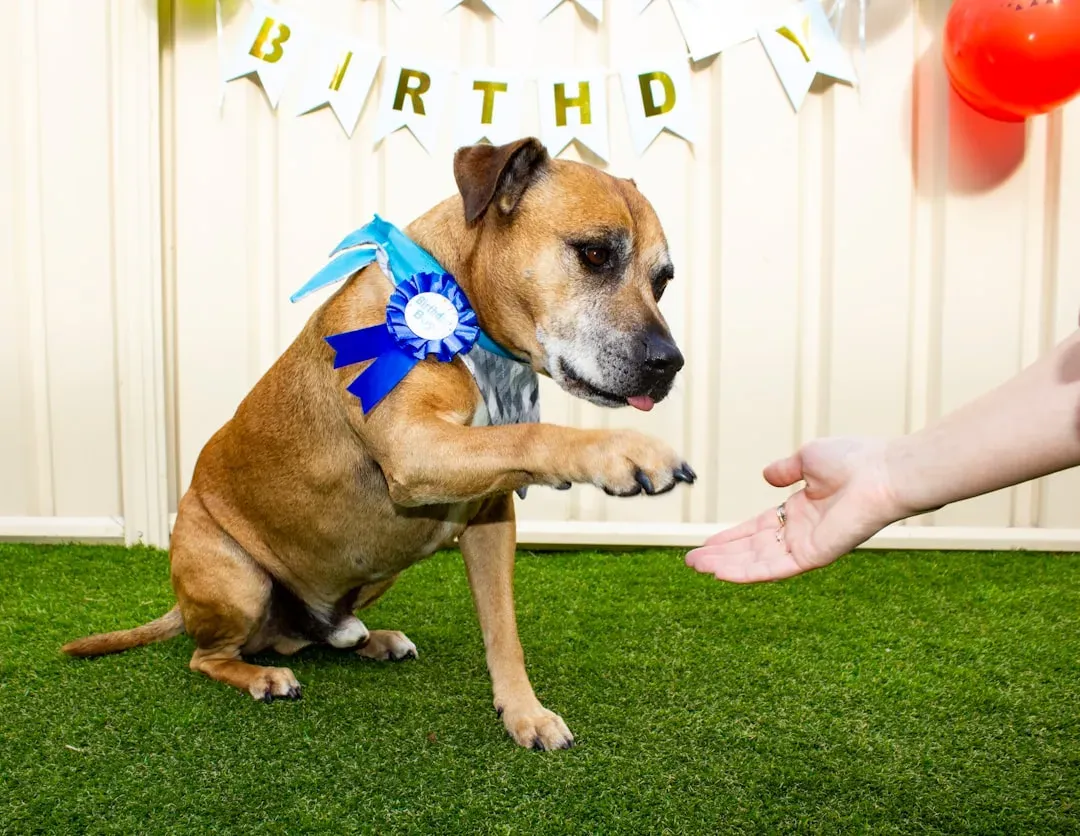
One of the most overlooked steps in the whole process is briefing the person, not just preparing the dog. Prepping your guest for the introduction can be just as important as prepping your pet. Be sure to tell them any helpful tips for interacting with your dog, such as whether they enjoy being touched or a warning that your excited pup may try to jump up on them. This will help both your guest and your dog feel more confident and comfortable.
Your dog can sense both fear and confidence in a person’s voice, so be extra careful when introducing your dog to children or people who may feel nervous around dogs. Remind your human guests to move deliberately and non-aggressively, and not to approach your dog quickly or suddenly, even if the dog is acting playful. Moving suddenly can make your dog feel like something is wrong and put them on edge.
Protective dogs may be wary of strangers entering their territory, so it helps to establish some ground rules. Before guests arrive, you can kindly request that they remain calm and avoid sudden movements, greet you first before acknowledging the dog, and avoid petting or making eye contact with the dog. These small requests make a real difference. Most guests are happy to follow simple guidelines once they understand why.
When meeting a new dog, stand calmly to its side or crouch at arm’s length and let the dog approach you. This way you are showing the dog that you are not a threat. Share this tip with your visitors ahead of time. It shifts the entire dynamic of the greeting from one the dog feels forced into, to one they freely choose.
#3: Let Your Dog Set the Pace
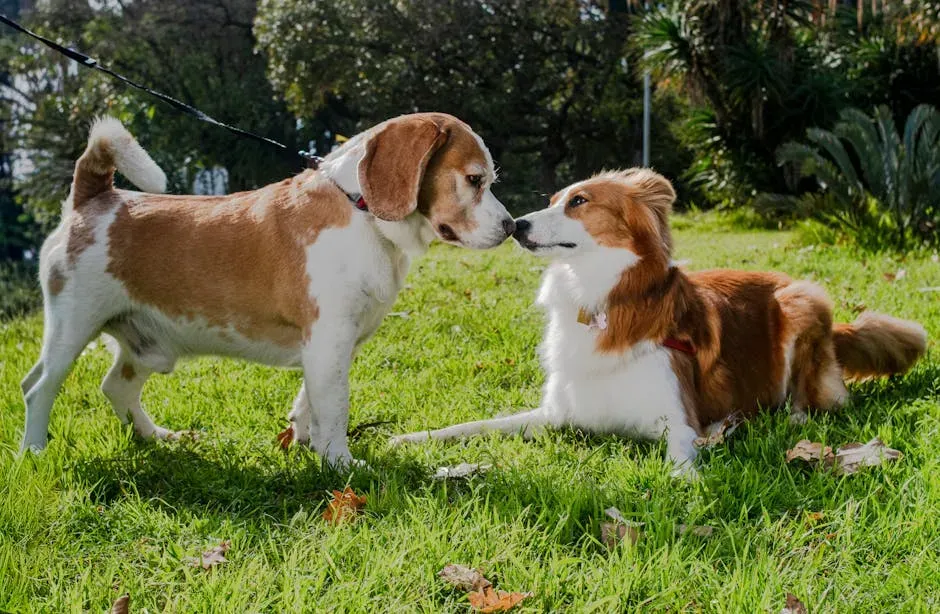
When introducing your dog to a new person, let your pet take the lead. Bring them into the space only once it is calm, encourage the new people to wait for your dog to initiate contact, and encourage them to offer your dog a treat to reward that curiosity. Forcing a dog toward someone they’re unsure about almost always backfires.
Never force your protective pup to meet someone. Instead, you want to build curiosity about the new person and let the dog explore independently. This applies to all dogs, not just reactive ones. Even a generally friendly dog can have an off day or feel uncertain in a new situation. Giving them an out keeps the experience from becoming a negative memory.
Be sure not to let strangers pick up or cuddle with your dog if your pet doesn’t like this kind of attention. If your pooch prefers their own quiet space, give them that space and let them choose how much they want to interact with new people. Consent isn’t just a human concept. Dogs thrive when they feel like they have some say in what happens to them.
If your dog is showing any of these behaviors – their body is loose and wiggly, their mouth is open and relaxed, they’re moving or leaning toward the person – they’re ready to meet the other person. Wait for those signals. The introduction will be far smoother when the dog is genuinely ready rather than simply compliant.
#4: Use Treats and Positive Reinforcement Strategically
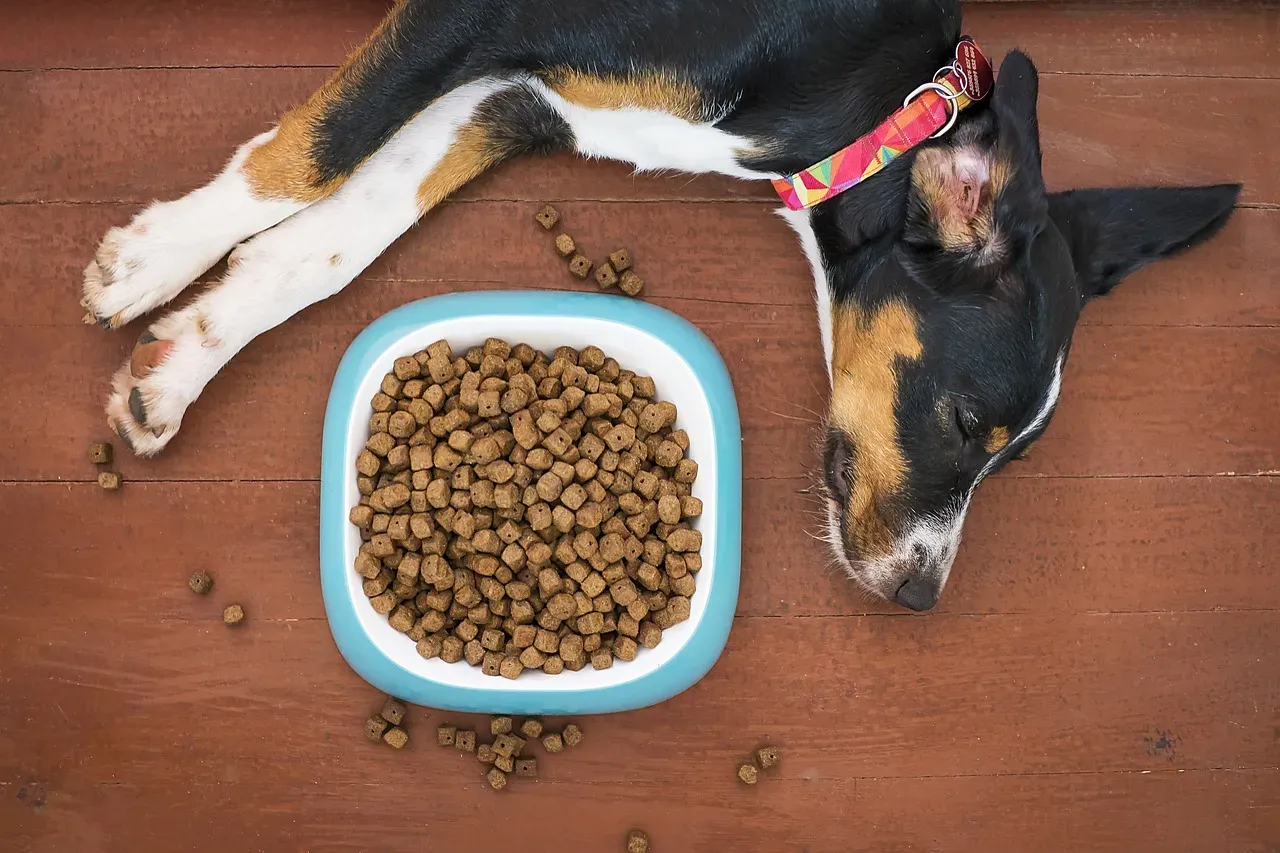
Bring tasty treats with you and encourage people to give your dog treats when they meet, especially if your dog is shy. Treats work because they create positive associations. Every time a new person means something good happens, the dog’s brain begins to rewrite the script on strangers.
When guests enter your home, they can drop treats on the floor while ignoring your dog. Then, they should quietly take a seat. This action shows the dog that visitors don’t pose a threat and leave something positive behind. It sounds simple, and it really is. The dog gets to make the choice, approach on their own terms, and associate that person with something genuinely enjoyable.
Tossing treats from a distance can be an excellent way to initiate positive interactions. This technique works especially well with shy or cautious dogs because it removes any physical pressure from the equation entirely. The dog can sniff, observe, and warm up at whatever speed feels safe to them.
#5: Keep Your Dog on a Loose Leash During Introductions

Have your dog on a loose leash while you are standing or sitting when greeting new people. This will help keep them close and allow you to remove them from the meeting if needed. A leash gives you quiet control without creating tension. It’s a safety net, not a restraint.
Non-verbal signals can be transferred down through the lead, usually without you realizing – they will sense any tension you feel in your grip. It can take practice in situations that would normally make you anxious, but staying calm and relaxed and keeping a loose lead will help keep your dog happy too. That tension in your hand travels straight to your dog. A tight grip reads as alarm. A relaxed hold reads as calm confidence.
Supervise your dog’s interactions so you can be sure the friendly greeting is mutual. Don’t leave your dog unattended. Supervision isn’t hovering – it’s being present enough to step in if something shifts. Most dogs will show you with their body that a break is needed long before a situation escalates.
If you ever see signs of stress, fear, or aggression in your dog when they see a new person, do not proceed with the introduction and seek the help of a professional. Knowing when to pause and when to reach out for expert guidance is itself a form of good ownership. There’s no shame in calling a trainer. It’s one of the most proactive things you can do.
#6: Build Socialization as an Ongoing Practice
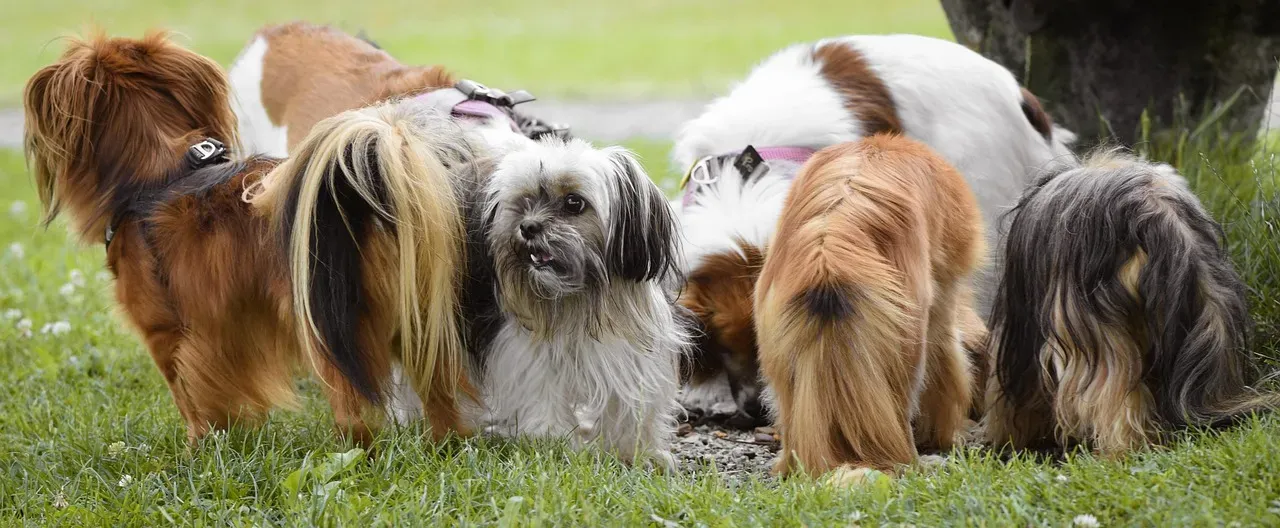
Whether you’re introducing your dog to people and dogs you already know or you’re both meeting strangers for the first time, meeting new people doesn’t have to be a hassle. There are plenty of things you can do to keep anxiety levels low and enjoyment levels high when introducing your dog to potential friends, and that all starts with planning and preparation.
It is important during the critical socialization period to expose your puppy to people, including children, males and females, people in uniform, and men with beards and hats, as well as other dogs and environments in a positive way. The wider the variety of calm, positive experiences a young dog has, the more resilient and confident they tend to become as adults.
Have your dog meet people you know first, before having them meet strangers. Think of socialization as a progressive ladder. Start with the familiar. Build comfort and confidence. Then gradually widen the circle. Jumping straight to a crowded park or a house full of guests is too much, too soon for most dogs.
When you listen to your dog’s signals, you build trust. Your dog learns, “My person pays attention and keeps me safe.” This trust makes your bond even stronger. Socialization isn’t just about teaching your dog to tolerate strangers. Done well, it becomes one of the most powerful ways to deepen the relationship between you and your dog, one calm, positive introduction at a time.
Final Thoughts
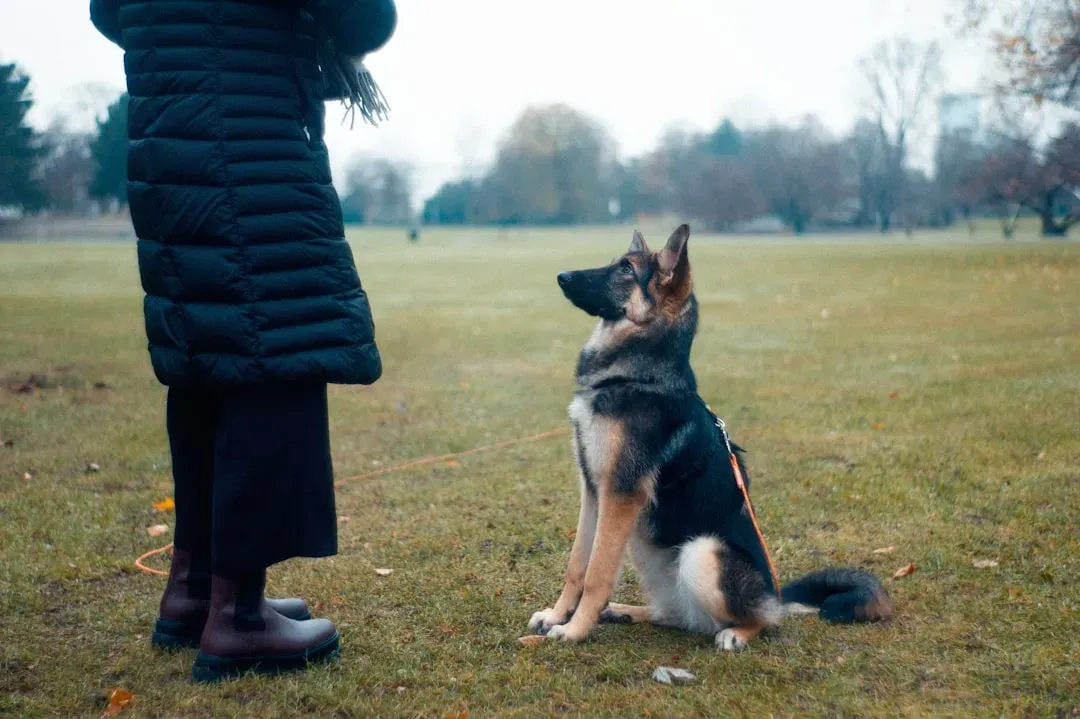
The truth is that most dogs don’t need to love every person they meet. They just need to feel safe. Your job as their owner isn’t to force warmth or perform friendliness on their behalf. It’s to advocate for them, read the room, and intervene before discomfort becomes distress.
Introductions done right are quiet. They’re slow, patient, and almost boring to watch. That’s the point. When your dog chooses to approach a stranger and accepts a treat from their open palm without hesitation, that’s not luck. That’s the result of every careful, respectful introduction you managed before that moment. It accumulates. And the dog you get from that patience – confident, curious, and genuinely at ease in the world – is well worth every slow step it takes to get there.