
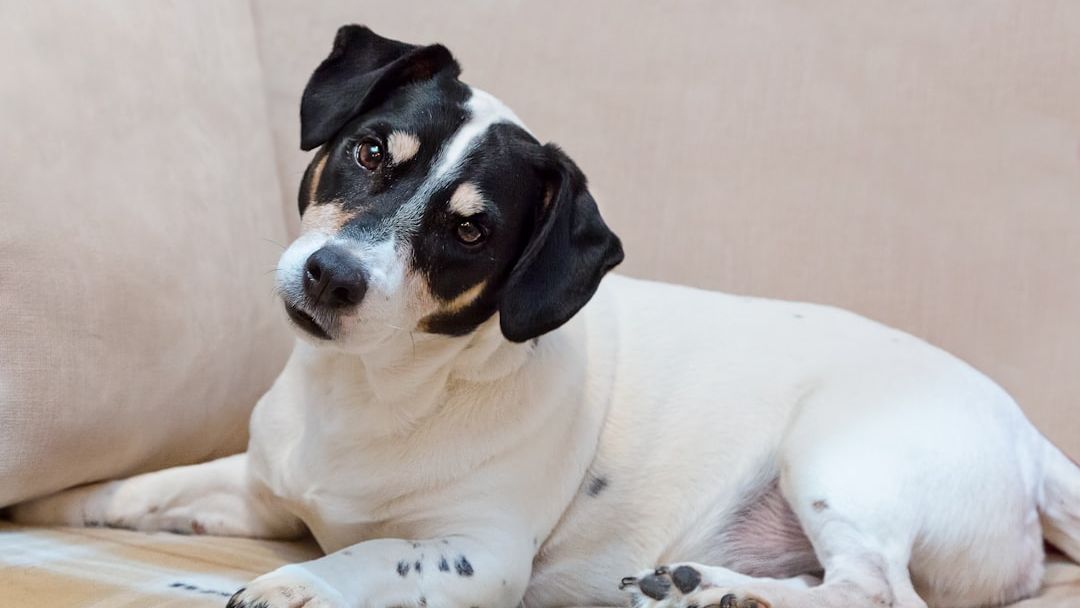
There’s a moment most dog owners know well. You’re mid-sentence, maybe asking if your pup wants a walk or just calling their name across the room, and suddenly that little head tips sideways. Ears alert, eyes locked on yours, the whole posture radiating something that can only be described as rapt attention. It’s one of the most quietly spectacular things dogs do, and most of us simply melt and move on without ever asking why it happens.
Turns out, researchers have been asking that very question. The answers are genuinely surprising. The dog head tilt isn’t just a reflex or a random quirk. It sits at the intersection of sensory intelligence, brain biology, emotional bonding, and thousands of years of co-evolution between dogs and humans. The more science looks, the more fascinating the picture becomes.
It Starts in the Brain, Not Just the Ears
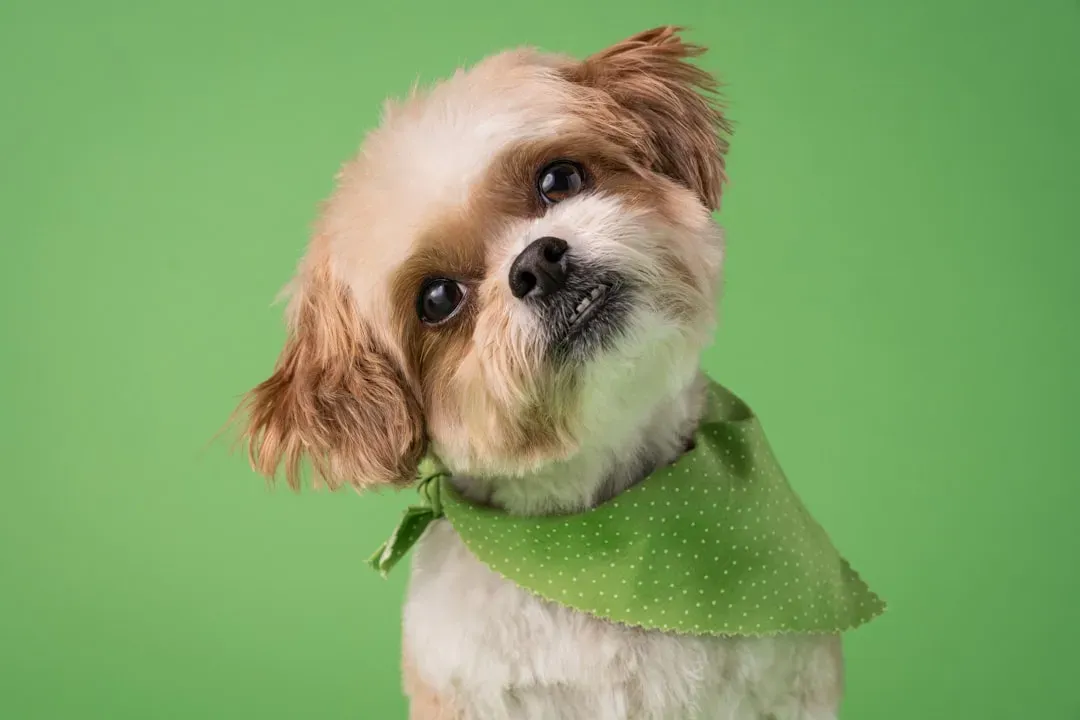
When your dog tilts their head, they are processing, thinking, and responding. The head tilt is the outward sign of that. Many people assume it’s purely about hearing, but current research points to something considerably richer going on inside the canine brain.
A recent study found evidence of lateralization of head tilt behavior in dogs while listening to naturalistic speech, with results showing a left-hemispheric bias in the canine brain in the processing of familiar words and phrases spoken by humans. In practical terms, this means when your dog tilts its head, one side of its brain is working harder to decode what you’re actually saying.
The brain processes sensory inputs contralaterally, so a rightward tilt may mean the dog is engaging the left hemisphere to process what it’s hearing. That’s where language processing happens, in dogs as well as in humans. The similarity to human brain function is striking and raises a lot of compelling questions about just how deeply dogs are wired to understand us.
Your Dog Is Literally Trying to See Your Face More Clearly

A dog’s unique build, particularly the length of their snout, can seriously block their view of your face. Dogs’ eyes are set to the sides of their head, giving them a wide peripheral field, but creating a blind spot right in front of their nose. For breeds like German Shepherds or Greyhounds, their prominent muzzles quite literally hide the lower part of your face.
When your dog tilts its head, it’s clearing that visual blockade and can finally see your facial expressions more fully. Your smiling mouth, your lips forming words, your gaze, all of this is a goldmine of social information. It’s a functional, purposeful behavior, not decorative.
Dogs understand us by assessing not only what we say, but how we say it. They assess our facial expressions, eye movements, tone of voice, body language, and inflection to translate human communications. To understand us, dogs must clearly see our faces, and tilting their heads may help in this process. The tilt is, in its own way, an act of concentration.
The Connection Between Head Tilts and Word Recognition Is Real

Behavioral studies show that dogs tilt their heads more when they hear a word they know, paired with a positive intonation. Words like “walk,” “treat,” or “ball” trigger a more obvious head tilt than random, meaningless sounds. This pattern isn’t coincidental. It tells us something important about what the tilt actually represents.
In a landmark study, gifted dogs tilted their heads forty-three percent of the time when their owner said the name of one of their toys, compared with just two percent of the time for typical dogs. The gifted dogs tilted their heads in the same direction no matter where their owner was standing, suggesting the behavior wasn’t about pinpointing the sound but about processing it and matching it to a mental image.
A study of “gifted” canines, those capable of quickly memorizing multiple toy names, showed they often tilt their heads before correctly retrieving a specific toy, suggesting the behavior might be a sign of concentration and recall in canine companions. Think of it as the dog equivalent of pausing to picture something before acting on it.
It Is Also a Social Signal and a Form of Affection
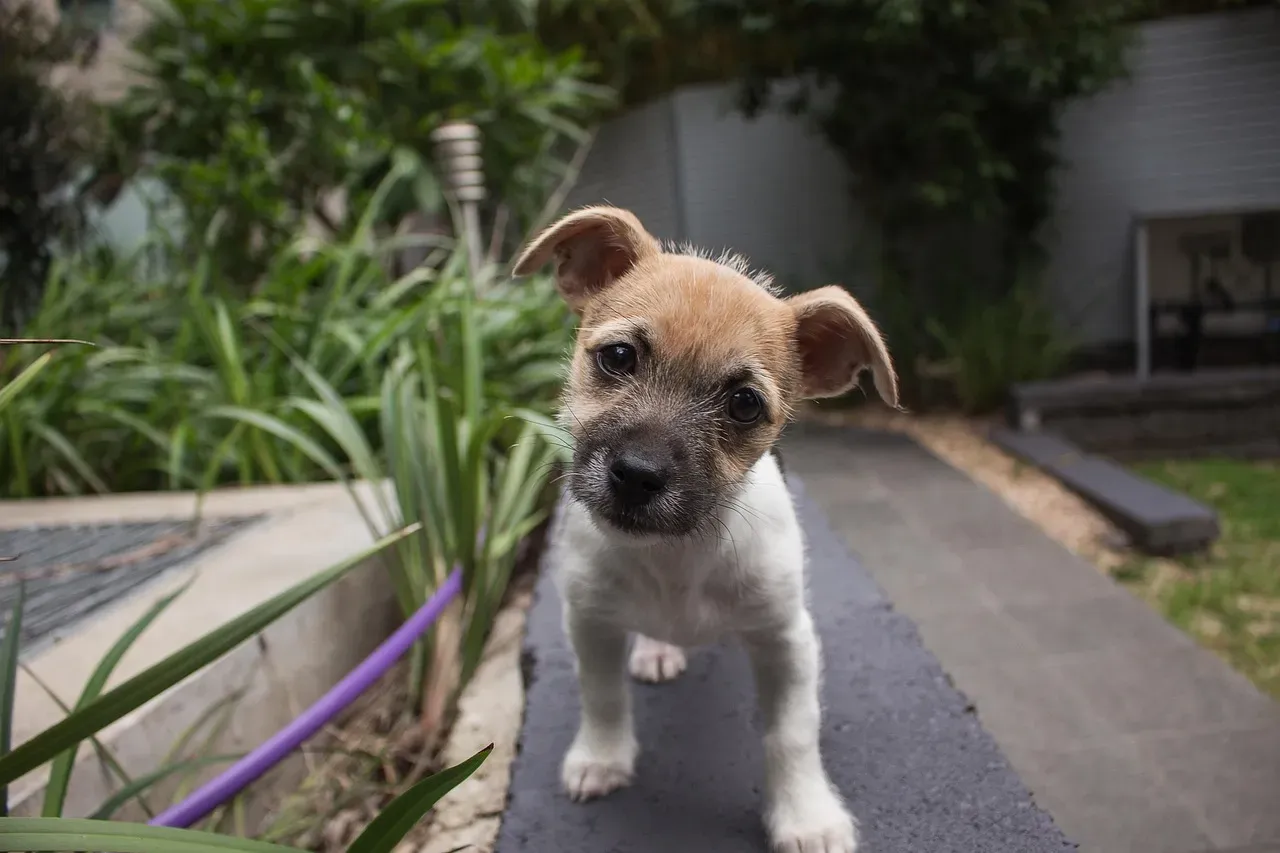
A dog tilts their head to show they are engaged, much as a human would nod during a conversation to indicate they are listening. Social dogs that enjoy human interaction usually tilt their heads more often to encourage the continuation of the conversation and prolong human contact. There’s a warmth embedded in that gesture that goes beyond pure biology.
A subtler form of the head tilt, often overlooked, is a quick tilt that signals a dog’s desire for closeness and affection. This brief gesture essentially says, “May I come closer for some cuddles?” and is a testament to the nuanced ways dogs communicate their needs and desires to humans. Recognizing this signal can enhance the bond between dogs and their owners, fostering deeper understanding and connection.
Given the many communication-related adaptations dogs have developed in the context of the human-dog relationship, some researchers have hypothesized the head tilt may serve a communicative function in interspecies interactions, specifically to elicit positive affect among human observers. Over time, it appears to have become a kind of shared language, subtle and tender, that both species seem to understand instinctively.
Sometimes the Tilt Becomes a Learned Love Language Between You and Your Dog
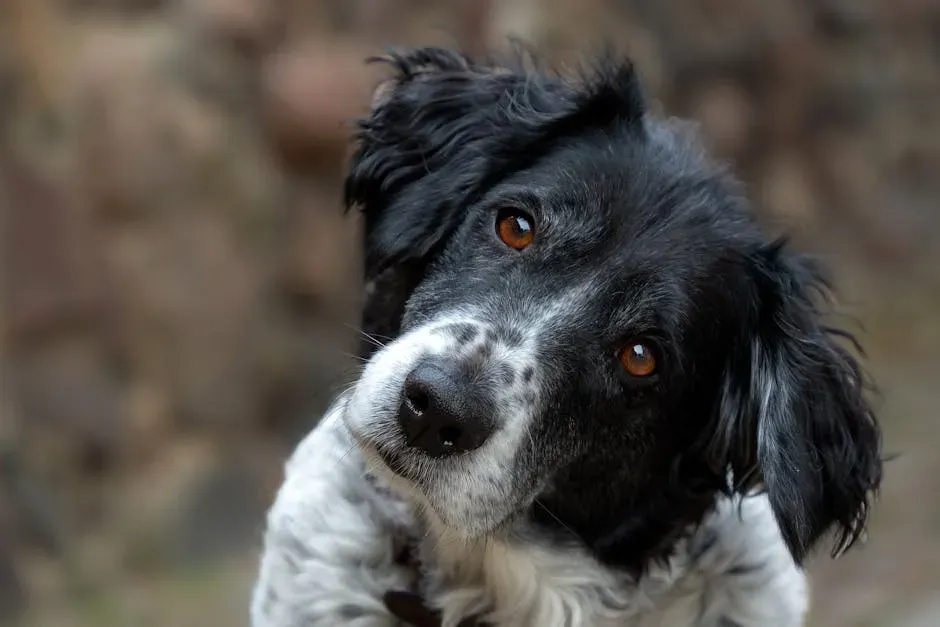
If every time your dog tilts its head you shower it with praise, affection, or treats, it will quickly associate the head tilt with positive outcomes. Over time, your dog may start tilting its head more often simply because it has learned that this behavior pleases you and results in rewards. This aspect underscores the importance of being aware of how our reactions can reinforce certain behaviors in our pets.
If a dog tilts their head and gets a positive reaction like laughter, affection, or treats, they may repeat the behavior. Over time, head tilting can become a learned response that dogs use to charm their owners or get attention. What begins as instinct can evolve into a deliberate, affectionate act specifically tailored to you and your reactions. Your dog, in a very real sense, learns what melts your heart.
From improving sound localization and visual perception to indicating mental processing and strengthening social bonds, the dog head tilt reveals the sophisticated ways our canine companions interact with and make sense of their world. This seemingly simple behavior offers a window into the remarkable cognitive abilities of dogs and their unique evolutionary adaptation to life alongside humans.
A Final Thought
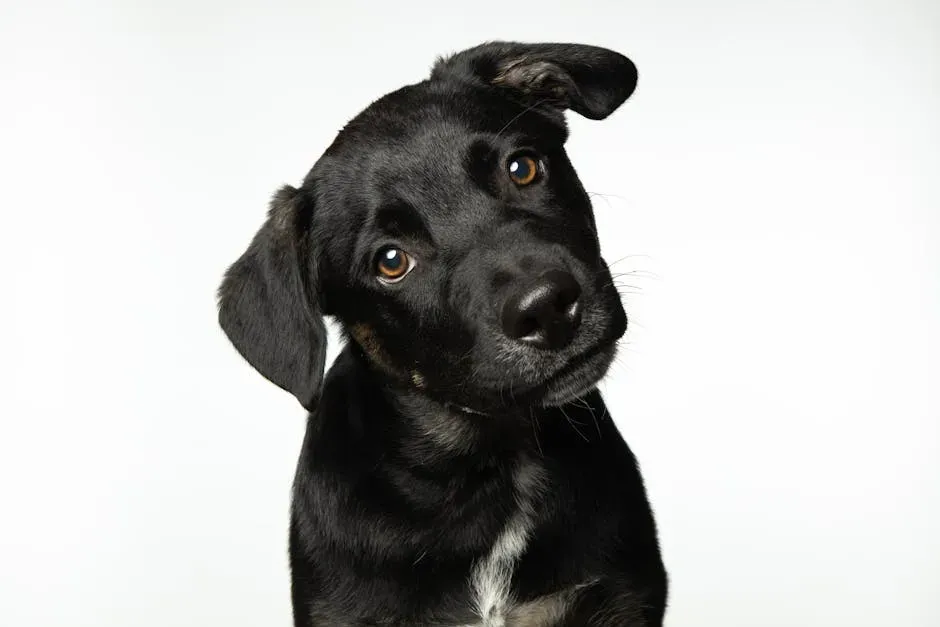
There is something quietly profound in the realization that your dog’s head tilt is not accidental. It is attentive, emotional, and in many cases remarkably intelligent. By and large, we are just scratching the surface of understanding how dogs’ minds work. Every new study adds a little more texture to a picture that was always there but never quite in focus.
If you ask me, that small sideways tilt might be one of the most honest forms of communication in any relationship. No performance, no agenda. Just a creature doing its absolute best to understand you, see you clearly, and stay close. We could all stand to tilt our heads a little more often.


