
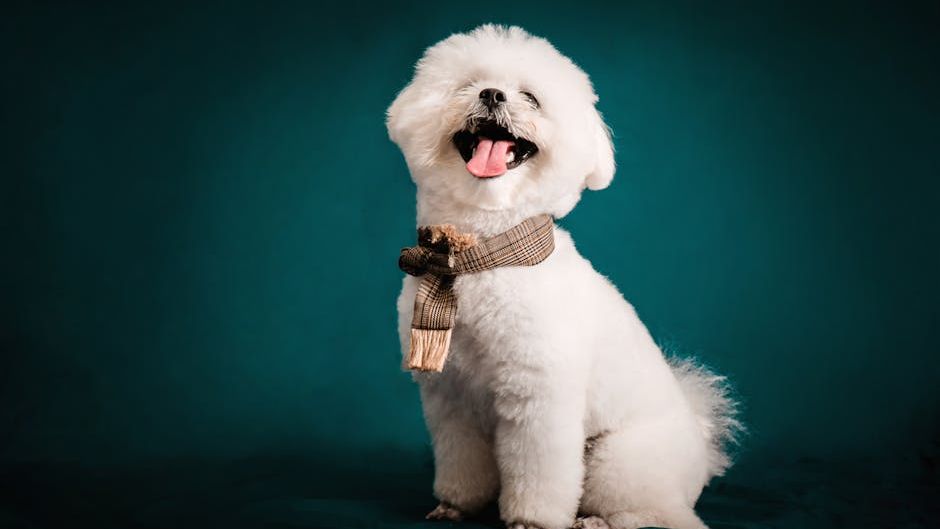
There’s a quiet truth most people don’t talk about enough: one of the most effective tools for keeping older adults healthy, socially connected, and physically moving isn’t a gym membership or a pill. It’s a dog. Not just any dog, though. The wrong breed can feel like a part-time job, demanding hours of vigorous exercise, mountains of grooming, or a level of physical handling that simply doesn’t match where someone is in life.
Dogs provide companionship, encourage light physical activity, and bring a sense of routine and joy – but only when the match is right. Senior dog owners walk an average of 22 more minutes per day, taking about 2,760 more steps, compared to seniors who do not own dogs. The ten breeds below strike that rare balance: they’ll get you off the couch, keep your heart healthier, and fit genuinely well into a slower, richer pace of life.
#1. Cavalier King Charles Spaniel
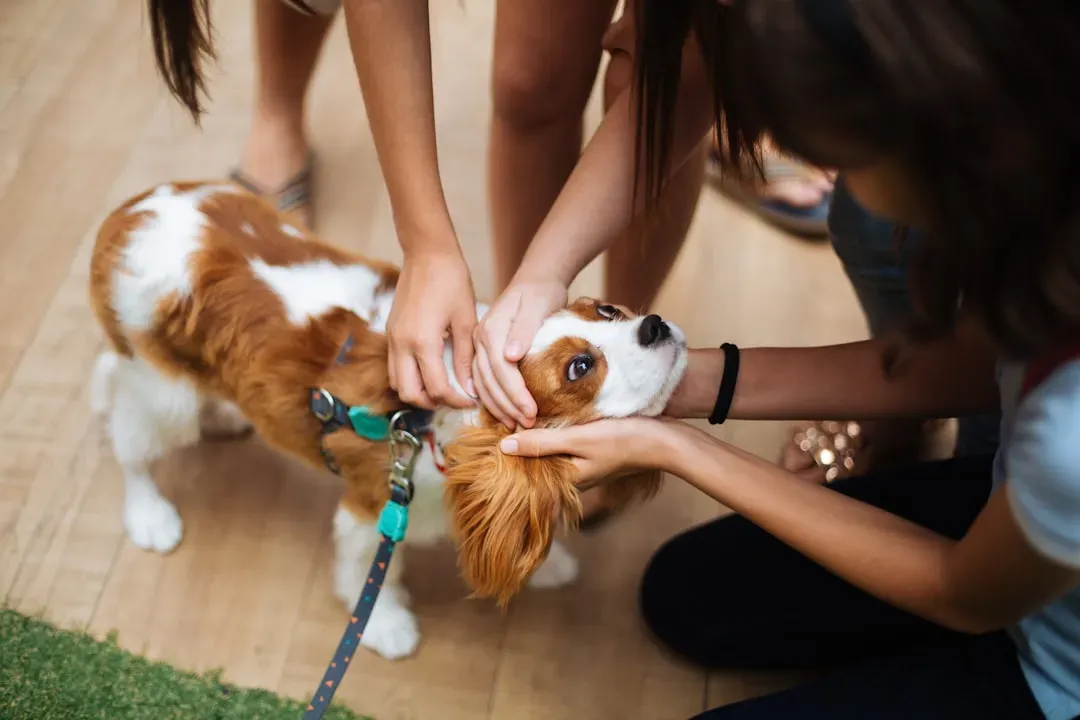
Few breeds thread the needle between gentle companion and willing walking partner quite as gracefully as the Cavalier King Charles Spaniel. The Cavalier consistently ranks among the best dogs for seniors due to their gentle, loving nature and adaptable personality. These small, elegant dogs typically weigh between 13 and 18 pounds, making them perfectly suitable for most seniors, and their calm demeanor and friendly disposition make them excellent for those seeking a peaceful, affectionate pet.
The Cavalier courteously matches their pet parent’s activity level, content with brisk walks and fun playtime, but will also gladly spend the day on the couch. That adaptability is genuinely rare. While they enjoy walks and playtime, they do not have high exercise requirements, making them suitable for individuals who cannot commit to long periods of activity. For a senior who wants a dog that keeps up without wearing them down, this breed is nearly impossible to beat.
#2. Bichon Frise
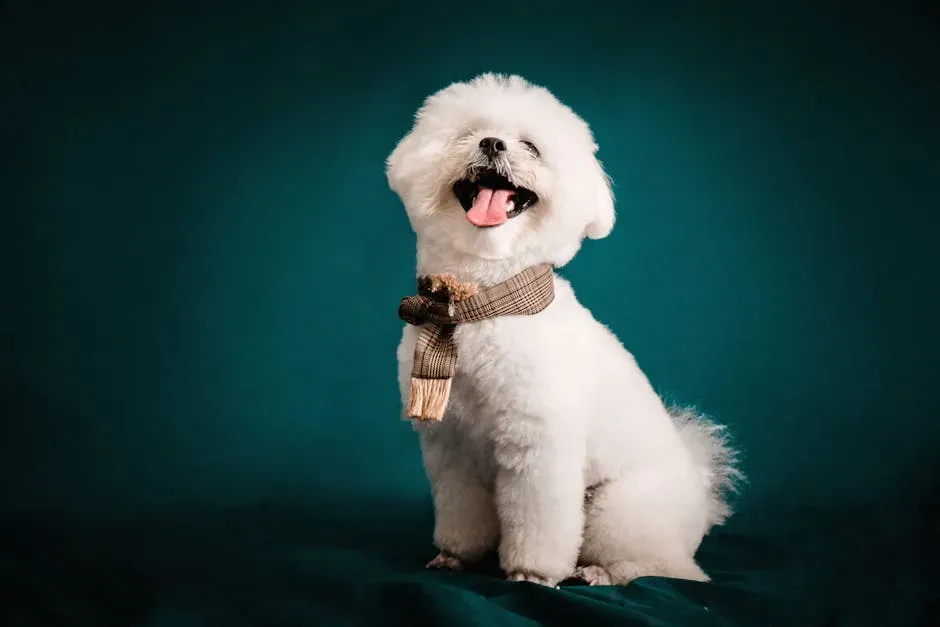
The Bichon Frise is a friendly, playful breed that thrives on companionship. These dogs are small and easy to manage, and while they enjoy playtime and light activity, they can adjust to the energy level of their owners. That natural flexibility is what makes them such a well-regarded choice. They don’t demand a schedule – they follow yours.
The Bichon Frise is also hypoallergenic, which makes them an excellent choice for seniors with allergies. Their playful demeanor keeps spirits high, while their small size makes them easy to manage, and they thrive on human interaction, quickly becoming part of the family. A short morning walk, some indoor play, and plenty of lap time – that’s genuinely all this breed needs to be completely fulfilled.
#3. Pembroke Welsh Corgi
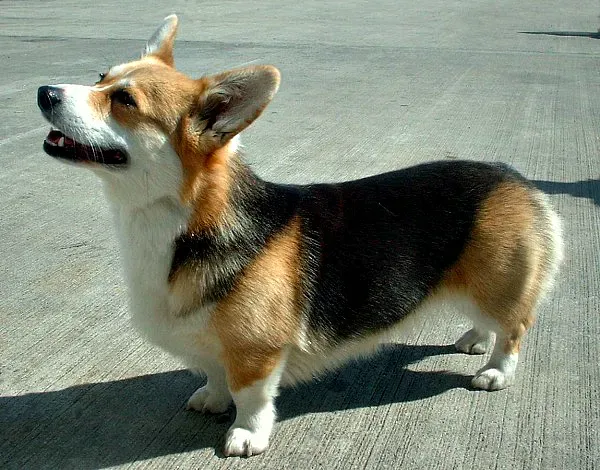
For more active seniors who enjoy outdoor exploration such as walking on nature trails, the lively and adventurous Pembroke Welsh Corgi is a great match. Don’t let the short legs fool you. Corgis are sturdy, spirited, and deeply loyal dogs with a surprising amount of personality packed into a compact body.
These highly intelligent dogs excel at agility, obedience, rally, tracking, and herding, and mental stimulation is important for them too – puzzle toys and other games are helpful ways to keep their minds engaged. Corgis are low-maintenance but alert, offering companionship and a little watchdog instinct without excessive barking. They’re the kind of dog that makes daily walks feel like an adventure rather than a chore.
#4. Miniature Schnauzer
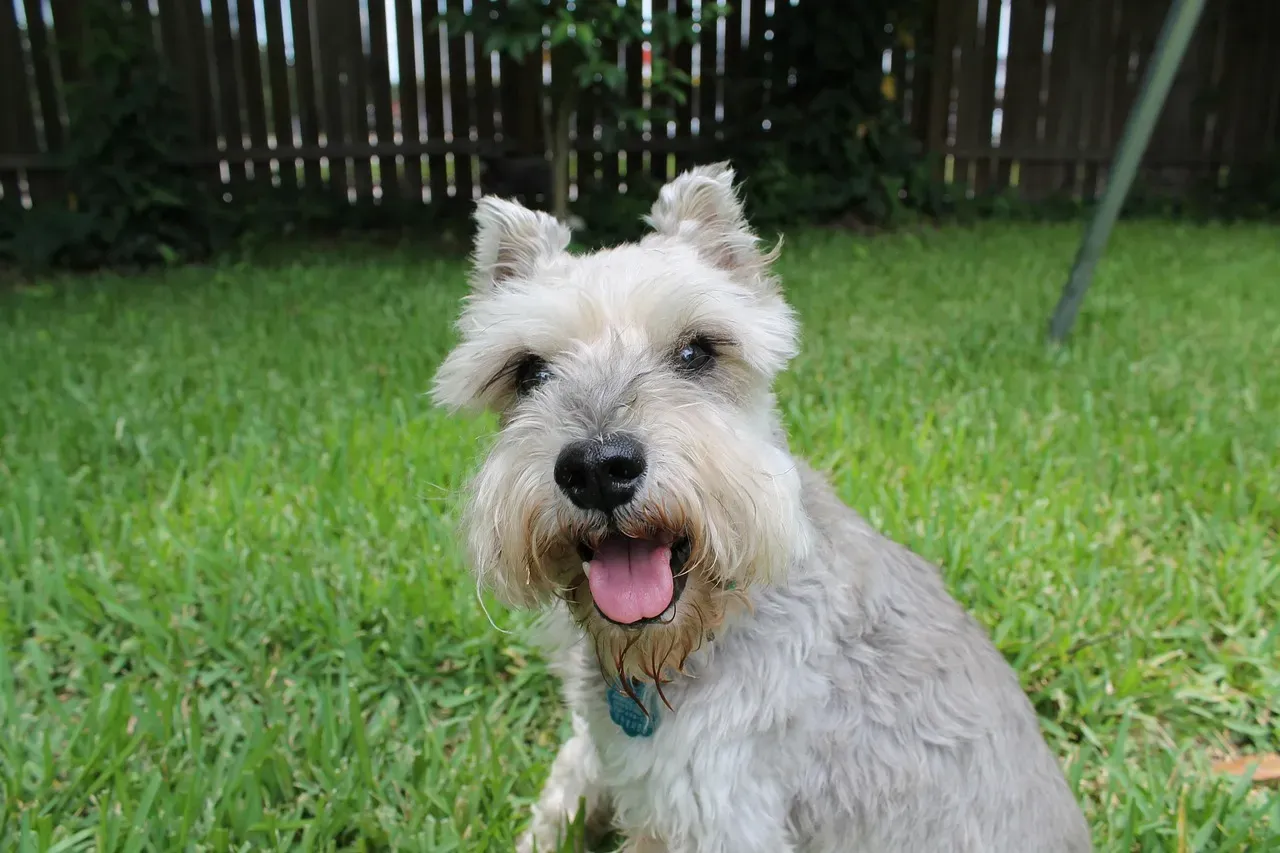
Seniors adore the Miniature Schnauzer for its perfect blend of intelligence, loyalty, and confidence. Known for being alert yet affectionate, this sturdy little companion thrives on companionship and gentle structure, scoring high for trainability, moderate activity needs, and emotional connection. They’re the sort of dog that fits naturally into a quiet household while still giving that household a little energy.
Miniature Schnauzers have a low shedding rate and do not require excessive grooming, making them easier to care for compared to higher-maintenance breeds, and their compact stature makes them easier to handle and transport while allowing them to thrive in apartments without taking up too much space. Two short daily walks and indoor play keep them content, and mentally stimulating toys prevent boredom. That’s a manageable routine by almost any standard.
#5. Shih Tzu
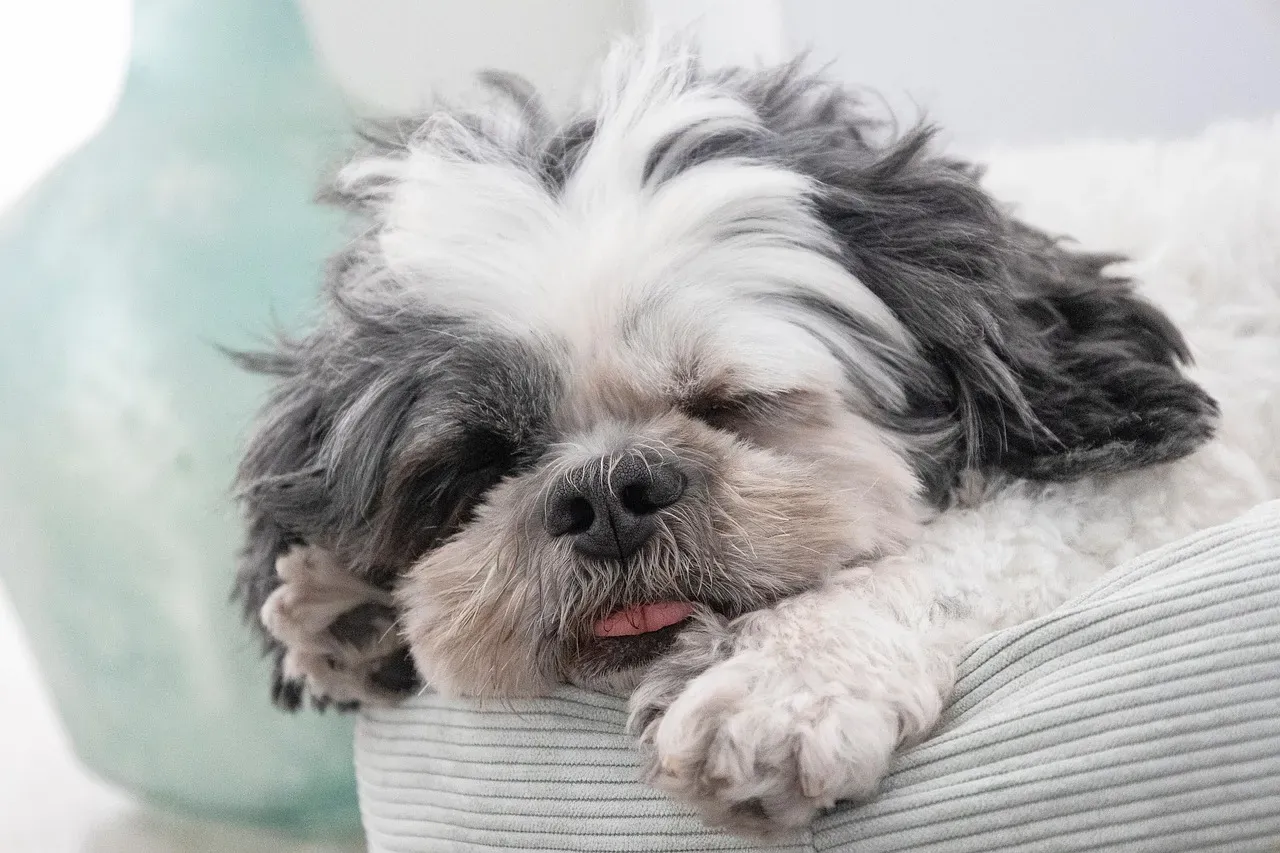
The Shih Tzu is another great dog for older adults. These dogs are friendly, calm, and adapt well to indoor living. Originally bred as palace companion dogs in ancient China, they’ve essentially been perfecting the art of human companionship for centuries. With their short smooshed-looking faces and small bodies, Shih Tzus have an adorable appearance, bred to be companions who often enjoy simply sitting with their owners, yet they can easily adapt to various environments.
The Shih Tzu doesn’t need long hikes or intense play sessions – short, regular walks are enough to keep them physically healthy and mentally stimulated. Choosing the right dog breed goes beyond looks and popularity; seniors need a pet that is affectionate, easy to train, and relatively low-maintenance, and factors such as exercise needs, grooming requirements, and temperament all play an important role. On every one of those counts, the Shih Tzu holds up remarkably well.
#6. Pug
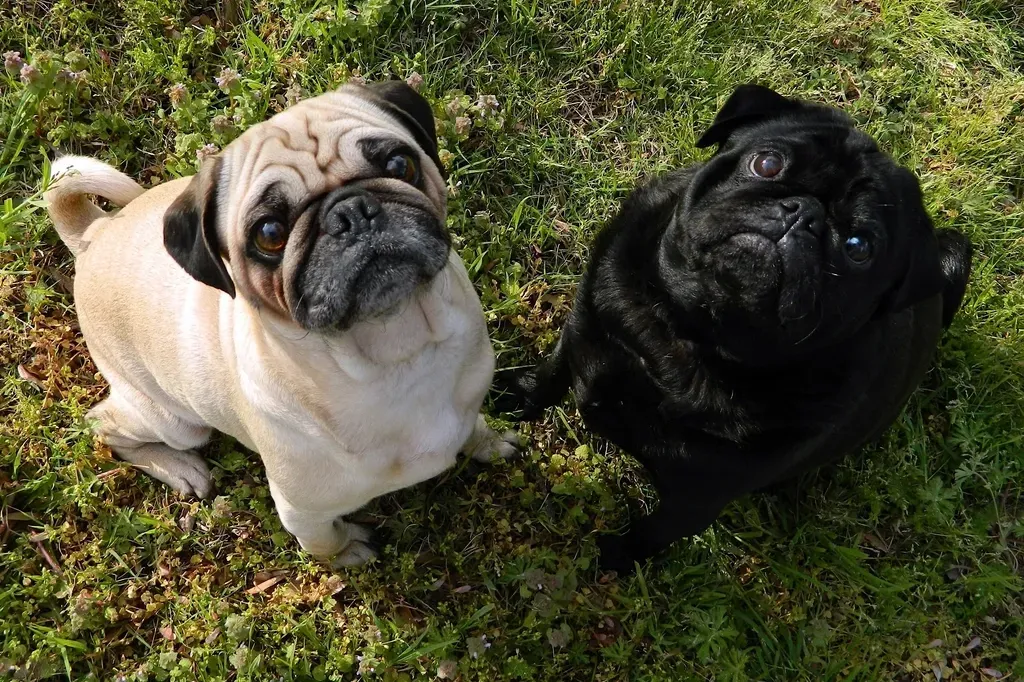
Centuries ago, the emperors of China loved their Pugs. The short-haired, muscular dogs were bred to be companions with even temperaments, and Pugs tend to be easily trained, playful with children, loving with their owners, and charming with strangers. That even-tempered nature is exactly what makes them such a reliable fit for retirement life.
Brief strolls and short indoor or outdoor play sessions are sufficient for the laid-back Pug. Pugs are just the right size to be perfect lap dogs, and known for their intelligence and attentiveness to their owners, they are also extremely low maintenance, which makes them one of the best dog breeds for seniors. A brisk neighborhood walk in the morning and some gentle indoor play in the afternoon checks every box this breed has.
#7. Yorkshire Terrier
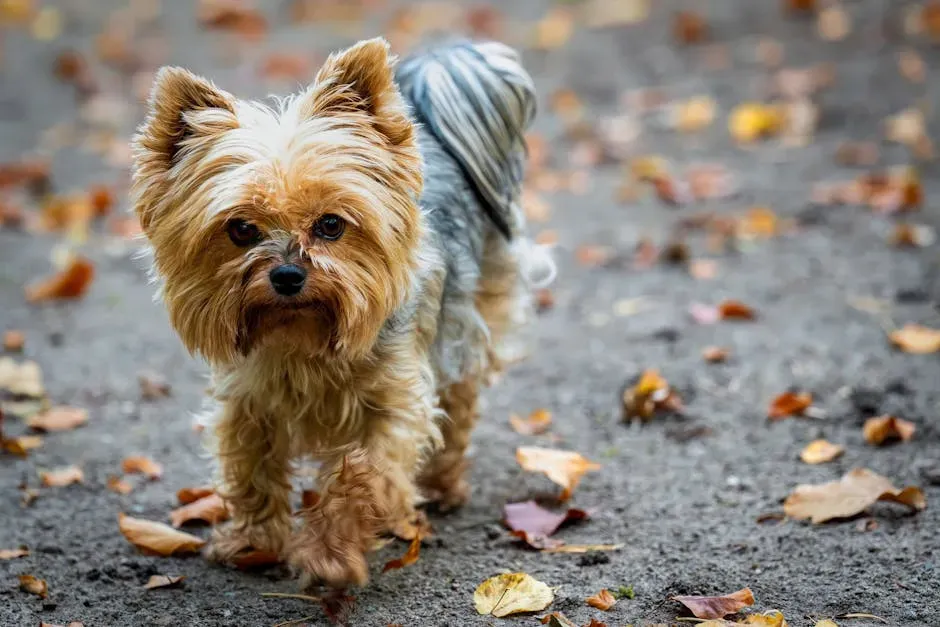
Feisty yet affectionate, the Yorkshire Terrier offers seniors both spirit and sweetness in a small package. They rate high for companionship and apartment compatibility, thrive in cozy spaces where they can stay close to their humans, and their adaptable nature and minimal size make them ideal for city or retirement living.
Yorkshire Terriers are highly suitable as lap dogs, measuring even a little bit smaller than Pugs. They’re not big barkers and are otherwise relatively calm and quiet pets, preferring to save their energy for walks with their owners – and they are generally well-behaved at the end of a leash. There’s a quiet boldness to a Yorkie that a lot of seniors find genuinely endearing.
#8. Maltese
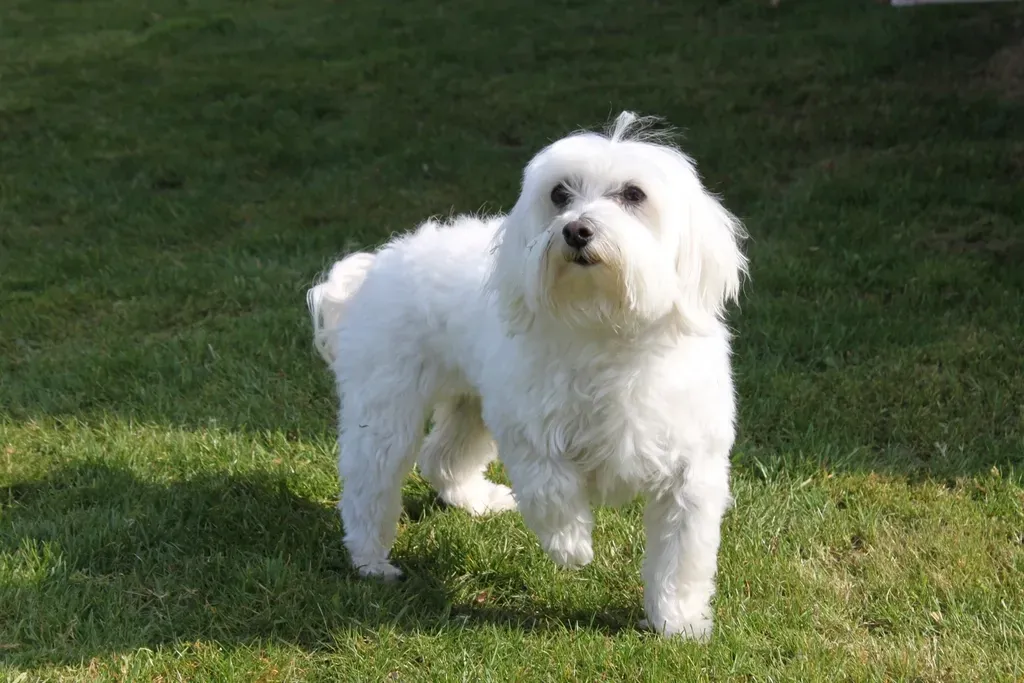
The Maltese is a small, affectionate dog that thrives on attention. Their compact size makes them easy to carry and manage, and despite their long, silky coats, they are relatively easy to groom with routine care. Weighing just a few pounds, they’re one of the more manageable breeds in terms of physical handling – a real consideration for anyone dealing with reduced grip strength or joint issues.
Their energy level is low, making them perfect for relaxed households, and their temperament is loving, gentle, and devoted – best for seniors who enjoy close companionship. Gentle souls like the Maltese are affectionate dogs that thrive on love, light walks, and cozy cuddles – perfect for peaceful days. They don’t ask for much, but what they give back in warmth and presence is considerable.
#9. Miniature Poodle
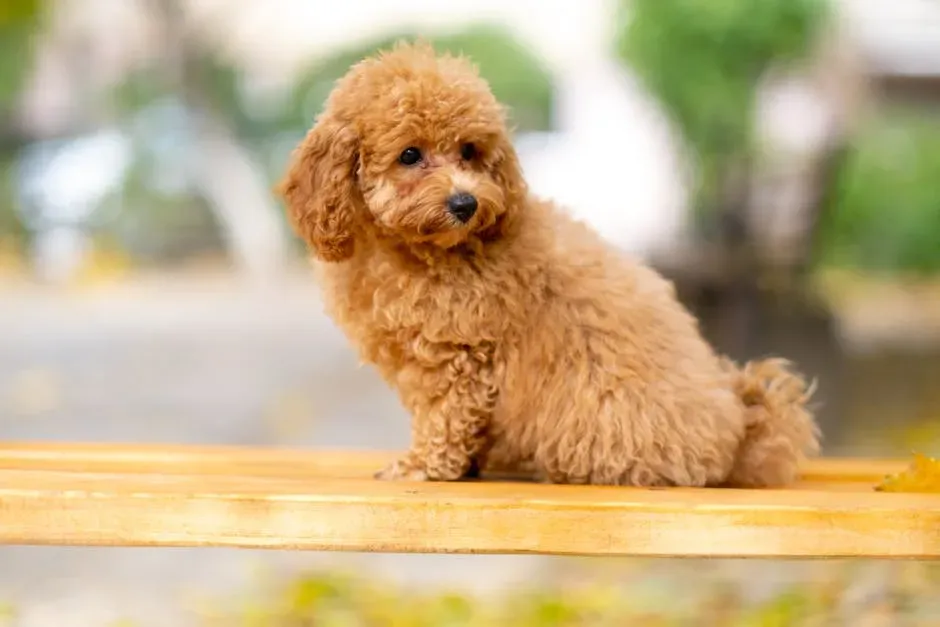
Miniature Poodles are intelligent, energetic, and well-suited for active seniors. Their smaller size makes them more manageable for smaller spaces while still enjoying regular walks and outdoor activities. They’re also one of the most trainable breeds in existence, which matters a lot when someone wants a dog that responds reliably to commands without a struggle.
Miniature Poodles are great for people who suffer from allergies because their coats are hypoallergenic. While some people want a pet with low-maintenance fur, Miniature Poodles are ideal for seniors who want to spend some time giving their pet an occasional grooming session, as their fur can be shaped and styled in various ways. The grooming routine itself, done at a relaxed pace, can become a pleasant bonding ritual rather than a burden.
#10. Havanese
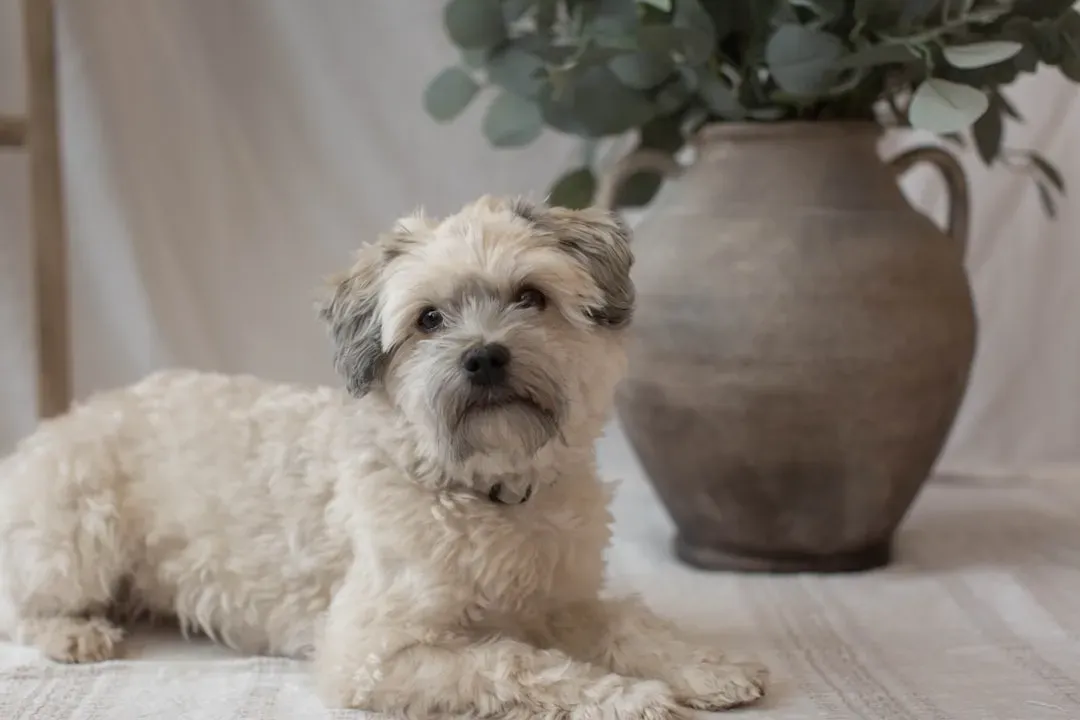
The only breed native to Cuba, the Havanese is a cheerful, quiet little dog described as happy, loving, intelligent, social, and accommodating. They’re content to stay inside and snuggle with their humans and will play patiently with children, and they don’t require much exercise but are happy to take occasional short walks. That combination of low demands and high warmth is genuinely hard to find in one package.
The right breed can enhance your daily routine, encourage gentle exercise, and provide the perfect balance of companionship without overwhelming responsibility. Whether you’re an active person who enjoys daily walks or someone who prefers quiet comfort at home, there’s an ideal canine companion waiting to enrich your life. The Havanese sits at the perfect intersection of low effort and high reward – a small dog with a genuinely joyful presence that makes even routine days feel a little brighter.
Why This Decision Matters More Than You Might Think
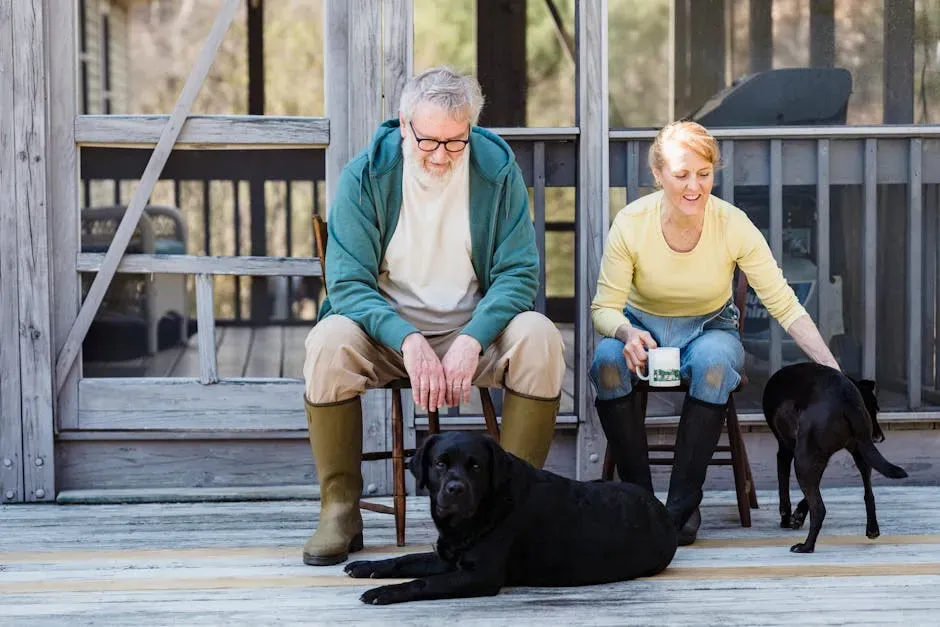
The evidence backing canine companionship for older adults has grown considerably over the years. Physical function and leisure time physical activity declined more slowly among pet owners in overall physical performance, rapid gait speed, usual gait speed, cardiorespiratory fitness, and physical well-being, controlling for age and comorbidities. That’s not a minor footnote – that’s a meaningful difference in how people age.
Raising a dog can help boost a senior’s physical and mental health. Spending time with a pup can help lower blood pressure and cholesterol levels while raising serotonin – the feel-good chemicals in the brain. Seniors who own pets are also significantly less likely to report feeling lonely than their non-pet-owning peers. When you combine the physical benefits with the emotional ones, the case for the right dog becomes genuinely compelling.
That word “right” keeps coming up for a reason. When considering dog ownership, older adults should look into adopting an adult dog rather than a puppy. Puppies require a lot of energy, training, and patience, which may not be ideal. Adult dogs are often calmer and already trained, making them easier to manage. Choose wisely, match your energy level honestly, and the payoff – in health, in routine, in simple daily joy – can far outlast anything you might have expected from a small, tail-wagging companion.
The right dog doesn’t just fit into your retirement. Done well, it quietly shapes it into something better.


