
There’s something almost poetic about a dog that fits in your bag but carries the emotional weight of a creature three times its size. Small dogs have long been underestimated. People assume that because they’re compact, they’re easy, low-maintenance, maybe even a little indifferent. The reality? Some of the most emotionally demanding dogs on the planet come in the tiniest packages.
If you’ve ever shared a home with one of these breeds, you already know the look. The one where they stare you down from across the room the moment you so much as glance at your phone instead of them. It’s not manipulation, exactly. It’s something older and more deeply wired than that. These dogs were built to need you, and understanding that changes everything about how you care for them.
#1: Chihuahua
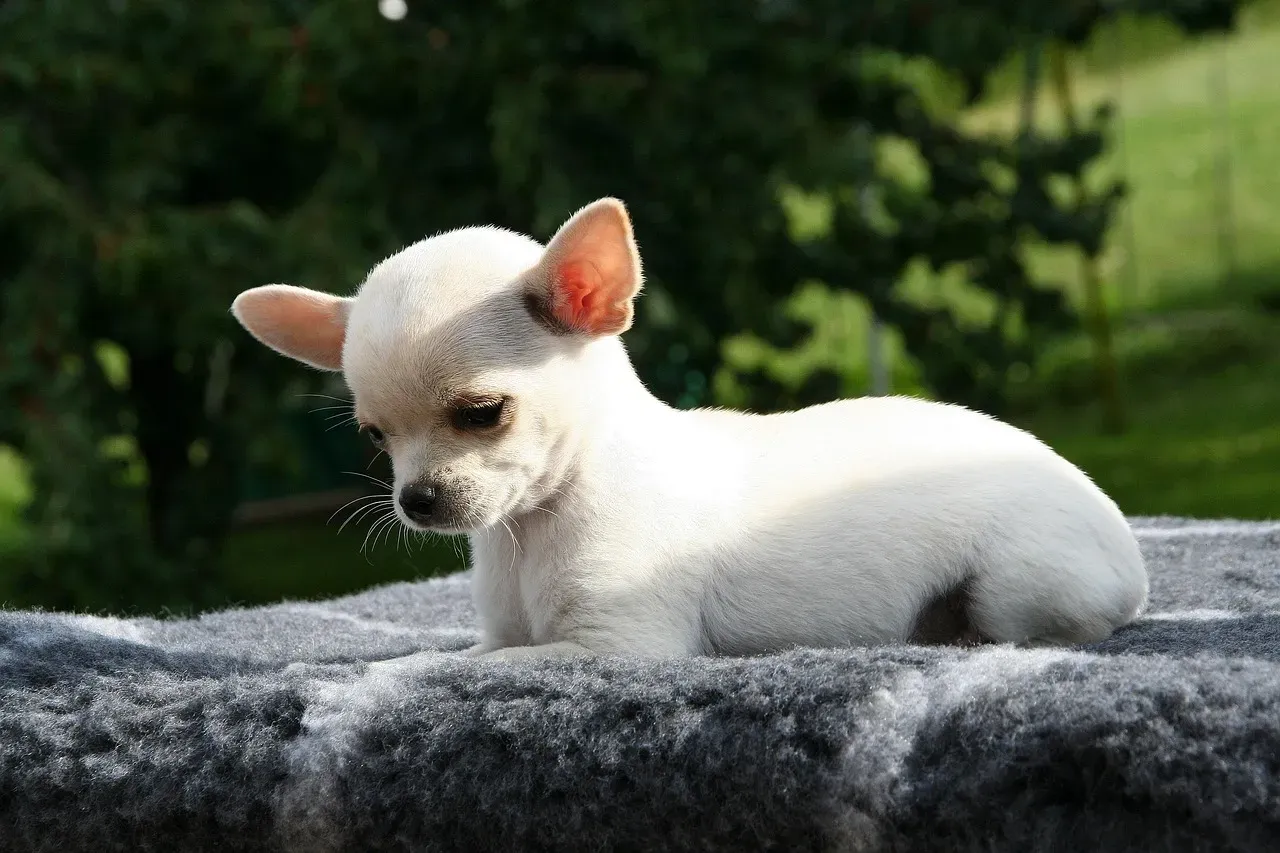
Chihuahuas are known for their big personalities in small packages, but these pint-sized pups often struggle with a common issue: separation anxiety. They’re not simply stubborn or difficult. The connection they form with their primary person runs genuinely deep, and being separated from that person can flip something in them that’s hard to undo.
Chihuahuas are prone to this condition due to their strong bonds with their owners and their tendency to be “velcro dogs,” always wanting to be close to their human companions. Chihuahuas tend to bond very deeply with their owners. Because they are small and portable, they often go everywhere with their humans. While that closeness is wonderful, it can sometimes make it harder for them to learn how to be comfortable on their own. Owners who take them everywhere, unintentionally, can deepen the attachment to a point where brief separations feel catastrophic to the dog.
#2: Yorkshire Terrier
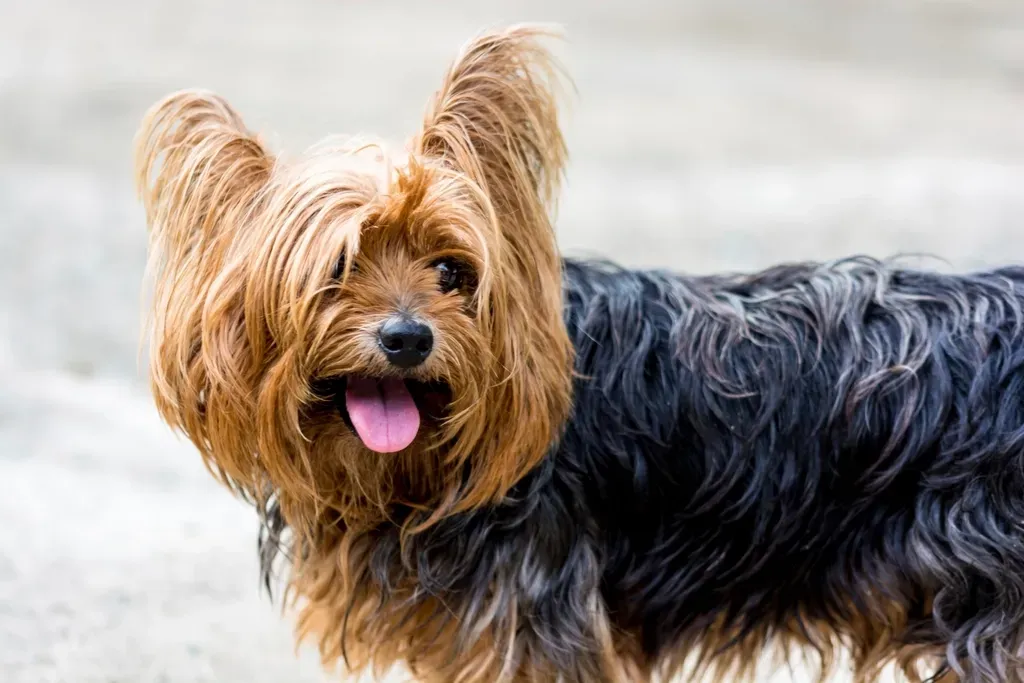
These adorable terriers are known for forming strong attachments with their owners, which means that any separation can cause stress and anxiety. Yorkshire Terriers may look cute, but they’re also fragile, protective and complex characters who require careful management to give them confidence. Their tiny stature hides enormous personalities and equally large emotional needs.
Yorkshire Terriers may look cute, but they’re also fragile, protective and complex characters who require careful management to give them confidence. If they’re not busy, they’re bored, which leads to problematic habits when left alone doing nothing. A Yorkie that has been ignored long enough will find ways to make its unhappiness impossible to miss. Think shredded cushions, relentless barking, and a stare when you finally come home that could curdle milk.
#3: Cavalier King Charles Spaniel
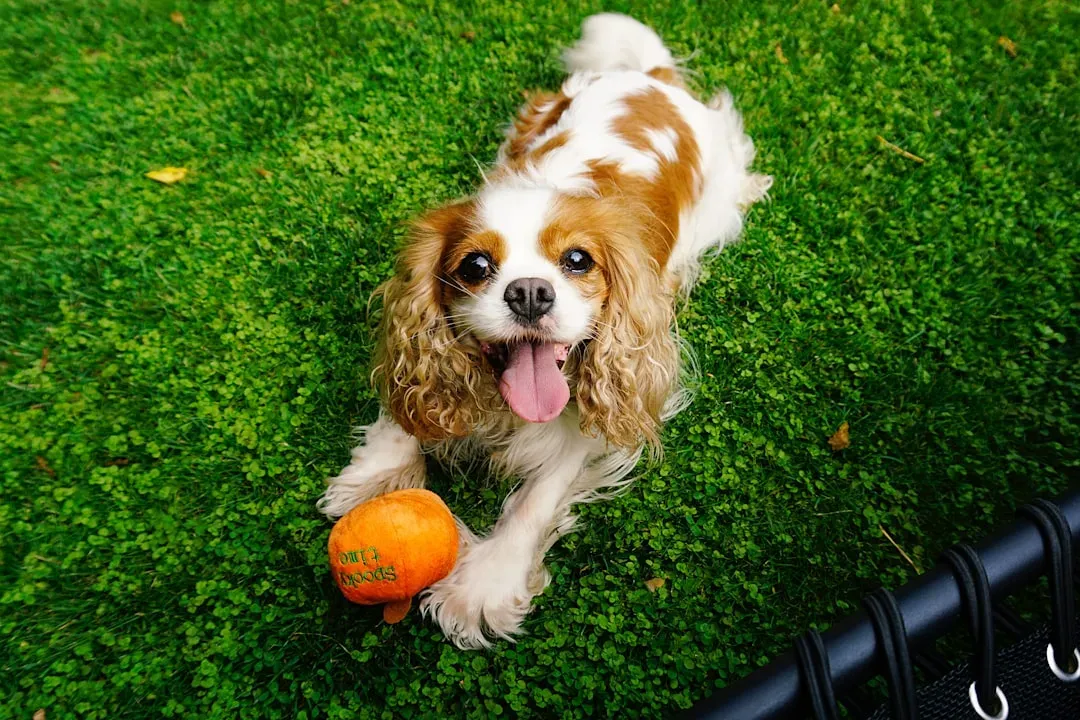
Cavalier King Charles Spaniels embody the concept of “velcro dogs” with their unwavering desire to be near their owners. These gentle, affectionate companions were specifically bred to be devoted lapdogs for nobility, creating a breed that genuinely struggles with any form of separation. Their sweet temperament masks a profound dependency on human companionship that makes isolation genuinely traumatic for many Cavaliers.
When left alone, these sensitive dogs often exhibit signs of severe anxiety including trembling, excessive vocalization, and stress-related health issues. Their need for attachment isn’t merely a training issue but a fundamental aspect of their breeding and temperament. They typically do not tolerate being left alone for more than a few hours. If you ignore them for a while, they may bark or whine incessantly to get your attention. They don’t do this to frustrate you. They do it because they genuinely don’t know how to feel safe without you close by.
#4: Pomeranian
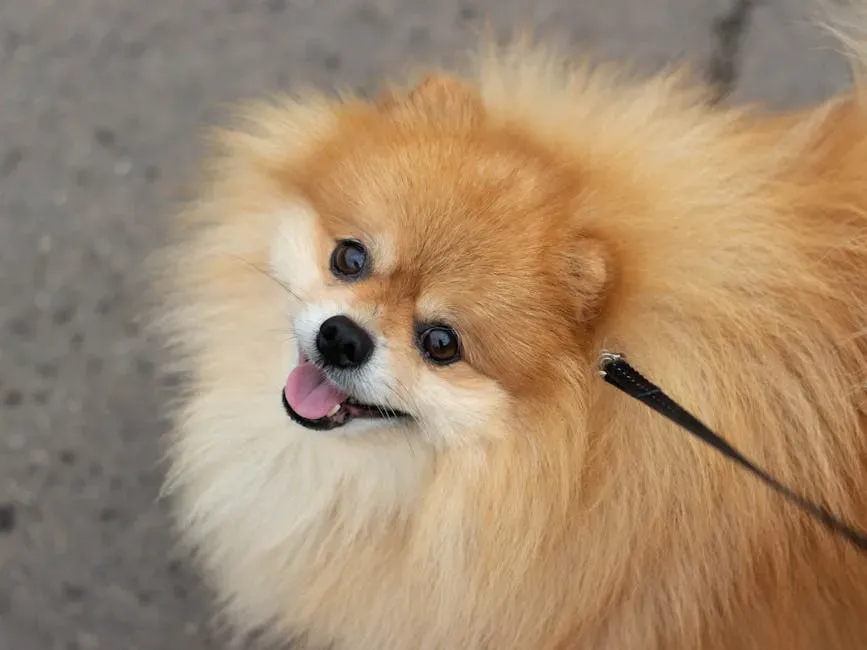
Pomeranians were bred to be companion dogs, which makes them more likely to suffer from separation anxiety than some other breeds, as they relish human company. Don’t let the fluffy exterior and confident strut fool you. Beneath all that bravado is a dog that wants, more than almost anything else, to be the center of your world at all times.
Pomeranians were bred to be companion dogs, which makes them more likely to suffer from separation anxiety than some other breeds, as they relish human company. Despite their fluffy teddy bear appearance, these tiny titans pack enormous personalities. Their compact size makes them perfect lap warmers, but it also means they expect to be included in every aspect of your life. When excluded from the action, they can become surprisingly vocal and destructive. A Pomeranian left to its own devices for too long will let the whole neighborhood know it.
#5: Maltese
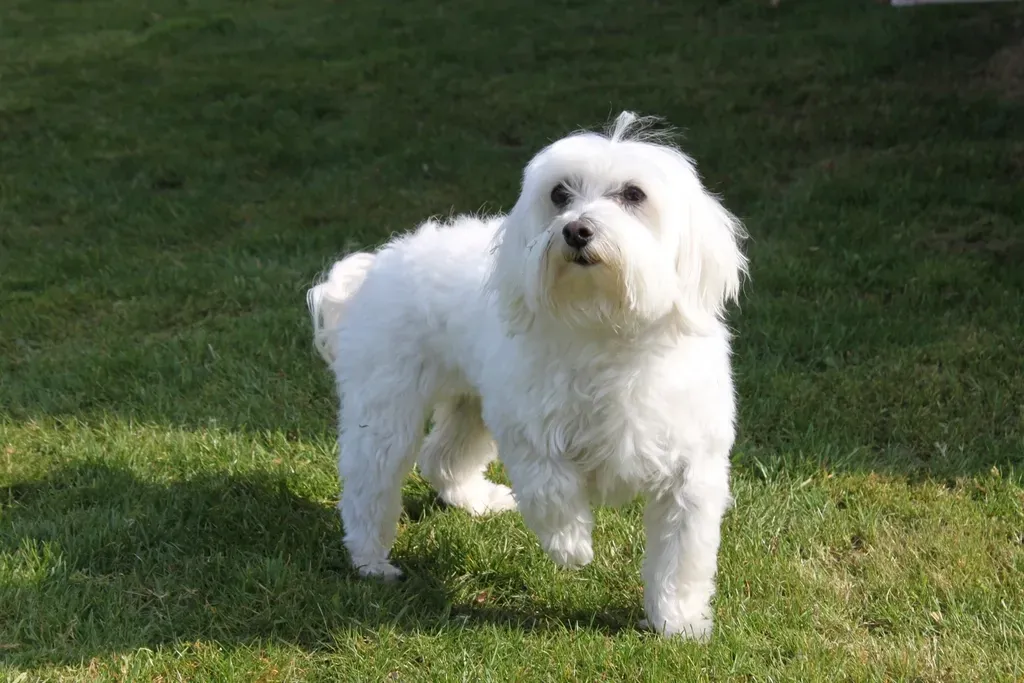
The Maltese is a small, fluffy breed that loves to be the center of attention. They are known for their affectionate nature and strong attachment to their families. This attachment can lead to separation anxiety when they are left alone for extended periods. Maltese dogs may become anxious and bark or exhibit destructive behavior when they feel lonely.
Maltese dogs are renowned for their affectionate and loyal nature. This breed tends to form strong bonds with their owners, which can make the Maltese more susceptible to separation anxiety when left alone. For a breed historically treasured as a companion to royalty and nobility, the expectation of constant attention isn’t a behavior problem. It’s practically written into their DNA. They want to be doted on, and when that attention disappears, they feel it deeply.
#6: Bichon Frise

The Bichon Frise is a small, affectionate dog that craves companionship and attention. Bred as lapdogs, Bichons are happiest when they are with their human family members, and they can struggle when left alone. Their cheerful disposition can quickly become anxiety when separated from their loved ones, leading to barking, whining, or destructive chewing.
The Bichon Frise is known to have separation anxiety. They are companions and lapdogs who do not like to be away from their families. Bichon Frise are the type of dog that will follow you around all day. Bichon Frise are prone to stress and depression if kept away from their family for long periods of time, and many will vocally protest their owner’s departure. There’s something almost theatrical about the way a Bichon expresses loneliness, but behind the drama is a dog that genuinely suffers when its people are gone.
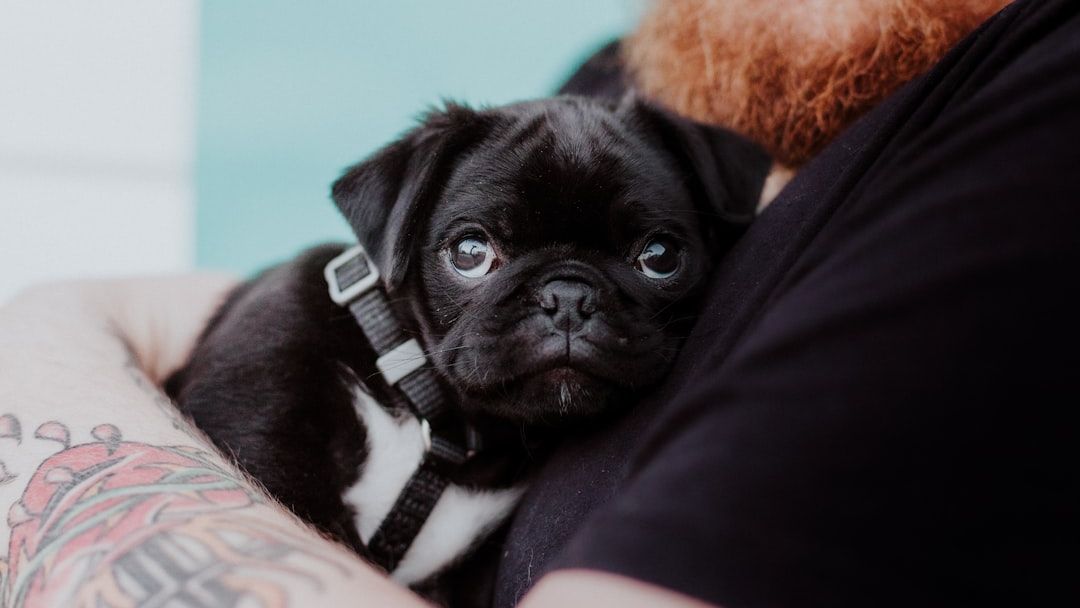
#7: Pug

Pugs are affectionate little dogs with big personalities and thrive on attention from their families. This desire for companionship makes them prone to separation anxiety when they’re left alone for too long. Pugs can become distressed and bark or whine excessively when separated from their owners. They love being lap dogs and are happiest when snuggling up with their humans.
Pugs are celebrated for the bond they form with their humans, but they are equally more likely to suffer separation anxiety when their owners are out if not managed appropriately from a young age. This little dog loves to be your friend, craves attention and time, and if you can’t give it, they aren’t happy. Pugs are expressive in ways that go far beyond their famously wrinkled faces. Their entire emotional state tends to hinge on whether you’re present and paying attention, and they make sure you know the difference.
#8: Jack Russell Terrier

Jack Russell Terriers are well-known for their high levels of energy. Though small in stature, they can spend hours playing, running, and swimming. Bred for hunting, these active dogs need a lot of attention and engagement from their owners. It’s not uncommon for a Jack Russell Terrier to experience separation stress and feel uncomfortable when their owner departs the house, especially if they haven’t had their daily walk or play time.
Jack Russell Terriers are known for their boundless energy and intelligence, which can make them prone to separation anxiety if their minds and bodies aren’t kept busy. These active little dogs love being part of the action and can become frustrated when left alone. Jack Russells need plenty of physical exercise and mental challenges to prevent boredom. Unlike some of the other breeds on this list, the Jack Russell’s distress is less about emotional fragility and more about a restless, brilliant mind with nowhere to go. Give it a task. Give it your attention. If not, it will find its own agenda, and you probably won’t like what that looks like.
#9: Toy Poodle
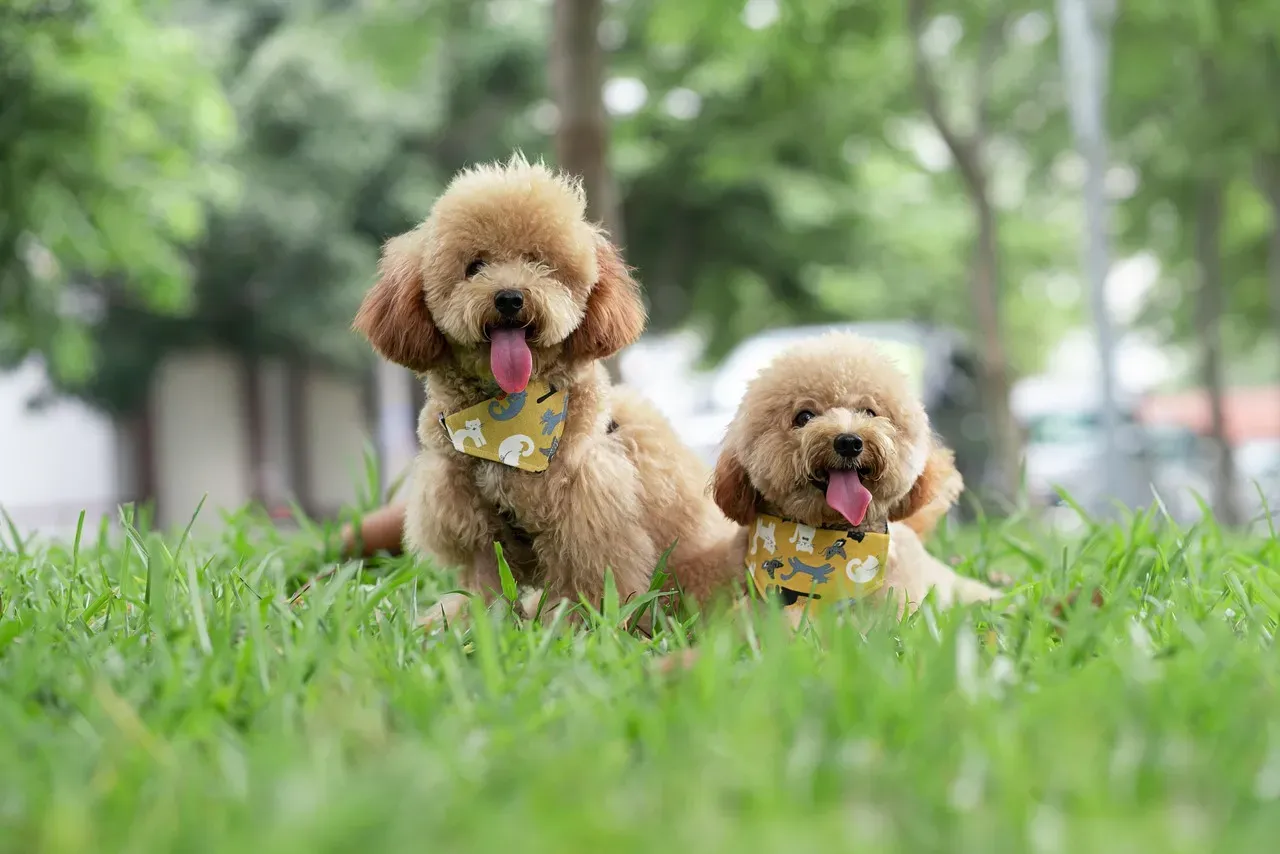
This sweet little ball of fur is affectionate and will bond strongly with you. Unfortunately, the toy poodle can become overly dependent on your presence and develop severe separation anxiety if left alone for long periods of time. Sometimes, this results in negative behaviors like having accidents in the house.
These sophisticated dogs were bred to work closely with people, whether retrieving for hunters or performing as circus dogs, creating a breed that craves mental engagement and human interaction. Their problem-solving abilities and sensitivity make them acutely aware of being left behind. When regularly alone, Poodles often develop anxiety behaviors including excessive barking, destructive chewing, or neurotic behaviors like shadow-chasing or tail-spinning. Their intelligence makes these patterns particularly difficult to break once established. The cleverness that makes them so rewarding to train is the same quality that makes neglect feel so much worse to them.
#10: Havanese
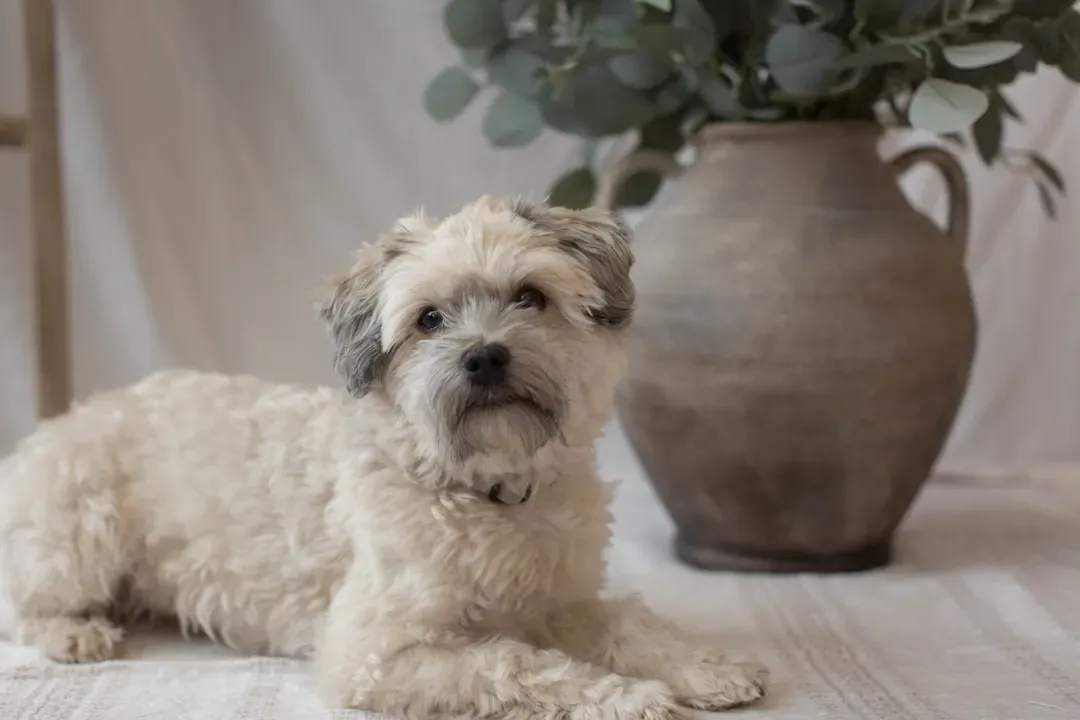
The Havanese is the national dog of Cuba, its name coming from the country’s capital, Havana. They do not tolerate being left alone for long periods of time. Often, they follow owners everywhere and might show signs of stress. They even develop separation anxiety when isolated. They keep on whining and barking and, in some cases, lose their appetite.
The Havanese loves to be close to their human family. This breed was historically favored as a companion by Cuban aristocracy, and that legacy of closeness never really left. Dogs are social animals that thrive on companionship, but some breeds particularly struggle with solitude. For these canines, being left alone can trigger separation anxiety, leading to destructive behaviors, excessive barking, or depression. The Havanese sits firmly in that category. It’s a breed that was never meant to be alone, and it will remind you of that fact with every ounce of energy in its small, silky body.
What You Should Know Before Bringing One Home
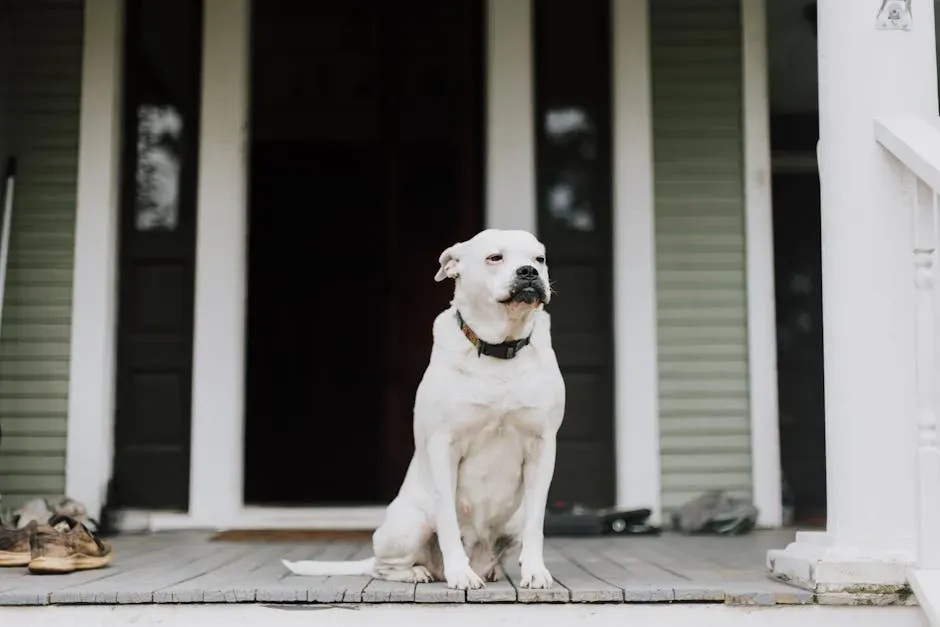
Understanding why these breeds behave the way they do is the beginning of working with them, not against them. Clingy breeds form deep emotional bonds and thrive on constant companionship. Their loyalty makes them affectionate and devoted pets, but they also require attention, routine, and mental stimulation. That’s not a warning to walk away from these dogs. It’s simply the trade-off for the kind of love they offer.
Separation anxiety is triggered when dogs become upset because of separation from their guardians, the people they’re attached to. Escape attempts by dogs with separation anxiety are often extreme and can result in self-injury and household destruction, especially around exit points like windows and doors. Knowing the signs early and responding with consistent, gentle training makes a real difference for both dog and owner.
With proper training and gradual independence, these dogs can feel secure even when alone, while still remaining loving companions who prefer staying close to their favorite humans. It takes patience and consistency, but the payoff is a balanced, deeply loyal companion rather than a stressed and destructive one.
A Final Thought
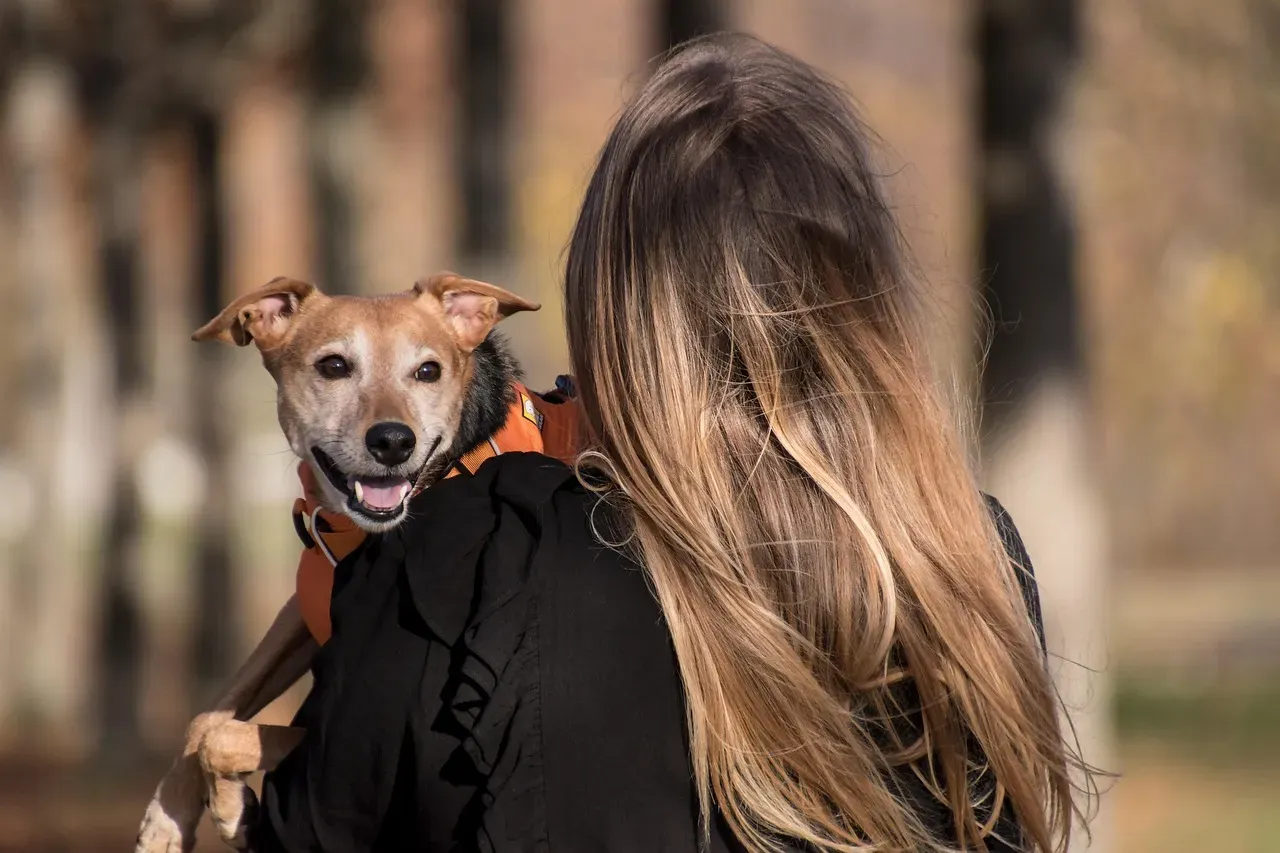
There’s a certain kind of dog owner who genuinely thrives with a breed like this. Someone who wants to be wanted. Someone who finds joy in being followed from room to room, in having a warm body pressed against their leg on the couch, in a greeting at the door that borders on theatrical. For that person, these ten breeds aren’t too much. They’re exactly right.
The honest truth is this: if you want a dog that will let you disappear for hours and greet you with a casual tail wag, there are plenty of breeds for that. These ten are not those dogs. They ask for something real, something consistent, something that looks remarkably like showing up. And in return, they give you a loyalty that most humans are still trying to figure out how to offer one another. That’s not a burden. That’s a gift. Whether you’re ready for it is the only question worth asking before you bring one home.


