
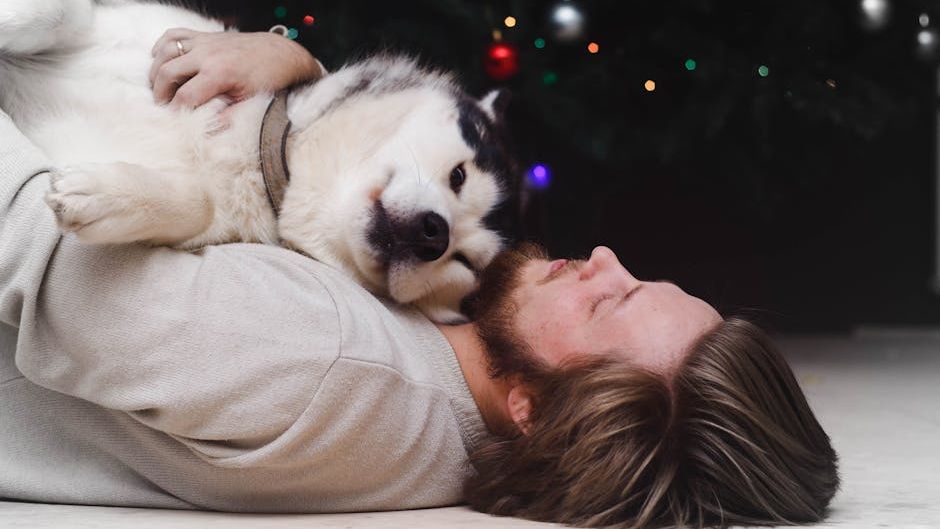
You go to bed, your dog settles into a deep, snoring sprawl at your feet. Then, somewhere around midnight, you quietly slip out to use the bathroom. Before you’ve even reached the hallway, four paws are padding softly behind you. It’s one of those small, quietly baffling things about life with a dog that never quite gets old.
Most people laugh it off. A few find it a little unnerving. Almost nobody knows the full story behind it. The truth turns out to be layered, touching on ancient survival instincts, deep emotional bonds, and one surprisingly important psychological distinction that every dog owner should understand.
It Goes Back Further Than You Think: The Pack Instinct
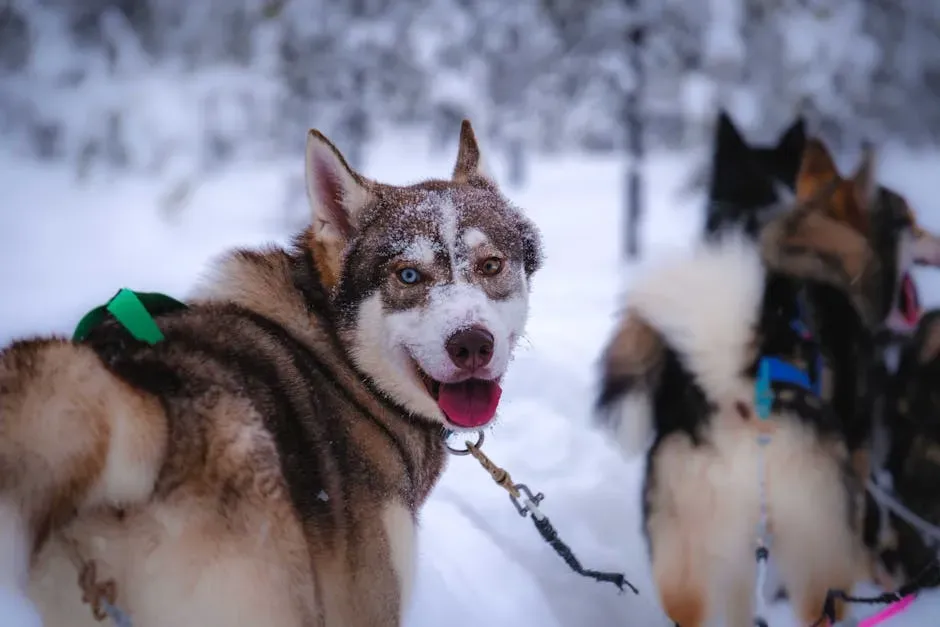
Dogs evolved from wolves, animals that are pack-oriented through and through. That means they rely on their group for safety, survival, and companionship. In the wild, being alone is genuinely risky, so sticking close to the group feels like the safest and most natural thing in the world.
A big reason your pet wants to be with you at all costs is that dogs are a pack-oriented species. To them and their wild predecessors, staying together means survival. Dogs and wolves hunt together, play together, sleep together, and do pretty much everything as a group. Your living room, your kitchen, and yes, even your bathroom, are all just territory within the same pack space as far as your dog is concerned.
In your home, you are the pack. You provide food, shelter, guidance, affection, and structure. So when your dog follows you from room to room, they’re simply staying close to the most important member of their social group. That midnight bathroom trip isn’t strange to them at all. You moved, so they moved. Simple as that.
You’re Not Just Their Owner – You’re Their Safe Place
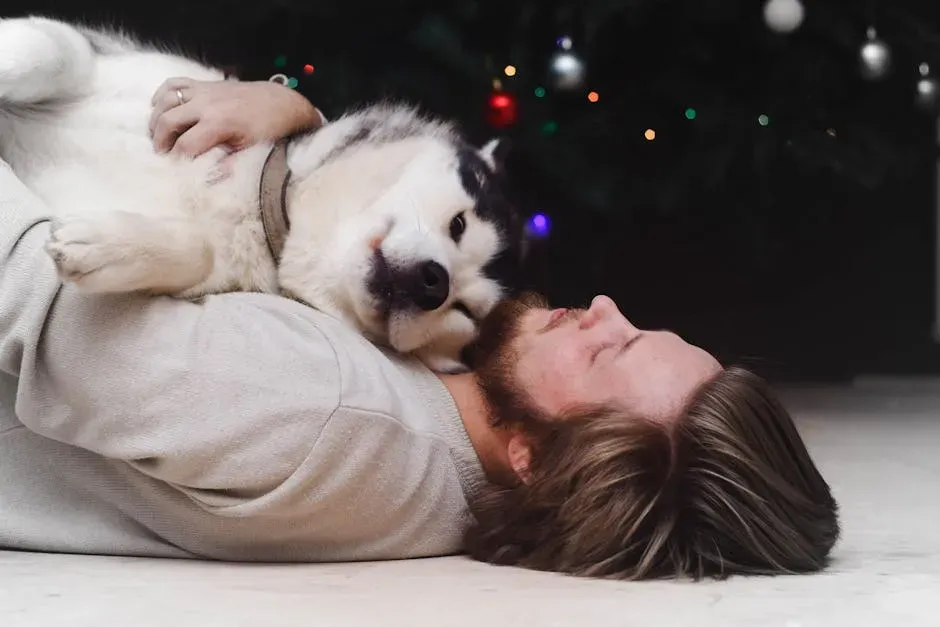
Modern research in canine behavior supports what dog owners have long suspected: dogs form secure attachments with their humans that look a lot like the parent-child bond in humans. This isn’t sentimental exaggeration. It’s observable, studied behavior rooted in real emotional architecture.
Being close to their owner actually boosts a dog’s mood. Cuddling, sitting up against you, licking, and looking into your eyes releases oxytocin, the bonding hormone that increases trust – for the human too. So when your dog follows you, they’re not just being loyal in some abstract sense. Their brain chemistry is actively rewarding the closeness.
When your dog follows you, they’re showing that they enjoy your company and feel secure with you. Perhaps you should take it as a compliment: your pup doesn’t just rely on you for basic needs like food and shelter. You offer them the same thing they offer you: emotional support. By staying close, they’re engaging in a silent dialogue of companionship and trust, reinforcing the special bond you share.
The Bathroom Specifically: Why That Room Pulls Them In
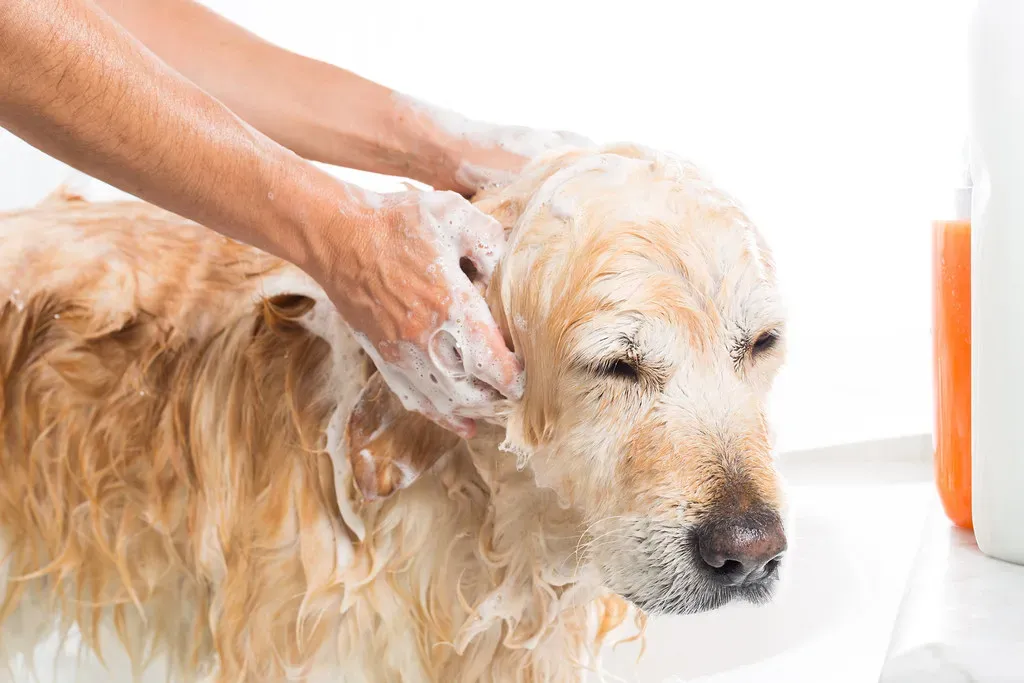
Dogs are curious creatures that experience the world through scent, sound, and observation. The bathroom is full of interesting smells – your shampoo, soap, towels, and even the sound of running water. Their keen sense of smell draws them in. When you head into the bathroom, your dog’s curiosity kicks in. They simply want to know what you’re doing in there and why they can’t be part of it.
Your dog is not spying on you while you shower or relieve yourself. They are there to protect you. They know you go to this room often, and they interpret that room as your territory, so in their eyes, it needs to be protected. From your dog’s point of view, something could be lurking in there that they need to save you from. Dramatic? Perhaps. Devoted? Absolutely.
If your dog has been allowed to follow you around since puppyhood, they might think it’s just part of the routine. Dogs thrive on familiar patterns, so if following you into the bathroom was never discouraged, they’ll happily continue. Layer a few months of that habit on top of instinct and emotional attachment, and you’ve got a very committed bathroom companion.
The “Velcro Dog” Phenomenon: Normal Devotion or Something More?
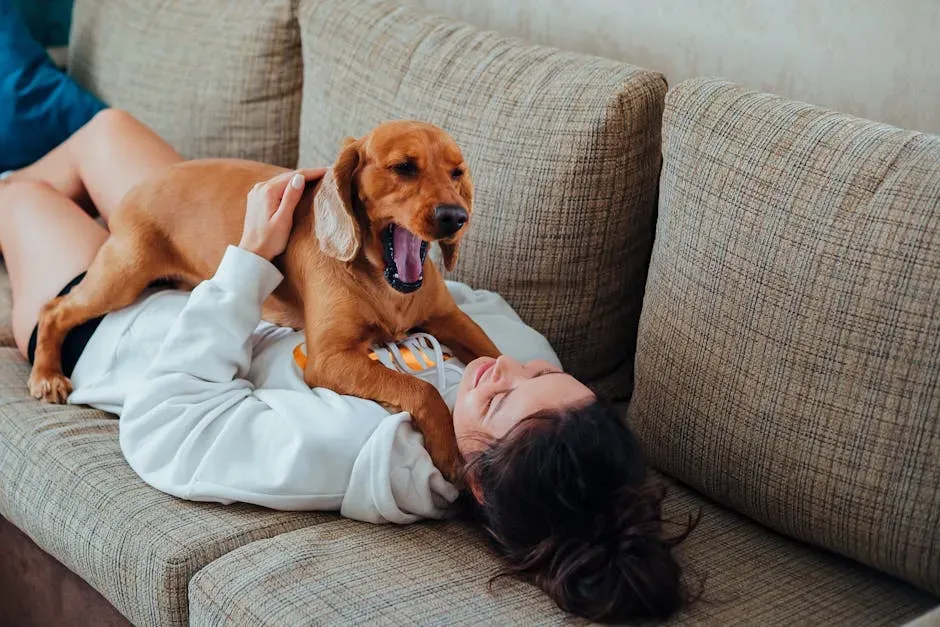
A velcro dog is a dog who follows you everywhere. Not only do they follow you, but oftentimes they wait for you to move. A velcro dog feels a near-compulsive need to always be by your side. This particular type of dog keeps you in their line of sight at all times. It’s important to distinguish this from separation anxiety, because the two are related but meaningfully different.
The big difference between separation anxiety and being a velcro dog is anxiety itself. While velcro dogs prefer to be glued to their owners, dogs with true separation anxiety actually panic when they’re away from their owners. Velcro dogs may be more inclined to develop separation anxiety, but it doesn’t automatically mean they will.
Certain dog breeds, like Labrador Retrievers and German Shepherds, are especially known for their loyalty and desire to follow their owners everywhere. These loyal companions often become your bathroom buddy out of instinct, but also because they’ve learned that being near you is rewarding and safe. Research has shown that certain genetic markers can influence a dog’s attachment style and social behavior. A study on Labrador Retrievers found a correlation between specific genes related to emotional regulation and bonding with humans. This doesn’t mean every dog from these breeds will exhibit velcro behavior, but it does suggest a predisposition.
When to Pay Closer Attention: The Warning Signs Worth Knowing
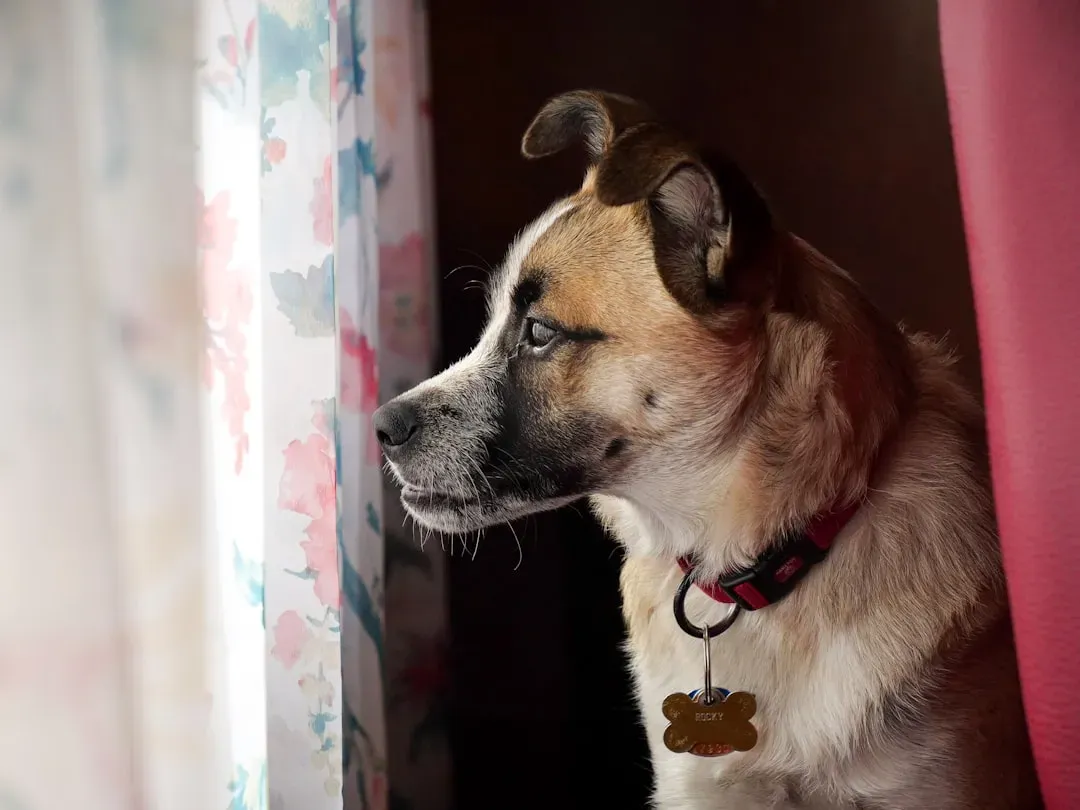
If your dog suddenly follows you more than usual, this may be a sign they are feeling insecure due to some change, afraid of something like a thunderstorm, or simply unwell. A healthy baseline of following behavior is one thing. A sudden shift in intensity is worth noting.
While following you into the bathroom can be cute, sometimes it’s a sign of separation anxiety. If your dog gets anxious when you’re out of sight, whines, or scratches at closed doors, they may struggle with being alone. Dogs with separation anxiety may seek constant eye contact with their owners, even in the bathroom, as a way to feel secure. The scratch at the bathroom door after you close it is worth paying attention to if it happens consistently.
If your dog keeps following you, they could be in discomfort, hungry, or in need of mental stimulation. Make sure your dog’s needs are met before you declare their behavior problematic. Sometimes the answer is far simpler than any behavioral theory. However, if you notice signs of severe anxiety – such as excessive barking, destructive behavior, or distress when separated – it may be time to seek expert advice from a professional dog trainer or veterinarian.
A Final Thought
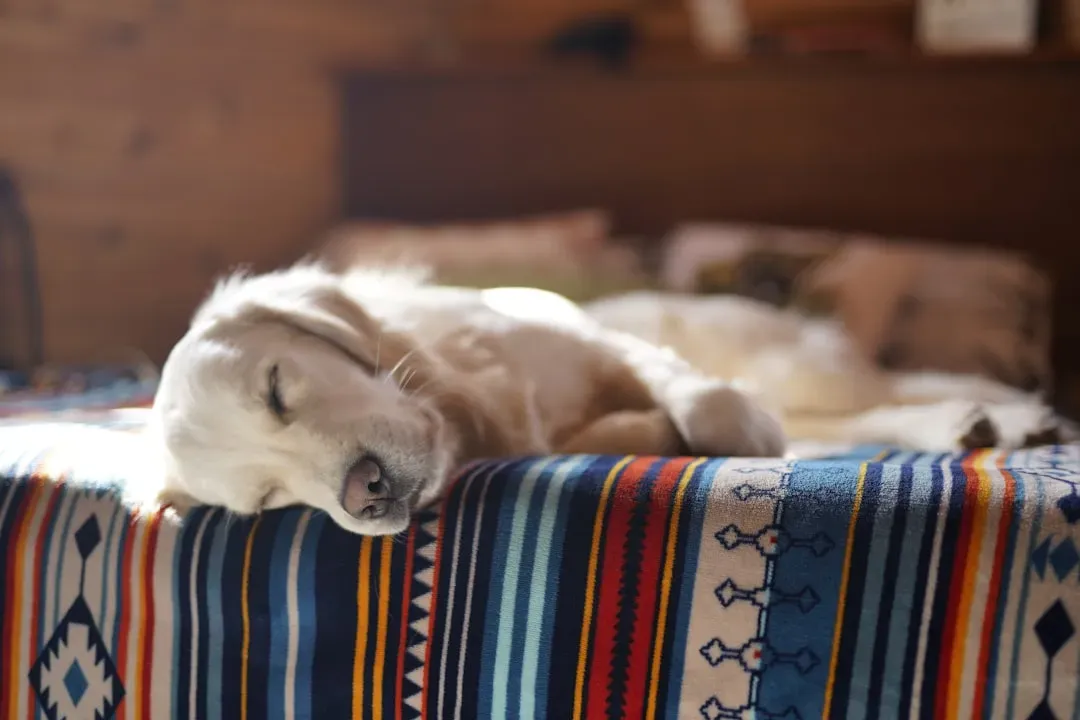
There’s something quietly remarkable about the fact that your dog, mid-sleep, registers your movement and feels the pull to follow. No thought, no deliberation. Just an ancient, well-worn instinct that says: where you go, I go.
It’s tempting to frame that as clinginess, but the more accurate word is probably trust. There are emotional attachments, instincts, curiosity, and reinforcements over time that make dogs follow their owners. Every single move they make behind you speaks of trust, understanding, and the necessity to remain in touch with their preferred human.
The bathroom trip at 2 a.m. isn’t an interruption of your peace. For your dog, it’s the opposite. It’s them choosing you, again, the way they always do. That’s not something most of us should be in a hurry to train away.


