
Dogs have been living alongside humans for tens of thousands of years, and in that time, they’ve gotten very good at reading us. They notice our tone, our posture, the pace of our breathing. What most people don’t realize is that dogs don’t just pick up on our moods – they actively respond to them, often going out of their way to smooth things over before a situation turns tense.
These efforts can look strange, even random. A sudden yawn during an argument. A tucked tail that’s still wagging. Eyes that quietly glance away. But these aren’t random quirks. They’re a whole language, and your dog has been speaking it to you every single day.
#1. They Avoid Direct Eye Contact
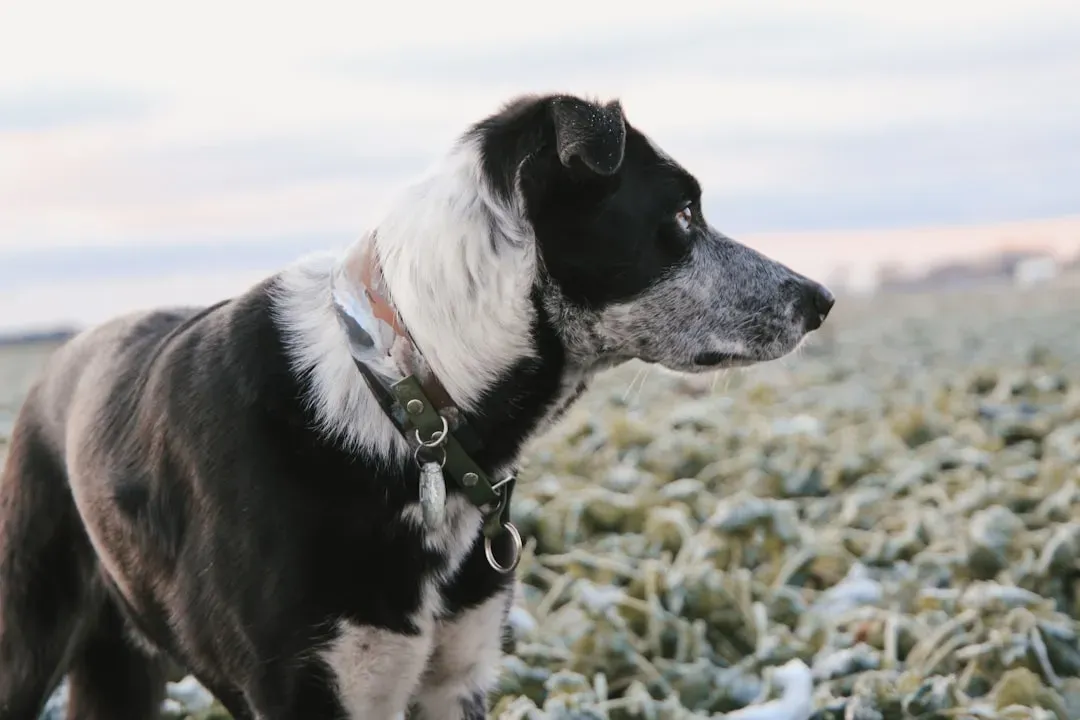
One of the most subtle appeasement signals a dog can offer is the avoidance of direct eye contact. This is actually a very significant gesture, since the direct opposite – a hard stare – communicates a threat in canine language. When your dog looks away, they’re not being rude or dismissive. They’re doing the opposite.
When dogs avoid your eyes or turn their heads away, they’re not being rude – they’re trying to tell you they feel uncomfortable and that they’re not a threat. Think of it as your dog extending an olive branch in the only way they know how. The next time your pup refuses to hold your gaze during a tense moment, recognize it for what it is: a peace offering.
#2. They Lick Their Lips or Nose When There’s No Food Around
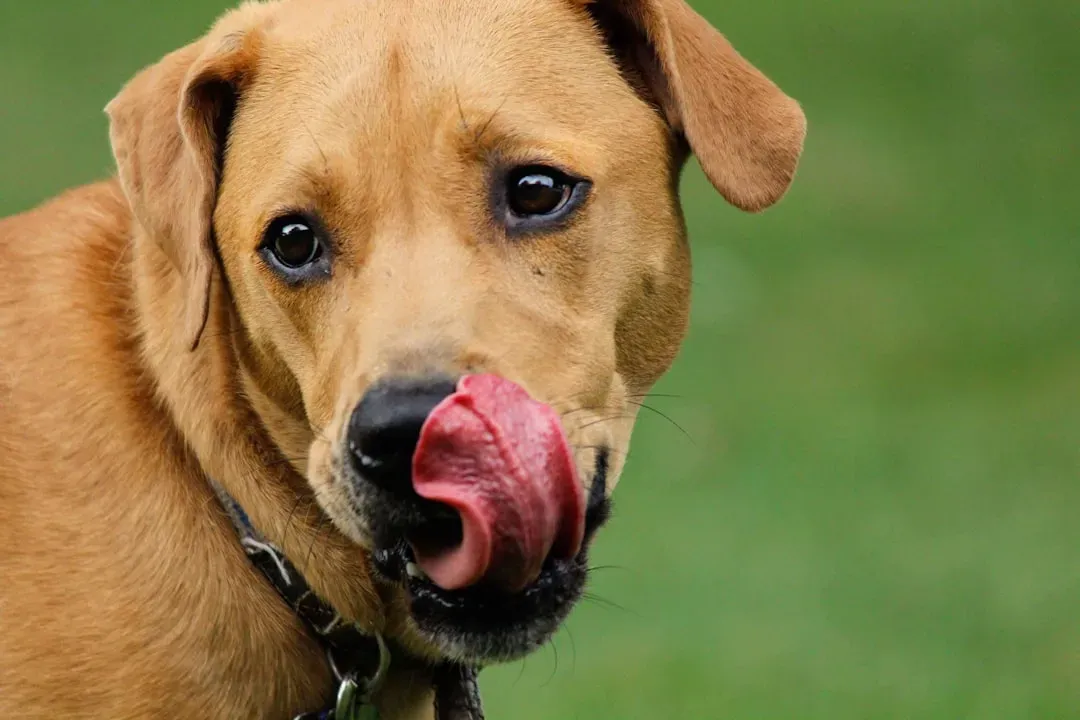
A dog might quickly lick its lips or nose even when there’s no food present. This behavior often signals discomfort or unease, especially in response to direct eye contact or an unfamiliar situation. It’s one of those behaviors that looks completely ordinary on the surface but carries a much more specific meaning in context.
Dogs use gestures such as lip licking to signal that they are non-threatening and want to avoid conflict. These are referred to as appeasement behaviors, also known as displacement or calming signals. Your dog may use this as a communication tool to indicate that they are anxious or wary about a situation. If you notice this happening right after you’ve raised your voice or shown frustration, your dog isn’t being weird – they’re trying to tell you they come in peace.
#3. They Turn Their Head or Body Away
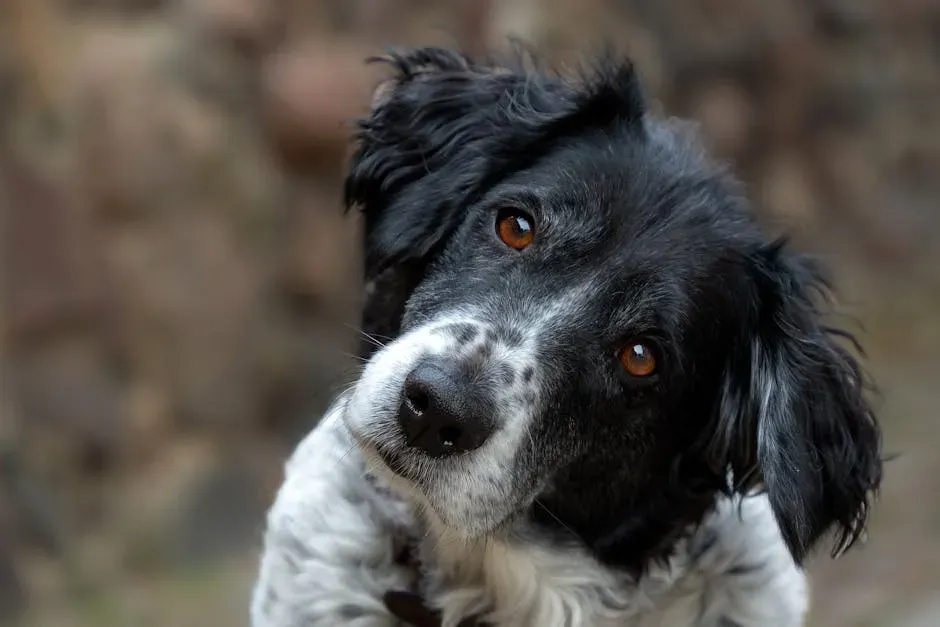
A head turn – where the dog turns their head away from something or someone – is a gesture of appeasement. You might see this during a scolding, an argument in the house, or even when you lean in a little too close. The dog isn’t ignoring you. They’re actively trying to defuse the situation.
When a dog turns its head or avoids looking directly at you, they are trying to communicate that they’d like you to keep your distance. It’s a very polite way of saying “no thank you.” In some cases, the whole body turns, not just the head. Calming signals that are most commonly displayed by dogs include turning of the body away from the source of the escalation. It’s their version of a calm, quiet step back.
#4. They Yawn – Not Because They’re Tired
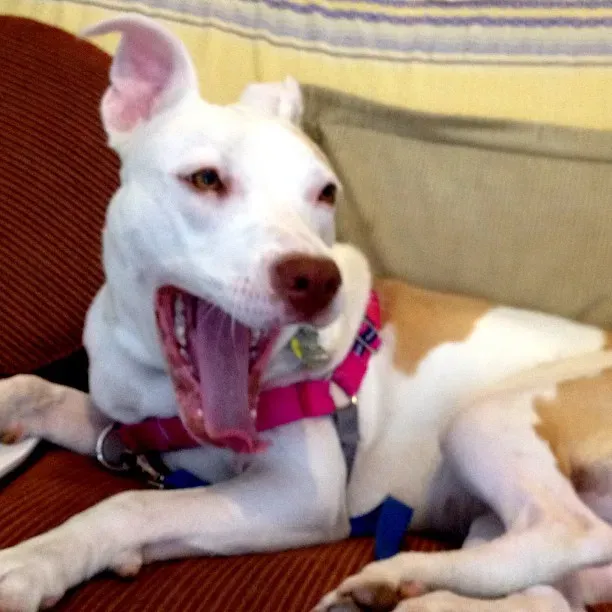
Yawning isn’t always about fatigue in dogs. In many cases, it’s a sign of stress or appeasement. A dog might yawn during a tense interaction as a way to calm itself or others in the environment. It can catch owners completely off guard, especially when it happens right in the middle of a serious moment.
Yawning can be a sign that a dog is tired, but it can also signal that she is stressed in a particular situation. Context is everything here. A yawn on the couch during a movie is just sleepiness. A yawn during a firm correction or a heated household argument is your dog saying, “I just want everyone to relax.” They’re not bored with you – they’re actively trying to bring the temperature down.
#5. They Offer a Raised Paw
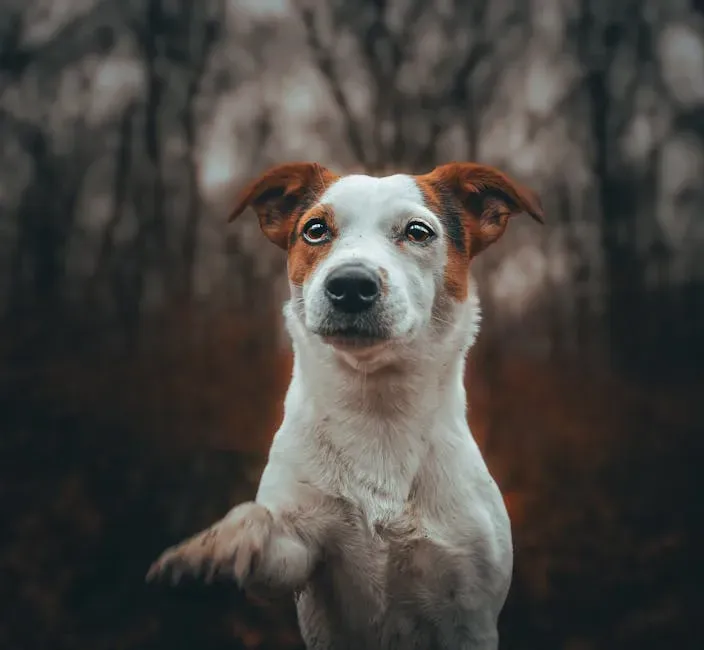
Dogs will often lift a front paw when trying to deescalate a situation. While it’s not entirely understood why they choose to lift a paw, this behavior is usually coupled with other appeasement behaviors. Many owners interpret this as a cute trick or a request for a handshake. It’s actually something more nuanced than that.
A sitting dog with a raised paw is showing a sign of appeasement. A lifted front paw signals that the dog is likely anticipating what will happen and may be unsure. When combined with other signals – a lowered head, softened eyes, or a gently tucked tail – that lifted paw is a full sentence your dog is sending your way. It translates roughly to: “I’m not a problem. I just want things to be okay.”
#6. They Make Themselves Look Smaller
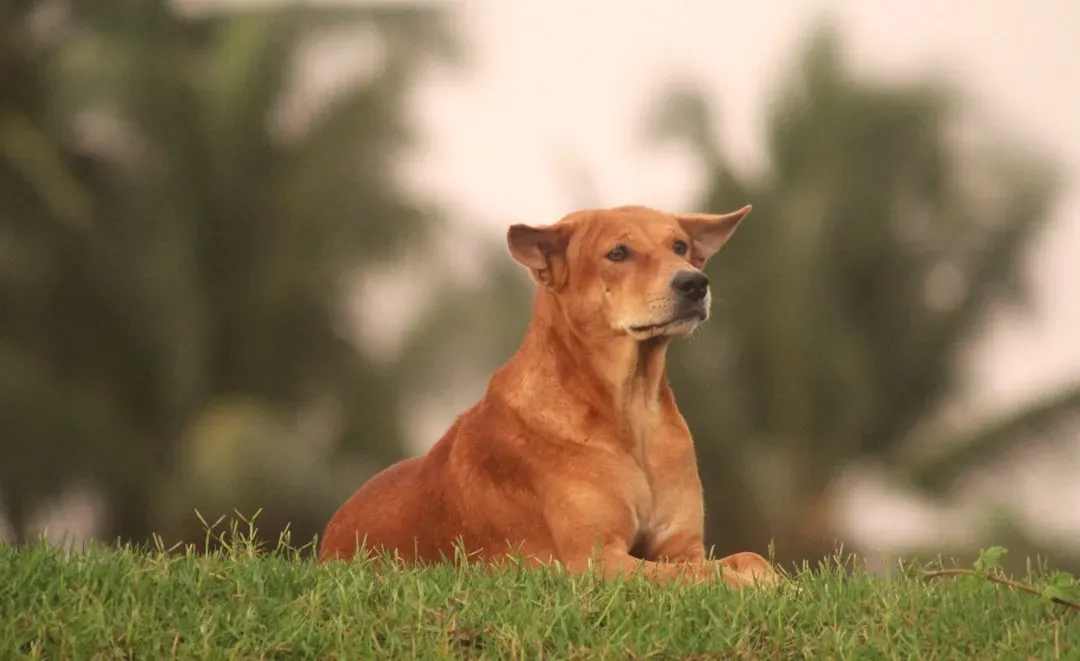
Dogs that feel intimidated or uncertain will try to make themselves look smaller and less threatening. This might involve tucking their tail, tucking their ears back, crouching low, and moving like they’re slinking around. It’s one of the most recognizable forms of appeasement, even to people who have never studied dog behavior in their lives.
What used to be known as “submissive” behavior is now what we call appeasement body language. With appeasement gestures, the dog tries to appear small and as less of a threat. They might lower their body to the ground, or even flip over on their back to expose their stomach. Seeing your dog shrink down in response to your anger can feel uncomfortable, because it is. It’s their clearest signal that they want the conflict to stop.
#7. They Suddenly Start Sniffing the Ground
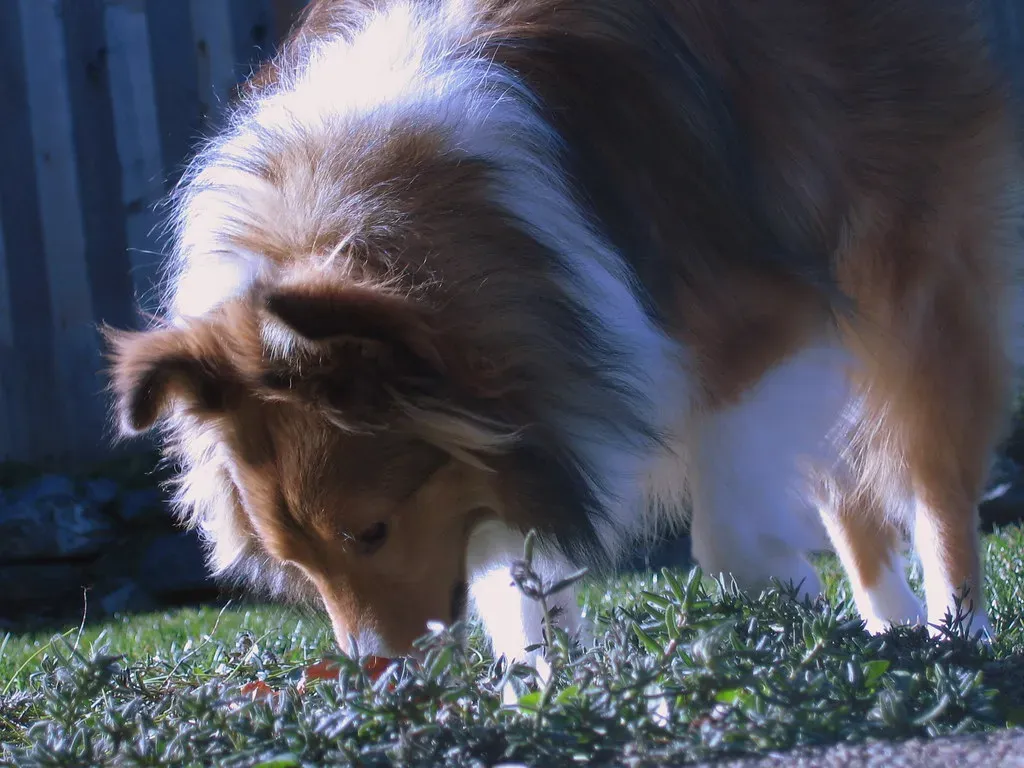
If a perceived or actual threat approaches and the dog is nervous or uncomfortable, she will often show behaviors that are designed to send a peaceful signal. The threat’s attention is diverted onto the behavior the dog is doing, like sniffing the ground, and not actually on the dog herself. It can look like the dog has completely lost interest in what’s happening. In reality, they’re laser-focused on it.
These activities are often normal behaviors but appear suddenly or out of context. Dogs may suddenly appear to become interested in something around them or begin licking or sniffing an area when they experience conflict or feel anxious. If your dog drops their nose to the floor the moment tension rises, they’re not just exploring their environment. They’re trying to redirect the energy of the situation, for everyone’s sake.
#8. They Grin (But Not the Happy Kind)
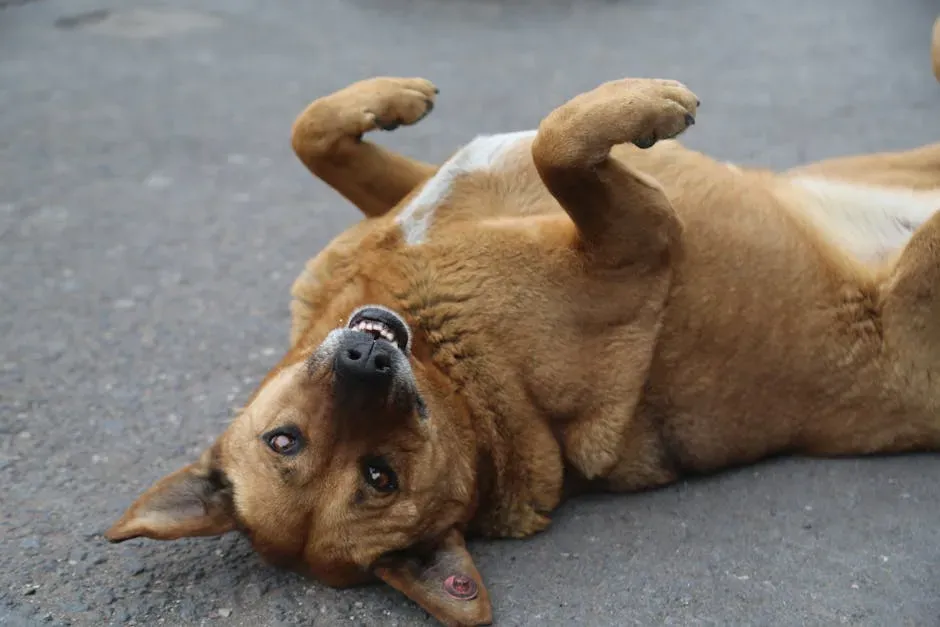
Some dogs display a submissive grin, where they show their front teeth in a non-aggressive manner. Dog owners often find this funny, while others may mistake it for snarling. It’s important to look at all of their body language as a whole to decide what the dog is trying to communicate. The distinction between an aggressive bared-teeth display and an appeasement grin matters, and most experienced dog people learn to tell them apart quickly.
While some behaviorists consider the grin to be an attention-seeking appeasement gesture, others consider it more of a threat-averting deference signal. In any case, it’s important to understand that the dog who grins is making a status statement – your rank is higher than his – and is exhibiting neither an aggressive threat nor a relaxed, contented smile. It’s a complicated little facial expression that carries a lot of social weight. When your dog gives you that odd, teeth-showing non-smile, they’re essentially acknowledging that you’re in charge and asking for things to stay peaceful.
#9. They Roll Over to Expose Their Belly
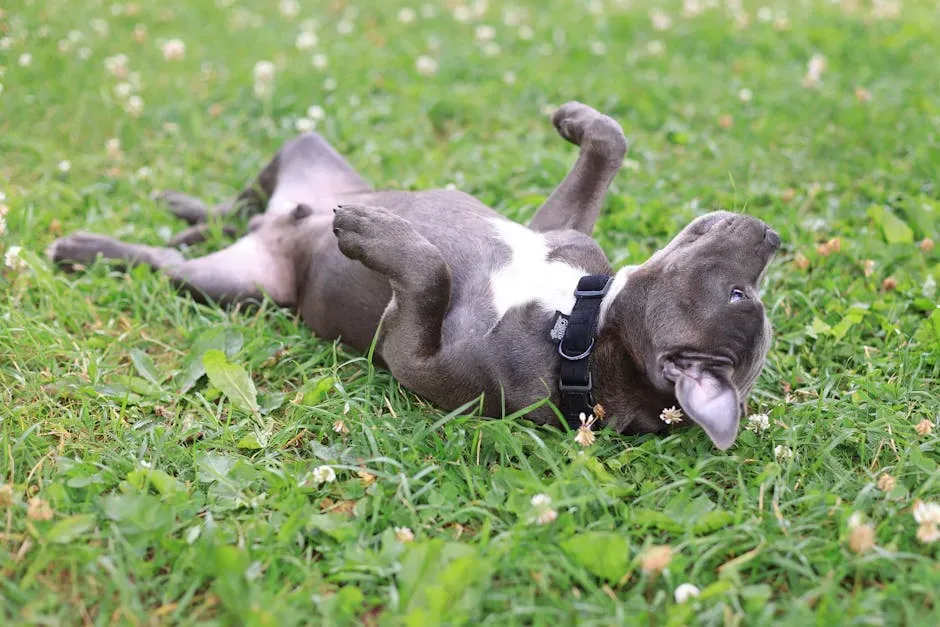
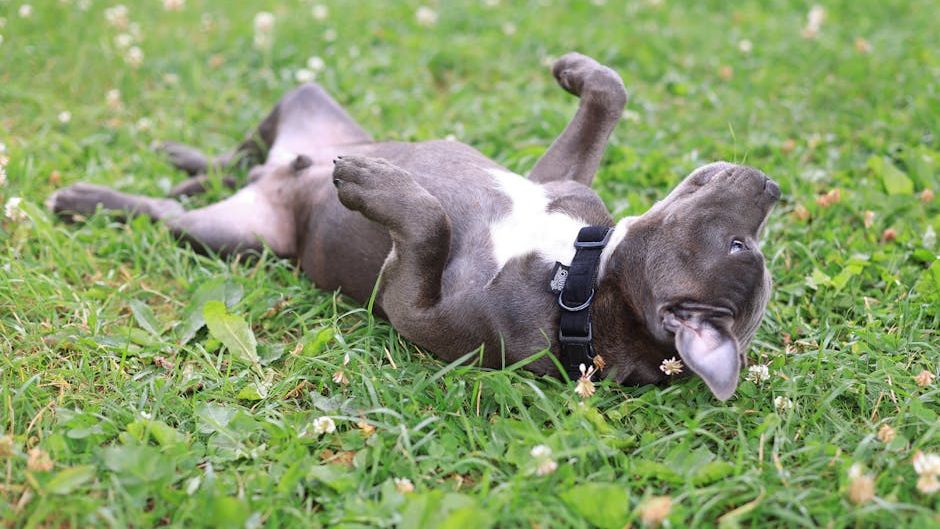
Rolling over is often a sign of extreme submission and may involve urination. Submissive rolling can be a sign of fear or deference and should not be misinterpreted as stubbornness or a solicitation of petting. This is one of the most commonly misread behaviors in the dog world. People see a belly and think it’s an invitation. Often, it’s actually a white flag.
While rolling onto their back can be an invitation for belly rubs, it can also be an appeasement gesture. A dog showing its belly expresses vulnerability, signaling they want to avoid conflict. Pay attention to the dog’s overall body language to determine if the gesture is relaxed or nervous. The body tells the full story. A wiggly, loose dog rolling over is probably just looking for affection. A tense, stiff dog rolling over during a scolding is communicating something else entirely – they’re telling you they mean no harm.
#10. They Nudge or Lick You After a Conflict
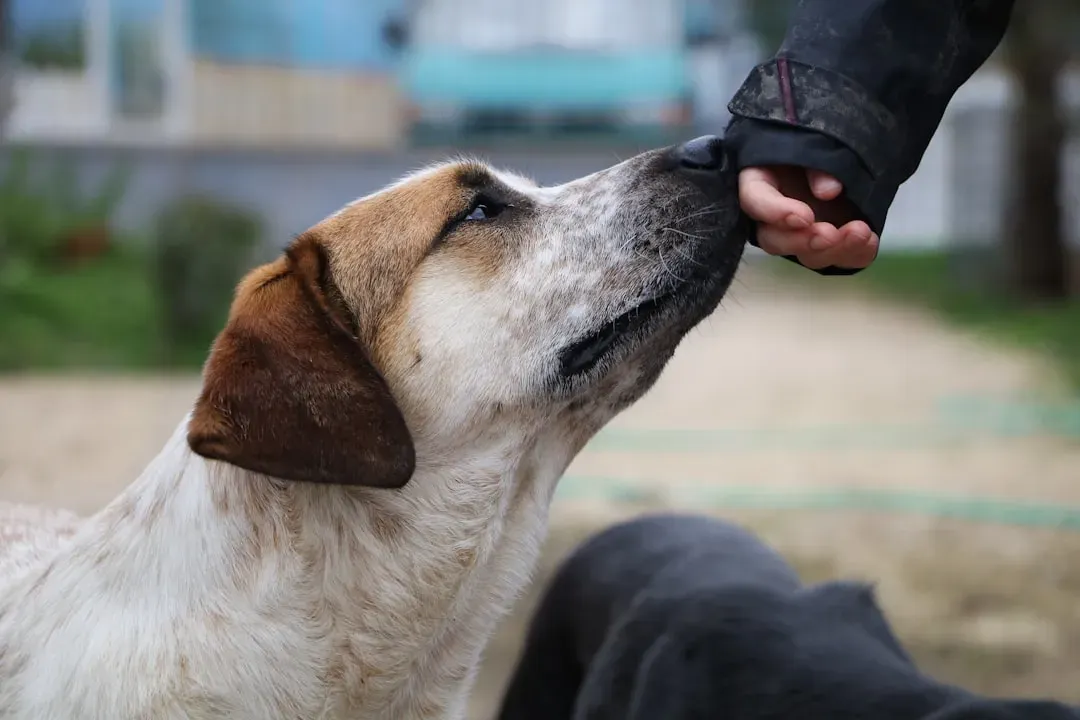
Licking and nuzzling are submissive gestures in which the dog seeks attention from their owner. The dog may lick lips, ears, nose, or clothes, or push their muzzle under your arm or hand to get your attention. This usually happens after a tense moment – after you’ve scolded them, raised your voice, or come home visibly stressed. The dog moves toward you, not away, and tries to make contact.
You may notice your dog displaying appeasement gestures such as licking if you scold them, to communicate that they are no threat. When dogs display appeasement behaviors to de-escalate a situation with a desire for friendly interaction, it promotes harmonious social bonds between dogs and people. That nudge under your hand, that slow lick on your wrist – it’s your dog reaching across a moment of tension and saying, without words, that they still want to be close to you. It’s not manipulation. It’s loyalty.
What These Behaviors Are Really Telling You
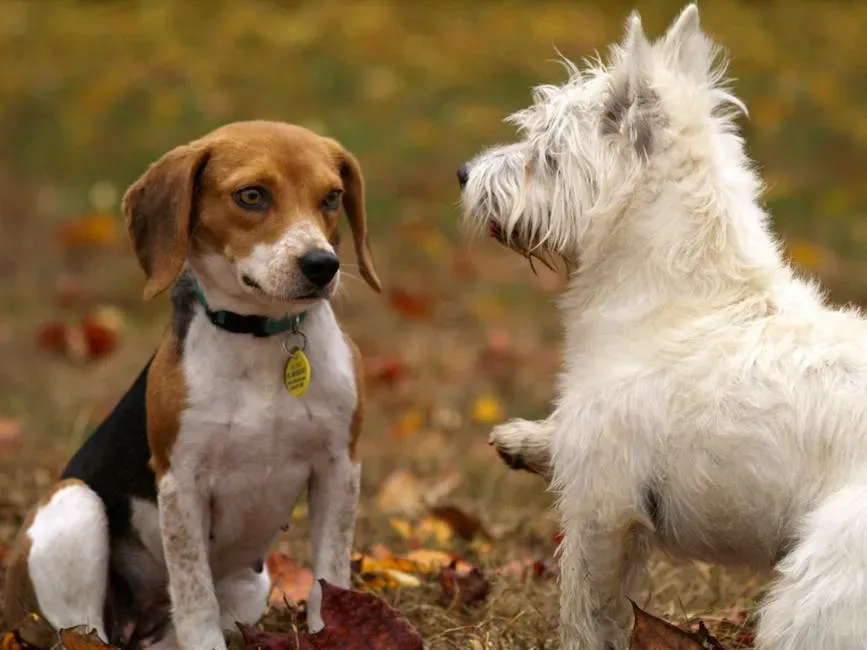
Appeasement behaviors in dogs are a set of signals and actions that our canine companions use to communicate intent, reduce tension, and avoid conflict. In simple terms, they serve to de-escalate a situation or communicate “I’m not a threat.” Understanding that language changes things. It changes how you respond in difficult moments, and it changes how your dog feels in your presence.
If these signals are ignored, misinterpreted, or punished, dogs may feel the need to defend themselves with escalating behaviors, resorting to nipping or biting to create space. If your dog shows repeated or excessive appeasement behaviors, this may indicate chronic stress or anxiety. The more fluent you become in reading these cues, the less likely any moment is to escalate unnecessarily. Respecting a dog’s communication builds trust and strengthens the human-canine bond.
Dogs aren’t capable of drafting an apology or explaining their feelings over dinner. Instead, they do something quieter and, honestly, more honest – they use their whole bodies to say “I’m safe, I’m with you, please don’t be angry.” Paying attention to those small moments isn’t just good training practice. It’s how a real relationship with a dog actually gets built.


