
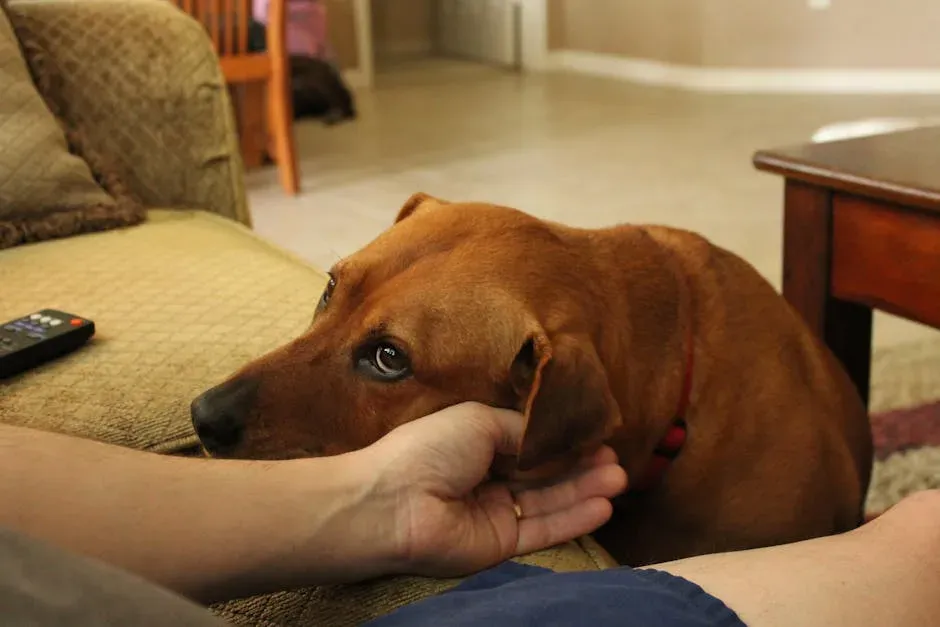
There’s something deeply endearing about a dog that looks up at you with those wide, uncertain eyes, tail doing a tentative wag while clearly waiting for your approval. Some dogs wear their emotional needs openly. Others hide it under a confident stride until you realize they’ve been following you from room to room for three years straight.
Not every dog is wired the same way. Some thrive on closeness, sensitive to every shift in your tone, your schedule, or your emotional state. Others are perfectly content to watch you leave in the morning, stretch out on the couch, and nap until you return. Knowing which side of this spectrum your dog falls on can genuinely change how you care for them, and whether you’re setting them up for calm confidence or quiet suffering. Here’s a look at twelve breeds that lean heavily on human reassurance, and five that genuinely don’t.
#1. Vizsla: The Original Velcro Dog
Vizslas were bred to work in close physical partnership with a single hunter, staying within arm’s reach all day in the field. Unlike retrievers who were sent out and called back, Vizslas were expected to remain glued to their person while pointing and retrieving. That centuries-old closeness didn’t disappear when hunting culture changed. It just relocated to your kitchen, your bathroom, and every inch of your couch.
Separation anxiety in Vizslas can be particularly pronounced due to their inherent need for constant companionship. These dogs have earned the nickname “Velcro Vizslas” for a reason – they thrive on human interaction and can become severely distressed when left to their own devices. What separates Vizsla separation anxiety from other breeds is the intensity and the speed at which it develops. If you bring one home, plan on being a full-time emotional anchor.
#2. Weimaraner: Confident on the Outside, Needy at Heart
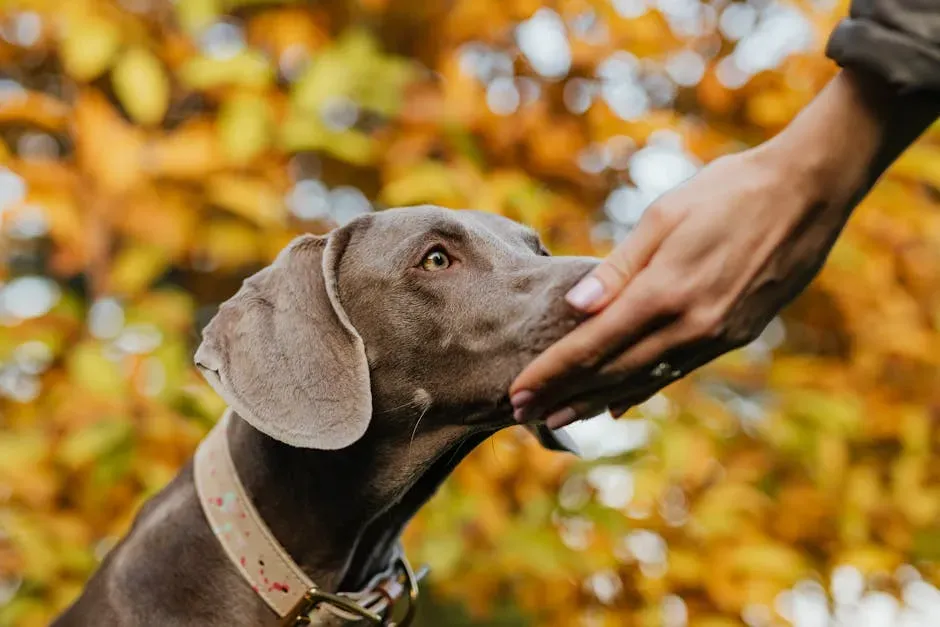
Regardless of their confident gait and stubborn personality, the Weimaraner breed is very affectionate. They tend to develop bad habits mostly when they are not around their humans. They are not as prone as Vizslas to get depression and separation anxiety, but they also tend to face those issues. That sleek silver exterior hides a dog that genuinely struggles when the house goes quiet.
Despite being hunting dogs, both Vizslas and Weimaraners are known to be Velcro dogs. They are likely to follow you wherever you go like a second shadow. If you leave either breed alone for too long, they might suffer from separation anxiety and depression. Weimaraners need structure, physical outlets, and a consistent human presence to keep their anxiety from escalating into destructive behavior.
#3. Border Collie: Brilliant, But Deeply Sensitive
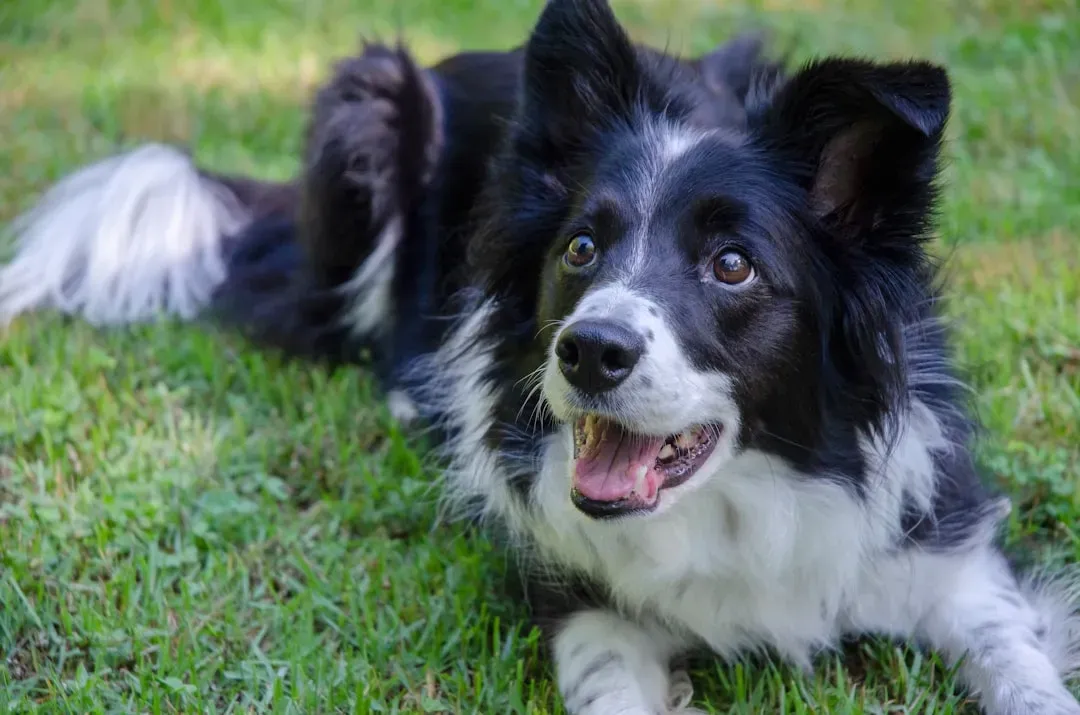
Known for brilliant focus, the Border Collie also feels everything deeply. When voices get sharp or routines shift, this thinker can worry fast, glancing to you for steady cues. Offering clear structure, soft praise, and puzzle games helps tension melt into purpose. They aren’t just physically energetic. They carry a lot emotionally, too.
Sensitive ears pick up conflict at home, so calm tone and predictable schedules matter. Daily mental work keeps this breed confident. Border Collies have more needs in general, including lots of outdoor time, mental stimulation, and a real risk of separation anxiety. Without regular reassurance and mental engagement, they can spiral into anxious, compulsive behaviors that are genuinely difficult to unwind.
#4. Cocker Spaniel: Soft Eyes, Softer Heart
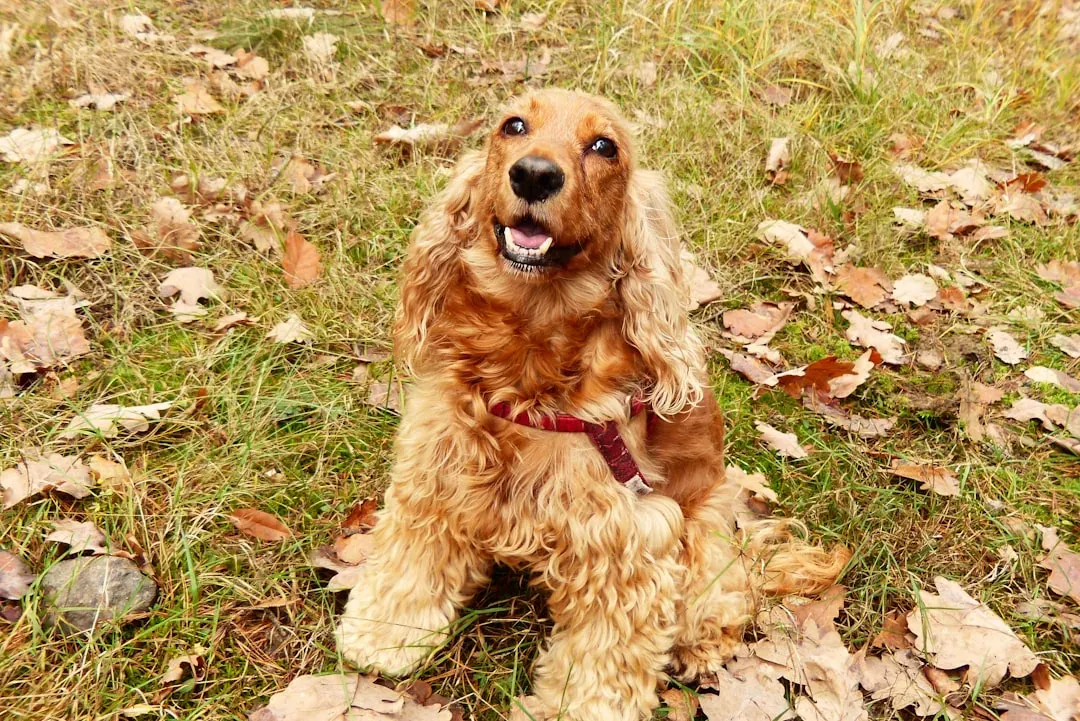
Cocker Spaniels are affectionate and alert, often taking household moods to heart. Sharp tones or rushed handling can make them wilt, then overcompensate with busy behavior. They feel safer when you move slowly, explain clearly, and notice small tries. It’s a breed that picks up on everything – your stress, your irritation, your tone of voice – and internalizes it all.
Cocker Spaniels are known for their affectionate and gentle nature. They form really strong attachments to their families. Their emotional sensitivity makes them quite prone to both separation anxiety and noise phobias. They respond really well to positive reinforcement, but harsh correction can make their anxiety worse, so a soft and patient approach works best with them.
#5. Chihuahua: Big Feelings in a Tiny Frame
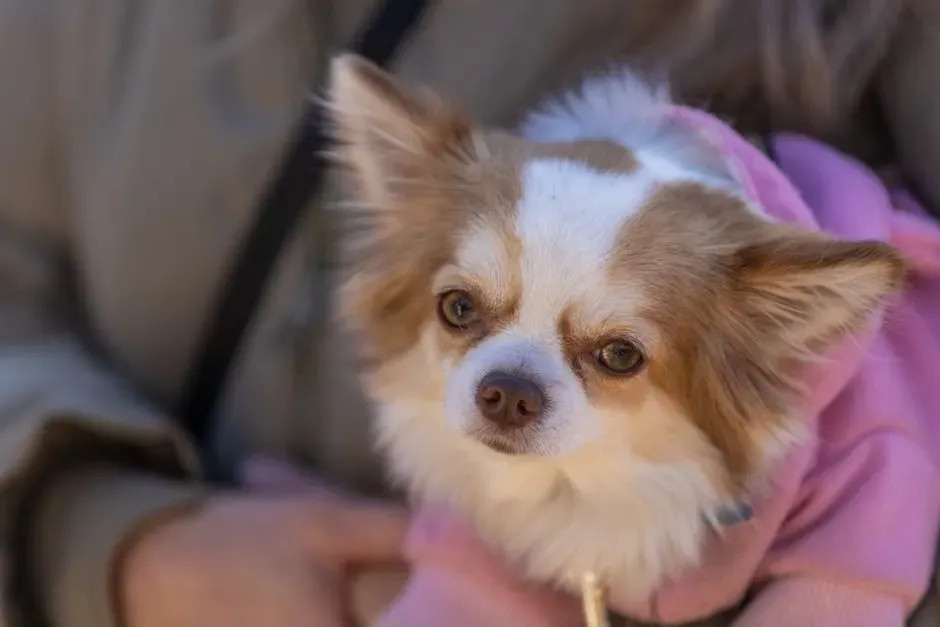
Chihuahuas are very tiny dogs who often feel vulnerable in a large world. In order to compensate, they often display bold personalities. They are known for forming really intense bonds with one primary owner. That boldness can be misleading. Underneath the bravado is a dog that craves constant reassurance from its chosen human.
They are prone to noise phobias and a fear of strangers, and they get really jittery in new environments. They are very sensitive to their surroundings, which can lead to fear-based aggression. They need early and consistent socialization and a predictable routine. A Chihuahua that doesn’t get enough emotional anchoring from its person can become snappy, clingy, and chronically anxious.
#6. Bichon Frisé: A Cloud-Shaped Bundle of Anxiety
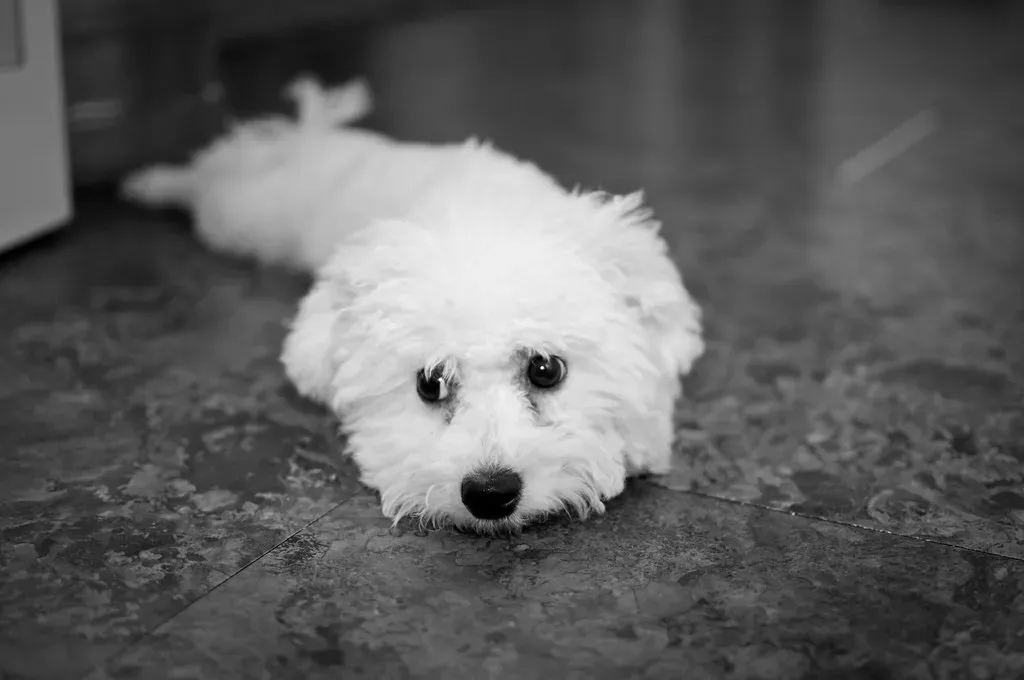
Bichon Frisés are cute little companion dogs that thrive on companionship. These walking teddy bears are as cute as they look. However, they suffer a lot when separated from their humans. They can easily become distressed by loneliness. They were bred to be companions through and through, which means being alone is fundamentally at odds with their entire sense of purpose.
Many Bichons respond well to gentle, consistent training. That predictability can reduce stress in the home, which supports emotional comfort for both dog and owner. Without that structure and closeness, Bichon Frisés can develop patterns of excessive barking, pacing, and other stress behaviors. They need someone who understands that their affection comes with an emotional price of admission.
#7. Australian Shepherd: Anxious When Idle
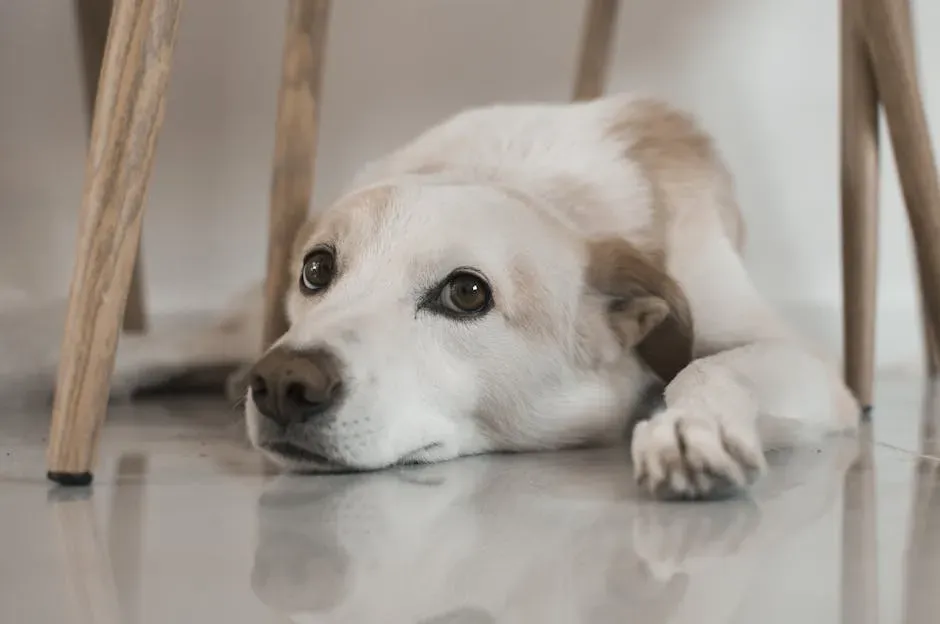
Australian Shepherds are hardworking herding dogs. Not surprisingly, they boast high intelligence and high energy. Aussies thrive when they have a job to do. On the flip side, they can become anxious and restless if they don’t have anything to do. The mental load they carry is enormous, and they need a human partner to help them manage it.
With reassurance, structure, and fair challenge, an Aussie shifts from frantic micromanager to centered teammate, reading your intent and offering balanced effort, spark, and joy. They do best in homes where someone is around most of the time. If ignored, they can become restless, clingy, and emotionally distressed very quickly. This is a breed that invests deeply in its human relationship, and it needs that investment returned.
#8. Cavalier King Charles Spaniel: Empathy on Four Legs
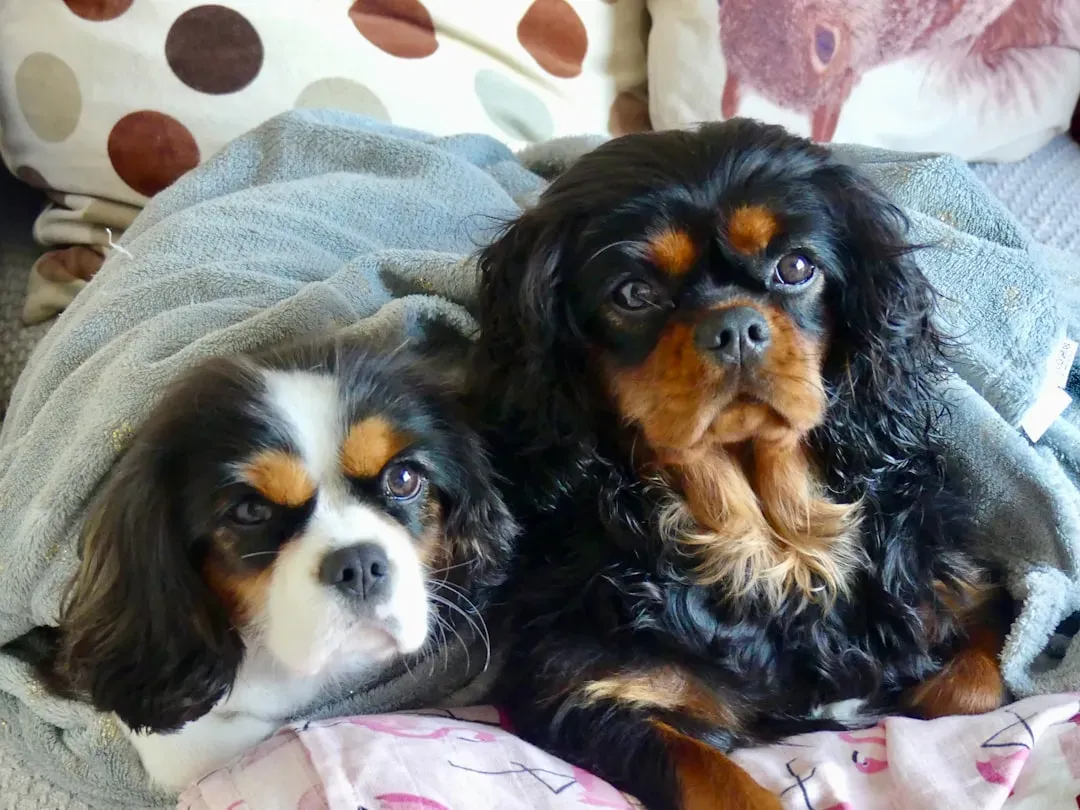
The Cavalier King Charles Spaniel is a gentle, affectionate breed that excels in creating emotional closeness. Its calm disposition and small size make it ideal for handlers seeking a portable companion. Cavaliers can be trained to interrupt harmful behaviors, provide touch-based comfort, and detect signs of rising distress. Their sensitivity is genuinely remarkable, but it cuts both ways.
Cavaliers might not be big, but they’re huge when it comes to cuddles. They’re known for snuggling, which is great for when you’re feeling down. They can nestle into your lap while you take a moment to relax, offering warmth and comfort. They’re quite gentle and thrive on connection, making them great if you want emotional closeness without effort. The catch is that this same sensitivity means they genuinely wilt without regular warmth and proximity.
#9. Doberman Pinscher: Bold Dog, Fragile Confidence
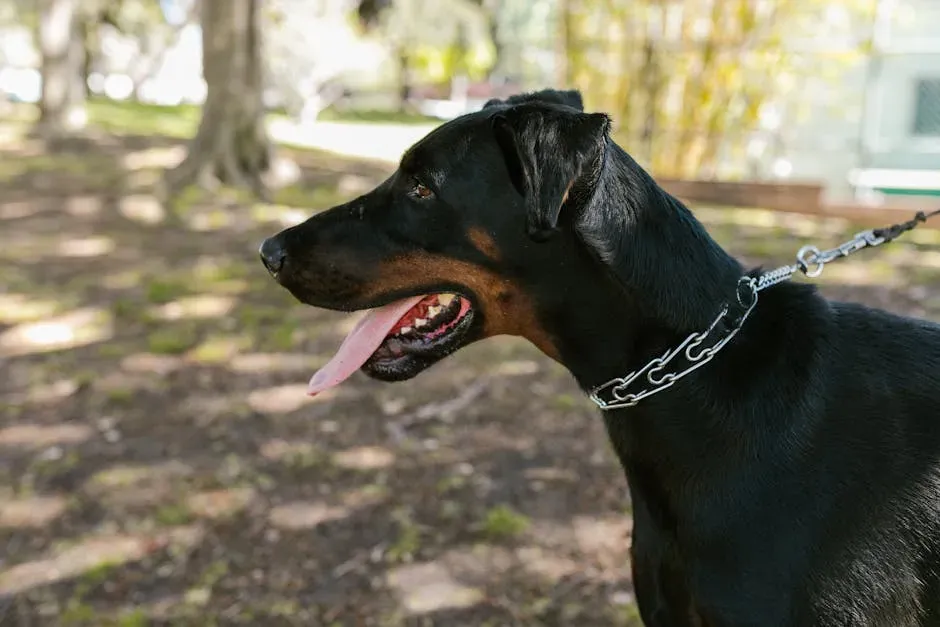
Dobermans are bold yet sensitive, tuned to your confidence and clarity. Mixed messages or tense energy can make them anxious protectors. They thrive when guided fairly, with rules that never change and praise that lands fast. Most people don’t expect this from a Doberman, which is exactly why so many owners are caught off guard by their emotional needs.
Keep training precise and upbeat, and they will relax into the work. Daily structure equals calm. Dobermans are among the breeds that can experience separation anxiety, particularly when their owners leave without building a foundation of independent confidence first. A Doberman that trusts its owner’s leadership becomes steady and secure. Without it, they’re a worried dog wearing a tough dog’s face.
#10. Maltese: Devoted to the Point of Dependency
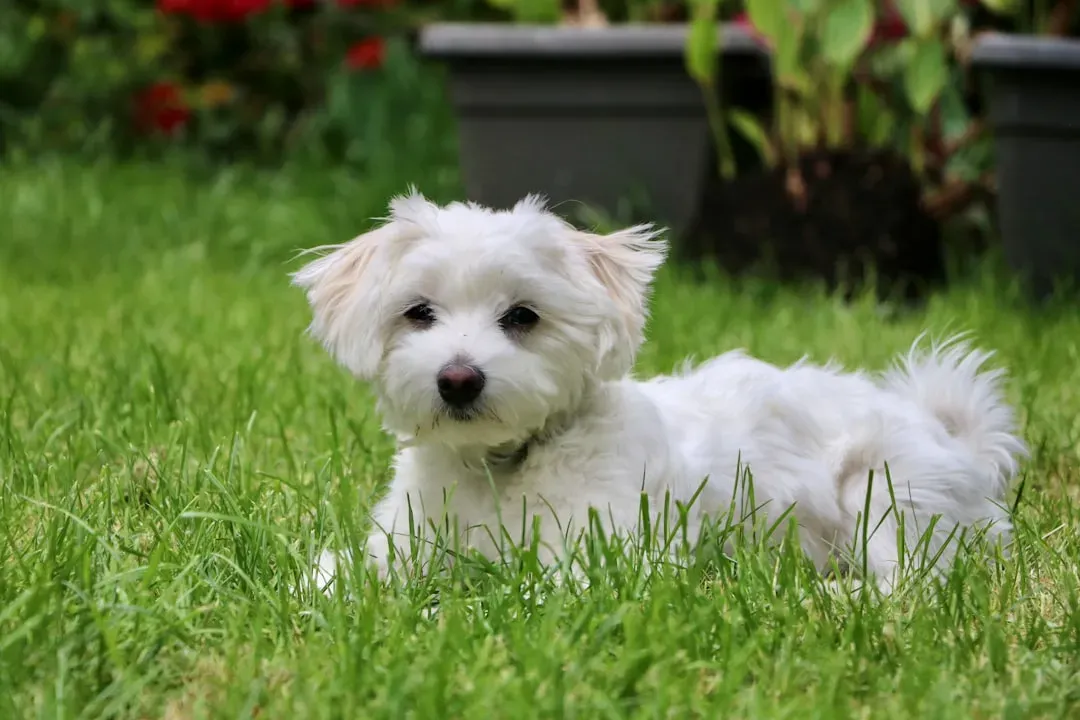
The Maltese is often described as devoted, and many live up to it. They tend to bond closely with their person and enjoy being held or sitting nearby. For an anxious personality, that steady closeness can feel like a soft anchor. The flip side of that devotion is that the Maltese needs its anchor just as much as it provides one.
Unlike some high-energy small breeds, many Maltese are content with moderate exercise and lots of affection. A few short walks and indoor play can be enough. That can work well if you want a calmer pace. But “calm” doesn’t mean low-maintenance emotionally. Maltese dogs track their owners’ moods and movements closely, and they need consistent reassurance to stay settled.
#11. Golden Retriever: Warm, Willing, and Quietly Clingy
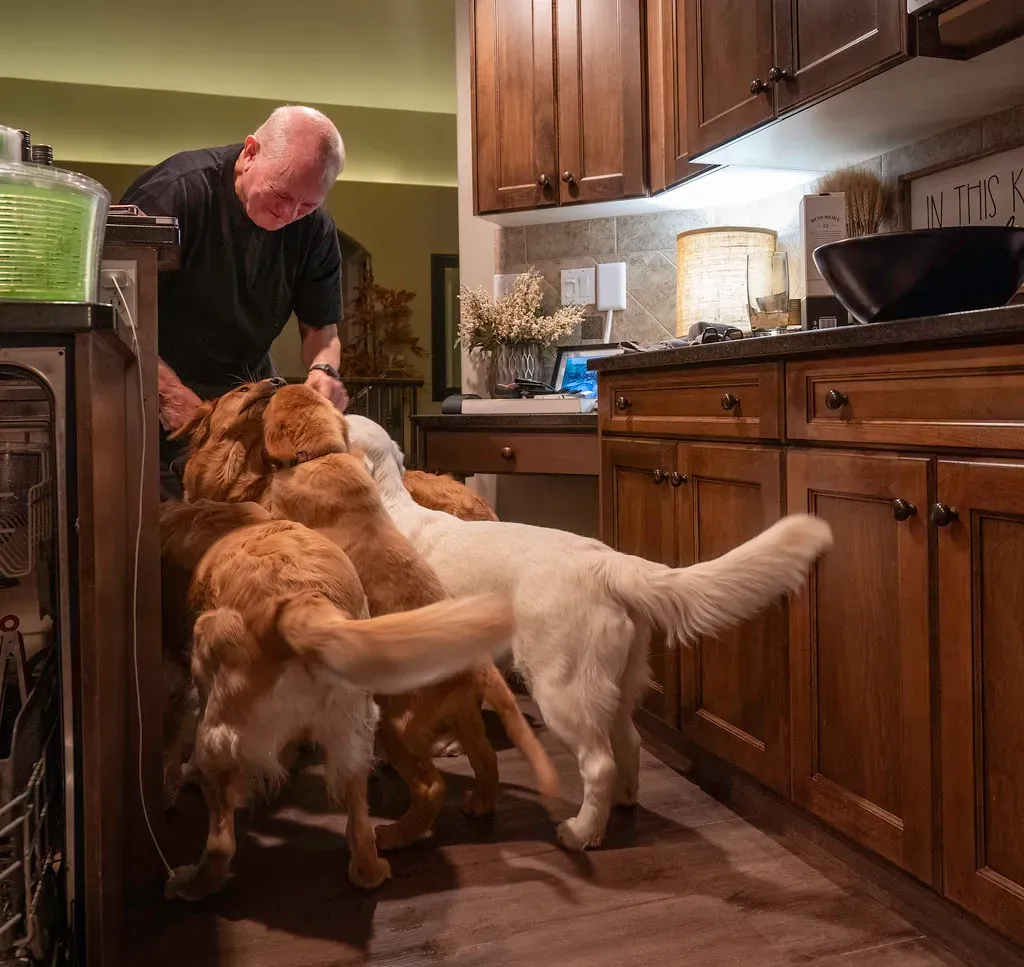
Golden Retrievers have a reputation for warmth and many earn it. They often greet you like you’re their favorite part of the day. That kind of friendly optimism can act like a reset button after a tense moment. What often goes unspoken is that Goldens need that connection flowing in both directions. Their warmth is a two-way street.
Where Goldens can be a bit “clingy,” Labradors are more independent. Seeing your Golden Retriever wagging his tail, excited to greet you when you get home can make your homecomings a welcome relief. They’re intelligent and seem to have a sense of when you’re anxious and need comfort. In unstable moments, they can sit by you and offer a grounding presence. That deep attunement, though, also means they feel your absences acutely.
#12. Papillon: Tiny, Talented, and Emotionally Tuned-In
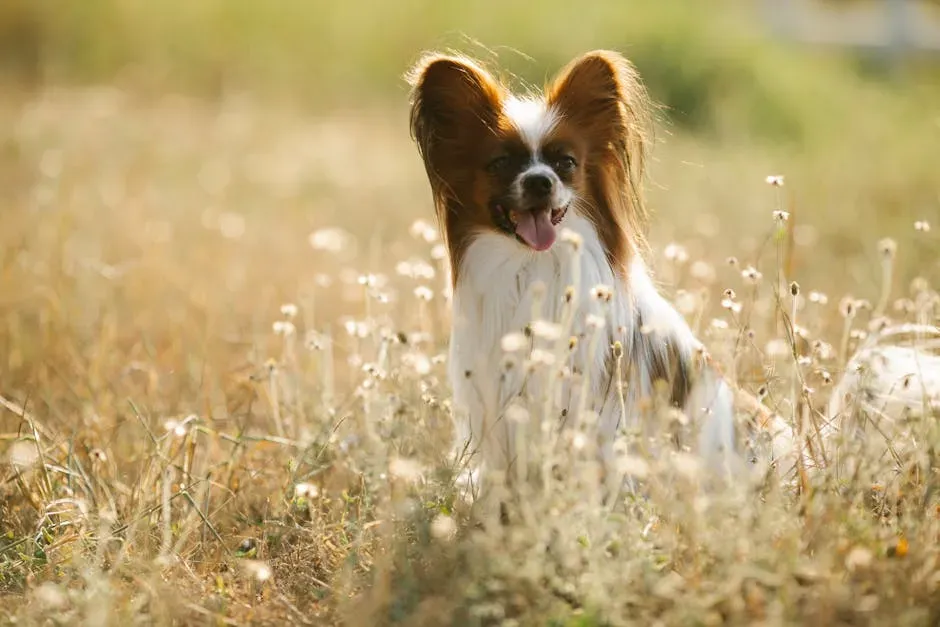
Papillons are tiny athletes with butterfly-light feelings. Big emotions in the room can make them skittish or barky. They thrive on clear games, quick wins, and gentle hands. Keep sessions cheerful and brief, and let them show off for you. Their small size fools people into thinking they’re simple. They’re anything but.
Quiet lap time restores their confidence. Mental work matters as much as movement. Papillons are deeply responsive to their owners’ emotional states, and they need regular praise and calm interaction to feel secure. With steady reassurance, a Papillon becomes bold in spirit, floating through life with prancing feet, bright eyes, and a tail that writes happy notes in the air.
#13. Basenji: The Independent Soul
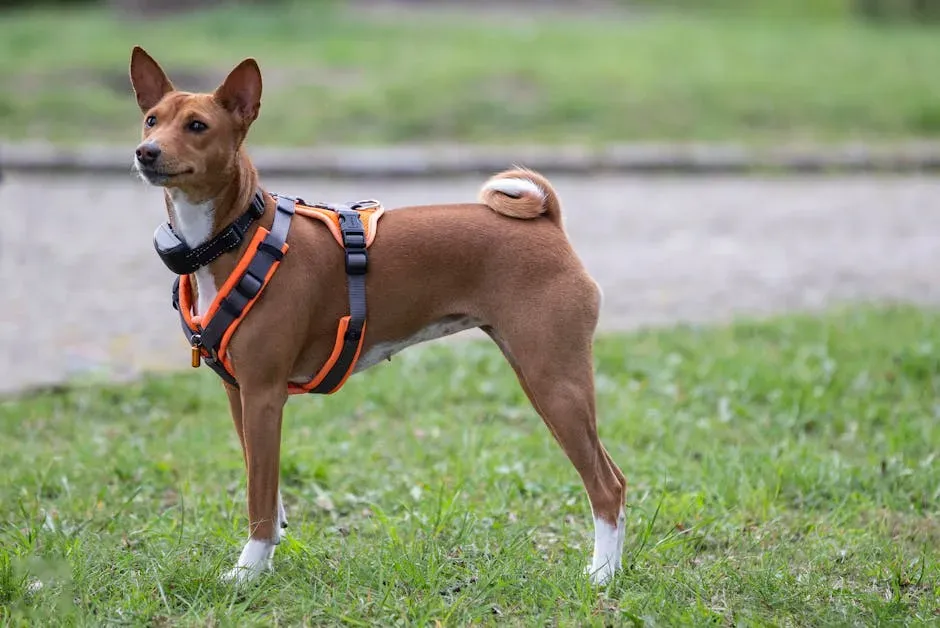
The independent Basenji is notorious for being quiet – they’re often referred to as “the barkless dog.” These medium-sized pups are frequently described as having a cat-like personality because of their aloof temperament, reserved nature, and tendency to groom themselves. That self-containment is genuinely built into their DNA, not trained into them.
Unlike many breeds, Basenjis do not typically suffer from separation anxiety. They can manage being alone without getting stressed or anxious. They are considered one of the premier low-maintenance breeds due to their immense cleanliness and absolute lack of doggy odor. While they do need a solid daily walk, they are highly independent thinkers indoors and rarely demand constant attention. Their aloof but fiercely loyal nature is perfect for the minimalist pet parent.
#14. Shiba Inu: Quietly Confident Without You
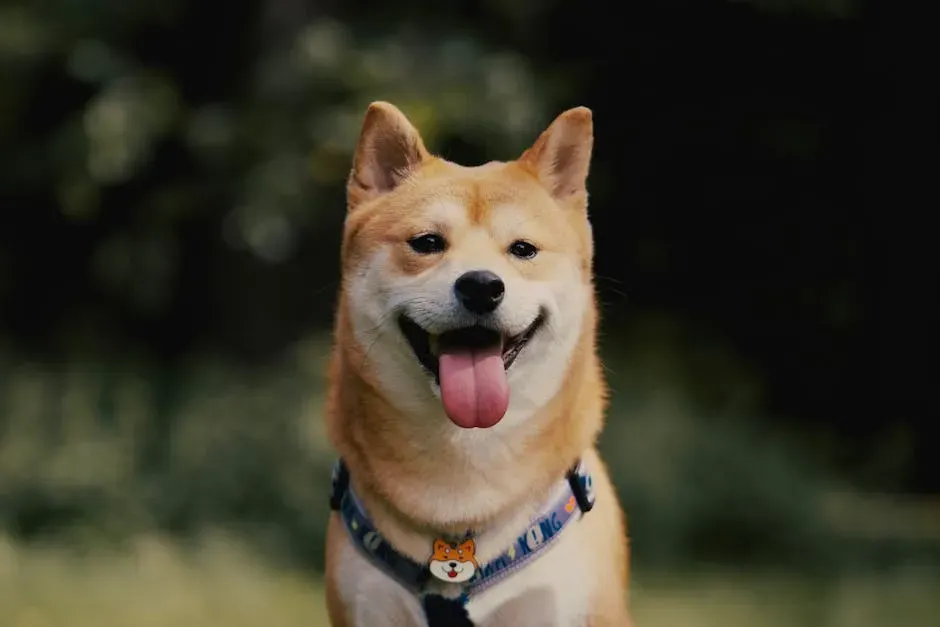
The Shiba Inu is an intelligent and strong-willed dog with an almost cat-like personality. They’re independent dogs and enjoy their own space, but they’re also high-energy and need outlets for their physical and mental energy – or else they can become anxious and overly vocal. Meet their activity needs and they’ll reward you with remarkably low emotional drama.
What makes Shiba Inus great low-separation-anxiety dogs is their intelligence, adaptability, independent nature, and watchfulness. They thrive under good socialization and training and will easily adjust to being left alone. If you’re looking for a spirited furry companion that enjoys a bit of independence now and then, a Shiba Inu might be the perfect pooch for you.
#15. Basset Hound: Low-Drama, Low-Key
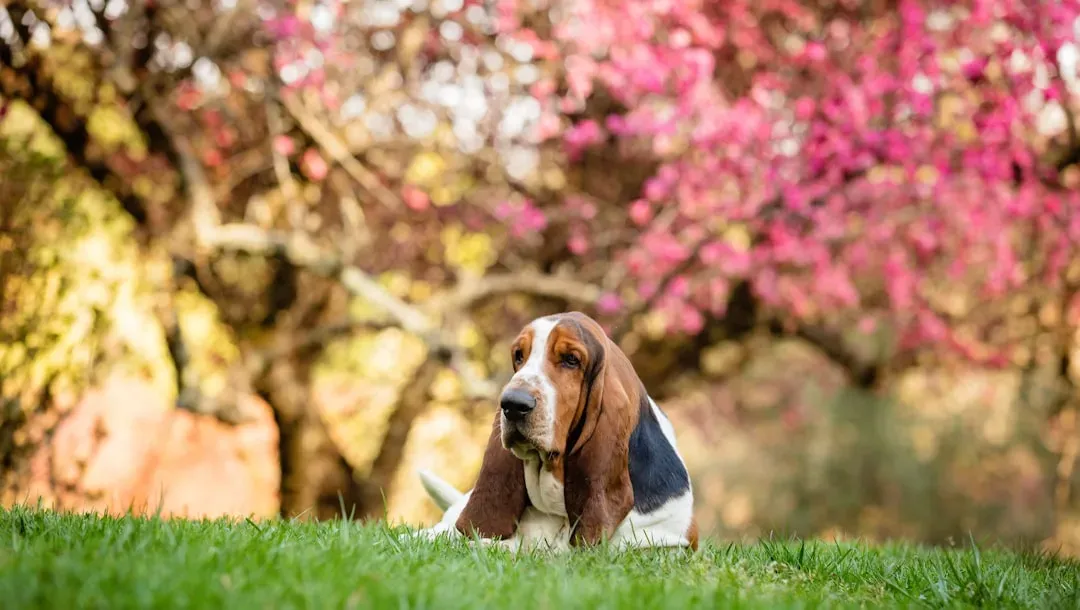
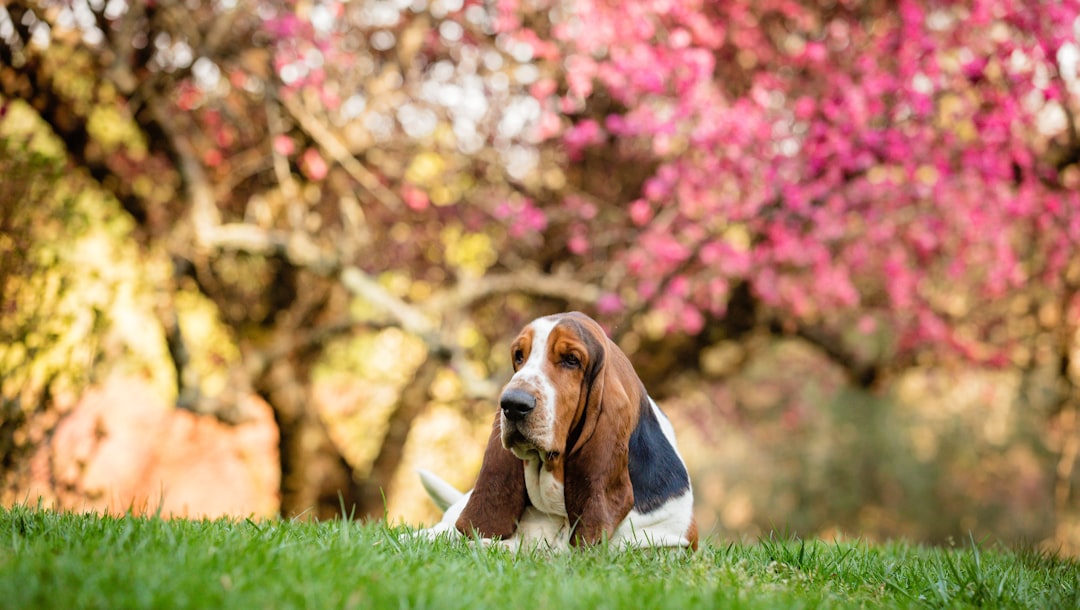
The Basset Hound is known for their long, floppy ears and soulful eyes. They are a medium-sized breed with a calm and friendly temperament, making them excellent family pets. Basset Hounds are known for being headstrong and independent, and they have a low tendency for separation anxiety and can tolerate being alone for several hours. Don’t let those mournful eyes fool you into thinking they’re emotionally fragile.
Hunting dogs like Basset Hounds tracked scents far from their owners, which gave the breed a natural comfort with working independently. That self-sufficient instinct remains. They’re affectionate enough to enjoy your company when you’re home, but they won’t spiral when you leave. For a household that wants warmth without constant emotional management, a Basset Hound is a genuinely solid choice.
#16. Lhasa Apso: Small Dog, Sovereign Energy
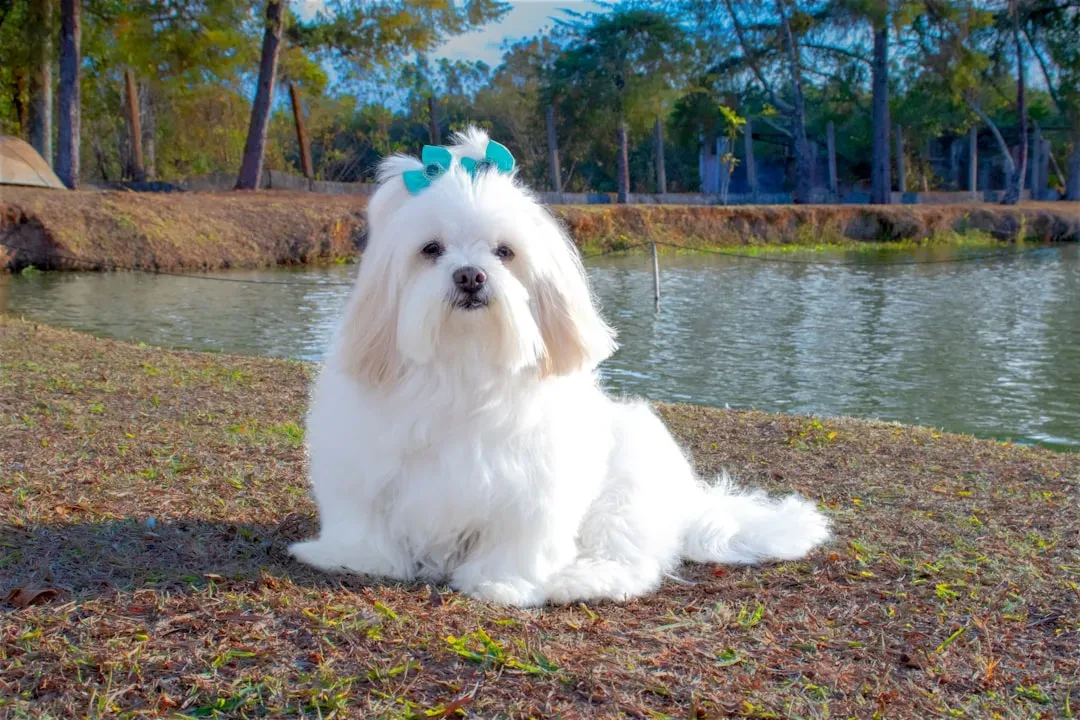
Bred as palace watchdogs, Lhasa Apsos are confident and self-reliant. They usually don’t suffer from separation anxiety and will calmly wait for their owner to return without issue. There’s a quiet dignity to this breed that resists clinginess entirely. They bond with their family, but on their own dignified terms.
The Lhasa Apso is a small breed with a long, thick coat and lion-like appearance. They have a calm and independent temperament that makes them excellent companion dogs. They also have a low tendency for separation anxiety, so they can be alone for several hours without getting upset. While affectionate, they’ve been bred as alert watchdogs and have independent streaks that make them less reliant on constant companionship.
#17. Greyhound: The Gentle Introvert
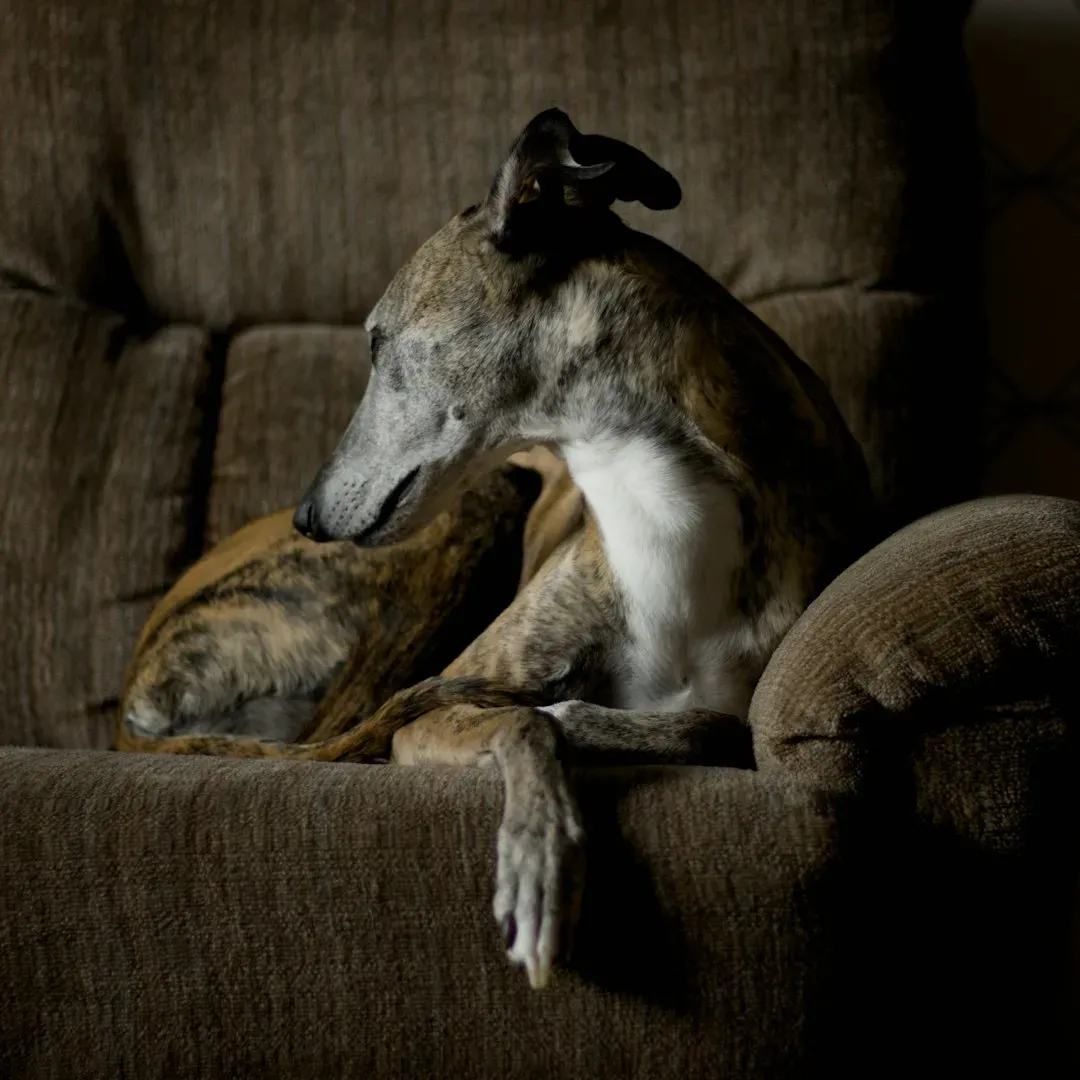
Greyhounds, known for their racing prowess, are surprisingly laid-back and independent when not on the track. Despite their high energy levels in short bursts, they are quite content to lounge for hours, making them well-suited to homes where they may be left alone during the day. Greyhounds are gentle and affectionate with their families but do not generally suffer from separation anxiety due to their adaptable and easy-going nature.
Greyhounds usually prefer to have their own dog bed in a quiet place where they can retreat for some solitude as needed. Greyhounds are also notably quiet dogs. They’re not known for barking excessively or demanding constant attention. This easygoing nature, combined with their love for relaxation, means they’re less likely to exhibit clingy behaviors. For a large, elegant companion that doesn’t need you to hold its hand through every hour of every day, the Greyhound is remarkably underrated.
What This Really Means for Dog Owners
The divide between emotionally dependent breeds and independent ones isn’t about which dogs are better or worse. It’s about honest compatibility. Dogs that need reassurance require structure, and a calm environment to feel secure. If you understand their triggers and support them the right way, their anxiety becomes manageable, and their loyalty becomes even more rewarding. That’s a worthwhile trade if you’re someone who enjoys that depth of bond.
On the other side, an independent dog is comfortable and confident without constant interaction from a human companion. That said, independent dogs have love and loyalty to give – they just might express it differently than other breeds. Neither type is a lesser companion. They’re just asking for different things. The mistake most people make is choosing a breed based on looks or reputation alone, then wondering why the relationship feels unbalanced.
Knowing your own lifestyle honestly – how much time you’re home, how much emotional energy you have to offer, whether your household is calm or chaotic – is genuinely the most important step before choosing a dog. You must select a pup that matches your personality, needs, and living situation. Every dog is an individual, and even the twitchiest breed may help support your life if you match your personality to that of your pet.
The truth is, every dog on this list can thrive with the right owner. The needy ones can become remarkably grounded when given consistent reassurance and structure. The independent ones can become deeply warm companions when given the right kind of space and respect. The real secret isn’t which breed needs more from you. It’s whether you’ve taken the time to honestly ask what you’re prepared to give.


