
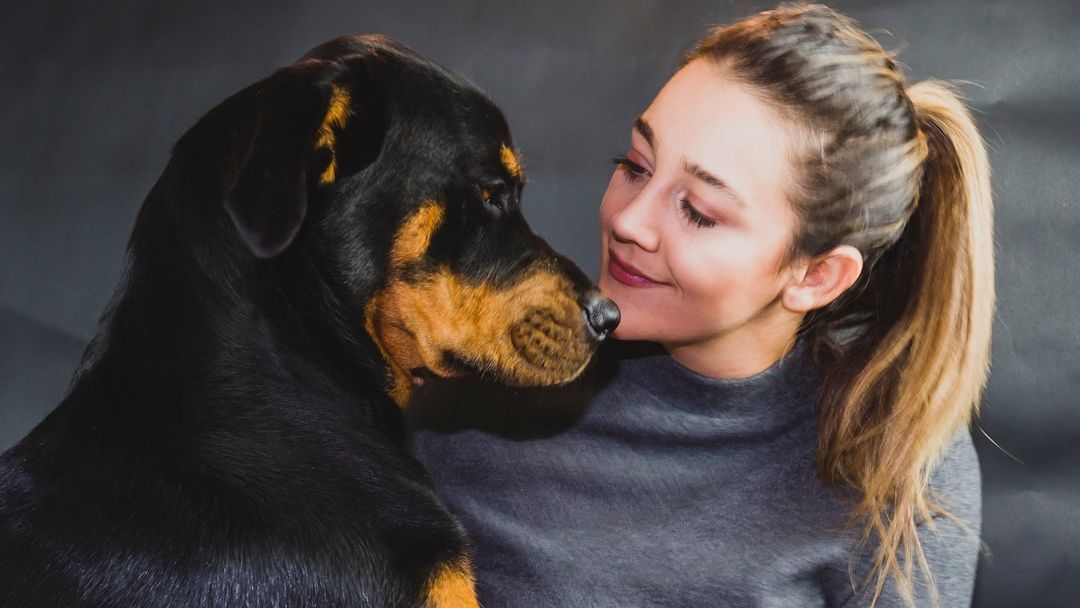
Dogs feel loss. That might sound obvious to anyone who has watched a dog pace the house, sniff a vacant chair, or press themselves against a grieving owner for hours on end. Yet the full weight of what happens inside a dog after someone they love disappears is still something that catches most people off guard.
Although there is no concrete way of knowing exactly how a dog processes grief, there’s no denying they express sadness through behavioral changes. One of the most overlooked of those changes is a sudden surge in protectiveness. Following the acute loss of a closely bonded person, dogs can suffer the pangs of separation anxiety or depression just as people do, and the extent of that suffering is directly proportional to the strength of the bond they shared.
Some breeds take that grief and turn it inward, withdrawing and going quiet. Others do the opposite. They become sentinels. They plant themselves at the door, growl at strangers who were once welcomed, and shadow their remaining family members with an intensity that can feel startling. While dogs might not understand the full extent of human absence, they do understand the feeling of missing someone who is no longer part of their daily lives. These are the breeds where that understanding tends to manifest most dramatically.
#1. German Shepherd
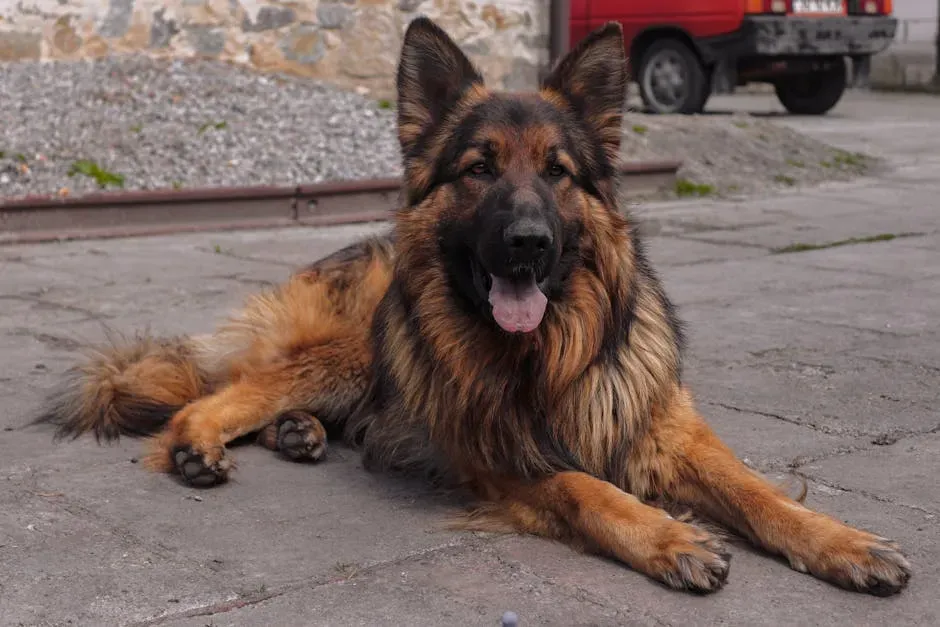
There may be no breed more acutely wired to the emotional state of its household than the German Shepherd. The German Shepherd is known for its fearless nature and steady response to potential danger, and its sharp instincts allow it to quickly evaluate situations. Deeply loyal to its family, this breed forms strong emotional bonds that reinforce its protective behavior.
When a German Shepherd loses a loved one, those bonds don’t simply dissolve. Dobermans are vigilant, springing into action at the first sign of trouble, while German Shepherds take a more proactive role, often anticipating needs before they arise. In grief, that anticipation can tip into hypervigilance, with the dog essentially deciding that whoever remains in the household needs round-the-clock guarding. German Shepherds have a natural suspicion of strangers, and this trait, combined with their agility and speed, allows them to respond rapidly to perceived threats. After loss, the threshold for what feels threatening drops considerably.
#2. Rottweiler
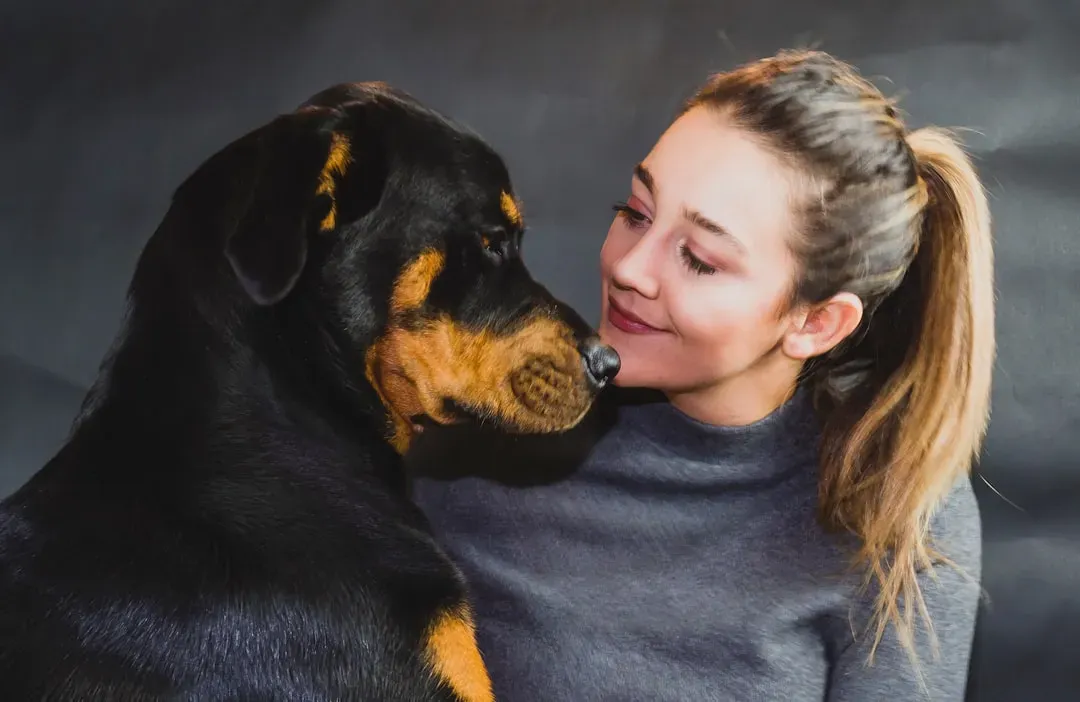
The Rottweiler possesses a strong instinct to guard, making it naturally alert to changes in its environment. It carefully observes situations before reacting with calm confidence, and its loyalty to family is unwavering, forming deep bonds that drive its protective nature. This devotion allows it to balance gentleness with vigilance, especially around those it trusts.
Grief, however, can unbalance that equation. Unlike more vocal breeds, Rottweilers tend to be quiet observers who don’t overreact. They are extremely loyal to their families and often form a strong bond with a single primary person. When that person is gone, the Rottweiler may transfer that singular devotion to the next closest family member with an almost suffocating intensity. Without proper guidance, their protective instincts can become overly assertive, which is why working with an experienced trainer is crucial.
#3. Doberman Pinscher
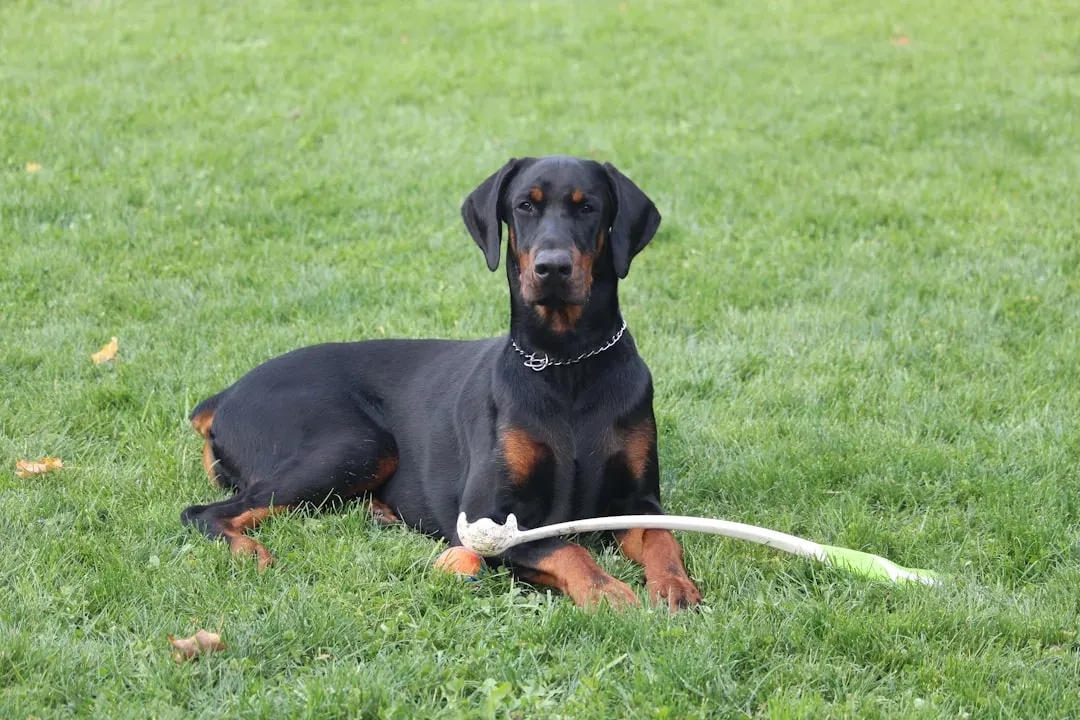
The Doberman Pinscher was originally developed by a German tax collector to serve as an extremely loyal and reliable personal protective guard dog. That breeding history is impossible to ignore. Dobermans are energetic, alert, and intensely loyal. They crave human companionship and thrive on being close to their people. That craving intensifies after loss.
Bred specifically for personal security, the Doberman possesses a natural ability to assess situations quickly and react with precision. Its sharp awareness allows it to distinguish between familiar individuals and potential threats with remarkable accuracy. When grief disrupts the household, a Doberman’s threshold for what counts as a threat can shift dramatically. While they are affectionate and sensitive, Dobermans require regular mental stimulation to stay balanced, and socialization is essential. Early positive exposure to different people and environments helps them grow into well-mannered companions rather than overprotective or anxious dogs.
#4. Belgian Malinois
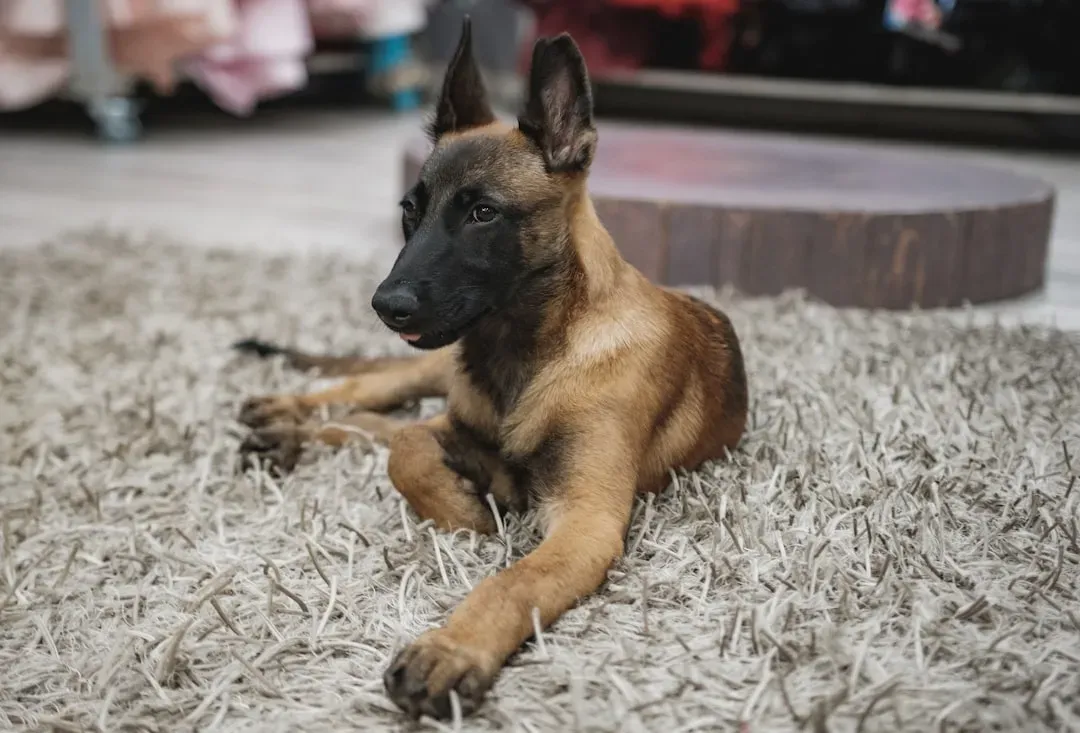
The Belgian Malinois is a breed defined by its need for purpose. These dogs are used extensively in military and police work precisely because they bond so deeply to their handlers and are relentlessly alert. That same intensity makes them one of the breeds most susceptible to behavioral upheaval when someone they love is suddenly absent.
With dogs, grief can come out in odd behaviors such as changes in eating habits, difficulty controlling arousal, frustration behavior, new behaviors around noises or people, and changes in potty habits. In the Malinois, all of these can surface quickly and with unusual force. Their intelligence means they notice every change in household routine, and their natural drive to protect means they respond to that change by ramping up their guarding behaviors significantly. This breed needs structured redirection after loss more than almost any other.
#5. Akita
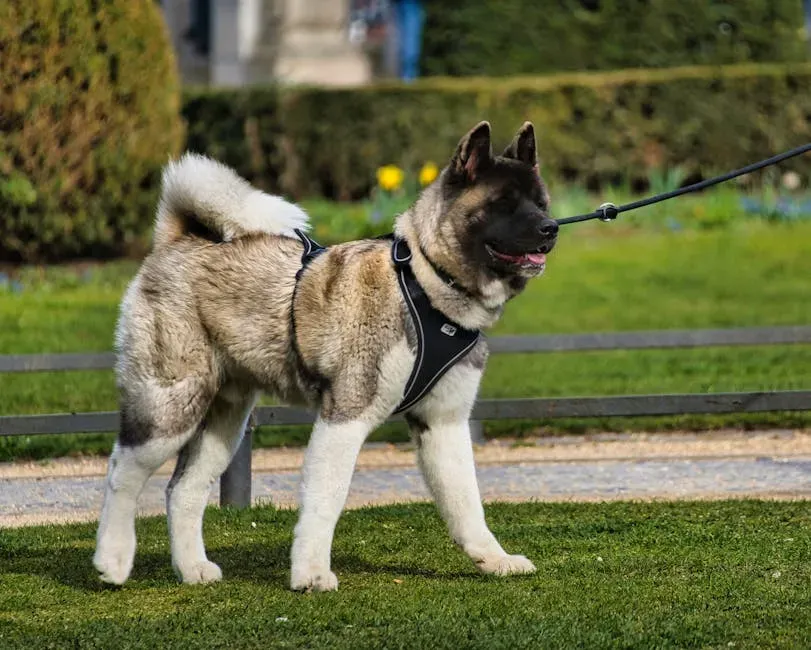
According to Britannica, the Akita is a calm, courageous, and highly loyal breed that forms strong bonds with its family, but can be independent, protective, and reserved with strangers. That last part matters. The Akita’s wariness of outsiders is present even in normal circumstances. When grief enters the picture, that wariness can harden into something more confrontational.
The Akita has a long history as a devoted guardian in Japanese culture, a breed bred to protect and to persist. Dogs that were strongly bonded are more likely to show noticeable behavioral changes after a loss, while dogs that had a neutral relationship may show little reaction at all. An Akita that has lost a close companion is firmly in the first category. These dogs tend to be stoic about their grief but express it through heightened territorial behavior, particularly toward unfamiliar visitors.
#6. Labrador Retriever
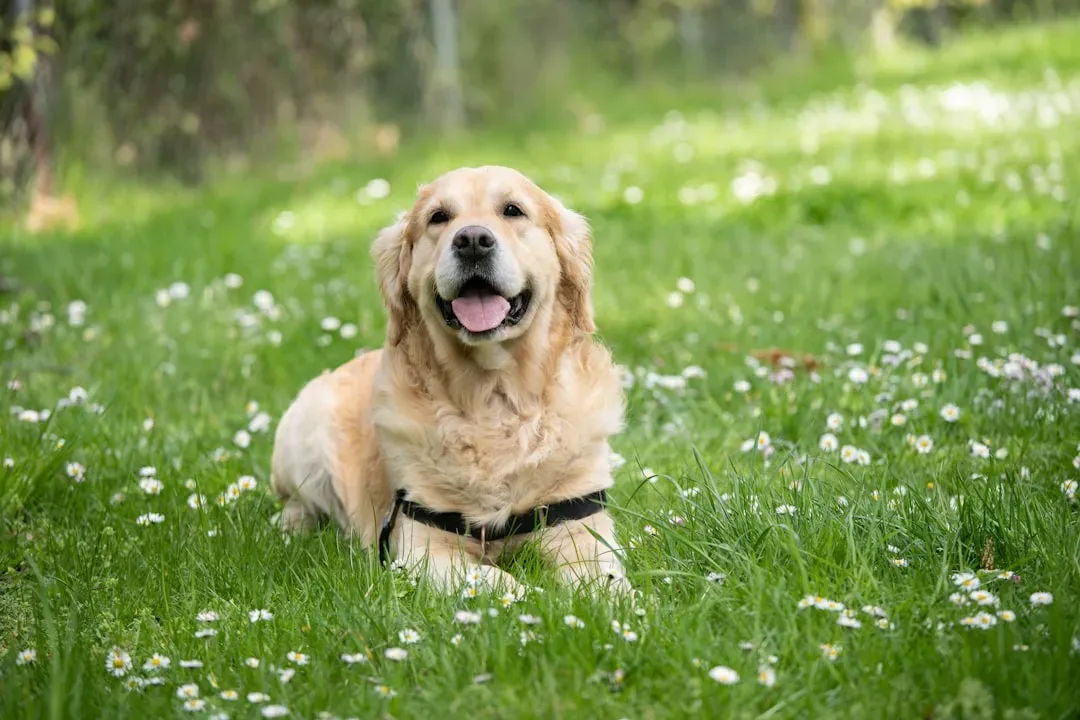
The Labrador is not typically associated with overprotectiveness, and that reputation is mostly fair. Labs are famously social, open-hearted, and easygoing. Families with young children often do well with Golden Retrievers or Labrador Retrievers, as these patient and gentle breeds forgive childhood chaos and handle noise well. Yet what makes Labs so beloved is also what makes them vulnerable.
Surviving dogs were often more affectionate with their owners and became clingy, and a study concluded that nearly two thirds of dogs experienced four or more behavioral changes after the loss of a family pet that indicated grief. Labs that lose a loved one often become shadowing dogs, following their remaining family members from room to room and showing unusual anxiety around the front door. Many have a significant degree of attachment to their owner that leads to anxiety and distress when even short-term separation is thrust upon them, let alone bereavement. In the Lab, this translates into a gentle but persistent clinginess that can feel protective in its own quiet way.
#7. Golden Retriever
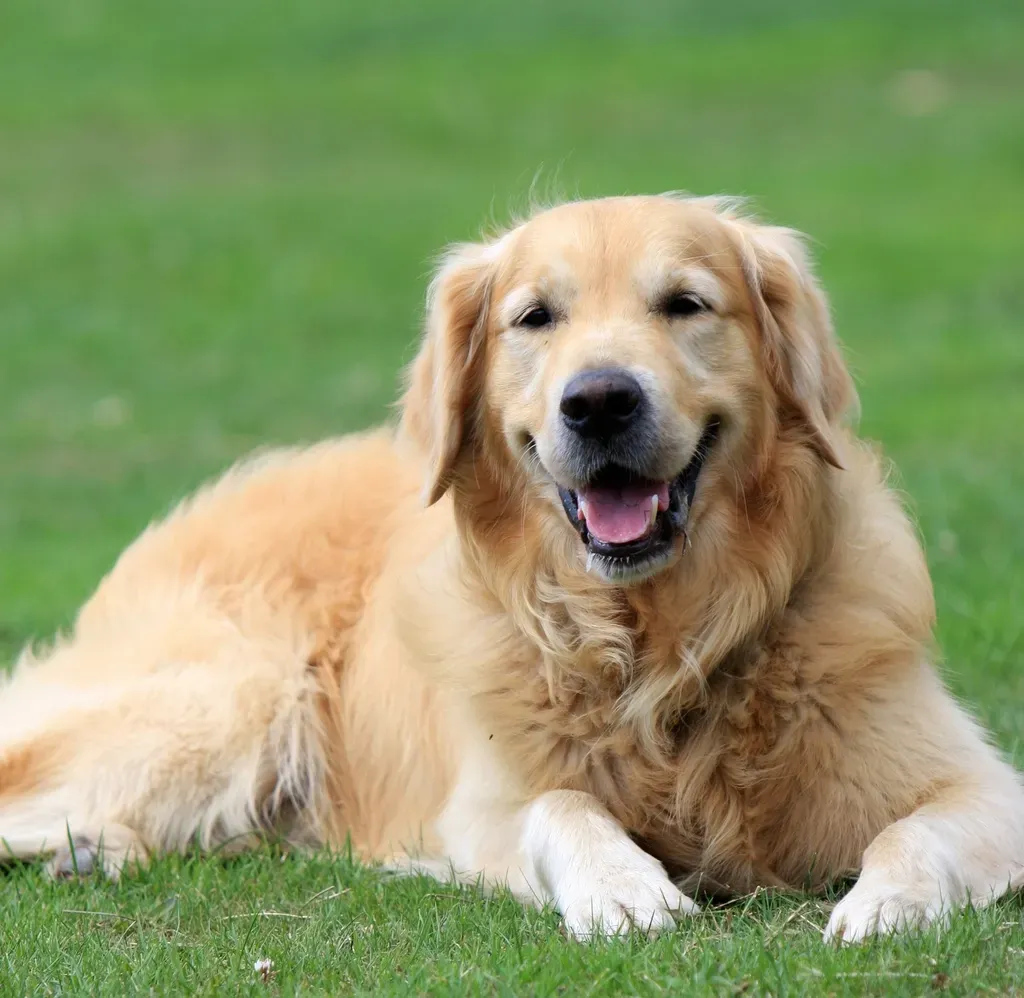
Golden Retrievers wear their hearts on the outside. They read human emotion with startling precision and adjust their behavior accordingly. Golden Retrievers earn their reputation as one of the friendliest and most trainable breeds, and their gentle temperament and desire to please make them perfect for families. That desire to please can shift direction after a loss occurs.
When the household energy changes, the Golden Retriever often becomes the self-appointed emotional anchor of the home. That grief can be felt even more keenly by a dog, who doesn’t understand where the missing person is and when or even if they will be back. Goldens may respond to this confusion by staying close to surviving family members, positioning themselves physically between those family members and strangers, and becoming unusually vocal or alert at doors and windows. It’s a protective response rooted entirely in love and disorientation.
#8. Boxer
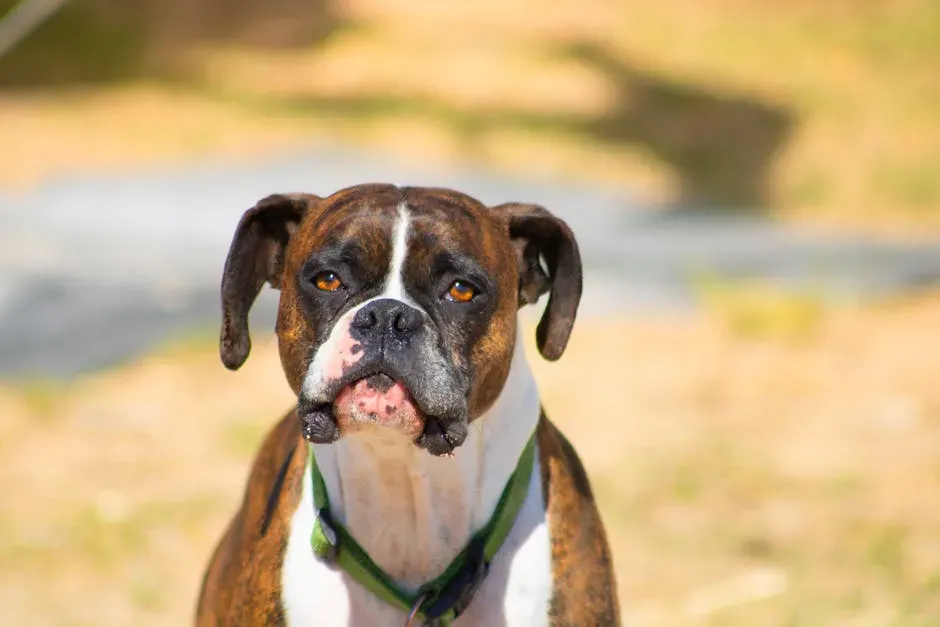
Boxers are deeply emotional dogs dressed in an athletic, playful exterior. They bond fast, love hard, and feel loss in obvious ways. Dogs that are grieving may experience a loss of appetite, lethargy or depression, inability to sleep, separation anxiety, and may begin vocalizing through howling, whimpering, or whining. In a Boxer, all of these can appear almost simultaneously.
What follows the initial wave of grief in this breed is often a noticeable escalation in guarding behavior. Boxers naturally position themselves between their family and anything unfamiliar, and this instinct amplifies after loss. If a dog is grieving and becomes destructive or aggressive toward other dogs, seems to forget training, or has other behavior issues, professional help may be needed. With Boxers specifically, the change can be sudden enough to surprise owners who had never seen a protective streak in the dog before.
#9. Great Pyrenees
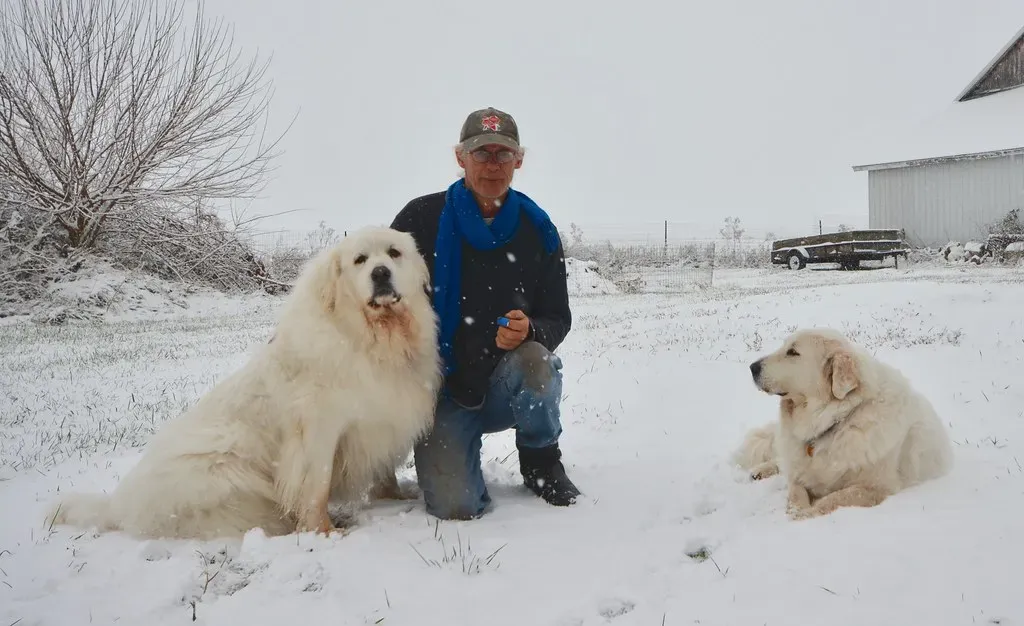
The Great Pyrenees was built for one thing above all others: standing between what it loves and what might harm it. This is a livestock guardian breed, shaped over centuries to patrol boundaries and confront threats alone if necessary. Cooperative breeds that work in close visual contact with their handlers may be more motivated to stay close to their owners and could be more prone to frustration in the case of being separated.
After the loss of a loved one, the Great Pyrenees can become almost single-minded in its protective focus. These dogs have an independent streak that means they make guarding decisions on their own, and in grief, those decisions tend to lean toward maximum caution. They may patrol the home perimeter more frequently, bark at unfamiliar sounds through the night, and show unusual wariness toward visitors who were previously accepted without issue.
#10. Shetland Sheepdog (Sheltie)
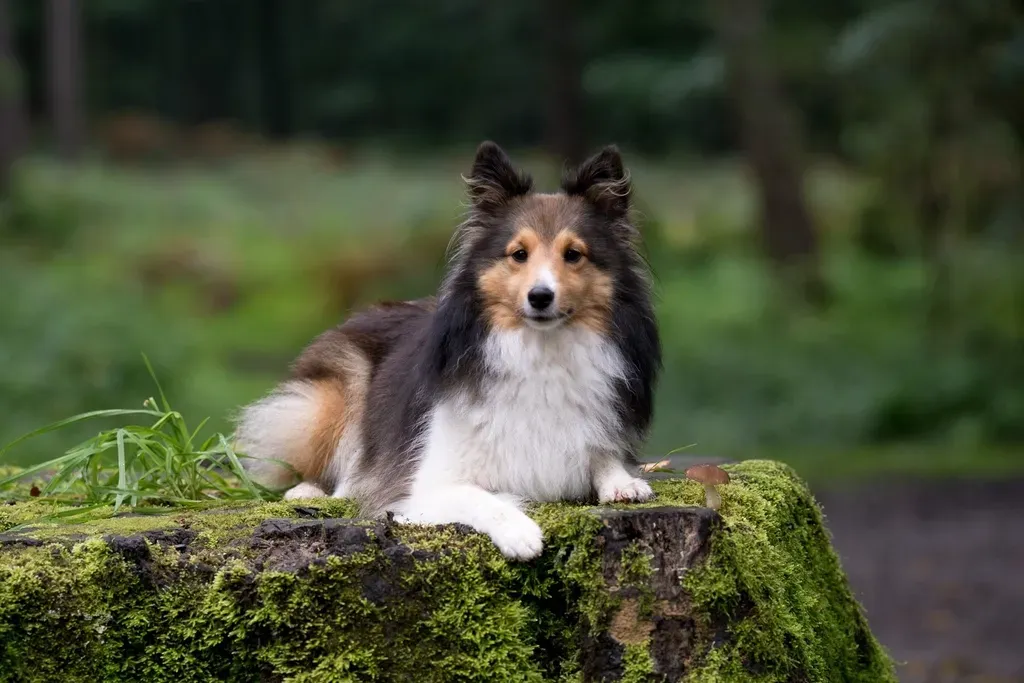
Shelties are vocal dogs who sometimes bark to alert their owners, and they bond closely with their families while being reserved around strangers. Early socialization helps build their confidence. That reserved quality is the key. When a Sheltie trusts you, that trust is complete. When someone in their trusted circle disappears, they feel the gap acutely.
While we don’t know much about how domesticated pets experience grief, many will show signs of acknowledgment that something has changed, and others will display behavioral changes that compare to human mourning. In Shelties, grief often surfaces as an increase in alert barking, greater sensitivity to strangers at the door, and a tendency to herd the remaining family members together, keeping them close. It’s an instinctive response: when the pack is reduced, protect what’s left.
#11. Australian Shepherd
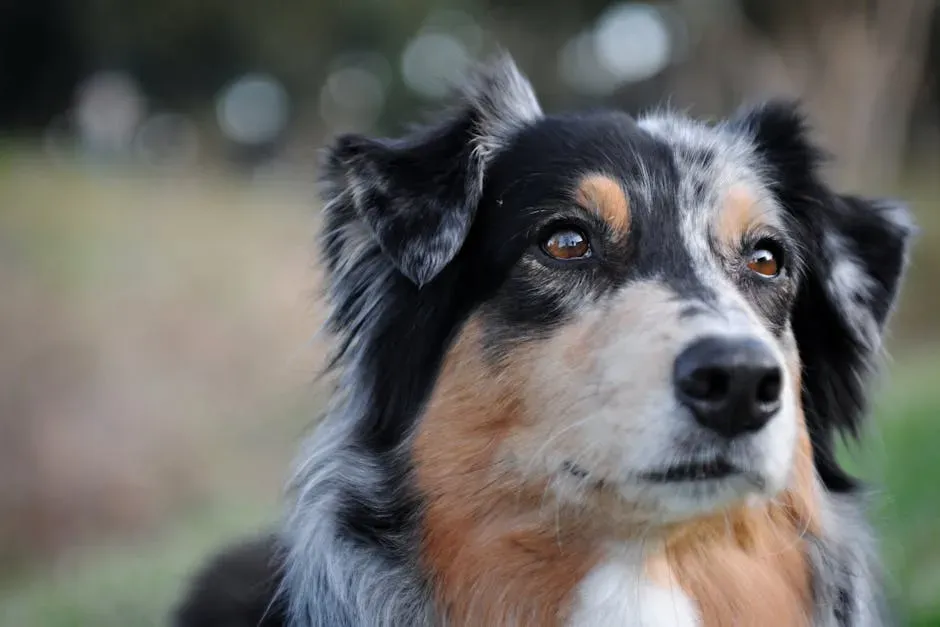
Herding breeds tend to have a propensity toward separation anxiety, and the Australian Shepherd is no exception. This type of breed is a working and sport dog, and they tend to exhibit high energy and are very intelligent. That intelligence is both their gift and their burden when grief enters the household.
Australian Shepherds thrive when they have a clear job to do. If they’re not busy, they’re bored, which leads to problematic habits when left alone doing nothing. These athletic companions need jobs to do, and creating chaos becomes their occupation when left unstimulated. After a loss, many Australian Shepherds assign themselves a new job spontaneously: protecting the surviving family. They may become more reactive to strangers, more insistent about keeping family members together, and quicker to sound the alarm at any disruption to the household routine.
#12. Chow Chow
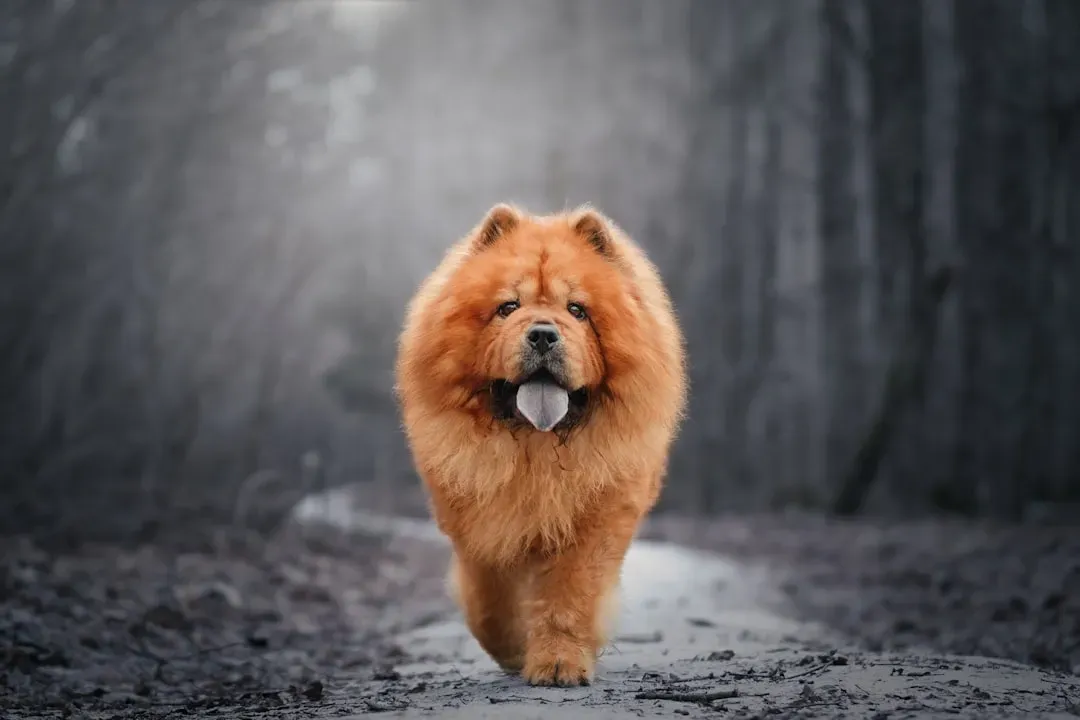
The Chow Chow is not a dog that extends trust easily. Their affection is deep but deliberately narrowed, reserved for a small and specific circle. This breed is famously aloof with strangers under normal conditions, so the shift that happens after grief can be jarring for families who weren’t prepared for it.
Dogs live in a world of scent, routine, and association. When one of those disappears, it registers as a disruption. For the Chow Chow, a disruption to the familiar circle of trust is not something that passes quietly. They may become more territorial over the home space, less tolerant of unfamiliar visitors, and more physically imposing in their presence near family members. Some dogs suffering from separation anxiety become agitated when their guardians prepare to leave, while others seem anxious or depressed prior to departures or when their guardians aren’t present. In the Chow Chow, that anxiety transforms into guarding with very few visible cues that it’s coming.
#13. Bernese Mountain Dog
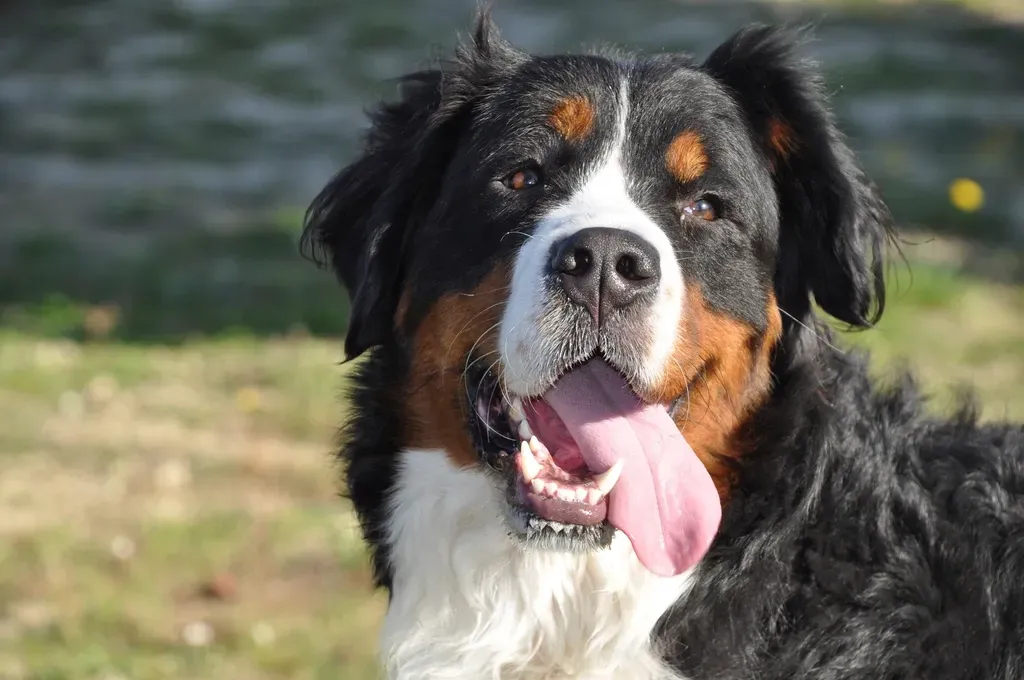
The Bernese Mountain Dog is one of the most emotionally sensitive large breeds in existence. They are gentle, calm, and genuinely people-oriented, forming rich attachments to every member of the family unit. These dogs were bred to be companions, which makes them more prone to certain anxiety responses when their owners are absent. They thrive on human interaction and often form deep family bonds.
Dogs alter their behavior when they mourn, much like people do. They may become depressed and listless, have a decreased appetite and decline to play, sleep more than usual and move more slowly. In the Bernese, this mourning phase can give way to a quiet but firm protectiveness over the people who remain. They stay closer to their surviving owners, react more cautiously to newcomers, and seem to take on a watchful energy that wasn’t prominent before the loss.
#14. Vizsla
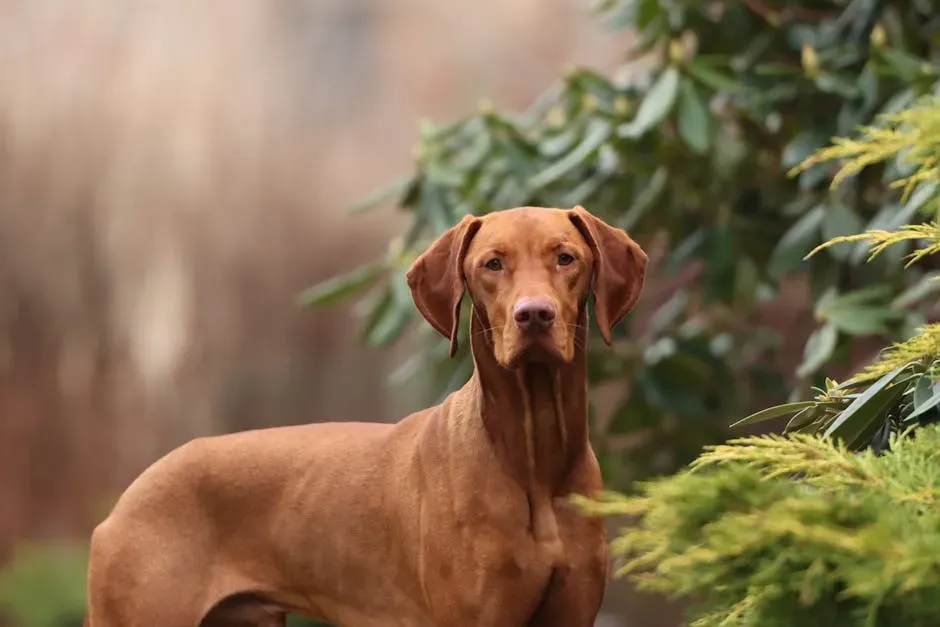
Vizslas tend to be a high-anxiety dog breed because they hate being away from their owners and appreciate a busy, full house. The Vizsla is a Hungarian hunting dog also known for being an excellent family pet. They are very affectionate and loving dogs that enjoy being around people. That need for a full and connected household makes them particularly sensitive to any reduction in their social world.
These velcro dogs earn their nickname through their desperate need to stay glued to their humans. After a loss, that velcro quality intensifies. The Vizsla may trail its surviving family member relentlessly, show increased alertness toward strangers, and demonstrate anxiety symptoms when left alone that were barely present before. The emotional pain dogs feel on their owner’s death is an extension of, and extreme, protracted version of separation anxiety. Few breeds demonstrate that truth as plainly as the Vizsla.
#15. Cane Corso
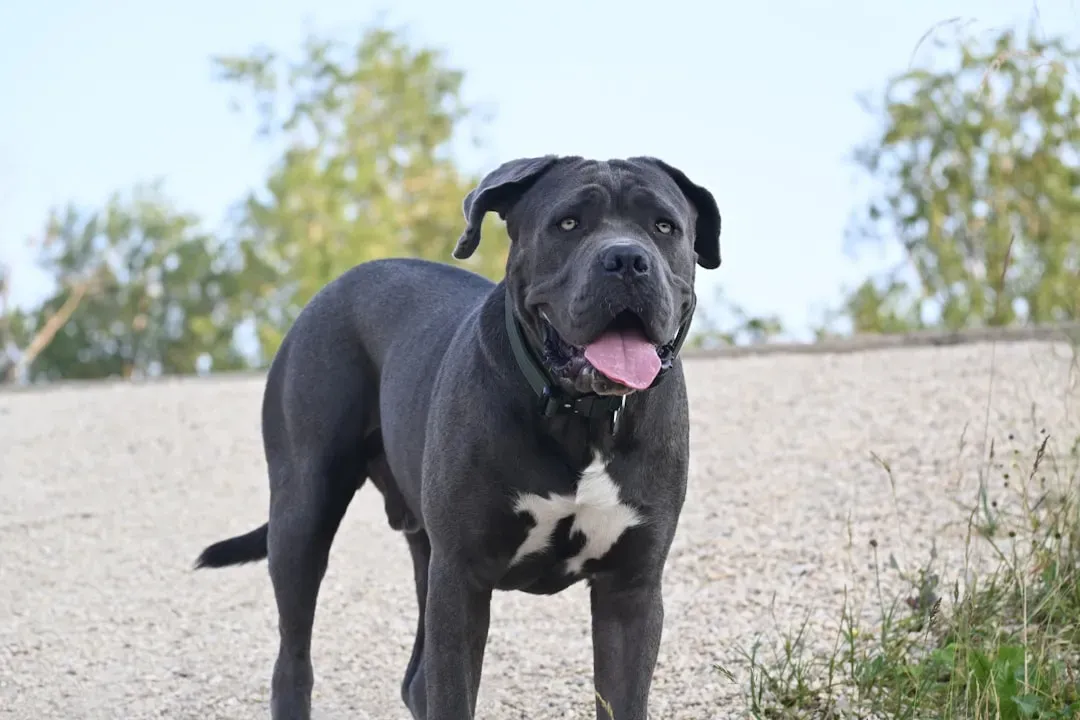
The Cane Corso is a breed that carries centuries of guardian history in its bones. Descended from ancient Roman war and guard dogs, this breed was designed to protect property, livestock, and people with calm, deliberate authority. Rottweilers, German Shepherds, and Dobermans are some of the most loyal dog breeds, and loyalty is essential in any good protection dog. Rottweilers form incredibly strong attachments to their families, acting like gentle giants at home – and the Cane Corso fits this same mold, arguably with even greater intensity.
When a Cane Corso loses someone from its inner circle, the protective switch doesn’t turn off. It redirects. Another problematic result of grief in dogs can be undesirable or damaging behaviors, and it is well known that stress and anxiety cause behavior changes. The same goes for our cherished dogs. In the Cane Corso, stress-driven behavior most often manifests as territorial escalation: a dog that was balanced and manageable before the loss can become unwilling to allow unfamiliar people near surviving family members without significant tension. Professional behavioral support is strongly advised during this period.
What to Do When Grief Turns Into Overprotection
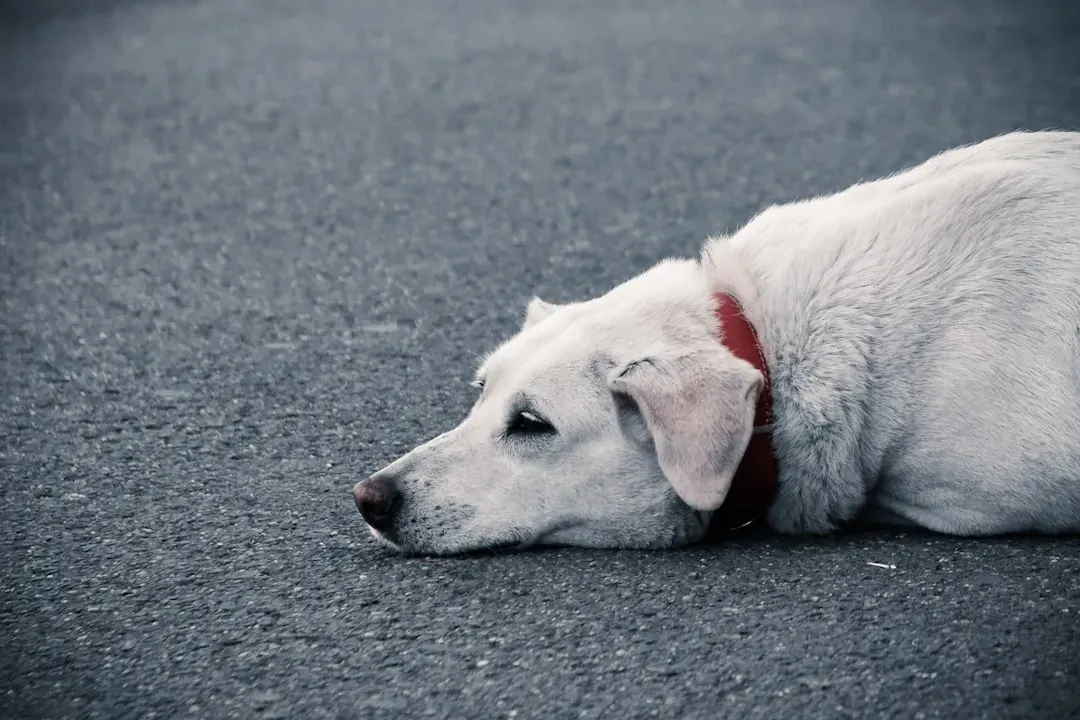
Recognizing the behavior is only the first step. The biggest mistake owners make is assuming the dog needs to be treated like a grieving human. What surviving dogs need most is consistent feeding and walking schedules, continued training and play, and to avoid over-coddling. Structure, in other words, is the remedy that most closely matches how dogs actually experience the world.
The good news is that a dog’s grief will ease over time. They may feel low for a few weeks, but it’s generally temporary, and being aware of their suffering and taking necessary actions to help them through it will speed recovery and adjustment. If overprotective behavior persists, consulting a veterinarian and a certified behaviorist together is wise. If your dog is experiencing destructive behavior, anxiety, shaking, crying, anorexia, vomiting, or other concerning symptoms, it is best to see your regular veterinarian right away.
A Final Thought
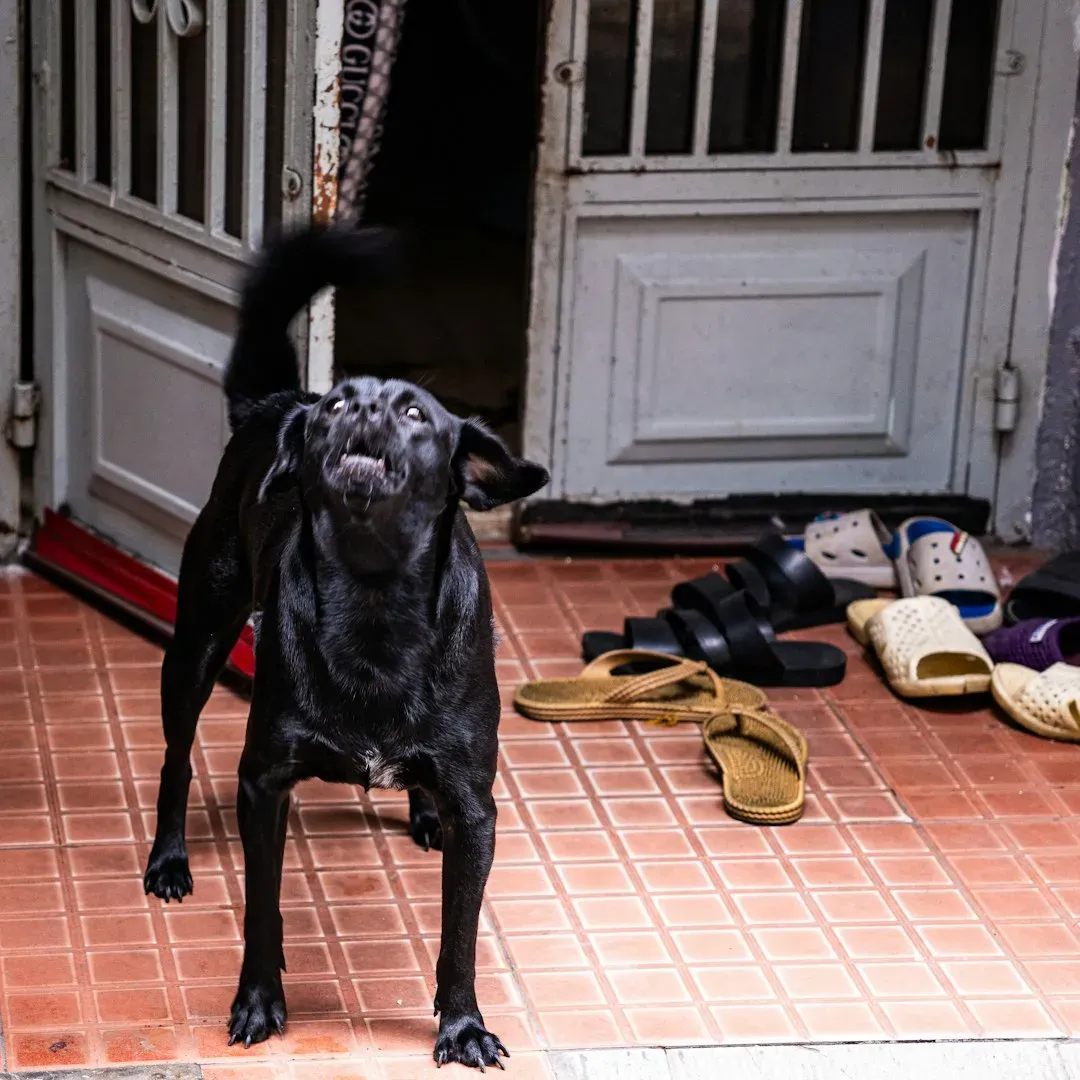
There’s something quietly profound about the fact that dogs respond to loss not by retreating from the world, but by pulling those they love closer and standing firmer between them and everything unknown. It’s not a dysfunction. It’s devotion, just without the language to express it any other way.
The breeds on this list aren’t broken or dangerous because they become more protective after loss. They’re doing what their nature has always told them to do: hold the line for the ones who matter. Understanding that doesn’t just help you manage the behavior. It helps you see it for what it actually is. And that, more than any training protocol, is where real healing for both of you begins.


