
Most dog owners never see it coming. One moment everything seems fine, and the next, their beloved pet has snapped at a child, lunged at a neighbor, or nipped a visitor without any obvious reason. The truth is, it rarely happens without warning. Dogs are incredibly communicative animals, but much of what they say gets lost in translation.
Many pet parents don’t recognize the warning signs before a bite, so they perceive their dogs as suddenly flying off the handle. That’s rarely the case. It can be just milliseconds between a warning and a bite, but dogs rarely bite without giving some type of warning beforehand. The problem isn’t that dogs don’t communicate. It’s that we’re not fluent in the language they’re using.
Aggression is the most common and most serious behavior problem in dogs, and it’s also the number-one reason why pet parents seek professional help from behaviorists, trainers, and veterinarians. Knowing what to look for, before things escalate, could genuinely prevent serious harm. Here are ten warning signs most owners overlook.
#1: Stiff, Rigid Body Posture
One of the earliest physical signals of an aggressive dog is a sudden freezing or stiffening of the entire body. Aggressive dogs often appear stiff and tense, with raised hackles, a hard stare, and a rigid tail. This frozen posture signals high stress and possible aggression. It’s easy to miss if you’re not watching closely, especially in the middle of a busy park or a social situation.
Aggressive dogs often exhibit a stiff and rigid body posture. This includes standing tall with their tail raised, ears up or back, and fur along the back standing up, known as piloerection. This posture signals that the dog is on high alert and ready to defend itself if necessary. If you notice your dog going suddenly still, take it seriously. That quiet, frozen moment is often the very first crack before the whole situation breaks open.
#2: Raised Hackles
Warning signals may include growling, stiff body posture, raised hackles, intense staring, lip curling, or baring of teeth. These behaviors indicate that the dog feels threatened, anxious, or uncomfortable with a person or another dog’s presence. Raised hackles, the strip of fur that bristles along the dog’s back and neck, is an involuntary response driven by the nervous system. Many owners mistake it for excitement rather than stress.
The tricky part is that raised hackles alone don’t necessarily confirm aggression. They signal arousal, which can tip in either direction depending on what else is happening. Many dogs express their discomfort through subtle body language before things escalate. Being able to spot these warning signs of aggression can help you step in before a situation gets out of hand. Raised hackles paired with a stiff posture or hard stare is a combination that should always prompt you to intervene calmly.
#3: Hard, Unblinking Stare
Dogs exhibiting conflict aggression may maintain prolonged eye contact, growl, or snarl, potentially escalating to lunging and biting. A relaxed dog makes soft, easy eye contact. An aroused or potentially aggressive dog locks eyes with intensity, essentially issuing a challenge. The difference in quality is notable once you know what you’re looking for.
You have to be able to decode the body language of an aggressive dog. A few signals dogs use to say “Back off” include an intense stare and ears that are either laid back flat or standing straight up. When a dog fixes a hard, unblinking stare on another person or animal and the rest of its body goes still, that’s not curiosity. That’s a dog working itself up toward action. Remove your dog or yourself from the situation quietly and without confrontation.
#4: Growling That Gets Dismissed as “Quirky”
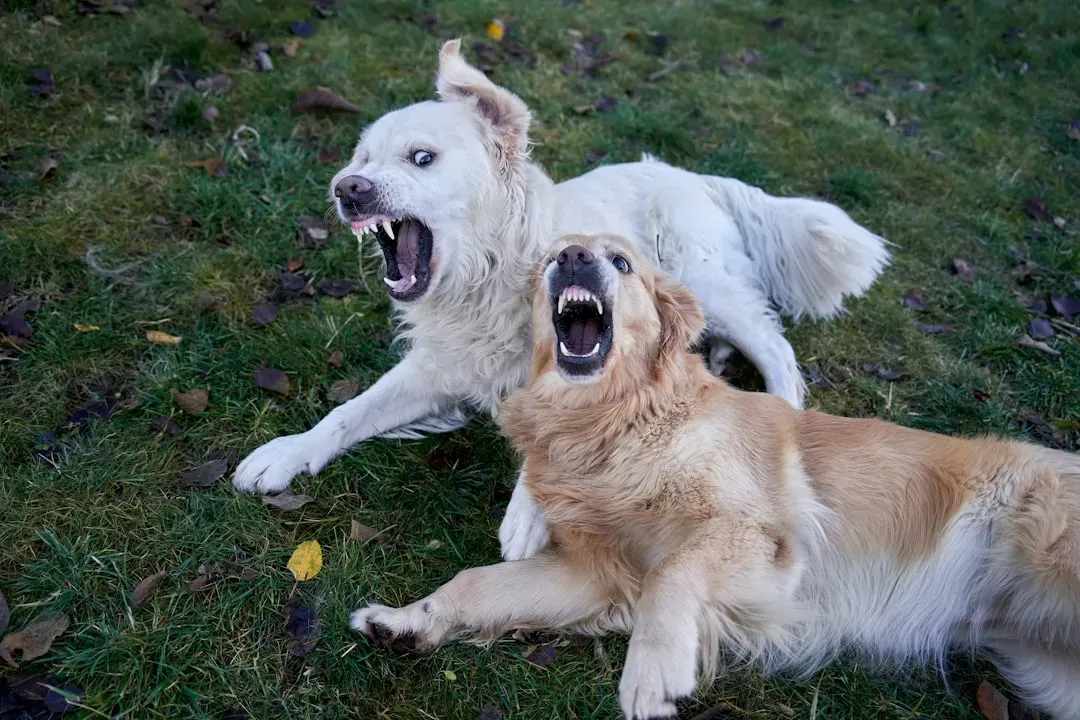
Growling is often the last warning, yet for many people, this is the first time they notice something is wrong. Growling is a clear expression of fear and discomfort. The dog will likely escalate to biting if the situation does not change. A surprising number of owners find their dog’s growl endearing or funny, laugh it off, or even scold the dog for it. That’s a mistake with real consequences.
If your dog feels punished for growling, he may fail to give you that final warning and instead escalate straight to the next level, biting. Think of the growl as your dog’s last-ditch attempt to communicate peacefully. It’s a warning sign that your dog is stressed, and you should never punish growling behavior. Warning behaviors like growling tell you that the current situation is more than your dog can handle, so it’s time for you to step in and ease your dog’s discomfort before the situation escalates.
#5: Lip Curling and Baring Teeth
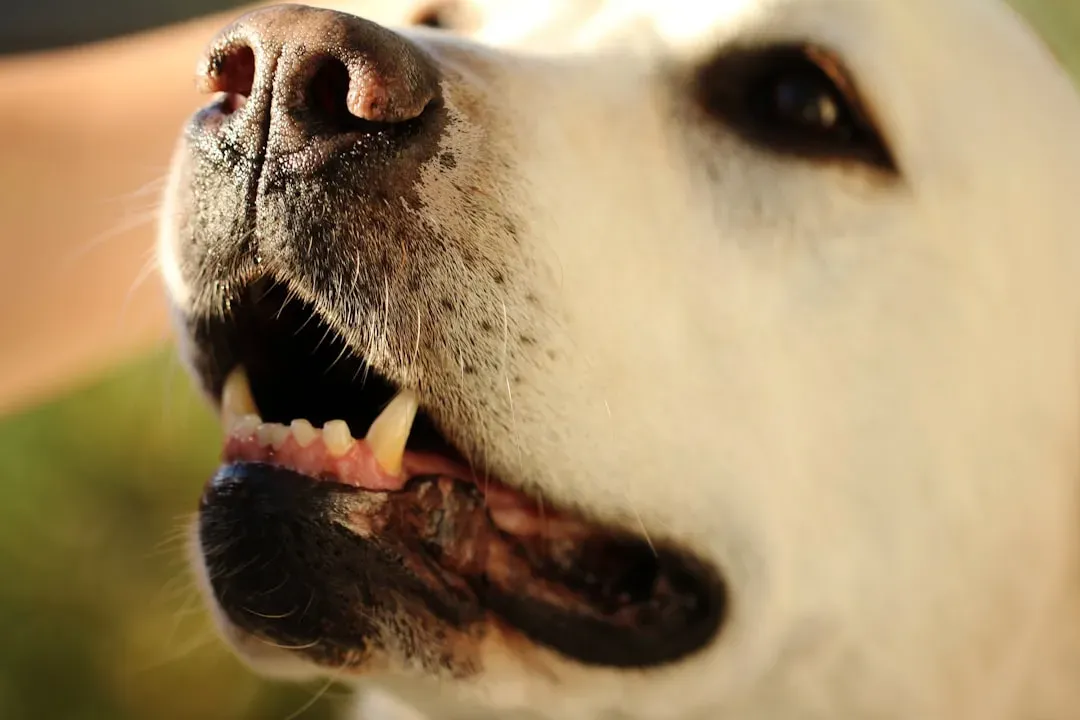
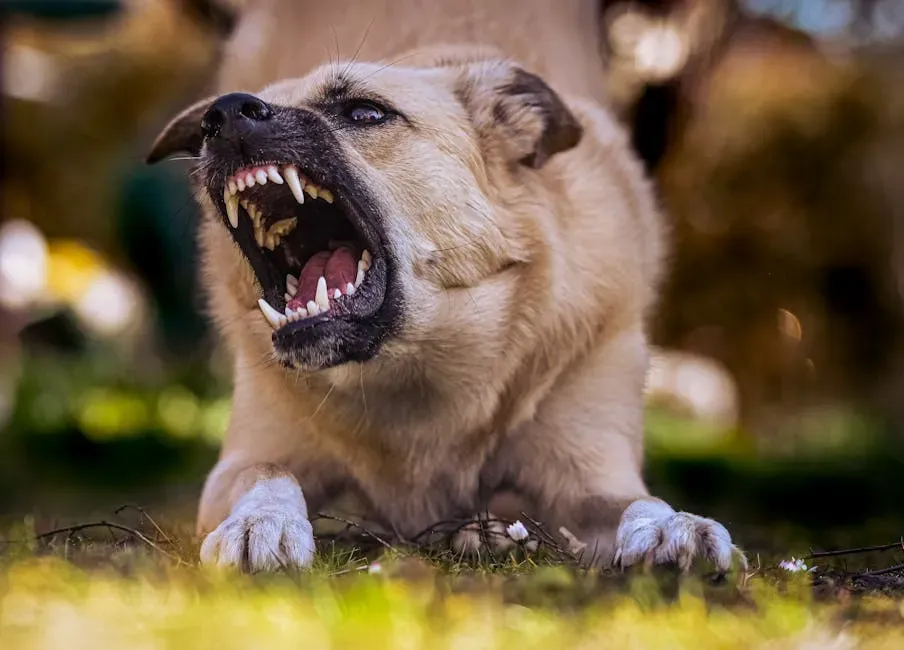
A dog that curls its lips and exposes its teeth is displaying a classic sign of aggression. This behavior, known as “baring teeth,” is a warning that the dog is prepared to bite if the perceived threat does not retreat. It is a defensive mechanism used to intimidate and protect itself. It’s one of the more unmistakable signals in a dog’s communication toolkit, yet some owners still explain it away as the dog “smiling.”
Snarling, which involves growling combined with showing teeth, is an escalation that signifies the dog’s readiness to defend itself if necessary. Lip curling can be extremely subtle at first, just a slight lift at the corner of the mouth. Over time, if the root cause isn’t addressed, it tends to become more pronounced and more quickly triggered. Ignoring the symptoms of canine aggressiveness definitely won’t help and will likely make matters worse.
#6: Resource Guarding Around Food, Toys, or Space
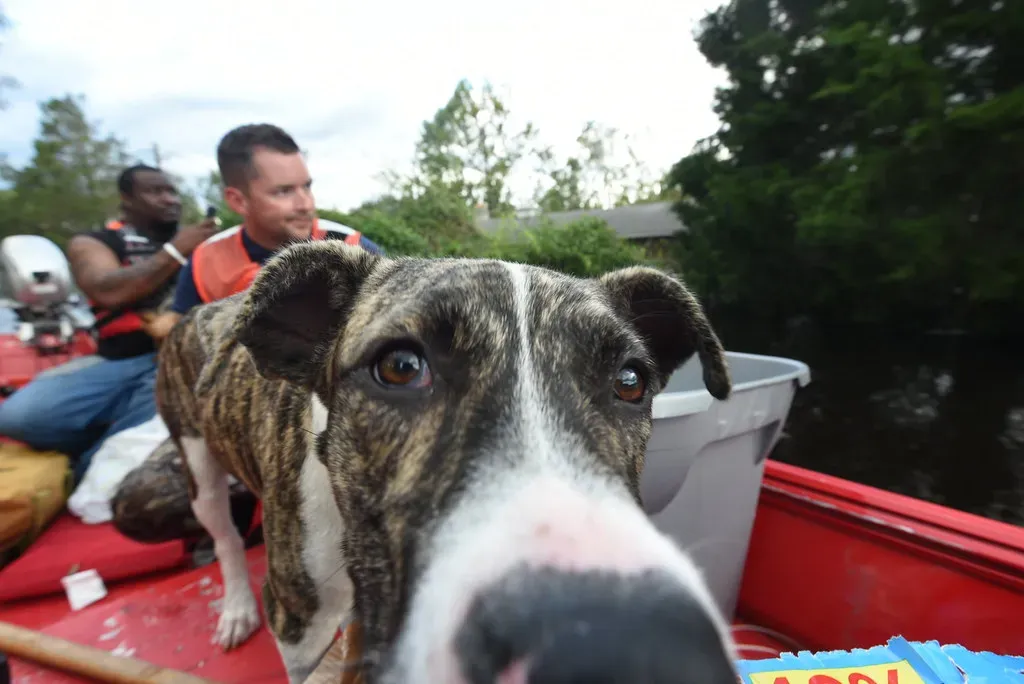
Resource guarding aggression occurs when a dog perceives a threat to a valued item such as food, toys, or resting areas. Many owners assume it’s just their dog being “protective of their stuff” and let it slide. In reality, resource guarding is a recognized aggression pattern that can escalate dramatically when not addressed early.
A dog may freeze, stiffen, or stare when someone approaches its food, toys, or bed. Growling or snapping near these items is a sign of guarding behavior and should be addressed early. The danger here is how normalized it becomes in households where it’s been happening for months or years. Episodes of aggression tend to be related to predictable triggers over resources, invasion of the dog’s personal space, and grooming or handling. Dogs with this diagnosis often learn that aggression is an effective tool for ceasing uncomfortable interactions.
#7: Snapping or Air Biting
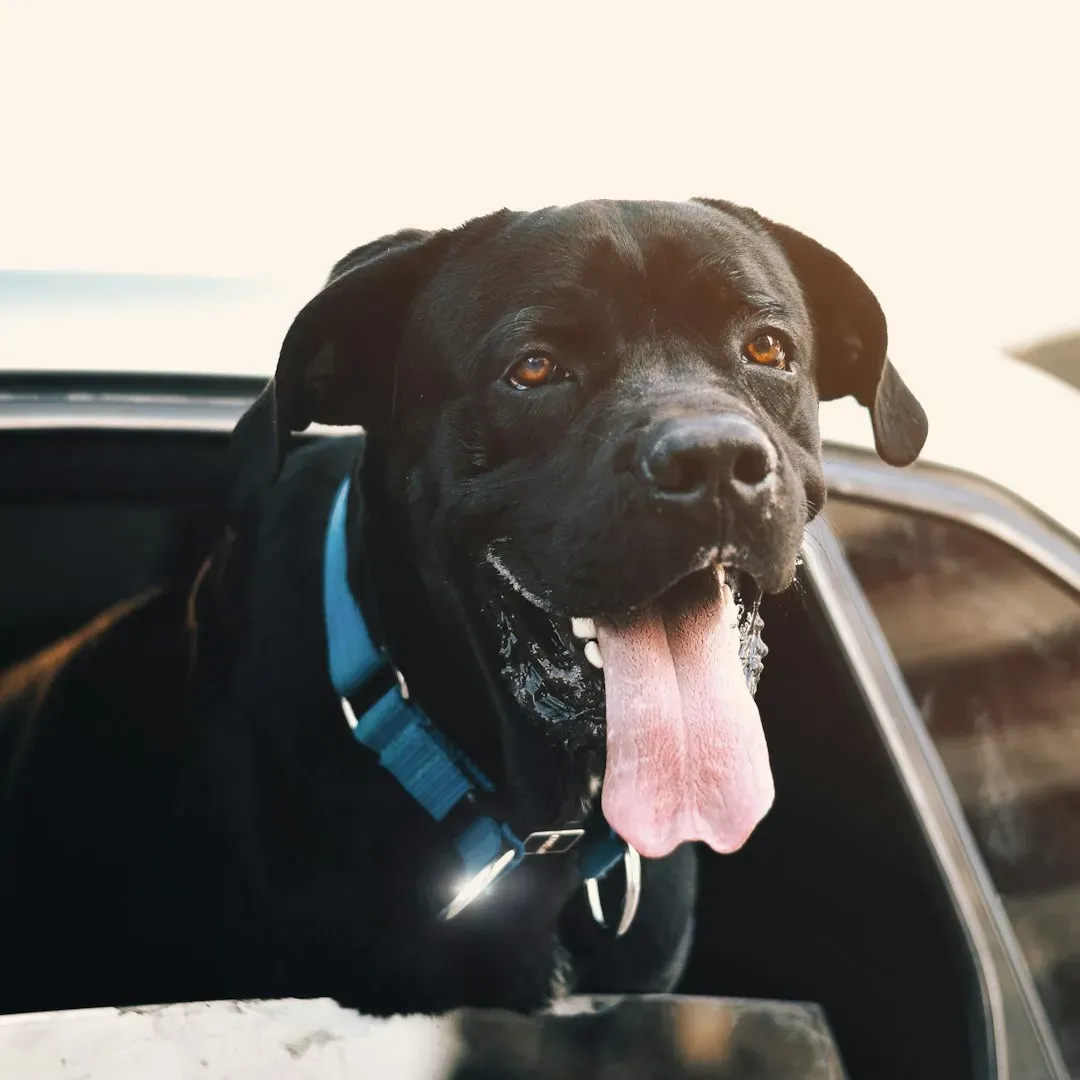
A snap that doesn’t make contact is often filed away as a near-miss or described as the dog “just playing.” It isn’t. Recognizing the warning signs of potential aggression is vital for preventing injuries to people and other animals. Before a dog bites, it may show signs such as body stiffness, growling, lunging without making contact, showing its teeth, and snarling. Air snapping is a dog communicating in the clearest possible terms, just without making full contact yet.
Bites are most likely to occur when a dog’s arousal level is high, when a dog is physically ill or in pain, or when prior lower-level displays of discomfort have been ignored. That last part is critical. Every time a snap is ignored, the dog learns that the behavior isn’t working and may need to escalate. What starts as a warning snap can become a full bite over time if the underlying cause is never identified or treated.
#8: Sudden, Unprovoked Personality Changes
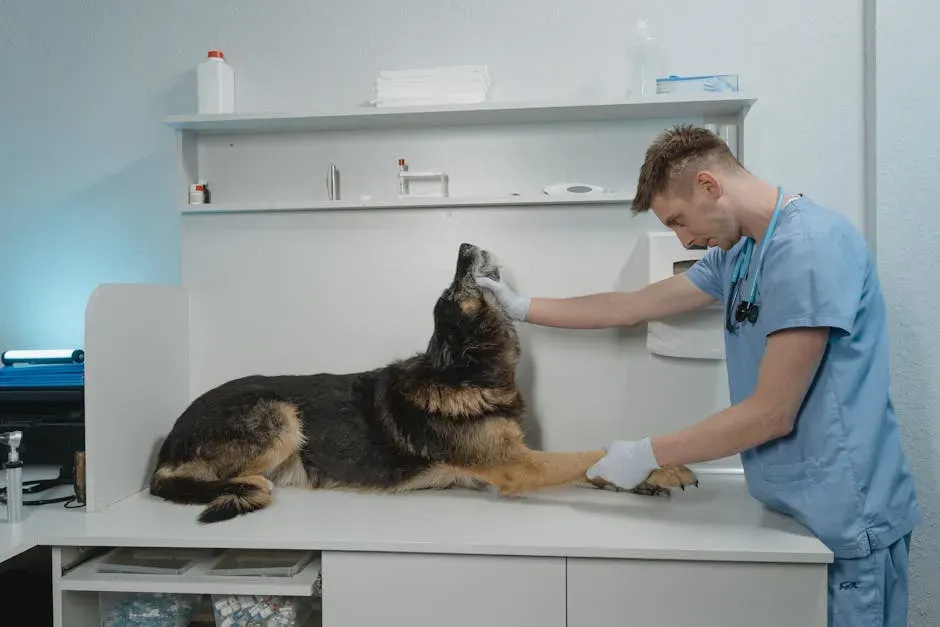
Any dog who has shown aggression should be examined by a veterinarian to rule out any medical problems. Pain, thyroid problems, illnesses, and hormonal imbalances can cause an otherwise friendly dog to be cranky or display aggression. Dogs with hearing or vision loss can also exhibit extreme changes in behavior. When a naturally easygoing dog starts reacting sharply to touch or proximity, it’s rarely a behavioral issue in isolation.
Dogs in pain or suffering from an injury can exhibit aggression with little to no warning when touched or approached, even by familiar individuals. It’s crucial to consult a veterinarian to rule out pain or underlying medical conditions as the cause of sudden aggression. A dog who has always been gentle and suddenly snaps when you pet its back might have a sore spot you can’t see. At the first sign of an aggressive act in a normally friendly dog, take him to a veterinarian for an examination to determine if there is a medical problem causing the aggressiveness. A number of medical conditions such as hydrocephalus, encephalitis, head trauma, brain tumors, and epilepsy could affect a dog’s judgment and cause inappropriate aggressive behavior.
#9: Excessive Leash Reactivity and Lunging
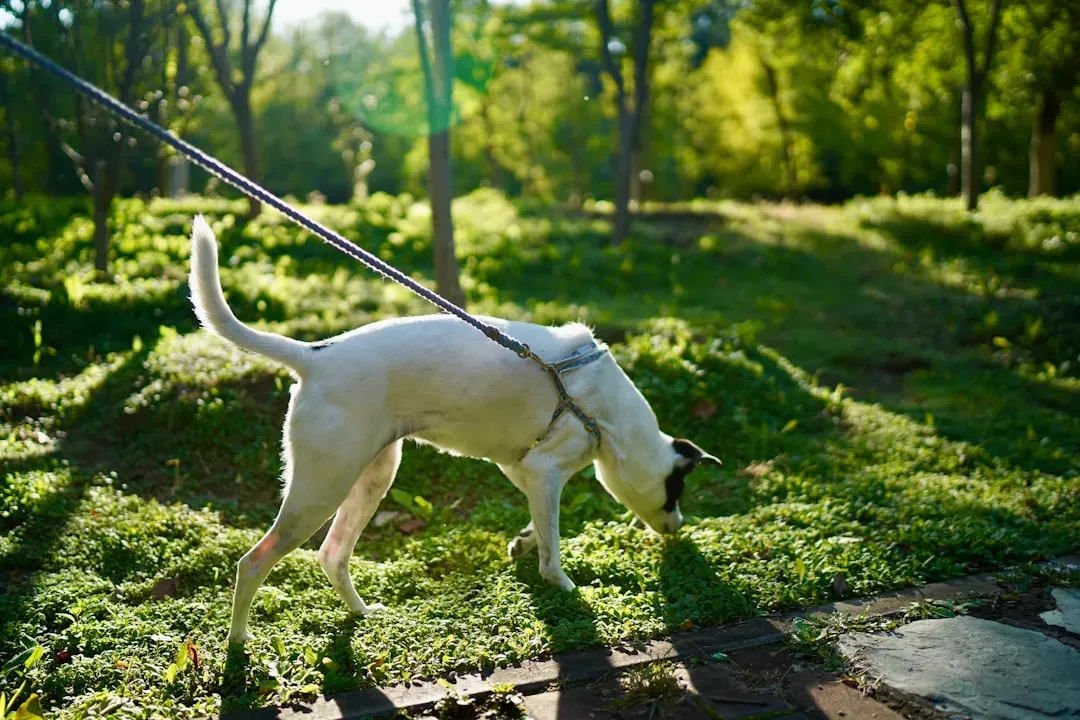
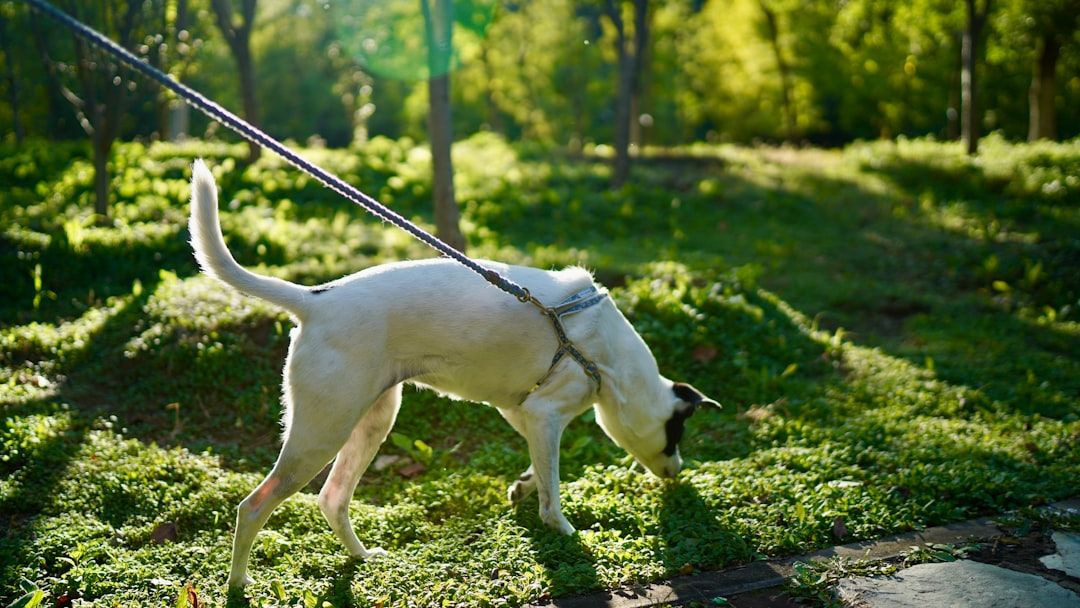
Leash aggression involves reactivity on leash due to frustration, fear, or feeling restrained, and may include barking, growling, or lunging during leashed walks. Many owners chalk this up to the dog just being “excited” or “badly trained.” While that may partly be true, consistent and escalating leash reactivity is one of the most overlooked early indicators that a dog has a broader aggression issue building beneath the surface.
Reactivity is an out-of-proportion or excessive response to a stimulus, often driven by anxiety or excitement. For example, an overly reactive dog might bark or lunge at people or dogs on walks, especially on leash, when the trigger is at a distance. This behavior is loud and intense but not necessarily intended to harm. Aggression, on the other hand, is purposeful threatening or harmful behavior. The line between the two can blur quickly. The more your dog practices aggressive behavior, the harder it will be to change. Early intervention matters enormously here.
#10: Fear-Based Behaviors That Get Dismissed as Shyness
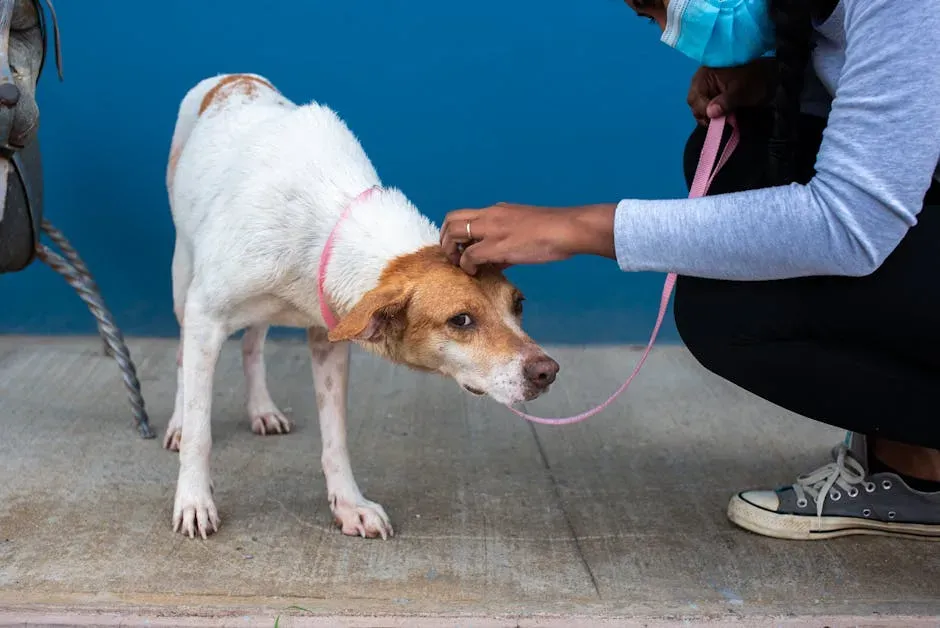
Fear or anxiety-related aggression is perhaps the most common form of aggression in dogs. Most types of aggression likely have a fear or anxiety component. Fearful dogs often initially exhibit defensive postures, such as barking while backing away or crouching. Owners of shy or timid dogs sometimes assume the dog will simply grow out of it. That’s a risky assumption.
A fearful dog will normally adopt fearful postures and retreat, but she may become aggressive if cornered or trapped. Some dogs will cower at the prospect of physical punishment but attack when a threatening person reaches for them. Fearful dogs sometimes run away from a person or animal who frightens them, but if the person or animal turns to leave, they come up from behind and nip. This is one of the most counterintuitive patterns in canine behavior. Dogs that have experienced abuse, neglect, or other traumatic events may display fear-based aggression to protect themselves from perceived threats. Trauma can also lead to increased anxiety, hyper-vigilance, and a lowered threshold for fear or frustration.
What You Should Do If You See These Signs
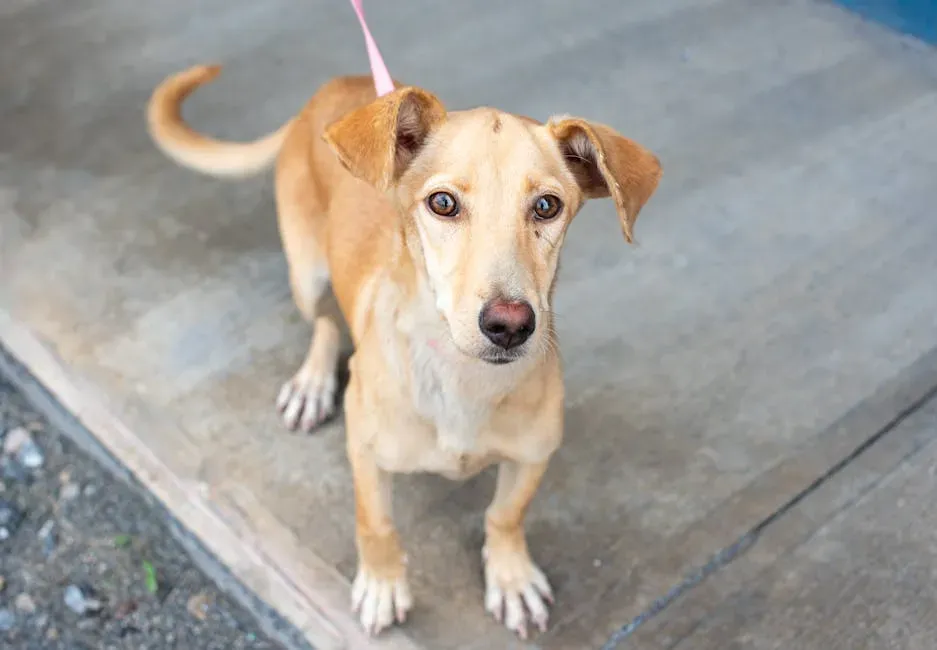
Recognizing a warning sign is only useful if you act on it. Seek the help of a professional at the first sign of aggressive behavior. In fact, most aggression is driven by fear, so intervening early if you have a fearful dog is best. Don’t wait for aggression to escalate to a bite or attack. The earlier the intervention, the better the outcome for both you and your dog.
Aggression is a disease that’s sometimes not curable. The sooner you obtain help for a dog with aggression, the easier it will be to help your dog live a more harmonious life with you. That doesn’t mean every aggressive dog is a lost cause. It means timing matters. The use of aggression can escalate quickly, and the more that dogs use it, the more they’re likely to use it in the future, so getting help early is crucial.
No matter how well you know your dog, do not attempt to treat your dog’s aggression yourself. Prompt professional intervention can keep your dog’s behavior from escalating and prevent harm to yourself, your family, other people, and animals. A certified behaviorist or veterinary professional can identify triggers, design a modification plan, and give you the tools to handle things safely.
Final Thoughts
Here’s the hard truth: most people don’t ignore warning signs out of negligence. They ignore them because they love their dog and don’t want the signs to mean what they mean. That’s entirely understandable. Dogs are family.
Aggression is not limited to large and loud dogs. Even small and timid dogs can exhibit aggressive behaviors. Understanding and identifying the specific types of aggression your dog displays is a crucial first step in addressing the behavior. This knowledge is essential for responsible pet ownership and ensures the safety and well-being of both dogs and the people around them.
Paying attention to these signals is not a betrayal of trust in your dog. It’s actually one of the most loving things you can do. Knowing your dog well enough to read its distress, before it boils over into something dangerous, is what genuine responsible ownership looks like. The warning signs were always there. Now you know where to look.


