

Most people who bring a hamster home genuinely believe they’re doing everything right. The cage looks set up, the food bowl is full, and the little creature seems to be doing its thing. Yet something often goes unnoticed – a slow, silent build-up of stress that many owners never connect to their own habits.
Hamsters are very sensitive creatures and are highly susceptible to stress, which in some cases can even lead to death. That’s not an exaggeration. It’s a fact that’s easy to gloss over when a hamster looks outwardly fine. The truth is, these animals are remarkably good at hiding discomfort, and the everyday mistakes that chip away at their wellbeing tend to be the hardest ones to spot.
#1: Keeping the Cage Too Small
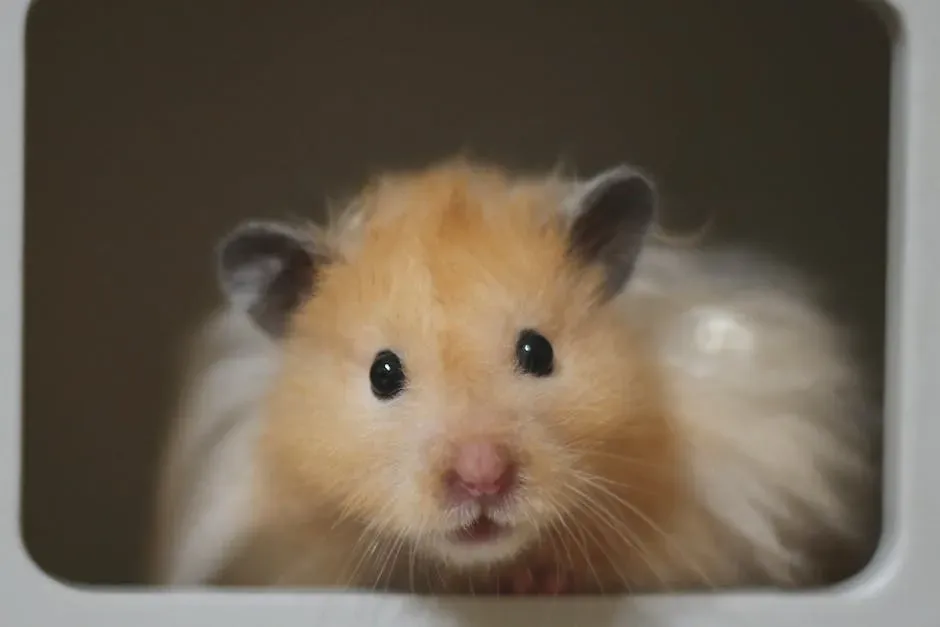
A cage that looks fine in a pet shop photo is not always fine for an actual living hamster. Many hamster cages are just too small, and not only will they be frustrated and stressed in a small cage, but it can cause behavioral problems such as bar chewing, hyperactivity, and aggression. These aren’t personality quirks – they’re distress signals.
Anything less than the lowest cage size recommendation often causes cage rage or stress, and small cages are very stressful to hamsters. Space isn’t a luxury for these animals. They need to explore, exercise, and burrow, so ensuring that a hamster’s space is large enough to accommodate these activities is vital. A roomy enclosure isn’t spoiling your hamster – it’s the bare minimum they need to feel okay.
#2: Waking Them During the Day

Hamsters are nocturnal, which means they sleep all day and are up all night. Anyone who has had a hamster in their bedroom certainly knows this. While you might be tempted to handle your hamster during the day, try not to do it – you’d be grumpy too if some giant kept trying to pick you up while you were sleeping. Aim for handling your pet only in the evenings.
This is one of the most common and well-meaning mistakes owners make. Kids especially want to play with their pet when it’s convenient for them, not when it’s natural for the hamster. A hamster isn’t going to be happy if it can’t sleep because of noise from people, the TV, and the general goings-on in a household. If a hamster can have a long, uninterrupted sleep, they will be a much happier hamster when they’re naturally awake.
#3: Handling Too Roughly or Too Suddenly
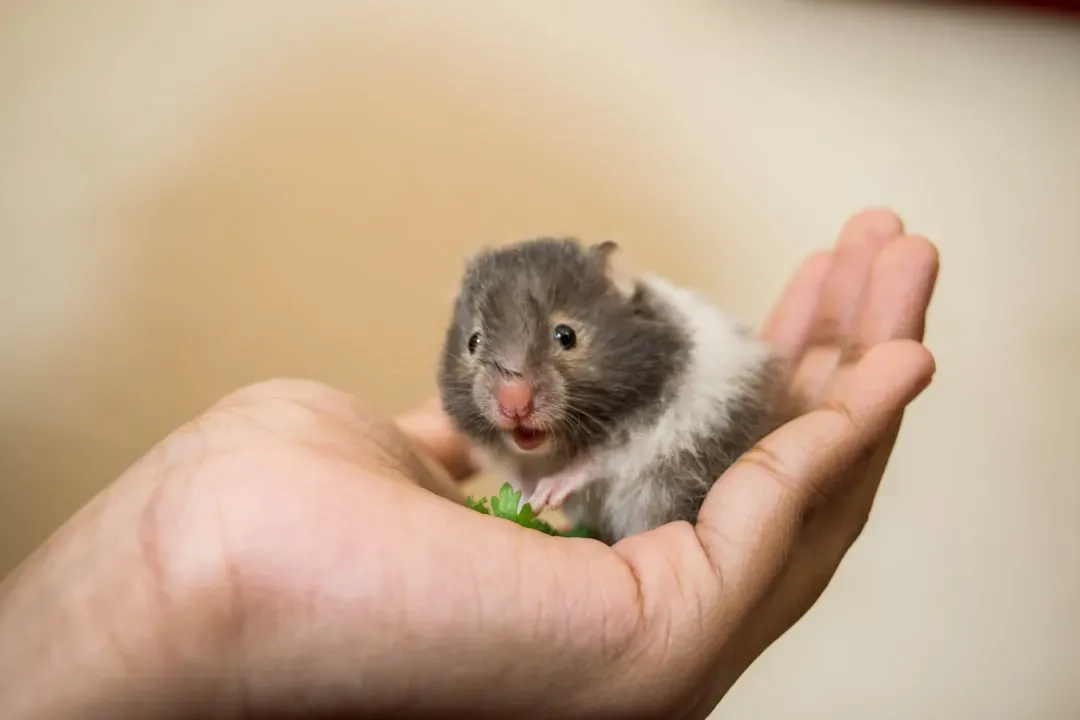
Grabbing a hamster by the scruff or from above can scare them. Hamsters are prey animals, so sudden movements or rough handling can make them feel very stressed and scared. Many first-time owners don’t realize how powerful that instinct runs. Even a fast hand movement from above triggers the same internal alarm as a hawk diving from the sky.
When handling a hamster, movements should always be gentle and slow. Talk to them quietly and calmly. If the hamster is a new pet, give them time to become accustomed to you – offer your hand with your palm up, and let them smell you. This way, they become familiar with your scent. Speaking of scent, avoid wearing any scented lotions or perfumes while handling your hamster.
#4: Over-Cleaning the Cage
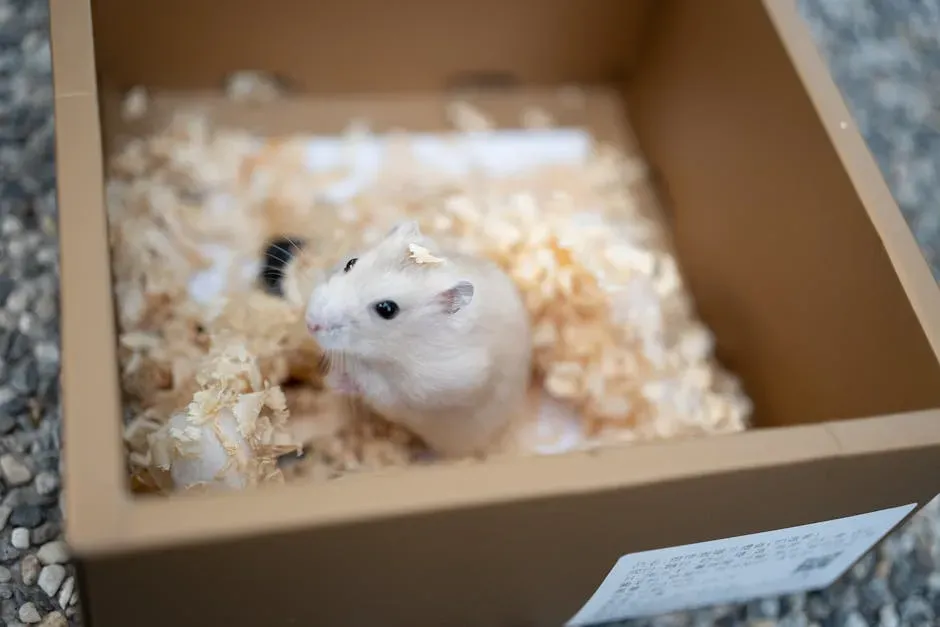
Hamsters heavily rely on their sense of smell for everything, and removing their scent from the cage by regularly cleaning everything will only cause more stress. It’s important for them to have a safe and clean home, but spot cleaning is the best way to go. When you scrub every surface at once, you’re essentially wiping out the entire scent map they’ve built of their home.
When you do a full clean, always put some of their old nesting material back into the cage to provide them with their scent. That small gesture matters more than most owners realize. Something as simple as moving things around in the cage can also stress out a hamster. When cleaning your pet’s habitat, try to put everything back the way that you found it. Familiarity is a form of comfort for these small animals.
#5: Not Providing Enough Bedding Depth
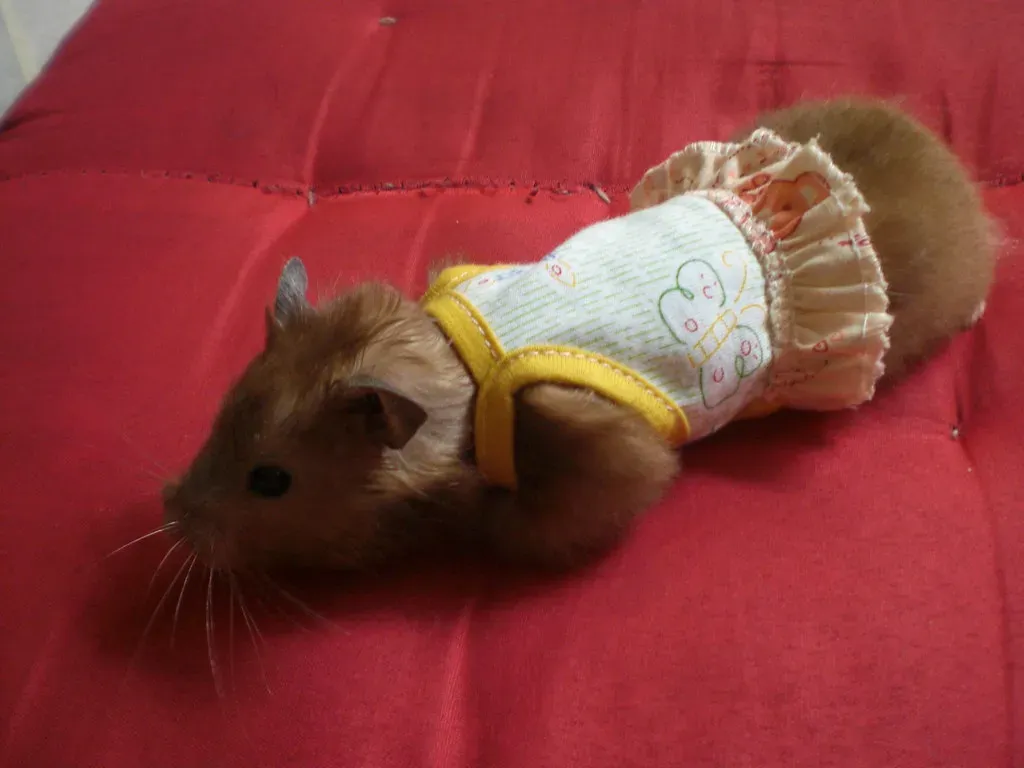
Shallow bedding is one of those things that looks perfectly adequate until you understand what hamsters actually need it for. Scientists researched hamster bedding depth’s influence on behavior in male Syrian hamsters. They found that at 10 cm of bedding, hamsters showed more stereotypical behavior like bar biting and excessive wheel use. At 40 cm of bedding, hamsters could perform natural behaviors like burrowing and showed a reduction in stress.
At 80 cm of bedding depth, bar biting completely stopped and average body weight rose significantly. That’s a striking difference, and it comes down to one of the most fundamental things a hamster needs: the ability to dig and tunnel. Giving a hamster a really thick layer of substrate allows them to burrow and make tunnels, which is what they do in the wild. It’s not decorative – it’s essential for their mental health.
#6: Placing the Cage Near Loud Noise or Other Pets

In the wild, hamsters serve as prey to many predators. Even in a cage, their instinct is to react quickly to danger and flee to guarantee their survival. This natural instinct causes them to be vulnerable to stress and to require a positive environment in order to feel safe. Placing a cage next to a speaker, TV, or in a busy household hallway works directly against that need.
A hamster’s stress level will be significantly increased by nearby animals, as they are prey animals. Stress affects their lifespan and overall health. Even if safe in their enclosure, the hamster does not know this and will still be very, very frightened if other pets are nearby. A dog sniffing curiously at a cage or a cat simply sitting nearby can feel, from a hamster’s perspective, like a predator circling. It doesn’t matter how calm the dog is.
#7: Using a Wheel That’s the Wrong Size or Type
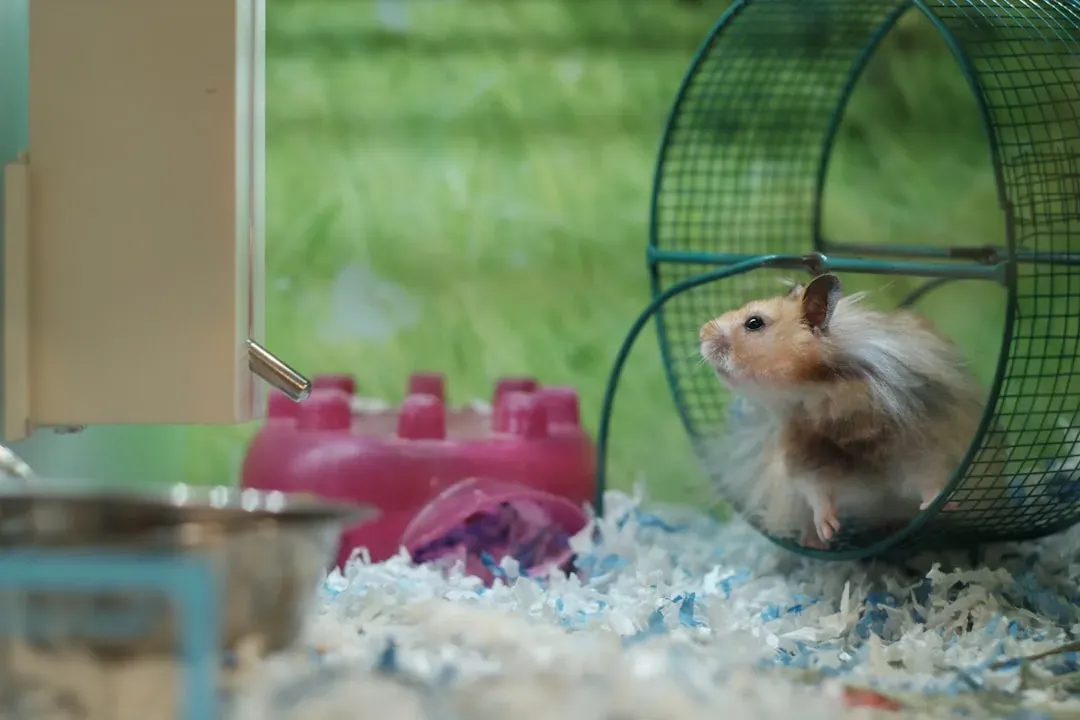
Many commercially sold wheels, especially those included in starter cages, are far too small and often designed with rungs, bars, or mesh flooring. These may look “fun” or resemble exercise wheels for other animals, but they’re not built with a hamster’s unique anatomy in mind. Running on a wheel that forces their spine to arch the wrong way causes physical discomfort every single night.
Mesh wheels without a solid bottom may be self-cleaning, but they are dangerous. A hamster’s legs can get caught and injured, sometimes requiring amputation. Bumblefoot, an infection caused by a sore getting contaminated with urine and feces, is another risk. Hamsters are very active and need exercise to stay healthy. Their exercise wheel is extremely important for both their physical health and their mental happiness. Without a proper wheel, they can get bored, stressed, or even become overweight.
#8: Keeping Two Hamsters Together
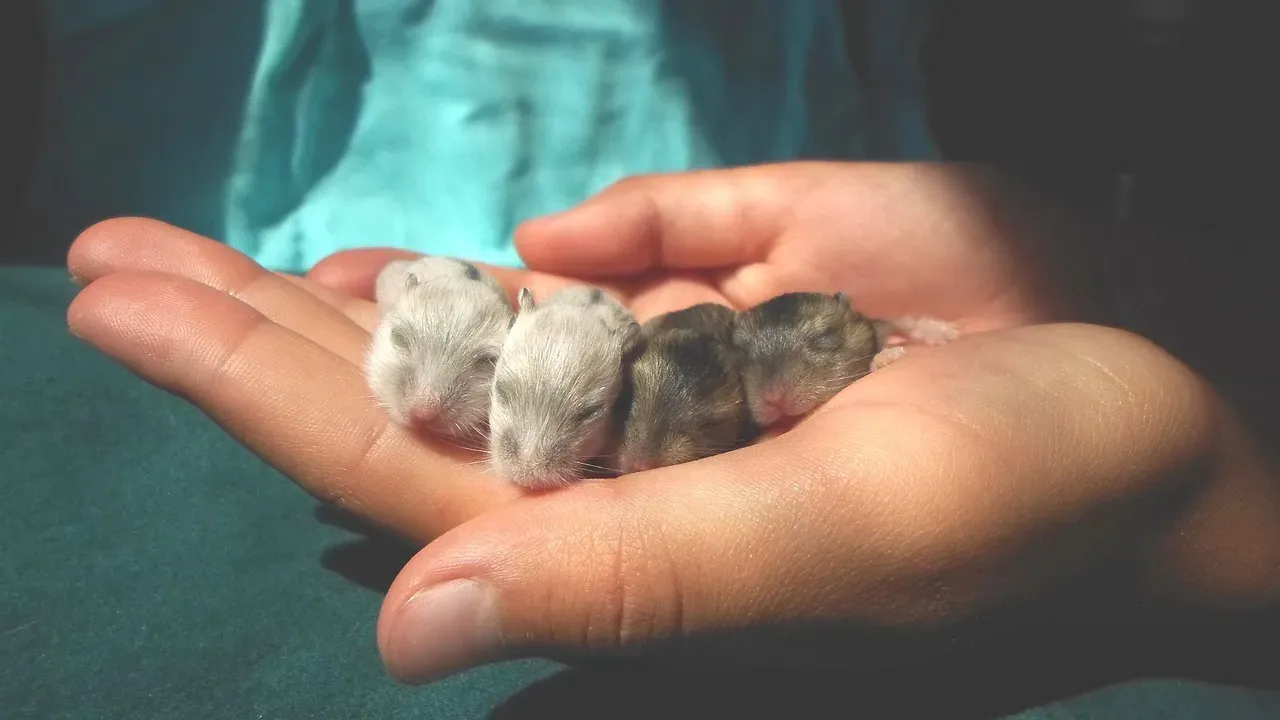
Hamsters are territorial, particularly with hamsters of the same sex. It’s best to keep your pet by itself – it won’t get lonely. If you keep several hamsters together, you can expect there to be occasional fights. Despite what pet store setups sometimes suggest, most hamster species are solitary by nature and genuinely prefer to live alone.
Hamsters tend to prefer to live on their own depending on the breed, so they may not cope well with a cage mate. A hamster doesn’t need a companion – they need space, security, and enrichment. Forcing company on a creature that evolved to be solitary doesn’t provide social comfort. It creates a territorial threat the hamster can never fully escape from.
#9: Disrupting Their Environment with Constant Changes
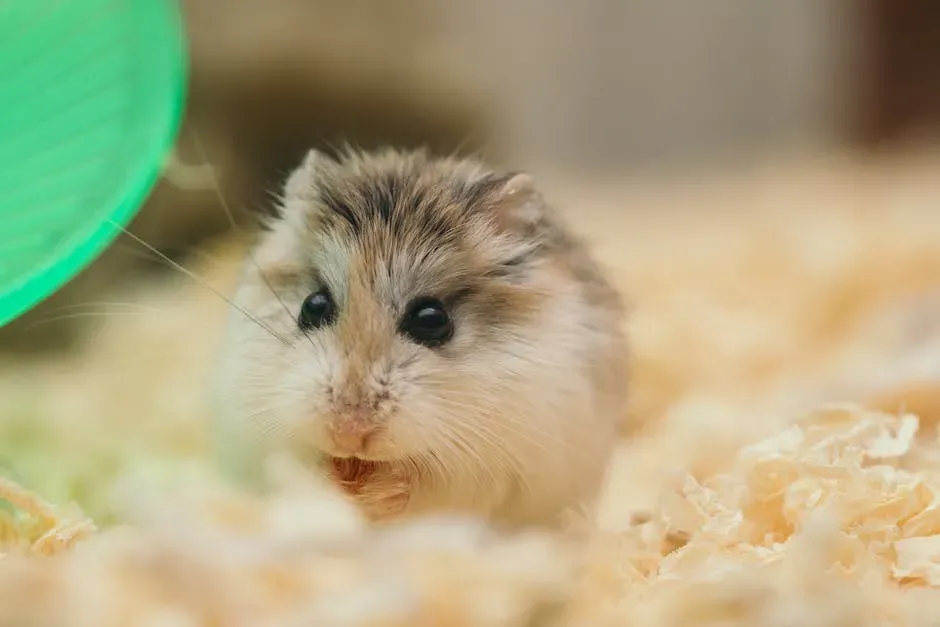
Change can be hard for pets and even humans. Something as simple as a new cage or moving things around in the cage can also stress out a hamster. When cleaning your pet’s habitat, try to put everything back the way that you found it, and only move the cage or swap it for a new one if absolutely necessary. Hamsters are creatures of repetition. Their sense of security comes from knowing exactly where everything is.
Be sure to add only one new toy and remove only one old one at a time, because too much change at once can cause stress. This is especially easy to underestimate. What feels like a fun upgrade to an owner – a whole new arrangement, fresh decorations, different tunnels – can feel deeply disorienting to a hamster who relies on smell and memory to navigate their world. Go slowly, change minimally, and let them adjust on their own terms.
#10: Not Providing Enough Mental Stimulation

A hamster can get stressed from being bored. They need enough toys to stay entertained, everything from chew toys to tunnels and hideaways. Giving them multiple places to hide will definitely do them some good. Boredom in hamsters doesn’t look like a cat napping on a couch. It shows up as repetitive, anxious behaviors that get mistaken for quirkiness.
Bar chewing and bar climbing are the most tell-tale signs that a hamster needs more enrichment. They may be small, but their brains need a lot of stimulation. Hamsters explore with their teeth, nose, and whiskers – if they have nothing to chew, smell, or feel, they’re going to get bored. Scatter feeding can be really good as it provides them with a foraging instinct, which is what they would naturally do in the wild. Small additions like this can make a real difference to a hamster’s day.
#11: Ignoring Subtle Signs of Stress
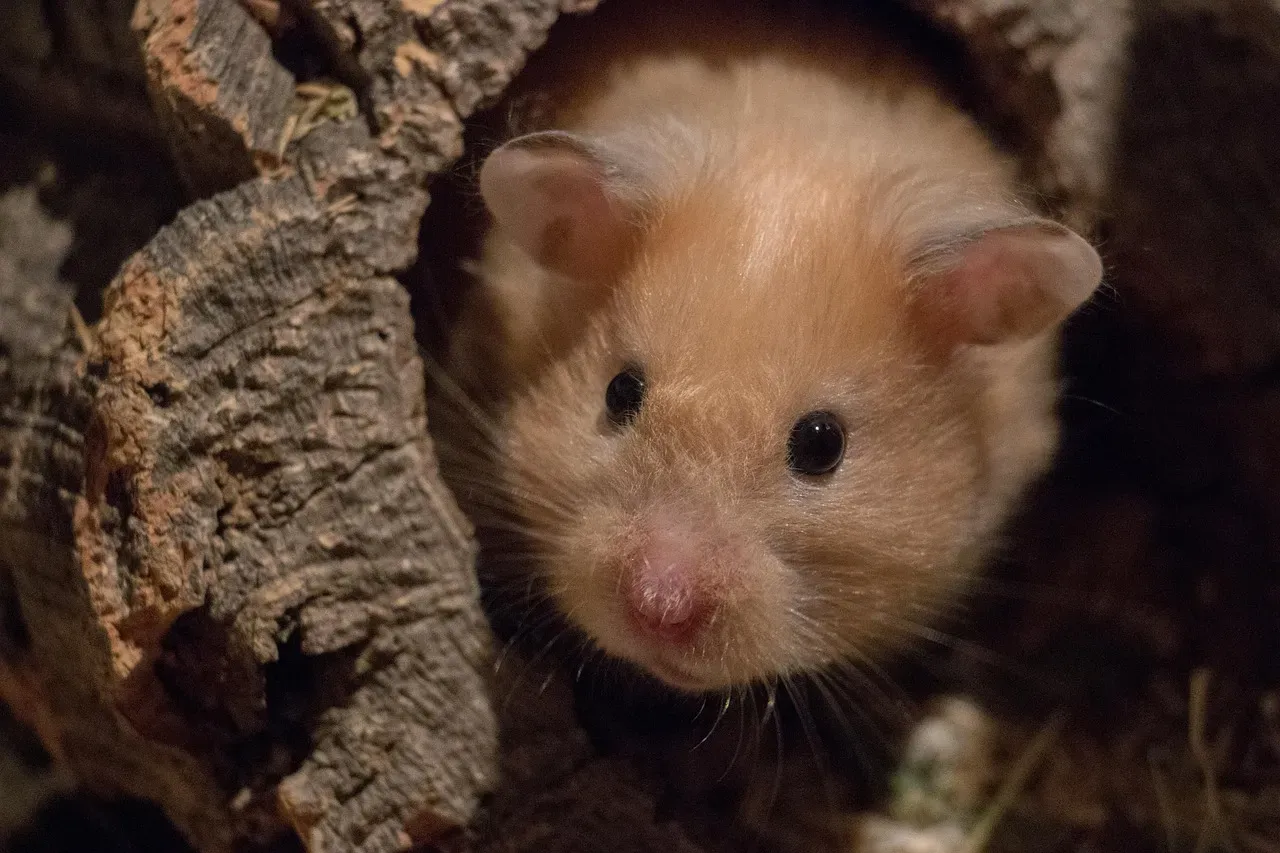
As hamsters are prey animals, they’re very good at hiding signs of illness and stress to avoid looking weak to predators. This evolutionary survival strategy works against them in a domestic setting, because owners often don’t catch the early signs. Hamsters have high metabolic rates and can lose condition quickly if they’re unwell. They don’t show outward signs of pain, so may suffer before you realise.
Knowing what to watch for makes a genuine difference. Stressed hamsters are much more likely to exhibit aggressive behavior. Repetitive behaviors like furiously digging, licking, scratching, or running in circles are all signs of a stressed hamster. Overgrooming is also a sign of stress, which can eventually lead to bald patches. Beyond pulling out fur, stress can lead to a change in the hamster’s fur over time. Biting the cage bars is another common stress indicator. None of these are random habits – they’re communications worth listening to.
#12: Not Letting New Hamsters Settle In Properly

If a hamster has only recently been brought home, it’s crucial to give them some time to adjust to their new surroundings. Being taken from one environment to another can be so stressful for them because they are prey animals. Any new smells and sounds will register as a threat to them, until they learn otherwise. The first few days in a new home are critical, and the instinct to immediately bond with a new pet can actually set the relationship back.
When you bring a hamster home for the first time, it helps to leave some of their old nesting materials in their cage for a source of comfort, as it’s the only smell they know and recognize. Give them at least a day to settle in before going in to see them. Do not start to handle them right away, as you’re still unknown to them. Instead, sit next to the cage and speak to them quietly while offering a treat. Patience at the start builds the kind of trust that lasts for the rest of their life.
Final Thoughts: Small Animal, Real Needs
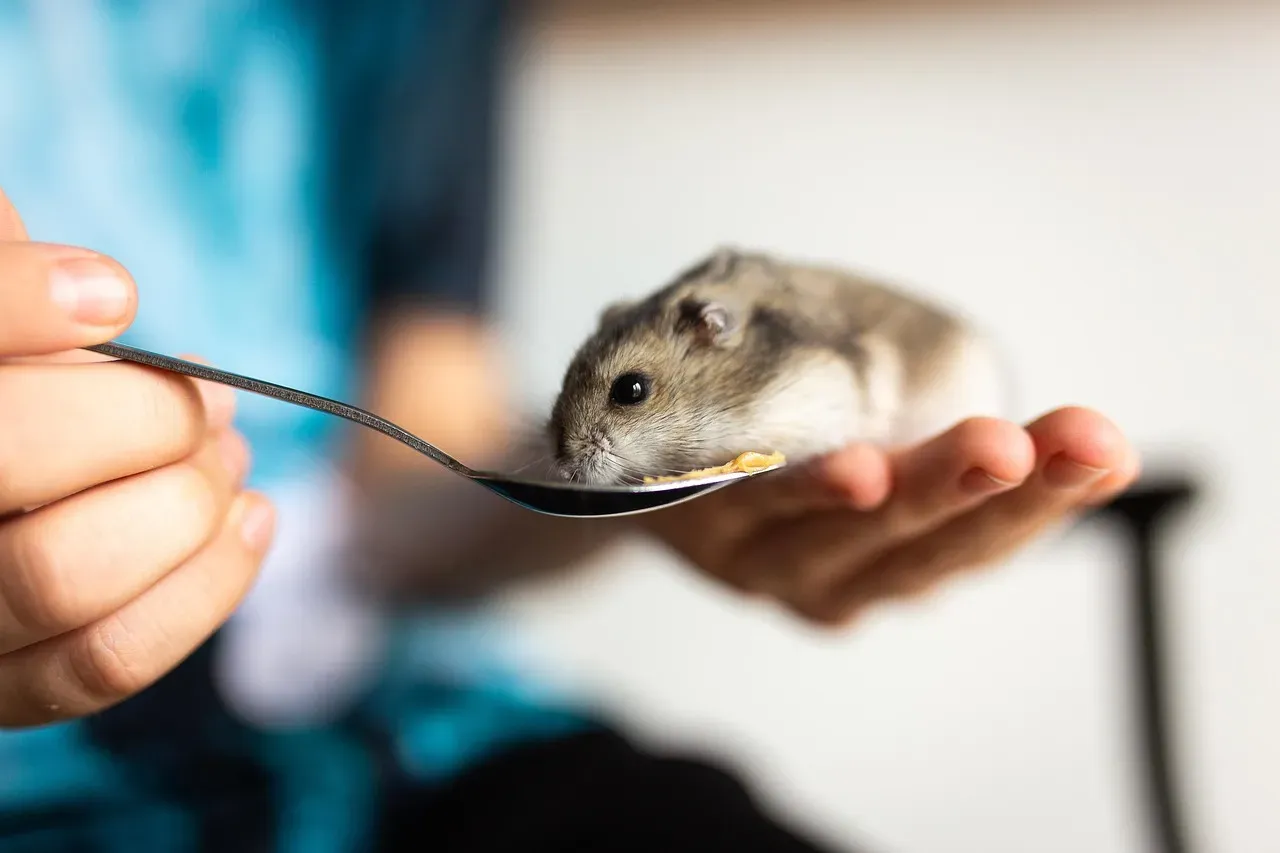
There’s a quiet assumption that follows hamsters around – that because they’re small and relatively inexpensive, their care is simple. That assumption is what causes most of these mistakes to persist. Hamsters are very susceptible to stress, and sudden stress can put extra strain on their heart and other organs. If they are old or have poor underlying health, they are even more at risk.
The good news is that almost every item on this list is fixable without major effort or expense. More bedding, a quieter room, a solid-surface wheel, some scattered food for foraging – these aren’t dramatic interventions. They’re small adjustments that add up to a fundamentally better life for an animal that has no way to ask for what it needs.
Hamsters don’t get to negotiate their environment. They get what they’re given. That reality puts the responsibility squarely on the owner – and once you know what you’re looking for, it’s hard not to take it seriously. A little knowledge, applied consistently, can be the difference between a hamster that merely survives and one that genuinely thrives.


