

Dogs are one of retirement’s great pleasures. A steady companion by your side, a reason to take a morning walk, a warm presence during quiet afternoons. The bond is real and the benefits are well documented. But here’s what nobody tends to mention at the breeder’s door or in the glossy magazine feature about charming dog breeds: some of these animals come with a financial burden that can quietly erode a retirement budget over time.
Retirees who underestimate the long-term costs of certain breeds may strain their budgets. Veterinary bills, food, insurance, and training all add up. The breeds below aren’t bad dogs. Many of them are magnificent, loyal, and deeply lovable. The problem isn’t their personality. It’s the price tag attached to keeping them healthy and comfortable, year after year, on a fixed income.
#1. The Great Dane
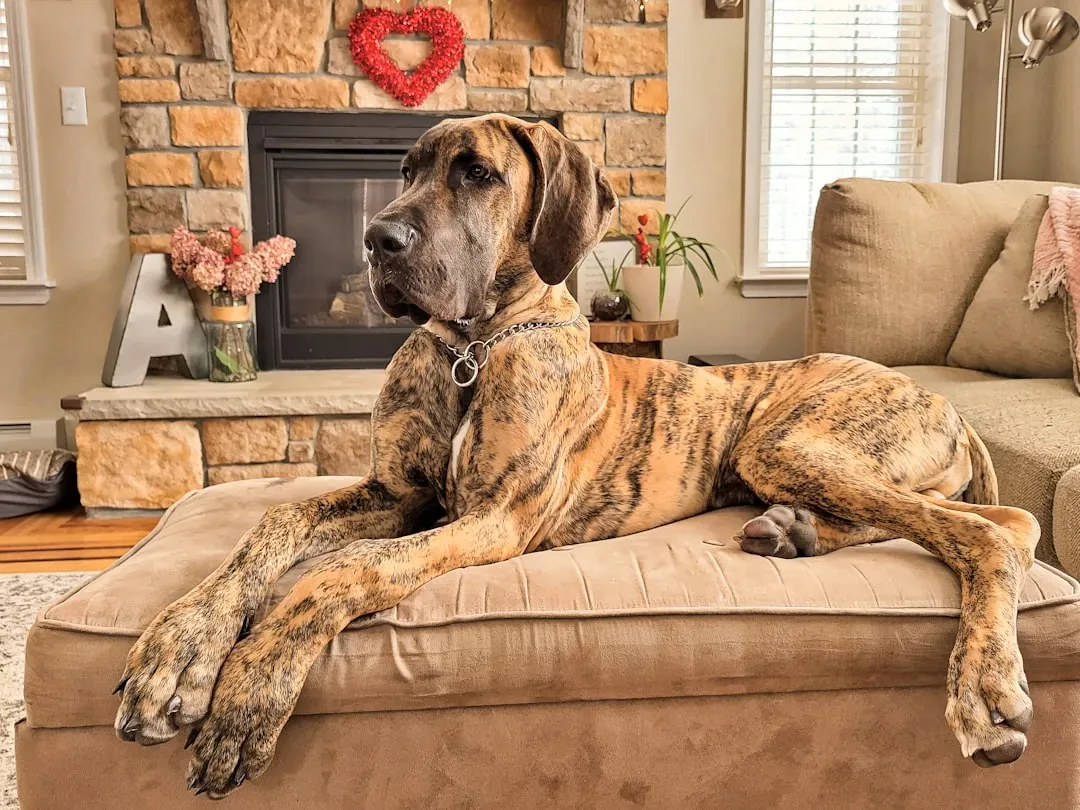
The Great Dane stands out as an impressive giant dog breed in the US. Their impressive size means feeding large quantities of quality dog food and investing in oversized accessories like beds, harnesses, and collars. For a retiree living in a smaller home or apartment, this is already a mismatch in practical terms before the vet bills even begin.
Health-wise, Great Danes are known to be at risk for bloat, a life-threatening condition requiring costly surgery, which makes pet insurance a sensible investment. The Great Dane can cost a whopping 63% more to insure than the average dog. Pair that with a lifespan that often falls well short of ten years, and you’re looking at enormous costs compressed into a brief window of time.
#2. The Bernese Mountain Dog
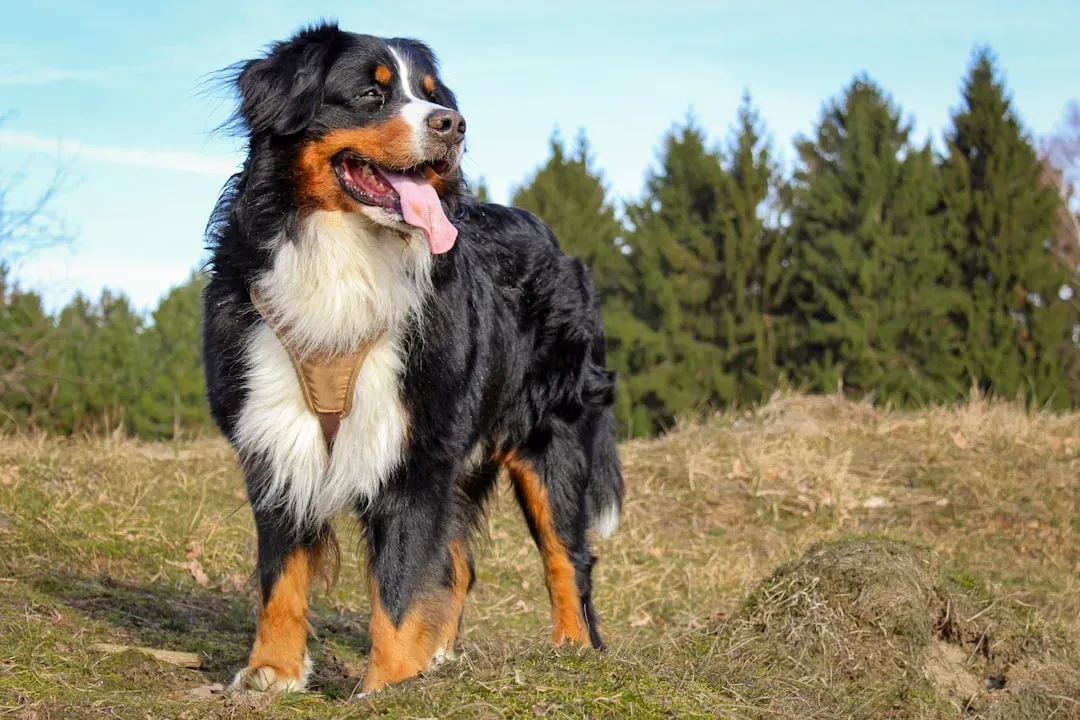
Bernese Mountain Dogs cost roughly $3,500 per year, with a documented cancer mortality rate of roughly 50%. Their 7 to 10 year lifespan and purchase price make the per-year effective cost among the highest of any popular breed. That statistic is worth pausing on. A dog you fall in love with may be gone in under a decade, and the journey there will likely involve significant medical expense.
Cancer kills an estimated 50% of Bernese Mountain Dogs, making it the leading cause of death for the breed. Histiocytic sarcoma, a cancer particularly associated with Berners, is aggressive and has limited treatment options. A Bernese Mountain Dog costs approximately $3,500 per year in ongoing expenses including veterinary care, food, and grooming. On a retirement income, that number deserves serious consideration before any commitment is made.
#3. The French Bulldog

Though small, the French Bulldog is one of America’s most popular breeds and can be very expensive to maintain. Due to their unique breeding needs involving narrow hips and large heads, many puppies require artificial insemination and cesarean deliveries. High insurance costs and routine veterinary visits for respiratory and orthopedic issues add up quickly. Their compact size fools many people into assuming affordability, and that assumption tends to be costly.
French Bulldogs require corrective surgeries for brachycephalic syndrome, often costing over $1,000 per procedure, with lifetime veterinary costs estimated at $12,000. Mixed-breed dogs are usually the cheapest to insure, while French Bulldogs are the priciest. For a senior on a tight monthly budget, these kinds of unpredictable medical events can be genuinely destabilizing.
#4. The Samoyed

Samoyeds shed heavily and need daily grooming, plus they require lots of exercise to stay happy, which makes them a more demanding breed to own. That beautiful white coat doesn’t maintain itself. Professional grooming appointments are a recurring necessity, not an occasional luxury. If you purchase your pup from a breeder, plan for an average cost of $4,000 to $8,000.
Samoyeds are at risk of health problems that can cost a lot of money, like autoimmune diseases and heart conditions. Autoimmune disorders in Samoyeds typically involve lifelong medication costs. Between the grooming demands that require consistent physical stamina from the owner and the health conditions that escalate with age, Samoyeds present a layered financial challenge that retired seniors may find overwhelming.
#5. The Cavalier King Charles Spaniel

Cavaliers have the highest rate of mitral valve disease of any breed, with nearly 100% developing it by age 10. MVD requires lifelong medication, specialized cardiac monitoring, and eventual heart failure management. On the surface, this breed looks like an ideal senior companion. They’re small, gentle, and deeply affectionate. The health reality, however, tells a more complicated story.
Syringomyelia, a neurological condition, affects between 50 and 90 percent of the breed, requiring MRI diagnosis and treatment. Lifetime vet costs often exceed $15,000 to $30,000. Because MVD is a breed-specific trait, it is not a matter of “if” for many, but “when.” Management of MVD is not a one-off veterinary visit; it is a lifelong commitment to monitoring. Loving this breed means being financially prepared for a medical marathon.
#6. The Irish Wolfhound

The tallest dog breed globally, the Irish Wolfhound needs generously sized living space and a nutrient-rich diet. Their large size drives frequent purchases of oversized accessories and veterinary evaluations for common giant dog ailments. These are not casual expenses. They accumulate month after month in ways that can catch owners off guard.
Despite their strength and size, Irish Wolfhounds have one of the shortest life expectancies among dogs, averaging 6 to 8 years. Their large bodies age quickly, which shortens the time we get to spend with them. Several health conditions make Irish Wolfhounds prone to shorter lives, including bone cancer and dilated cardiomyopathy, a major heart concern. The emotional and financial toll of losing a beloved dog so quickly, after having invested so heavily, is something retired seniors deserve to understand upfront.
#7. The Chow Chow

Known for its distinctive lion-like looks and thick fur, the Chow Chow often encounters chronic health issues such as autoimmune diseases and eye conditions. Their maintenance costs are significant due to medical and grooming needs associated with this uniquely temperamental breed. The Chow Chow is also known for being an independent, sometimes stubborn dog, which makes training an investment in itself.
Chow Chows are prone to certain health issues, including hip and elbow dysplasia, entropion, skin problems, and thyroid disorders. Responsible owners should budget for insurance, typically $500 to $900 per year, as well as potential treatments or surgeries that can cost several thousand dollars over the dog’s lifetime. Chow Chows require frequent grooming to maintain their thick coat and regular cleaning of skin folds to prevent infections. None of these are small commitments, and they rarely decrease with the dog’s age.
#8. The Rottweiler

Rottweilers are strong, protective dogs with loyal hearts, but they often face higher insurance premiums. Their size increases feeding costs, and joint issues are common. Cancer is also prevalent in the breed, requiring costly treatment. While their imposing reputation sometimes overshadows their affectionate nature, the financial reality of ownership is the most pressing concern for retirees.
Rottweilers are prone to several health concerns, including hip and elbow dysplasia, heart disease, cruciate ligament injuries, and certain cancers. Responsible owners should plan for $500 to $800 per year in pet insurance, along with the possibility of orthopedic or cardiac treatments that may reach several thousand dollars over the dog’s lifetime. On a detailed short list of dogs with the highest average insurance claims, Rottweilers placed first with an average claim amount of $567.53. That figure reflects a consistent pattern of costly medical needs.
#9. The Tibetan Mastiff

Breeding and raising Tibetan Mastiffs is expensive on its own. They are a giant breed, which means higher costs for food, veterinary care, housing, grooming, and responsible breeding practices. This is a dog that commands serious resources just to sustain at a basic level. For many retired households, the sheer logistics of physical management become a concern too, given the breed’s size and strength.
Tibetan Mastiffs can weigh up to 150 pounds and have an average life expectancy of 10 to 12 years. These dogs need to be groomed often, and they’re more likely to have genetic conditions like hypothyroidism and hip dysplasia, which can result in expensive vet costs for owners. Bigger dogs require more food, with breeds like the Tibetan Mastiff consuming significant monthly amounts in high-protein diets, and supplies like oversized crates and orthopedic dog beds add to the expenses. The total picture is one of relentless, large-scale financial commitment.
#10. The Afghan Hound

With its flowing, silky coat and regal posture, the Afghan Hound looks like it just walked off a fashion runway. But beauty comes at a cost: the lifetime cost of these elegant hounds can be tens of thousands of dollars. These dogs have some of the highest pet insurance claims due to genetic health issues. Plus, grooming them is practically a full-time job.
Afghan Hounds require professional grooming every 4 to 6 weeks, costing between $80 and $150 per session due to their long, silky coat. Their health conditions might cost additional money as they’re predisposed to cataracts and hypothyroidism, which can cost up to $3,000. For a retiree who may have physical limitations making home coat maintenance difficult, the Afghan Hound’s grooming demands alone can make ownership genuinely impractical.
The Bottom Line for Retired Seniors

This list isn’t meant to discourage dog ownership in retirement. It’s meant to encourage honest thinking about it. Dog companionship carries real, documented benefits for older adults, and for many retirees, a dog is not a luxury but a genuine emotional necessity. The choice of breed, though, matters enormously when financial stability is a priority.
You should prepare for an initial investment of $1,000 to $5,000 and an ongoing annual budget of at least $1,500 to $4,500. Puppies, senior dogs, and giant breeds typically cost their owners on the higher end. A calm, mid-sized breed with a short coat is probably the most budget-friendly companion, and honestly, that type of dog is the perfect match for a quieter retirement lifestyle.
The breeds on this list are not flawed animals. They are often spectacular ones. The honest opinion here, though, is that love alone doesn’t pay veterinary bills, and no dog deserves an owner who is stretched beyond their means trying to keep up with its needs. Choosing wisely isn’t settling. It’s the most responsible form of love there is.


