
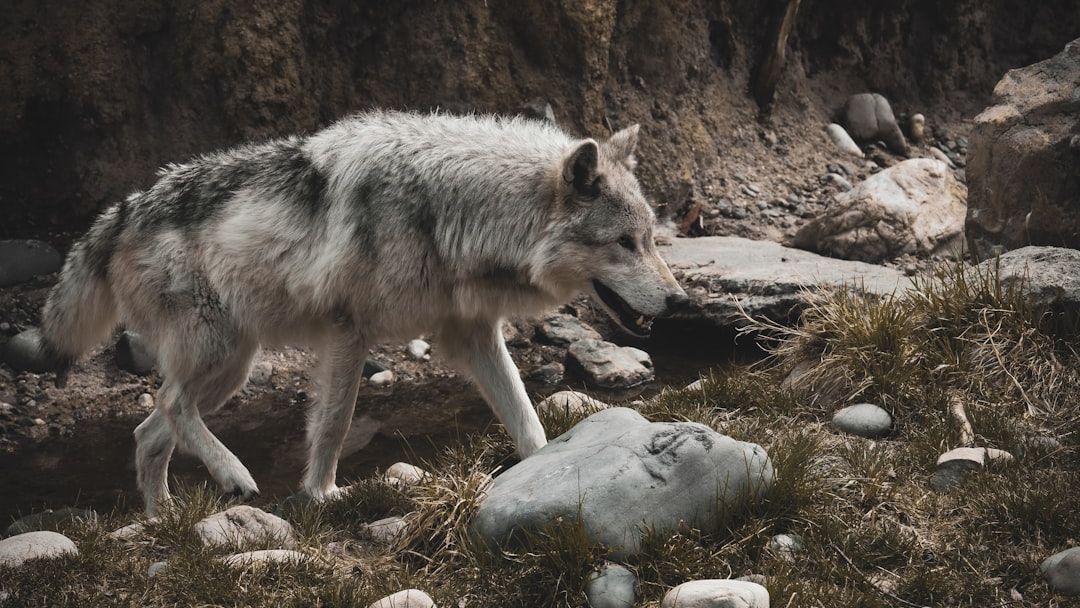
Wildlife managers across Wyoming now face the challenge of tracking a wolf population that has fallen to its lowest point in three decades, a shift that could alter how predators and prey interact across the state’s open ranges and protected lands. The drop stems from a canine distemper outbreak that struck hard in 2025, killing many young wolves before they reached independence. Ranchers, hunters, and park visitors who rely on stable predator numbers may soon notice changes in elk and deer movements as a result.
Population Counts Reveal Sharp Decline
State biologists recorded 253 wolves in Wyoming at the end of 2025, down 23 percent from the previous year. The figure marks the smallest total since wolves returned to the region in the mid-1990s. Inside Yellowstone National Park the pattern looks similar, with fewer breeding pairs and smaller litters than biologists have seen in recent seasons.
Pup survival stood at just 37 percent, a rate far below the long-term average. Most losses traced directly to distemper, a virus that attacks the respiratory and nervous systems of young animals. Adult wolves showed greater resistance, yet the absence of new recruits left many packs smaller and less stable heading into winter.
How Distemper Spreads and Why Pups Suffer Most
Canine distemper travels through airborne droplets and direct contact, much like a severe cold in humans. Infected wolves shed the virus for weeks, allowing it to move quickly through a pack when animals share food or den sites. Pups under six months old lack the immune strength to fight the infection, which often leads to pneumonia or neurological damage.
Biologists note that the outbreak coincided with higher-than-normal contact among packs near park boundaries, where wolves sometimes cross into areas with domestic dogs. No evidence points to a single source, and researchers continue to test samples to determine whether the strain matches earlier outbreaks or represents a new variant.
Effects Reach Beyond the Wolf Packs
Fewer wolves can shift the balance between predators and their main prey. Elk herds may grow larger in the short term, increasing pressure on aspen groves and willow stands that support beavers and songbirds. Ranchers in surrounding counties already report more frequent sightings of elk on private land, raising questions about future forage competition with cattle.
Park visitors who travel to Yellowstone hoping to glimpse wolves may find sightings less predictable this summer. Tour operators who built businesses around wolf watching now adjust expectations while biologists collect fresh data on pack movements.
Steps Ahead for Tracking and Recovery
- Biologists will expand collaring efforts this spring to follow surviving packs more closely.
- State and federal agencies plan joint surveys in late summer to measure pup production after the next breeding season.
- Researchers will continue testing for distemper antibodies in both wolves and nearby coyotes to map how widely the virus has spread.
- Wildlife managers will monitor elk and deer population trends to gauge any early shifts in prey numbers.
Recovery remains uncertain. Past outbreaks faded within two or three years, yet repeated exposure can leave long-term gaps in age structure. The coming seasons will show whether Wyoming’s wolves rebound or settle into a new, lower baseline that changes the landscape for everyone who shares it.


