
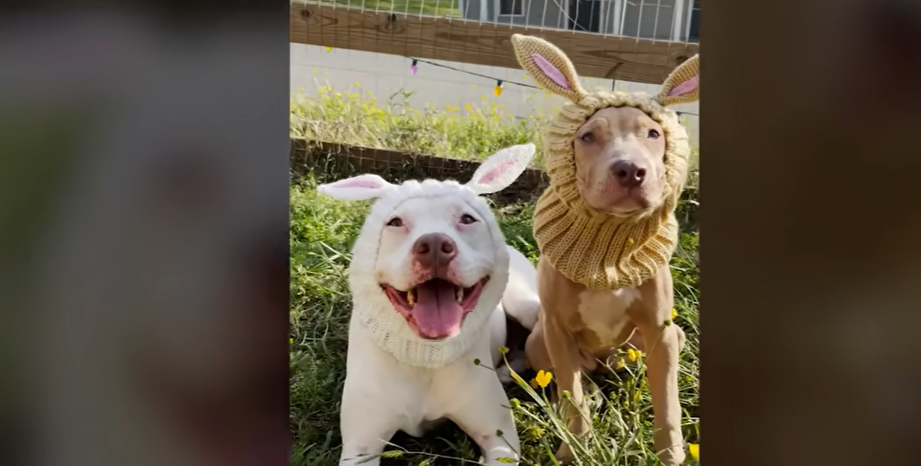
Rescue groups across the country regularly welcome shy pit bulls who arrive terrified of basic interactions. These dogs often freeze at the sight of a person or shrink away from any attempt at connection. Roo entered foster care with Veronica carrying that same heavy fear, yet her story shows how steady patience can open the door to real change. What began as small moments of connection soon grew into something much bigger for the young dog.
Building Trust Through Eye Contact
Veronica started with short, positive exercises that rewarded Roo for holding her gaze even for a second or two. This approach helped the pup rewire her instincts so that looking at a person no longer felt like a threat. Each brief success built on the last, giving Roo the confidence to stay present instead of turning away. Over several weeks the foster noticed Roo’s body language soften from tense and guarded to curious and relaxed. Trainers often point out that eye contact work lays the groundwork for every other skill a fearful dog needs to learn. Roo’s progress proved that consistent, gentle repetition can turn avoidance into quiet trust.
The Kangaroo Hops That Showed Real Healing
Once Roo felt safe enough to express herself, she began bouncing on her hind legs in pure excitement. Veronica recognized these playful hops as a clear sign the dog had moved past survival mode. The movement appeared naturally during moments of joy and quickly became a regular part of her daily routine. Such energetic displays are common milestones in rehabilitation stories because they reveal a dog finally comfortable enough to play without fear. Veronica later shared that these hops confirmed Roo was ready for a permanent home. The transformation encouraged other foster families to try similar patient methods with their own reserved rescues.
Why Foster Care Changes Outcomes for Shy Pit Bulls
Dedicated fosters like Veronica give dogs the steady routines and controlled socialization that shelters rarely have time to provide. Roo benefited from this focused attention, which let her practice normal dog behaviors at her own pace. Organizations report higher adoption success rates for dogs that spend time in foster homes, especially those with fear-based issues. The extra support helps prevent returns and supports long-term behavioral health. Roo’s journey highlights how targeted work on eye contact and confidence can unlock a dog’s natural personality. Communities that back foster networks see more of these success stories and fewer dogs left waiting in shelters.
Final Thought
Roo’s steady steps from fear to joyful hops remind everyone that small, consistent efforts often create the biggest shifts in rescue animals. What would you have guessed her first sign of progress would look like? Tell us in the comments.
Source: Original YouTube Video


