
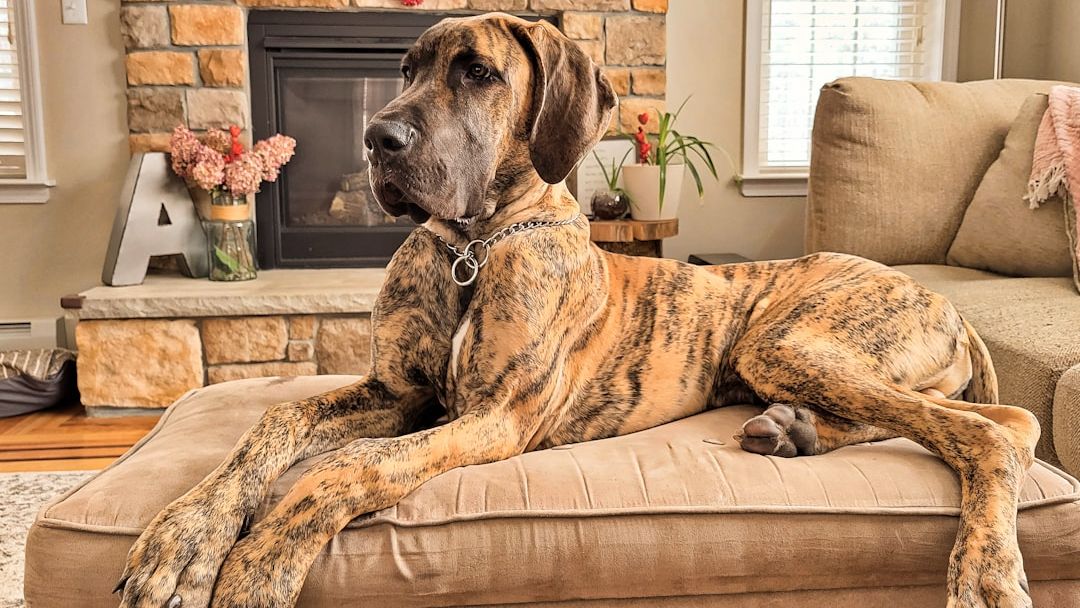
There’s something irresistible about a large dog. The sight of a Great Dane stretching across a living room floor, or an Akita standing at attention in a backyard, can make even the most practical person start dreaming of a life with a big dog by their side. Social media has made it worse, flooding feeds with majestic Rottweilers and photogenic Huskies that look like they belong on a movie set.
The reality, though, is a little more sobering. Size, strength, temperament, and health needs all play a major role in whether a big dog is the right fit for your lifestyle. Veterinarians, who work with all kinds of dogs daily, often have strong opinions on which breeds are more difficult to care for. These aren’t bad dogs. They’re just dogs that demand more than most people are prepared to give. Here are ten large breeds that vets consistently say aren’t suited for the average household.
#1: German Shepherd
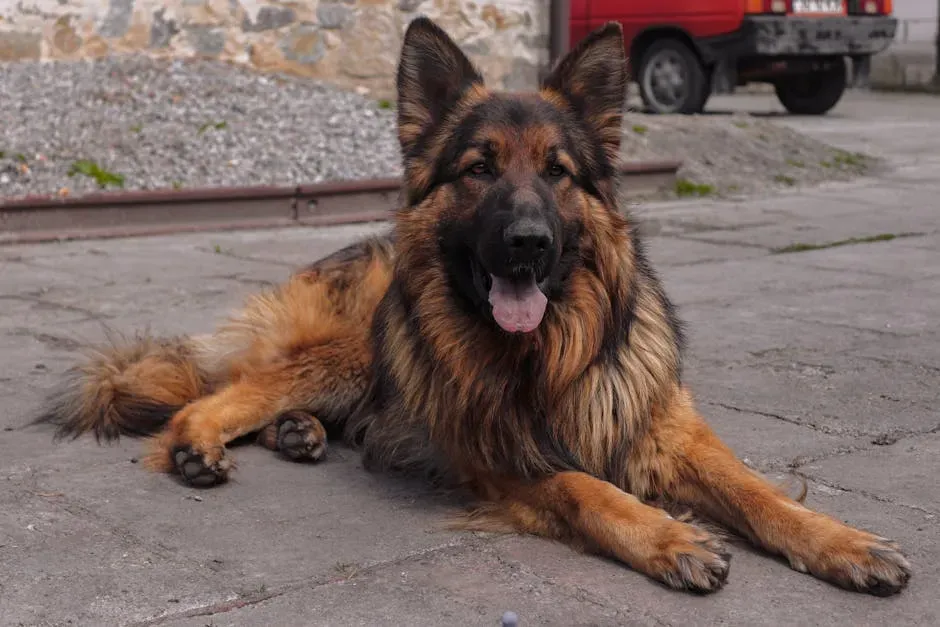
The German Shepherd sits at the top of almost every vet’s list of challenging large breeds, and not purely because of temperament. The majority of problems with German Shepherd breeds stem from poor genetics, and these health issues were not as common years ago, but ever since their popularity increased, it led to them being overbred and selected for anatomical problems. That’s a significant concern for anyone walking into a pet store or browsing a casual breeder’s website.
One major problem this breed faces is joint disease. Even if you find a line that isn’t prone to hip dysplasia, there are often problems with the elbows, and they can develop arthritis as well. German Shepherds can also have food allergies that cause diarrhea, and some can even have life-threatening issues with bloat. Factor in their fear-reactive tendencies around strangers, and you’re dealing with a dog that genuinely needs an experienced, patient, and proactive owner.
#2: Akita
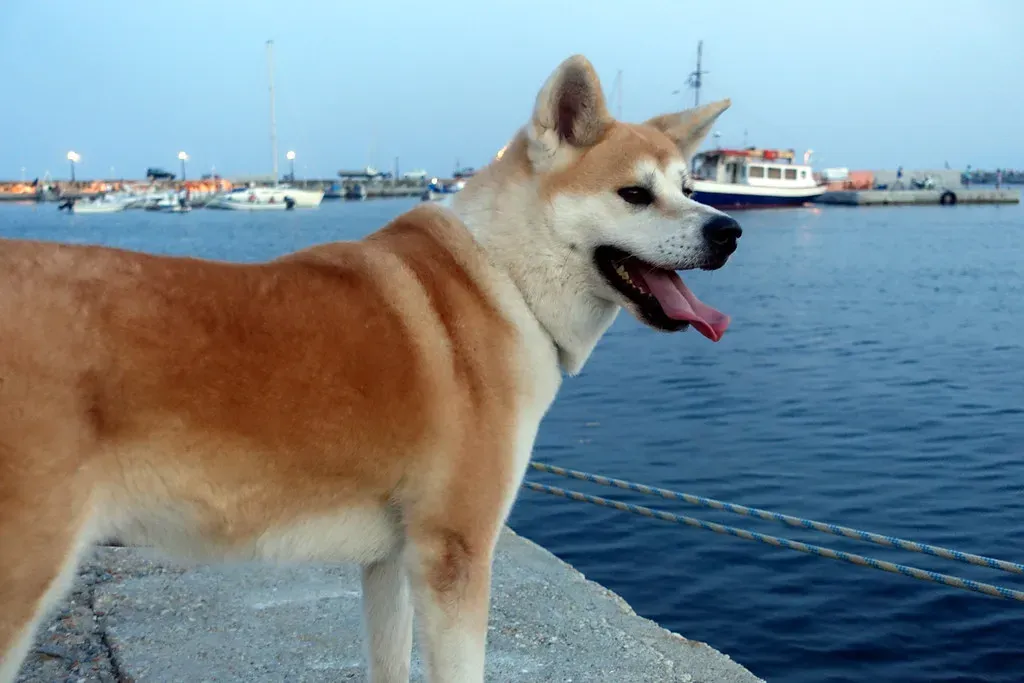
Akitas are big, strong, intensely protective, and one of the hardest breeds to train. They are suitable for experienced owners only because their large size and resistance to training make for a potentially dangerous situation. It’s not that Akitas don’t bond with their families. They do, deeply. The problem is everyone else.
Developed in Japan, the Akita is deeply loyal to their family but suspicious of strangers and often aggressive toward other animals. They are intelligent but independent dogs, used to thinking for themselves. Akitas can also be stubborn and headstrong, which makes training a challenge. Without careful socialization and training, the Akita can take their protective instincts too far and pose a danger to others. This is a dog that was bred to hunt bear. That instinct doesn’t disappear because you live in a suburb.
#3: Siberian Husky
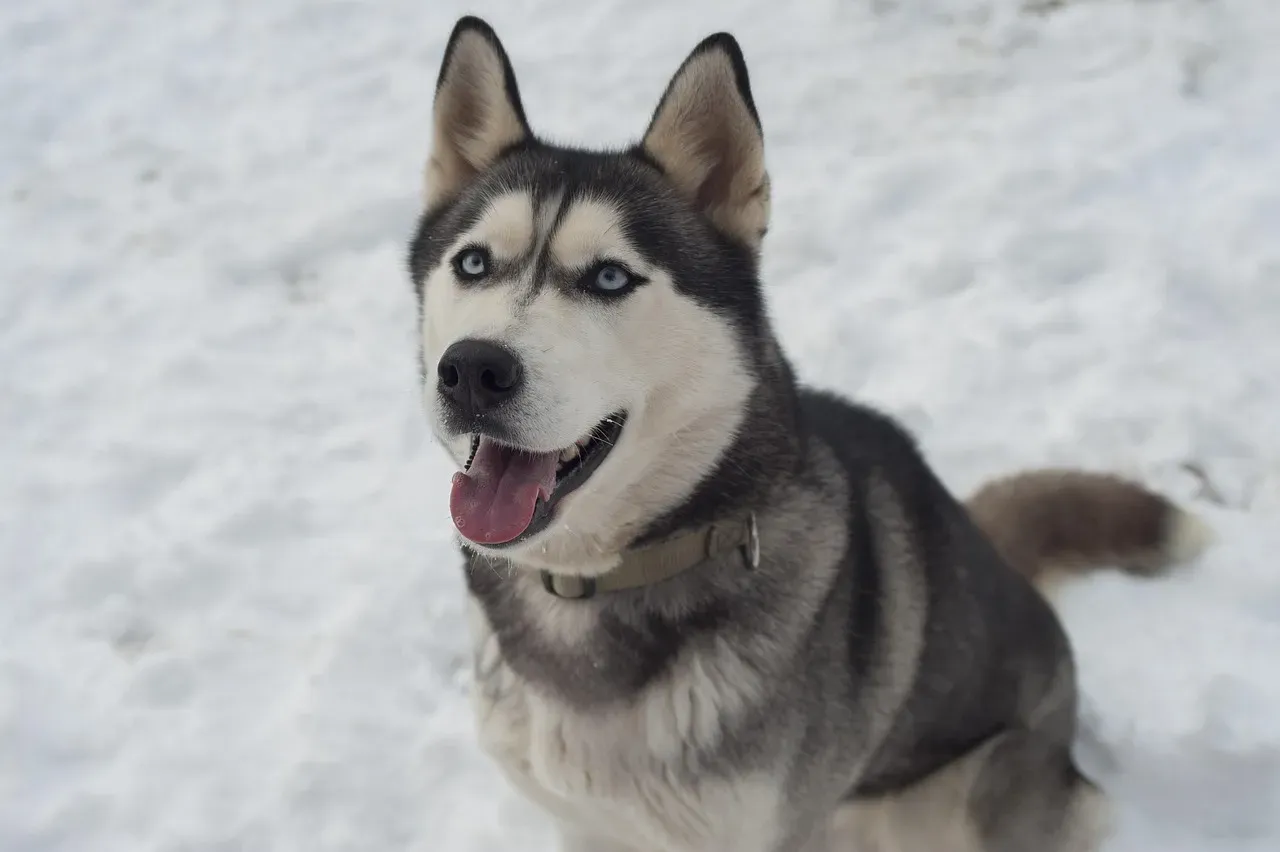
The Siberian Husky is a working dog that thrives in cold, snowy climates. He was bred to pull sleds over long distances, and his liveliness reflects that. A short walk around the block simply won’t do for this breed. Many new owners adopt a Husky for the looks and discover within weeks that the dog is redecorating their home out of boredom.
Huskies shed heavily, are capable escape artists, and have a strong predatory drive, so they’re not a great choice for homes with cats or small pets. Huskies, with rare exceptions, don’t get enough exercise to burn off their excess energy, which makes them very hard to deal with in a clinical setting too. The vocal dramatics are real as well. Neighbors will know when your Husky is unhappy, and Huskies are unhappy whenever they’re under-stimulated, which for most people is often.
#4: Rottweiler
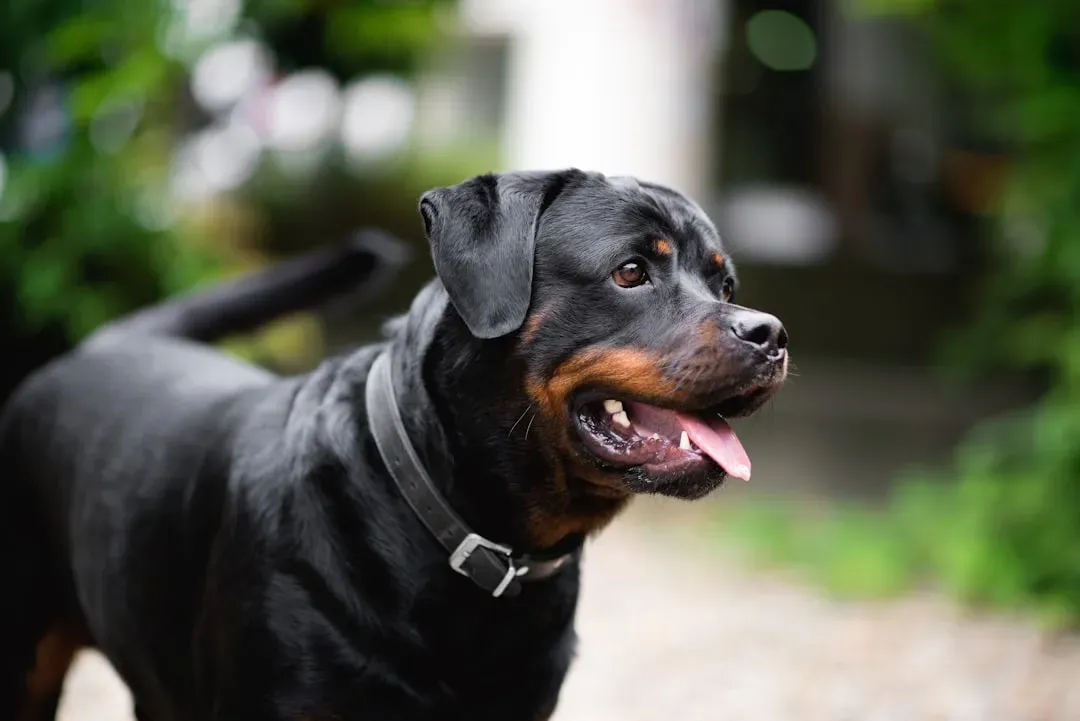
Rottweilers are classic guard dogs, originally bred to drive cattle and pull carts, and were also known to protect their owners from predators. That heritage is still very much alive in the modern Rottweiler. They’re devoted, often gentle with their families, but their physical power combined with a dominant streak means they need structure from day one.
Rottweilers can develop hip dysplasia as well as other joint problems that can lead to osteoarthritis. Their sheer body mass places enormous stress on joints, and as those joints begin to deteriorate, pain management becomes a central concern of daily care. They are definitely not for first-time dog lovers, but with structure, a Rottie becomes a loyal protector for life. That caveat is important. The “with structure” part is doing a lot of heavy lifting in that sentence.
#5: Chow Chow
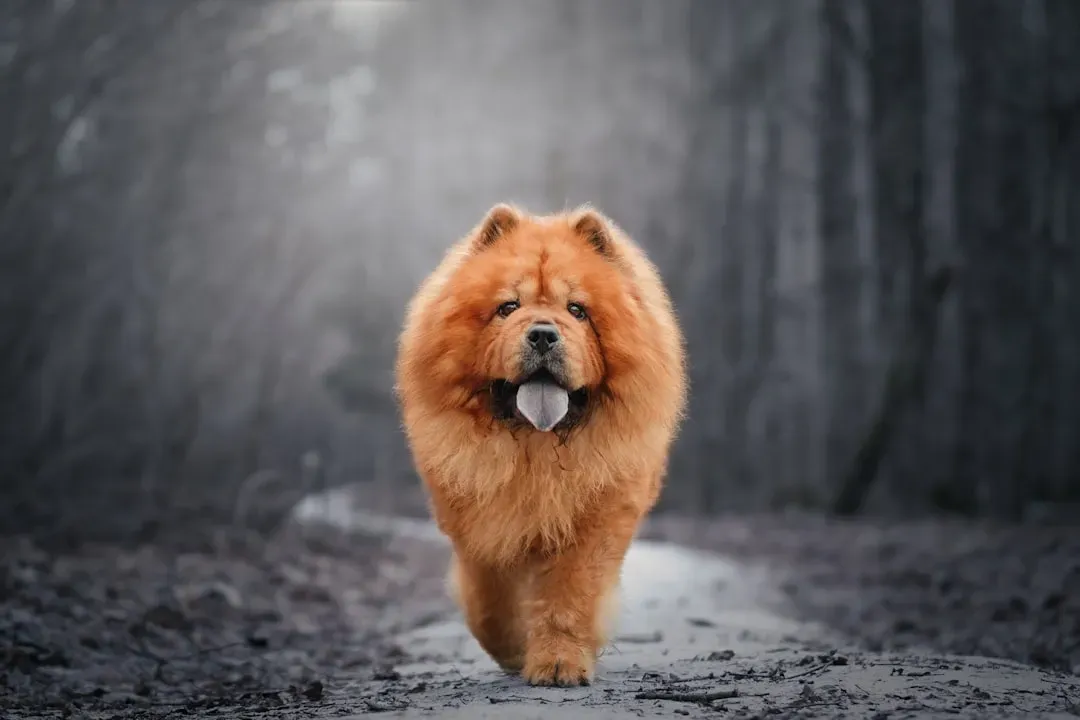
Not known for being particularly lovey-dovey, the Chow Chow isn’t the teddy bear he appears to be. He’s intelligent but stubborn, and may require a lot of training before you get the results you’re looking for. This breed is wary of strangers and may be aggressive toward dogs he doesn’t know. That gap between expectation and reality has landed many Chow Chows in shelters.
Chow Chows are among vets’ least favorite patients. They are undeniably adorable as puppies, but when they grow up, they can be a little unruly. This is a breed to whom playing nice doesn’t come naturally, with people or with other dogs, and they are also prone to biting. Grooming is another consideration. Their dense double coat requires consistent upkeep, which adds to an already demanding ownership profile.
#6: Alaskan Malamute
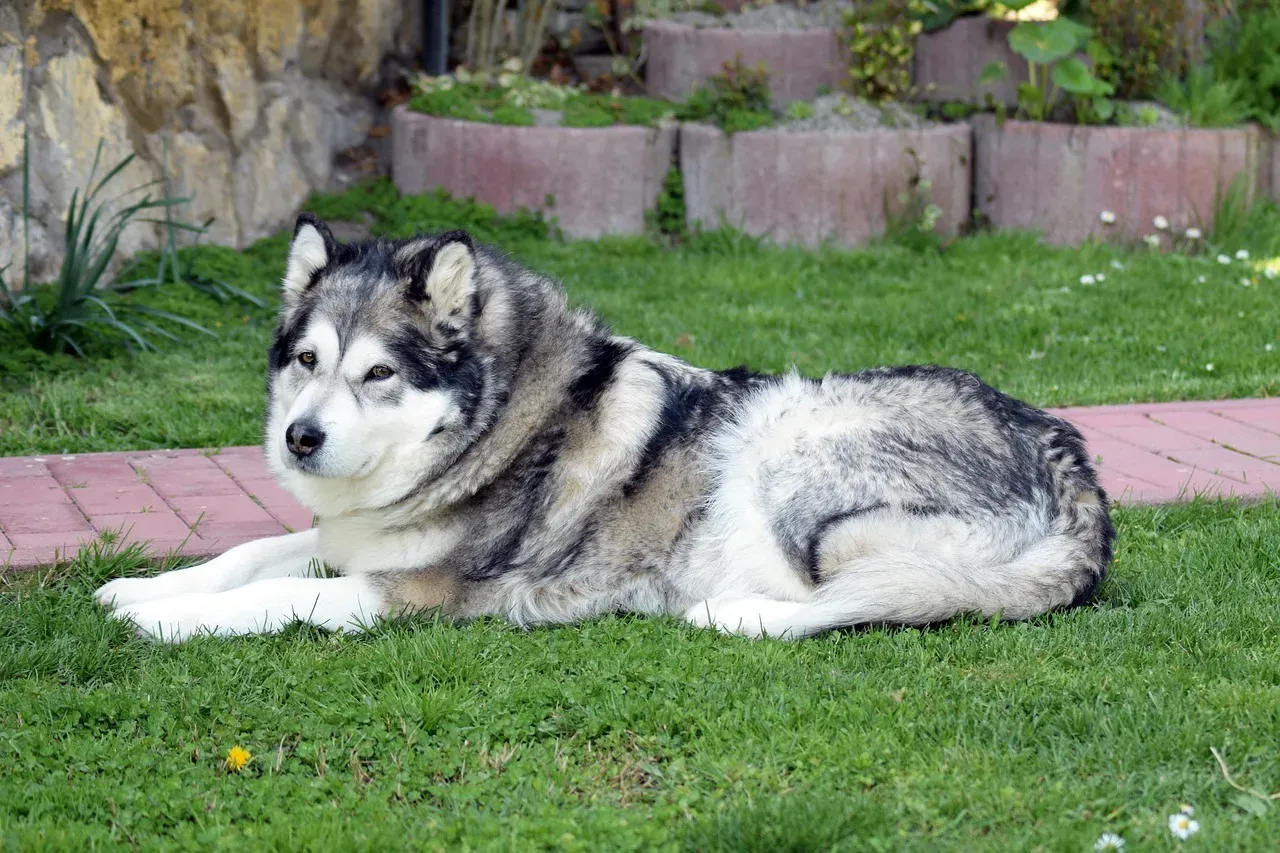
The friendly and loyal Alaskan Malamute is also one of the hardest breeds to train. Although Malamutes are very smart, they’re also independent, willful, stubborn, and have no interest in listening to anyone they don’t respect. Earning that respect takes consistency, firmness, and genuine experience with strong-willed dogs. Most first-time owners simply aren’t equipped for it.
The Alaskan Malamute is built like a tank and bred for sled pulling in the harshest Arctic climates. These powerful dogs thrive in cold weather and are all muscle under that thick coat. They are known for their strength and endurance. Keeping a Malamute mentally and physically satisfied in a typical suburban home is genuinely difficult. Malamutes respond well to training that challenges them both mentally and physically, and long hikes, pulling carts, or backpacking adventures are great outlets. If your lifestyle can’t accommodate that level of engagement, this breed will make that very clear.
#7: Belgian Malinois
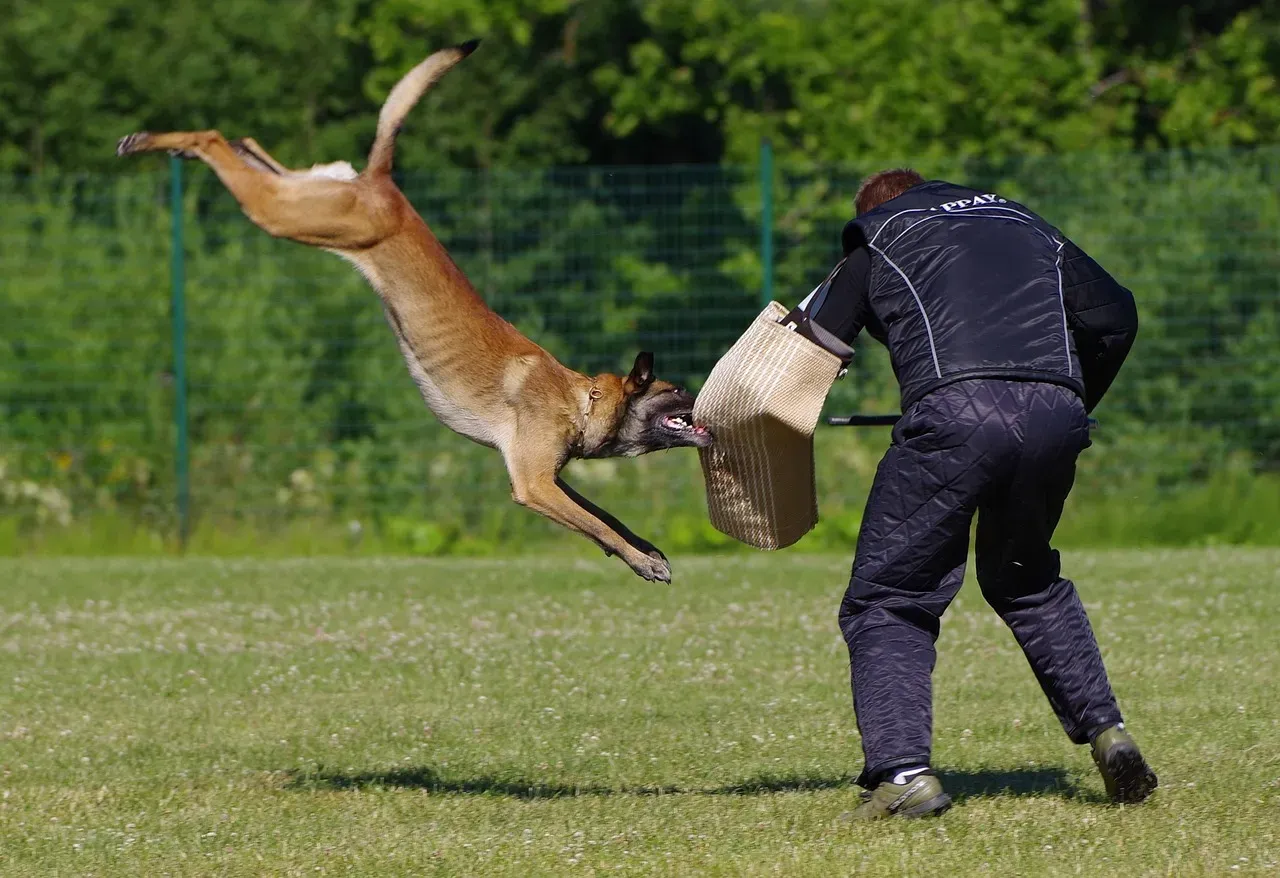
The Belgian Malinois is an extremely intelligent dog, so intelligent that it has dethroned both the Border Collie and the German Shepherd for the title of smartest. The Belgian Malinois requires constant mental and physical stimulation, which means if left to their own devices, they will become restless and destructive. This is the breed most commonly used in military and police work, and that alone should hint at the energy levels involved.
Experienced and active owners are required for this breed to truly shine, and they should not be adopted if your lifestyle is not conducive to daily exercise and training. The problem is that social media has made the Malinois look aspirational. People see them performing incredible feats in videos and decide they want one. What they don’t see is the four hours of daily engagement required to keep that dog balanced, calm, and safe around the family.
#8: Great Dane
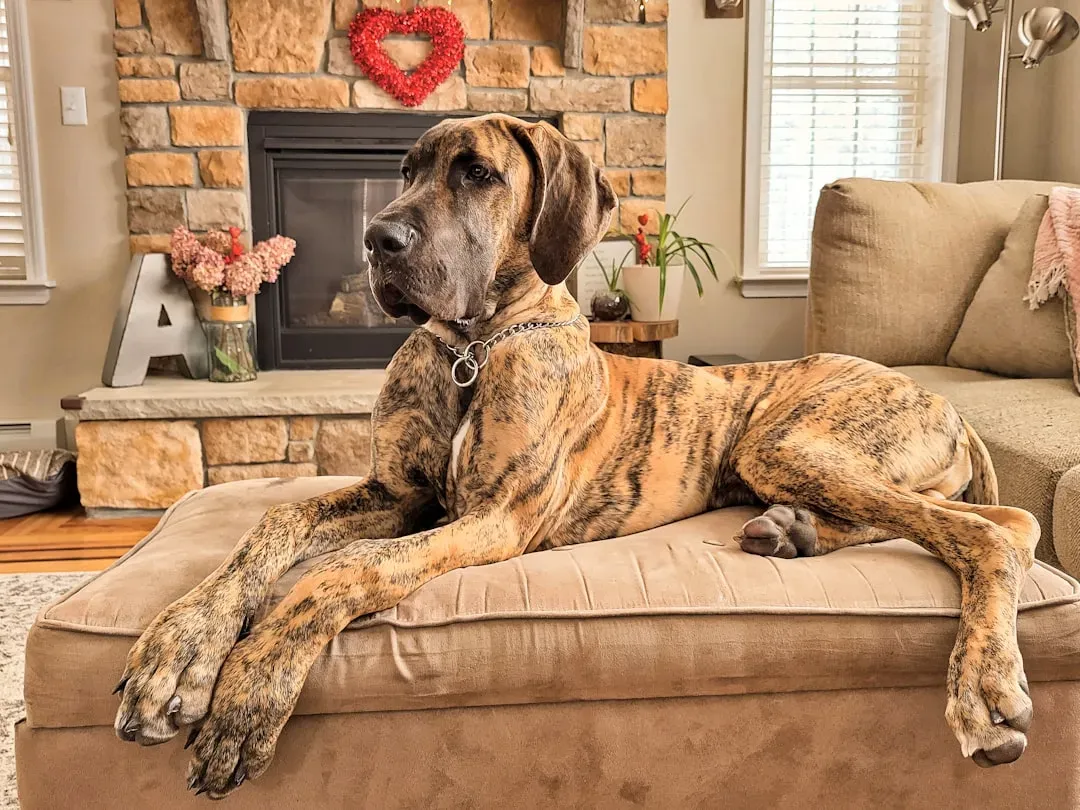
The Great Dane is often described as a gentle giant, and there’s truth to that. They can be wonderfully calm, affectionate, and patient with children. The challenge isn’t always temperament. It’s the sheer scale of everything involved. Vet bills, food costs, space requirements, and the physical strength needed to manage a dog that can weigh over 150 pounds all add up quickly.
The breeds people fall hardest for, including Great Danes, are often the very ones that ask the most of us in their later years. Great Danes are particularly prone to bloat, a life-threatening condition where the stomach twists, and their cardiac health requires close monitoring throughout their lives. It is common to see families surrendering a large dog because they lost their lease or no longer have the resources to keep them. In fact, big dog breeds are surrendered more often than small dogs when a family has to move. Great Danes are a prime example of that difficult reality.
#9: Cane Corso
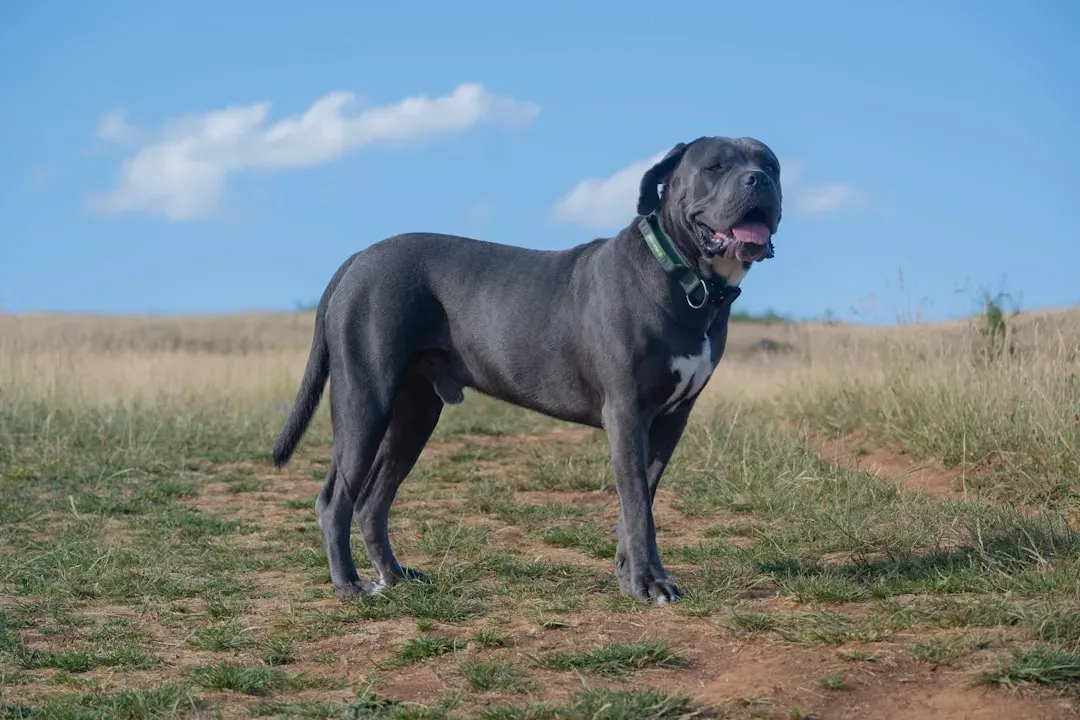
The Cane Corso is a powerhouse in every sense. With a serious stare and thick muscular build, this Italian Mastiff breed is an ancient protector and one of the top guard dogs today. They are deeply loyal, sometimes surprisingly gentle with children they’ve been raised with, and genuinely devoted to their families. That’s exactly what makes them so appealing, and so dangerous in the wrong hands.
The Cane Corso’s natural dominance means that any lapse in training or socialization can lead to real problems. They can be prone to anxiety and aggression if not properly socialized, and exposing them to different people, animals, and environments from a young age is essential to developing a confident and well-behaved dog. This isn’t a breed that forgives inconsistency. A poorly managed Cane Corso at full adult size is not a situation any vet or trainer wants to see, and yet it happens more than it should.
#10: Weimaraner
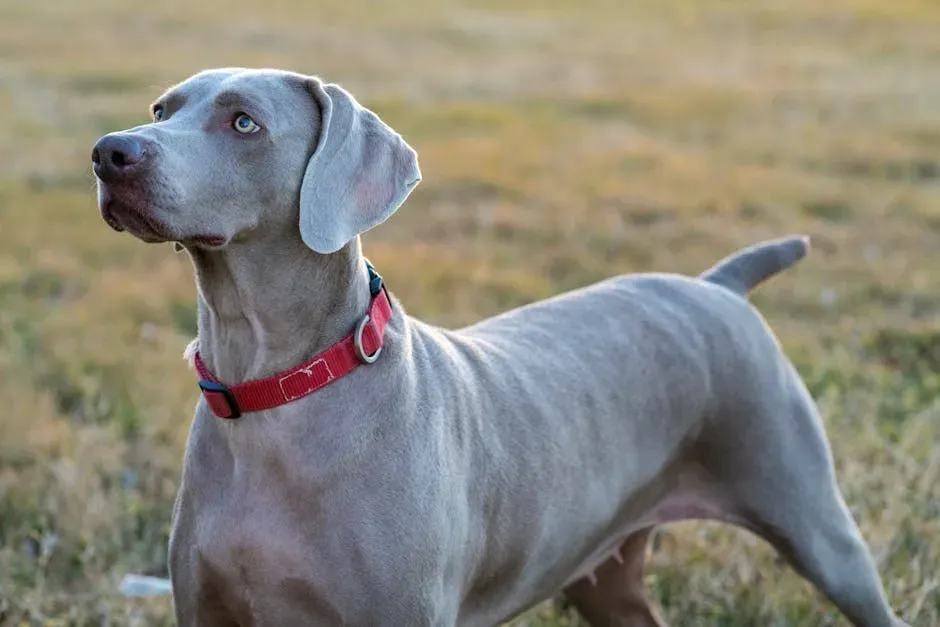
The Weimaraner, known as the “Gray Ghost,” earned its nickname for its beautiful gray coat and habit of following its owner closely. But this highly intelligent breed isn’t the right dog for everyone. It’s extremely energetic with no “off” switch, and it’s not happy being left alone. Separation anxiety can be a real issue with this breed. Anyone who works long hours and lives alone should pause seriously before adopting one.
The Weimaraner can be difficult to housetrain and a hazard to cats and other small pets, but if you plan to spend many days hunting, hiking, or doing obedience and agility with it by your side, you might have found your perfect companion. That’s the key phrase: hunting, hiking, agility. Not Netflix, remote work, and a quick evening stroll. The Weimaraner is a working dog that still fully believes it has a job to do, and it will find one regardless of whether you assign it.
The Bigger Picture
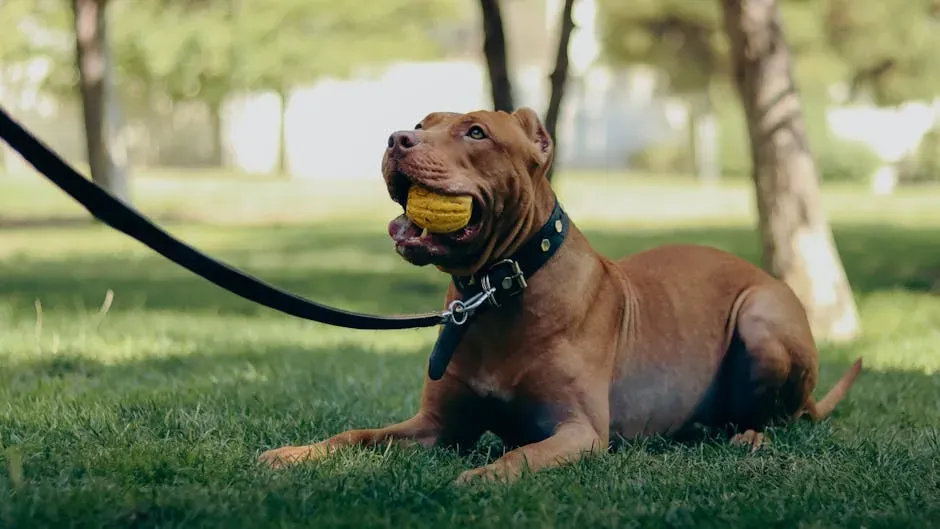
None of these breeds are lost causes. That deserves saying clearly. These are not “bad” breeds, and in no case is any breed friendly or aggressive across the board. Many dog lovers believe there’s no such thing as a bad dog, just bad training. While a good owner along with proper training and socialization can make a world of difference, some dog breeds are simply best suited to experienced owners.
Those very traits that make certain breeds so good at the jobs they were bred to do, like hunting big game and guarding their owners and property, can make them a challenge for someone who’s never trained a dog before. The frustrating truth is that most of these breeds end up in shelters not because they were terrible dogs, but because their owners didn’t understand what they were getting into.
If you’re drawn to any breed on this list, that’s not necessarily a reason to walk away. It is, however, a strong reason to do your research, speak honestly with a vet, spend time with the breed before committing, and ask yourself whether your lifestyle genuinely matches what the dog needs. A large dog matched to the right owner is one of the most rewarding things in the world. A large dog placed in the wrong home is a problem that ultimately costs the dog the most. Choose wisely, because they’re counting on you to get it right.


