
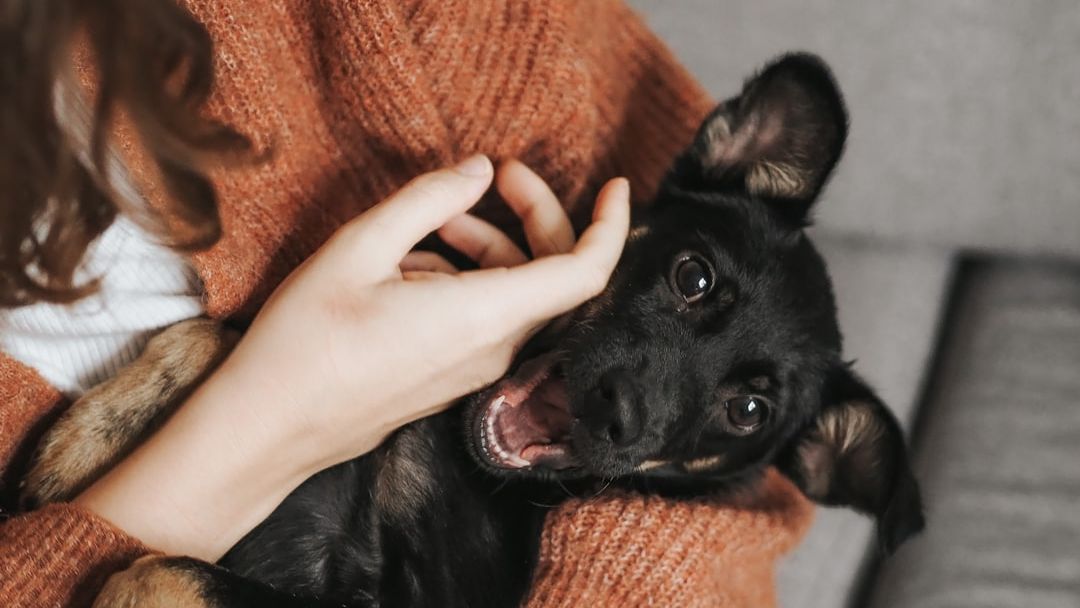
There’s a particular kind of grief that comes with watching a dog age. It’s slow, quiet, and arrives before the actual loss does. You start noticing small things, a hesitation at the food bowl, an afternoon nap that stretches into evening, eyes that seem to hold something different. Most owners can’t name it at first. They just feel it.
The bond between a person and their dog is one of life’s most uncomplicated loves. Which is exactly why the end of it is so hard to prepare for. These are the behaviors that tend to stay with people long after their dog is gone, the things that are worth understanding, not because knowledge makes it easier, but because it helps you be present for them when it matters most.
#1. They Stop Eating the Way They Used To
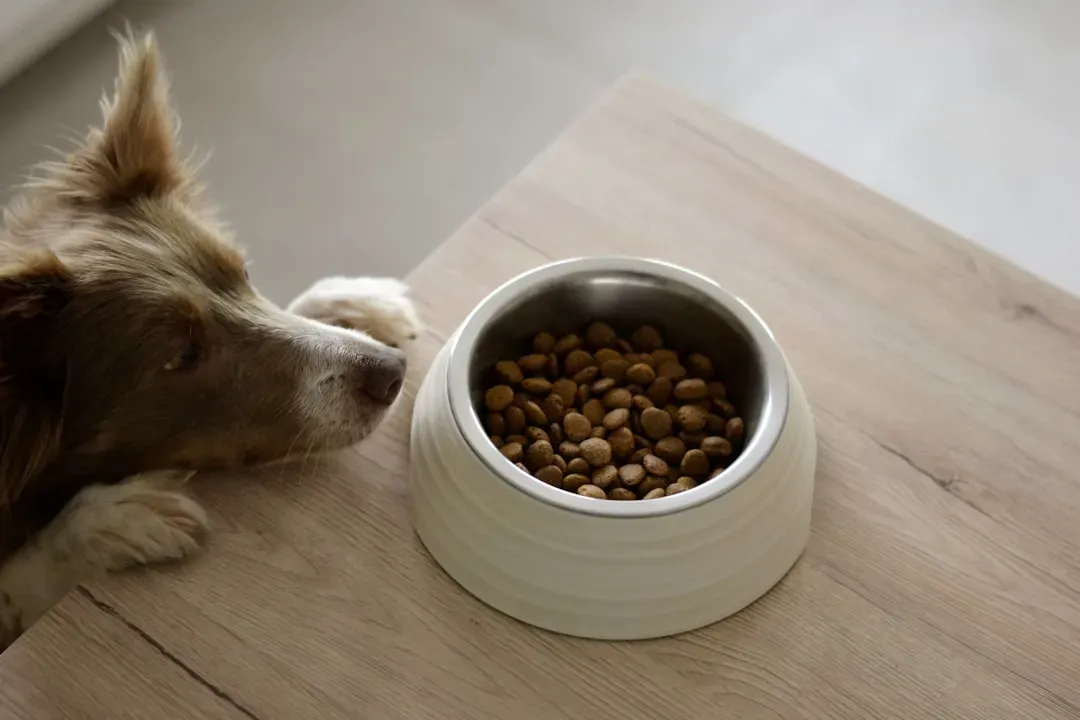
Pets may lose interest in food or water as vital organ functions begin to shut down. Your dog may be reluctant to approach their food bowl, though some will still accept treats, while others stop eating altogether. It’s one of the earliest signs many owners notice, and it can be jarring, especially when the dog in question once treated every mealtime like a celebration.
Dogs may become picky about food or refuse to eat altogether due to nausea, pain, or difficulty swallowing. Rather than forcing meals, gentle encouragement helps. Warming food slightly, hand-feeding small amounts, or offering a beloved treat can sometimes coax a few more bites. The goal isn’t to force nutrition at this stage but to keep them comfortable and connected.
#2. They Sleep Far More Than Usual
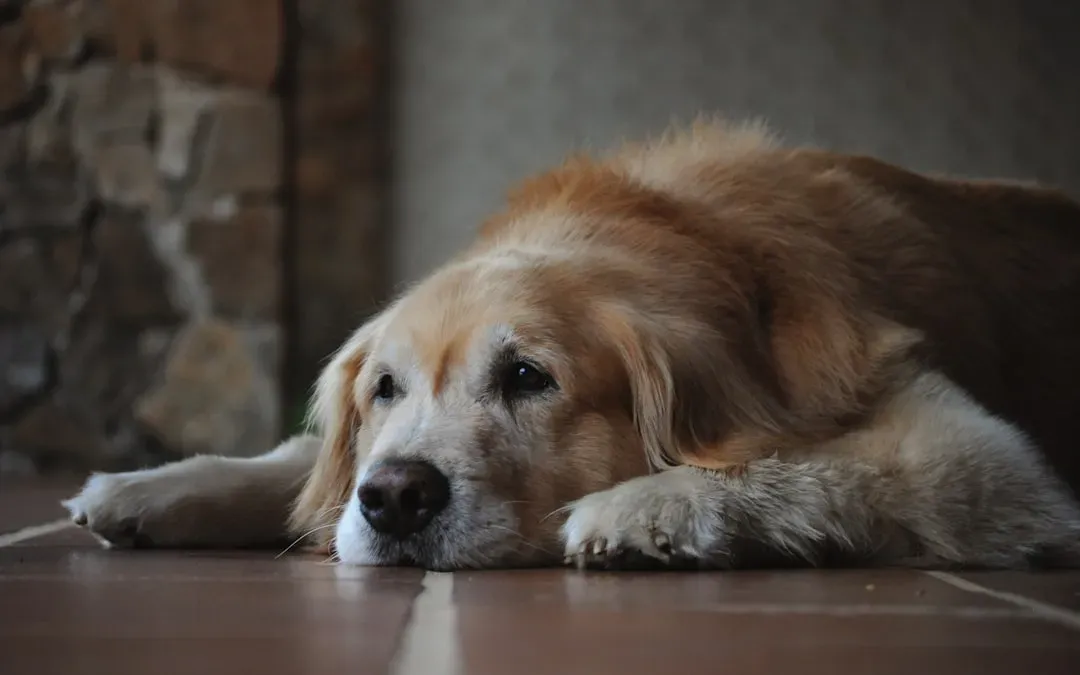
Dogs may sleep more frequently and for longer durations, reflecting their increasing fatigue and decreasing energy levels. Conversely, some dogs may experience restlessness and difficulty settling down or waking up more often. These changes can be due to discomfort, pain, cognitive decline, or disrupted physical functions, especially in aging dogs.
Other end-of-life behaviors include sleeping more and moving less. You may notice your dog seems tired after a short trip to the water bowl and back. What strikes owners most is the heaviness of it. This isn’t the deep, satisfied sleep of a dog after a long walk. It feels different, and most owners sense that difference without being able to fully articulate why.
#3. They Become Unusually Clingy
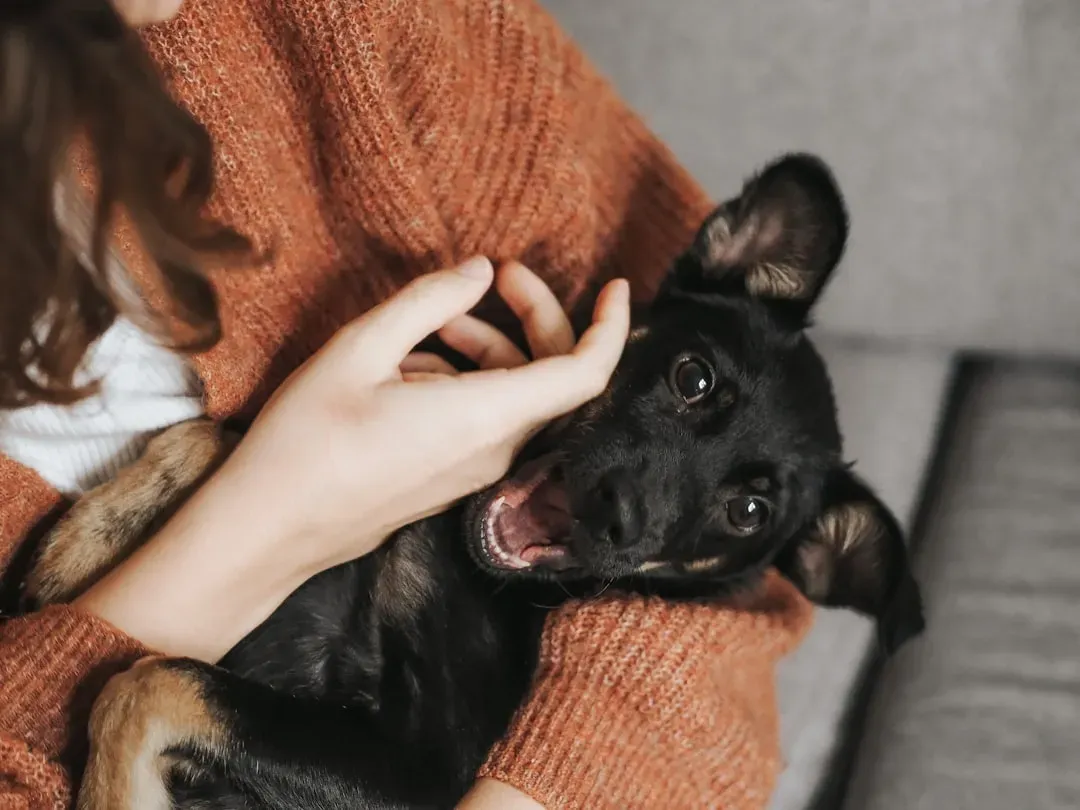
Some dogs become excessively clingy, constantly seeking your attention, following you from room to room, and becoming anxious when left alone. This increased need for security and comfort is a natural response to their weakening state. It can be disorienting for owners who are used to a more independent dog suddenly wanting to be within arm’s reach at all times.
Becoming more affectionate and seeking constant proximity to their owners, as if seeking comfort and reassurance, is something many owners describe as one of the most bittersweet memories of their dog’s final days. There’s a pull to that kind of closeness, even amid the sadness. Lean into it. Sit on the floor with them. Let them press against you. It costs nothing and means everything.
#4. They Withdraw and Seek Solitude
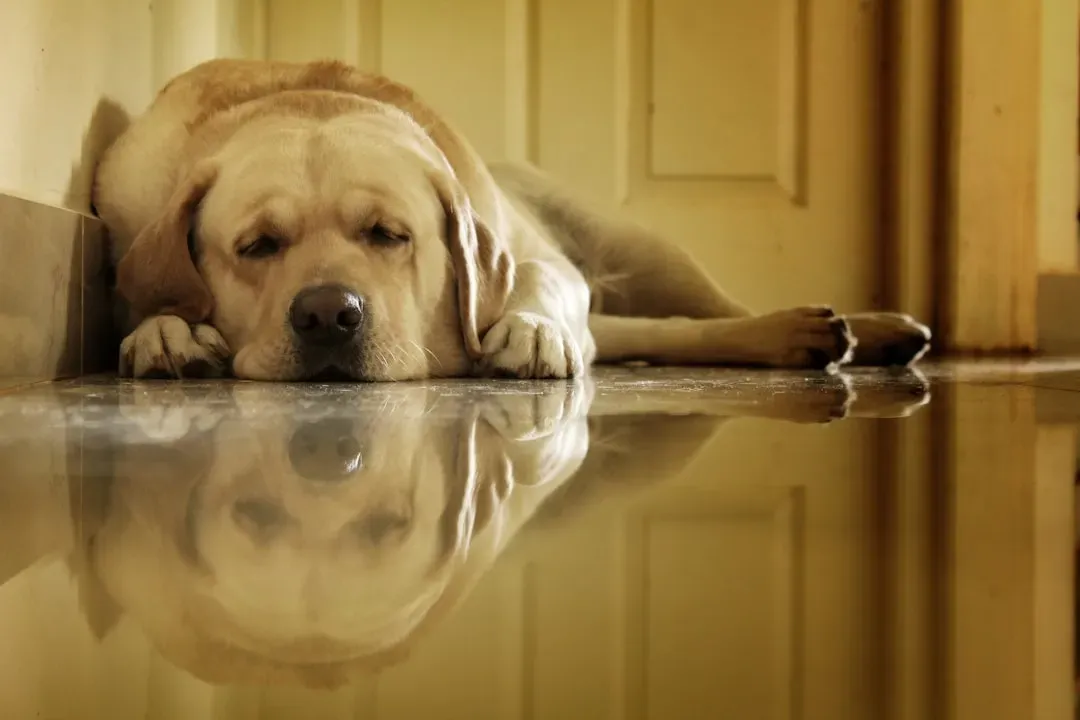
Dying pets may behave differently around people, often becoming more distant or sometimes more clingy. Choosing to hide or isolate themselves may reflect fatigue and a desire for quiet, or an instinct to separate oneself from others when the end is near. If your pet displays this end-of-life behavior, avoid forcing interactions, but remain close by so they can feel your calming presence.
As their body temperature regulation changes or their urge to feel safer increases, dying dogs start seeking unusual places to rest. This could include under furniture, in closets, and in other secluded spots. It can feel like rejection, but it isn’t. It’s more likely a primal need for quiet and stillness. The kindest thing an owner can do is respect that need while staying nearby.
#5. Their Eyes Look Different
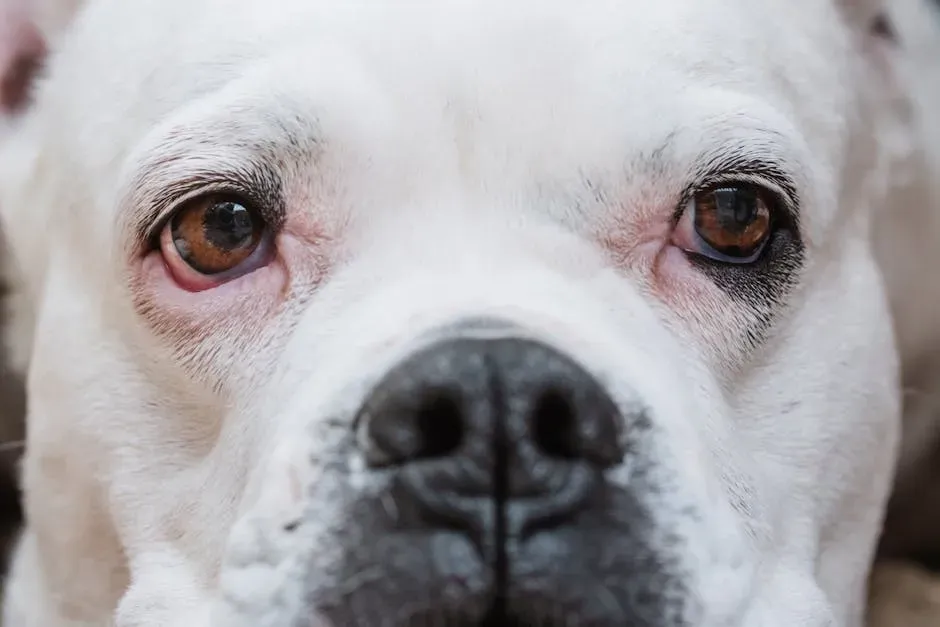
Dogs near the end of their life often have a change in their eyes. You may notice that your dog’s eyes seem glassy or dull. It’s a hard thing to describe to someone who hasn’t seen it, but those who have know exactly what it means. The brightness that once animated a dog’s gaze, that alert, alive quality, simply begins to fade.
Friends and family may say you’ll know it’s time because your dog will give you “The Look,” a moment when their expression seems intentional, almost like they’re asking for permission to go. But dogs don’t have a built-in “I’m ready” signal. What families are often seeing are physical changes from illness, like muscle loss that makes the eyes look sunken or pain that creates tension in the face. Still, the eyes remain one of the things owners remember most vividly.
#6. They Lose Interest in Things They Once Loved

When a dog approaches the end of his lifespan, he can begin to lose interest in the world around him. This is especially true of dogs who suffer from a long-term, chronic illness. Toys he once loved will gather dust, and he might not jump up to greet you at the door anymore. In fact, this is often one of the first and most heart-breaking signs that your canine’s quality of life is beginning to decrease.
Reduced interest in toys and people or in going for walks are additional worrisome signs. What stays with owners isn’t just the absence of the behavior, it’s the memory of what replaced it. A favorite ball sitting untouched by the door. A leash hanging on its hook on a walk day. These small, still images tend to stay long after everything else fades.
#7. Their Breathing Changes
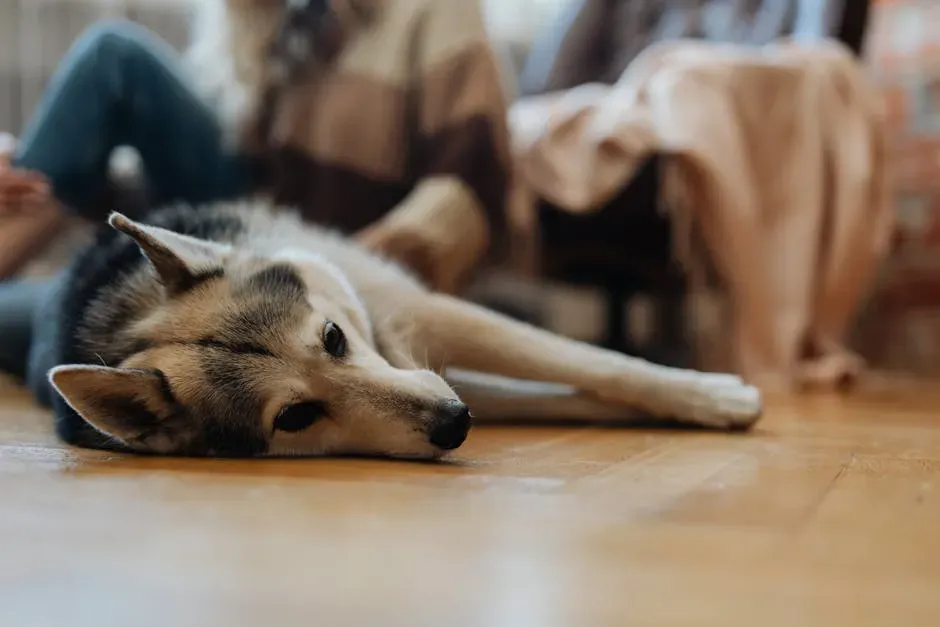
Irregular, shallow, or labored breathing is a warning sign that a dog or cat may be dying. Particularly in a pet’s final hours, a gasping breath pattern known as agonal breaths may occur. Because breathing difficulties can be painful and distressing, you should seek timely veterinary care or rapid euthanasia to reduce suffering if you notice this end-of-life behavior in your pet.
Changes in breathing patterns are another key sign that a dog may be nearing the end of life. Some pets may breathe more slowly, while others may pant excessively or have long pauses between breaths. If your dog is struggling to breathe, keeping them calm and avoiding unnecessary stress is crucial. Consult your veterinarian if breathing becomes labored, as they may recommend medication or supportive care to ease discomfort.
#8. They Become Confused or Disoriented

Canine Cognitive Dysfunction (CCD) or “dog dementia” can become more pronounced in a dog’s final stages. This can manifest as disorientation, where they may seem lost in familiar surroundings or have trouble recognizing family members. Research on older dogs revealed that a notable proportion exhibited CCD signs, despite very few receiving a formal clinical diagnosis.
Disorientation and confusion are also common. You might find your dog staring at walls, getting stuck in corners, or forgetting where their water bowl is as canine cognitive dysfunction sets in. Owners often describe this as one of the most emotionally difficult parts of the process. The dog is physically present, but something essential seems to slip in and out of reach. Keeping familiar routines and a calm environment can help anchor them.
#9. They Pace or Become Restless at Night
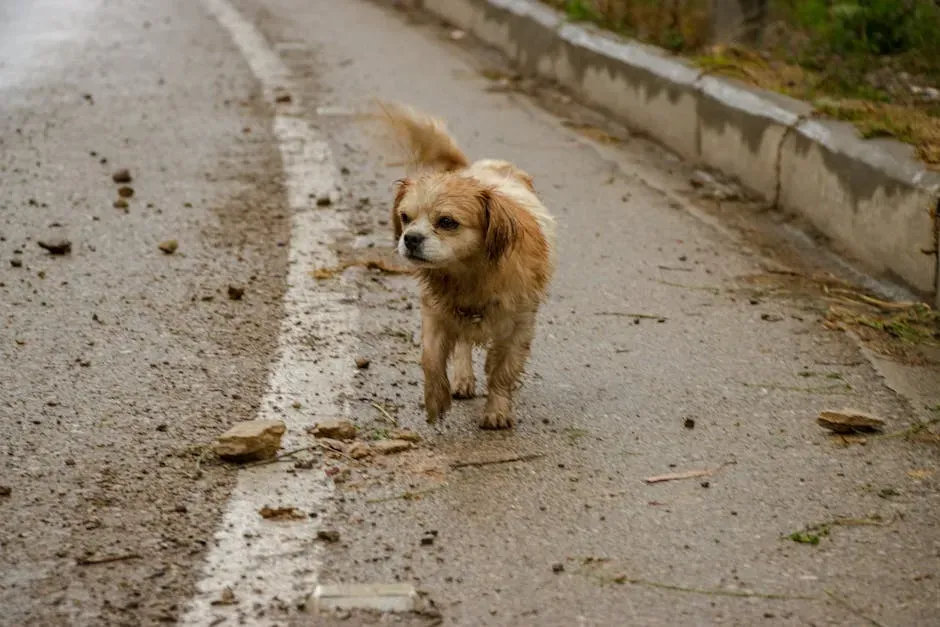
Some dogs may become restless near the end of life. Dogs that are uncomfortable or in pain may pace aimlessly or change positions often. This can also lead to trouble sleeping since they can’t get comfortable enough to settle down. For owners, this is often one of the more exhausting parts of the final days, lying awake listening to their dog move through the house in the dark.
A dog’s emotional state can become more fragile as their final journey nears, leading to heightened anxiety or apprehension. Becoming restless, unable to settle in one spot, or engaging in repetitive pacing, even at night, is a common expression of that inner unease. Pain management from a veterinarian can help significantly, and soft, supportive bedding gives them the best chance of finding rest.
#10. They Lose Control of Their Bladder or Bowels
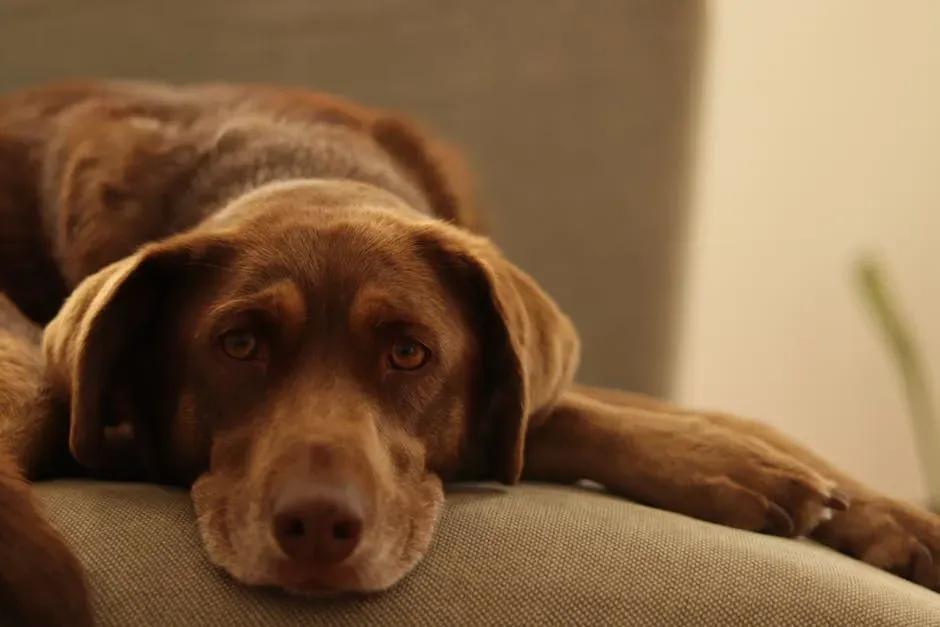
Dying pets may lose control of their bladder or bowels in the days before passing. Accidents can occur due to weakness, decreased mobility, nervous system problems, or organ failure, even after previously perfect housetraining. For owners of a dog that spent years being a model house pet, this shift can feel sudden and heartbreaking in equal measure.
Dogs may lose control of their bladder and bowels as their muscles weaken. Accidents inside the home may become more frequent, even if the dog was previously house-trained. Using absorbent bedding and gently cleaning your pet can help maintain their dignity and comfort. If mobility is an issue, providing easy access to a comfortable resting area can prevent unnecessary strain. Never scold a dog for this. They didn’t choose it, and they know something is wrong.
#11. They Experience Noticeable Weight and Muscle Loss

Shedding pounds or having a noticeable change in body shape can become apparent as a dog’s health deteriorates. This may appear as an increased prominence of the hips or ribs, or a loss of muscle mass, particularly in senior dogs. You may start to notice rough, dry skin or changes in skin color. The physical transformation can be gradual enough that owners almost miss it day to day.
Weight loss is very common in senior dogs and will start well before the end of life. Part of this is a normal aspect of the aging process, as the dog gets older, his body becomes less efficient at digesting protein, which causes him to lose muscle mass. Illness accelerates this process. Many owners look back at photos from the final weeks and are struck by how much changed in such a short time.
#12. They Have Trouble With Coordination and Movement
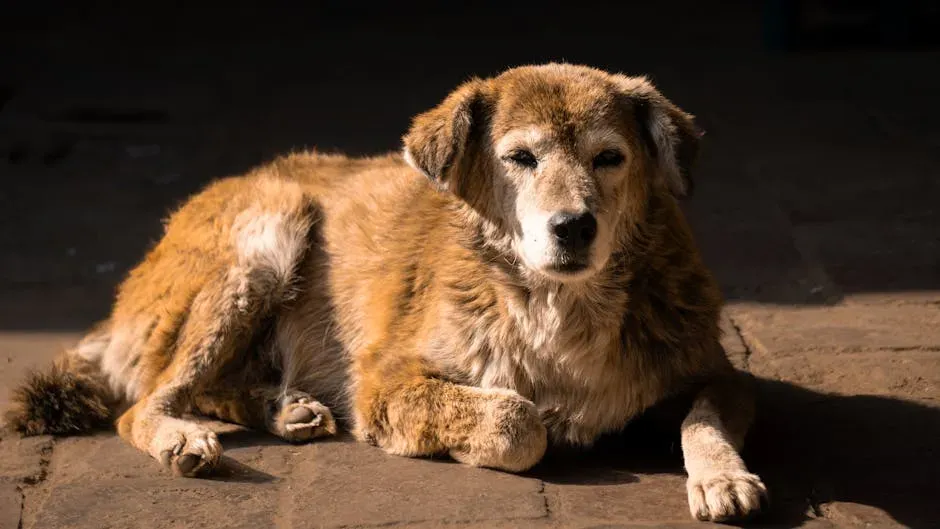
Declining mobility and reduced activity are clear indicators of a dog’s deteriorating physical strength and energy. Reluctance to stand, walk, or even shift positions due to pain is common. Unsteadiness, stumbling, or a loss of balance when they attempt to move often becomes more visible in the final weeks. The dog that once bounded up the stairs might now stand at the bottom, uncertain of each step.
These signs are usually progressive, with only mild periodic bumbles at first that slowly become more frequent and more severe. Some dogs may also experience involuntary muscle twitching. Owners tend to remember the specific moment they noticed the change. A stumble on a familiar path, a hesitation at a threshold the dog had crossed a thousand times before. These small moments carry weight.
#13. They Show Changes in Gum Color
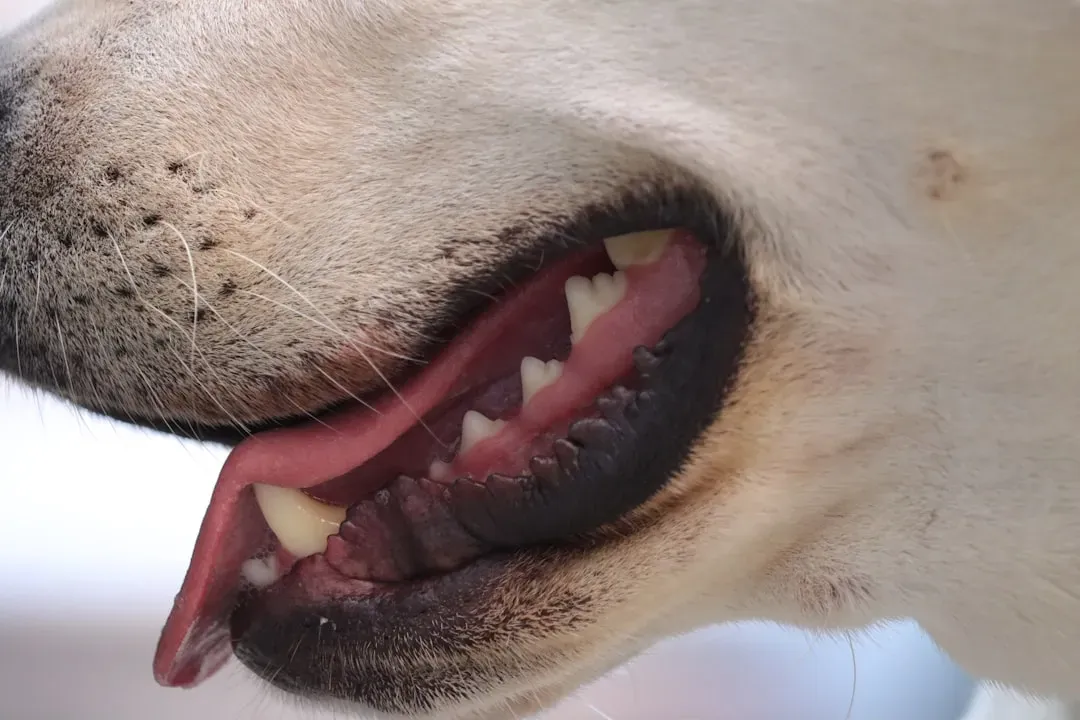
If your dog’s organs are not working as they should be, his gums may change color. He may also develop bad breath or experience other dental issues. If your dog’s gums are blue, for example, it may mean that appropriate amounts of oxygen are not being circulated in his bloodstream. This can be caused by either a problem with the lungs or heart and can be a sign of serious illnesses like congestive heart failure.
White gums or very pale gums are often the results of insufficient blood flow. This can be a common sign of blood loss, which can be the result of internal bleeding if your dog is not bleeding outwardly. Alternatively, it can be a sign of severe anemia. Checking gum color is a simple habit that any owner can develop, and it’s something a vet will often ask about during end-of-life conversations. Healthy gums should be pink and moist.
#14. They Seek Out One Person in the Family
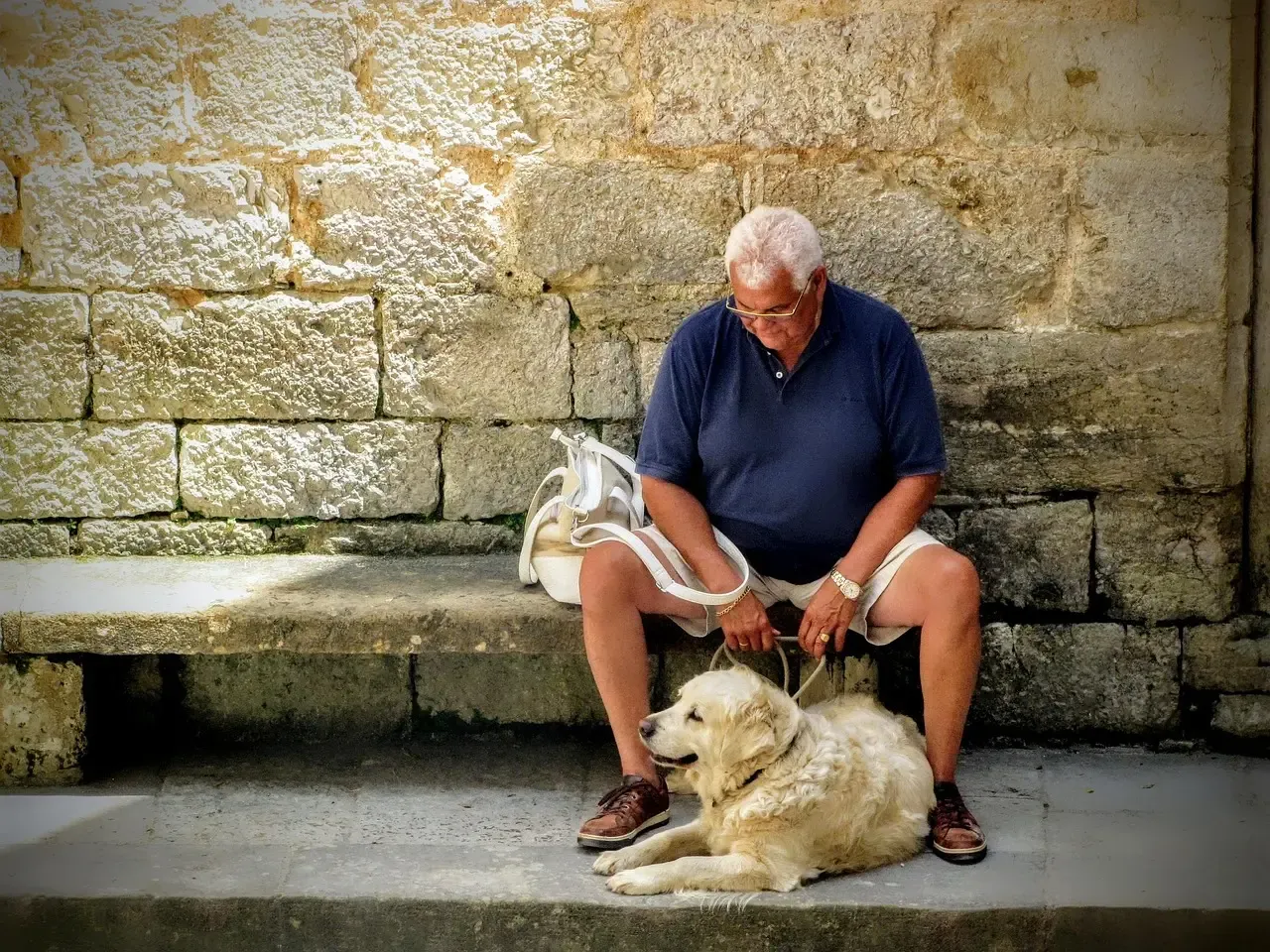
While dogs can’t speak their goodbyes, some pet owners have observed behavior at the end of life that could be a dog communicating their goodbye, like seeking out extra companionship or solitude. Often, in the final days, dogs gravitate toward one specific person with a kind of quiet single-mindedness. It might be whoever they slept closest to for years, or whoever’s voice they associate most with safety.
Dogs can also sense their pet parents’ distress and may react accordingly, so try to remain as calm and reassuring as possible. There’s something quietly profound about being chosen in that way, about a dog placing their remaining trust in you without reservation. It’s one of the moments that owners most frequently describe when they talk about their dog’s final days, and it’s one that stays with people for life.
#15. They Have More Bad Days Than Good
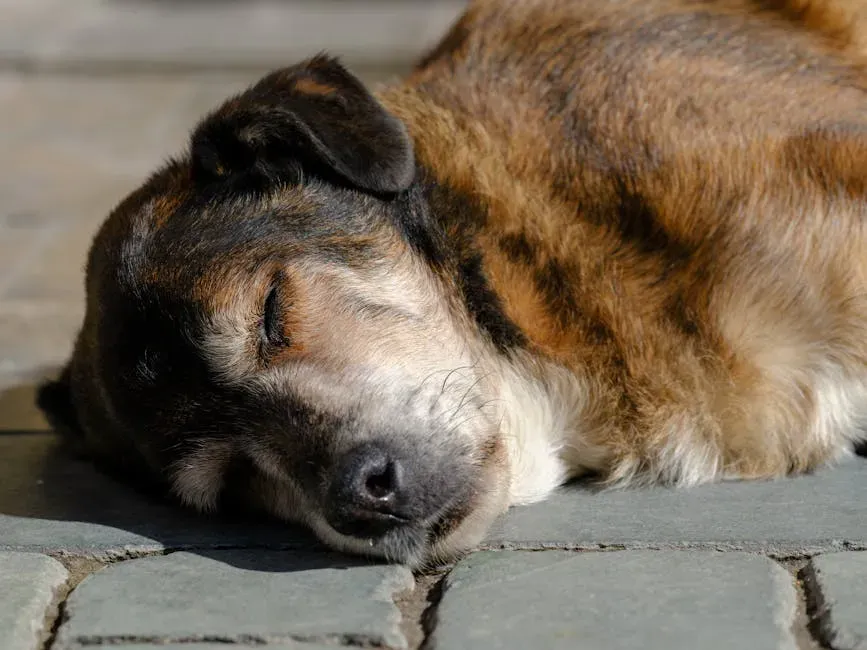
You know it’s time to say goodbye to your pet when they have more bad days than good, especially if it’s only making it harder for them to live due to constant pain. Most vets will frame the quality-of-life conversation in these exact terms. Not one single dramatic sign, but a pattern, a slow tipping of the balance from okay to not okay. Owners who are honest with themselves usually know when that shift has happened.
A dog nearing the end of life often shows symptoms including significant appetite loss, extreme lethargy, difficulty maintaining balance, respiratory changes, and disinterest in activities. These signs, especially when occurring together and progressively worsening, suggest it may be time to consult with your veterinarian about euthanasia options. Recognizing this pattern isn’t giving up. It’s one of the deepest acts of love an owner can offer.
A Final Thought
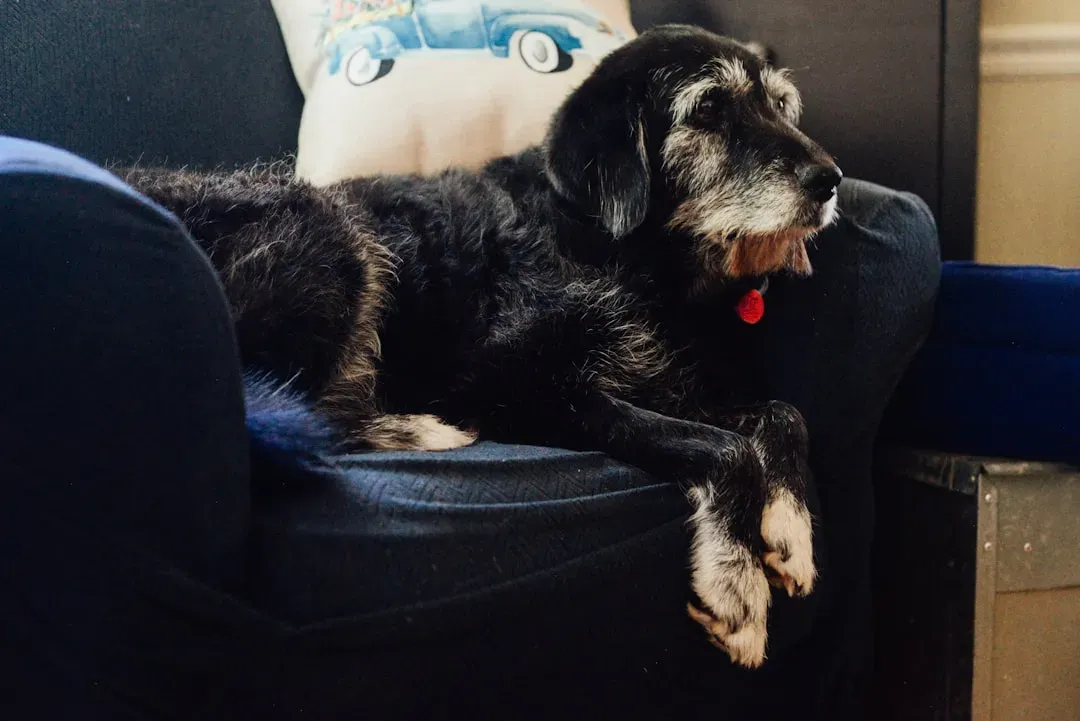
Grief over a dog is real, full-weight grief. Anyone who’s been through it knows that. The behaviors listed here aren’t just clinical checkboxes. They’re memories in the making, small scenes that get stored somewhere permanent in the people who witnessed them.
Recognizing dog behavior before death allows pet owners to provide comfort, love, and support in a pet’s final moments. Every dog’s journey is unique, and being there for them is the greatest gift you can give. That’s the truth of it.
What you’ll remember most won’t be the difficulty of those final days. It’ll be the warmth of a dog pressed against your leg one last time, the weight of a head in your lap, the trust in a set of tired eyes. You gave them a whole life of that. They knew it.


