
Dogs are wonderful companions, especially as life starts to slow down a little. There’s something deeply comforting about having a four-legged friend curled up nearby, and the health benefits of dog ownership for older adults are well-documented. A calmer heart rate, more daily movement, less loneliness. It sounds like an easy win.
The problem is that not every dog is built for a quieter life. Some breeds carry energy levels, physical demands, and stubborn streaks that can turn a sweet idea into a daily struggle. A dog that’s perfectly matched for a 30-year-old trail runner could seriously disrupt the life of someone who’s 55 and just wants peaceful morning walks and a warm presence on the couch.
So before you fall in love with a pair of icy blue eyes or a wagging tail at the rescue, read this carefully. Some of these breeds might genuinely surprise you.
#1. Siberian Husky
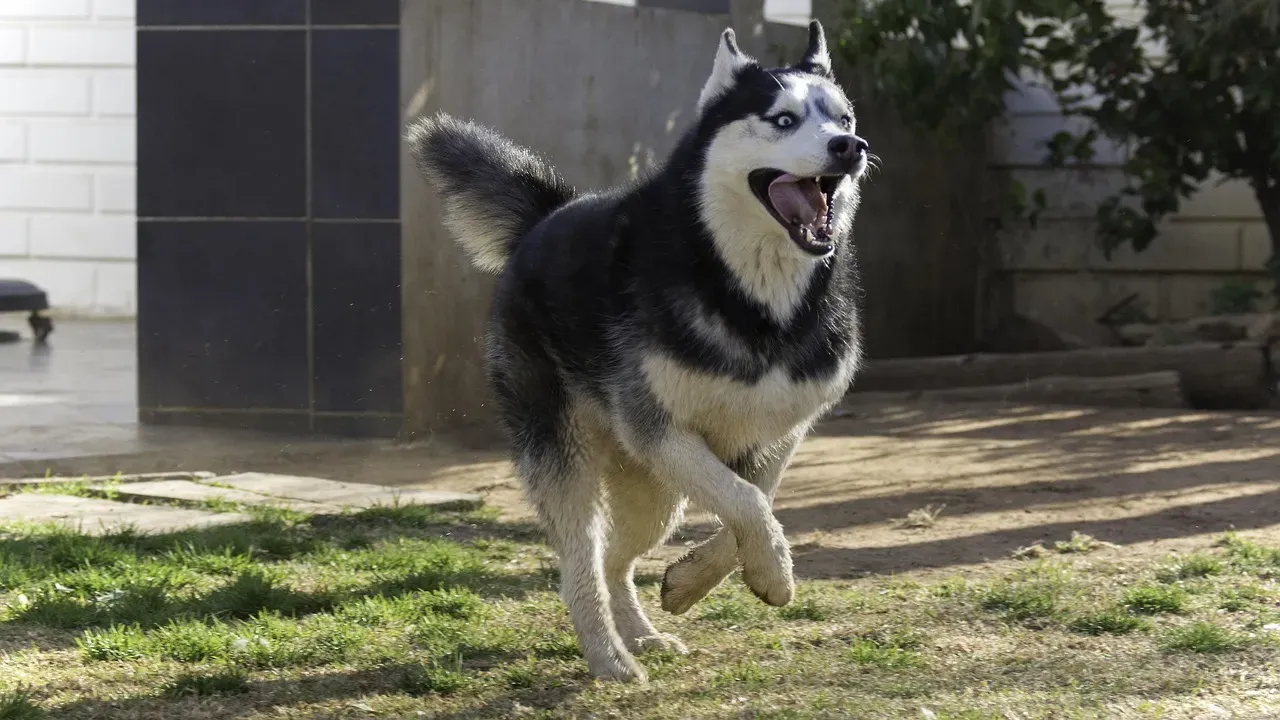
The Siberian Husky is one of the most visually stunning dogs on the planet, and that’s exactly what makes them so dangerously tempting. Huskies are large, energetic, high-strung dogs, and if you’re looking for a relaxation buddy, this breed will never give you rest. Their looks deceive. Beneath that gorgeous coat is a working dog with an almost relentless need for activity and stimulation.
Siberian Huskies require a lot of physical and mental stimulation to stay happy and healthy, and their thick double coat requires regular grooming, which may be difficult for seniors with mobility issues. On top of that, Huskies require extremely secure fencing since they can dig and jump out of almost anything, and they have a huge wanderlust potential, meaning they can and will get away from their owners to go explore. For someone over 50 who simply wants a steady companion, that combination of escape artistry and grooming burden is genuinely exhausting.
#2. Border Collie
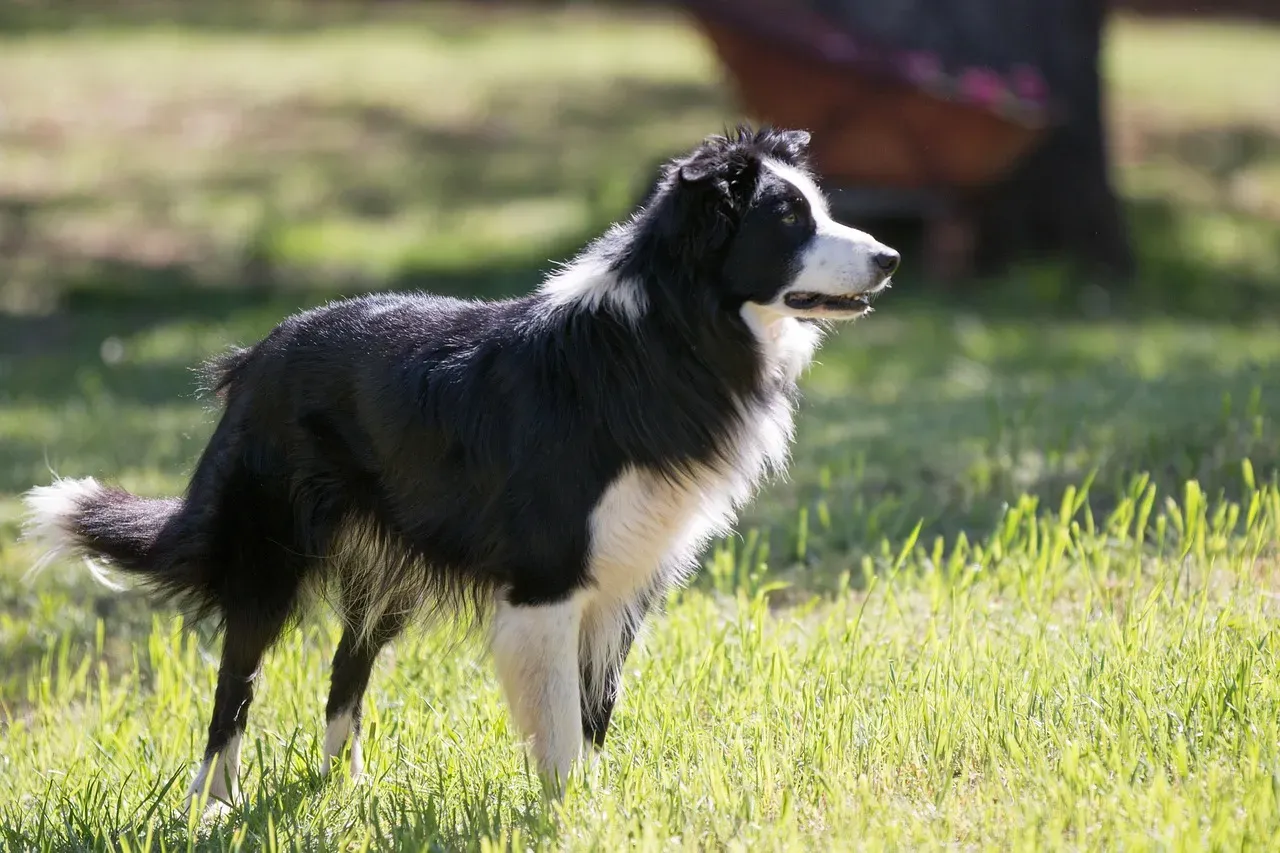
Border Collies are highly energetic and intelligent dogs, often considered the most active of all breeds, requiring regular intellectual stimulation and vigorous exercise which may be too demanding for some seniors. These are dogs that were bred specifically to work long hours in open fields, and that drive doesn’t disappear just because they’re living in a suburban home. They need a job, full stop.
Border Collies are famed for their exceptional intelligence and boundless energy, originally bred for herding, requiring regular exercise and mental challenges to remain content. Without sufficient stimulation, these dogs can become bored and potentially destructive, leading to behavior issues that may be difficult for seniors to handle. Perhaps most concerning for older adults, Collies also have a tendency to herd, which can lead to nipping at heels and chasing, behaviors that could potentially be hazardous for seniors with balance issues.
#3. Rottweiler
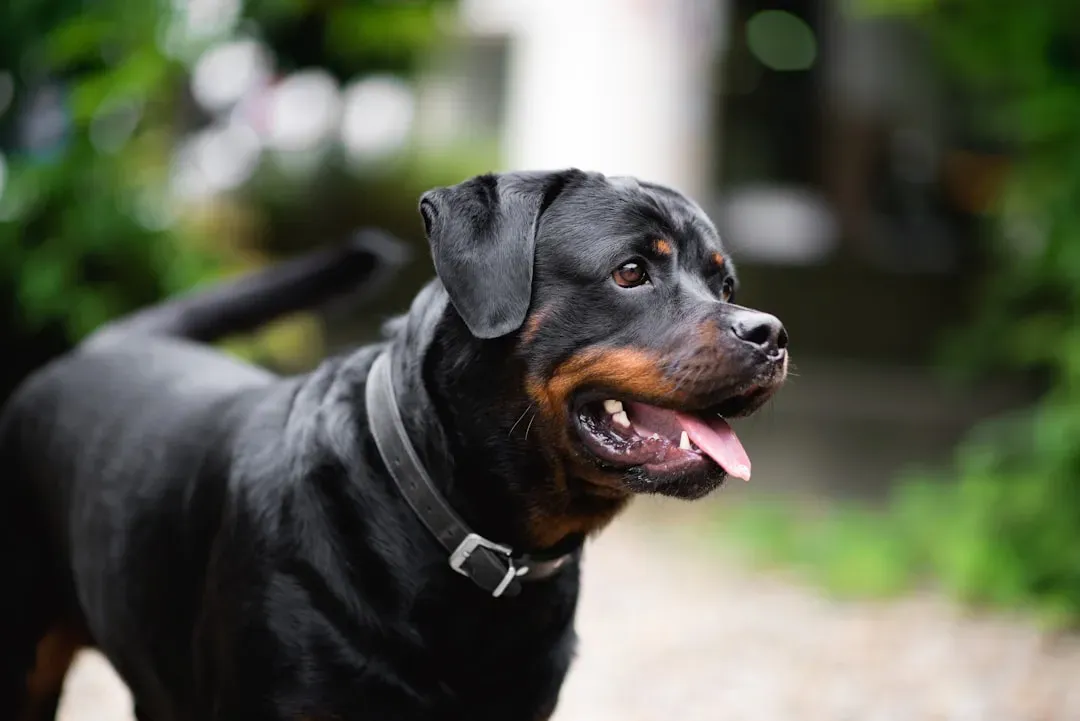
Rottweilers are robust and muscular, needing an experienced handler to manage their strength. Their energetic nature and considerable size can be daunting for older adults, and while loyal and protective, they require consistent training and regular exercise which might be more than some older individuals are prepared to provide. This breed isn’t naturally aggressive, but its raw physical power is the real issue here.
The Rottweiler needs a well-fenced yard and daily exercise in the form of long walks or runs, and their protective nature can make them wary of strangers, with health issues like hip dysplasia or heart problems needing careful monitoring. Their size and physical power make handling difficult, especially for those with limited mobility, and they need at least 60 minutes of daily exercise and mental engagement to stay content and avoid destructive or dominant behaviors. That’s a demanding daily commitment that can feel like a second job.
#4. Australian Shepherd
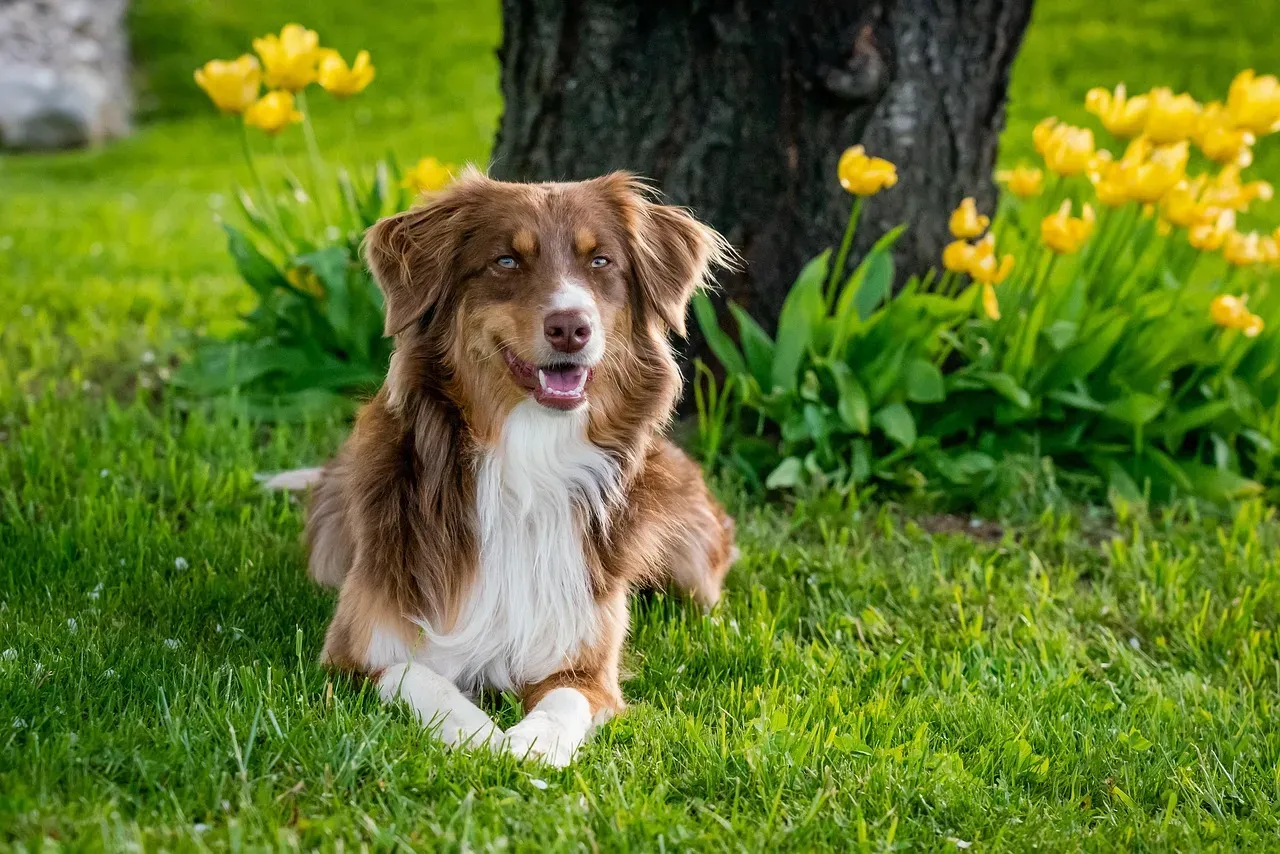
For a senior who’s living alone, the Australian Shepherd is not a good choice as a dog breed. These dogs require a huge amount of maintenance for the first two years of their lives and must be exercised daily to work out their super-high energy levels. They’re eager, brilliant, and beautiful dogs. They’re just completely unsuited to a slower pace of life.
Without proper training and attention, an Australian Shepherd can become nervous and destructive, and providing these dogs with something to do throughout the day is needed to channel their energy. Their coat adds another layer of burden. Aussies have long double coats that shed considerably, and they also need at least an hour of strenuous physical activity a day, which can be hard to commit to. The combination of relentless grooming and daily vigorous exercise makes them one of the most demanding breeds on this list.
#5. Jack Russell Terrier
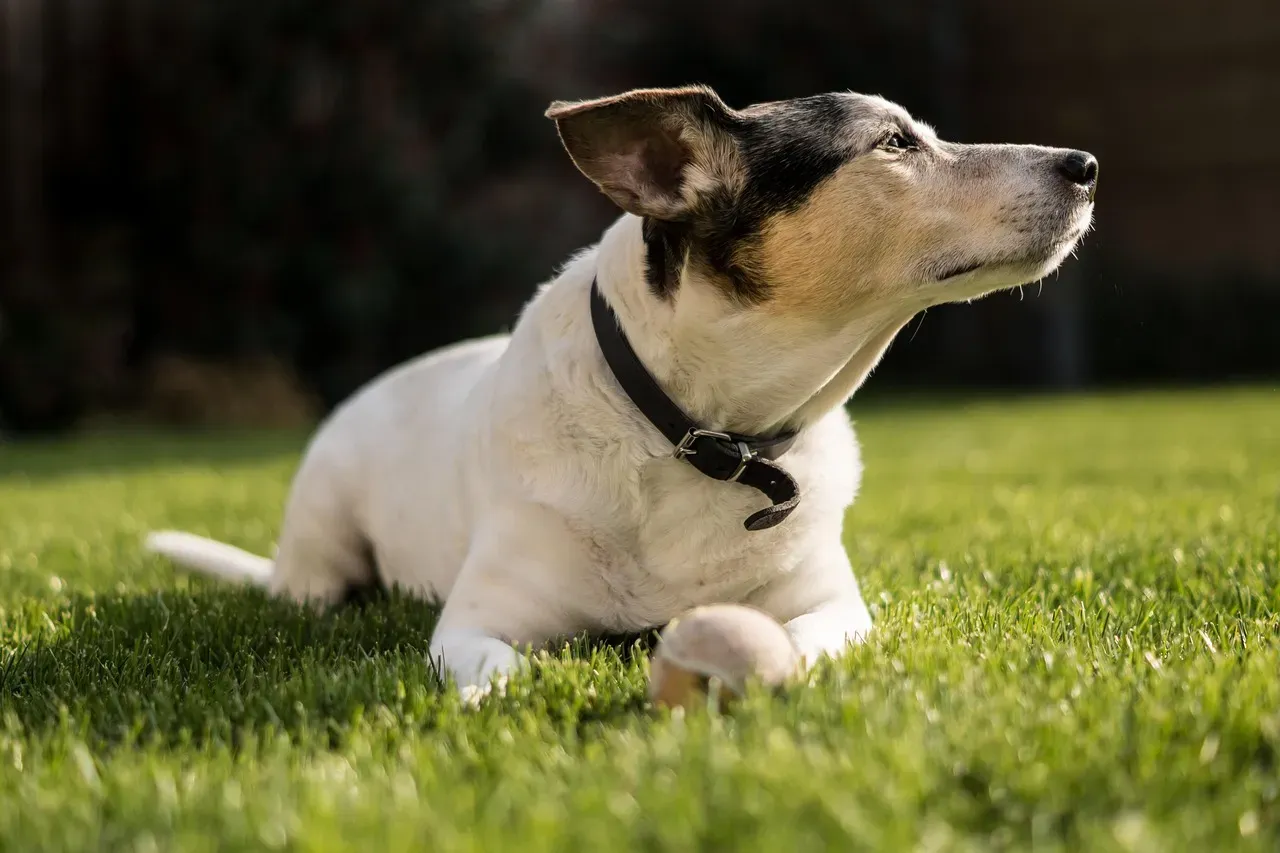
Don’t let the small size fool you. Despite their small size, Jack Russell Terriers have a reputation for being stubborn and aggressive, and they are highly energetic dogs that require plenty of exercise and mental stimulation. They’re also one of those dogs that seems to operate at one speed only: full throttle. Living with one when you prefer a relaxed routine can feel like trying to nap next to a live wire.
Jack Russell Terriers are peppy little dogs that are continuously on the move, with huge personalities, always testing the limits and acting unruly, and because of their intense nature, they might be a little overwhelming for certain seniors to handle. Jack Russells can be challenging to train, including at potty time, and without strict schedules and rigorous consistency, Jack Russells might permanently mark or use the bathroom in the house. That’s a frustration nobody past 50 needs to manage.
#6. German Shepherd
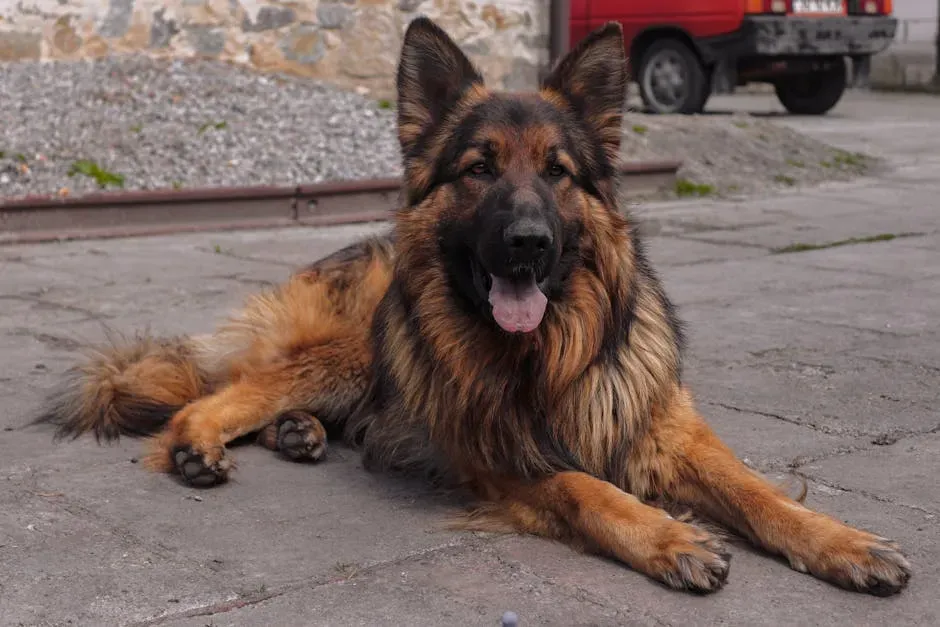
One of the main reasons German Shepherds are one of the worst dogs for seniors is due to their shedding, as they constantly shed all year round and it requires daily cleaning to keep your space free of hair. If you live with allergies or simply prefer a tidy home, this alone can be disqualifying. The hair gets into everything, and staying on top of it is a genuine physical task.
This active breed requires exercising for a minimum of two hours daily, these dogs are athletic in nature and want to keep active beyond one daily walk, and as herding dogs, they need tasks to keep them busy, allowing for both mental and physical stimulation that German Shepherds crave. Despite their admirable qualities, German Shepherds can be overwhelming for senior dog owners, as their large size and strength make walks and handling challenging, increasing the risk of falls or injuries.
#7. Dalmatian
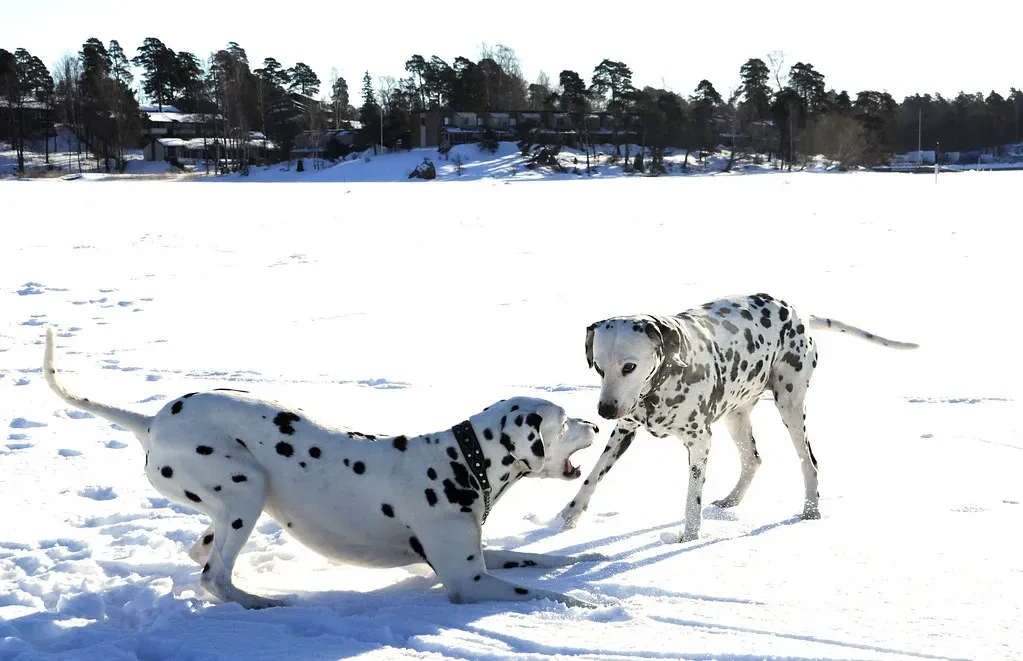
Dalmatians are medium-to-large dogs known for their striking spotted coats and energetic personalities. Originally bred to guard horses and coaches, that watchdog instinct is still present in the breed today, and they are intelligent and sociable but thrive best with experienced pet owners who can provide structured exercise and training routines. The iconic movie-dog image doesn’t tell the full story of what daily life with a Dalmatian actually looks like.
Their high energy levels demand hours of daily exercise, which can be exhausting for older adults, and they are prone to specific health problems such as urinary stones, deafness, and skin sensitivities that require careful management. The combination of their athleticism, potential for sudden bursts of energy, and specialized care needs makes them unsuitable for seniors who may not have the strength or resources to manage these issues safely. The health complications alone can translate into significant veterinary expense and emotional strain.
#8. Doberman Pinscher
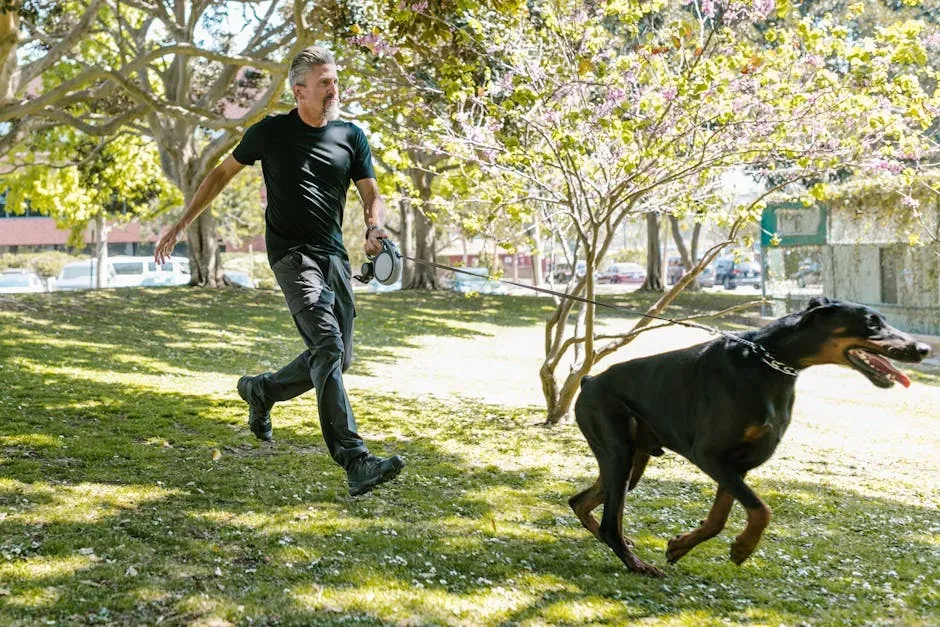
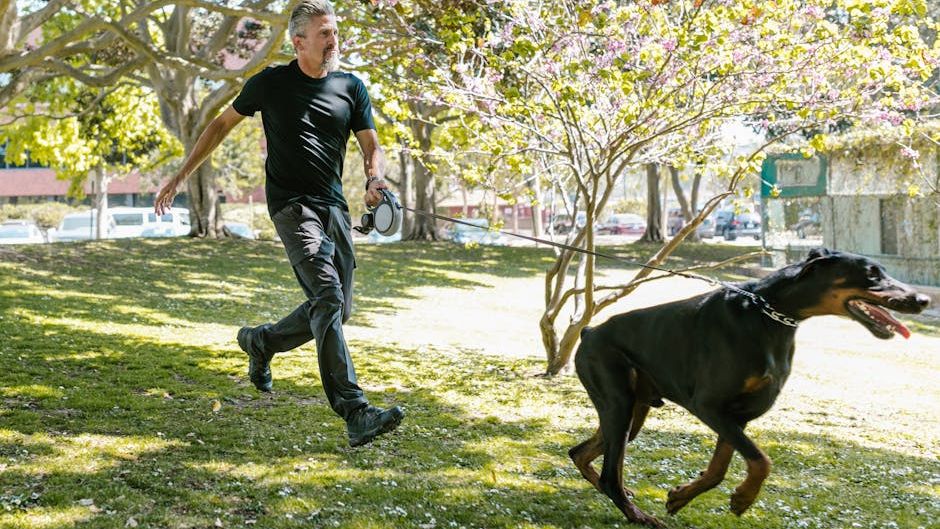
Doberman owners need to be highly active in order to keep up with them. This breed wants to run around and play for hours and their owners should be able to keep up. Runners are an ideal owner for Doberman Pinschers because this breed has the energy and stamina to keep up with them. That description alone paints a clear picture. If running is no longer on your agenda, a Doberman is going to be deeply frustrated.
If Dobermans are not raised properly, they can become unmanageable, and due to their strength, it’s crucial that they are trained correctly so the owner has full control over this strong animal. For seniors seeking a peaceful companion, a Doberman’s high energy, vigilance, and need for active engagement may be too demanding, creating both physical strain and stress. The vigilance and intensity that make Dobermans great working dogs are precisely the qualities that make them a poor match for a quieter chapter of life.
#9. Chow Chow
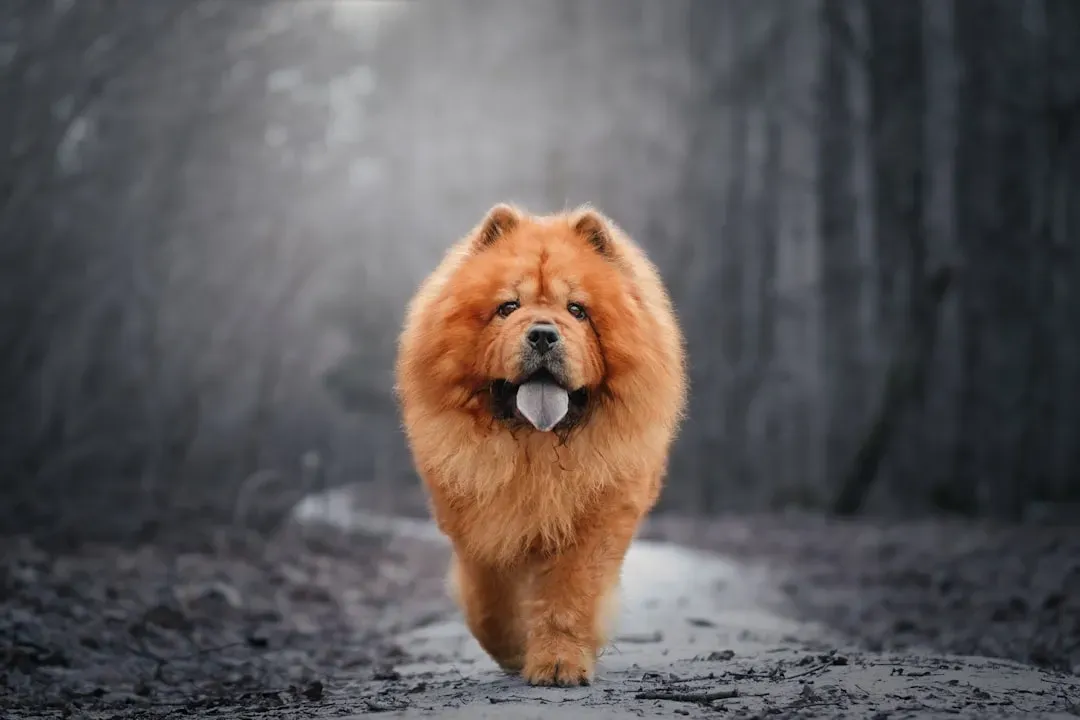
Chow Chows are known for their aloof demeanor and can be challenging to train. Their independent nature means they require a firm and consistent handler, and they can be territorial and protective, which may be difficult for seniors to manage effectively. There’s a certain mystique about Chow Chows that attracts admirers, but their independent streak is not charming when you need a cooperative companion you can trust in public.
Chow Chows need regular grooming and structured socialization, and seniors should assess whether they can maintain these routines to avoid stress or behavioral problems in the dog. Their thick double coats require serious grooming commitment, and aggressive or territorial breeds can pose challenges for seniors, as certain breeds are more prone to such behavior due to their historical roles, with breeds such as the Akita, Chow Chow, and Pit Bull Terrier being protective and standoffish with strangers if not properly socialized from a young age. For someone looking for warmth and ease, a Chow Chow delivers the opposite.
#10. English Springer Spaniel
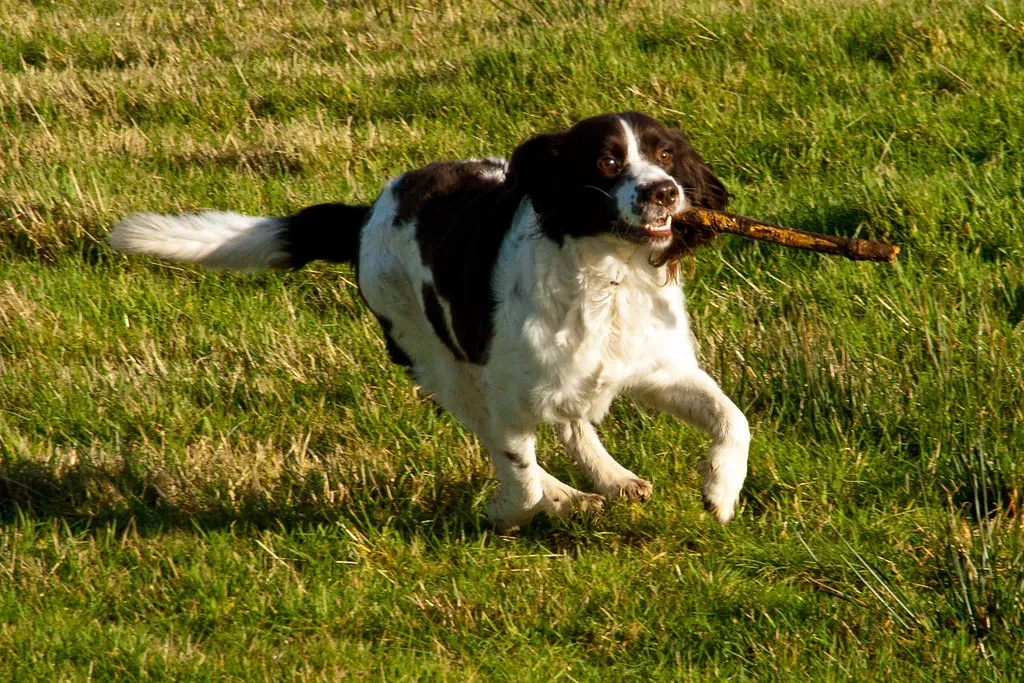
The English Springer Spaniel is a super-high energy dog that requires a lot of grooming, and it has a temperament that can cause them to attack without provocation. One survey revealed that one out of every four Springer Spaniels has bitten somebody, so this breed is not a good choice for older individuals. That statistic is sobering, especially for anyone who assumed an athletic-looking spaniel would naturally be an easygoing pet.
The English Springer Spaniel is a super-high energy dog that requires a lot of grooming. Originally a working gun dog, this breed was built for sustained physical output in demanding conditions. Large or energetic dogs can inadvertently cause injury through pulling on the leash or jumping up, and grooming needs are another consideration, as some breeds require regular professional grooming which can be costly and physically demanding to maintain. When you combine unpredictable temperament with high energy and intensive grooming, you have a breed that demands far more than most reasonably want to give.
The Bottom Line: Choose Your Companion Wisely
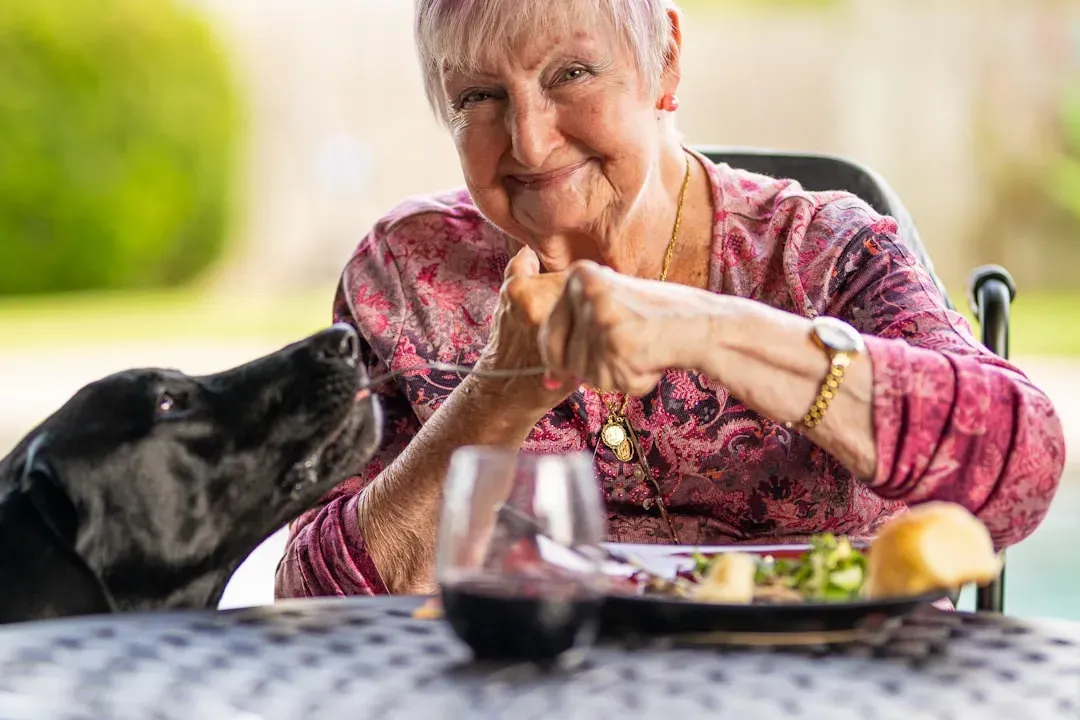
None of the breeds on this list are bad dogs. Every single one of them has qualities that are genuinely admirable. The issue isn’t the breed, it’s the match. While certain breeds may not be suitable for seniors due to their size, energy levels, or temperament, there are many other breeds that could make wonderful companions for older adults, and when choosing a dog, seniors should consider breeds that are small and gentle, low-maintenance, and known to be friendly towards older individuals.
The size and activity level of a dog are paramount factors to consider for seniors, as large breeds can be challenging to manage, especially if they are high-energy, while small breeds are generally easier to handle and require less space and exercise. Temperament and grooming demands matter just as much as energy levels. When considering a dog breed, it’s crucial to assess the compatibility of the breed’s characteristics with the senior’s lifestyle and abilities. While these breeds may not be the best fit, there are plenty of other breeds that can bring joy and companionship to seniors. It’s important to research factors such as size, temperament, exercise needs, and trainability to find a dog that aligns with the senior’s capabilities and preferences.
Life after 50 deserves a dog that actually fits the life you’re living now, not the one you had at 30. The right match won’t exhaust you. It will genuinely enrich you. That’s the whole point.


