
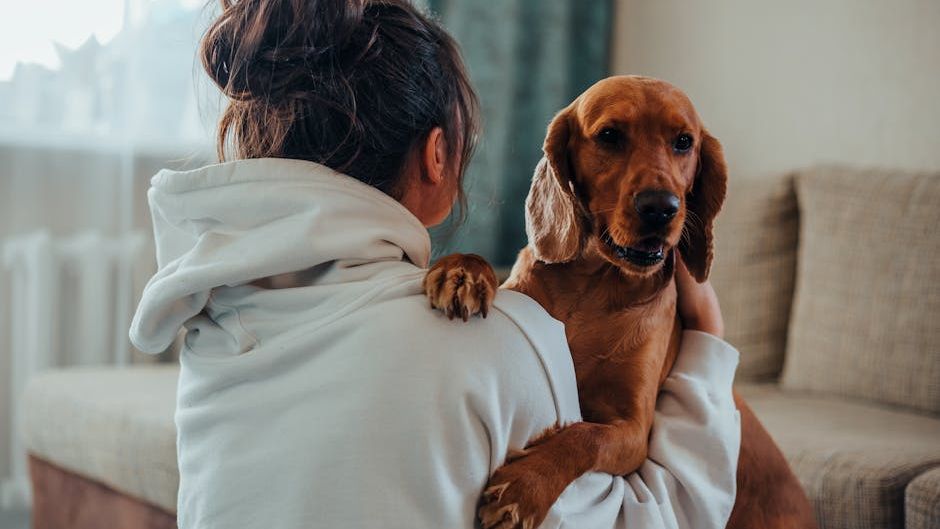
There’s a reason the stories of loyal dogs waiting by front doors, wandering through empty rooms, or resting near a beloved owner’s gravesite spread across the internet so quickly. They touch something raw in all of us. We know dogs love us. We just don’t always stop to think about what that love looks like when it breaks.
It’s not unusual for dogs to grieve the loss of a person they’ve bonded with. While dogs might not understand the full extent of human absence, they do understand the feeling of missing someone who is no longer part of their daily lives. What follows that loss can be subtle, prolonged, and genuinely difficult to watch. These are the fifteen behaviors that tell the whole story.
#1. Refusing to Eat or Dramatically Changing Their Appetite
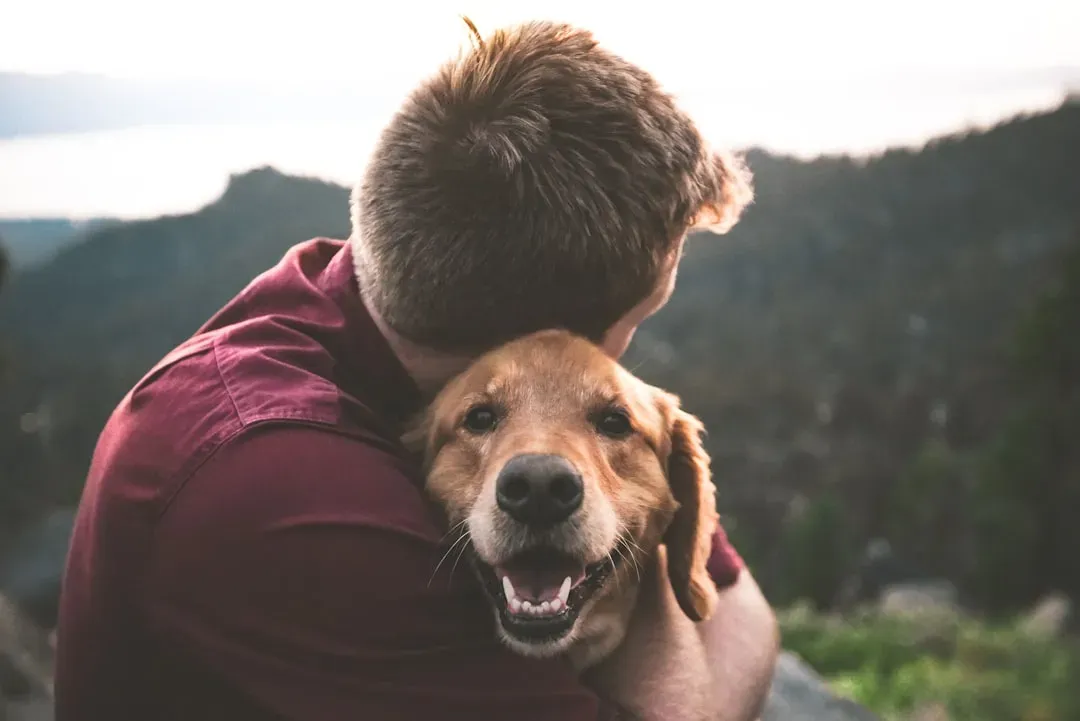
One of the most alarming yet common signs of grief in pets is a dramatic change in appetite. Grieving pets may not have any motivation to eat, sometimes going days without food. This symptom should be closely monitored and addressed by a vet if prolonged.
Food is comfort, routine, and reward all wrapped into one bowl. When the person who filled that bowl, called out “dinner time,” or shared scraps from the table is suddenly gone, a dog’s relationship with eating can collapse entirely. Research has found that roughly a third of dogs experienced a decreased appetite following the loss of a companion, while approximately one in nine refused to eat at all. It’s a quiet, slow-burning kind of heartbreak that caregivers often notice before anything else.
#2. Searching the House Obsessively

A tell-tale sign that a pet is grieving the loss of their deceased human companion is constant searching, presumably for the person they miss. Many people account for their animals spending time right after a tragic loss looking for their companion in their favorite places, sleeping in areas that smell like them, waiting by the door, and attaching to meaningful objects.
Dogs who’ve lost their human companion may even wander around the home looking for that person. This behavior isn’t random restlessness. It reflects a dog’s deeply sensory world. What dogs understand is that a familiar scent is suddenly gone, a daily routine has changed, a companion no longer responds, and emotional states in humans have shifted. Dogs live in a world of scent, routine, and association. Their search is a perfectly logical response to a world that no longer makes sense.
#3. Whimpering, Howling, or Going Eerily Quiet
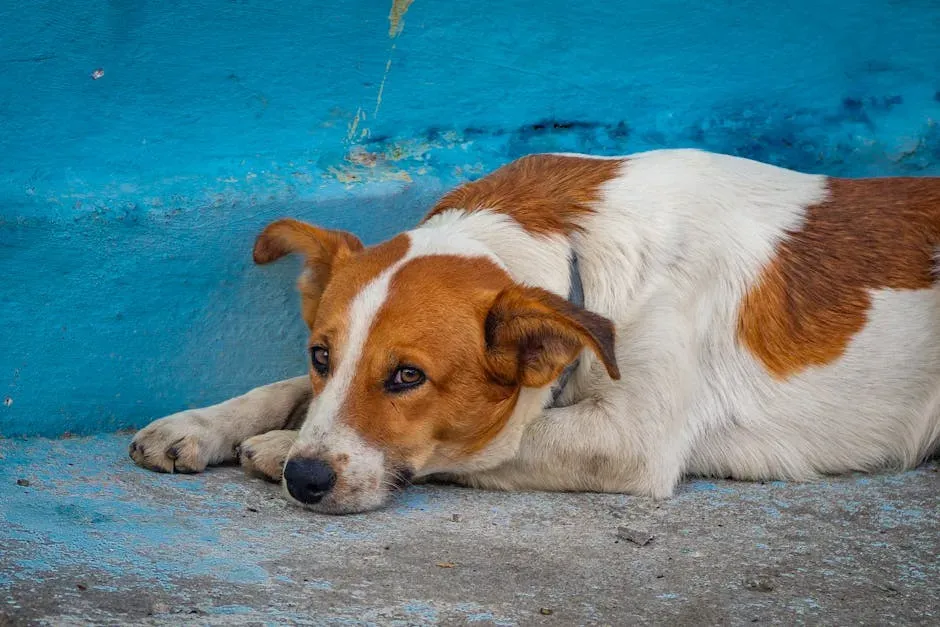
About nearly two thirds of dogs exhibit changes in vocal patterns, with some vocalizing more, while others were quieter than they were before their loss of a human companion. Both responses are genuine expressions of emotional distress, just expressed differently depending on the dog’s personality.
When a pet is processing the loss of a human companion, it is common to witness a change in vocal patterns. A loud, higher-pitched bark can turn into a low-energy wince because they no longer have the motivation to speak. This symptom generally fades on its own, but it is always advised to consult with a vet if you are concerned. Some dogs whimper in the night. Others simply stop barking at the mailman. That silence, for regular dog owners, can be the loudest sound in the house.
#4. Becoming Clingy and Glued to Surviving Family Members
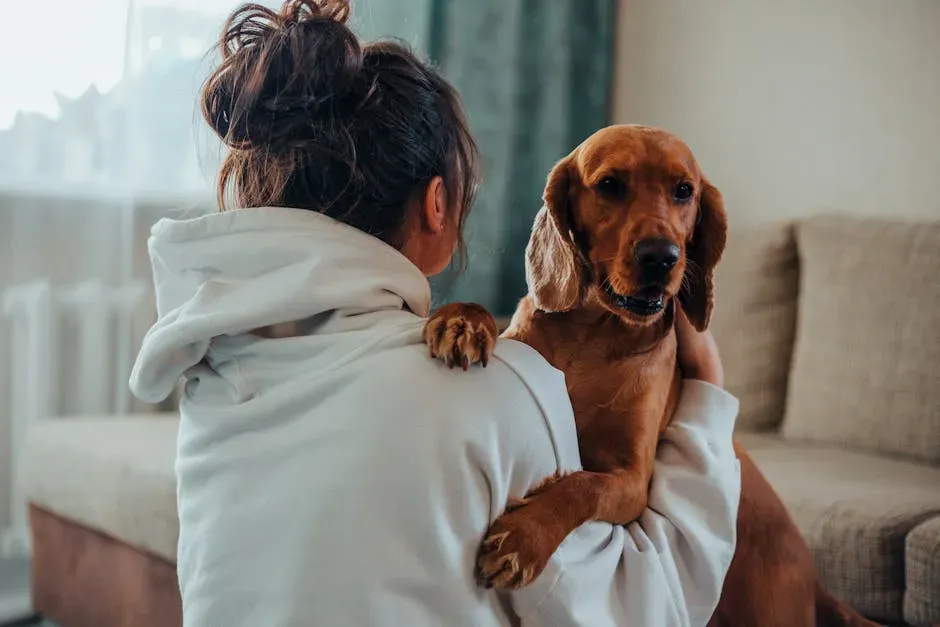
Surviving dogs were often more affectionate with their owners and became clingy. This clinginess isn’t about bad behavior or manipulation. It’s a dog trying to anchor itself to the remaining members of its social world after a piece of it has been torn away.
Dogs are social animals that rely on relationships and social groups for security, so when a family member is lost, that social structure is disrupted and can cause anxiety. A dog that formerly enjoyed its own space on the couch might suddenly need to be pressed against your leg at all times. They’re not asking for too much. They’re just trying to feel safe again in a home that now feels incomplete.
#5. Sleeping Far More Than Usual
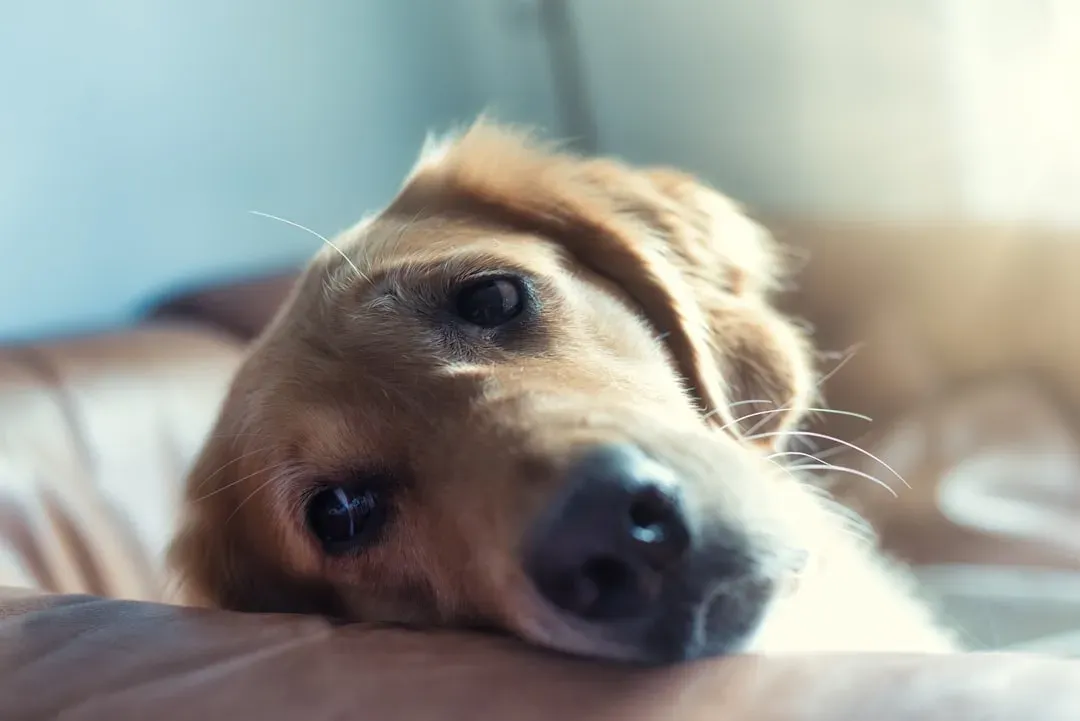
Dogs may become depressed and listless. They may have a decreased appetite and decline to play. They may sleep more than usual and move more slowly, sulking around. Increased sleep after a significant loss mirrors what we see in humans experiencing depression, and that parallel is no accident.
Depression is a typical sign of grief, characterized by changes such as sleep problems, a decreased appetite, a decrease in activity, and increased anxiety that, for dogs, manifests itself with behaviors such as panting, pacing, and sometimes the destruction of objects. A dog that used to greet the morning with tail-wagging enthusiasm might spend entire afternoons curled in a dark corner, barely lifting its head. It’s withdrawal. It’s mourning. It looks almost identical to what humans do.
#6. Losing Interest in Play and Favorite Activities

Grieving dogs who have recently lost a close companion may lose their “spark” and suddenly seem less perky, attentive, and active. The toys that once sparked excitement sit untouched. The leash gets ignored. The games that used to be irresistible hold no appeal.
A significant number of dogs display grief-like behaviors, such as reduced appetite, increased lethargy, and seeking comfort from other family members. Some dogs even exhibit signs of depression, including withdrawal from social interactions and a lack of interest in previously enjoyed activities. If a dog’s favorite person was the one who threw the ball or initiated the evening walk, the loss of that ritual can feel irreplaceable. The activity was never just the game. It was the connection.
#7. Waiting by the Door for Someone Who Won’t Return
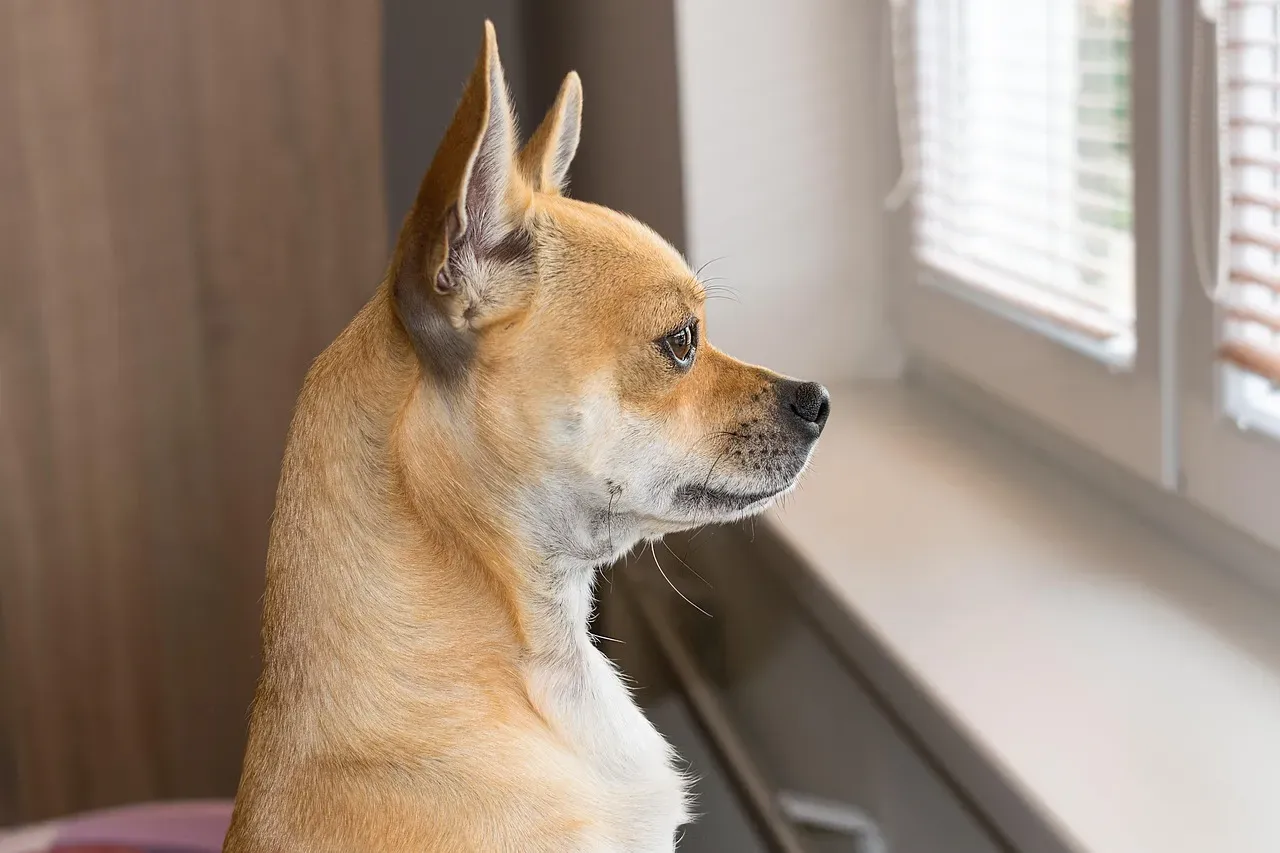
Dogs who are closely bonded to their owners have shown behavioral changes consistent with grief and depression after a loss. Social media is full of photos and videos of dogs waiting patiently by the front door, sitting at the end of the driveway, and even resting near their owner’s gravesite. This shows that these animals miss their owners and are grieving their loss.
Since a dog may not understand death as something permanent, sometimes they will wait patiently, believing that the deceased will return. This is perhaps the most visually heartbreaking behavior of all. A dog stationed at the front door, ears up, watching. It may be rooted in a genuine inability to understand permanence, but the emotional weight it carries for the humans watching is enormous. They’re waiting for a miracle that won’t come, and they have no way of knowing that.
#8. Sleeping in or Returning to the Deceased Person’s Belongings
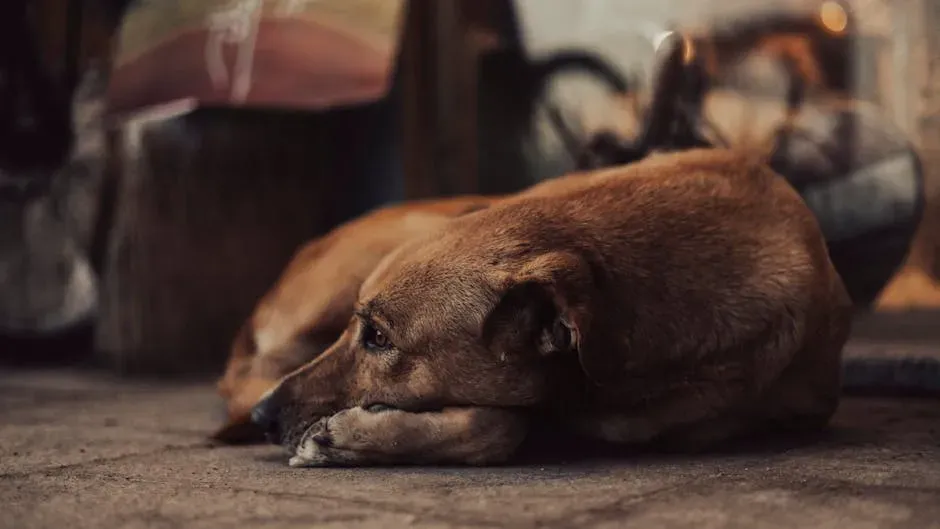
Approximately nearly two thirds of pets repeatedly look for lost companions in their normal napping spots. If your pet constantly returns to their deceased friend’s favorite sleeping or resting place, they may be experiencing grief. For dogs who’ve lost a human, this often means curling up on that person’s side of the bed, on their favorite chair, or on a piece of clothing left behind.
Scent is the most powerful sense a dog has, and the smell of a lost person on a pillow or a worn sweater is a profound comfort. It’s also a source of deep confusion. The smell says “here,” but the person is gone. Pets who’ve lost a companion may sometimes want to lie in their friend’s spot. Caregivers often find their dog curled on the deceased person’s favorite blanket for weeks. Don’t rush to wash it away. That scent may be one of the few comforts a grieving dog has left.
#9. Changes in Sleep Location or Nighttime Restlessness
Many dogs sleep more than usual while some suffer insomnia. Some dogs change the area of the house where they sleep. A dog that always slept at the foot of a specific person’s bed may begin roaming the house at night, unsettled, unable to settle into what used to feel like home.
Nighttime is its own challenge for a grieving dog. The house is quiet, the distractions of the day are gone, and the absence of their person becomes harder to ignore. Dogs are known to experience distress when separated from an individual to whom they are strongly attached, whether human or animal. When a companion dies, that permanent separation can lead to separation-related behaviors similar to diagnosed separation anxiety. Restless nights are one of the clearest signs that the loss has hit at a deep, visceral level.
#10. Changes in Grooming Habits

If your cat or dog doesn’t groom himself, take note. He could be grieving. Self-neglect is a known symptom of depression in many species, and dogs are no exception. A coat that was once well-kept through licking and natural maintenance may start to look dull or unkempt.
Changes in grooming or bathroom habits are a red flag in grieving pets. If your normally fastidious pet soils the house or misses their usual spots, this should be cause for attention. Stress-related accidents in the house from a previously house-trained dog are often dismissed as misbehavior. They’re rarely that simple. A grieving dog has lost its emotional regulation, and the body sometimes follows. Patience, not punishment, is what’s needed here.
#11. Pacing, Restlessness, and Anxious Energy
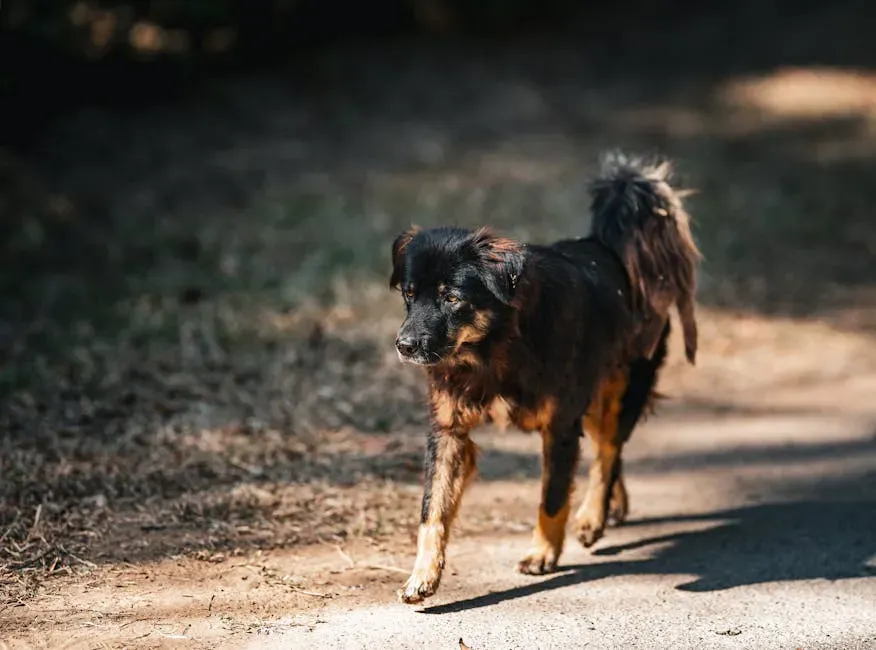
If a vet is able to rule out any medical conditions, it may well be that a pet is going through a grieving process. Different animals have different ways of dealing with situations, and some pets may even be vocal and pace, looking around for their lost loved one.
Pacing is the body’s outward expression of internal unrest. A dog that can’t settle, that moves from room to room without purpose, that circles and sighs and circles again, is experiencing something it can’t verbalize or resolve. Although there is no concrete way of knowing exactly how a dog processes grief, there’s no denying they express sadness through behavioral changes. Restlessness is one of the most telling of those changes, especially in a dog that was previously calm and settled.
#12. Withdrawal from Other People and Pets
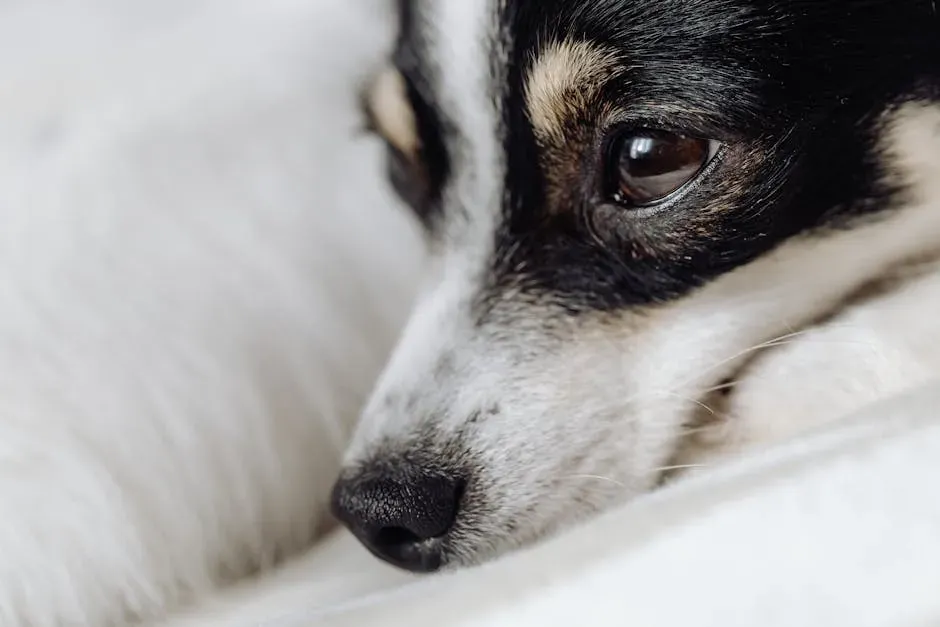
Your dog simply knows that their friend is no longer present and may exhibit one or more symptoms of grief, including withdrawal from people and other pets. A dog that was once the social glue of a household may retreat. Less interaction with other family members, less interest in the family cat, less engagement overall. It’s a kind of emotional pulling inward.
Establishing a new, comfortable social structure in the home following the loss of a human family member is important for the entire family, but even more so for dogs. Dogs have a much narrower social structure with set boundaries that extend only as far as the inside of the house. Their days are focused on a much smaller social periphery that may include only the other pets and people within the immediate family unit. When a member of that family unit is gone, there is a huge void in the dog’s life. That void can manifest as complete social withdrawal, and it deserves to be taken seriously.
#13. Absorbing and Mirroring Human Grief

Dog owners may be concerned that their own grief is making things harder for their dogs. Dogs are sensitive creatures who tend to be in tune with how their owners are feeling. Scientific studies do show that when their owners are stressed, dogs may show more evidence of stress themselves. They pick up on facial expressions, tension in bodies, and their owners’ own signs of grief.
When you’re feeling sad because you’ve lost a beloved person, your dog is feeding off your sadness. Because dogs are genetically tuned to bond closely with their human owners, this can, in effect, double up on your dog’s emotional stress. This creates a feedback loop that’s difficult to break. The grieving owner inadvertently amplifies the dog’s distress, and the dog’s distress makes the owner grieve harder. Understanding this dynamic is the first step toward gently interrupting it for the benefit of both.
#14. Destructive or Out-of-Character Behaviors

An increase in stress may result in some temporary undesirable behaviors, including house soiling or destruction of toys, bedding, or other household items. A normally well-behaved dog that suddenly chews through a cushion or destroys a shoe is not acting out of spite. It’s expressing overwhelm through the only outlet available to it.
Grieving pets will often not want to follow the same exact routine they once did and may adjust to entirely new, disrupted patterns due to their mourning. Behavioral changes that look like “bad behavior” in a grieving dog are almost always rooted in anxiety and confusion rather than defiance. Responding with calm redirection rather than punishment matters enormously here. What the dog needs most isn’t correction. It’s reassurance that life will stabilize again.
#15. Prolonged Sadness That Lasts Weeks or Months
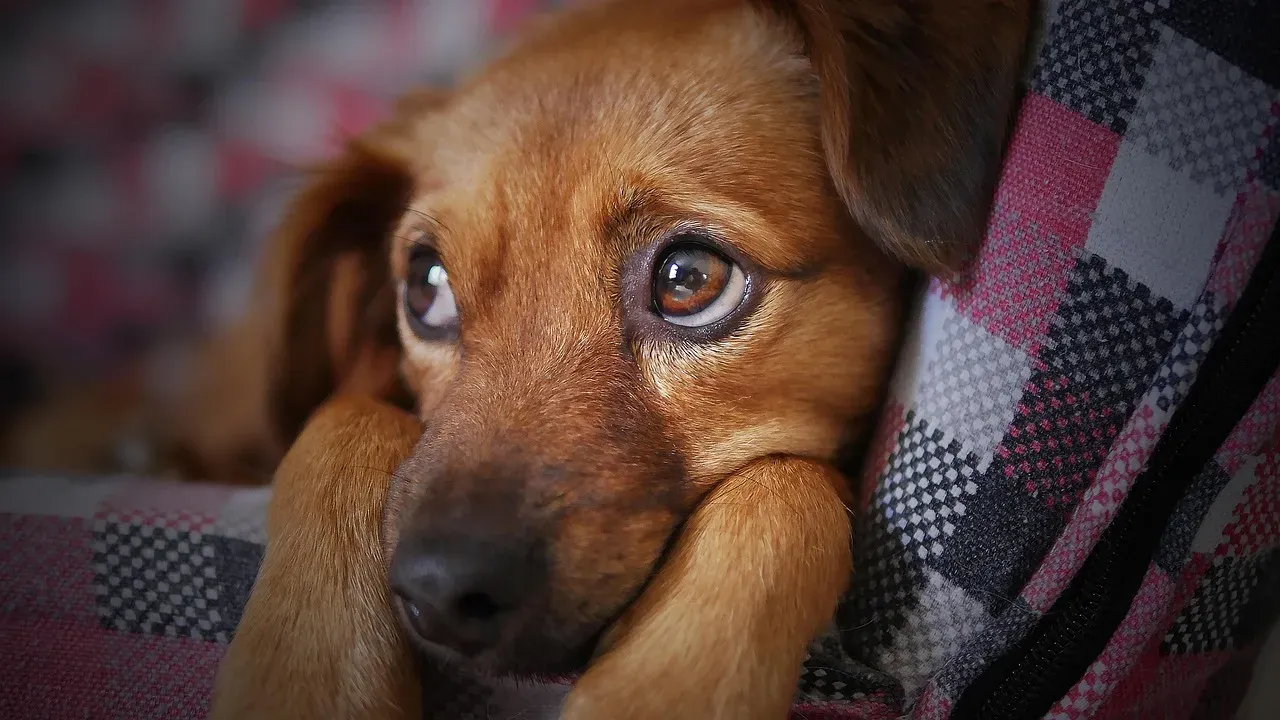
Behavioral changes were observed most often between two and six months after the loss, with some dogs showing changes for less than two months and others showing changes for longer than six months. Grief in dogs isn’t always a short-term response. For deeply bonded dogs, the shadow of loss can stretch surprisingly long.
Dogs may grieve the loss of a person for several months, showing signs of sadness or withdrawal as they adjust to the change in their life. It’s not uncommon for dogs to show any of these signs after a loss, and it may take anywhere from a few weeks to a few months for them to get back to themselves. During this time, it’s important to support them with lots of love and affection. Time, consistency, and genuine presence are the most powerful tools available. There’s no shortcut through grief for a dog, any more than there is for us.
What We Owe the Dogs Who Grieve

Watching a dog grieve is humbling. There’s no language barrier, no cultural filter, no social performance. You’re watching a creature feel something it can’t explain or rationalize. The loyalty that makes dogs so beloved is the same force that makes their loss so devastating for them.
For years, people believed that dogs were not capable of grieving and were simply responding to human emotions. But newer research indicates that changes in a dog’s behavior following the death of a person are genuine expressions of grief. That matters. It means what we’re witnessing is real, and it deserves a real response.
In my view, caring for a grieving dog is one of the most quietly profound responsibilities pet ownership asks of us. These animals don’t understand death, but they understand absence. They feel the gap in their world as concretely as we do, perhaps more so, because they can’t fill it with memory or meaning. What they need from us is simple, consistent, and irreplaceable: to stay. To show up. To be the anchor in a world that suddenly doesn’t feel whole. That’s not asking much. It’s actually the most human thing we can do.


