
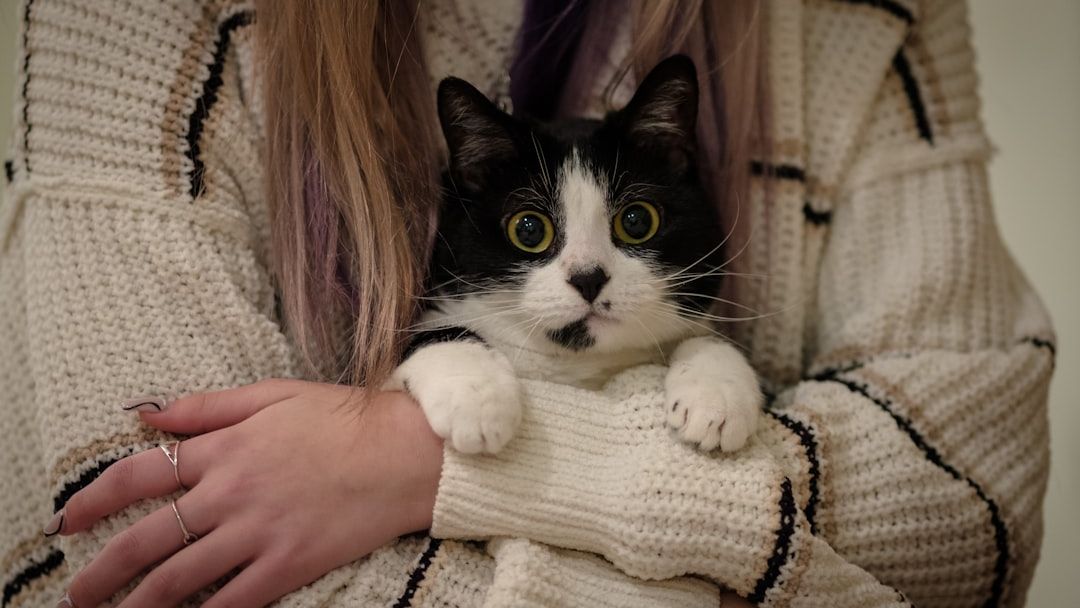
Cats have a reputation for being mysteriously indifferent, but anyone who has shared a home with one knows that the reality is far more nuanced. They don’t hand out trust freely, and they certainly don’t perform affection on demand. What they do instead is something quieter and, honestly, more meaningful. They leave little signals scattered throughout the day, each one a small vote of confidence in you as their person.
Trust in felines grows from predictable routines and gentle handling, built on positive experiences tied to food, rest, and play. Since cats rely more on body language and subtle habits than on obvious displays, their trust often shows up in small, repeatable behaviors that mean far more than they seem at first glance. Once you know what to look for, you’ll start noticing just how loudly your cat has been speaking all along.
#1. The Slow Blink That Changes Everything
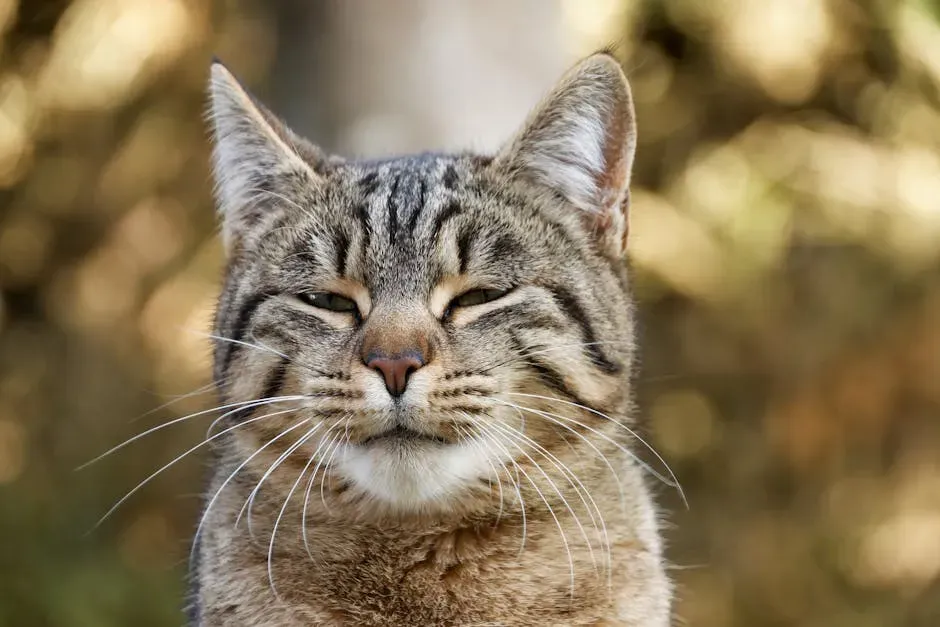
In the feline world, direct staring is threatening. When your cat looks at you and slowly closes their eyes, they’re communicating trust. It’s the cat equivalent of saying, “I feel safe with you.” Your cat is literally closing their eyes in your presence and trusting that nothing bad will happen. If you slow blink back and your cat returns the gesture, you’re participating in a quiet conversation built entirely on mutual trust.
Cats use slow blinking to demonstrate affection and trust. Eye contact is an important form of communication for cats, and they use stares, pupil size, and blinking to signal various emotions to other cats and humans. If your cat holds eye contact with you when relaxed and gives a slow blink every now and again, this is a definite sign of affection and trust. Known as the “love blink,” this sleepy sign is very subtle, but once you know, you know.
#2. Sleeping On or Near You
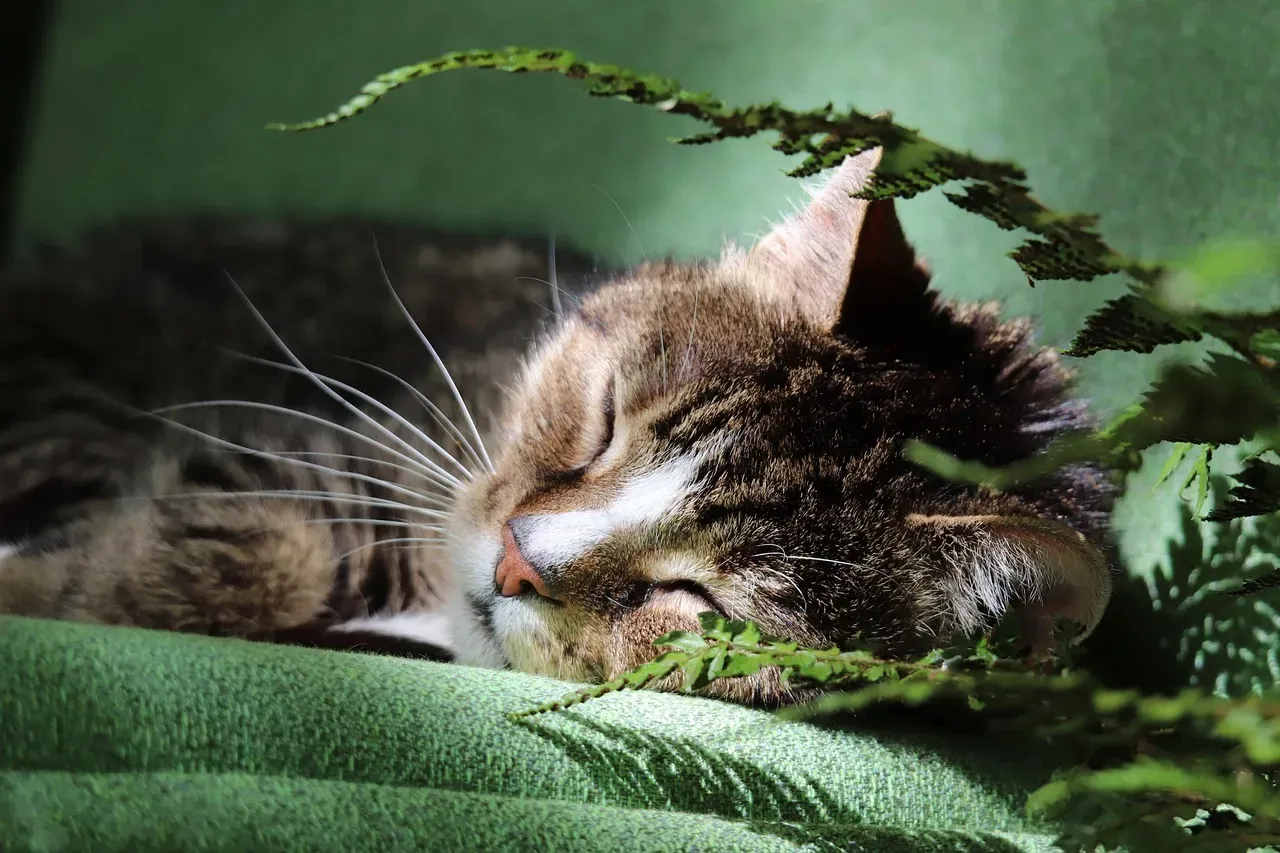
If your kitty likes to sleep near you, or even on you, this is an indication that they have total trust in you. When a cat is asleep they are of course vulnerable, so choosing to sleep in your presence, rather than wandering off and finding another safe haven, means that they feel relaxed and don’t see you as a threat.
When your cat sleeps fully stretched out, legs extended, belly loose, body relaxed, it’s a sign they don’t feel the need to stay guarded. They believe their environment is safe. They believe you are not a threat. That kind of relaxation only happens when trust is firmly in place. A cat that sprawls across your lap or presses into your side at night isn’t just seeking warmth. They’ve made a deliberate, instinct-driven choice, and they chose you.
#3. Kneading You Like Bread Dough
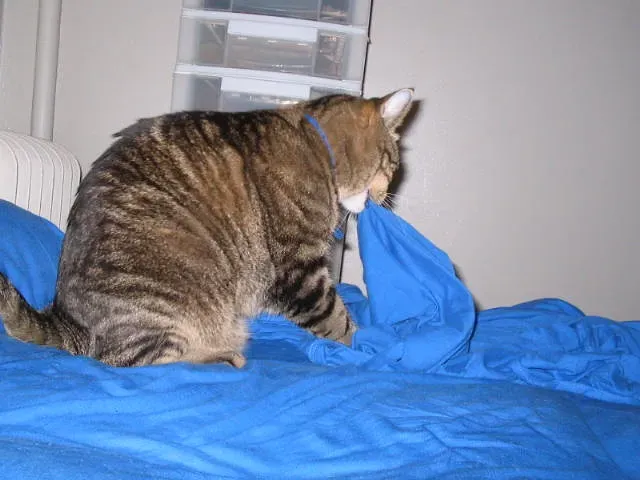
Kneading comes from kittenhood, when pressure on a mother’s belly encouraged milk flow. Adult cats repeat this motion when they feel content. Using a human as the kneading surface shows emotional association with safety. The behavior also releases calming hormones that reinforce positive bonds.
It’s an instinctual behavior that also serves to soothe them when they’re an adult. Kneading reminds them of the safe, secure feeling that they had as a kitten with their litter and mother. It can be painful for your adult cat to knead you if they have a habit of using their claws, but your cat isn’t trying to hurt you. It’s their way of getting comfortable and demonstrating how safe they feel with you.
#4. The Headbutt and Cheek Rub (Bunting)
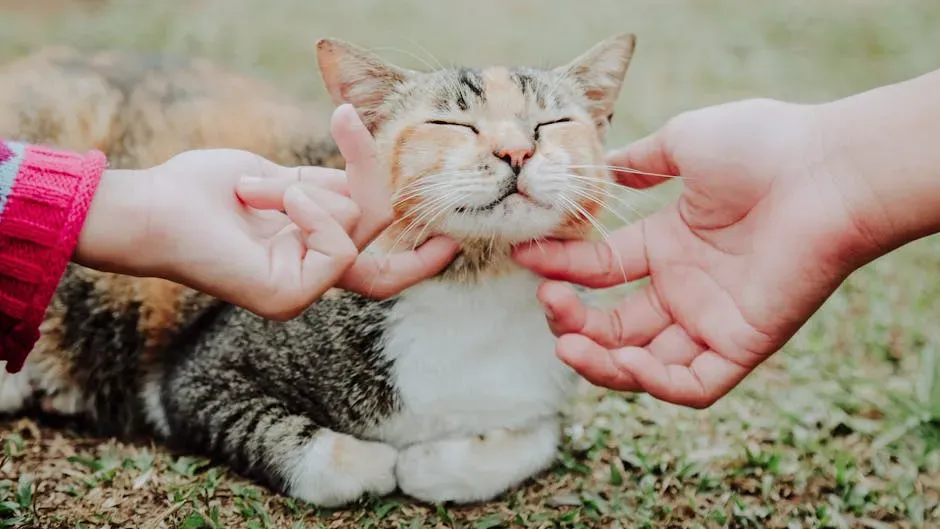
When a feline bumps its head or presses a cheek against a person, it marks them as trusted. Facial rubbing deposits pheromones from scent glands located on the cheeks and forehead. These pheromones signal familiarity and security. Scent sharing is reserved for individuals within a cat’s safe circle.
Bunting and cheek rubs aren’t random nudges. They’re scent-marking and a clear vote of trust. When your cat presses their forehead or cheeks against you, they deposit facial pheromones that label you as “safe” and “mine.” You’ll see more rubbing when your cat feels secure, during greetings, after you return home, or before meals. Think of it as your cat quietly claiming you, in the best possible way.
#5. Following You From Room to Room
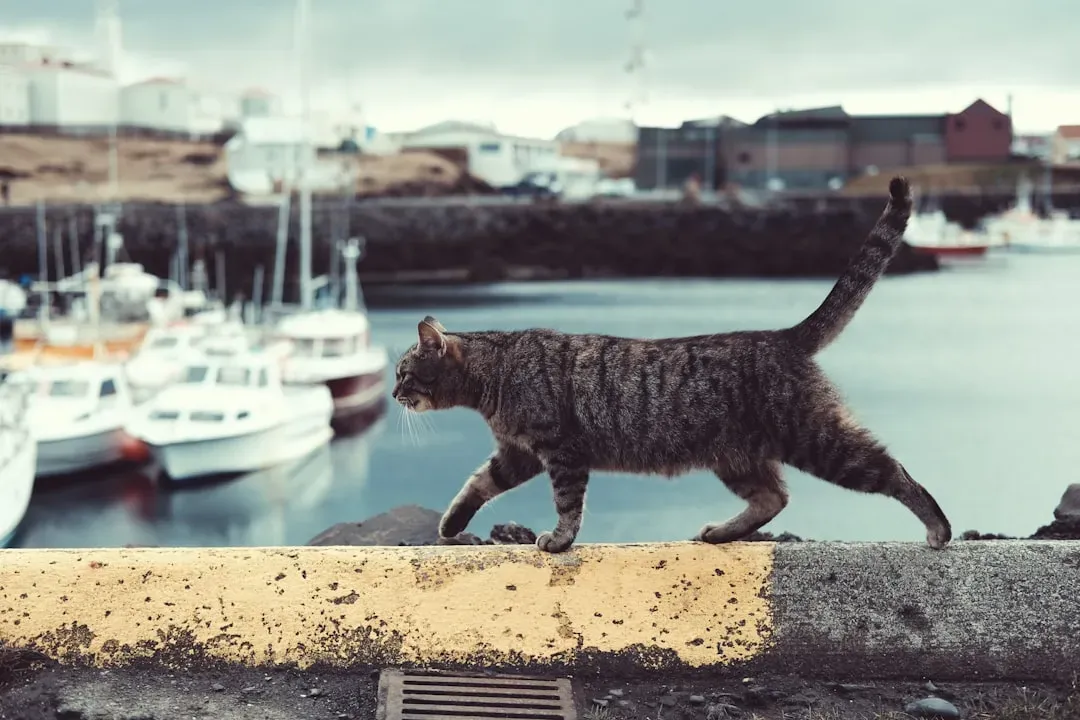
Not every cat will follow you around, but when they do, it’s a clear sign your cat trusts you. Veterinary experts note that in the wild, cats do not follow other animals unless they feel secure and protected. When a cat follows you around, it is choosing you as its safe person. Following you everywhere is a subtle but powerful signal that your feline family member feels confident, comfortable, and deeply attached to you.
Cats are independent by nature, so when they go out of their way to be near you, it’s a telling sign of trust. They’re interested in your activities and want to be part of your daily life. It’s worth appreciating the next time your cat trails you to the bathroom. They genuinely just want to be around you.
#6. Greeting You at the Door
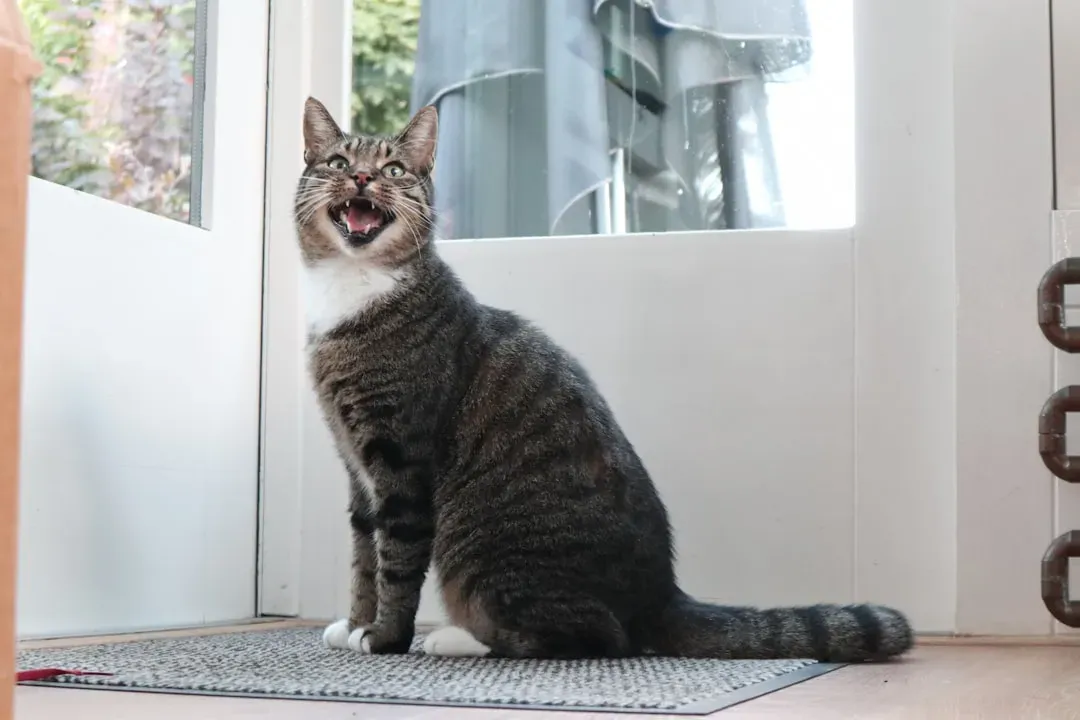
Your cat is trying to show you that they missed you when they greet you at the door. This is often followed by walking in between your legs and curling their tail around your legs. Sometimes it’s also accompanied by meowing and “rattle-tail” behavior, where your cat will shake their tail quickly. This is your cat’s way of welcoming you home.
A kitty that runs to the door when someone comes home is showing confidence. Territorial awareness drives cats to monitor entrances, and approaching instead of observing from a distance indicates a sense of comfort. A nervous or distrustful cat keeps its distance or watches from a safe hiding spot. Running toward you is the opposite of that, and it says a lot.
#7. The Upright Tail With a Curved Tip
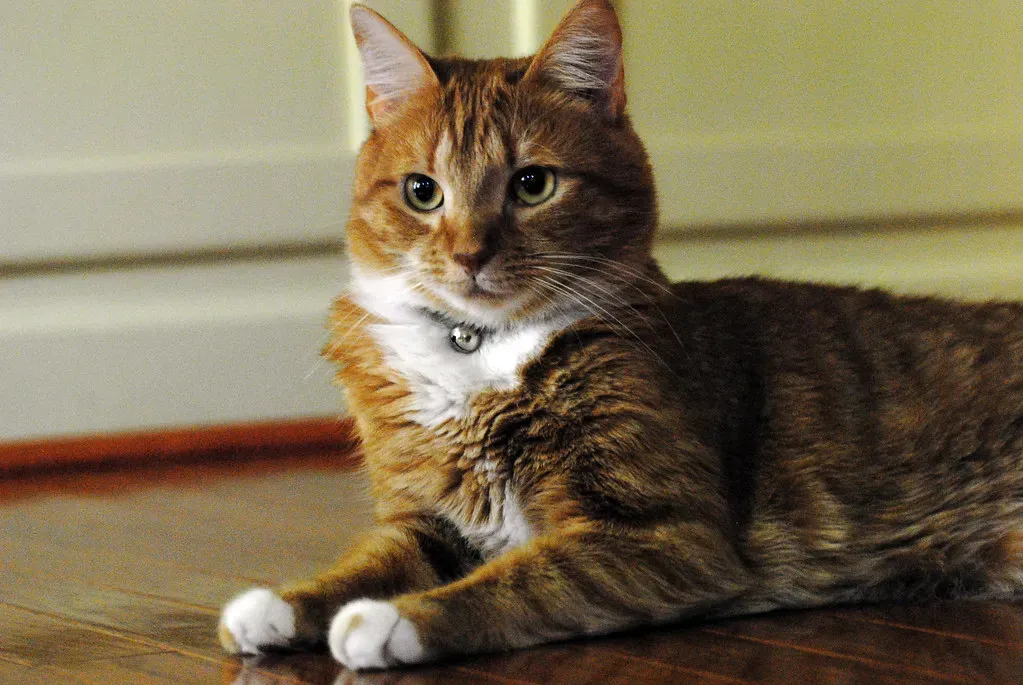
A tail held straight up communicates friendliness and emotional balance. Approaching with this posture reflects comfort. Slight tail quivers indicate excitement associated with joyous anticipation. Cats reserve these signals for individuals they feel safe approaching.
Cats express their feelings with their tails, as it’s one way cats communicate that pet parents don’t always catch. When your cat approaches you with their tail held high, sometimes with a gentle kink at the tip, it’s a sweet sign your cat trusts you and feels confident around you. It indicates friendliness and calmness, signs that the cat is relaxed and eager to interact with you. It’s one of those signals that’s easy to miss, but once you see it, you’ll spot it every single time.
#8. Showing You Their Belly
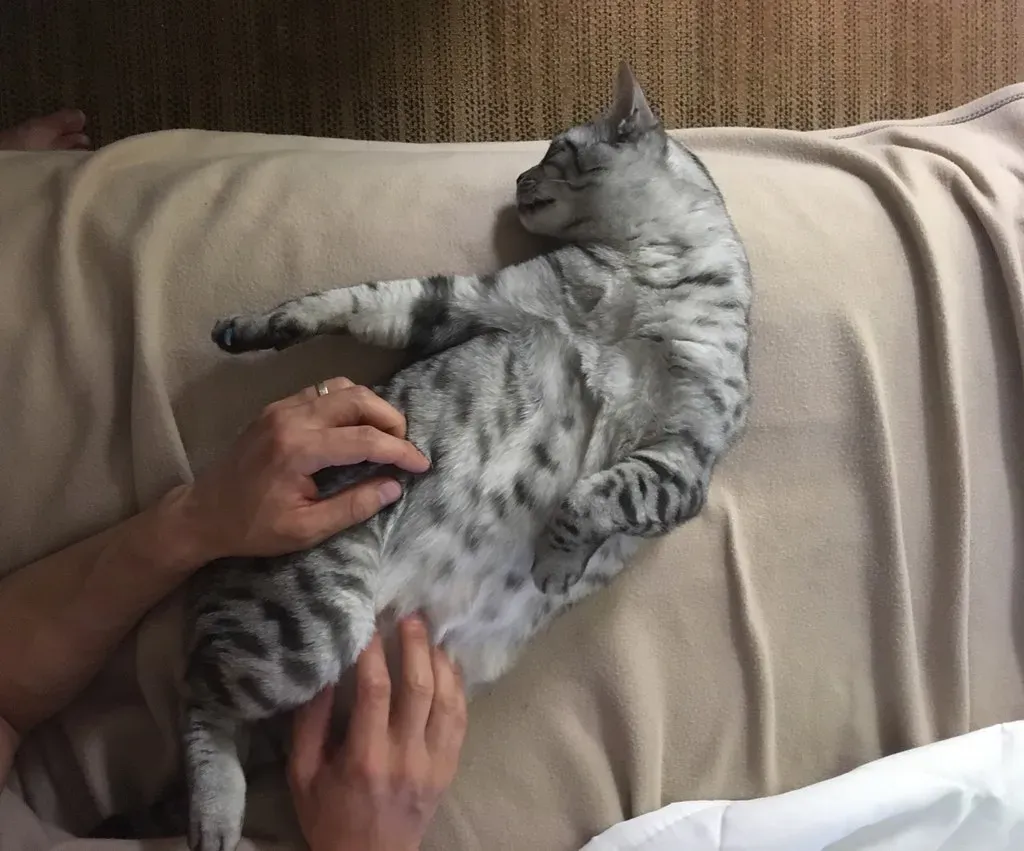
This is often considered the ultimate sign of trust for a cat. Cats only lie on their backs and show their bellies when they are in their most relaxed state. This is not an invitation to pet or rub your cat’s belly. They are simply communicating that they feel comfortable and safe enough to reveal one of the most vulnerable parts of their body.
In nature, cats are both prey and predator to small critters. Evolutionarily, as prey, they learned to protect themselves and their vital organs, such as the belly area, from those they mistrust. So when your cat flops over and exposes that soft underside, resist the urge to immediately go in for the rub. Simply appreciate what they’re actually saying, that they feel completely at ease in your presence.
#9. Grooming You or Grooming Themselves Near You
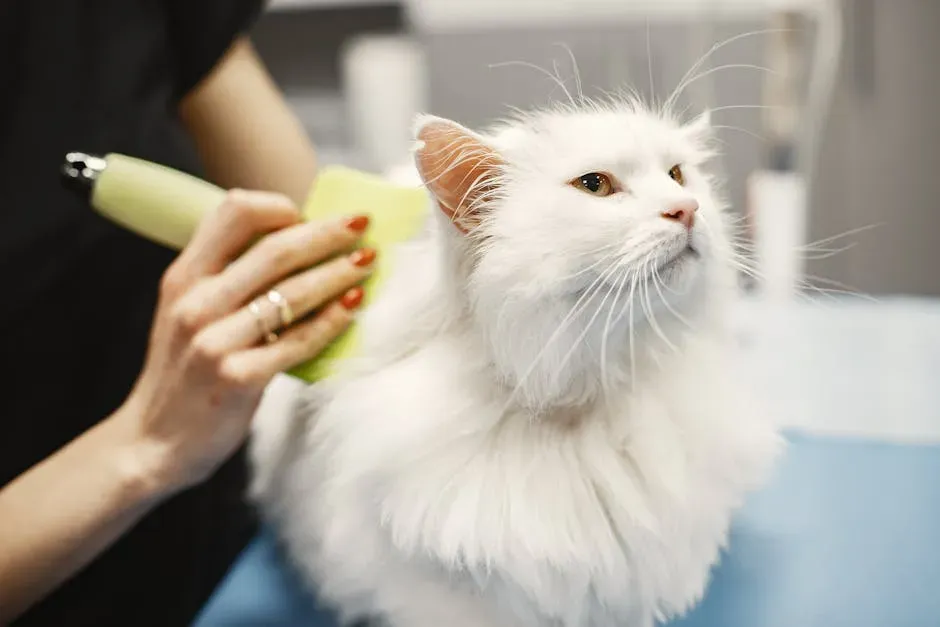
Sometimes your cat’s grooming of you, through licking, gentle nibbling, or methodical cleaning, signals social bonding and trust. In feline groups, allogrooming cements alliances, reduces tension, and spreads a shared scent profile. When your cat treats you like a clanmate, it’s saying you’re safe and familiar.
Grooming puts cats in a vulnerable mental state. If your cat grooms themselves near you, it means they don’t feel the need to stay alert or tense in your presence. This behavior shows deep environmental trust. They’re comfortable enough to focus inward instead of scanning for danger. It’s one of the strongest signs that your cat feels emotionally safe around you.
#10. Bringing You Gifts
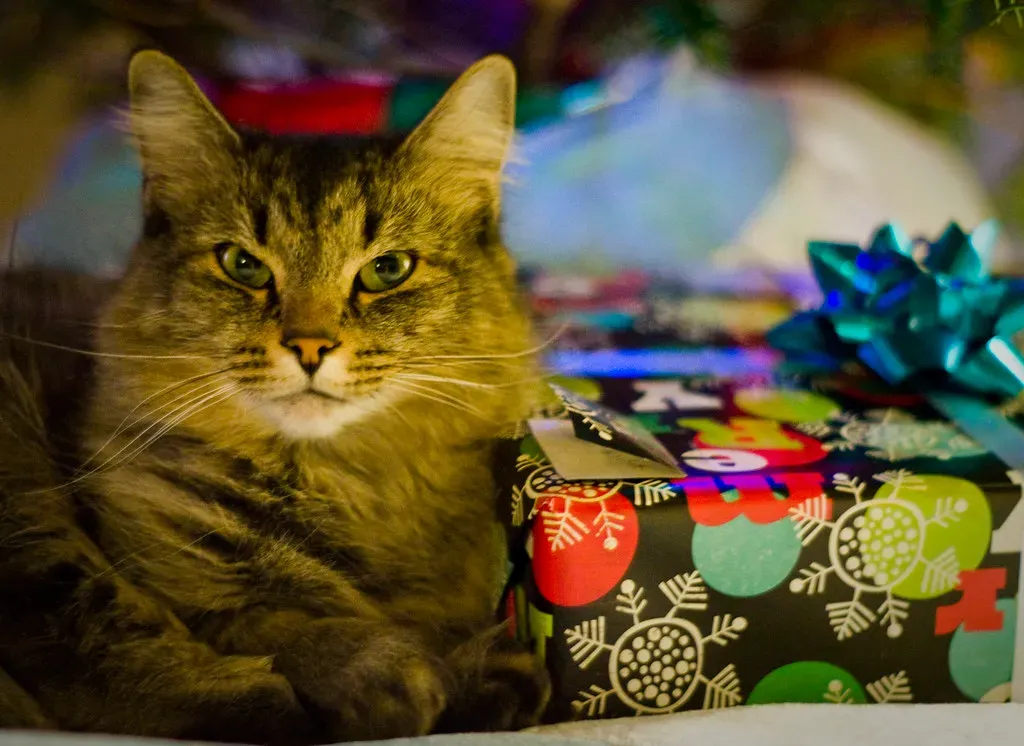
Presenting prey reflects instinctual sharing tied to survival. Wild cats feed their family members and young before themselves. Offering a catch signals inclusion in the social group. While humans may reject the gift, it’s still well-intentioned.
If you have an indoor kitty, they may lay toys near you to indicate the same trust. If their favorite catnip toy is always left beside you after a nap, know that your cat adores you and has no problem showing it. Just as humans give gifts when they have a strong bond with someone, cats have the same tendency to show appreciation. Try to receive these offerings graciously, even if the gift is a slightly mangled toy mouse at six in the morning.
#11. Meowing Specifically at You
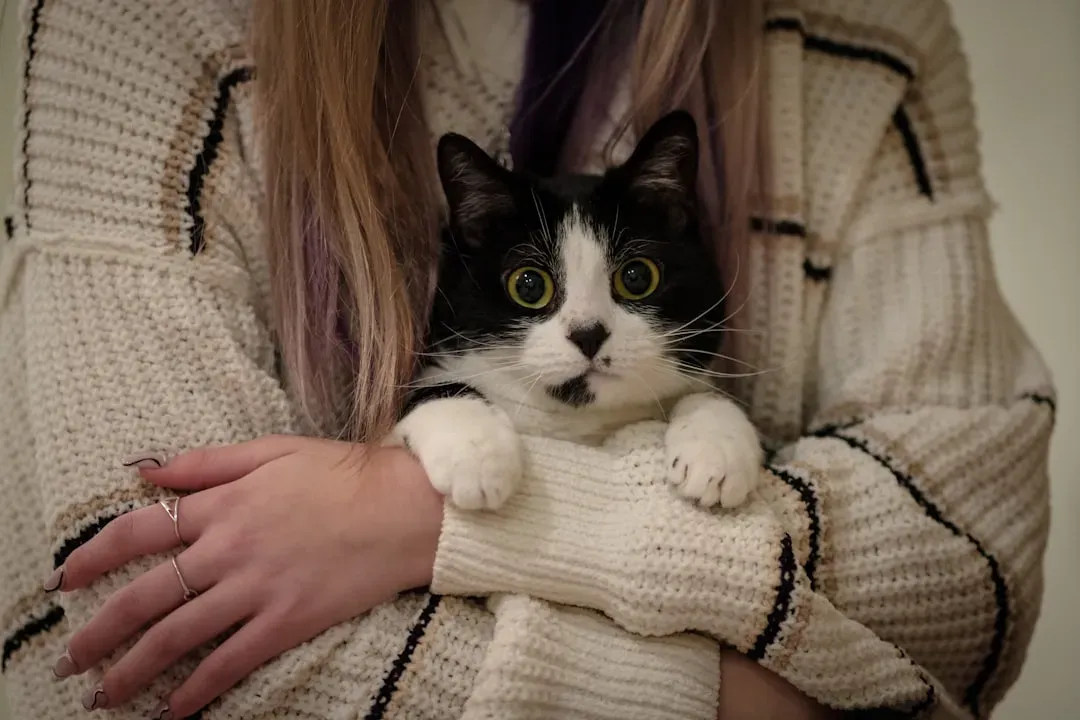
Cats meow at their mothers, who provide them with food, warmth, and safety when they are kittens, and they meow at their people, who provide them with the same things as adults. That’s a meaningful distinction. The meow is not a general communication tool in the feline world. It’s one that cats reserve, by and large, for the humans who matter to them.
Not all cat vocalizations are demands for food. When your cat greets you with gentle chirps, trills, or soft meows, they’re expressing affection and trust. These sounds are often reserved for their favorite humans. It’s their way of starting a friendly conversation, showing excitement to see you, or simply telling you they feel good when you’re around. These little noises can act as a bond, unique to your relationship.
#12. Seeking You Out When Something Is Scary
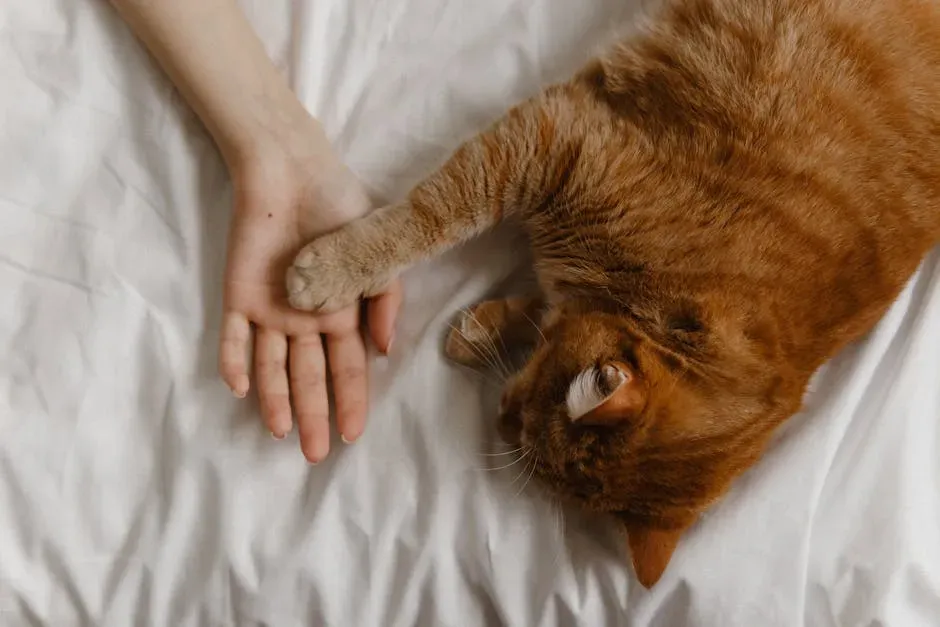
When something startles your cat, watch where they go. If they come toward you instead of hiding, it’s a strong sign of trust. You represent safety. This doesn’t mean they won’t hide sometimes. But choosing you as a safe presence shows emotional attachment. You’ve become part of their coping system.
Maybe they hide behind you when there are new people in the house, keeping you between them and the strangers because they trust you to protect them. Or maybe at the vet, when you hold them, they bury their face in your shoulder, trying to get as close to you as possible. That reaching for you in a frightening moment is not random. It’s the clearest declaration your cat can make: you are their safe place.
What All of This Really Means
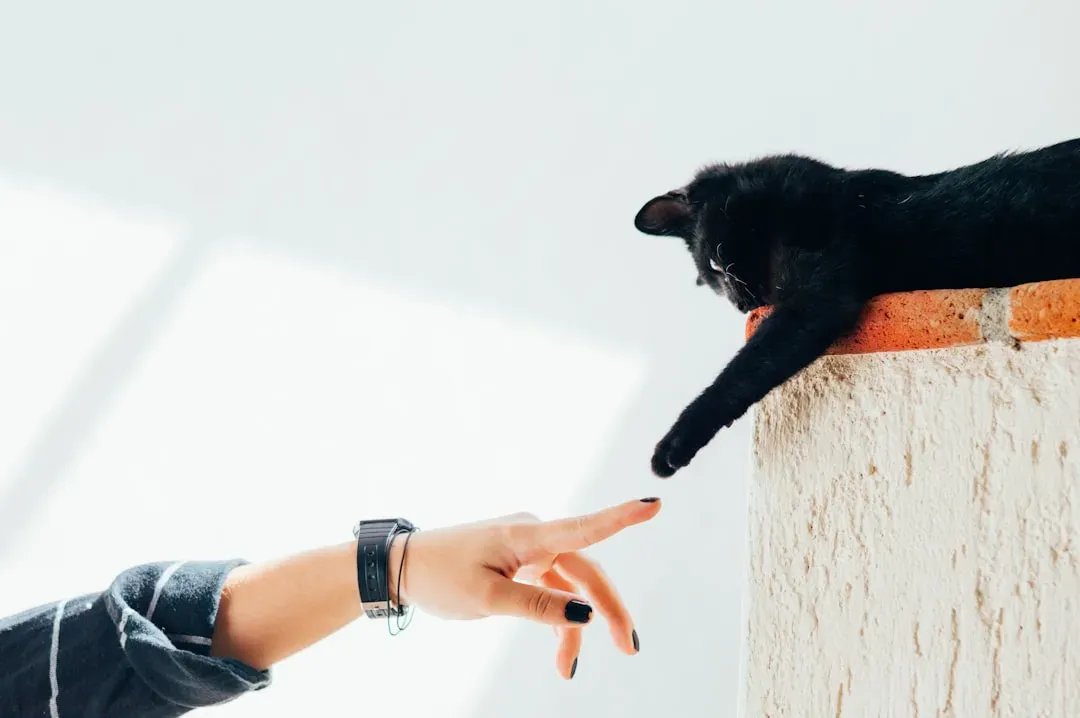
Cats are often labeled as distant, but research and behavioral studies show they form strong social bonds with people who make them feel safe. Trust in felines grows from predictable routines and gentle handling, built on positive experiences tied to food, rest, and play. Since they rely more on body language and subtle habits than on obvious displays, their trust often shows up in small, repeatable behaviors that mean far more than they seem at first glance.
Here’s the thing that people often get wrong about cats: they compare feline affection to canine affection and find it lacking. That’s simply the wrong measuring stick. Cats care about physical comfort and safety, and their trust in you is about whether or not you provide those things in the ways and quantities that they need. When a cat trusts you completely, they show it in every small, unhurried gesture: the slow blink before sleep, the purr against your side, the toy left at your feet.
Age and history affect signals: kittens and socialized adults display different behaviors, while rescues or formerly feral cats take longer to show trust. One signal alone isn’t definitive; combining posture, proximity, and behavior over time gives a more reliable picture of trust. Be patient, be consistent, and pay attention to the quiet signals. Your cat has likely already been trusting you for longer than you realized. They just needed you to learn the language.


