
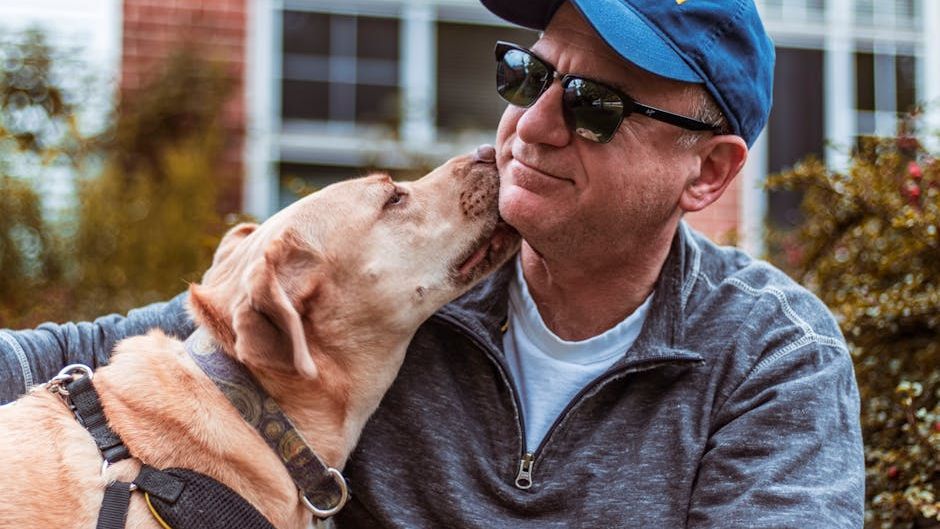
There’s a moment many dog owners know but rarely talk about – the one where you look at your old dog and realize something has shifted. They’re not loud about it. They’re not dramatic. They simply look at you with those quiet, tired eyes, and something in your gut tells you they need more than they’re letting on.
Dogs instinctively try to mask their pain and discomfort. In the wild, showing signs of weakness makes an animal vulnerable to predators, and wild canines like wolves will often hide pain to avoid becoming a target. This survival instinct has been passed down to domestic dogs, making them tend to hide their discomfort to avoid appearing vulnerable. That means the senior dog curled up on your couch may be suffering quietly, hoping you’ll somehow understand what they can’t say out loud.
Senior pets don’t always cry out when they’re uncomfortable. Instead, they communicate quietly through habits, routines, and moods that seem only slightly “off,” and recognizing these signals early can make a meaningful difference in comfort, mobility, and overall quality of life. Here are twelve of the most heartbreaking, and most commonly missed, ways your senior dog silently asks for your help.
#1: The Slow, Deliberate Lean Into Your Leg
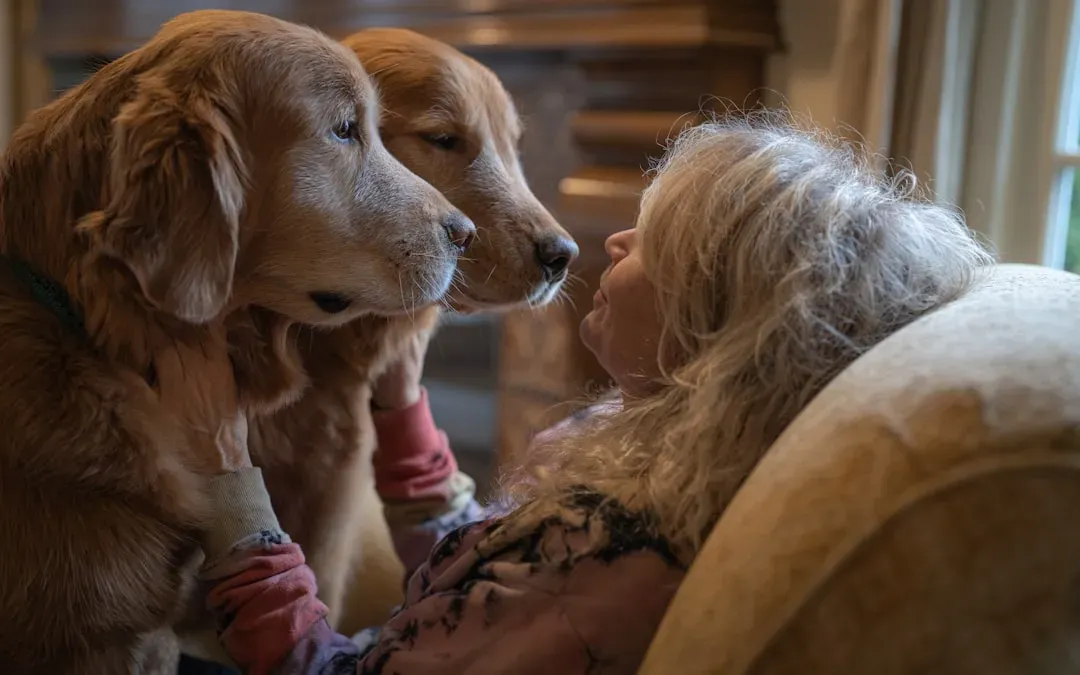
Expressions of affection shift as pets age. While younger pets may be more overt in showing excitement, senior pets tend to be more reserved. Your senior dog may no longer wag their tail as vigorously or jump up to greet you, but a slow tail wag, a gentle nuzzle, or simply resting their head on your lap can be their way of saying they still love and trust you.
That weight against your leg isn’t just affection – it’s a request. If a dog is experiencing any degree of pain or discomfort, they may be more likely to seek proximity or interaction with their owner. It’s a self-soothing mechanism. When your senior presses into you more than usual, take it seriously. Their body is reaching out in the only language it has left.
#2: Resting Their Head on Your Lap Without Moving
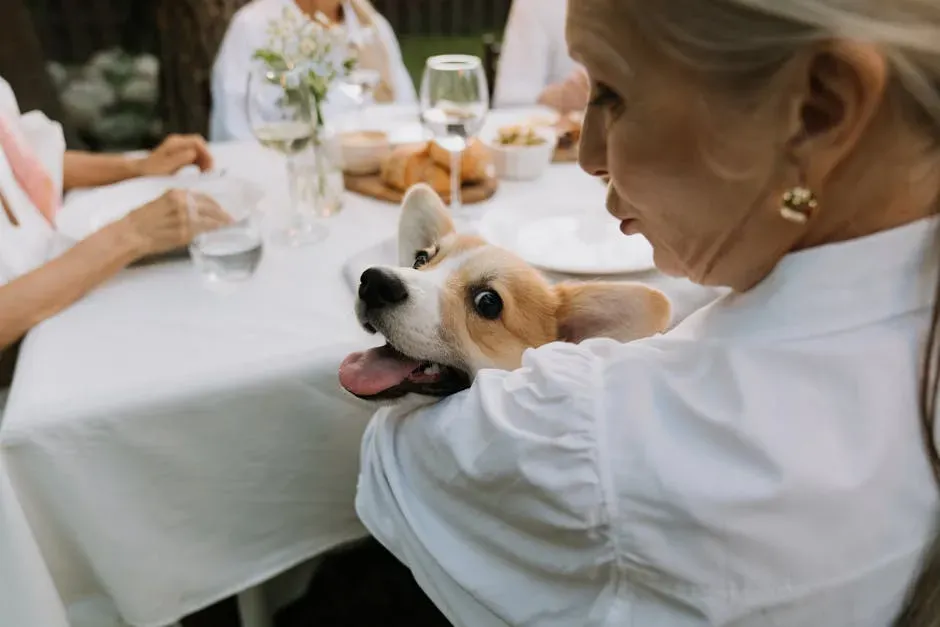
Dogs are incredibly stoic. Many of them continue eating, wagging their tails, following us around, and trying to be part of daily life even when they do not feel well. That is one reason discomfort can be easy to miss. When your senior dog places their head in your lap and simply stays there, still and soft, they’re not being lazy. They’re telling you that this – right here, with you – is the only place they feel safe.
Quality time becomes especially valuable as dogs enter their senior years. Slow walks, gentle brushing, or simply sitting together can reassure an aging pet. Emotional security plays a major role in reducing behavioral stress. That heavy, warm head in your lap is asking for exactly that emotional security. Don’t scroll your phone through it.
#3: Following You From Room to Room
Some common concerns reported by guardians of aging dogs include increased following and desire for contact, and increased anxiety when left alone. If your dog has become your shadow, trailing you from the kitchen to the bathroom and back again, it’s not a coincidence or a phase. It’s an appeal. When your dog suddenly becomes your little shadow, it’s because you make them feel safe.
If an older dog starts following you from room to room in a way that is noticeably different, it may be a sign of a cognitive problem like dementia, or your dog may be seeking you out for comfort. Either possibility deserves attention. Just like us, dogs can go through changes that influence how they connect with everything around them. Changes such as vision problems, cognitive decline, joint pain, or disruptions in their routine can really make them feel confused or vulnerable. Being your shadow is their way of keeping the world from feeling too big.
#4: Staring at You in Silence
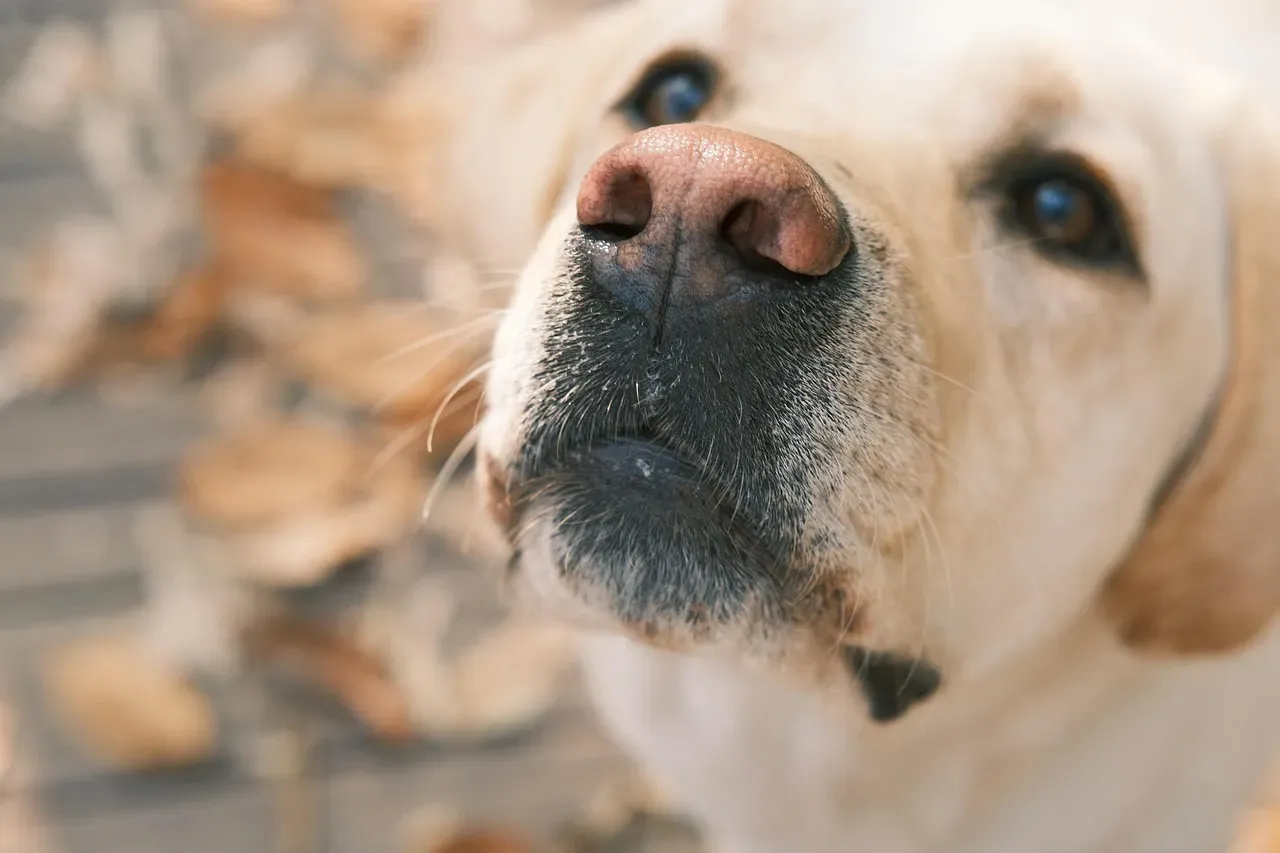
A dog’s body language can provide clues into how they are feeling. While dog body language has some universal hallmarks, senior dogs experience both physical and mental shifts that can impact how they communicate. That long, unblinking stare your senior dog fixes on you from across the room isn’t vacant – it’s a conversation. Dogs have co-evolved with humans for thousands of years, and direct eye contact is one of the most powerful tools they have.
As a pet guardian, you are in the best position to detect subtle changes in your dog’s behavior or physical condition that may indicate discomfort. Since dogs cannot verbally communicate their pain, understanding their nonverbal cues is critical for early identification and management. When your old dog locks eyes with you and just holds it, they’re not staring into space. They’re asking you to look back and understand. The answer is to move closer.
#5: Sleeping in Unusual Positions or New Locations
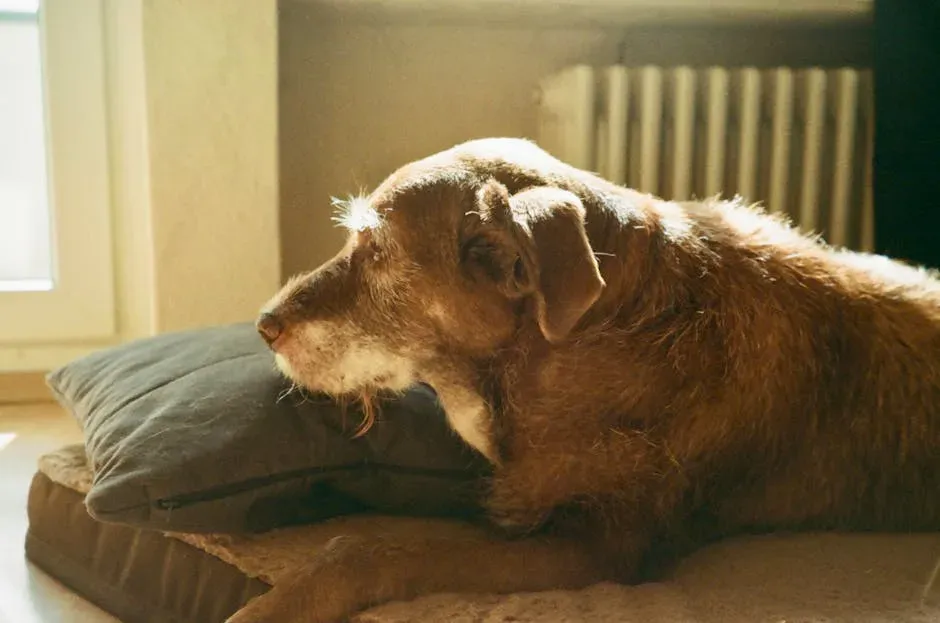
You might notice that your pet is spending more time lying down or resting in unusual positions. These can be indicators that they are trying to find a position that minimizes pain. It’s essential to watch for these clues and provide your senior pet with soft, comfortable bedding and easy access to their favorite resting spots. Ensuring they have a warm, quiet space to relax in can significantly improve their quality of life.
Dogs in pain change how they lie down. A dog who always slept curled up but suddenly prefers stretched-out positions might have abdominal discomfort. Conversely, a dog who stops lying on their side and only sleeps sitting up could have chest or breathing issues. You may notice more nighttime waking, more daytime fatigue, or unusual sleeping locations because your dog is trying to find relief. If your dog has abandoned their favorite bed and is now sleeping on the cool bathroom tiles or pressed against the wall, that’s not random. That’s a message.
#6: A Slower, Lower Tail Wag
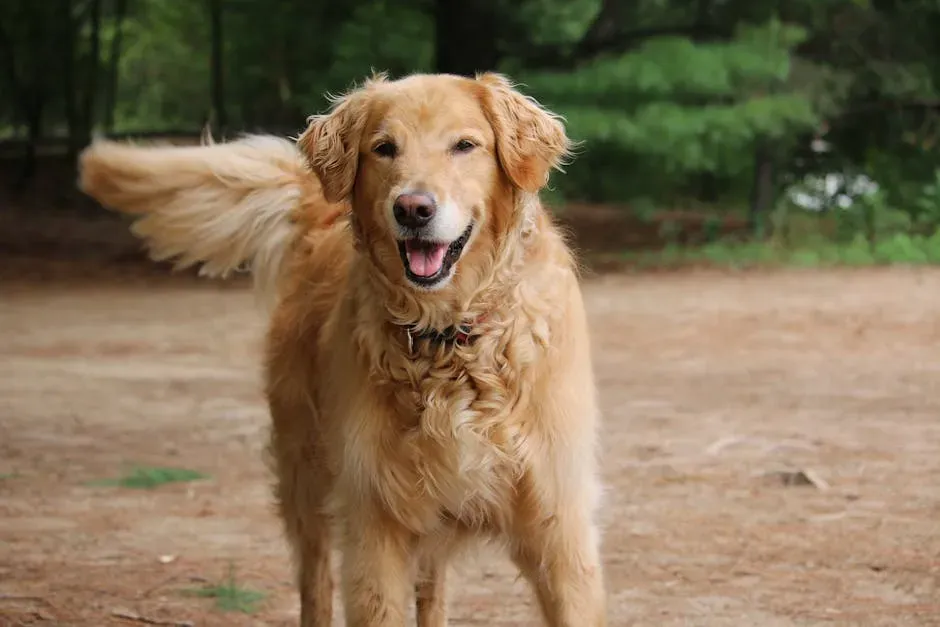
Younger dogs wag their tails to indicate a variety of emotional states, from happiness to tension. A senior dog’s wag might be slower or lower, or you could observe an old dog not wagging their tail at all. The tail might droop completely, almost as if it’s not fully attached to the body. It’s one of the most quietly heartbreaking things to witness in a dog you’ve known for years.
Depending on the reason for the lack of wagging, a dog might hunch their back and move carefully, or the discomfort might be specific to just the hind end. An old dog not wagging their tail might be due to cognitive decline, stress, arthritis, or pain from a condition called limber tail syndrome. Even so, that faint, slow wag when they see you coming? That’s still love. It’s just love filtered through a body that’s working harder than it shows.
#7: Subtle Panting When Nothing Is Physically Demanding
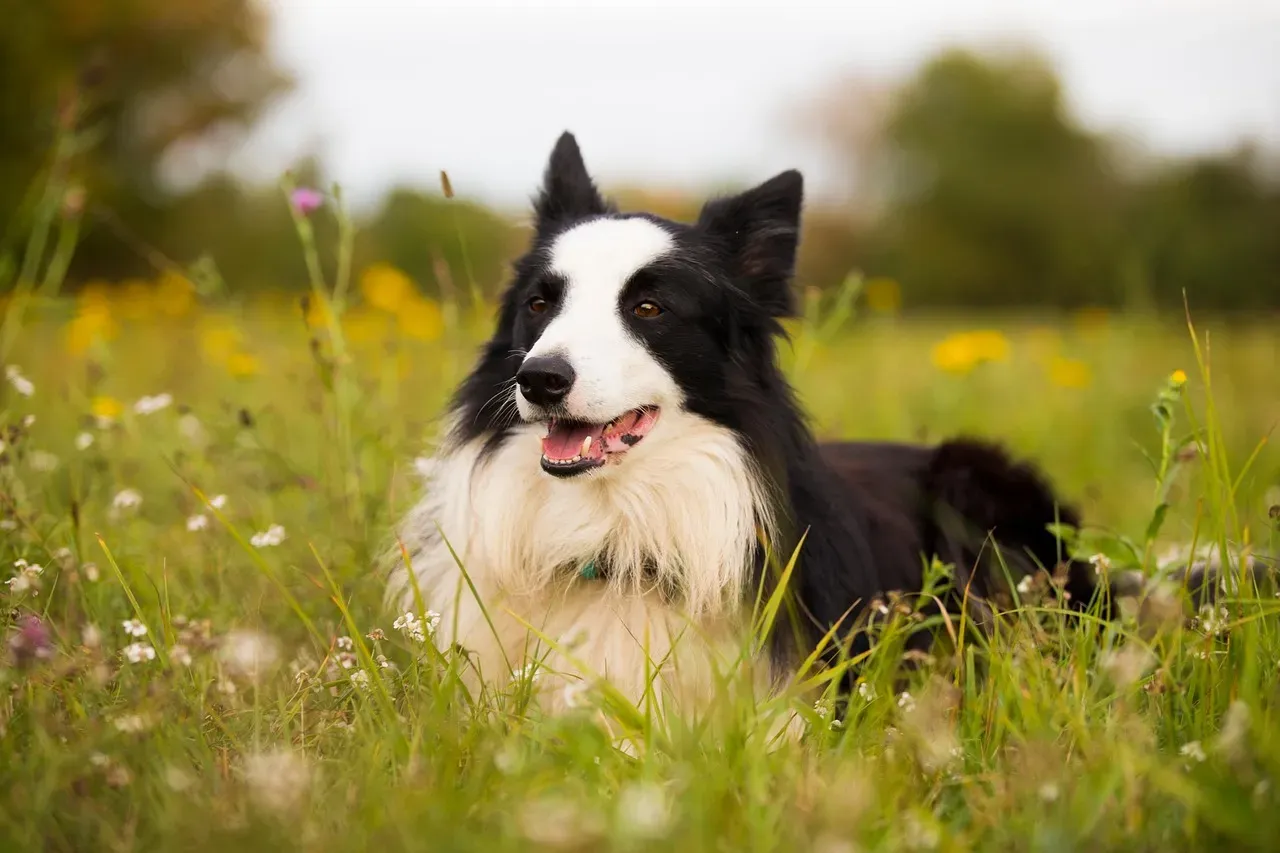
Panting when it’s not hot or after no exercise can be a sign your dog is trying to manage hidden stress. Their body tells the story even when they can’t. Many owners dismiss this because panting seems so ordinary. In a senior dog, that calm, quiet panting at rest is anything but ordinary. While dogs pant to cool down, excessive panting, especially in cooler conditions or when your dog hasn’t been physically active, might be a sign of pain.
This one’s easy to overlook precisely because it’s so quiet. There’s no yelp, no whimper, no dramatic signal. It’s just a dog sitting beside you, breathing a little too hard, needing a little too much reassurance. Senior dog behavior changes are often caused by aging-related physical, metabolic, cognitive, or sensory decline, not simply “just old age.” Panting without cause is worth a conversation with your vet.
#8: Sudden Reluctance to Be Touched in Certain Areas
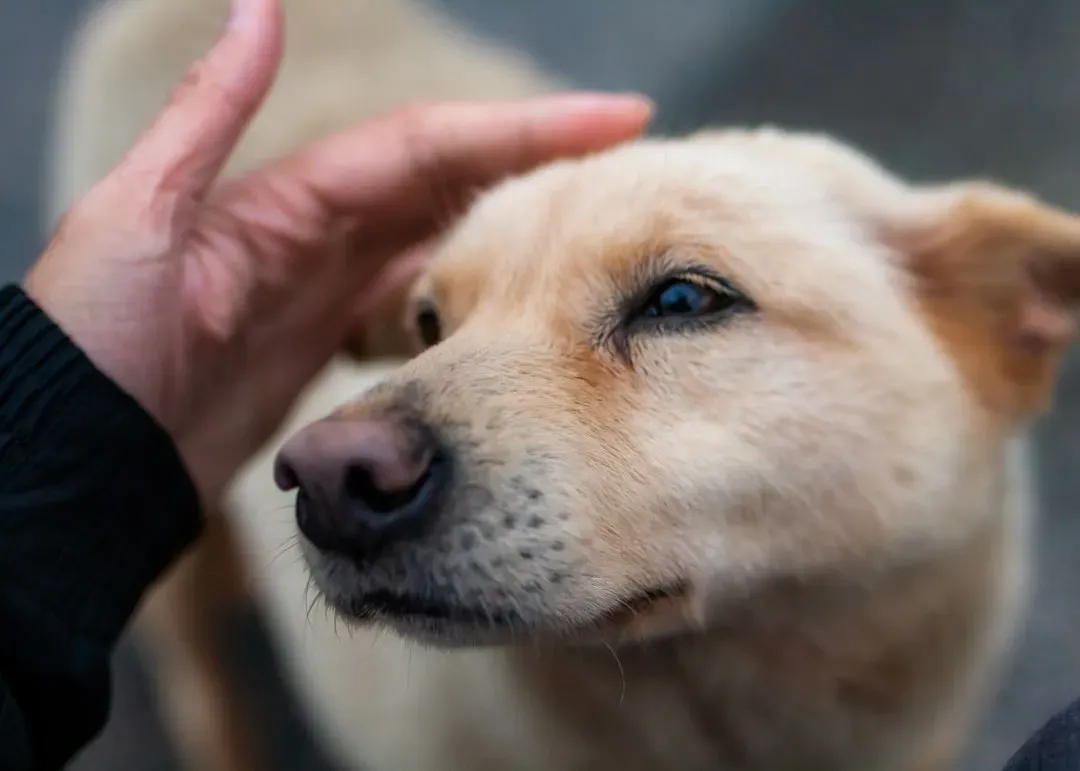
An often-overlooked sign of pain in dogs is reluctance to be brushed, combed, or otherwise groomed. Pain of any kind, but particularly the chronic pain associated with osteoarthritis, can become generalized so that the dog feels discomfort even in areas far from the arthritic joints. When this happens, dogs become more sensitive in all areas of their body, and even being combed or brushed can feel painful.
One of the quieter signs of pain is a change in personality. A dog who is uncomfortable may become withdrawn, clingy, quieter than usual, less tolerant of touch, or even a little irritable. A dog who once loved affection may start moving away when touched in certain places. If your dog, who once melted into every belly rub, now flinches or shifts away from your hand, don’t take it personally. Take it to the vet.
#9: Trembling or Shaking Without an Obvious Cause
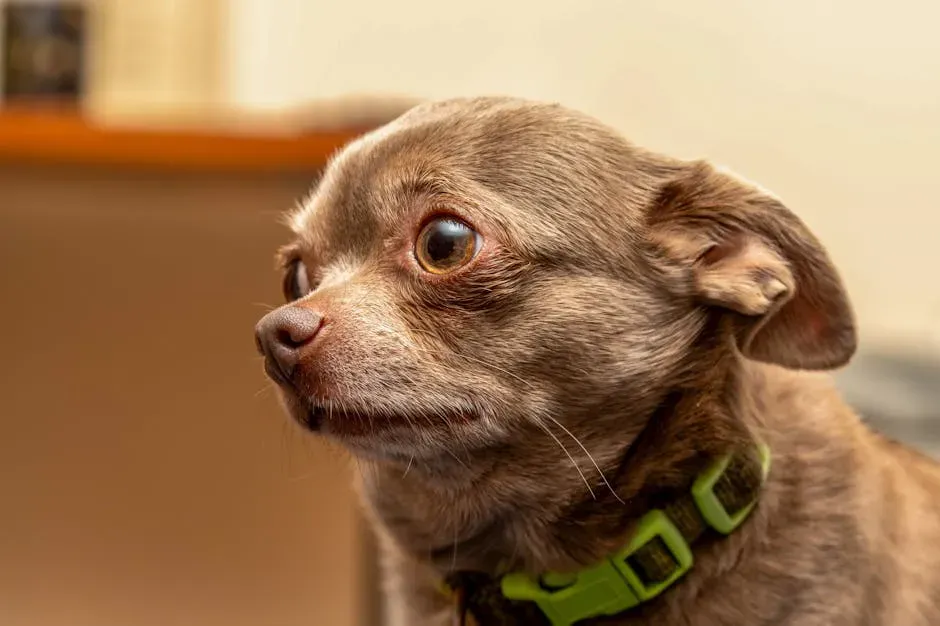
If you notice your dog trembling, it’s often their quiet way of asking for comfort. Shaking shows they’re feeling unsure or overwhelmed by what’s happening around them. Unlike a shiver from cold, this kind of trembling is harder to pinpoint. It might appear briefly when you’re about to leave, or late at night when the house is quiet and your senior dog is left alone with a body that doesn’t feel steady anymore.
Noise sensitivity from hearing loss can also make some dogs more anxious, and that anxiety can show up as trembling even when the house seems perfectly calm to you. As hearing and vision decline, dogs may become more cautious or easily startled. What feels like an ordinary Tuesday evening to you can feel genuinely frightening to a dog whose world has grown smaller and less certain. Your presence – warm, calm, and close – is the most direct response.
#10: Excessive Yawning, Lip Licking, or Blinking
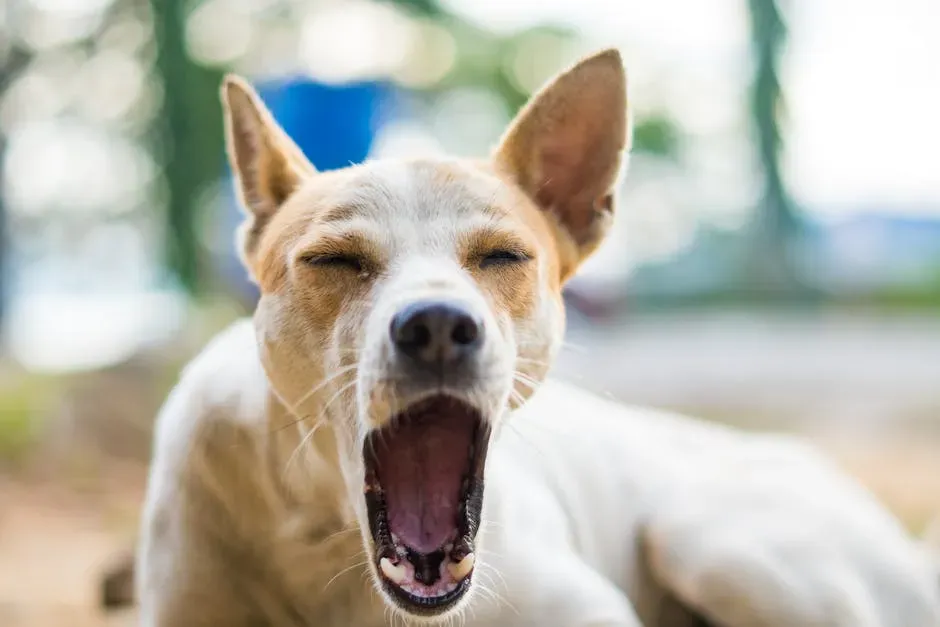
Other signals of stress include lip-licking, averting their eyes, and even yawning. You shouldn’t assume your dog is just tired when they yawn, as dogs will also yawn when they feel anxious to help calm themselves down. Dogs might also blink their eyes faster than normal, scratch, pant, and shake their bodies. These are called calming or displacement signals, and in senior dogs, they show up more frequently as their discomfort levels rise.
These signals are easy to write off as quirks. A yawn here, a lick there – nothing alarming. These signs are easy to miss because they develop gradually, but they’re often the first clues of underlying conditions. It is important for you to learn more about your dog’s body language, especially if you are caring for a senior dog, in order to understand their changing needs. It is up to you to notice the signs and signals that indicate pain and discomfort, as not only will it save your dog from suffering, it is also much more effective and less costly to detect illness or injury early on.
#11: Pacing or Restlessness at Night

If your dog struggles to settle down at bedtime, anxiety might be keeping them on edge. Nights can feel longer and scarier when senses fade and confusion sets in. Nighttime restlessness is one of the most disruptive signs for owners, but it’s also one of the most telling. This type of compulsive behavior might be related to cognitive decline or could indicate an underlying medical condition. Senior dogs might also pace if they’re unable to find a comfortable place to rest.
Older dogs naturally sleep more, but pain causes restless sleep, frequent position changes, or difficulty settling. Senior dogs who pace at night due to a medical condition, such as canine cognitive dysfunction, might benefit from medication. The dog who wanders the dark house at 3 a.m. isn’t confused for no reason. They’re looking for something – relief, reassurance, or simply a body next to theirs that tells them everything is okay.
#12: Hesitating Before Simple Movements
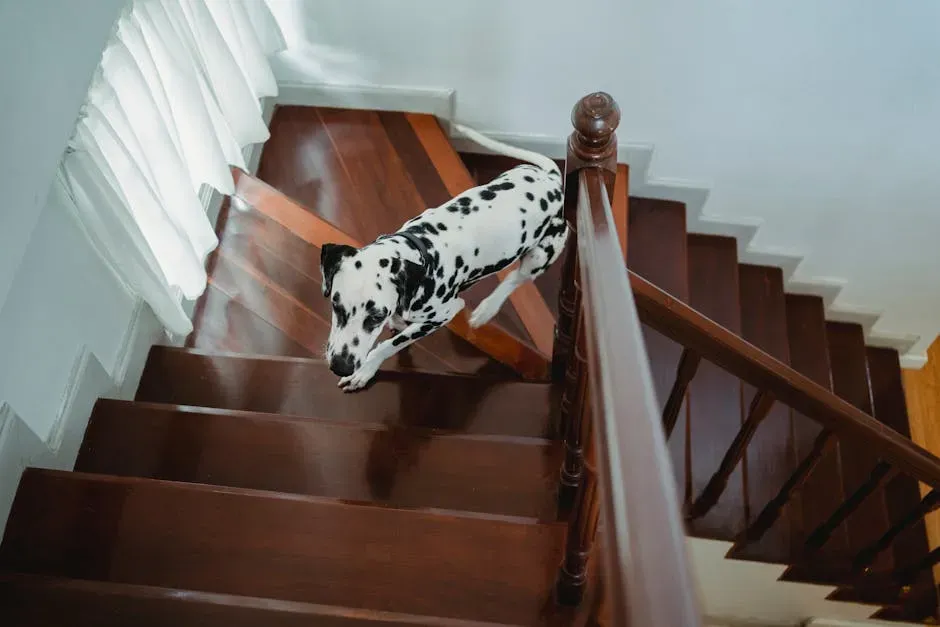
A dog who suddenly hesitates before climbing stairs may be coping with joint discomfort. That pause before stepping off the curb, the moment of stillness before lowering themselves onto the bed, the small hesitation at the top of the stairs – these aren’t signs of stubbornness. One of the most noticeable signs of an old dog in pain is a change in mobility. Look for signs such as limping, stiffness, or difficulty climbing stairs and jumping.
Not every change should be brushed off as just getting old. Sometimes what looks like slowing down is actually discomfort. Sometimes what looks like confusion is pain. Sometimes what looks like irritability is a dog trying to protect a body that hurts. Behavior changes should never be ignored and always warrant a veterinary exam to rule out treatable medical causes. That quiet hesitation before a simple movement is your dog doing their absolute best despite everything. They deserve your attention – and a trip to the vet.
What You Should Do When You Notice These Signs
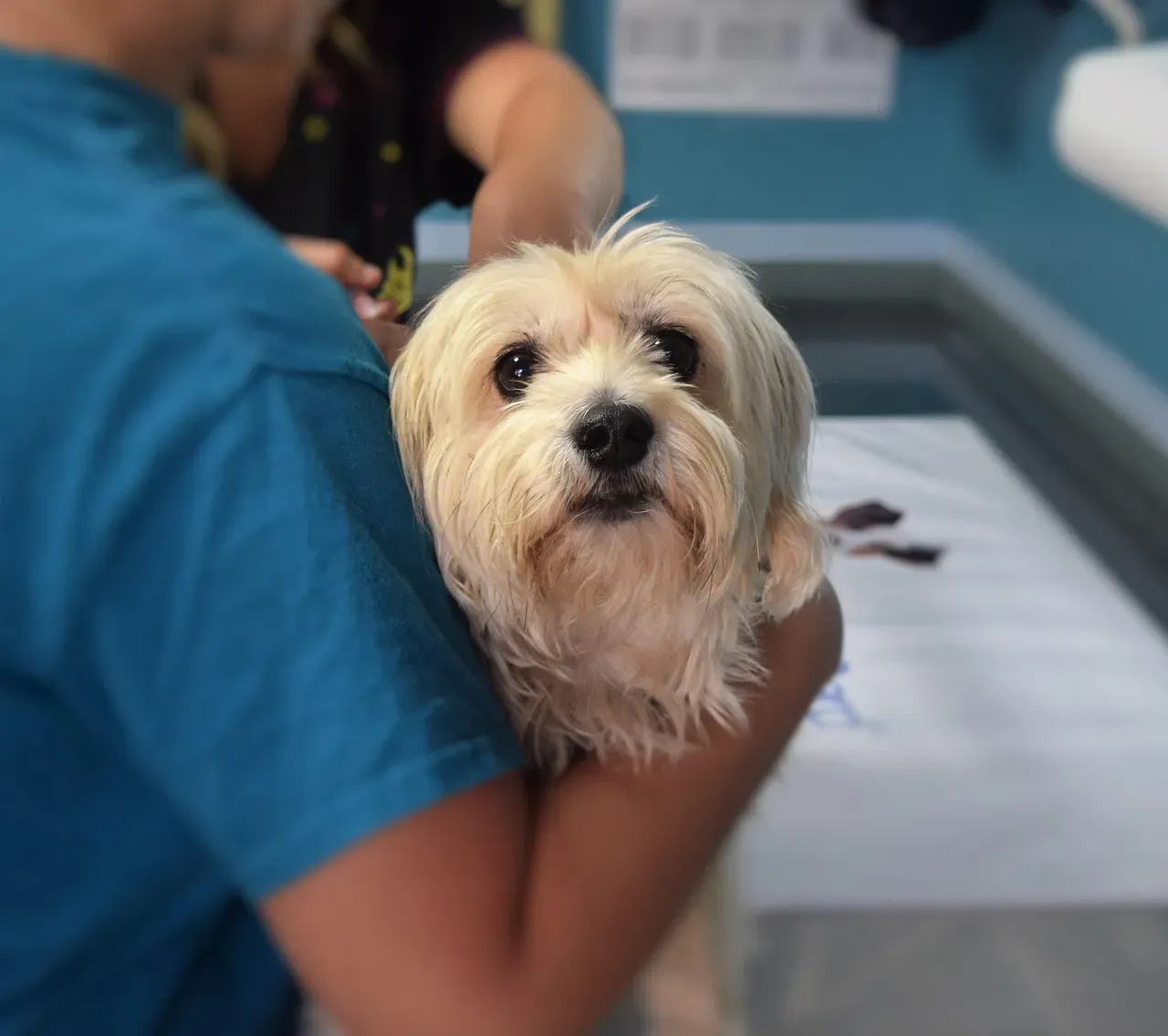
Your dog’s subtle communication about pain isn’t a sign of weakness – it’s an evolutionary survival strategy. By learning to read these quiet signals, you become your dog’s voice in conversations with veterinarians and their advocate for a comfortable, happy life. The key is developing awareness of your individual dog’s normal patterns and behaviors.
Regular checkups – every six months for senior dogs – are crucial. Catching issues early and creating a treatment plan can help your dog avoid unnecessary pain and suffering. Once behavioral changes are recognized, supportive strategies can be implemented to create a more comfortable environment. Though aging cannot be reversed, thoughtful adjustments can ease stress and enhance daily life. Because older dogs rely on consistency, keeping daily routines predictable can reduce anxiety, and regular feeding times, consistent walks, and stable sleeping arrangements can make the environment feel safe.
A Final Thought Worth Sitting With
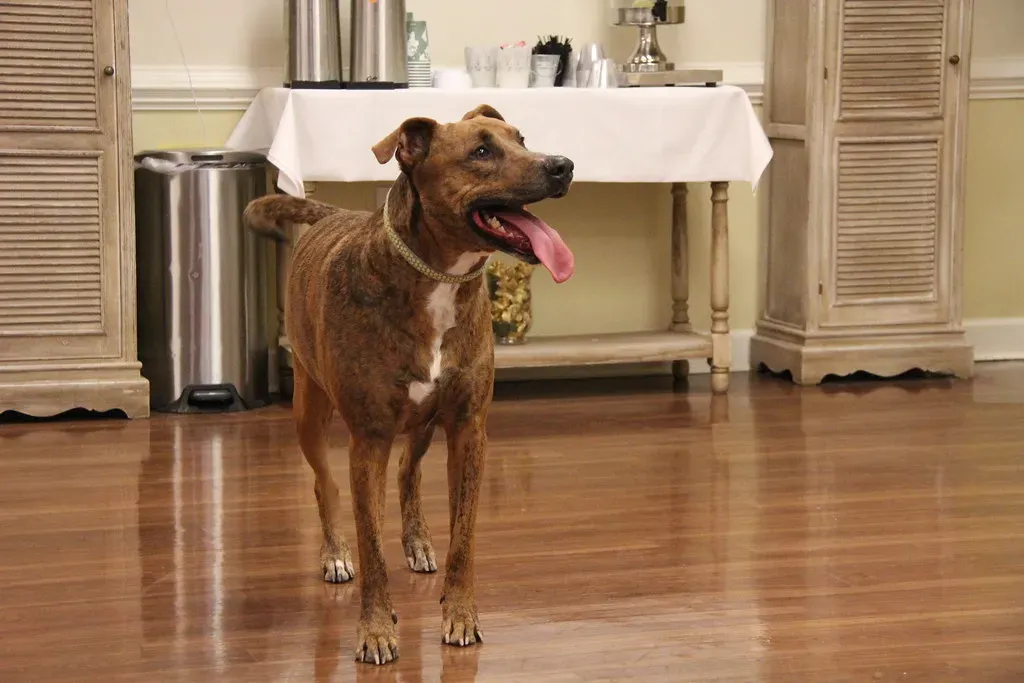
Senior dogs don’t ask loudly. They’ve spent their whole lives reading your moods, adjusting to your schedule, and showing up for you in every small way. By the time they’re old and gray and a little slower on the stairs, the very least they deserve is for you to learn their language in return.
The truth is, most of these signs aren’t dramatic. They’re easy to miss on a busy day. Early, subtle signs of discomfort often begin with changes in routine and behavioral patterns. The dog who presses against your leg, stares at you from across the room, or hesitates at the bottom of the stairs is not asking for much. They’re just asking you to notice. And honestly? Noticing is everything.
We owe our senior dogs the same careful attention they’ve always given us – not because it’s an obligation, but because that quiet, gray-faced lean against your leg is still the greatest trust anyone will ever place in you. Don’t let it go unmet.


