
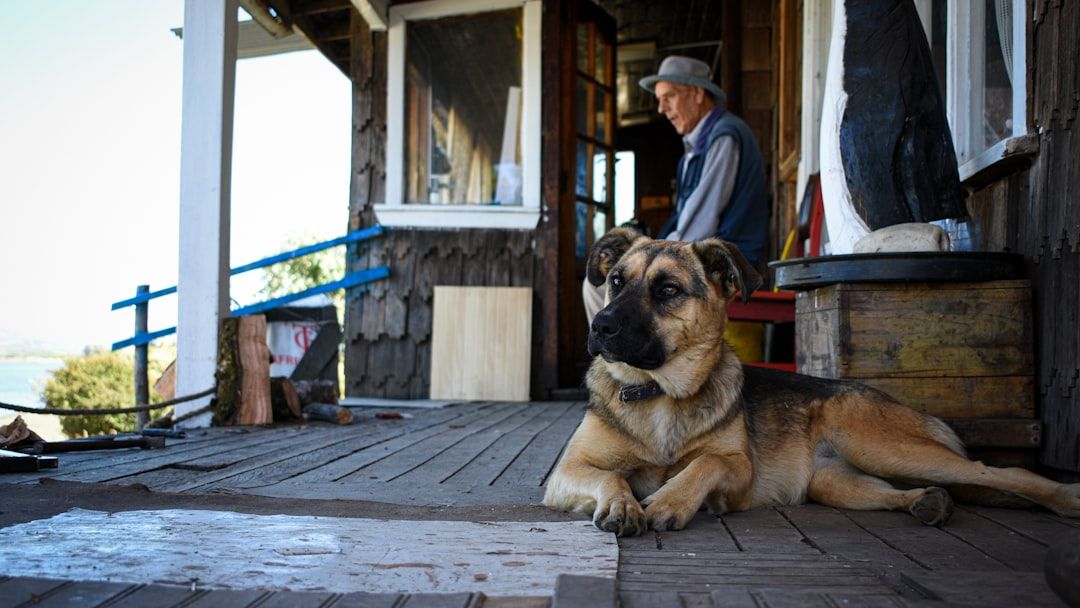
There’s a moment many dog owners describe but few can fully explain. It happens quietly, often when life is at its most ordinary. Your dog simply looks at you, settles closer than usual, or follows you from room to room with an intensity that feels different from before. Something in their presence shifts, and somewhere in your gut, you feel it.
Dogs can’t speak. They can’t sit you down and tell you what’s happening inside them. Yet the science of canine behavior, the accounts of countless veterinarians, and the lived experiences of pet owners across the world all point toward the same quiet truth: dogs communicate something profound in their final chapter. Whether it’s love, comfort-seeking, or a kind of closeness that defies easy explanation, they do it in silence. Here are thirteen of those silent behaviors, what researchers and vets understand about them, and what they might mean for you and your dog.
#1: They Stay Close Without Being Asked
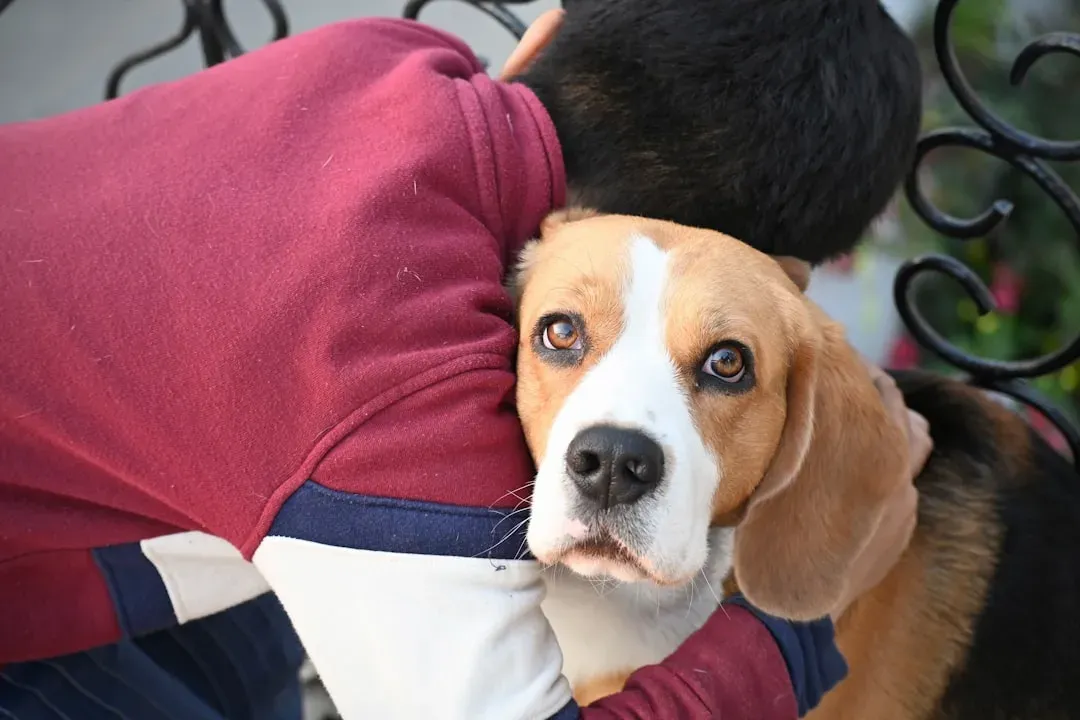
Some dogs become more affectionate and seek constant proximity to their owners near the end of life, as if reaching for comfort and reassurance. This isn’t the playful attention-seeking of a healthy dog angling for a walk or a treat. It’s slower. Heavier. They simply want to be near you, and they don’t need a reason.
Researchers studying canine attachment note that dogs form deep social bonds through scent, voice recognition, and daily routine, and near the end of life, these attachment behaviors can become even stronger. The pull toward their person intensifies because you are their entire world, and their instincts know it.
#2: They Follow Your Every Move Like a Shadow
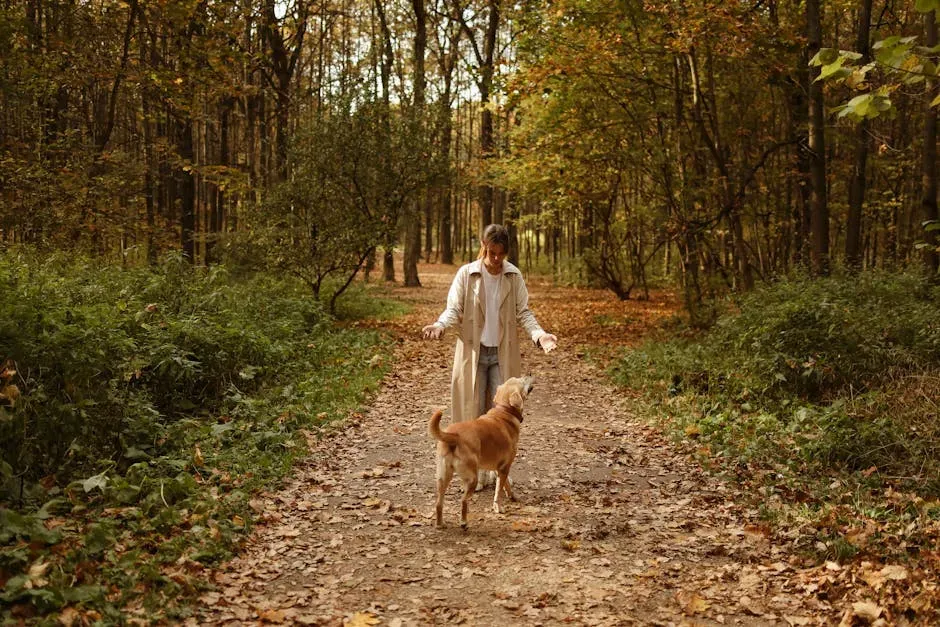
If the behavior starts suddenly in an older dog, it could be a sign of declining vision, hearing, or canine cognitive dysfunction. In these cases, the dog follows you because you are their “anchor” in a world that has become confusing or frightening. Either way, it’s deeply tender to witness.
To your dog, you are the leader of the pack, and being close to you provides them with a sense of security and belonging. Your presence is a source of comfort. They associate you with safety, warmth, and affection. When everything else becomes uncertain, you remain constant.
#3: They Make Long, Quiet Eye Contact
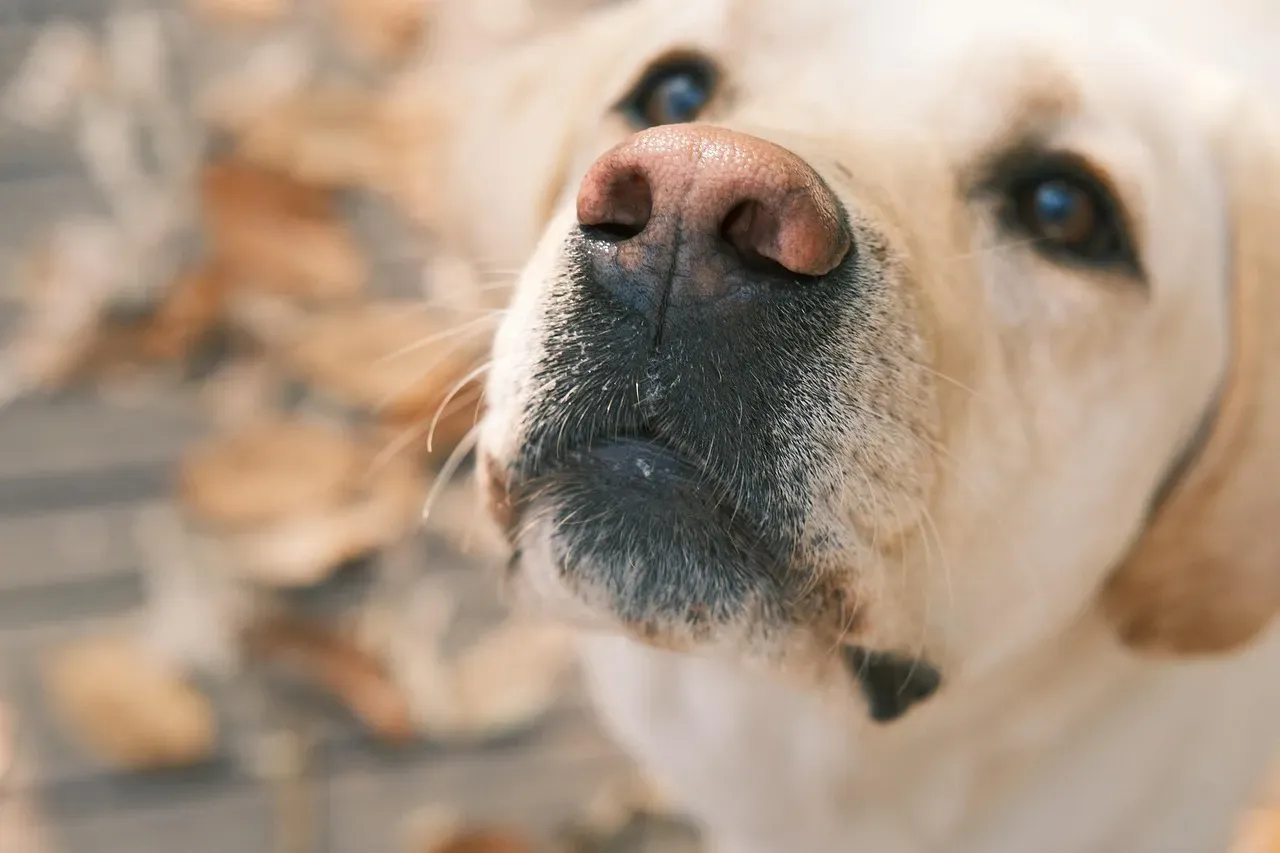
Many grieving owners describe unforgettable moments of prolonged eye contact shortly before a dog dies. Veterinarians and animal cognition researchers note that dogs use eye contact as an important social bonding behavior, and studies have shown that mutual gazing between dogs and owners can increase oxytocin levels, the same bonding hormone associated with parent-child attachment in humans.
Research has shown that gazing behavior from dogs increased urinary oxytocin concentrations in owners, which consequently facilitated owners’ affiliation and increased oxytocin concentration in the dogs themselves. That long, wordless look isn’t random. It’s biological bonding at its most distilled, and near the end, it seems to deepen rather than fade.
#4: They Go Unusually Quiet
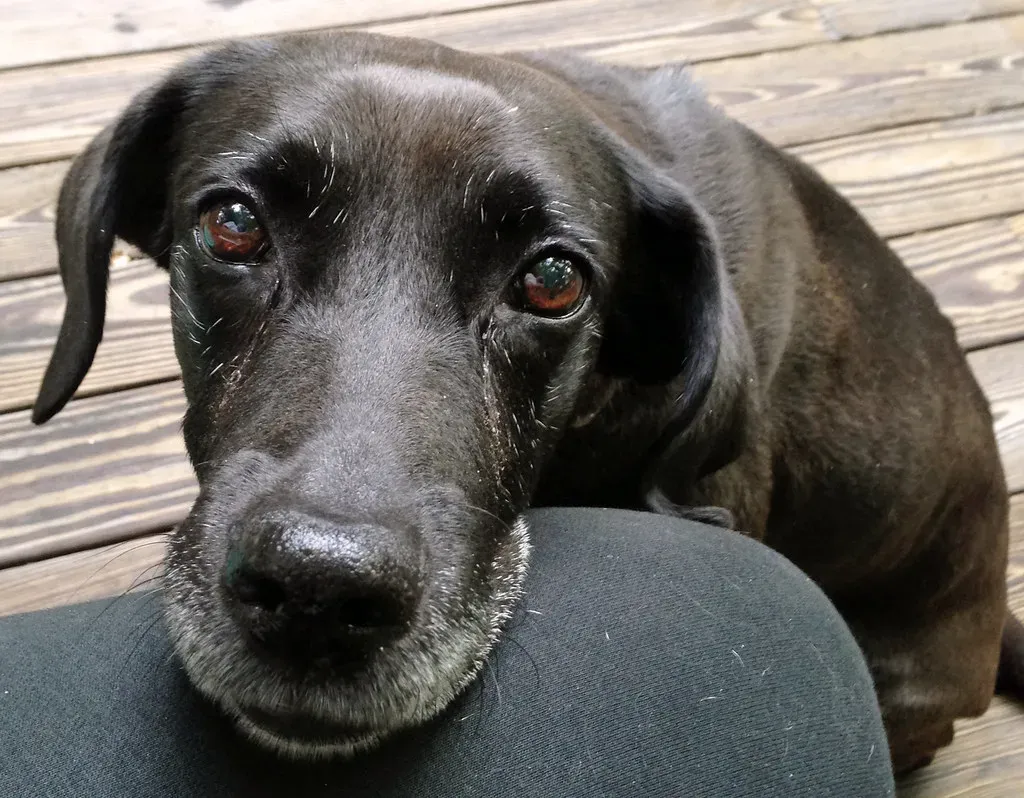
Some dogs become unusually quiet near the end of life, ceasing to bark or growl. The dog that once announced every delivery truck and barked at the mailbox simply goes still. The house feels different. That silence carries its own weight.
Changes in vocalization patterns can provide insights into a dog’s comfort level, pain, or emotional state as their time draws to a close, with some vocalizing more due to discomfort while others go quiet entirely. This shift toward silence is one of the more haunting signs owners recall long after their dog is gone.
#5: They Lay at Your Feet Without Moving
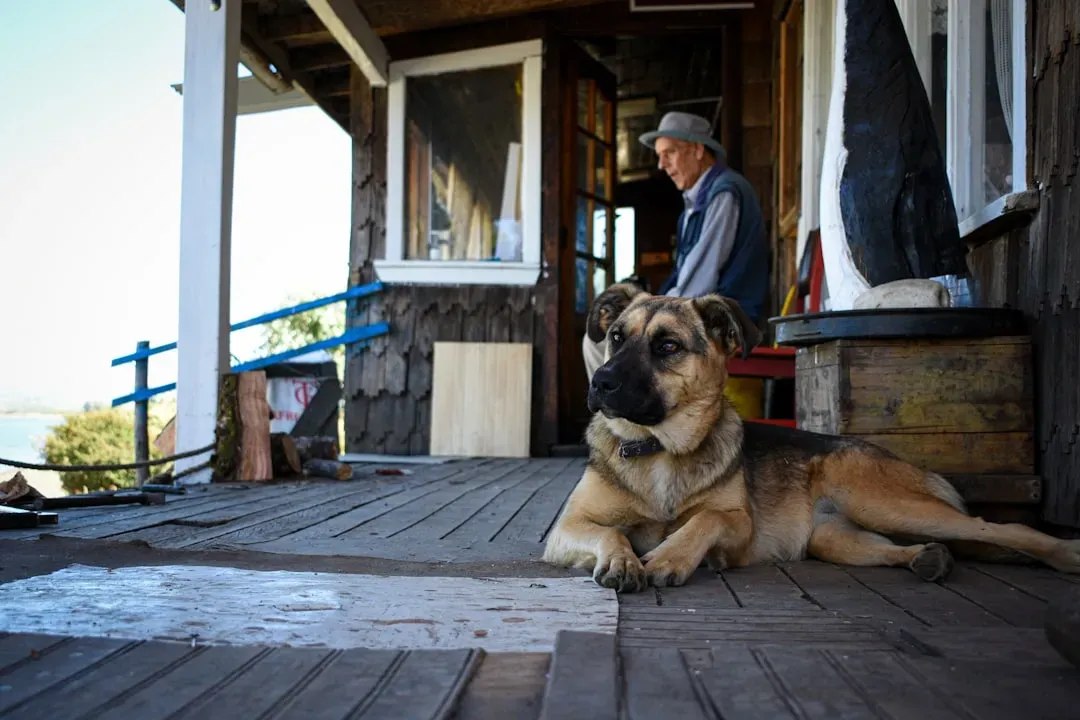
A senior dog with advanced illness may become progressively less mobile and spend their last days near the owner’s chair. Veterinary review suggests decreased mobility and preference for familiar cues drives this behavior. They’re not stuck. They’re choosing to be right there, as close to you as their tired body will allow.
Signs near the end of life can include less interest in activities they previously enjoyed, such as toys, walks, or belly rubs, and conversely, seeking extra attention and closeness with the family. Lying at your feet, still and warm, is one quiet way of staying connected when everything else is fading.
#6: They Seem to Wait Until You’re Present

Near the end of life, some dogs become more clingy or seek out comfort from their owners more frequently, while others may wait until a family member returns home before passing, as if they were holding on until they could see them one last time. Countless owners have described this exact experience, and it’s one of the most emotionally powerful observations in all of pet care.
Veterinary literature contains many owner accounts of pets “waiting” or “holding on” until a person returns. These are emotionally powerful but anecdotal and subject to recall bias. Science hasn’t confirmed it as intentional. But the pattern keeps showing up, across cultures, breeds, and circumstances, and that persistence is hard to dismiss entirely.
#7: They Suddenly Seem Like Their Old Self Again

It’s not uncommon for dogs to have a sudden burst of energy before they pass away. This phenomenon, often called the “last bloom” or “rally,” can be confusing and misleading, giving pet owners false hope of recovery. One day they won’t eat; the next, they’re wagging their tail with something that looks almost like joy.
While deeply spiritual and emotional for many owners, this experience also has a biological side. In both human and animal hospice care, this is sometimes referred to as a pre-death rally or terminal lucidity. It’s believed to be linked to temporary shifts in the body, such as a release of adrenaline or brief stabilization of internal systems, that can bring about a short-lived burst of energy or clarity. If you witness this, hold the moment. It won’t last long, but it’s real.
#8: They Seek Out Solitude in Familiar Places

Many dying dogs instinctively seek quiet or isolated spaces during their final stage of life. This behavior has roots in ancient survival instincts. In the wild, weak or dying animals often separated themselves from the group to avoid attracting predators or creating vulnerability for the pack.
If your dog hides at the end of their life, it’s not because they didn’t love you or consider you their best friend. Even if you would have given them every comfort at the end, they were just following an instinct as a dog to hide for protection. They still love you. Knowing that can make the behavior a little easier to sit with.
#9: They Stop Showing Interest in Food or Play

As a dog’s health declines, they may no longer show interest in their favorite activities. They may not rouse to play with toys, interact with pet siblings, or bark at small animals or passing cars. A lack of interest in what’s happening around them can signify they are near the end of their journey.
Some dogs will refuse to eat even highly palatable foods or favorite treats, indicating a general lack of enjoyment in things that once pleased them. This withdrawal from the world’s small pleasures is often the hardest part for owners to watch, because food and play were always part of the daily language between you.
#10: They Rest in Your Spot When You’re Gone
Unlike many relationships, canine companionship is often built on unconditional presence rather than judgment or complexity. This is why the final behaviors of dogs feel so emotionally powerful. Humans naturally search for meaning in those moments because the bond itself is deeply personal.
Even more powerful than any residual scent is the memory of having last seen a particular person in a particular place. In the case of Hachiko, for example, the train station was permanently associated with the memory of his owner. When a dog curls up in your chair or your side of the bed while you’re at work, they’re doing something similar. They’re staying close to where you were.
#11: They Respond to Your Voice Differently
Recent studies have revealed that dogs are able to understand human vocabulary while simultaneously judging the tone of a person’s voice in order to decipher the true meaning of what they are saying. It’s this social intuition that allows dogs to form such close relationships with humans, and which generates such poignant responses from pets when their owners are near.
Dogs can detect many more smells, sounds, and movements than people can. These keen senses and observations help dogs recognize when we are happy, sad, fearful, stressed, or angry. Near the end, when their body is winding down, the sound of your voice may be one of the last things they’re still reaching toward. Speak to them. It matters more than you know.
#12: They Lean Into You With Their Whole Body

Regardless of whether a person was their owner or a stranger, dogs more often oriented themselves toward people who appeared to be in distress, nuzzling and licking the individual. It’s possible this behavior is a sign of empathic-type behavior from the dog, that could also translate to seeming like they can sense emotional weight.
Whether it’s lying beside their owner when they’re sad or offering a friendly lick to cheer them up, dogs seem to intuitively understand when their humans need emotional support. Their empathetic nature strengthens the bond, as their loyalty often means they’re present in moments of joy and sorrow alike. That full-body lean in the final days isn’t neediness. It’s the most honest version of love they know how to give.
#13: They Look at You With Calm, Steady Eyes

Near the end of life, some dogs appear to stare at their owners for unusually long periods without barking, moving, or demanding attention. In emotional real-world accounts, owners often describe these moments as feeling deeply intentional or hauntingly calm. Although science cannot confirm emotional interpretation, experts acknowledge that dogs are highly sensitive to emotional tone, physical presence, and familiar human faces during times of stress or illness.
While dogs can’t speak their goodbyes, some pet owners have observed behavior at the end of life that could be a dog communicating their goodbye, like seeking out extra companionship or solitude. Dogs may know they are unwell and pick up on the stress of their owners, but it’s hard to know with certainty that they understand they’re dying. What that steady gaze communicates is open to interpretation. What it feels like, to the person receiving it, tends to be unforgettable.
What These Moments Are Really Telling You
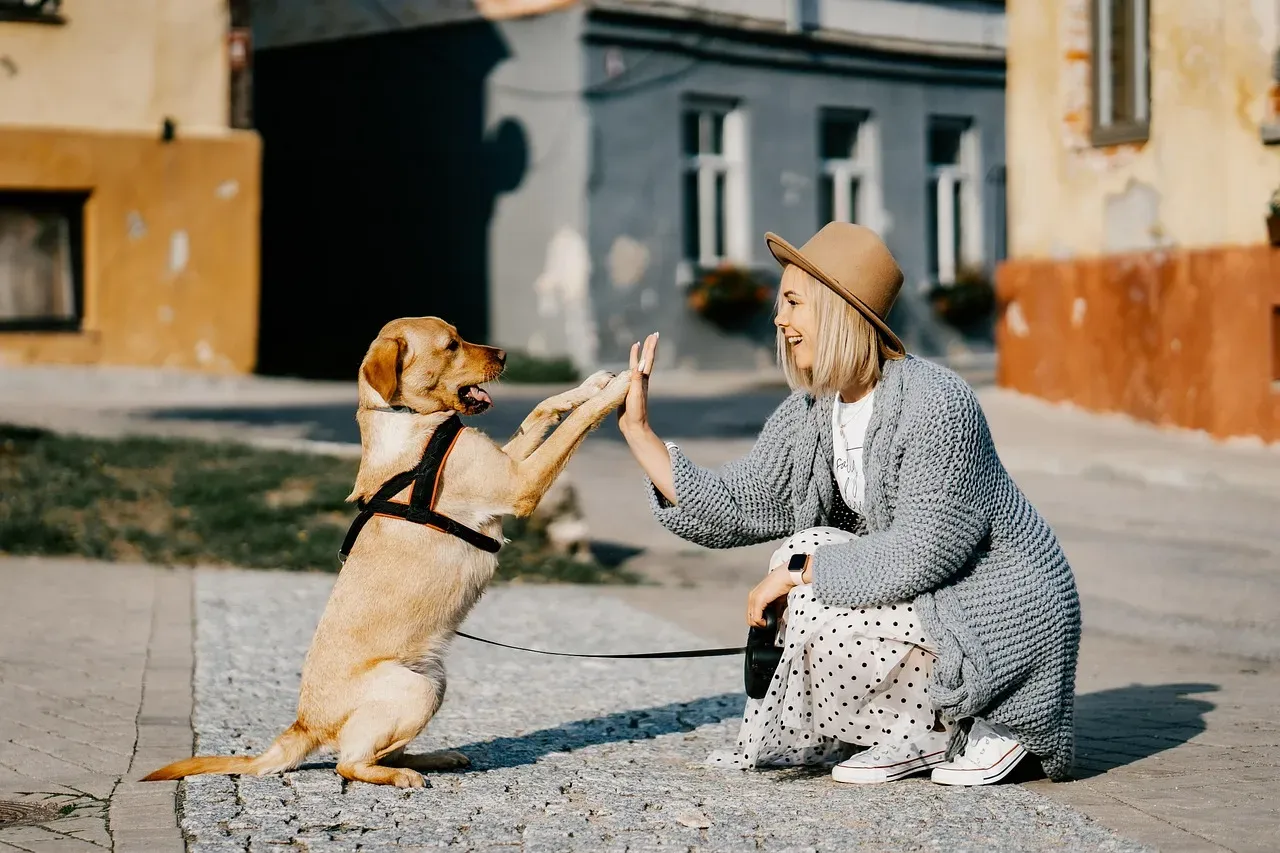
Here’s the honest truth, and I think it matters to say it plainly: science can’t fully explain why dogs seem to “hold on.” Dogs likely do not understand death as a concept, but they often show noticeable physical and behavioral changes as their bodies decline near the end of life. The behaviors described in this article are real. Their full meaning remains, to some extent, beautifully unresolved.
Studies on pet grief have shown that losing a dog can trigger emotional responses comparable to losing close family members. The routines, attachment, and daily emotional support dogs provide become central parts of human life. So when your dog shows you these quiet signs, the right response isn’t to look for a clinical explanation. It’s to be there.
Dogs give us their best every day of their lives. They deserve your love and best even through the last days. The silent behaviors in this list aren’t a checklist or a countdown. They’re an invitation. Sit with your dog. Put your phone down. Let them hear your voice and feel your warmth. Whatever is passing between the two of you in those final quiet moments, it’s worth every second you give it.


