
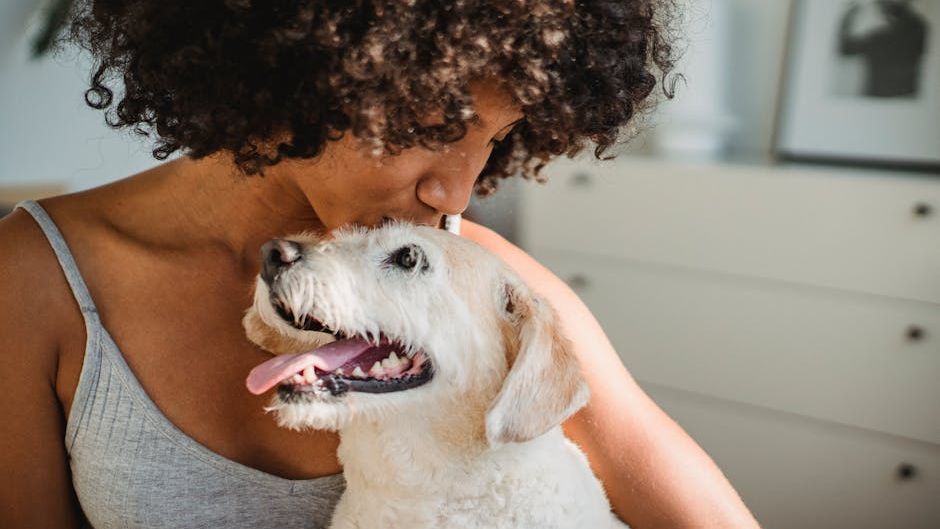
There’s something quietly profound about watching an old dog lift its head when you walk through the door. The muzzle has gone grey. The gait is slower. The naps are longer. Yet something behind those soft, cloudy eyes still lights up when it senses you nearby. It’s not instinct in the hollow sense of the word. It’s memory. It’s love stored in a form that science is only beginning to fully understand.
For years, researchers assumed dogs lived purely in the present moment, unbothered by the past and unconcerned with the future. That picture has changed significantly. Research into dog memory has grown substantially over the past decade, with a 2016 study published in Current Biology finding that dogs can recall specific actions their owners performed, even when they weren’t told to remember them at the time, mirroring aspects of human episodic memory. What follows is a look at fifteen of the most meaningful things your senior dog carries with them long after the moment has passed.
#1. The Exact Scent That Means Safety
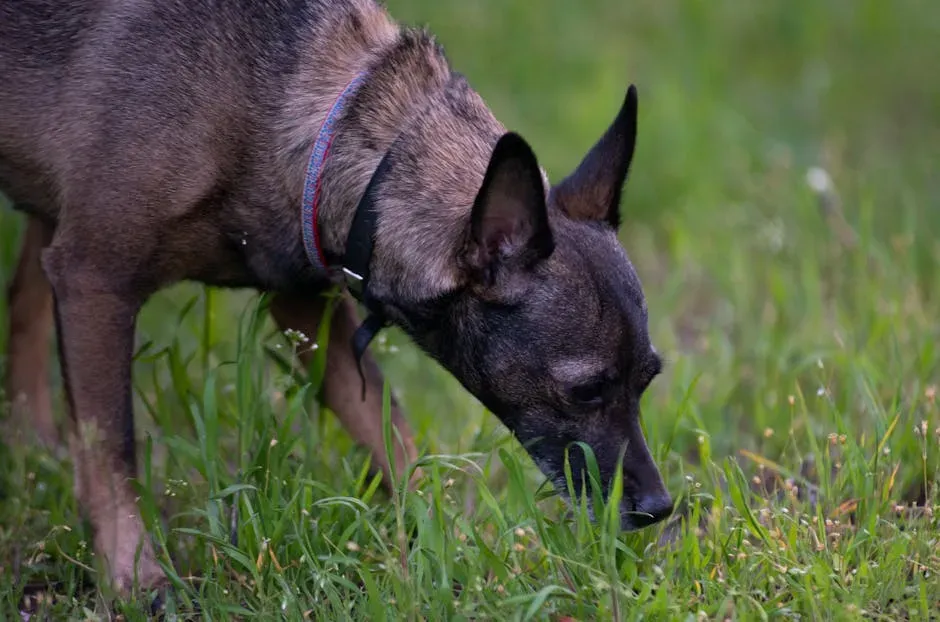
Of all the things a dog holds onto, your scent may be the most enduring. Dogs can recognize and remember the unique scent of their owners, even after years of separation. For a senior dog, this isn’t just recognition. It’s something closer to relief.
Sensory processing is a fundamental aspect of how dogs encode experiences, taking in the world through sight, sound, touch, taste, and especially smell. Dogs possess a sense of smell far superior to humans, which allows them to experience and remember their surroundings in a distinctly unique way. When your aging dog buries its nose into your sleeve, it’s doing something deeply intentional. It’s confirming that the person who matters most is still here.
#2. The Sound of Your Voice
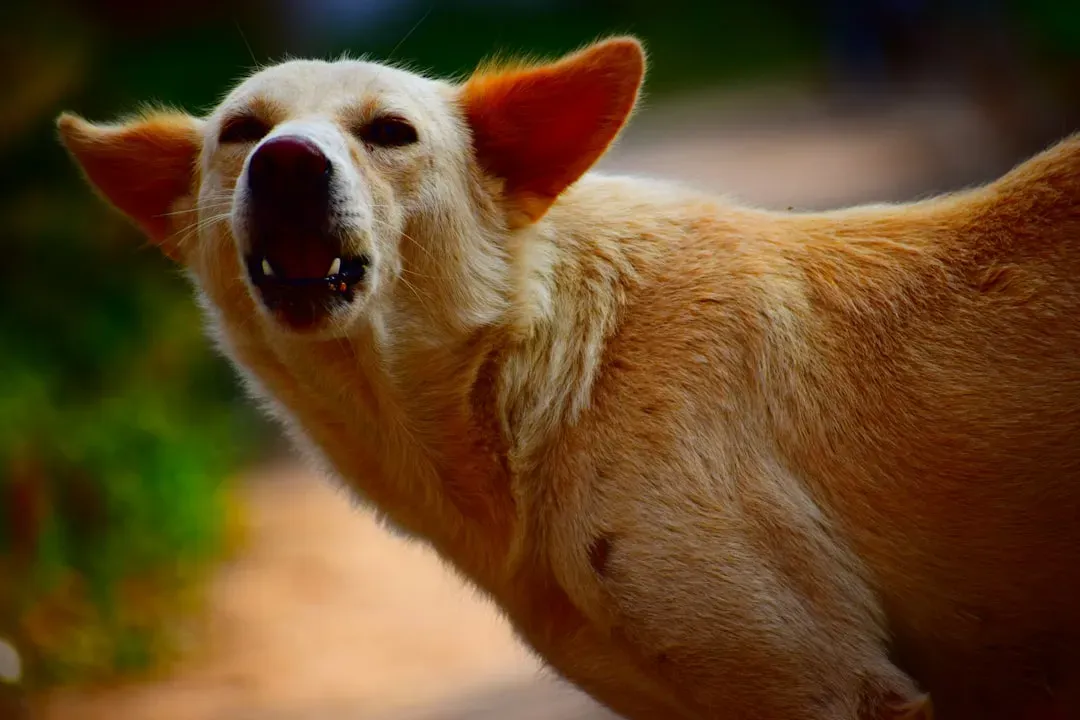
Dogs also remember voices. If your dog hears your voice from another room or even over a phone or speaker, they often expect to see your face appear, suggesting dogs create mental images based on auditory cues, further strengthening their memory of important people. Even when other senses begin to fade with age, the voice often remains a powerful trigger.
This is why so many senior dog owners notice their dog perking up at a familiar phrase or the particular tone used during playtime years ago. Dogs form strong emotional and associative memories that last far beyond the moment, and a dog’s memory is a vivid tapestry woven from scents, sounds, visuals, and deep-seated emotions. Your voice is one of the most deeply woven threads in that tapestry.
#3. Your Face, Even in a Photograph
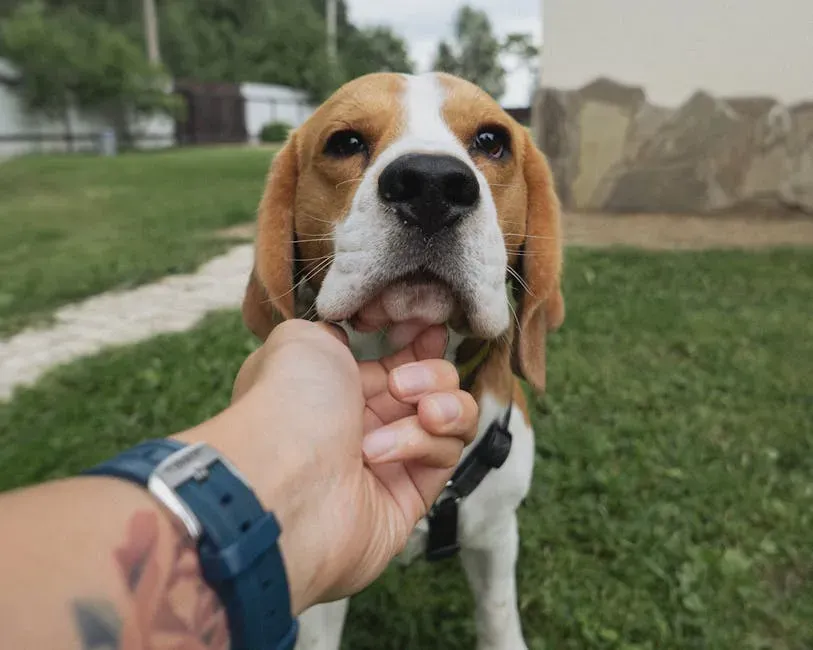
One of the most compelling studies on this topic was conducted by scientists at Italy’s University of Padua, where they discovered that dogs not only remember their owners but use facial recognition to do so. That’s a remarkable finding, and it means the bond isn’t just sensory in a vague way. It’s specific.
Dogs use visual cues like faces and body language to identify people, and research shows that dogs can pick out their owners from photographs and focus more intently on familiar faces than strangers’ faces. An old dog resting by the couch may seem half-asleep, but place your face in its line of sight and watch what happens. Recognition still lives there.
#4. The Emotional Tone of Your Touch
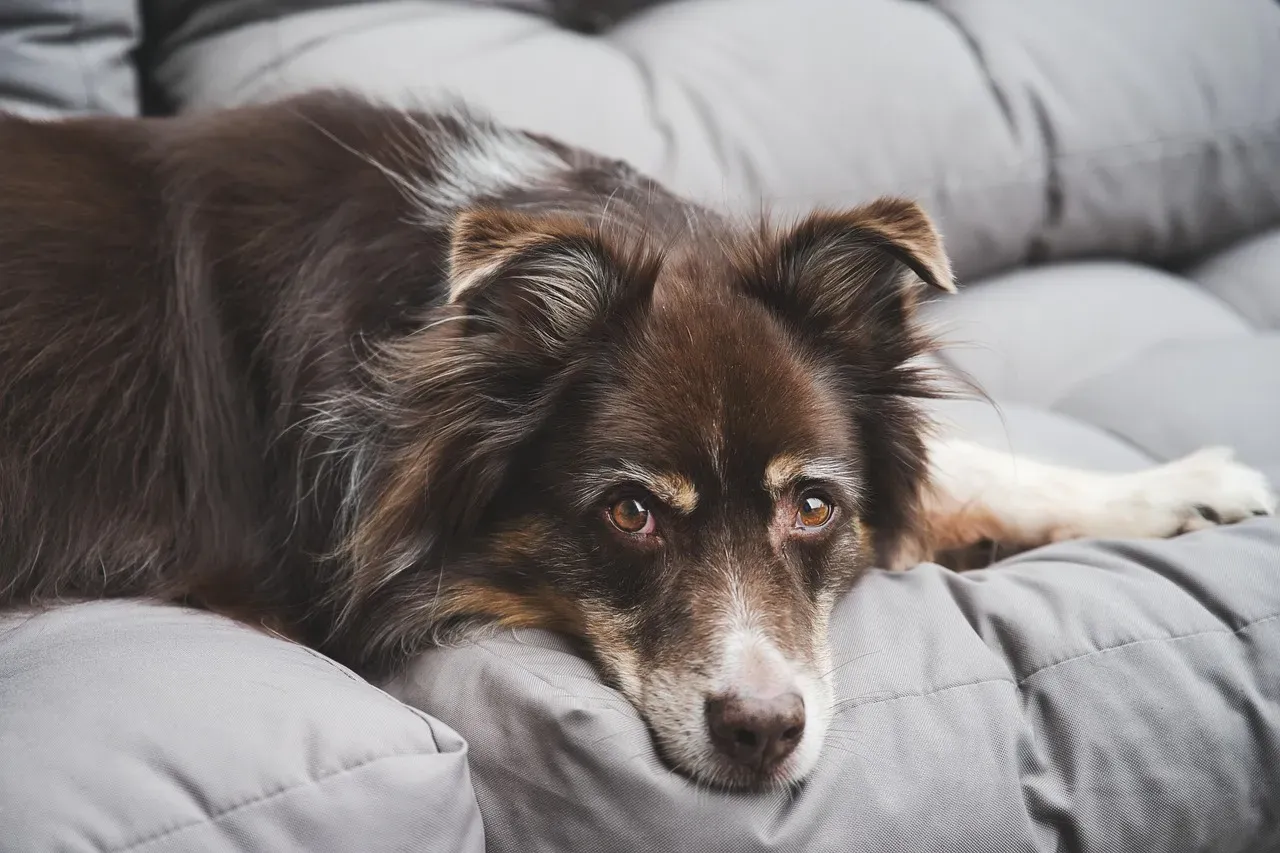
Touch is one of the earliest and most consistent ways humans communicate care to their dogs. A senior dog remembers not just that you touched them, but how. The firmness of a massage after a long walk, the gentleness during an illness, the instinctive reach to comfort during a thunderstorm. These patterns get encoded deeply.
Touch releases oxytocin and reduces cortisol, the same hormones involved in human bonding. Small, repeated moments of contact build trust over time. For an aging dog whose world has become quieter and more uncertain, the memory of how your hands feel is one of the most stabilizing things they carry.
#5. Every Routine You Ever Established
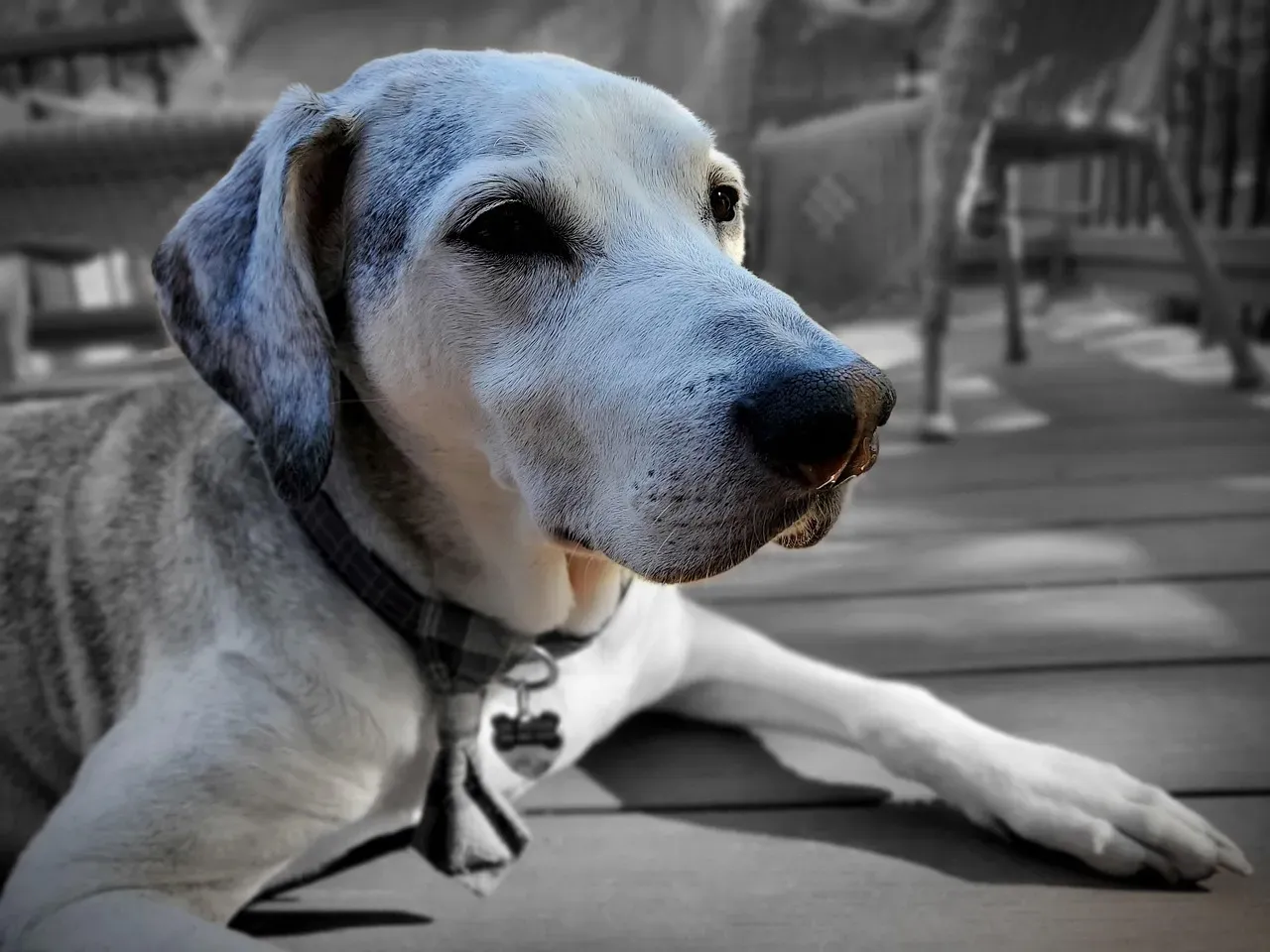
Dogs don’t experience time the way humans do, but they are extraordinary creatures of habit. Older dogs rely on consistency, and keeping daily routines predictable can reduce anxiety. Regular feeding times, consistent walks, and stable sleeping arrangements can make the environment feel safe, and even minor schedule disruptions may be confusing for older pets.
A senior dog who has spent years knowing that a walk follows breakfast, and that dinner comes when the light changes, has built an internal world shaped largely by you. While a dog may not be able to tell time or count the number of days you’ve been gone, they notice when their routine is different, and they are deeply dependent on you for feeding, walking, and general companionship. Disrupting those rhythms, even innocently, can leave an older dog visibly unsettled.
#6. The Walks You Took Together
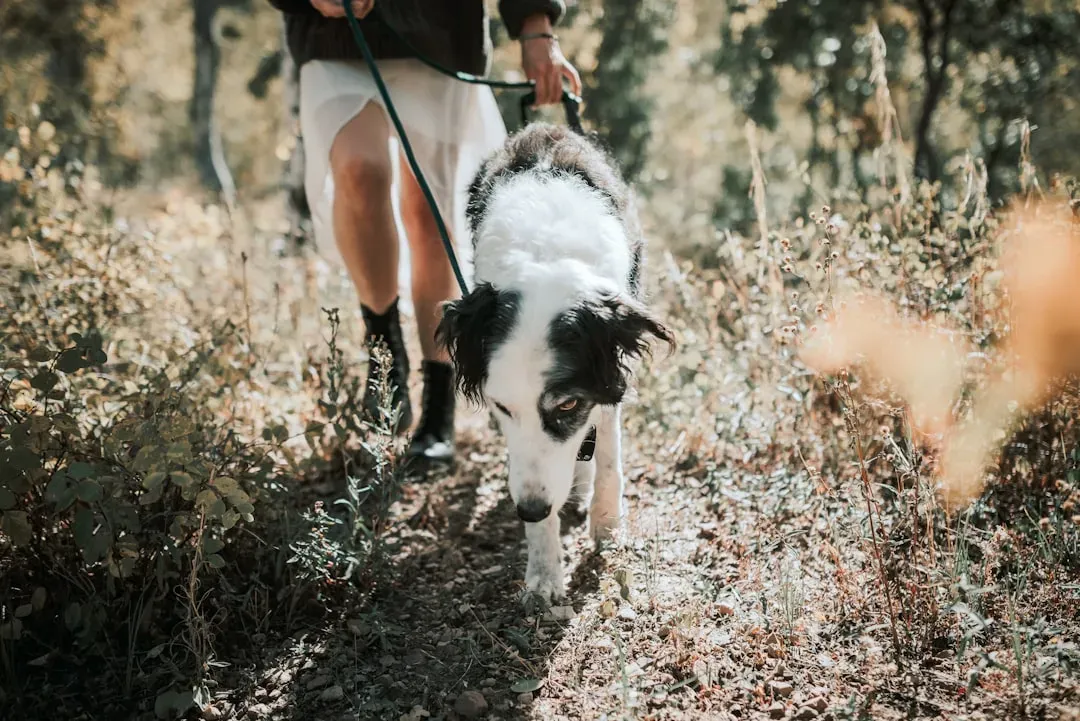
There’s a reason senior dogs still linger by the front door at certain times of day, even when their legs don’t move as easily as they once did. Dogs are masters of association. They may not remember an exact date you last visited the park, but the sight of your walking shoes triggers excitement because they associate it with a walk. That association doesn’t just disappear with age.
Walks were never just exercise. They were shared adventures, a world your dog explored with you as its anchor. Canine memory can persist for years, allowing dogs to remember people, places, and experiences across extended separations, and memory formation is influenced by emotional state, context, and repetition. The emotional weight of those outings together means they’re among the most durably remembered experiences your dog holds.
#7. The Comfort You Offered During Fear
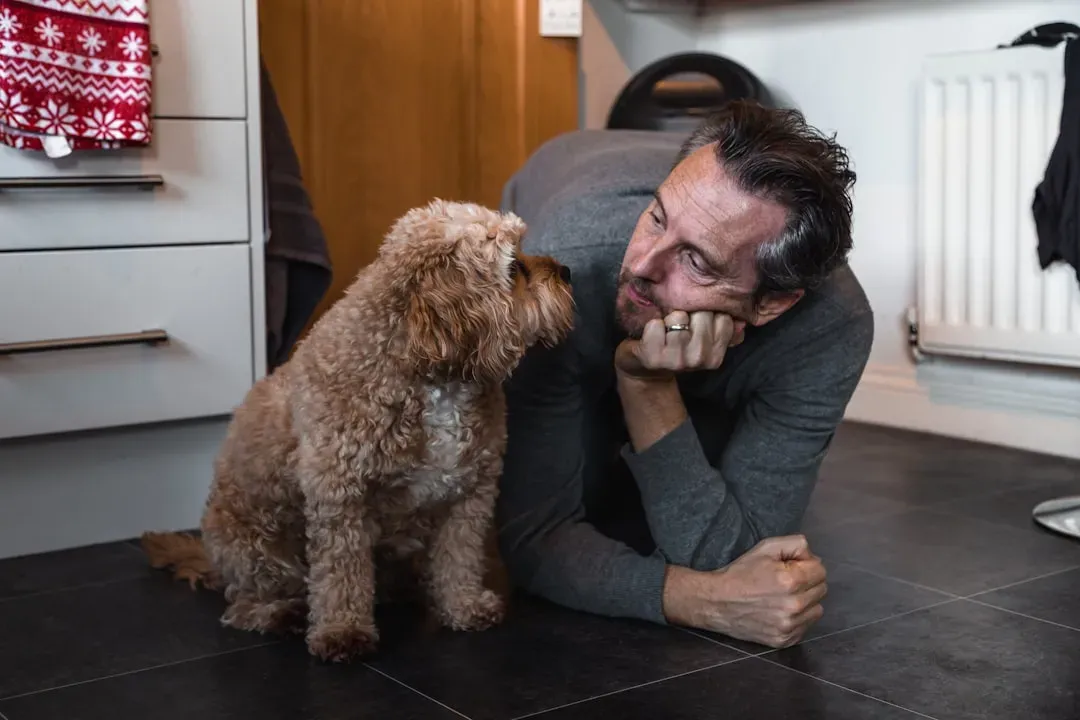
Events charged with strong emotions, whether positive or negative, are more likely to be remembered by dogs. Storms, vet visits, loud noises. In each of those moments, the dog looked for one thing: you. Whether you stayed close, spoke calmly, or simply didn’t leave, that response was logged and remembered.
The human-dog bond has shaped dogs’ social intelligence, allowing them to be highly responsive to the emotional and social cues provided by humans. When a human expresses frustration or joy, a dog can often sense the change in mood and react accordingly, whether by offering comfort or simply adjusting their behavior. An older dog who has learned it can count on you during fear carries that trust like a quiet anchor through the uncertainty of aging.
#8. Playful Moments That Made Them Feel Young
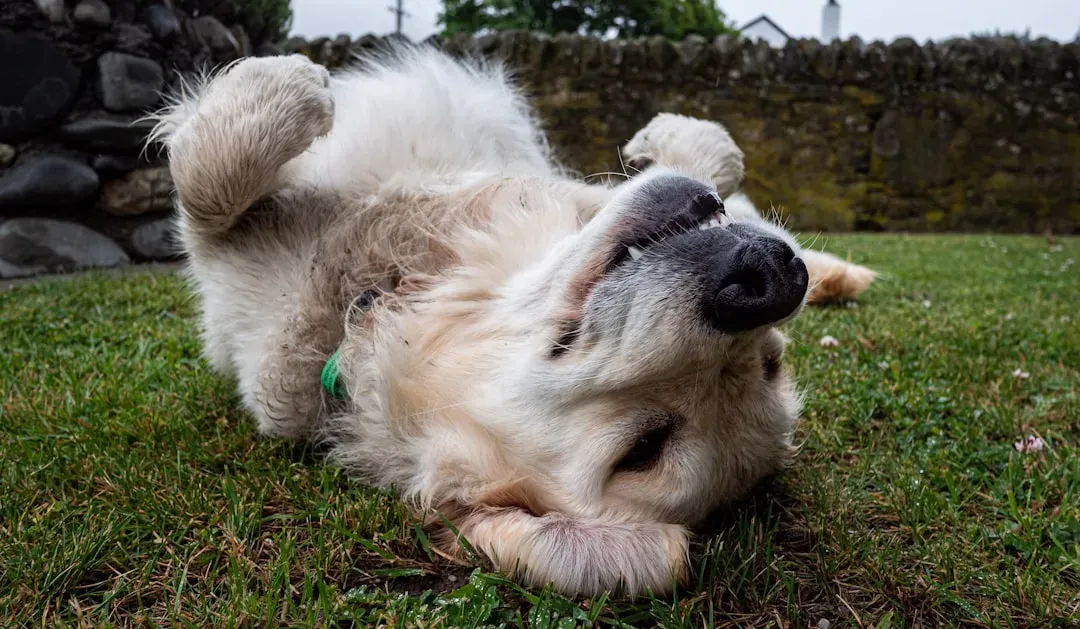
Play is more than fun for dogs. It’s a relational language. When a dog remembers positive interactions with its human, such as playtime or treats, it strengthens their bond, and trust enhances communication, making training smoother and more effective. For a senior dog, those memories of joyful play are stored as some of the warmest emotional impressions of a lifetime shared together.
You might notice an old dog momentarily spark to life at the rustle of a familiar toy or the playful tone you used during games years ago. The emotional connections dogs form with humans significantly impact their memory, and positive interactions such as playtime, feeding, and affection strengthen the bond and enhance a dog’s ability to remember a person. Even if the body can no longer keep up, the memory of that joy is still alive somewhere inside.
#9. Whether You Were Consistent With Kindness
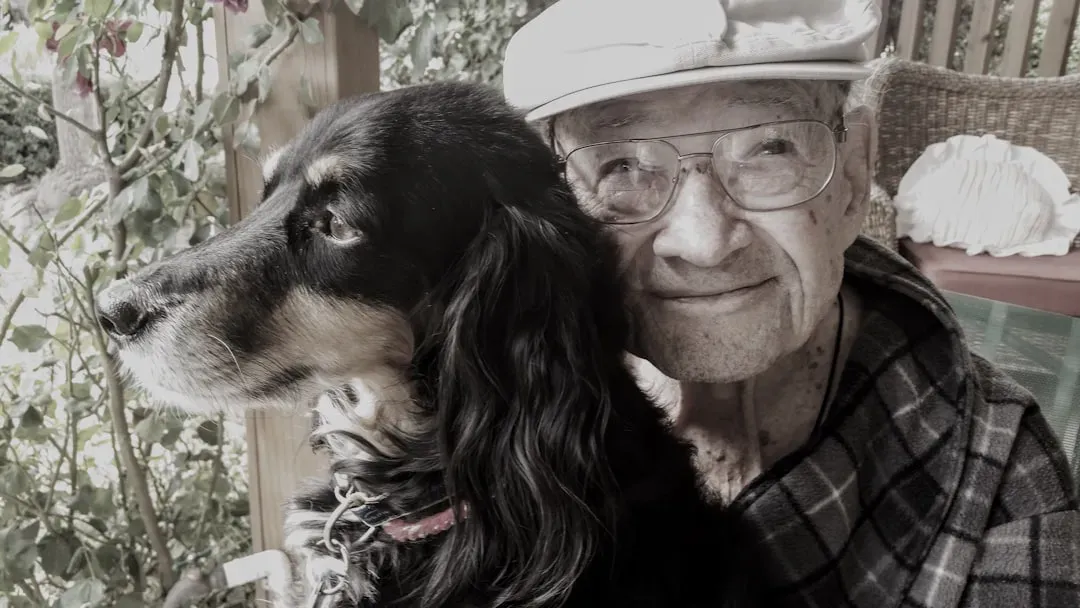
Dogs who were closely bonded with someone are more likely to remember them over time, and a big part of what makes a bond deep is consistency. A dog who received reliable kindness, not just occasional affection, builds an internal model of humans as trustworthy. That model shapes how they experience every new day, especially as the world becomes harder to navigate with age.
The emotional connection is key: consistent positive experiences make it much more likely that a dog will remember someone fondly for years. This isn’t a small thing. A senior dog’s sense of safety, its willingness to relax and rest without anxiety, is built on the cumulative memory of how reliably kind you were. Every day you showed up with patience deposited something lasting.
#10. The Specific People They Loved Because You Did
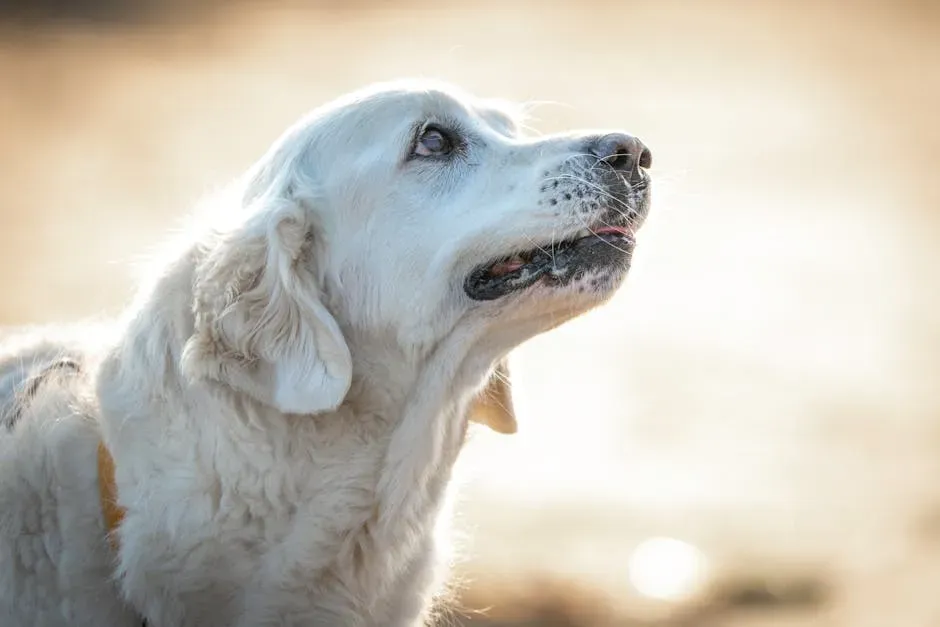
Senior dogs don’t just remember their primary humans. They remember the people who came with you. The family member who always slipped them an extra treat. The friend who sat on the floor and gave belly rubs without prompting. The child who grew up alongside them. Stories abound of dogs recognizing owners or significant individuals after years, even decades, apart, and scientific studies confirm this isn’t just anecdotal.
Studies have documented that dogs possess social memory for recognizing individuals, and that memory extends to the wider circle of humans a dog has bonded with. When one of those familiar people walks in after a long absence, an older dog’s response is often immediate and unmistakable. Recognition has a way of cutting right through even the fog of cognitive aging.
#11. The Sound of Your Car in the Driveway
This one surprises many people, but dogs are remarkably attuned to the specific acoustic signatures of their owner’s approach. The engine, the particular creak of the gate, your footsteps on the path. Dogs are sad when you leave and excited when you come home, and they know your face, your voice, and your scent. The sound of your return is simply another layer of that recognition.
For a senior dog who spends more hours resting and waiting, the moment of your return is perhaps the brightest point in a slower day. There are countless reunion stories of dogs recognizing owners after several years, and their reactions show clear signs of recognition and joy. Even when vision or hearing has partially declined, something in an aging dog still rallies when it senses that you’re nearly home.
#12. Times You Were Sad, and They Stayed Close
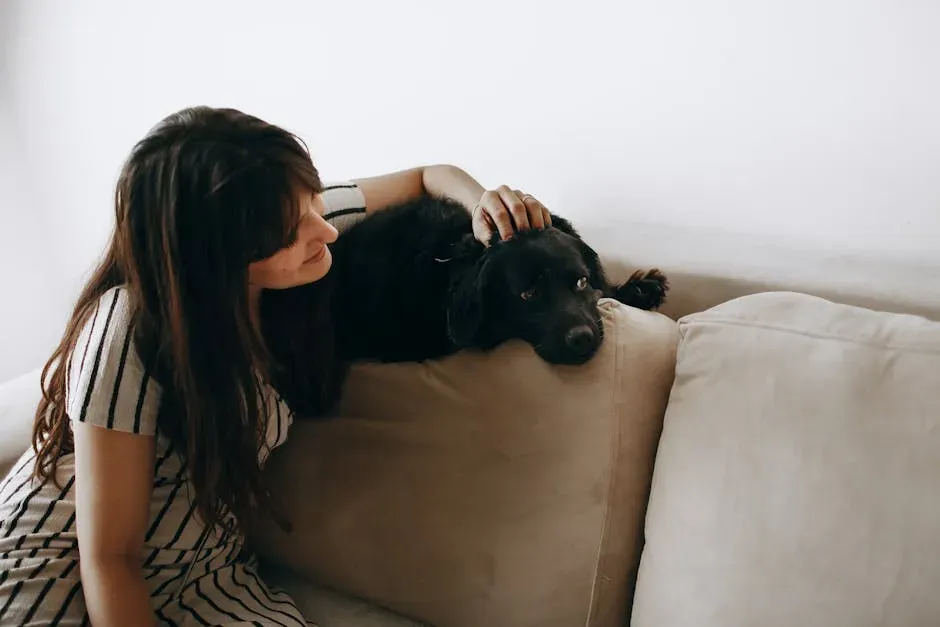
Dogs don’t just register human emotions passively. They respond to them with what can only be described as care. Dogs often form strong emotional bonds with humans and show signs of empathy and stress detection. Many owners recall their dog pressing close during a difficult night or resting its head on a lap during grief without any prompting whatsoever.
What’s notable is that the dog also seems to remember these moments. The attentiveness it shows when you seem low, the checking-in behavior, the unwillingness to leave your side during hard times. One of the key features of canine intelligence is their memory and how they utilize past experiences to navigate new circumstances. Dogs not only remember specific events but also use those memories to make decisions in future situations. Staying beside a grieving owner, it turns out, is something they genuinely remember doing.
#13. Early Morning Rituals That Belong Only to the Two of You
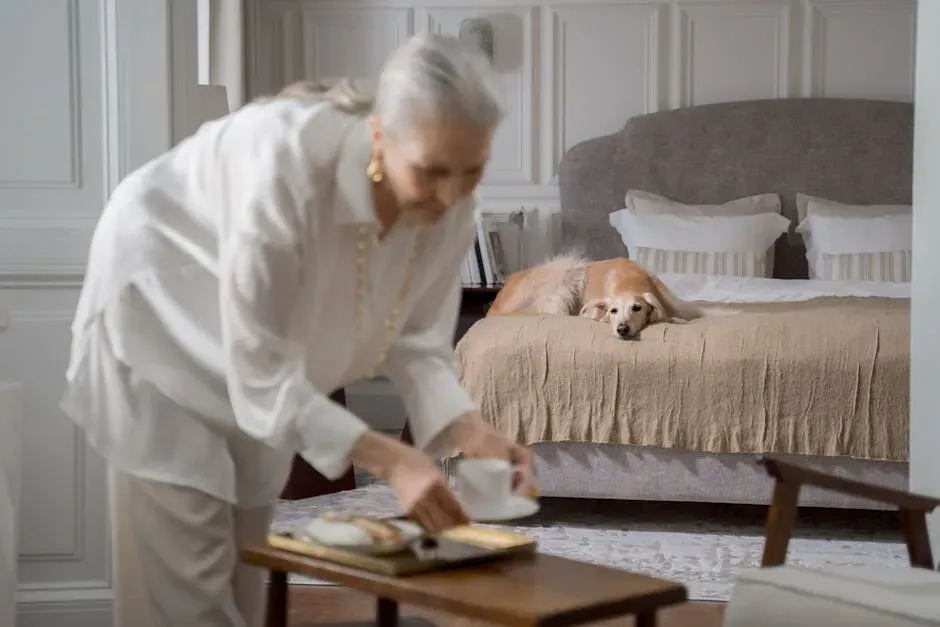
Every dog owner who has shared a home long enough with a dog knows about the small, unremarkable rituals that somehow become sacred. The cup of coffee in the quiet morning where the dog waits expectantly at your feet. The first stretch of the day done together, you reaching for the ceiling, the dog doing its own version on the rug. Dogs that experienced daily, positive interaction with their owner will likely maintain memories longer than those with sporadic or minimal contact.
These rituals are, in many ways, the architecture of a shared life. A stable emotional environment is vital for older pets, and those quiet morning routines are part of what creates that stability. A senior dog who still finds its spot by your chair at a certain hour every morning is doing something beautiful. It’s remembering how things are supposed to be, and trusting that you’ll be there too.
#14. The Way You Said Goodbye Before Leaving
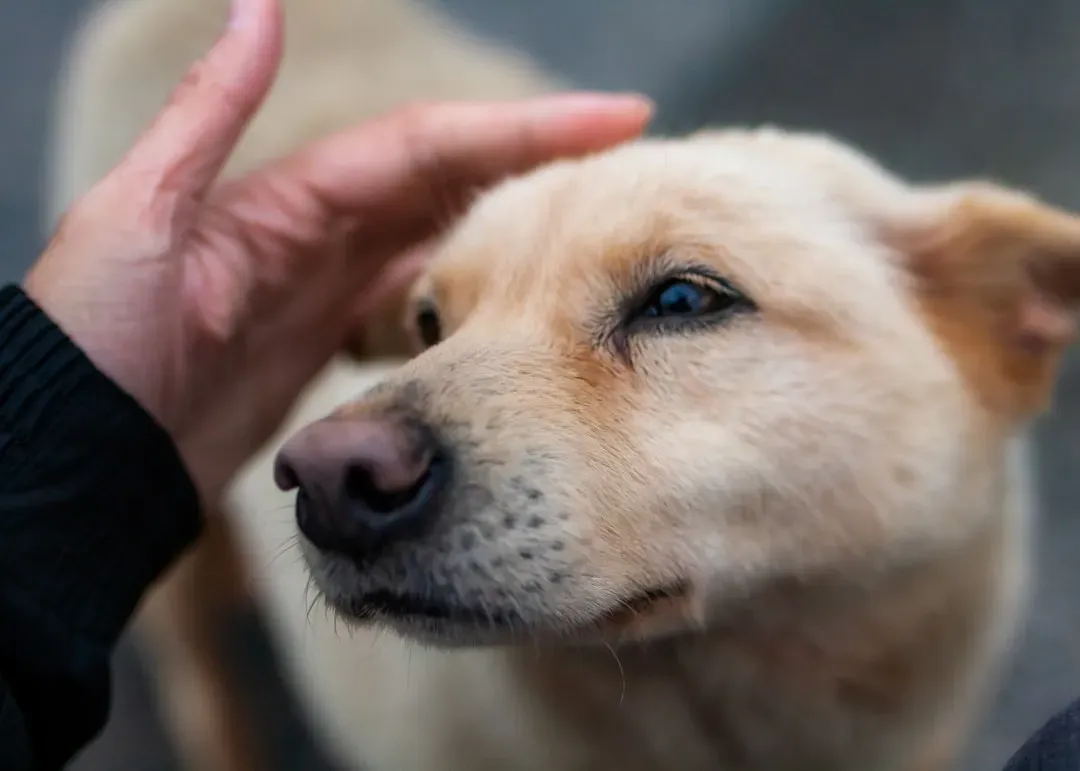
Whether you were aware of it or not, you probably had a goodbye ritual. A word, a pat on the head, a particular phrasing that signaled you were leaving but you’d return. Dogs don’t recall events in the same autobiographical way as humans do. Instead, they rely on associative memory, which links specific people, environments, and experiences to particular sensory cues and emotions. Your goodbye became a cue associated with anticipation rather than abandonment, largely because you always came back.
This is something senior dogs feel in their bones. You don’t have to worry about your dog forgetting about you. They might not remember every detail about your time together, but they will always have some sort of sensory and emotional memory of you. The predictability of your departures and returns built a trust that still holds, even as cognition slows and the world grows hazier around the edges.
#15. That They Were, and Always Will Be, Loved
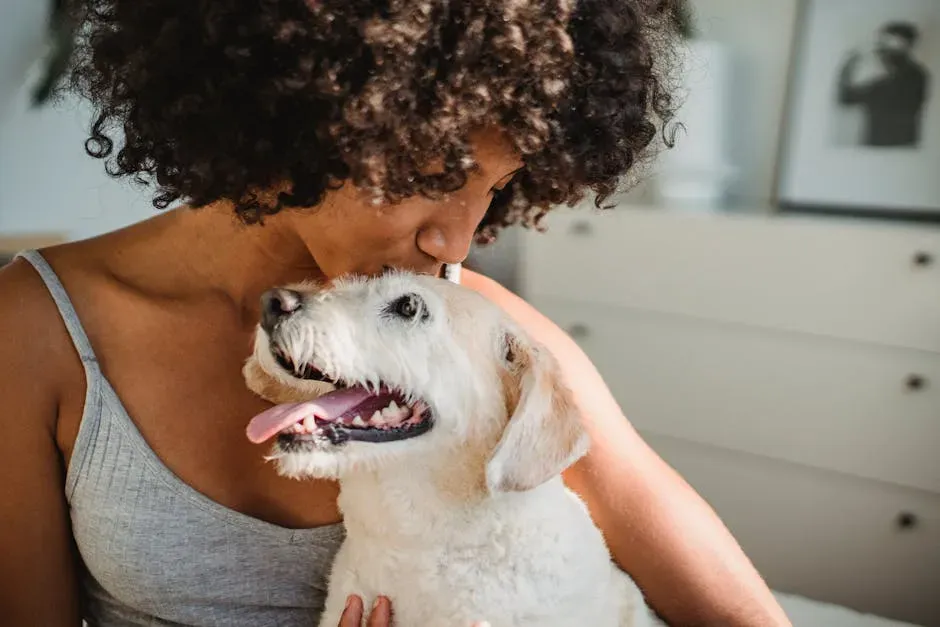
Senior dogs may experience cognitive decline, but emotional memory often remains intact. This is perhaps the most important thing to understand about aging dogs. Even when specific details fade, even when familiar faces blur and old commands take longer to land, the emotional imprint of being deeply loved doesn’t simply disappear. Many dogs may experience cognitive decline similar to Alzheimer’s in humans, but often, the most deeply ingrained emotional bonds persist.
Dogs possess a deep ability to remember and miss their owners through strong associative memory and emotional bonds. Powerful senses like smell, vision, and hearing help dogs retain their connection to people they love and trust, and with consistent care, routine, and interactions, these memories can last a lifetime, even after long separations. A senior dog curled up in a patch of sunlight, breathing slowly and deeply, is not simply resting. It’s carrying a lifetime of love in a form that no amount of aging can fully reach.
What All of This Really Means
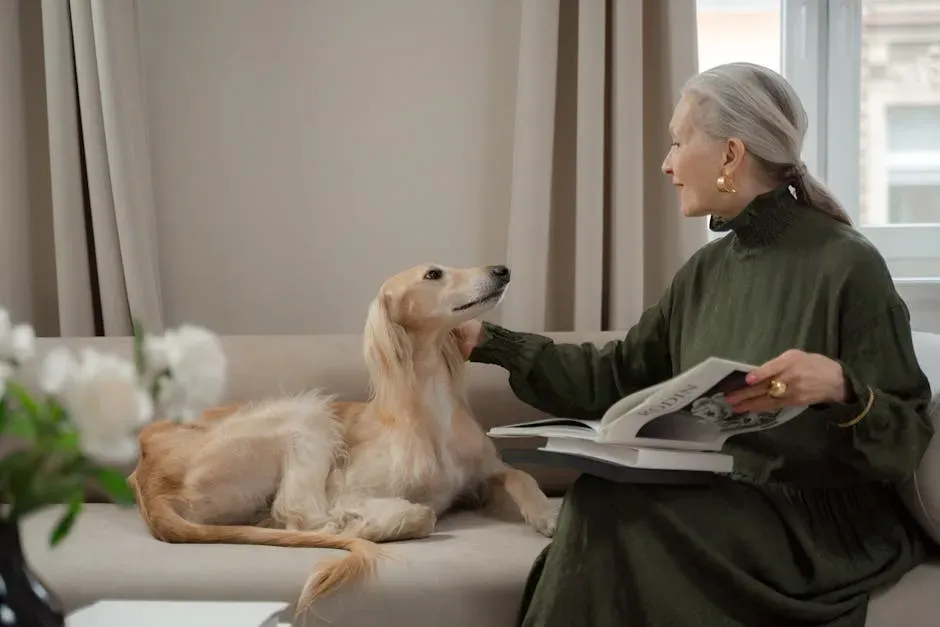
Here’s what I think, and I’ll say it plainly: we consistently underestimate what our dogs hold onto. We focus on their aging bodies, the slowing gait, the cloudy eyes, and we sometimes make the mistake of assuming that inner life is dimming at the same rate. It isn’t. Research and real-world evidence suggest that dogs can remember their owners for years, possibly for life.
The implication of that is quietly staggering. Every walk taken, every word spoken gently, every evening spent on the couch together, all of it is being held somewhere inside that old, devoted animal lying at your feet right now. These studies improve our ability to provide care for the dogs in our lives, promoting healthy and long-lived human-animal bonds. Understanding what senior dogs remember isn’t just heartwarming trivia. It’s a responsibility and a privilege.
If your dog is getting older, the best thing you can do isn’t found in a supplement or a specialist. It’s simpler than that. Stay consistent. Stay present. Keep showing up the way you always have. Because your senior dog isn’t just living in the moment. They’re living in the accumulation of every good moment the two of you have ever made together, and that is a life well and truly shared.


